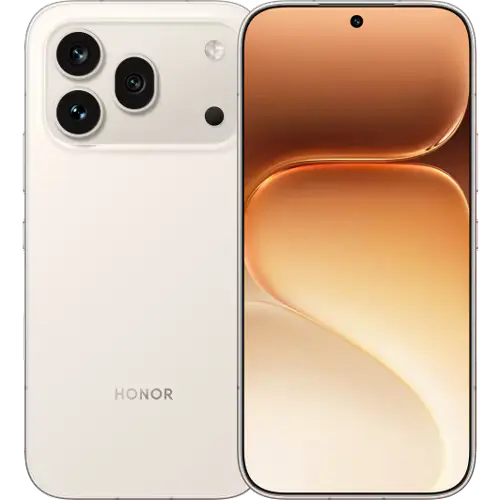
Honor 600
Score Overview
The Honor 600 is a mid-range phone pitched at buyers who want a large battery, a high-resolution main camera sensor, and a bright display without paying flagship prices. It sits at €600, competing with devices like the Google Pixel 10a, Apple iPhone 17e, and RedMagic 11 Air.
The phone's strengths are its display brightness, battery longevity, fast wired charging, and loud speakers. Its weaknesses are concentrated in processing power, camera performance (particularly dynamic range and color accuracy on the main lens), biometric speed, and data transfer. The Snapdragon 7 Gen 4 chipset delivers noticeably less performance than the silicon found in competitors at similar or lower prices.
Design
Specifications
The Honor 600 measures 156 x 74.7 x 7.8mm and weighs 190g. It uses an aluminum frame, a glass front, and a plastic back. The display sits at a 19.5:9 aspect ratio with a 91.2% screen-to-body ratio, meaning bezels are thin. The phone carries an IP68/IP69K rating, indicating it can survive submersion in fresh water beyond one meter and withstand high-pressure, high-temperature water jets.
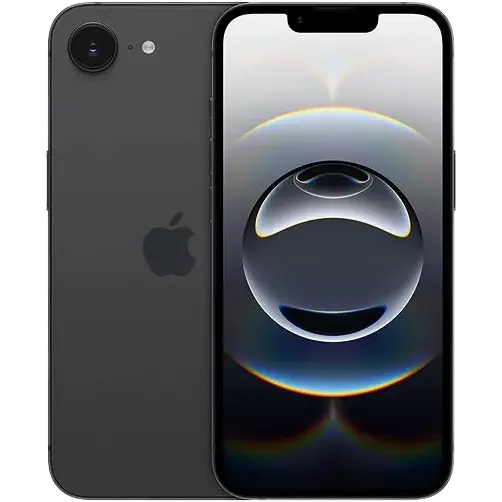
Compared to the iPhone 17e (146.7 x 71.5 x 7.8mm, 169g), the Honor 600 is taller and wider but the same thickness. It's notably lighter and more compact than the OnePlus 15R (163.4 x 77 x 8.1mm, 213g). The plastic back is a cost-saving measure at this price. The dual IP68/IP69K certification is a genuine differentiator — most phones at this price carry only IP68.
Bandicoot Lab does not formally test design or durability. The observations above are based on specifications.
Display
The Honor 600 has a 6.57-inch AMOLED display running at 1,264 x 2,728 resolution (458 PPI), with a 120Hz adaptive refresh rate that drops to 30Hz.
Brightness is exceptional. Manual brightness peaks at 969 nits, and peak HDR brightness reaches 6,949 nits at small window sizes. Those HDR peaks are far higher than the iPhone 17e (1,163 nits), Pixel 10a (3,182 nits), or RedMagic 11 Air (1,896 nits). Sustained brightness over 30 minutes under HDR load is 99.6%, meaning the panel holds its luminance reliably over time. When bright areas occupy large portions of the screen, brightness drops substantially; only small bright areas hit the nearly 7,000-nit peak. The minimum brightness of 0.49 nits is very low, which helps in dark rooms.
Color accuracy in Professional Mode returns an average Delta E of 1.85 against sRGB, meaning colors are close to their reference values. Normal Mode (average Delta E 3.52) and Vivid Mode (4.13) progressively sacrifice accuracy for saturation. The Professional Mode covers 98.1% of sRGB and 72.7% of Display P3. Compared to the iPhone 17e's 0.94 average Delta E or the OnePlus 15R's 1.3, the Honor 600's accuracy is slightly less precise but still within a range most users wouldn't notice outside side-by-side comparison.
Touch latency averages 9.8ms. The iPhone 17e measured 62.3ms, the Pixel 10a 15ms, and the OnePlus 15R 24.1ms. At 9.8ms, input response feels instantaneous. The difference between 9.8ms and 15ms is unlikely to be perceptible, but the gap versus the iPhone 17e's 62.3ms is noticeable during fast scrolling or gaming.
Performance
The Honor 600 runs a Qualcomm Snapdragon 7 Gen 4 with 12GB of RAM. Storage options are 256GB and 512GB.
Geekbench 6 scores of 1,297 (single-core) and 3,961 (multi-core) place it behind the competition though. The Pixel 10a, at a lower price, scores 1,716 and 4,385. The OnePlus 15R reaches 2,862 and 9,555, and the RedMagic 11 Air hits 3,147 and 9,961.
GPU performance is similarly modest. The 3DMark Wild Life Extreme stress test returned a peak score of 2,027 with 99.5% stability, meaning the chip barely throttles. Stability is outstanding compared to the OnePlus 15R (71%) or RedMagic 11 Air (79.5%), but the raw output is low — the Pixel 10a's Tensor G4 peaks at 2,685, and the Snapdragon 8 Elite in the RedMagic reaches 6,932. The Honor 600 will handle casual gaming without thermal issues, but demanding 3D games will run at lower frame rates or quality settings.
Browser performance (Speedometer 10.7) is low, trailing the Pixel 10a (17.7) and iPhone 17e (35.8). Page-heavy web apps will feel slower.
Camera
The Honor 600 carries a 200-megapixel f/1.9 main camera (1/1.4" sensor, 27mm equivalent), a 12-megapixel f/2.2 ultrawide (16mm equivalent), and a 50-megapixel f/2.0 front camera. There is no telephoto lens and maximum zoom is 30x digital.
The large main sensor provides good detail at standard focal lengths but the camera system is let down by weak dynamic range processing, aggressive saturation in auto mode, and rapid sharpness falloff at deeper zoom levels. Overall camera performance falls below the Pixel 10a, iPhone 17e, and RedMagic 11 Air.
Sharpness is competitive at 1x through 2x in good light but degrades quickly beyond that. At 10x in bright light the Honor 600 produces shots that compare well to the iPhone 17e and OnePlus 15R in sharpness. In mid and dark conditions, the decline in sharpness is steeper than in bright light. 30x dark images produced no usable detail. For a phone without a dedicated telephoto, this is expected. In good light, digital zoom to about 8-10x retains enough detail for social media use.
Main
In bright light at 1x, the main camera resolves good detail, but slightly below the iPhone 17e and Pixel 10a. In mid light and dark conditions it drops a little and stays below the iPhone 17e.
Color accuracy in auto mode is a weakness. In bright light, the average Delta E is 11.1 and skin tones measure 12.56, meaning colors are visibly oversaturated. Saturation is pushed to about 121% of reference, with warm tones (reds and oranges) shifted most. The iPhone 17e in the same conditions records a Delta E of 4.35, much closer to reality. In dark conditions, the Honor 600's auto mode shifts colors toward yellow, with a noticeable warm cast appearing in shadows.
The main lens preserves less detail in shadows and loses more highlight information compared to competitors. High-contrast scenes will lose bright-sky detail or crush shadows more readily on the Honor 600.
Ultrawide
The 12-megapixel ultrawide resolves good detail in bright and mid light. In dark conditions, sharpness drops, though.
Color accuracy in auto mode again oversaturates aggressively (132.6% saturation in bright light), producing punchy but unrealistic landscapes. In raw mode, color accuracy improves substantially (Delta E 4.37 bright, 3.85 mid), indicating the processing pipeline is responsible for most of the color shift.
The ultrawide preserves more highlight and shadow detail in high-contrast outdoor scenes compared to the main lens.
Front
The 50-megapixel front camera resolves decent detail, but is below the Pixel 10a in all lighting conditions. It is above the RedMagic 11 Air, though, which doesn’t have a great camera system overall.
Color accuracy follows the same pattern as the rear cameras. Auto mode pushes saturation (119.7% bright), inflating skin tones. Skin Delta E averages 13.3 in bright light, noticeably off from natural appearance. In raw mode, accuracy improves markedly (Delta E 4.27 bright).
Video stabilization on the front camera shows more residual shake (ratio 6.95) than the OnePlus 15R's front camera (1.11) or iPhone 17e (2.53), meaning handheld video calls or vlogging will appear less smooth.
Battery
The Honor 600 has a 7,000mAh battery. Video playback at 200 nits lasts 29 hours 26 minutes, and at maximum brightness it achieves 28 hours 15 minutes. This outlasts the Pixel 10a (25 hours 57 minutes) and the iPhone 17e (18 hours 27 minutes) by a wide margin, and is comparable to the RedMagic 11 Air (29 hours 20 minutes). It falls short of the OnePlus 15R's exceptional 44 hours 13 minutes.
Web browsing drain over five hours is 21%, identical to the RedMagic 11 Air and close to the Pixel 10a's 19%. Gaming drain during a one-hour stress test is 18%, a moderate figure that reflects both the large battery and the lower-power chipset. Standby drain is 2% over eight hours, which is strong.
In practical terms, the Honor 600 should deliver two full days of typical use between charges for most users.
Charging
Wired charging at 80W brings the battery from empty to 28% in 10 minutes and 75% in 30 minutes. This is faster than the OnePlus 15R and significantly faster than the Pixel 10a or iPhone 17e.
There is no wireless charging.
Speaker
The Honor 600's speakers reach a maximum volume of 77.2 dBA, which is loud. Average total harmonic distortion is 10.75% though, meaning some audible distortion creeps in at higher volumes.
The frequency character leans toward the upper mids and highs, with clarity being the stronger trait relative to bass depth. Low-frequency extension is limited; the speaker begins rolling off meaningfully in the bass. Vocals and high-frequency detail come through clearly, but music with heavy bass lines will sound thin. The OnePlus 15R has a flatter, more balanced response despite lower volume; the iPhone 17e is cleaner and offers deeper bass at a quieter peak volume.
Microphone
The Honor 600's microphone has a frequency response standard deviation of 7.11 dB, which is below average. The iPhone 17e (4.51 dB) and OnePlus 15R (6.04 dB) deliver more even frequency response, meaning voice recordings and calls on the Honor 600 may sound slightly more colored or uneven across the frequency range.
Other
Measurements
Specifications
The optical fingerprint sensor unlocks in an average of 342ms. This is slow compared to the OnePlus 15R's ultrasonic sensor (158ms) or the Pixel 10a's optical sensor (265ms). The difference is perceptible — there's a brief but noticeable pause after touching the sensor. The phone has no hardware-based face unlock.
Data transfer over USB-C 2.0 maxes out at 41 MB/s read and 35 MB/s write. This is the USB 2.0 speed ceiling and identical to what the OnePlus 15R and RedMagic 11 Air achieve with the same port standard. The Pixel 10a, with USB-C 3.2, reaches 178 MB/s read — roughly four times faster for large file transfers.
Storage configurations are 256GB and 512GB.
Conclusion
The Honor 600 is a phone with a few genuinely strong attributes — particularly its display brightness, battery life, fast charging, and touch responsiveness. It has a mid-range chipset that limits it in processing, gaming, and browser speed. Its camera system captures good detail at normal zoom levels but struggles with color accuracy, dynamic range, and deep zoom performance compared to alternatives at the same price. The fingerprint sensor is noticeably slow, and the USB 2.0 port constrains wired data transfer.
Buyers who prioritize screen-on time, a bright outdoor-readable display, and quick top-ups will find value here. Those who care more about camera quality, raw performance, or fast biometrics would be better served by the Pixel 10a (lower cost, better camera processing and connectivity) or the OnePlus 15R (slightly more money, substantially more performance and battery life).
Related
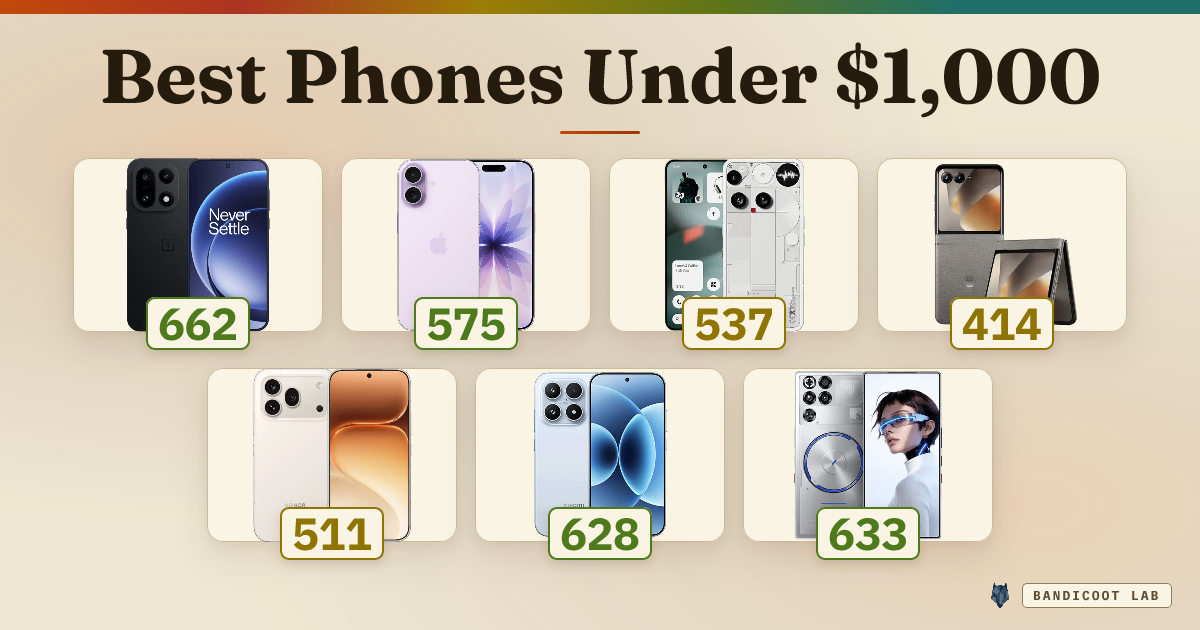
Best Phones Under $1,000
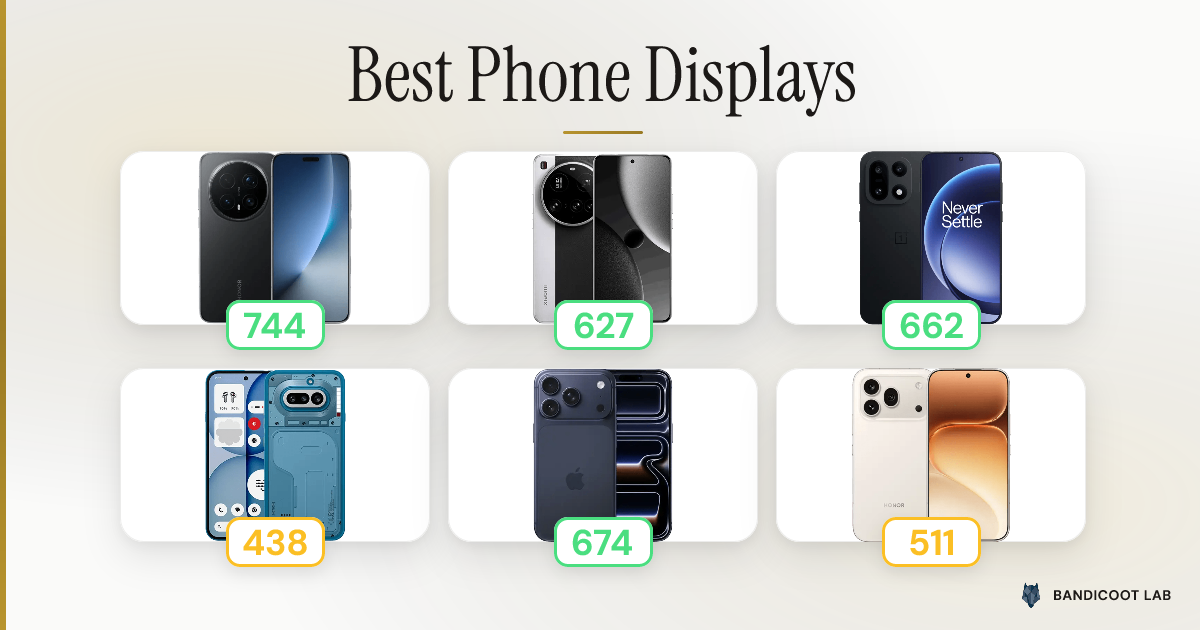
Best Phone Displays
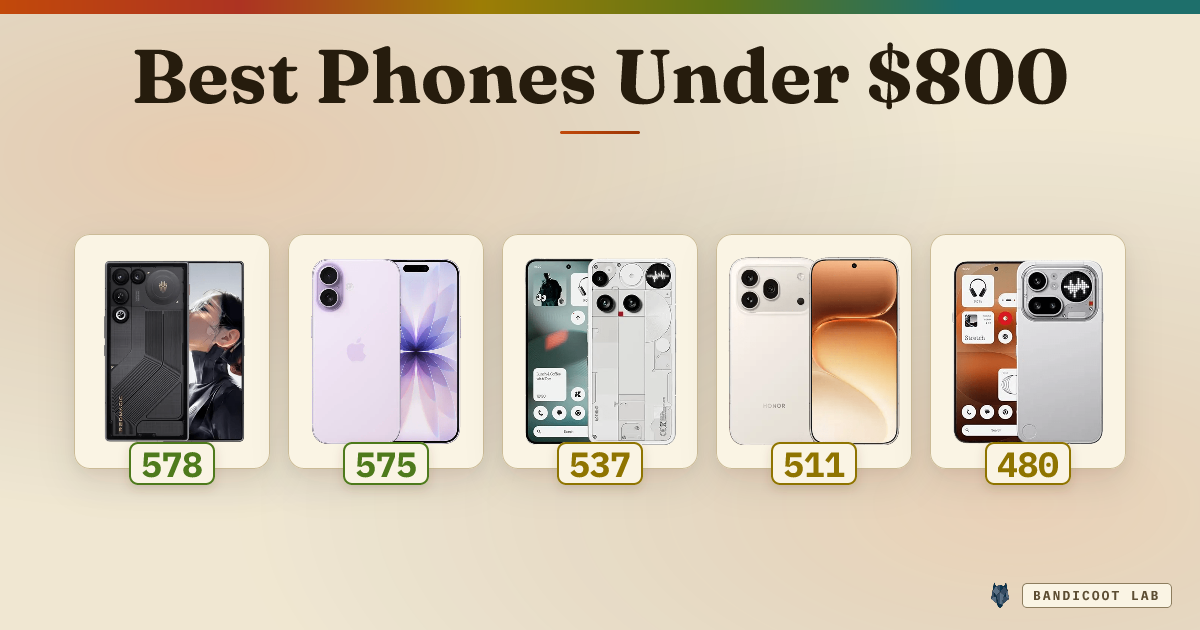
Best Phones Under $800
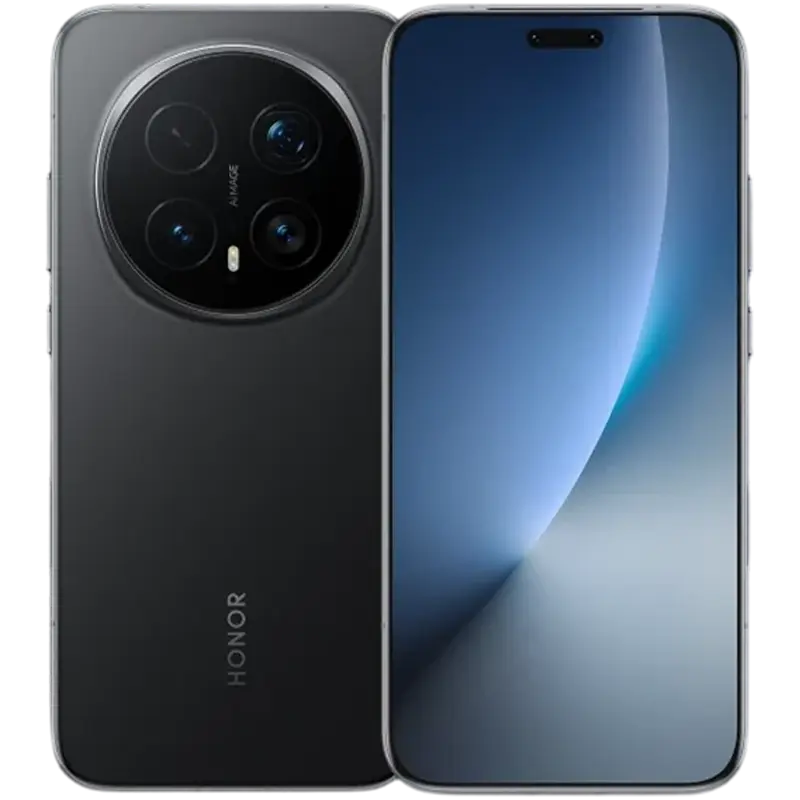
Honor
Magic8 Pro
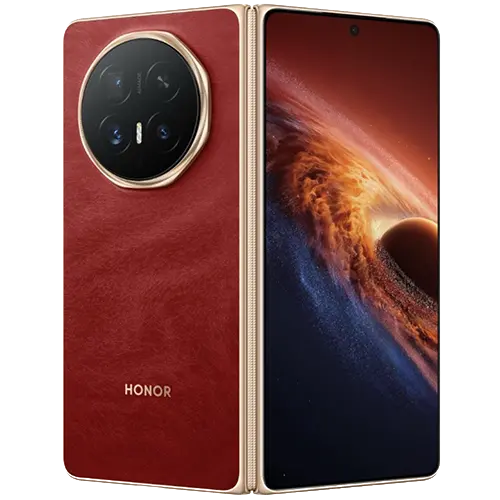
Honor
Magic V6
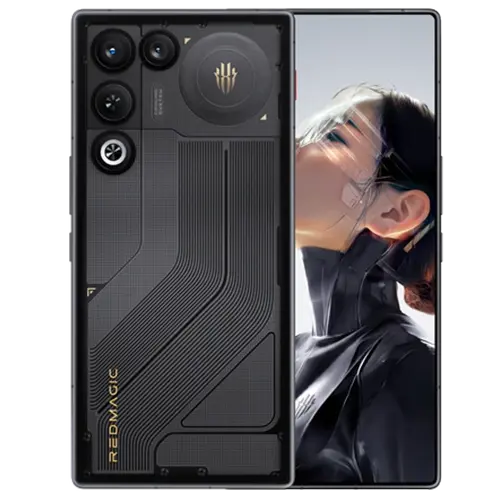
RedMagic
11 Air

OnePlus
15R
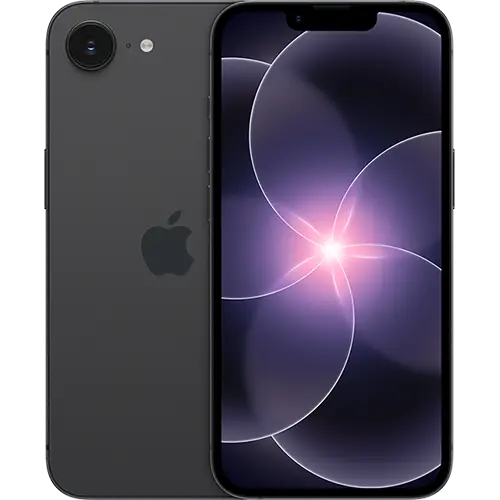
Apple
iPhone 17e
Apple
iPhone 16e
Motorola