Honor Magic8 Pro


Score Overview
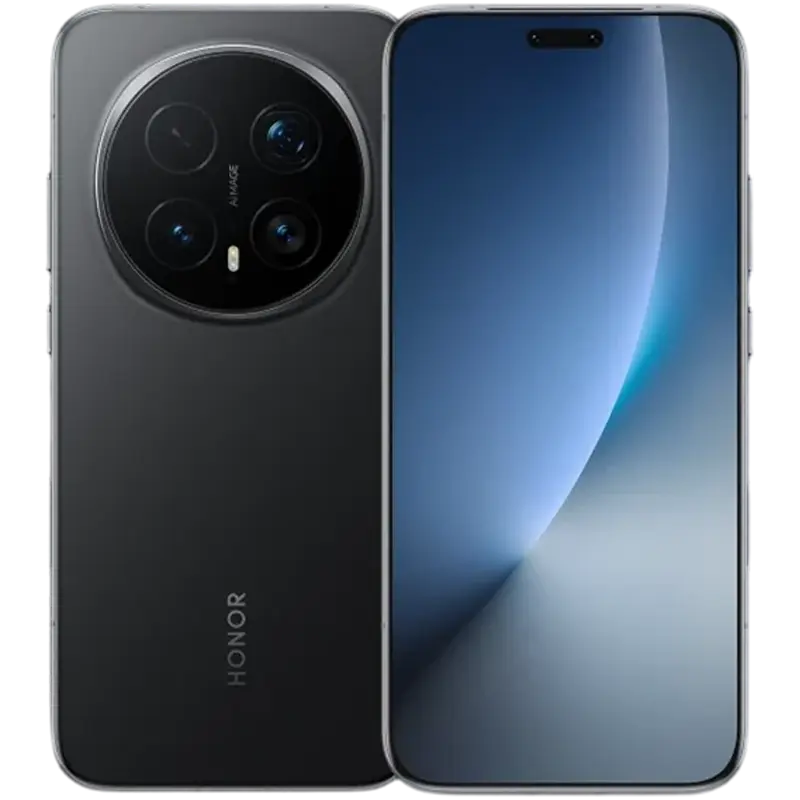
The Honor Magic8 Pro is a large-screen flagship aimed at users who want strong battery life and fast performance. It sits at €1,299 and competes directly with phones like the Samsung Galaxy S26 Ultra and iPhone 17 Pro Max, positioning itself as an all-rounder with a 7,100mAh battery and a triple camera system anchored by a 200-megapixel telephoto.
The phone's clear strengths are battery endurance and display quality, both of which tested well. Performance is also strong, with raw processing power matching or exceeding other Snapdragon 8 Elite Gen 5 devices. Charging speeds are fast, both in wired and wireless charging. The weak spots are the camera system, which falls behind similarly priced rivals in color accuracy and dynamic range across all lenses, and the speakers, which are loud but lack bass depth.
Here’s how the Honor Magic8 Pro performed in our testing.
Design
Specifications
The Magic8 Pro measures 161.2 x 75 x 8.3mm and weighs 219g. That makes it slightly shorter and narrower than the Samsung Galaxy S26 Ultra (163.6 x 78.1 x 7.9mm, 214g) and the iPhone 17 Pro Max (163.4 x 78 x 8.8mm, 233g), though it weighs a few grams more than the Samsung. The frame is aluminum, the front is covered by Honor's NanoCrystal Shield glass, and the back is fiber-reinforced plastic. The combination of a plastic back and aluminum frame keeps weight reasonable for a phone with a 7,100mAh battery.
The display has a 20.1:9 aspect ratio, which makes the phone taller and narrower than most competitors using 19.5:9 or 20:9 panels. Screen-to-body ratio is 89.6%, slightly below the Galaxy S26 Ultra's 91.5% and the iPhone 17 Pro Max's 91.7%, meaning bezels are a touch thicker, but not noticeably so.
IP68 and IP69K ratings mean the phone is submersible in fresh water to the standard depth and also rated against high-pressure, high-temperature water jets, matching the Xiaomi 17 Ultra's IP68/IP69 certification.
Bandicoot Lab does not formally test design or durability. The observations above are drawn from published specifications.
Display
The Magic8 Pro uses a 6.71-inch LTPO OLED panel at 1256 x 2808 resolution, giving it 458 pixels per inch. Refresh rate scales from 1Hz to 120Hz. Resolution and pixel density are adequate but a step below the Galaxy S26 Ultra's 500 PPI panel.
Manual brightness tops out at 759 nits, which is usable outdoors but noticeably dimmer than the Pixel 10 Pro XL's 1,435 nits or the Galaxy S26 Ultra's 976 nits. Minimum brightness drops to 0.98 nits, which is comfortable for dark-room reading. HDR peak brightness, measured at small window sizes, reaches 4,969 nits. Sustained brightness stability is 99.5%, meaning the display holds its luminance almost perfectly over extended HDR viewing. This is a separate measurement from peak brightness — a phone can hit a high peak but throttle quickly, and the Magic8 Pro does not. The iPhone 17 Pro's sustained brightness stability is just 39%, so the Honor holds its output far more consistently.
Color accuracy is strong. In Normal mode, the average Delta E (a measure of how far displayed colors drift from their target values) is 0.82, with no individual color exceeding a Delta E of 2.14. In practice, colors on screen closely match their intended appearance, with no visible drift in skin tones or neutrals. The Vivid mode widens the gamut to 88% Display P3 coverage, with an average Delta E of 3.19. The wider gamut introduces some visible color push in saturated patches but remains reasonable for everyday use. The iPhone 17 Pro's default mode averaged a Delta E of 0.85, putting the two phones very close in accuracy.
Touch latency averages 17.2ms, which is responsive and comparable to the Pixel 10 Pro XL's 15.7ms. The iPhone 17 Pro measured 52.7ms.
Performance
The Magic8 Pro runs the Qualcomm Snapdragon 8 Elite Gen 5, the same chipset found in the Samsung Galaxy S26 Ultra and Xiaomi 17 Ultra. Geekbench 6 returned a single-core score of 3,721 and a multi-core score of 11,188. These figures are closely matched with the Galaxy S26 Ultra, and slightly behind the iPhone 17 Pro's single-core result of 3,918, though the Honor leads in multi-core.
GPU performance in the 3DMark Wild Life Extreme stress test peaked at 6,963, dropping to 4,465 at the lowest loop for a stability of 64.1%. The Galaxy S26 Ultra peaks higher at 7,802 but throttles more aggressively to 49.8% stability. The Xiaomi 17 Ultra is in a similar range at 7,217 peak with 65% stability.
In the Solar Bay ray tracing benchmark, the Magic8 Pro scored 13,471 at its best loop with 59.8% stability, comparable to the Galaxy S26 Ultra.
Browser performance via Speedometer hit 44.7, close to the Galaxy S26 Ultra's 46 and the iPhone 17 Pro's 43.1. Web browsing feels similarly fluid on all three.
Camera
The Magic8 Pro carries a 50-megapixel f/1.6 main camera with a 1/1.3" sensor, a 50-megapixel f/2.0 ultrawide, a 200-megapixel f/2.6 telephoto at 3.7x optical zoom with a large 1/1.4" sensor, and a 50-megapixel f/2.0 front camera. On paper, the telephoto is a standout, with its high-resolution sensor enabling digital zoom up to 100x. In practice, the camera system as a whole falls short of the best in this price range.
Sharpness is the strongest aspect of the camera. The main lens produces detailed images in bright and low light, and the telephoto holds up well at its native 3.7x magnification. At 30x zoom, sharpness scores remain high in bright and mid conditions. At 50x, the Honor still delivers usable detail. By 80x, images do lose a lot of detail but retain enough structure for recognizing distant subjects. The Pixel 10 Pro XL, with its 5x optical telephoto, maintains more consistent sharpness at extended zoom ranges.
Color accuracy and dynamic range are where the system falls behind. All lenses show a warm yellow-orange push in processed images, and skin tones shift noticeably away from their natural appearance. Dynamic range from the main lens is wide in auto mode but compresses aggressively, which can flatten the transition between highlights and shadows. The telephoto and ultrawide show more limited dynamic range. Compared to the Samsung Galaxy S26 Ultra and Xiaomi 17 Ultra, which both produce more accurate colors and better-balanced exposure, the Magic8 Pro's image processing needs refinement.
Main
The 50-megapixel main sensor (1/1.3", f/1.6, 23mm equivalent) produces sharp images across all lighting conditions. Sharpness holds up well even in low light, where the large sensor gathers enough light to keep noise manageable and detail clean.
Color accuracy is a weak point. In bright light (1000 lux, 5500K), the average color error is elevated, driven primarily by boosted saturation roughly 114% of reference values. Skin tones are pushed furthest, appearing warmer and more saturated than life. As lighting drops to mid levels (100 lux, 4000K), a warm yellow-orange shift becomes more prominent. This is largely a white balance issue — the processing doesn't fully compensate for the warmer ambient color temperature, leaving a noticeable yellow cast. In low light (10 lux, 3000K), the warm shift increases further and hue accuracy degrades as well.
Dynamic range in auto mode is wide, with good shadow recovery. Highlights do clip in very bright areas, and there is moderate compression that smooths out tonal transitions. This is a reasonable result for a flagship main camera, though the Samsung Galaxy S26 Ultra and iPhone 17 Pro Max both handle highlight and shadow detail with more nuance.
Ultrawide
The 50-megapixel ultrawide (1/2.88", f/2.0, 12mm) produces sharp results in good light, slightly below the main lens as expected from the smaller sensor. Sharpness in low light is still reasonable.
Color accuracy follows a similar pattern to the main lens, with a warm push in mid and low light. In bright conditions, skin tones are notably more saturated than natural. In low light, the yellow cast becomes strong as white balance correction falls short.
Dynamic range is narrower than the main lens, with some highlight clipping. This is an average result for an ultrawide lens.
Telephoto
The 200-megapixel telephoto (1/1.4", f/2.6, 85mm, 3.7x optical) benefits from its large sensor. At its native zoom, sharpness is solid in bright and mid light, though it doesn't quite match the main lens. The high resolution allows the phone to crop aggressively for digital zoom while retaining reasonable detail.
Color accuracy is average. Bright-light images push saturation moderately, and skin tones skew warm. In mid light, a warm yellow shift from incomplete white balance correction is visible. Low light shows the strongest color inaccuracy, with a heavy magenta-pink push indicating the sensor struggles with hue separation at higher ISO. This is distinct from the warm shift seen in other conditions and represents a sensor limitation rather than a white balance issue.
Dynamic range in auto mode isn’t bad, but with highlights clipping at the bright end. It’s not as impressive as the iPhone 17 Pro Max’s telephoto camera.
Video stabilization on the telephoto shows more residual shake than the other lenses, which is typical for longer focal lengths but worth noting for handheld video at this zoom.
Front
The 50-megapixel front camera (1/2.93", f/2.0, 21mm) delivers sharp selfies in bright and mid conditions. In low light, sharpness dips but remains usable. Overall sharpness is competitive, though the iPhone 17 Pro's front camera produces slightly more detail.
Color accuracy is better than the rear lenses in mid light, where skin tones are close to natural and the warm shift is mild. In bright light, skin tones are oversaturated. In low light, color errors increase significantly, with a strong warm yellow-pink cast driven by incomplete white balance correction and some hue confusion from the sensor.
Dynamic range is limited. The front camera captures heavy compression, meaning the tonal range is squeezed into a narrow band. Highlights clip easily. The iPhone 17 Pro's front camera handles dynamic range substantially better.
Video stabilization from the front camera is adequate, comparable to the Xiaomi 17 Ultra's front camera.
Battery
The 7,100mAh battery is the largest among the phones compared here, and the results reflect that. Video playback at 200 nits ran for 35 hours and 30 minutes, well above the Galaxy S26 Ultra's 31 hours 34 minutes, the Xiaomi 17 Ultra's 30 hours 59 minutes, and the iPhone 17 Pro Max's 23 hours 58 minutes. At maximum brightness, video playback still lasted 26 hours 47 minutes. In practical terms, this means comfortably two full days of mixed use for most people, and potentially stretching toward three days with lighter use.
Web browsing drain over a 5-hour test was 11%, meaning about 45 hours of continuous browsing would be possible. The Galaxy S26 Ultra drained 24% in the same test, and the Pixel 10 Pro XL drained 25%. This is a strong result.
Gaming drain during the 3DMark stress test was 25%, identical to the iPhone 17 Pro Max and closely matched with the Galaxy S26 Ultra at 24%. The Xiaomi 17 Ultra drained 31% in the same test, likely due to its higher peak GPU performance and operating temperature.
Standby drain was 7% over 8 hours overnight. This is higher than the iPhone 17 Pro Max and Pixel 10 Pro XL, both at 2%, and reflects strange software optimization in standby. The Magic8 Pro loses more battery idle than most competitors, which chips into the advantage its large battery provides during active use.
Charging
Wired charging at 120W reaches 30% in 10 minutes and 81% in 30 minutes. This is faster than the Xiaomi 17 Ultra.
Wireless charging is rated at 80W, and the phone charged very quickly on a wireless charger, hitting 67% in 30 minutes and fully charging in under 70 minutes.
Speaker
The speakers reach a maximum volume of 76.9dBA, which is quite loud. The Galaxy S26 Ultra measured 75.3dBA and the iPhone 17 Pro 75.2dBA. The difference isn’t really audible.
Sound character tilts toward the higher frequencies, with relatively clear mids and treble. Bass response is thin, which leaves music and video audio sounding hollow when there should be low-end presence. The Samsung Galaxy S26 Ultra and iPhone 17 Pro Max both deliver fuller bass alongside their clarity, giving them a more balanced overall sound.
Average total harmonic distortion is 8.6%, which is moderate. The Galaxy S26 Ultra measured just 3.3% and the iPhone 17 Pro 4.7%. At higher volumes, the Magic8 Pro's audio is more likely to sound strained, particularly in bass-heavy content.
Microphone
Microphone quality is slightly below average, with a frequency response standard deviation of 4.99. This means the microphone doesn't capture all frequency ranges with equal sensitivity, which can affect voice clarity in calls or recordings. The Pixel 10 Pro XL's 4.21 and the iPhone 17 Pro Max's 3.39 both indicate flatter, more balanced microphone pickup. For standard voice calls the Magic8 Pro's microphone is fine, but it's not the best choice for audio recording.
Other
Measurements
Specifications
The fingerprint sensor unlocks in an average of 171ms, which is quick and responsive in daily use. The Samsung Galaxy S26 Ultra is slightly faster at 138ms, while the Pixel 10 Pro XL takes 214ms. The Magic8 Pro has no hardware-based face unlock.
Data transfer over USB-C 3.2 is fast. Large file reads hit 332 MB/s and writes reached 230 MB/s. Small file performance was also solid at 76.3 MB/s read and 42 MB/s write. These speeds are comparable to the Galaxy S26 Ultra and well ahead of the Pixel 10 Pro XL's 105 MB/s read speed.
Conclusion
The Honor Magic8 Pro delivers genuinely strong battery life and display quality. Its Snapdragon 8 Elite Gen 5 chipset provides performance on par with the Samsung Galaxy S26 Ultra, and its 120W wired charging is fast in practice. The display is bright in HDR content, holds its brightness reliably over time, and reproduces colors accurately in its calibrated mode.
The camera system is the main area where the phone falls short of its price bracket. Sharpness is good, and the 200-megapixel telephoto delivers useful detail at extended zoom ranges, but color processing across all lenses produces a persistent warm shift and oversaturated skin tones that competitors like the Samsung Galaxy S26 Ultra and Xiaomi 17 Ultra handle better. Speakers lack bass depth, and standby drain is higher than average. For buyers who prioritize battery endurance and display performance over camera quality, the Magic8 Pro makes a great for itself.
Related
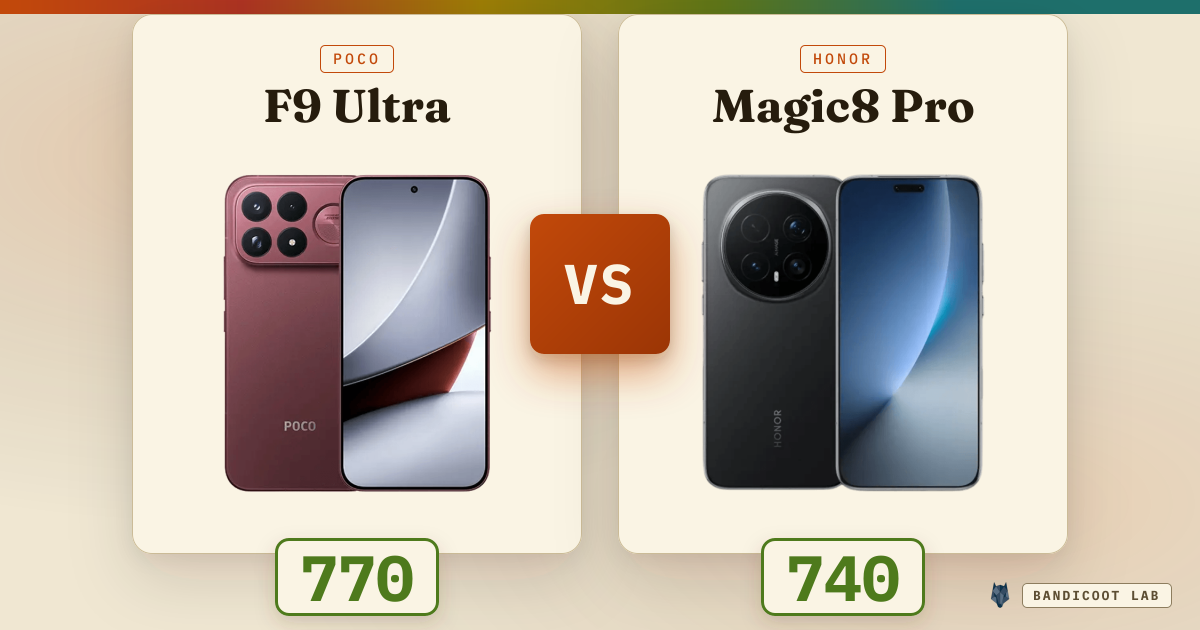
Poco F9 Ultra vs Honor Magic8 Pro
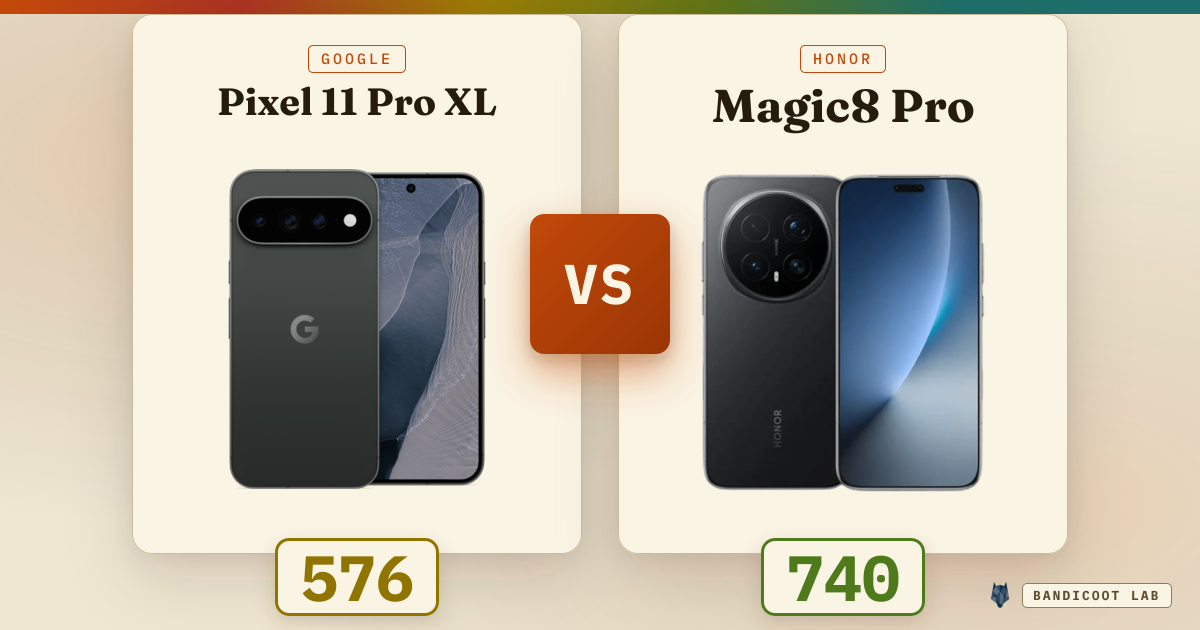
Google Pixel 11 Pro XL vs Honor Magic8 Pro
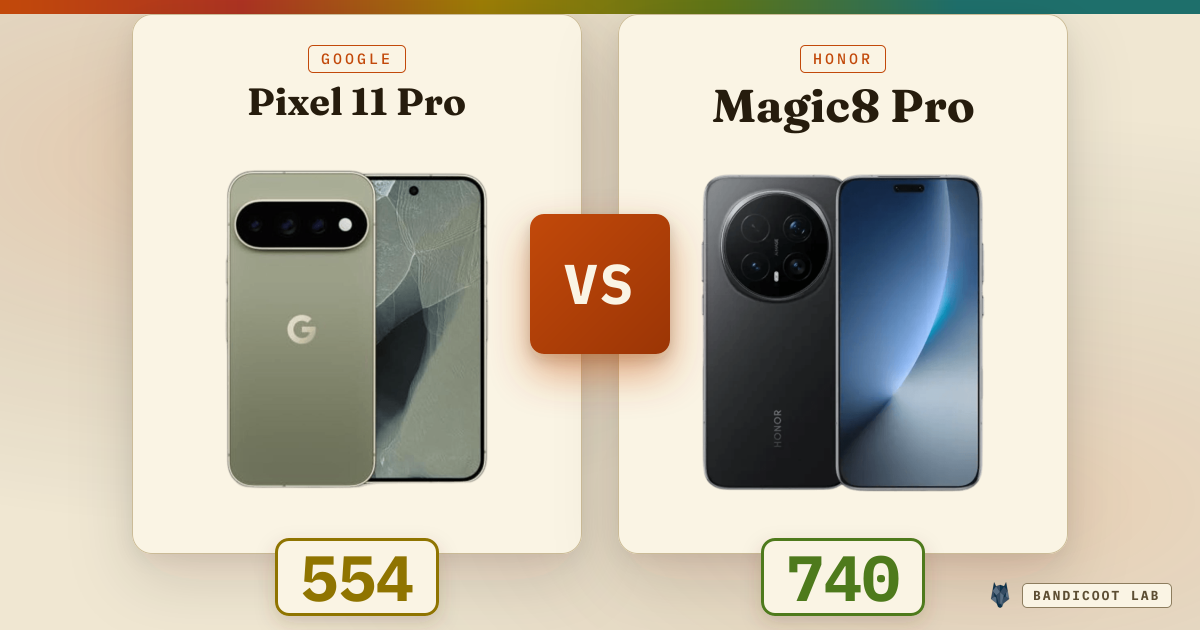
Google Pixel 11 Pro vs Honor Magic8 Pro
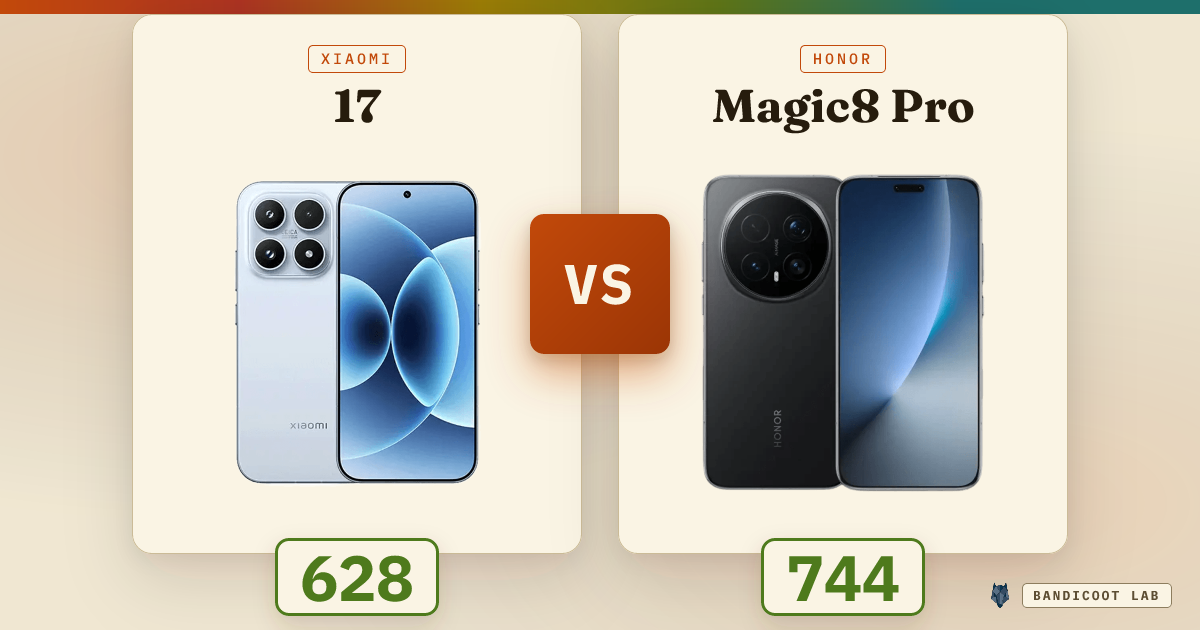
Xiaomi 17 vs Honor Magic8 Pro
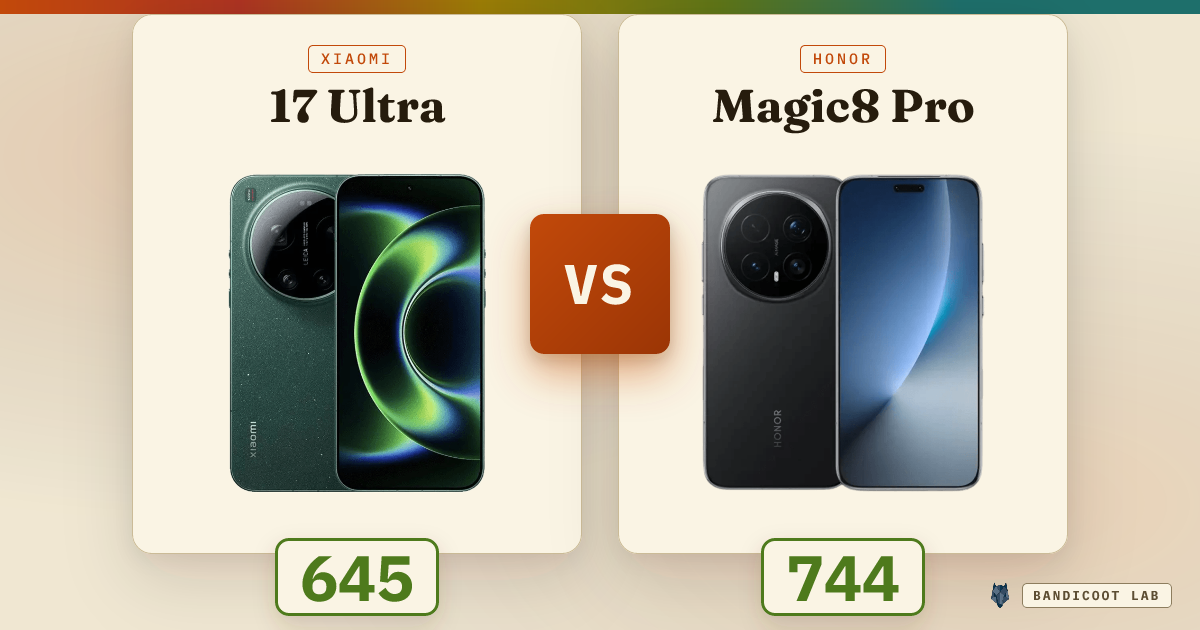
Xiaomi 17 Ultra vs Honor Magic8 Pro
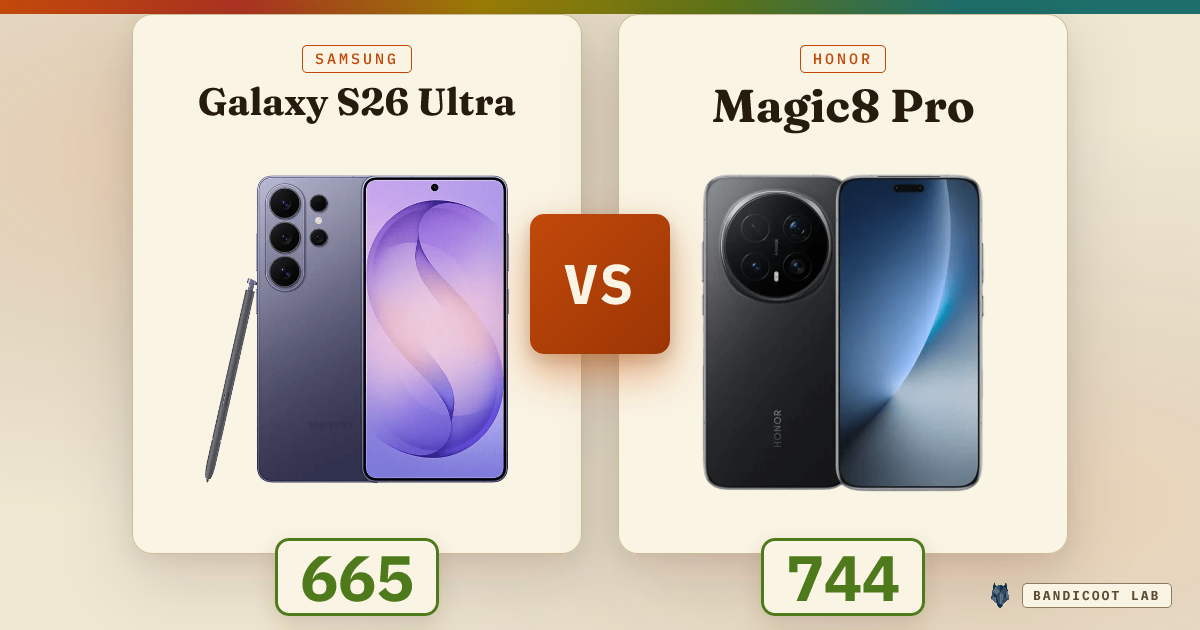
Samsung Galaxy S26 Ultra vs Honor Magic8 Pro
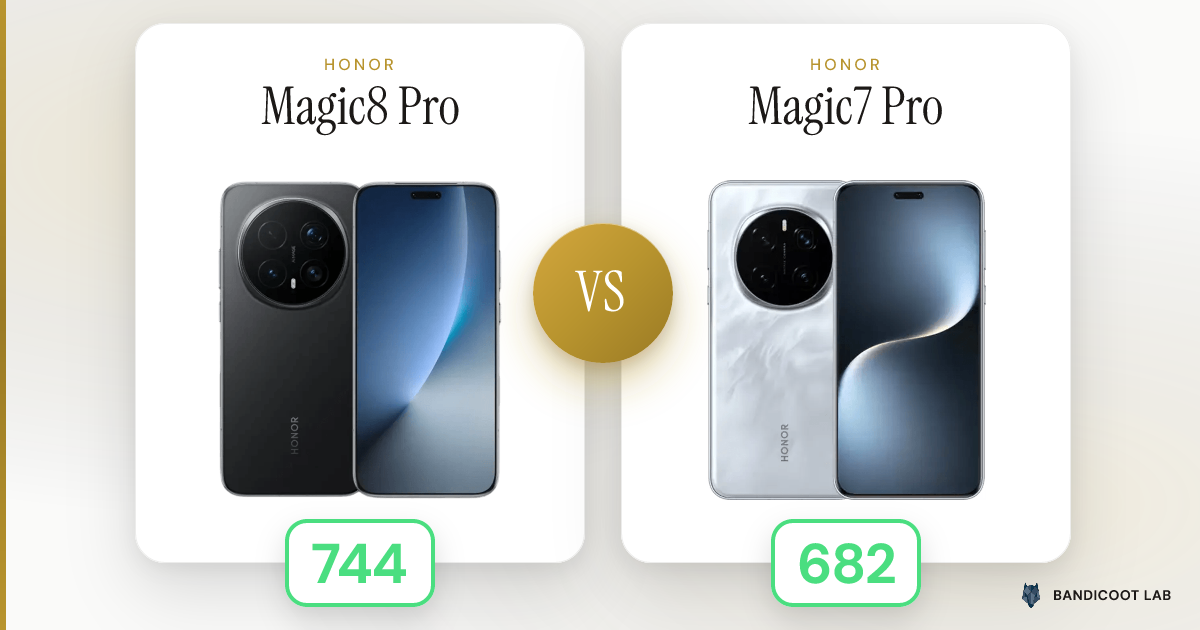
Honor Magic8 Pro vs Honor Magic7 Pro
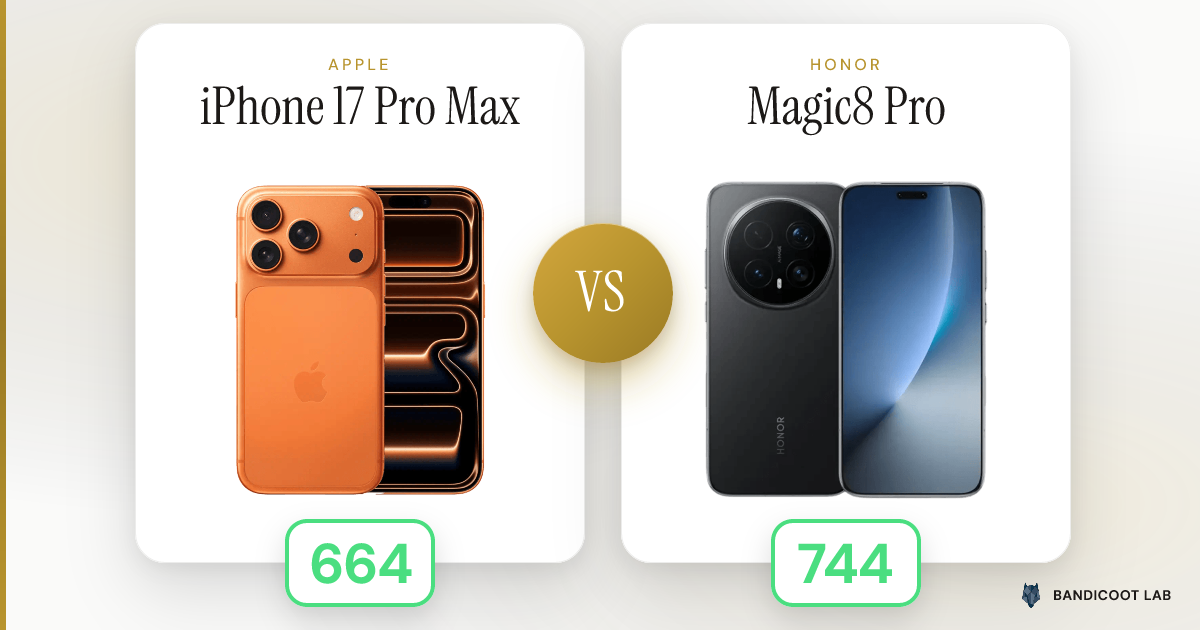
Apple iPhone 17 Pro Max vs Honor Magic8 Pro
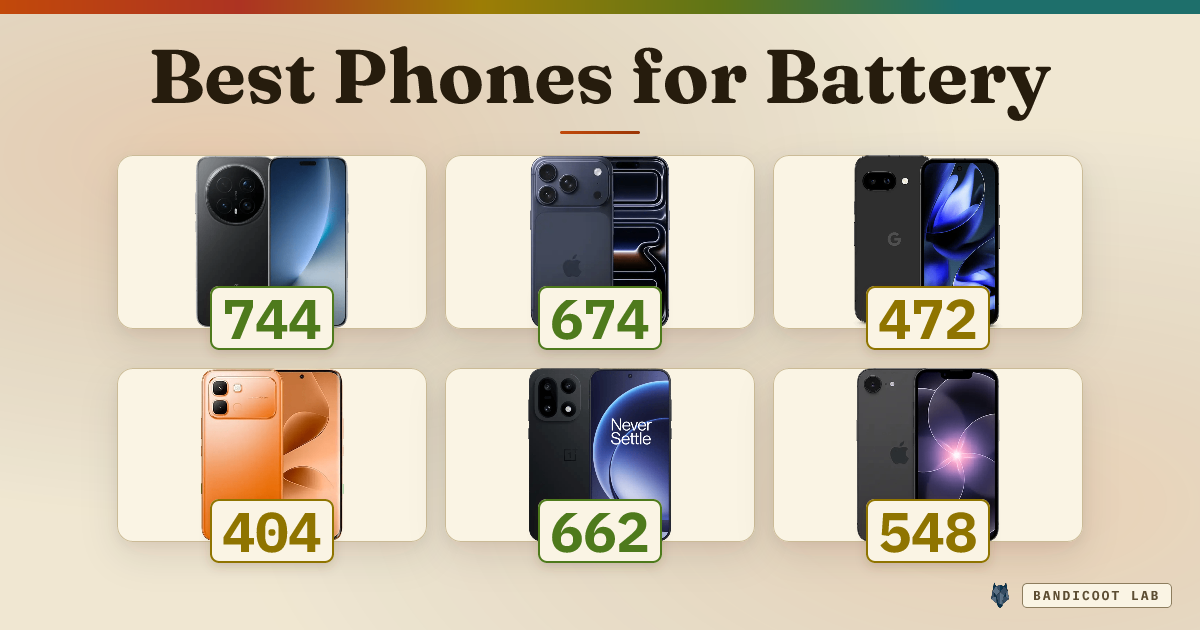
Best Phones for Battery
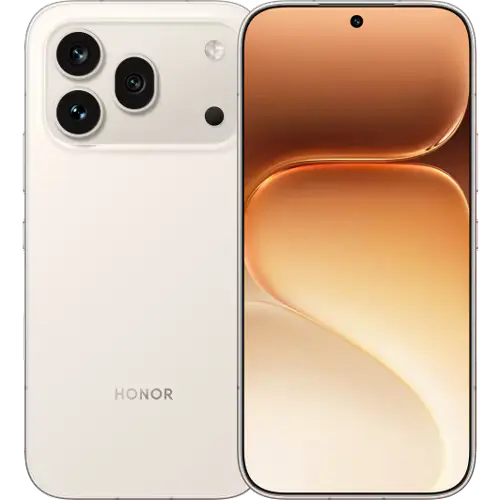
Honor
600
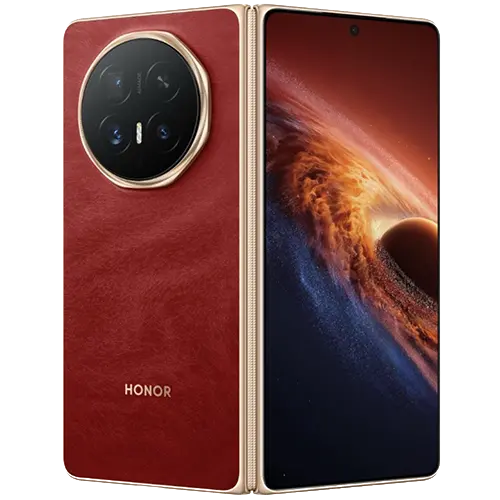
Honor
Magic V6
Apple