Apple iPhone 17 Pro Max vs Google Pixel 10 Pro XL
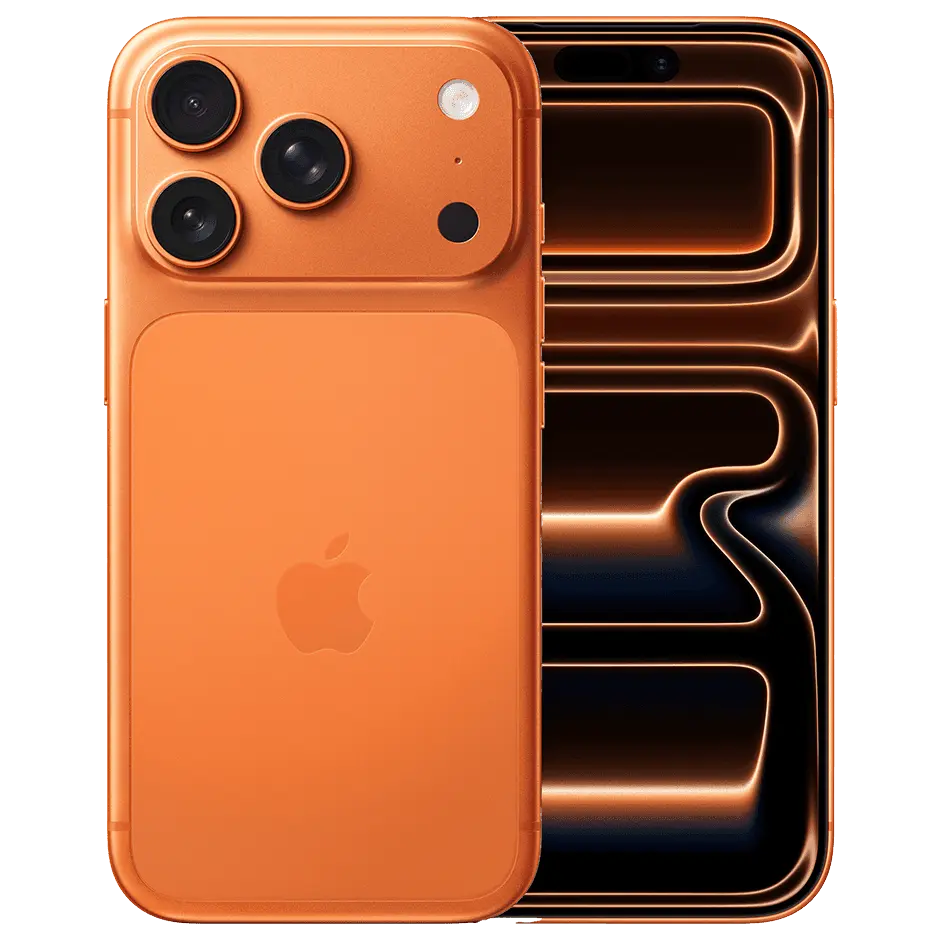
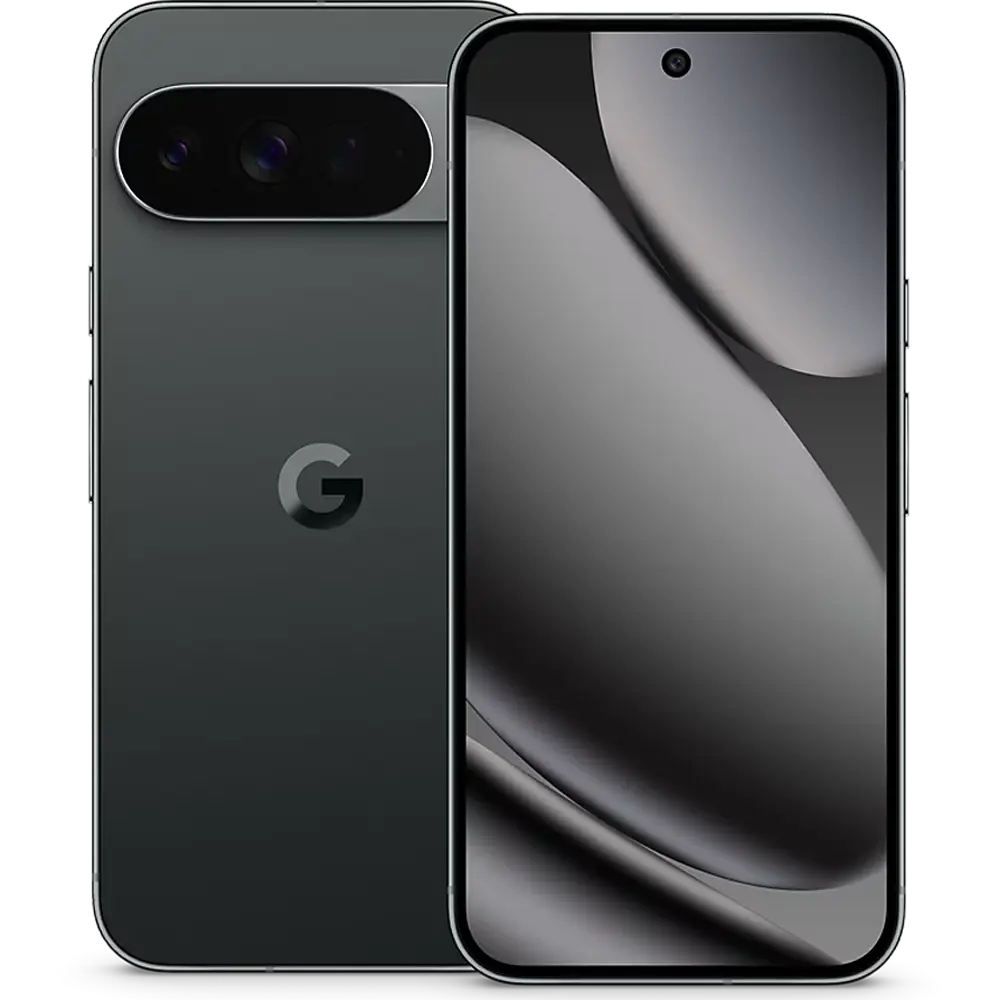
Apple
iPhone 17 Pro Max
Pixel 10 Pro XL
Ranked #4 of 52
Ranked #33 of 52
Overall
Overall
The Apple iPhone 17 Pro Max and Google Pixel 10 Pro XL represent two distinct devices at the same $1,199 price point. Apple's flagship leans into raw computational power and camera system depth, while Google's offering prioritizes display quality, AI-driven photography, and Google servcies. Both target buyers who want the best their respective ecosystems offer, and both sit at the top of each company's lineup.
The iPhone 17 Pro Max is stronger in CPU and GPU performance, camera versatility across lenses, battery endurance, front camera quality, and microphone recording. The Pixel 10 Pro XL pulls ahead on display brightness and stability, touch responsiveness, main camera sharpness, deep zoom reach, biometric speed, and color accuracy on the display panel.
Is one of these two phones really better than the other? Here’s a look at how they compare.
Design
| Apple iPhone 17 Pro Max | Google Pixel 10 Pro XL | |
|---|---|---|
| Specifications | ||
| Dimensions | 163.4 x 78 x 8.8 mm | 162.8 x 76.6 x 8.5 mm |
| Weight | 233g | 232g |
| IP Rating | IP68 | IP68 |
| Frame | Aluminum | Aluminum |
| Front | Ceramic Shield 2 | Gorilla Glass Victus 2 |
| Back | Ceramic Shield | Glass |
| Screen-to-body ratio | 91.7% | 89.5% |
Both phones are nearly identical in weight — the iPhone 17 Pro Max sits in at 233g, and the Pixel 10 Pro XL at 232g. The iPhone uses a 6.9-inch display with a 1320 x 2868 resolution, while the Pixel opts for a slightly smaller 6.8-inch panel at 1344 x 2992. Both carry an IP68 rating, meaning submersion in fresh water to at least 1 meter for 30 minutes.
Both phones have an aluminum frame, and they both use glass panels on the front and the back, though Apple only uses glass for a portion of the back of the phone.
Bandicoot Lab does not formally test design or durability. The observations above are based on published specifications.
Display
| Apple iPhone 17 Pro Max | Google Pixel 10 Pro XL | |
|---|---|---|
627/ 845 | 714/ 845 | |
Both phones have panels that run at 120Hz with LTPO technology, which means they can dynamically drop refresh rate to save power when content is static. Resolution is close: the iPhone at 1320 x 2868 (460 PPI) and the Pixel at 1344 x 2992 (486 PPI). You won't see a meaningful difference in pixel density between them at normal viewing distances.
Brightness is where the Pixel separates itself. Manual brightness reaches 1,435 nits on the Pixel versus 857 nits on the iPhone. That's a significant gap for outdoor readability. Peak HDR brightness is different too. The Pixel hits 3,405 nits versus the iPhone's 2,976 nits. The Pixel sustains 96% of its brightness over a 30-minute HDR load, while the iPhone drops to just 38% of peak. The iPhone's peak numbers aren't far behind, but it can't hold them. The Pixel delivers consistently bright HDR content while the iPhone dims substantially under sustained load.
Color accuracy is slightly better on the iPhone. In its default mode, the display tracks sRGB with very low deviation from reference. Colors are essentially neutral with no visible drift. The Pixel's Natural mode is also well-calibrated with near-reference color, though it allows marginally more deviation in saturated tones. Both cover nearly all of sRGB and roughly 73–76% of Display P3. Neither will disappoint for color-critical work.
Touch latency differs substantially though. The Pixel averages 15.7ms, while the iPhone averages 52.4ms. That's a large enough gap to be perceptible in fast-paced interaction.
Performance
| Apple iPhone 17 Pro Max | Google Pixel 10 Pro XL | |
|---|---|---|
906/ 1012 | 416/ 1012 | |
The iPhone 17 Pro Max runs Apple's A19 Pro with 12GB of RAM. The Pixel 10 Pro XL uses Google's Tensor G5 with 16GB of RAM.
CPU performance isn't close. The iPhone scores 3,852 single-core and 9,872 multi-core in GeekBench 6. The Pixel manages 2,305 single-core and 6,192 multi-core. That's a 67% single-core advantage and 59% multi-core advantage for the iPhone. You'll feel this in app launch speed, export times, and anything that pushes sustained computation.
GPU performance follows the same pattern. In Wild Life Extreme, the iPhone peaks at 5,828 with 73.1% stability, while the Pixel peaks at 3,314 with 79.4% stability. The Pixel throttles less aggressively in relative terms, but its peak output is far lower. The iPhone also ran Solar Bay testing (69.1% stability, peak of 11,777), which the Pixel couldn’t run. For gaming, the iPhone delivers substantially higher frame rates in demanding titles.
Browser performance shows the gap extending to everyday tasks. The iPhone scores 41.8 in Speedometer versus the Pixel's 15.6. Web apps, complex pages, and JavaScript-heavy sites load and respond faster on the iPhone.
Camera
| Apple iPhone 17 Pro Max (Overall) | Google Pixel 10 Pro XL (Overall) | |
|---|---|---|
| Specifications | ||
| Main | 48MP, f/1.78, 24mm, 1/1.28" | 50MP, f/1.7, 25mm, 1/1.31" |
| Ultrawide | 48MP, f/2.8, 13mm, 1/2.55" | 48MP, f/1.7, 13mm, 1/2.55" |
| Telephoto | 48MP, f/2.8, 100mm, 1/2.55" | 48MP, f/2.8, 113mm, 1/2.55" |
| Front | 18MP, f/1.9, 20mm | 42MP, f/2.2, 17mm |
The iPhone 17 Pro Max scores higher overall in camera testing, driven by strong front camera performance, telephoto dynamic range, and video stabilization across all lenses. The Pixel 10 Pro XL counters with higher main camera sharpness, better telephoto sharpness, and significantly stronger deep zoom performance. Both produce excellent photos in good light, but they diverge in how they handle challenging conditions and extended zoom.
At deep zoom levels (30x and beyond), the Pixel maintains noticeably higher sharpness. At 30x, the Pixel retains roughly 50% more detail than the iPhone. By 40x, the gap widens further, and the Pixel continues shooting to 100x where the iPhone maxes out at 40x. If you need to reach across a landscape or isolate distant subjects, the Pixel has a clear advantage.
Main
| Apple iPhone 17 Pro Max (Main) | Google Pixel 10 Pro XL (Main) | |
|---|---|---|
579/ 722 | 517/ 722 | |
Both main cameras produce sharp images in bright light, with the Pixel edging ahead slightly. In mid and low light, the Pixel maintains a small sharpness advantage. The Pixel applies heavier sharpening processing across lighting conditions, which inflates perceived detail but occasionally introduces visible edge artifacts.
Color rendering differs between the two. The Pixel shoots vivid, with saturation pushed roughly 30% above neutral in bright light. It leans slightly warm with a mild yellow cast. Skin tones are pushed noticeably above reference, giving faces a warm, saturated appearance that photographs well on social media but isn't strictly accurate. In low light, the Pixel maintains that saturated character, and skin tones stay warm. The iPhone also shoots saturated in bright light (about 28% above neutral), with a slight yellow push. Its skin tones drift further from reference than the Pixel's in bright conditions. In mid light, the iPhone develops a noticeable warm bias that shifts both skin tones and neutral colors. In low light, saturation drops and the image takes on a warmer, slightly muted character with warm-shifted skin tones. The iPhone's color behavior shifts more dramatically across lighting conditions, suggesting its white balance correction is less consistent as color temperature drops.
Shadow detail is slightly better on the Pixel's main camera in processed mode, with less aggressive highlight compression. The iPhone's main camera clips highlights earlier and shows some compression in high-contrast scenes, resulting in slightly flatter-looking images when the scene has extreme brightness variation.
Ultrawide
| Apple iPhone 17 Pro Max (Ultrawide) | Google Pixel 10 Pro XL (Ultrawide) | |
|---|---|---|
505/ 722 | 479/ 722 | |
Both ultrawides produce similar sharpness in bright and mid light. The iPhone's ultrawide delivers slightly less sharpness in processed mode compared to the Pixel, though the difference is small. Both drop off in low light as expected.
Color on the ultrawide follows each phone's general character. The Pixel pushes saturation (roughly 26% above neutral in bright light) with a slight warm lean. The iPhone's ultrawide is slightly less saturated than its main lens but still above neutral, with a neutral-to-cool cast in bright light that shifts warm in dimmer conditions. Both develop increasing warm bias and hue errors as lighting gets warmer and dimmer, pointing to white balance correction limitations in both cases.
Highlight handling is close between the two ultrawides in processed mode. Both clip highlights and compress tones to a similar degree. Neither ultrawide matches its respective main camera for tonal range.
Telephoto
| Apple iPhone 17 Pro Max (Telephoto) | Google Pixel 10 Pro XL (Telephoto) | |
|---|---|---|
628/ 722 | 471/ 722 | |
The Pixel's telephoto produces meaningfully sharper images at its native focal length and across zoom levels from 5x through 10x. Sharpness at 5x in bright light is substantially higher on the Pixel, and the advantage holds through mid and low light. The iPhone's telephoto at its optical zoom (around 5x) is noticeably softer than the Pixel's.
Color on the Pixel's telephoto is vivid and saturated (about 33% above neutral in bright light), with skin tones running warm. In mid light, it maintains high saturation with a yellow-warm lean. In low light, saturation drops closer to neutral and hue errors increase, driven by both sensor limitations and white balance drift. The iPhone's telephoto is similarly saturated in bright light (about 28% above neutral) with a warm push and significantly shifted skin tones. In mid light, it develops a strong warm-magenta bias, and skin tones shift further from reference. Both telephoto lenses struggle with hue accuracy as light dims, but the iPhone shows more pronounced warm bias in mid light conditions.
The iPhone's telephoto captures noticeably more usable tonal range and retains more highlight and shadow detail in high-contrast scenes. The Pixel's telephoto shows heavier compression and less gradation between tonal steps.
Video stabilization is dramatically better on the iPhone's telephoto. Handheld footage stays controlled and smooth. The Pixel's telephoto video shows considerably more residual motion.
Front
| Apple iPhone 17 Pro Max (Front) | Google Pixel 10 Pro XL (Front) | |
|---|---|---|
703/ 722 | 347/ 722 | |
The iPhone's front camera is sharper across all lighting conditions. In bright light, it resolves about 40% more detail than the Pixel. That gap narrows slightly in mid and low light but remains substantial. The iPhone also maintains high sharpness without heavy processing artifacts.
Color on the iPhone's front camera is saturated in bright light (about 22% above neutral) with a mild warm lean. Skin tones are pushed warm but less aggressively than the rear cameras. In mid light, warm bias increases. In low light, saturation drops and errors decrease, producing relatively natural-looking selfies. The Pixel's front camera pushes similar saturation in bright light (about 24% above neutral) with a warm-yellow lean that's more pronounced. In low light, the Pixel develops a strong pink-magenta cast that shifts skin tones noticeably. This appears to be a white balance over-correction issue specific to the front camera.
The iPhone's front camera captures more usable tonal range and more gradual tonal transitions, preserving detail in both shadows and highlights of backlit selfies. The Pixel clips more aggressively.
Video stabilization is also far better on the iPhone's front camera.
Battery
| Apple iPhone 17 Pro Max | Google Pixel 10 Pro XL | |
|---|---|---|
617/ 799 | 492/ 799 | |
The Pixel 10 Pro XL has a slightly larger battery at 5,200mAh versus the iPhone 17 Pro Max's 5,088mAh. Despite that, the iPhone lasts longer in most tests.
In video playback at 200 nits the iPhone lasts 23 hours and 58 minutes, while the Pixel lasts 23 hours and 19 minutes. Both aren’t all that great. There are plenty of phones that last a while lot longer.
In our web browsing drain over a 5-hour test, the iPhone loses 21% versus the Pixel's 25%. in the one-hour gaming drain test, the iPhone loses 25% versus the Pixel's 27%. Given that the iPhone is running at much higher GPU output during this test, its efficiency advantage is meaningful. An hour of intensive gaming costs you less battery on the iPhone despite delivering more performance.
Standby drain over 8 hours cost both phones 2%. Neither will surprise you with a drained battery in the morning.
Charging
| Apple iPhone 17 Pro Max | Google Pixel 10 Pro XL | |
|---|---|---|
420/ 837 | 403/ 837 | |
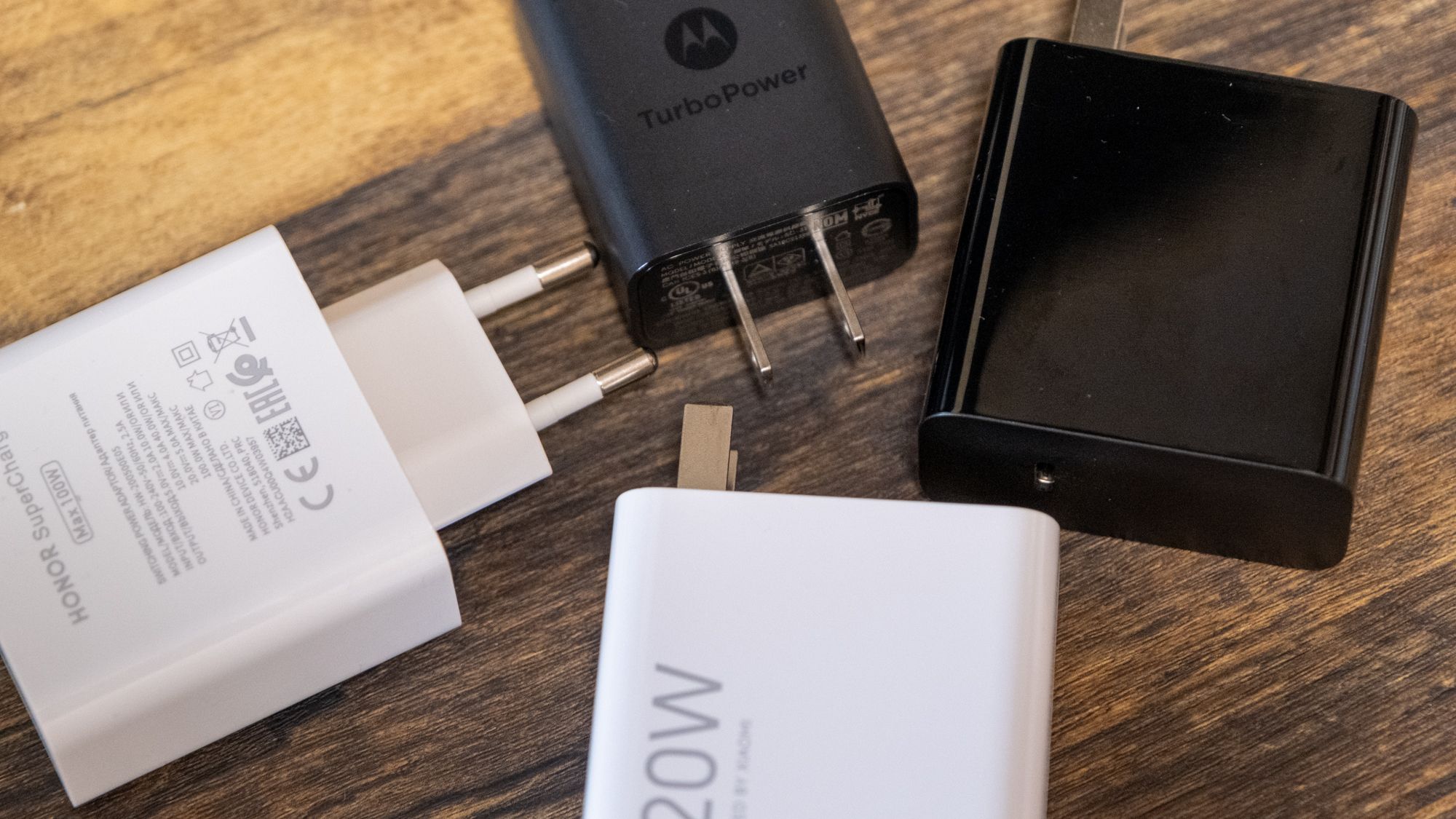
The Pixel supports 45W wired charging, while the iPhone supports 40W. Both support magnetic wireless charging — the iPhone at 25W (MagSafe-compatible) and the Pixel at 15W (Qi2-compatible).
Over a wired charge, the Pixel reaches 25% in 10 minutes and 70% in 30 minutes. The iPhone reaches 29% in 10 minutes and 67% in 30 minutes. The iPhone fills faster in the first 10 minutes despite its lower wattage rating, but the Pixel pulls ahead by 30 minutes. The difference at 30 minutes is only 3 percentage points. In practice, a quick top-up before leaving the house gives you nearly the same result on either phone.
Wireless charging is where the iPhone clearly leads. At 25W MagSafe, it reaches 20% in 10 minutes and 47% in 30 minutes. The Pixel's 15W Qi2 manages 12% in 10 minutes and 39% in 30 minutes. If you primarily charge wirelessly on a nightstand or desk, the iPhone's faster wireless speed is a genuine convenience. Half an hour on a MagSafe puck gives you nearly half a charge.
Speaker
| Apple iPhone 17 Pro Max | Google Pixel 10 Pro XL | |
|---|---|---|
816/ 857 | 645/ 857 | |
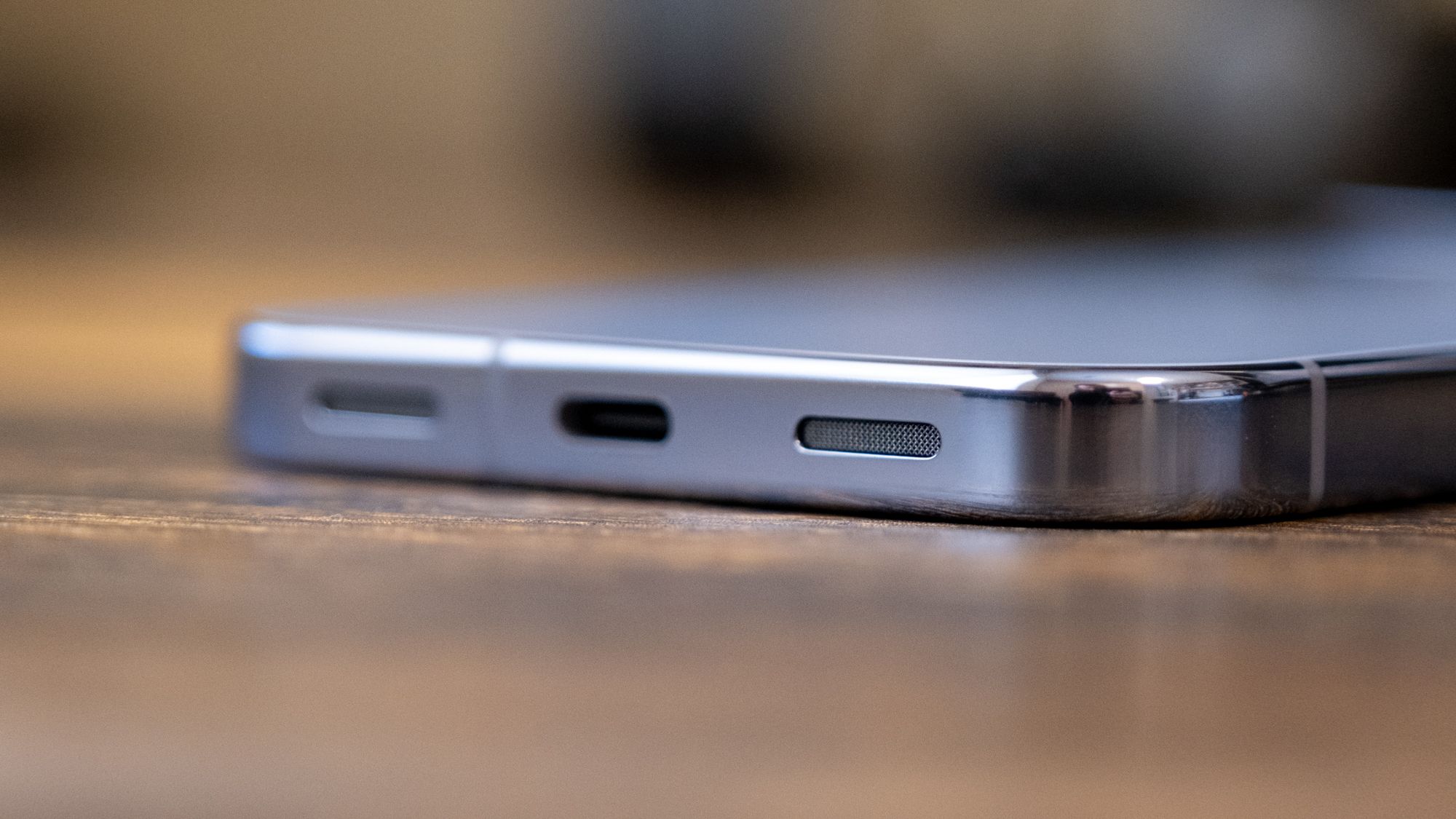
The Pixel is slightly louder at 75.8 dBA versus the iPhone's 74.6 dBA. The difference is barely audible in practice.
The iPhone has lower distortion (8.9% average THD versus the Pixel's 10.1%) and a distinctly different character. The iPhone's speakers emphasize clarity and high-end detail, with strong bass presence for a phone speaker. The combination produces a fuller, more balanced sound across music and video. The Pixel's speakers are clean but thinner, with less bass extension and less high-frequency sparkle. Voices and podcasts sound fine on both, but music playback and movie audio favor the iPhone.
Microphone
| Apple iPhone 17 Pro Max | Google Pixel 10 Pro XL | |
|---|---|---|
885/ 949 | 713/ 949 |
The iPhone 17 Pro Max scores well above average for microphone quality, with more consistent frequency response (3.39 dB standard deviation across the range). Recordings sound balanced and natural. The Pixel 10 Pro XL is above average but less even (4.21 dB standard deviation), meaning some frequencies are slightly emphasized or suppressed relative to others. For voice calls and quick voice memos, both are fine.
Other
| Apple iPhone 17 Pro Max | Google Pixel 10 Pro XL | |
|---|---|---|
| Biometrics | 215/ 1036 | 491/ 1036 |
| Data Transfer | 582/ 877 | 263/ 877 |
| Specifications | ||
| Biometric type | Face Recognition | Fingerprint |
| Ports | USB-C 3.2 Gen 2 | USB-C 3.2 |
| Storage | 256GB, 512GB, 1TB, 2TB | 256GB, 512GB, 1TB |
Biometric unlock speed is a stark contrast. The Pixel 10 Pro XL uses an ultrasonic fingerprint sensor averaging 214ms to unlock. The iPhone 17 Pro Max relies on hardware-based face unlock (Face ID) averaging 488ms. The Pixel unlocks more than twice as fast. The iPhone doesn't offer a fingerprint sensor, and the Pixel doesn't have hardware-based face unlock. If unlock speed matters to you, the Pixel wins decisively, though some might find the facial unlock more convenient.
Data transfer speeds heavily favor the iPhone. Its USB-C 3.2 Gen 2 port achieves read speeds of 304 MB/s and write speeds of 239 MB/s for large files. The Pixel's USB-C 3.2 Gen 1 port manages 105 MB/s read and 131 MB/s write. If you transfer large video files or back up to external storage regularly, the iPhone moves data roughly two to three times faster. Both phones offer multiple storage configurations.
Conclusion
The iPhone 17 Pro Max is the stronger device for performance-demanding tasks, video creation (thanks to superior stabilization, front camera sharpness, and microphone quality), and wireless charging convenience. Its battery efficiency is better under load, its speakers sound fuller, and its overall camera system scores higher across more lenses. If you shoot a lot of front-facing video, export large files, or play graphically intensive games, the iPhone justifies its positioning.
The Pixel 10 Pro XL is the better choice if display quality is your priority. Its brighter, more thermally stable panel, faster touch response, and superior deep zoom capability make it stronger for media consumption, outdoor use, and photography at distance. Its main camera sharpness edges ahead of the iPhone's, and its biometric unlock is substantially faster.
Both cost $1,199. The decision comes down to whether you value raw power, camera versatility, and content creation tools (iPhone) or display excellence, zoom reach, and faster everyday interaction (Pixel). Neither is a wrong choice at this price; they're genuinely different tools optimized for different priorities.
Related
Apple
iPhone 17 Pro Max
Pixel 10 Pro XL
Apple
iPhone 17 Pro
Apple
iPhone 17
Apple
iPhone 17e
Apple
iPhone Air
Pixel 10 Pro Fold
Pixel 10a
iPhone 17 vs iPhone 17 Pro vs iPhone 17 Pro Max vs iPhone Air
iPhone 17 Series vs Xiaomi 17 Series
How we test speakers and microphones
How we test charging