Best Phones for Selfies

Apple
Nothing
Samsung
Nothing
Motorola
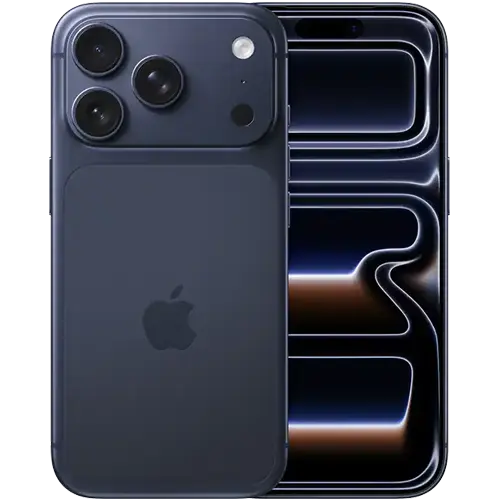
iPhone 17 Pro
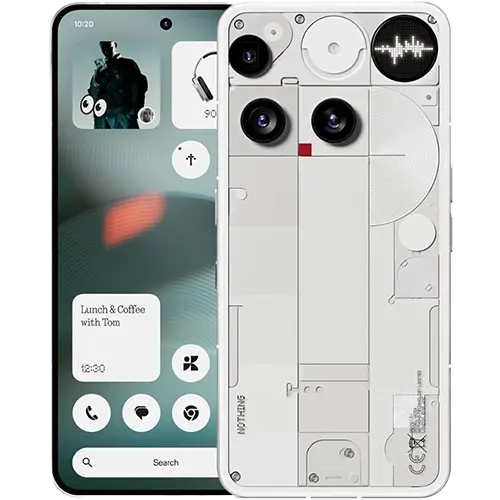
Phone (3)
Galaxy S26 Ultra
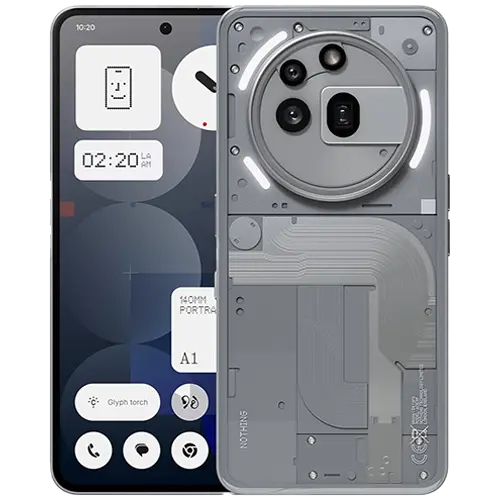
Phone (3a) Pro
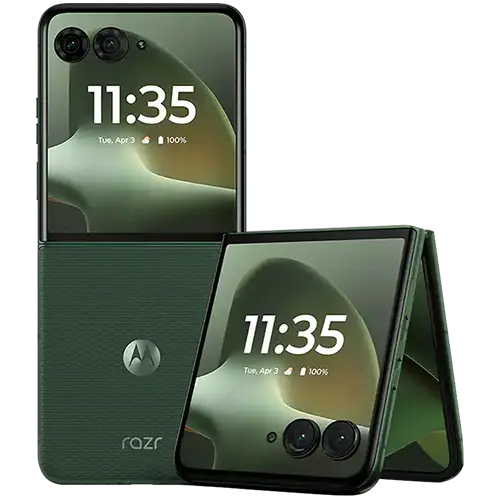
Razr+ (2026)
Ranked #5 of 61
Ranked #38 of 61
Ranked #7 of 61
Ranked #54 of 61
Ranked #49 of 61
Overall
Overall
Overall
Overall
Overall
A great selfie camera requires more than just a high megapixel count. Skin tone accuracy, dynamic range, edge-to-edge sharpness, and low-light performance all factor into how a front-facing sensor performs in real-world use. This list ranks phones by their front camera capabilities, weighing resolution, color fidelity, and detail retention across varied lighting conditions.
The Apple iPhone 17 Pro and Pro Max take the top spot overall, delivering consistently accurate exposure and fine detail from its front sensor. The Nothing Phone (3) leads among Android options with strong sharpness and natural color processing, while the Nothing Phone (3a) Pro earns a separate distinction for particularly faithful color reproduction from its selfie camera. Samsung's Galaxy S26 Ultra remains the best pick within that ecosystem, and the Motorola Razr (2026) offers a compelling option for those who want a foldable with capable front-facing performance.
Scroll through the full rankings below to compare specs and scores across all tested devices.
Best Phone for Selfies Overall
The single best phone for taking selfies is the iPhone 17 Pro — or the iPhone 17 Pro Max if you want the larger model (it has the same camera system). It’s particularly good at front camera stabilization. Handheld selfie video stays controlled to a degree that the Nothing Phone (3) doesn't come close to — its stabilization ratio is roughly five times worse, which translates directly to shakier footage when you're moving or shooting in a rush. Sharpness in good light is high, and that holds across both stills and video.
Color accuracy is more complicated. Front color scores sit in the middle of the pack, which means skin tones won't always land exactly as they looked in person — something you'd notice most when comparing shots against a phone with tighter color calibration.
Other aspects of the phones are good too. The iPhone 17 Pro and Pro Max both perform very well, offer a well-calibrated display, and so on.
Best Android Phone for Selfies
Front camera sharpness on the Nothing Phone (3) is among the best we've measured on any Android phone. Detail resolution in good light is noticeably higher than the Xiaomi 15T Pro at the same $799 price, and skin tone accuracy is roughly half the error of the iPhone 17 Pro's front camera. Both matter for selfies — you get faces that are sharp and color that reads closer to what you actually look like.
Stabilization is also a genuine strength. Handheld video from the front camera stays controlled enough that shaky footage isn’t as much of a problem, which puts it well ahead of the Nothing Phone (3a) Pro, where front video is visibly more affected by hand movement.
The main camera is a different story. Dynamic range in high-contrast scenes is limited compared to several phones in this price tier — you'll lose highlight or shadow detail in situations where stronger cameras hold both. These aren't dealbreakers for a selfie-focused pick, but they're real limitations if rear camera performance is part of the decision.
At $799, with 65W wired charging and a 5,000mAh battery, the rest of the package is solid.
Best Samsung Phone for Selfies
Samsung's front camera on the S26 Ultra isn't the sharpest in its price range — the iPhone 17 Pro resolves noticeably more detail in selfies across lighting conditions. But, if you’re in Samsung’s ecosystem, it’s still the way to go.
Color handling on the front camera is meaningfully better than last year's S25 Ultra, which showed skin tone errors roughly three times larger in the same conditions. The S26 Ultra is closer to accurate, though not exceptional in absolute terms.
The main camera adds useful headroom in challenging light, capturing a broader range of tones than the iPhone 17 Pro's rear system, which can clip highlights earlier in high-contrast scenes.
Battery life of the phone sits in the middle of the pack, and the microphone ranks toward the lower end of phones in this price tier. Charging is capable but not fast by current flagship standards. But, those things may not be as important to you as selfie camera quality.
Best Phone for Front Camera Color
Front camera skin tones on the Nothing Phone (3a) Pro are among most accurate we've measured across our current database — a meaningful result at $459. Colors land close to reference in good light, with the kind of neutral, consistent rendering that tends to hold up across different skin tones rather than flattering one range at the expense of another.
The Nothing Phone (3), at $799, produces noticeably sharper front camera images. The (3a) Pro's front sharpness sits around the middle of our rankings, so if fine detail in selfies is a priority, the higher-end sibling has an advantage. What the Pro does offer is front color accuracy that competes directly with the (3) at nearly $350 less.
Rear cameras are competent rather than exceptional though. The telephoto handles color well, but main camera color accuracy trails some peers in this category. Battery life, charging speed, display quality, and sustained performance all rank in the lower portion of our database.
Best Foldable Phone for Selfies
Front camera sharpness on the Razr+ (2026) is solid in good light — noticeably behind the iPhone 17 Pro's front setup, but competitive enough that most selfies hold up well at full resolution. Color rendering is a relative strength: skin tones stay close to reference, and the results are consistent across lighting conditions. Front video stabilization is better than you'd expect from a foldable, keeping handheld footage controlled without obvious cropping artifacts.
Of course, this is the best front camera available on a clamshell foldable, which is a narrower claim than it might sound. The Nothing Phone (3) produces sharper selfies at $300 less, and its front color accuracy is marginally better. The iPhone 17 Pro's front camera is in a different category entirely — significantly sharper, with stronger dynamic range. The Razr+ isn't matching either of those on raw image quality.
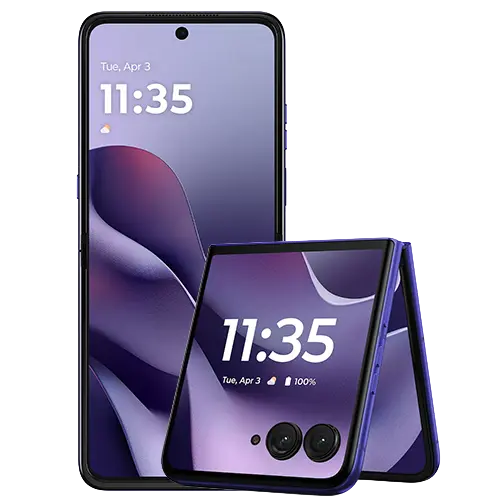
What it offers instead is the form factor. The cover screen lets you frame selfies using the main camera, which does produce meaningfully better detail than the front sensor alone. At $1,099, it's $400 less than the Razr Ultra (2026) for a modest step down in front sharpness.
FAQ
Why is front camera stabilization important for selfie video, and which phone handles it best?
Stabilization determines how smooth handheld selfie video looks when you're moving or shooting quickly. The iPhone 17 Pro leads here — its front camera stabilization ratio is roughly five times better than the Nothing Phone (3), which translates directly to less shaky footage in real-world conditions.
Which Android phone takes the sharpest selfies?
The Nothing Phone (3) produces front camera detail that is noticeably higher than competing Android phones at its $799 price point, including the Xiaomi 15T Pro. Sharpness holds across both stills and video in good light, making it the strongest Android option for detail-focused selfies.
Is the Nothing Phone (3a) Pro worth buying just for selfie color accuracy?
If skin tone faithfulness is the priority and budget matters, the Nothing Phone (3a) Pro is a strong choice at $459 — its front camera color accuracy competes directly with the Nothing Phone (3) at nearly $350 less. The trade-off is sharpness: the Nothing Phone (3) resolves noticeably more detail, so the (3a) Pro suits buyers who prioritize color over fine detail.
How does the Samsung Galaxy S26 Ultra's selfie camera compare to the iPhone 17 Pro?
The iPhone 17 Pro resolves noticeably more front camera detail across lighting conditions than the S26 Ultra. Where Samsung closes the gap is color: the S26 Ultra's skin tone accuracy is meaningfully better than the S25 Ultra, which showed errors roughly three times larger in the same conditions.
What should I know about selfie performance before buying a clamshell foldable?
Clamshell foldables trade front camera quality for form factor. The Motorola Razr+ (2026) has the best front camera among clamshell foldables, with solid color accuracy and better-than-expected stabilization, but the Nothing Phone (3) produces sharper selfies at $300 less, and the iPhone 17 Pro is in a different category entirely for sharpness and dynamic range.
Can I use the main camera for selfies on the Motorola Razr+ (2026)?
Yes — the Razr+ (2026)'s cover screen lets you frame shots using the main rear camera, which produces meaningfully better detail than the front sensor alone. This is one of the practical advantages the foldable form factor offers over a conventional phone for selfie use.
Which phone has the most accurate skin tones in selfies overall?
The Nothing Phone (3) delivers skin tone accuracy roughly half the error of the iPhone 17 Pro's front camera, while the Nothing Phone (3a) Pro ranks among the most accurate for front camera color in its broader database. Both Nothing phones stand out for color faithfulness, with the (3) adding sharper detail on top.
Related
Apple
iPhone 17 Pro
Motorola
Razr+ (2026)
Samsung
Galaxy S26 Ultra
Nothing
Phone (3)
Nothing
Phone (3a) Pro
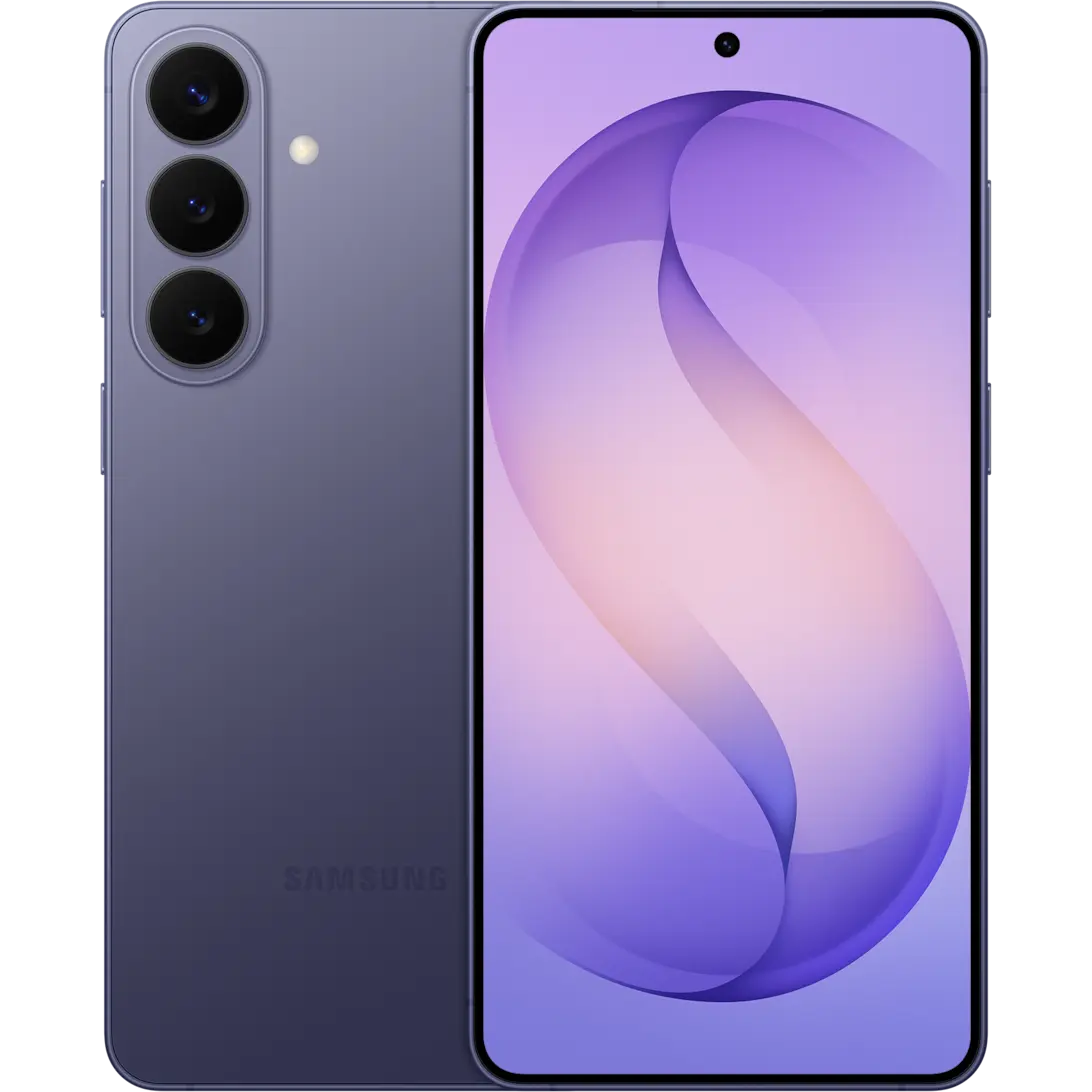
Samsung
Galaxy S26+
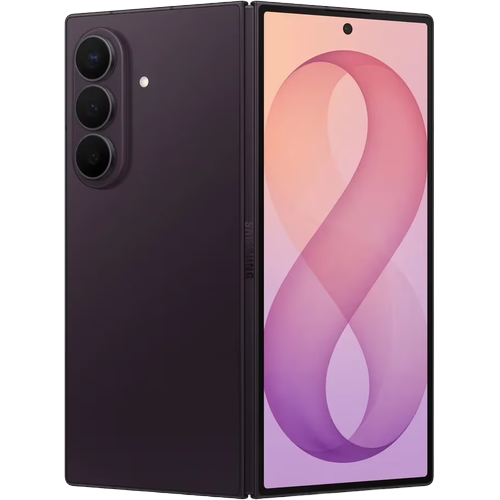
Samsung
Galaxy Z Fold 8 Ultra
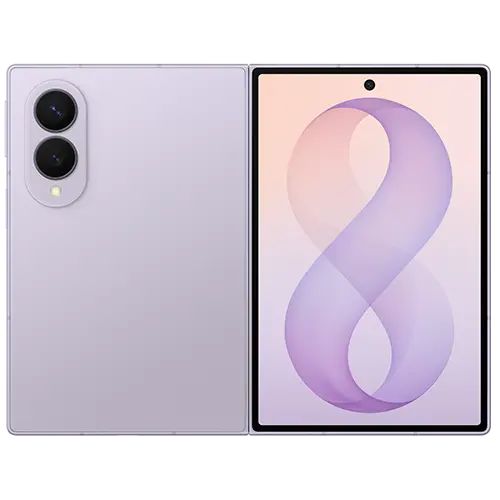
Samsung
Galaxy Z Fold 8
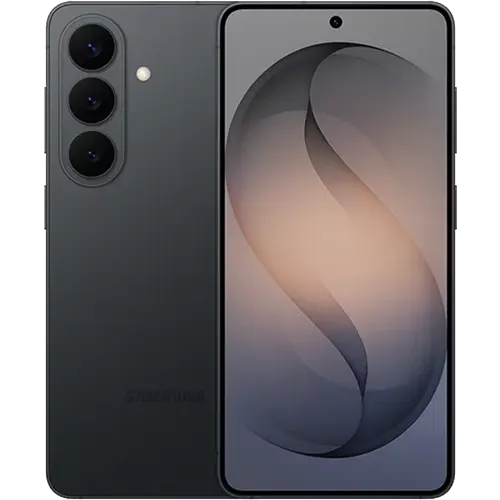
Samsung
Galaxy S26
Motorola
Razr Ultra (2026)
Samsung
Galaxy Z Flip 8
Motorola