Apple iPhone 17 vs Google Pixel 10
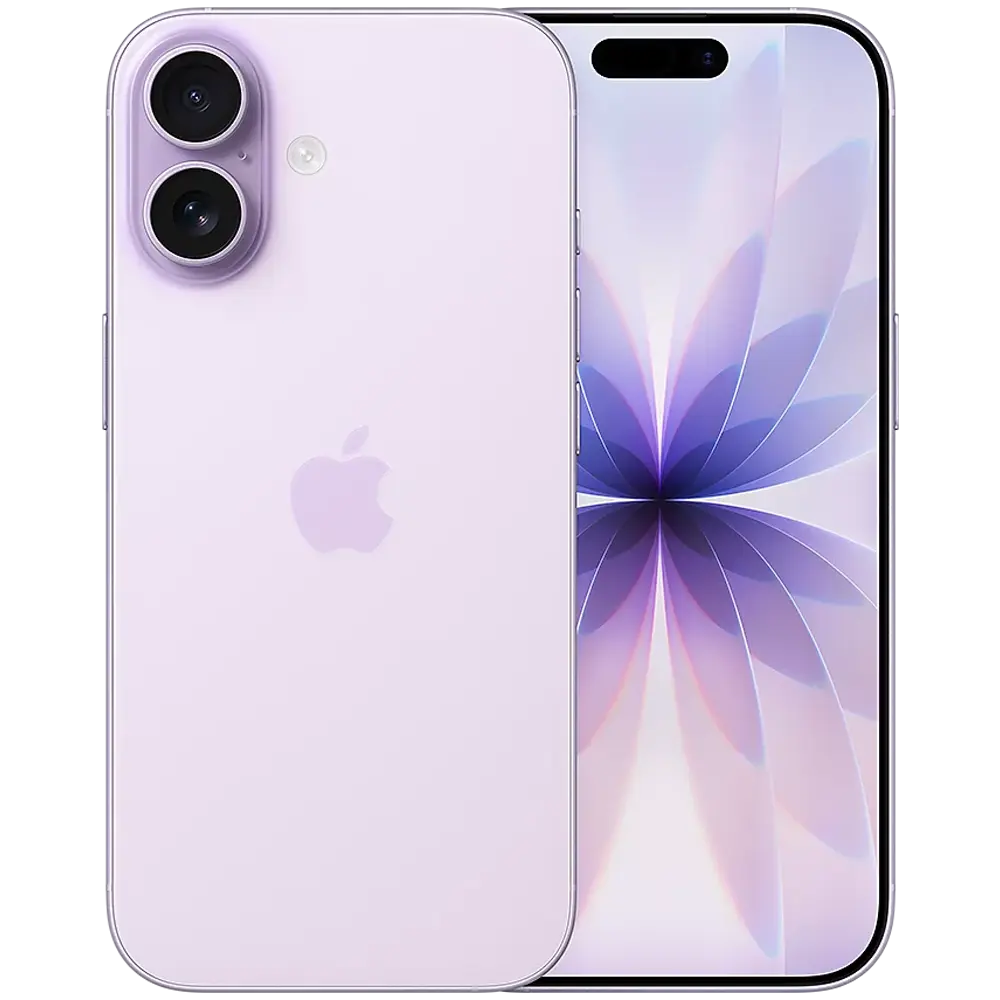
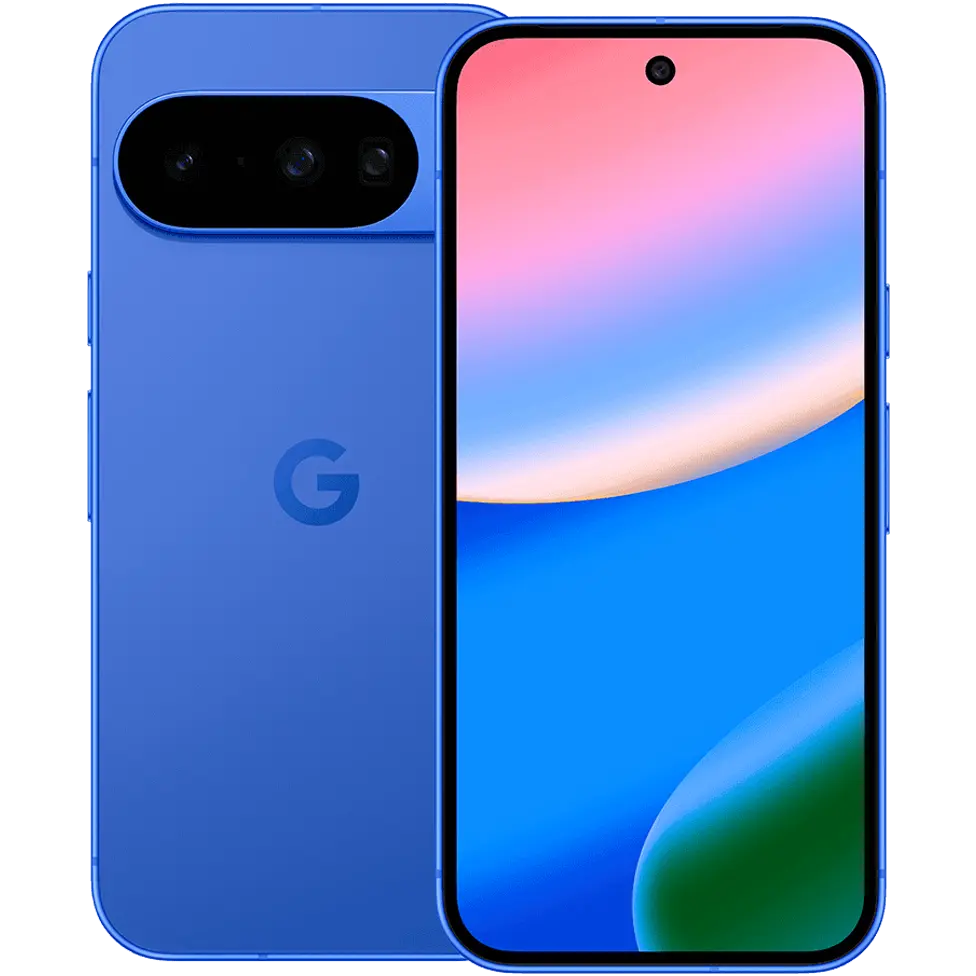
Apple
iPhone 17
Pixel 10
Ranked #23 of 52
Ranked #40 of 52
Overall
Overall
The iPhone 17 and Pixel 10 occupy the same price point and the same general tier — mainstream flagships positioned just below each company's Pro or Ultra models. Apple's phone leans on its processor advantage and ecosystem integration, while Google's pitch centers on computational photography, on-device AI features, and tight software-hardware optimization. Both are 6.3-inch phones aimed at people who want a high-end experience without paying the premium surcharge.
The iPhone 17 is stronger in raw performance, both CPU and GPU, and charges faster on both wired and wireless. The Pixel 10 has a brighter display with better sustained brightness, sharper main camera output, superior deep zoom, a dedicated telephoto lens the iPhone lacks, and faster biometrics. Battery life is close in video playback but the iPhone holds up better under gaming load. Speaker and microphone quality are similar, with minor character differences.
Here’s how the two phones compare in our testing.
Design
| Apple iPhone 17 | Google Pixel 10 | |
|---|---|---|
| Specifications | ||
| Dimensions | 149.6 x 71.5 x 8 mm | 152.8 x 72 x 8.6 mm |
| Weight | 177g | 204g |
| IP Rating | IP68 | IP68 |
| Frame | Aluminum | Aluminum |
| Front | Ceramic Shield 2 | Gorilla Glass Victus 2 |
| Back | Glass | Glass |
| Screen-to-body ratio | 91.1% | 86.5% |
The iPhone 17 measures in at 177g with an IP68 rating, while the Pixel 10 is noticeably heavier at 204g with the same IP68 water and dust resistance. Both are submersible to their rated depth. Both use USB-C for charging and data, though the Pixel 10 uses USB-C 3.2 versus USB-C 2.0 on the iPhone.
Bandicoot Lab does not formally test design or durability, so impressions about in-hand feel or build premium aren't something we can verify.
Display
| Apple iPhone 17 | Google Pixel 10 | |
|---|---|---|
582/ 845 | 598/ 845 | |
The iPhone 17 has a 6.3-inch display at a 1206 x 2622 resolution with a 460 pixel-per-inch density. The Pixel 10 also uses a 6.3-inch panel but at 1080 x 2424, yielding 422 PPI. Both phones run 120Hz refresh rates.
The Pixel 10's display is substantially brighter at manual settings, hitting 1,496 nits versus the iPhone 17's 854 nits. In direct sunlight, that's a meaningful gap. You'll be able to read the Pixel outdoors without cupping your hand over the screen — the iPhone will be more of a squint in harsh light.
HDR peak brightness is similar between the two. The iPhone 17 hits 3,022 nits and the Pixel 10 reaches 3,089 nits. Where they diverge sharply is sustained brightness. The Pixel 10 retains 97.7% of its peak brightness over 30 minutes of HDR content. The iPhone 17 retains only 38.6%. For long HDR video sessions, the Pixel will hold its brightness while the iPhone dims significantly after the initial burst.
Color accuracy in their respective calibrated modes is close. The iPhone 17 in Standard mode and the Pixel 10 in Natural mode both target sRGB with low overall color error. Neutral tones stay neutral on both; neither shows a visible warm or cool lean in everyday use. The Pixel has a slight edge in overall accuracy, but you'd need a reference display side by side to tell.
Touch latency is 57ms on the iPhone 17 and 22.6ms on the Pixel 10. That's a substantial difference. The Pixel will feel more immediately responsive to touch input, particularly in fast-scrolling and gaming.
Performance
| Apple iPhone 17 | Google Pixel 10 | |
|---|---|---|
814/ 1012 | 403/ 1012 | |
The iPhone 17 runs Apple's A19 chip with 8GB of RAM. The Pixel 10 uses Google's Tensor G5 with 12GB. Despite the RAM advantage on paper, the performance gap between these two processors is large and consistent.
In GeekBench 6, the iPhone 17 scores 3,772 single-core and 9,645 multi-core. The Pixel 10 manages 2,271 single-core and 6,137 multi-core. That's a 66% lead in single-core and 57% in multi-core for the iPhone. In practice, this means app launches, UI transitions, and single-threaded tasks feel snappier on the iPhone. The gap is wide enough to be perceptible in daily use, not just benchmarks.
GPU performance follows the same pattern. The iPhone 17's best loop in Wild Life Extreme hits 5,164 versus 2,955 for the Pixel 10. Stability is nearly identical at 70.8% and 68.6% respectively, meaning both throttle at similar rates under sustained load. The iPhone just starts from a much higher ceiling. For demanding games, the iPhone will maintain higher frame rates.
Browser performance also skews heavily toward the iPhone: a Speedometer score of 33.5 versus 20.3 on the Pixel. Web-heavy workflows are noticeably faster.
Camera
| Apple iPhone 17 (Overall) | Google Pixel 10 (Overall) | |
|---|---|---|
| Specifications | ||
| Main | 48MP, f/1.6, 26mm, 1/1.56" | 48MP, f/1.7, 25mm, 1/2.0" |
| Ultrawide | 48MP, f/2.2, 13mm, 1/2.55" | 13MP, f/2.2, 14mm, 1/3.1" |
| Telephoto | — | 10.8MP, f/3.1, 112mm, 1/3.2" |
| Front | 18MP, f/1.9, 20mm | 10.5MP, f/2.2, 20mm, 1/3.1" |
Both phones produce solid results from their main cameras, but they approach image quality differently. The Pixel 10 resolves more detail at 1x and maintains that advantage through deep zoom, aided by its dedicated telephoto lens. The iPhone 17 lacks a telephoto entirely, relying on digital crop from its main sensor. The iPhone pulls ahead in dynamic range processing on the main and ultrawide lenses.
At deeper zoom levels, the Pixel 10 is clearly superior. At 10x, the Pixel maintains high sharpness across lighting conditions while the iPhone's output falls off significantly. By 20x, the Pixel still produces usable detail in bright and mid lighting, while the iPhone doesn't offer this zoom level from a dedicated lens. If you regularly crop or zoom beyond 5x, the Pixel is the better tool.
Main
| Apple iPhone 17 (Main) | Google Pixel 10 (Main) | |
|---|---|---|
463/ 722 | 421/ 722 | |
The Pixel 10's main camera resolves more detail across all lighting conditions. In bright light, both produce sharp images, but the Pixel extracts visibly more fine detail. The gap widens in mid and dark lighting, where the Pixel's processing maintains sharpness that the iPhone can't match at 1x.
Color character differs between the two. The iPhone 17 pushes saturation higher across all lighting conditions, producing a vivid, punchy look. It leans warm in mid and low light, with a noticeable yellow-warm cast that intensifies as lighting gets warmer. This pattern suggests white balance correction is the primary cause rather than a sensor-level issue, since the bias shifts with color temperature. Skin tones drift noticeably warm and saturated in bright light, and this persists into mid lighting.
The Pixel 10 is also saturated in its processing, but more aggressively so. In bright light, it pushes colors further than the iPhone, with a warm lean. In mid light, saturation increases dramatically while maintaining a relatively neutral color cast. In low light, the Pixel pushes saturation very high and shifts skin tones noticeably toward pink-magenta, suggesting a sensor-level hue confusion that white balance correction can't fully resolve. Both phones oversaturate, but the Pixel's low-light skin tone error is more visible.
Dynamic range on the main camera is similar in total usable range. The iPhone applies heavier tone compression, keeping highlights and shadows closer together for a flatter but more detailed look. The Pixel uses lighter compression with more natural contrast separation. Both clip highlights, but the Pixel preserves more highlight detail before clipping occurs.
Ultrawide
| Apple iPhone 17 (Ultrawide) | Google Pixel 10 (Ultrawide) | |
|---|---|---|
452/ 722 | 342/ 722 | |
The iPhone 17's ultrawide resolves more detail than the Pixel 10's in bright and mid lighting. The gap isn't enormous, but it's visible in fine textures and distant elements.
Both ultrawides share similar color characteristics to their respective main lenses. The iPhone pushes saturation and goes warm in mid and dark conditions. The Pixel saturates heavily and develops a strong pink-magenta cast in low light on the ultrawide as well, with hue errors climbing significantly in warmer lighting conditions.
Dynamic range is close between the two ultrawides, with the iPhone holding a slight edge in total usable range. Both handle high-contrast scenes competently for an ultrawide lens.
Telephoto
| Apple iPhone 17 (Telephoto) | Google Pixel 10 (Telephoto) | |
|---|---|---|
| — | 384/ 722 | |
The Pixel 10 includes a dedicated telephoto lens. The iPhone 17 does not. This is a significant hardware gap at this price point.
The Pixel's telephoto produces strong sharpness across lighting conditions at its native focal length. Color behavior mirrors the main lens. It’s vivid and warm in bright light, highly saturated in mid light, and shifting toward pink-magenta in dark conditions with significant hue errors. The pattern in dark lighting shows a strong pink bias without a corresponding shift in the blue-yellow axis, indicating a sensor-level limitation rather than a white balance issue.
Dynamic range on the telephoto is adequate, matching the main camera's usable range. Video stabilization from the telephoto is functional but looser than the main camera.
For the iPhone, anything beyond its native 2x digital crop relies entirely on software upscaling from the main sensor. Detail drops rapidly past 3x, and by 5-6x the Pixel's dedicated telephoto produces meaningfully sharper results.
Front
| Apple iPhone 17 (Front) | Google Pixel 10 (Front) | |
|---|---|---|
362/ 722 | 380/ 722 | |
Front camera sharpness is similar between the two in bright conditions. Both resolve comparable detail. In mid and dark lighting, the Pixel holds slightly higher sharpness in processed output. The Pixel's front camera does apply noticeably heavy sharpening in bright conditions, which artificially boosts apparent detail at the cost of natural texture.
Color on the iPhone's front camera is vivid and slightly oversaturated in bright light, with moderate hue accuracy. In mid and dark conditions, it warms up and develops some hue drift, though less dramatically than its rear cameras. The Pixel's front camera pushes saturation and warmth more aggressively in bright light, with skin tones drifting warm. In dark conditions, the Pixel's front camera shows very strong pink-magenta hue errors, the largest of any lens on either phone. This is a sensor limitation, as the bias shift is heavily one-directional without a matching warm-cool correction issue.
Dynamic range on the front camera slightly favors the Pixel in processed output. The iPhone clips highlights more aggressively. Neither produces exceptional front-camera dynamic range.
Video stabilization from the front camera is slightly better controlled on the Pixel 10.
Battery
| Apple iPhone 17 | Google Pixel 10 | |
|---|---|---|
555/ 799 | 467/ 799 | |
The Pixel 10 has a significantly larger battery at 4,970mAh versus the iPhone 17's 3,692mAh. Despite that 35% capacity advantage, real-world results are closer than you'd expect in some tests.
The iPhone 17 lasts 22 hours and 10 minutes in our 200-nit video playback test, while the Pixel 10 lasts 23 hours and 6 minutes. Neither one of these numbers is very impressive. Web browsing drain over five hours is 22% on the iPhone versus 23% on the Pixel. Essentially identical.
Gaming is where the two diverge. The iPhone drains 27% during the stress test, while the Pixel drains 22%. The iPhone's more powerful GPU draws more power under sustained load. If you game frequently, the Pixel will last longer per session despite the heavier GPU workload being thrown at the iPhone.
Standby drain over 8 hours is 2% on the iPhone and 3% on the Pixel. Both are excellent.
Charging
| Apple iPhone 17 | Google Pixel 10 | |
|---|---|---|
332/ 837 | 322/ 837 | |
The iPhone 17 supports 40W wired and 25W MagSafe wireless charging. The Pixel 10 supports 30W wired and 15W Qi2 magnetic wireless charging. Both use magnetic alignment for their wireless standards.
Wired charging favors the iPhone at every checkpoint. At 10 minutes, the iPhone reaches 28% versus 20% on the Pixel. At 30 minutes, the iPhone hits 73% versus 57%. If you're grabbing a quick charge before heading out, the iPhone gives you meaningfully more juice in less time.
Wireless charging shows an even larger gap. The iPhone reaches 25% in 10 minutes and 49% in 30 minutes. The Pixel manages 11% in 10 minutes and 30% in 30 minutes. The iPhone's 25W MagSafe is nearly twice the Pixel's 15W Qi2 rate, and the real-world numbers reflect that directly.
Speaker
| Apple iPhone 17 | Google Pixel 10 | |
|---|---|---|
762/ 857 | 781/ 857 | |
Both phones get loud enough. The Pixel 10 peaks at 76 dBA and the iPhone 17 at 75 dBA. The difference is negligible in practice.
The character of the two speakers differs more than the volume. The Pixel 10 produces cleaner, clearer audio with lower distortion: 6.3% average THD versus 9.7% on the iPhone. At higher volumes, the iPhone introduces more audible harshness. The Pixel's speaker emphasizes clarity and high-end detail, making vocals and dialogue sound crisp. The iPhone has fuller bass response relative to its overall output, giving music a warmer foundation, but the higher distortion undercuts it when you push volume.
For spoken content like podcasts and calls, the Pixel's cleaner output is preferable. For casual music listening where you want some bass presence, the iPhone's balance may suit you better, as long as you keep volume moderate.
Microphone
| Apple iPhone 17 | Google Pixel 10 | |
|---|---|---|
664/ 949 | 698/ 949 |
Both phones produce above-average microphone quality with similar frequency response consistency. The Pixel 10's microphone has a slightly more even response across the frequency range, while the iPhone 17's is marginally less consistent. In practice, both record clear voice audio for calls and voice memos without obvious deficiencies.
Other
| Apple iPhone 17 | Google Pixel 10 | |
|---|---|---|
| Biometrics | 207/ 1036 | 540/ 1036 |
| Data Transfer | 103/ 877 | 205/ 877 |
| Specifications | ||
| Biometric type | Face Recognition | Fingerprint |
| Ports | USB-C 2.0 | USB-C 3.2 |
| Storage | 256GB, 512GB | 128GB, 256GB |
Biometrics are a clear win for the Pixel 10. It uses an ultrasonic fingerprint sensor averaging 194ms unlock speed. The iPhone 17 relies on hardware face unlock averaging 508ms. That's more than twice the unlock time. The iPhone has no fingerprint sensor, while the Pixel has no hardware-based face unlock. If fast unlocking matters to you, the Pixel is noticeably quicker in daily use.
Data transfer speeds heavily favor the Pixel 10, thanks to USB-C 3.2 versus the iPhone's USB-C 2.0. The Pixel reads large files at 106 MB/s and writes at 77 MB/s. The iPhone manages 39 MB/s read and 38 MB/s write. If you regularly transfer photos or video to a computer over cable, the Pixel is roughly twice as fast for large files.
Conclusion
The iPhone 17 is the better choice if raw performance is your priority. It's substantially faster in CPU and GPU workloads. It charges faster both wired and wirelessly, weighs less, and has a slightly sharper display in terms of pixel density. Its camera produces punchier colors and better dynamic range from the main and ultrawide lenses.
The Pixel 10 is stronger in display brightness and sustained HDR performance, camera sharpness at every zoom level, deep zoom capability thanks to its telephoto lens, touch responsiveness, biometric speed, data transfer speeds, and speaker clarity. Its larger battery also holds up better during gaming sessions.
At the same $799 price, the choice comes down to what you value. If you want the fastest phone for apps, games, and quick top-ups, the iPhone 17 delivers. If you want a brighter screen that holds up outdoors, a more versatile camera system with real zoom, and faster day-to-day interactions like unlocking and scrolling, the Pixel 10 is the stronger pick.
Related
Apple
iPhone 17
Pixel 10
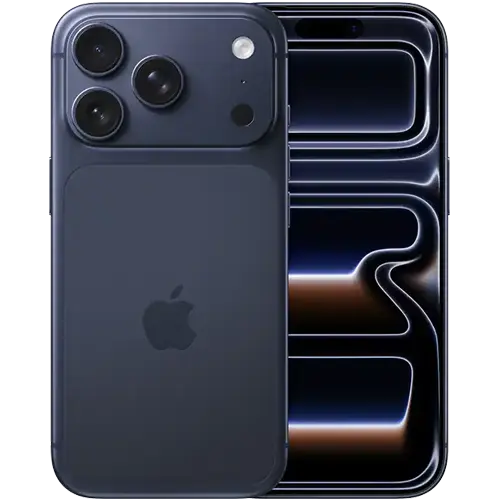
Apple
iPhone 17 Pro
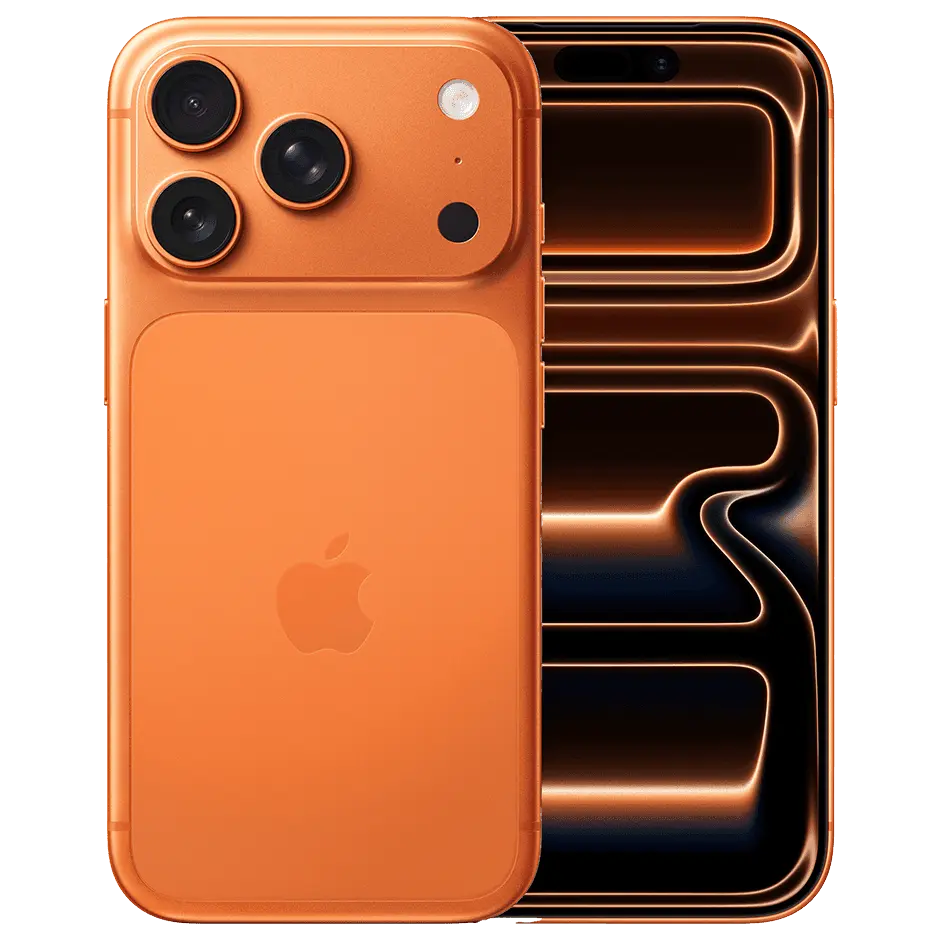
Apple
iPhone 17 Pro Max
Apple
iPhone 17e
Apple
iPhone Air
Pixel 10 Pro Fold
Pixel 10a
iPhone 17 vs iPhone 17 Pro vs iPhone 17 Pro Max vs iPhone Air
iPhone 17 Series vs Xiaomi 17 Series
Google Pixel 10 vs Pixel 10 Pro vs Pixel 10 Pro XL
Samsung Galaxy S26 Series vs Google Pixel 10 Series