Best Phones Under $1,000

OnePlus
Apple
Nothing
Motorola
Honor
Xiaomi
RedMagic
15
iPhone 17
Phone (3)
Razr (2026)
600
17
11S Pro
Ranked #6 of 52
Ranked #23 of 52
Ranked #31 of 52
Ranked #48 of 52
Ranked #37 of 52
Ranked #13 of 52
Ranked #11 of 52
Overall
Overall
Overall
Overall
Overall
Overall
Overall
Spending under $1,000 is a big deal — but it no longer means you can necessarily get the best of the best. Phones have gotten more expensive over the years, and these days, the best phones usually cost at least $1,200 or so. But, for that kind of money, you can still get an excellent device.
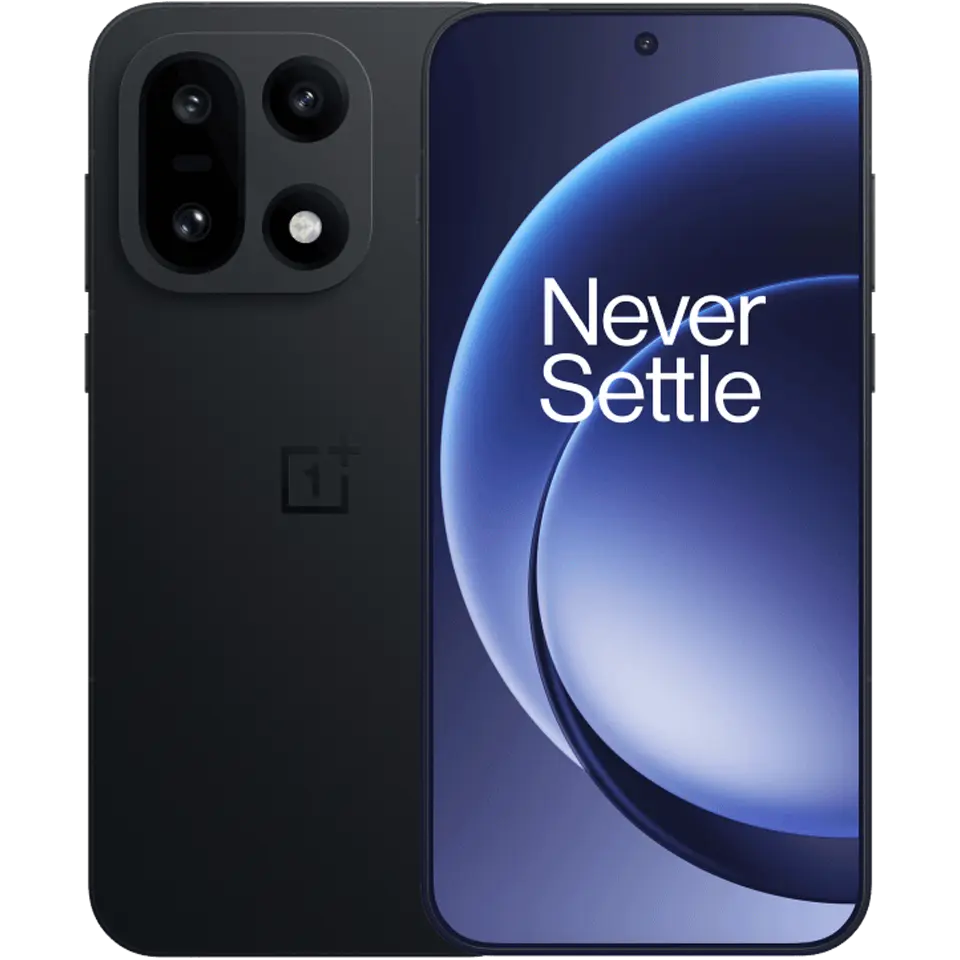
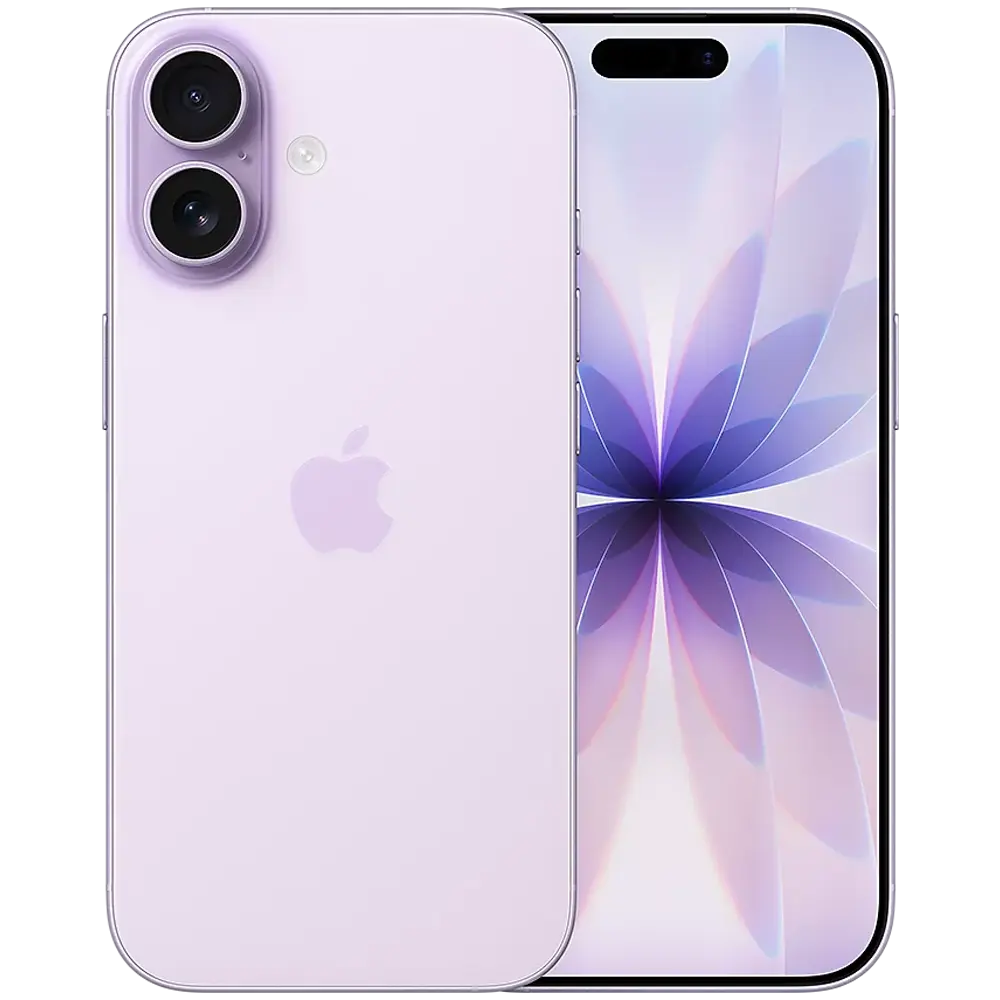
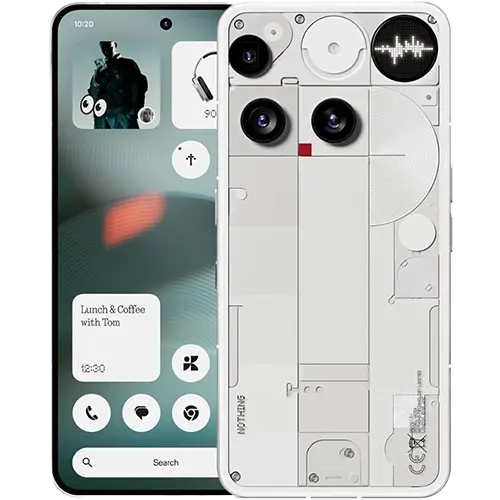
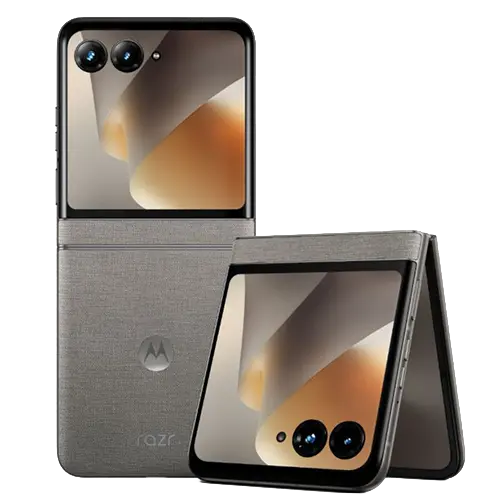
The OnePlus 15 takes the top spot as the best overall pick, pairing a high-refresh AMOLED panel with fast sustained performance and reliable battery life. For those in the Apple ecosystem, the iPhone 17 offers a well-rounded package with tight software integration. If photography is the priority, the Nothing Phone (3) stands out with versatile rear optics and strong computational processing. And the Motorola Razr (2026) proves foldables have become genuinely competitive below this price threshold.
Whether you want a compact flip phone, a large-screen gaming device, or a phone tuned for media consumption, this list covers a range of needs. Rankings update automatically as new phones launch and scores shift.
Best Overall Under $1,000
There are a few things that make the OnePlus 15 a great device, but the battery life is top of the list. Forty-six hours of video playback is a number that requires a second look. The OnePlus 15's 7,300mAh battery lasts longer on a single charge than almost anything else in our database, and when it does run down, 120W wired charging recovers 88% in 30 minutes — the fastest wired charging speed we've measured at any price. The Samsung Galaxy S26 costs the same and gets to 58% in that same window, a gap that's hard to ignore if you travel without a charger nearby.
Performance is similarly strong. Benchmark results place it among the top five phones in our database, and sustained performance holds up under extended load.
The display sits in the lower half of phones we've tested in this price range — the Xiaomi 17 is a clear step up there, though it costs more. Camera output is the more significant concern — main camera color accuracy is poor, with skin tones noticeably off from reference in good light. The Samsung Galaxy S26 produces considerably more accurate color at the same price. If imaging is central to how you use your phone, the OnePlus 15 is the wrong choice. If battery life and charging speed are your priority, nothing in this price tier comes close.
Best iPhone Under $1,000
The iPhone 17 puts up competitive numbers across most of the categories that matter day-to-day without leaning heavily on any single one. Multi-core performance sits well ahead of the Nothing Phone (3) at the same $799 price — and CPU efficiency translates to real-world endurance. The iPhone 17 holds above 22 hours of continuous video playback and burns through under a quarter of its battery during a web session. That's not class-leading — the OnePlus 15 runs nearly twice as long on video — but it's fine for the price tier.
The display peaks above 3,000 nits in HDR, which holds up in direct sunlight. Touch latency is slower than most Android rivals at this price, though the difference isn't something most users will notice in daily use.
Camera is the clearest weakness, compared to some of the Android competition. Main camera sharpness in good light trails the Nothing Phone (3) noticeably, and overall imaging ranks in the bottom third of the phones in our database. Buyers who prioritize photography will find better at $799.
What the 17 offers instead is a phone that covers its bases with capable performance, reasonable battery, a clean software experience, and full continuity with Apple's ecosystem. It doesn't lead any single category, but it doesn't fall short of expectations in ways that matter for most users.
Best Camera Phone Under $1,000
If photography is your priority, then it’s worth looking at the Nothing Phone (3). The Nothing Phone (3)'s front camera is the sharpest we've measured at this price, and it holds that clarity across lighting conditions in a way that most $799 phones don't. The ultrawide produces accurate hue across a broad range of subjects, and the main lens captures significantly more tonal detail in high-contrast scenes than the iPhone 17 at the same price. Telephoto sharpness is also high, outpacing the Xiaomi 15T Pro's telephoto by a clear margin even though both phones cost $799.
Compared to the Nothing Phone (3a) Pro, the Phone (3) meaningfully improves main lens sharpness in daylight, along with gains in telephoto clarity and front camera resolution. The (3a) Pro costs $340 less and lands close in overall camera ranking, so the upgrade is a judgment call, but the sharpness improvements are real and measurable.
Best Foldable Under $1,000
At $799, the Razr (2026) is the only flip foldable in this price range, and Motorola has made meaningful improvements over the previous generation to justify it. Video playback on the outer screen runs to around 33 hours — a full week of commutes before you're reaching for a charger — compared to about 26 hours on the 2025 model. Gaming drain is heavier at 17% per hour versus 11% on its predecessor, so sustained gaming sessions will work through the battery faster than casual use suggests.
The 3,884-nit peak display is genuinely useful outdoors, and 30W wired charging gets you to 63% in 30 minutes. Main camera sharpness is solid in good light, though image quality overall sits well behind bar-style rivals at this price — the Nothing Phone (3) at the same $799 produces noticeably sharper, more accurate images.
Performance is the other limitation. The Dimensity 7450X handles daily tasks without friction, but it's not a chip you'd choose for demanding workloads. Connectivity and microphone scores are weak.
What you're paying for is the form factor. If a flip foldable under $1,000 is the goal, there's currently no direct competition at this price.
Phone with the Best Display Under $1,000
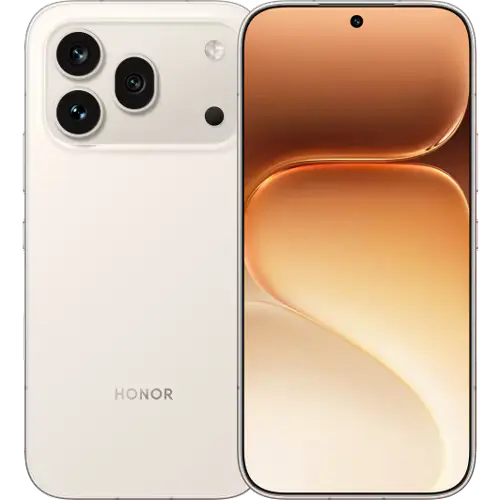
The Honor 600 takes this title from the Google Pixel 10 Pro, and that’s because its display gets very bright. At nearly 7,000 nits peak HDR brightness, the Honor 600's display is in a different league from anything else under $1,000. The Xiaomi 17, which costs $400 more, peaks at around 3,600 nits. The OnePlus 15R gets to roughly 3,200. Manual brightness holds close to 1,000 nits.
Color accuracy is a genuine weakness. The Honor 600's color error is roughly double what the iPhone 17e produces, and P3 gamut coverage is narrower than most rivals here. Skin tones drift noticeably from reference. If color fidelity matters more to you than outdoor visibility, the iPhone 17e is worth looking at — though its peak brightness is a fraction of the Honor 600's.
Touch responsiveness is average at best. There's no 165Hz option like the OnePlus 15R offers. Performance is also a step down from most phones at this price, which is worth knowing if you use the device for anything processor-intensive. The display is the reason to buy this phone. Everything else is secondary.
Phone with the Best Speaker Under $1,000
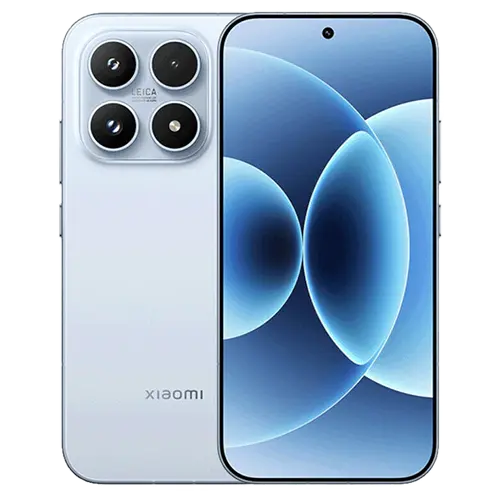
The Xiaomi 17 reaches maximum volume levels that sit below the Samsung Galaxy S26 Ultra and Google Pixel 10 Pro, but it produces cleaner audio at loud volumes than either — distortion at peak output is noticeably lower than the Pixel 10 Pro's, which makes sustained loud playback more comfortable over time. Bass extension is a clear strength too — the Xiaomi 17 reaches produces better bass than the majority of other phones out there. Frequency response across the midrange and treble is also even, with no significant dips or peaks that would make voices or instruments sound colored.
Compared to the Samsung Galaxy S26, distortion levels and frequency evenness are closely matched. The Xiaomi 17's advantage is its bass reach, which is stronger than the S26.
Against the Galaxy S26 Ultra — the top-ranked speaker in our database — the gap is real but not large. The Ultra is cleaner at high output and gets louder, but costs $300 more.
Battery life is a weakness though. At just over 26 hours of continuous video playback, it trails most phones in this price range. Microphone quality also ranks in the lower third of our database, which matters for calls and video recording.
Best-Performing Phone Under $1,000

No phone under $1,000 matches the RedMagic 11S Pro's raw processing output. In fact, it's not just the best-performing phone under $1,000. It's the best-performing phone in our entire database. GeekBench 6 multi-core hits 12,148 — ahead of the Samsung Galaxy S26's 11,232 at $899 — and the GPU score separates further still, with the RedMagic pulling well clear of anything else in this price range.
The 7,500mAh battery and 80W wired and wireless charging are real advantages on paper, and charge times are quick. Gaming drain is higher than rivals — the S26 burns through roughly half as much battery per session — so the large cell is partly compensating for a more power-hungry chip under load, plus that built-in fan uses power too.
Camera performance is below average for this price, and the speaker sits near the bottom of what we've measured. These aren't minor gaps. If shooting quality or audio output matter to you, the S26 or Xiaomi 17T Pro are meaningfully better choices in both areas.
What the RedMagic 11S Pro is, clearly, is a performance-first device. It delivers that without compromise.
FAQ
Which phone under $1,000 has the best battery life?
The OnePlus 15 leads with 46 hours of continuous video playback, powered by a 7,300mAh battery. When it does need charging, 120W wired charging recovers 88% in 30 minutes. The Samsung Galaxy S26 reaches only 58% in that same 30-minute window at the same price.
How fast does the Razr (2026) charge, and how long does the battery last?
The Motorola Razr (2026) charges to 63% in 30 minutes via its 30W wired connection. Video playback on the outer screen runs to around 33 hours, up from about 26 hours on the previous model. Gaming sessions drain faster at 17% per hour, compared to 11% on its predecessor.
Is the Nothing Phone (3) camera noticeably better than the Nothing Phone (3a) Pro?
The Phone (3) improves on the (3a) Pro in main lens sharpness in daylight, telephoto clarity, and front camera resolution. The (3a) Pro costs $340 less and lands close in overall camera ranking, so the upgrade is a judgment call rather than an obvious step up.
How does the iPhone 17 camera hold up against Android phones at the same price?
Main camera sharpness on the iPhone 17 trails the Nothing Phone (3) noticeably in good light, and overall imaging ranks in the bottom third of phones at this price. The Nothing Phone (3) also captures significantly more tonal detail in high-contrast scenes at the same $799 price point.
What makes the Honor 600 display stand out, and what are its weaknesses?
The Honor 600 reaches nearly 7,000 nits peak HDR brightness, which puts it far ahead of other phones at this price — the Xiaomi 17 peaks around 3,600 nits and costs $400 more. The tradeoff is color accuracy: color error is roughly double what the iPhone 17e produces, P3 gamut coverage is narrower than most rivals, and skin tones drift from reference. It also lacks a 165Hz refresh option.
Does the RedMagic 11S Pro's large battery mean it lasts longer than rivals during gaming?
Not necessarily. Despite its 7,500mAh cell, gaming drain is high — the Samsung Galaxy S26 burns through roughly half as much battery per gaming session. The large battery partly compensates for a more power-hungry chip under load rather than delivering standout longevity.
Which phone under $1,000 has the cleanest speaker audio at loud volumes?
The Xiaomi 17 produces lower distortion at peak output than the Google Pixel 10 Pro or Samsung Galaxy S26, making sustained loud playback more comfortable over time. It also reaches stronger bass than most phones at this price. The Galaxy S26 Ultra is cleaner and louder, but costs $300 more.
Is the Motorola Razr (2026) worth it if camera quality matters to me?
Probably not as a primary reason to buy. The Razr's main camera is solid in good light, but overall image quality sits well behind bar-style phones at the same $799 price — the Nothing Phone (3) produces noticeably sharper and more accurate images. The Razr makes sense if the flip form factor is the goal, not imaging performance.
Related
Honor
600
RedMagic
11S Pro
Motorola
Razr (2026)
Apple
iPhone 17
Xiaomi
17
Nothing
Phone (3)
OnePlus
15
Honor
Magic8 Pro
Honor
Magic V6
Xiaomi
17 Ultra
Xiaomi
17T Pro
Motorola