Google Pixel 10 vs Nothing Phone (3)
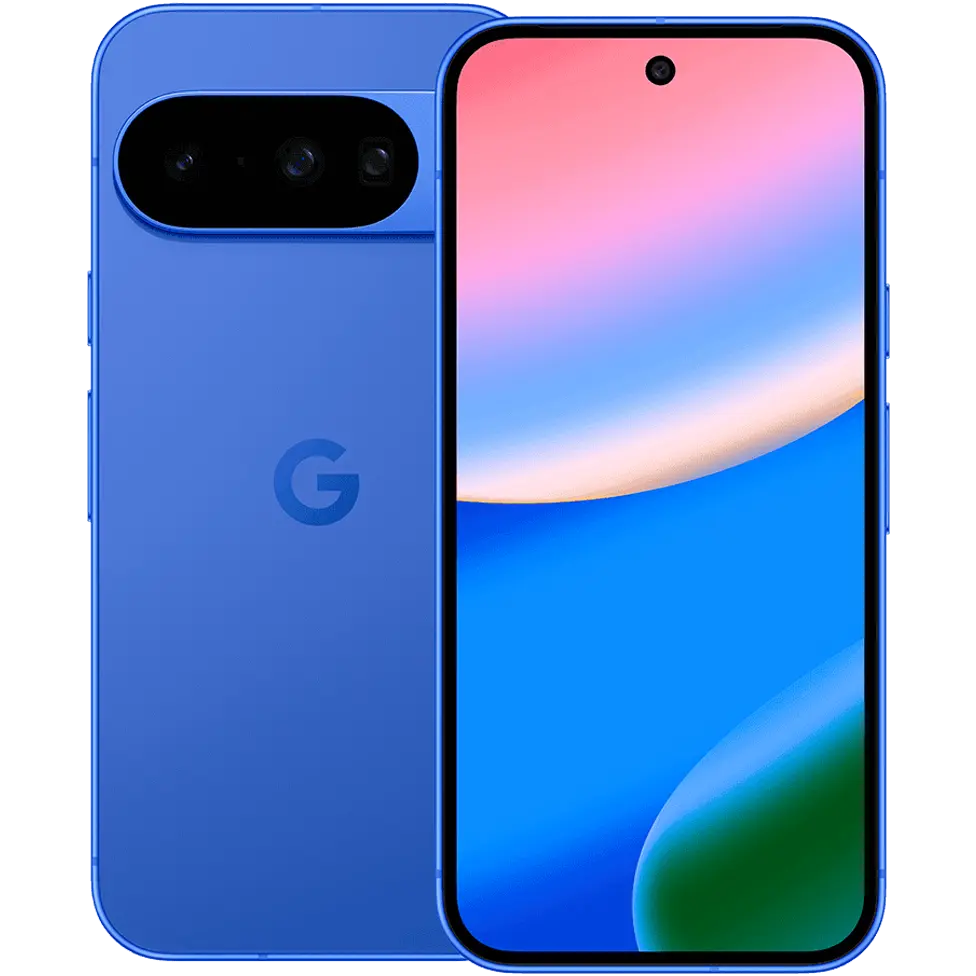
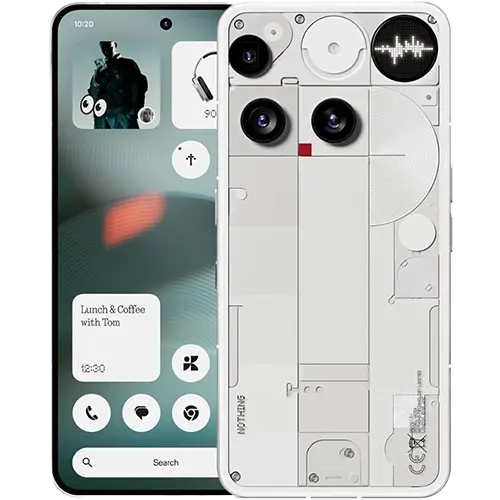
Nothing
Pixel 10
Phone (3)
Ranked #46 of 59
Ranked #36 of 59
Overall
Overall
The Google Pixel 10 and Nothing Phone (3) both cost $799 and target the upper-middle tier of the smartphone market. The Pixel 10 is Google's base-model device in the Pixel 10 lineup, built around its own silicon and deeply integrated with Android. The Nothing Phone (3) is a more aggressive hardware play from a company that's built its identity on design distinctiveness and spec-forward value.
The Nothing Phone (3) is the stronger all-around performer. It leads clearly in camera quality, battery life, and raw processing power. The Pixel 10 counters with a substantially brighter display, better speakers, a superior microphone, and faster data transfer speeds.
Here’s how the Google Pixel 10 and the Nothing Phone (3) compared in our testing.
Design
| Google Pixel 10 | Nothing Phone (3) | |
|---|---|---|
| Specifications | ||
| Dimensions | 152.8 x 72 x 8.6 mm | 160.6 x 75.6 x 9 mm |
| Weight | 204g | 218g |
| IP Rating | IP68 | IP68 |
| Frame | Aluminum | Aluminum |
| Front | Gorilla Glass Victus 2 | Gorilla Glass 7i |
| Back | Glass | Gorilla Glass Victus |
| Screen-to-body ratio | 86.5% | 89.0% |
The Nothing Phone (3) is the larger phone at 6.7 inches with a 218g body, while the Pixel 10 comes in at 6.3 inches and 204g. That 14g difference is small in isolation, but combined with the screen size gap, you're looking at two fairly different form factors. The Pixel 10 is the more pocketable of the two. Both phones carry an IP68 rating, meaning submersion in fresh water to 1.5 meters for 30 minutes.
Bandicoot Lab doesn't formally test design or durability, so this section describes what's on the spec sheet.
Display
| Google Pixel 10 | Nothing Phone (3) | |
|---|---|---|
598/ 881 | 525/ 881 | |
The Pixel 10 has a significant brightness advantage. Its max manual brightness reaches 1,496 nits compared to 790 nits on the Nothing Phone (3). That's nearly double, and it shows up in outdoor readability. HDR peak brightness tells a similar story — the Pixel 10 hits 3,089 nits versus 1,602 nits on the Nothing Phone (3). For small bright highlights in HDR video, the Pixel 10 produces substantially more punch.
Sustained brightness, which measures whether the panel holds its peak output over 30 minutes of HDR content, is close between the two. The Pixel 10 holds 97.67% and the Nothing Phone (3) holds 97.93%. Both panels maintain their brightness reliably under thermal load. The Pixel 10 starts much brighter and doesn't fade either.
Color accuracy is better on the Pixel 10. In its Natural mode targeting sRGB, colors are tight with only minor drift. The Nothing Phone (3) shows more visible color error in both its Standard and Alive modes. Neutral tones and subtle gradients will look more faithful on the Pixel 10. The Nothing Phone (3) covers Display P3 more completely at 93.83% in Alive mode versus 72.33% on the Pixel 10, which matters for wide-gamut content. Raw accuracy goes to the Pixel 10.
Resolution is 1080 x 2424 on the Pixel 10 (422 PPI) and 1080 x 2412 on the Nothing Phone (3) (460 PPI). Both are sharp enough that you won't see individual pixels. Touch latency shows a bigger gap: the Nothing Phone (3) averages 13.6ms compared to 22.6ms on the Pixel 10. Both phones refresh at 120Hz.
Performance
| Google Pixel 10 | Nothing Phone (3) | |
|---|---|---|
403/ 1012 | 553/ 1012 | |
The Pixel 10 runs Google's Tensor G5 with 12GB of RAM. The Nothing Phone (3) uses Qualcomm's Snapdragon 8 Gen 3 with 16GB of RAM. In CPU benchmarks, they're closer than you might expect — the Pixel 10 scores 2,271 single-core and 6,137 multi-core in GeekBench 6, while the Nothing Phone (3) posts 2,209 single-core and 6,992 multi-core. Single-core performance is essentially tied. The Nothing Phone (3) pulls ahead in multi-core work, which matters for heavy multitasking and sustained parallel workloads.
GPU performance is where the Snapdragon chip asserts itself. In Wild Life Extreme stress testing, the Nothing Phone (3) peaks at 4,459 compared to 2,955 on the Pixel 10. That's a roughly 50% advantage at peak. Stability is similar: 64.4% on the Nothing Phone (3) versus 68.6% on the Pixel 10. Neither phone holds peak performance especially well under sustained load, but the Nothing Phone (3) starts from a much higher ceiling. In practice, graphically demanding games will run smoother on the Nothing Phone (3), and the gap is large enough that you'd notice it in titles that push frame rates.
Camera
| Google Pixel 10 (Overall) | Nothing Phone (3) (Overall) | |
|---|---|---|
| Specifications | ||
| Main | 48MP, f/1.7, 25mm, 1/2.0" | 50MP, f/1.7, 24mm, 1/1.3" |
| Ultrawide | 13MP, f/2.2, 14mm, 1/3.1" | 50MP, f/2.2, 15mm, 1/2.76" |
| Telephoto | 10.8MP, f/3.1, 112mm, 1/3.2" | 50MP, f/2.7, 72mm, 1/2.75" |
| Front | 10.5MP, f/2.2, 20mm, 1/3.1" | 50MP, f/2.2, 25mm, 1/2.76" |
The Nothing Phone (3) has the stronger camera system overall. It scores higher across every lens: main, ultrawide, telephoto, and front. The gap is most pronounced on the front camera and ultrawide, and narrower on the telephoto. Sharpness is where the Nothing Phone (3) separates itself most clearly. Across nearly every lens and lighting condition, it resolves more detail. Its main camera produces high sharpness in bright and mid-light, and holds up well in dark conditions too. The Pixel 10 is decent but a step behind, particularly in processed output.
At deep zoom levels, both phones are close. The Pixel 10 tops out at 20x in our zoom tests, while the Nothing Phone (3) extends to 60x. At 20x, both produce similar sharpness. Beyond that, the Nothing Phone (3) has the zoom range to itself, though detail falls off noticeably past 40x.
Main
| Google Pixel 10 (Main) | Nothing Phone (3) (Main) | |
|---|---|---|
421/ 722 | 572/ 722 | |
In bright light, the Nothing Phone (3) main camera resolves visibly more detail than the Pixel 10. In mid-light, the gap widens further. In dark conditions, both cameras lose sharpness, but the Nothing Phone (3) holds up better.
Color character differs between the two. The Nothing Phone (3)'s main camera produces a fairly neutral look across lighting conditions with saturation close to life-like levels. In bright light, colors are accurate in hue with minimal bias in any direction. As light drops to mid and dark conditions, hue accuracy holds reasonably well, with only moderate error creeping in. Skin tones stay close to natural across the range.
The Pixel 10's main camera leans vivid. In bright light, saturation is pushed noticeably above neutral, and there's a warm yellow shift. That warm cast intensifies in mid-light, where saturation climbs even higher and skin tones drift well away from reference. In dark conditions, there's a strong pink-magenta push, particularly visible in skin tones. The warm bias increasing as lighting gets warmer points to a white balance correction issue rather than a sensor limitation.
The Nothing Phone (3) retains more shadow detail and holds highlights better in high-contrast scenes. The Pixel 10 clips highlights more aggressively, producing a flatter look in challenging light.
Ultrawide
| Google Pixel 10 (Ultrawide) | Nothing Phone (3) (Ultrawide) | |
|---|---|---|
342/ 722 | 549/ 722 | |
The Nothing Phone (3) ultrawide is noticeably sharper than the Pixel 10's across all lighting conditions, with a particularly large gap in bright and mid-light. Both ultrawides lose sharpness relative to their respective main cameras, but the Nothing Phone (3) ultrawide comes closer to matching its own main lens. The Pixel 10's ultrawide drops off more steeply.
Color on the Nothing Phone (3) ultrawide is neutral to slightly desaturated in bright light, with some skin tone error showing up. In mid and dark light, it stays relatively controlled with modest warm bias. The Pixel 10 ultrawide pushes colors warmer and more saturated, especially in bright light where there's a clear warm-yellow lean. In dark conditions, the Pixel 10 ultrawide develops a strong pink-magenta cast, similar to what happens on its main camera. This pattern of increasing warm bias as color temperature drops suggests white balance overcorrection rather than a sensor-level problem.
Both ultrawides retain decent shadow detail, with the Nothing Phone (3) holding a slight edge in processed output.
Telephoto
| Google Pixel 10 (Telephoto) | Nothing Phone (3) (Telephoto) | |
|---|---|---|
384/ 722 | 584/ 722 | |
Both phones offer telephoto lenses, and the Nothing Phone (3) takes a clear lead in sharpness. In bright light at 3x, the Nothing Phone (3) produces substantially more detail. At 5x and beyond, the gap narrows somewhat but remains. In dark conditions, both telephoto lenses lose resolution, with the Nothing Phone (3) still ahead but by a smaller margin.
Color accuracy is where the Nothing Phone (3) telephoto stands out. Across all three lighting conditions, colors stay close to neutral with saturation near reference levels. Even in dark conditions, hue errors remain modest. The Pixel 10 telephoto follows the same pattern as its other lenses: a vivid, warm-pushed look that intensifies as lighting dims. In mid-light, saturation is heavily boosted with a prominent warm-yellow shift and noticeable skin tone error. In dark conditions, the pink-magenta bias dominates. Processing choices on the Pixel 10 clearly prioritize a punchy look over accuracy.
The Nothing Phone (3) telephoto retains more detail in both highlights and shadows. The Pixel 10 telephoto clips highlights earlier.
Video stabilization is similar on both telephoto lenses.
Front
| Google Pixel 10 (Front) | Nothing Phone (3) (Front) | |
|---|---|---|
380/ 722 | 673/ 722 | |
The Nothing Phone (3) front camera is sharper across the board, and the difference is large in bright and mid-light. The Pixel 10 front camera produces high sharpness in bright light, but with unusually aggressive sharpening that creates visible edge artifacts. In mid-light, the Pixel 10 front camera applies similar processing. The Nothing Phone (3) achieves higher actual sharpness with much less aggressive sharpening.
Color on the Nothing Phone (3) front camera is good. In bright light, there's a slight cool-blue lean and hue errors are moderate. In mid-light, colors tighten up and become quite accurate. In dark conditions, there's some warm shift and skin tone error increases, but it's relatively contained. The Pixel 10 front camera pushes warm in bright and mid-light, with a strong yellow bias. In dark conditions, processing shifts dramatically toward pink-magenta with severe hue errors. Skin tones look noticeably off in low light on the Pixel 10.
The Nothing Phone (3) front camera retains detail across a wider brightness range and handles high-contrast selfie scenarios much more effectively.
Battery
| Google Pixel 10 | Nothing Phone (3) | |
|---|---|---|
467/ 799 | 593/ 799 | |
The two phones have nearly identical battery capacities — 4,970mAh on the Pixel 10 and 5,000mAh on the Nothing Phone (3). Real-world results diverge more than those numbers suggest.
In video playback at 200 nits, the Pixel 10 lasts 23 hours and 6 minutes while the Nothing Phone (3) reaches 27 hours and 29 minutes. That's over four hours more on the Nothing Phone (3). For a long-haul flight or a day of heavy streaming, the Nothing Phone (3) will last meaningfully longer. Both are multi-day phones for moderate use, but the Nothing Phone (3) gives you more cushion.
Web browsing tells a different story. Over a 5-hour test, the Pixel 10 drains 23% versus 30% on the Nothing Phone (3). The Pixel 10 is more efficient during mixed browsing, which better represents typical daily use for many people. Gaming drain during the Wild Life Extreme stress test shows 22% for the Pixel 10 and 28% for the Nothing Phone (3), though this partly reflects the Snapdragon chip working harder at higher frame rates. Standby is where the Nothing Phone (3) excels, losing just 1% drain over 8 hours versus 3% on the Pixel 10. If you routinely leave your phone idle on a nightstand without charging, the Nothing Phone (3) barely sips power.
Charging
| Google Pixel 10 | Nothing Phone (3) | |
|---|---|---|
322/ 837 | 268/ 837 | |
The Nothing Phone (3) supports 65W wired charging versus 30W on the Pixel 10. Both support 15W wireless charging. The Pixel 10 supports magnetic wireless charging aligned to the Qi2 standard, which makes it compatible with MagSafe-style accessories and chargers. The Nothing Phone (3) doesn't specify magnetic alignment.
In practice, the wired speed difference is modest early on. At 10 minutes, the Nothing Phone (3) reaches 22% versus 20% on the Pixel 10. At 30 minutes, the gap opens a bit: 63% on the Nothing Phone (3) and 57% on the Pixel 10. Neither phone reaches full in under an hour, but the Nothing Phone (3) gets further faster after the first few minutes.
Wireless charging is dramatically different. At 10 minutes, the Pixel 10 hits 11% versus just 4% on the Nothing Phone (3). At 30 minutes, it's 30% versus 10%. If you rely on wireless charging, the Pixel 10 delivers a meaningfully better experience. The magnetic alignment also means you can drop the Pixel 10 onto a compatible puck without adjusting placement.
Speaker
| Google Pixel 10 | Nothing Phone (3) | |
|---|---|---|
781/ 897 | 652/ 897 | |
The Pixel 10 is the louder phone at 76 dBA max volume compared to 73.1 dBA on the Nothing Phone (3). That's a noticeable difference in a kitchen or outdoors. The Pixel 10 also has a stronger overall speaker score, driven by noticeably better bass output and clearer high-end reproduction. You'll hear fuller low-end and crisper vocals on the Pixel 10.
The Nothing Phone (3) has significantly lower distortion at 3.46% average THD versus 6.28% on the Pixel 10. At higher volumes, the Nothing Phone (3) stays cleaner. The Pixel 10's speaker character is louder and richer but introduces more distortion when pushed. The Nothing Phone (3) sounds more restrained but more composed. For podcasts and calls, the Nothing Phone (3)'s cleaner output may be preferable. For music and video, the Pixel 10's fuller frequency response gives it the edge.
Microphone
| Google Pixel 10 | Nothing Phone (3) | |
|---|---|---|
698/ 1220 | 437/ 1220 |
The Pixel 10 microphone is well above average. It produces more consistent frequency response with less variation across the range. The Nothing Phone (3) microphone sits below average, with more uneven frequency response. For voice calls, video recording, and voice memos, the Pixel 10 will capture clearer, more natural audio.
Other
| Google Pixel 10 | Nothing Phone (3) | |
|---|---|---|
| Biometrics | 540/ 1181 | 504/ 1181 |
| Data Transfer | 205/ 877 | 102/ 877 |
| Specifications | ||
| Biometric type | Fingerprint | Fingerprint |
| Ports | USB-C 3.2 | USB-C 2.0 |
| Storage | 128GB, 256GB | 256GB, 512GB |
Both phones use in-display fingerprint sensors. The Pixel 10 uses an ultrasonic sensor that averages 194ms to unlock, while the Nothing Phone (3) uses an optical sensor at 208ms. The difference of 14ms isn't something you'd perceive consciously. Neither phone has hardware-based face unlock.
Data transfer speeds differ substantially. The Pixel 10's USB 3.2 port delivers read speeds of about 106 MB/s versus 38 MB/s on the Nothing Phone (3)'s USB 2.0 connection. Write speeds show a similar gap — roughly 77 MB/s versus 38 MB/s. If you regularly move large files to or from your phone with a cable, the Pixel 10 is roughly three times faster for reads. For small file operations, the difference narrows. Both phones are available in 128GB and 256GB storage configurations.
Conclusion
The Nothing Phone (3) wins on camera quality, battery endurance in video and standby, raw GPU power, touch responsiveness, and charging speed over a wire. Its camera system produces more accurate colors, higher sharpness across every lens, and better dynamic range. If photography is a priority, the gap is large enough to matter.
The Pixel 10 wins on display brightness, color accuracy, speaker quality, microphone quality, wireless charging speed, and data transfer speeds. Its screen gets nearly twice as bright, which makes a real difference outdoors. Its speakers are louder and fuller. Its Qi2 magnetic wireless charging is far faster than what the Nothing Phone (3) offers. It's also the more efficient phone during web browsing.
Both phones cost $799. If you want the better camera and longer battery life, the Nothing Phone (3) is the stronger pick. If you spend more time outdoors, value display quality and audio, or rely on wireless charging and wired file transfers, the Pixel 10 earns its place. Neither phone is weak in any category, but each has clear strengths that suit different priorities.
Related
Pixel 10
Nothing
Phone (3)
Pixel 11 Pro XL
Pixel 11 Pro
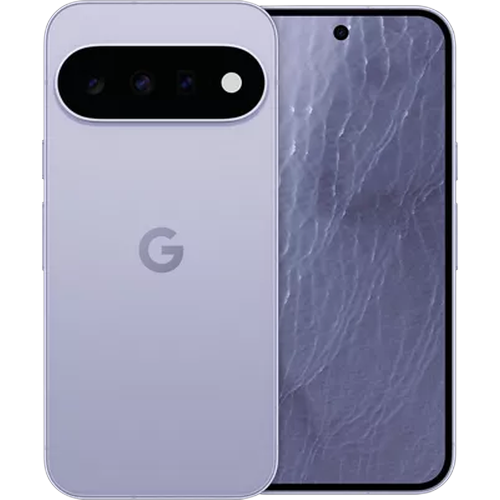
Pixel 11
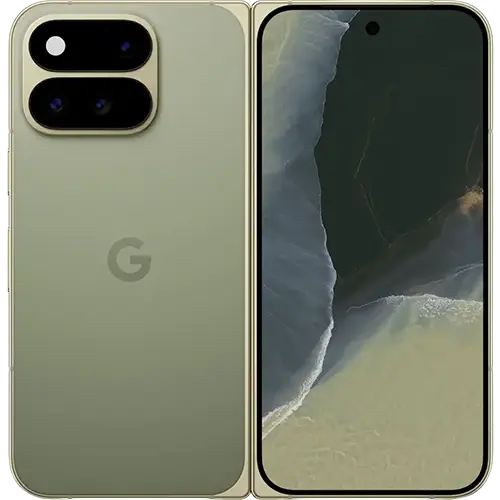
Pixel 11 Pro Fold
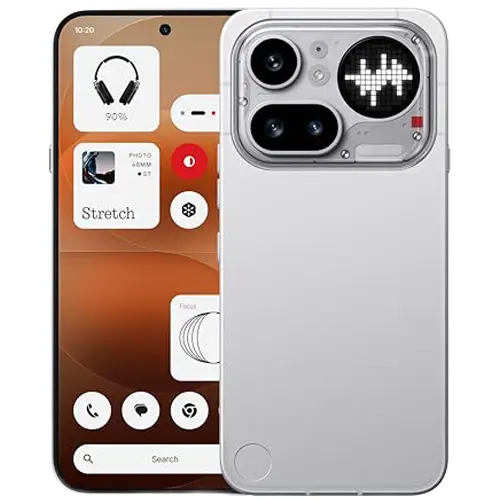
Nothing
Phone (4a) Pro
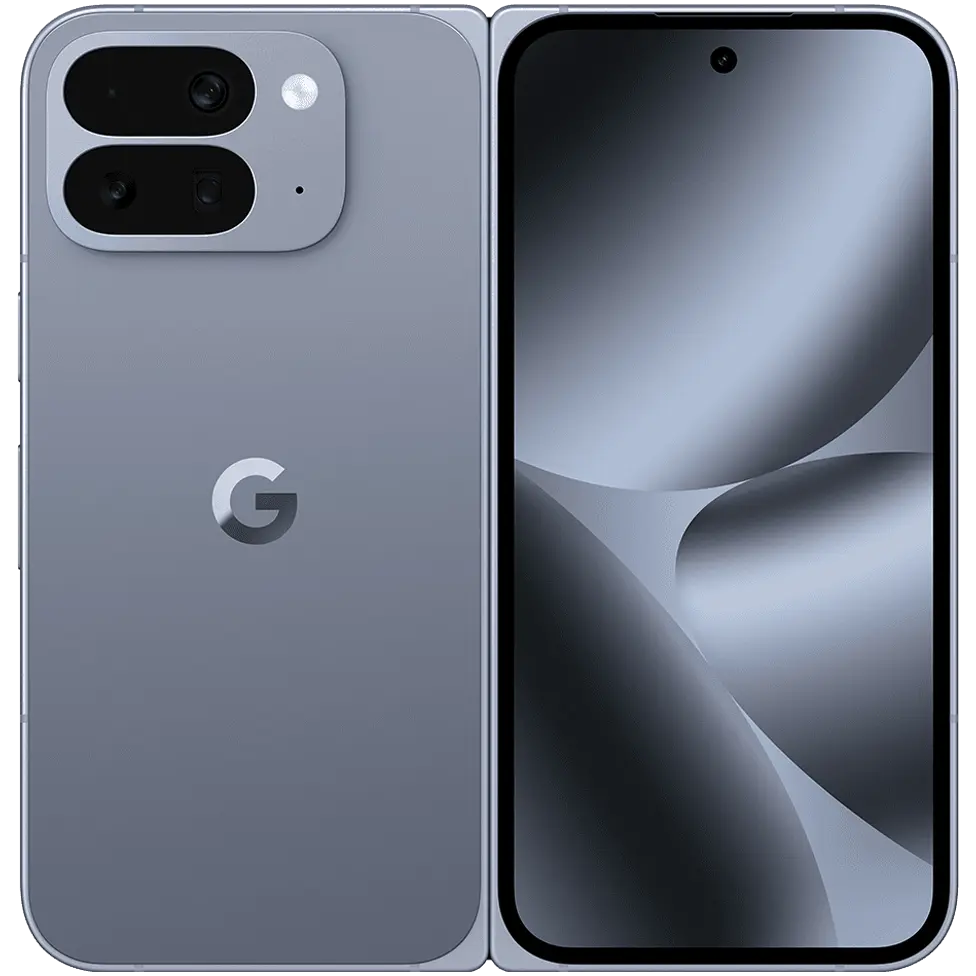
Pixel 10 Pro Fold
Pixel 10a
Nothing
Phone (4a)
Nothing
Phone (4b)
Google Pixel 10 vs Pixel 10 Pro vs Pixel 10 Pro XL