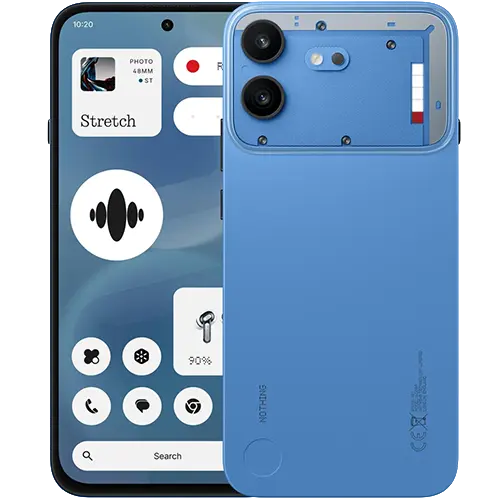
Nothing Phone (4a) Pro
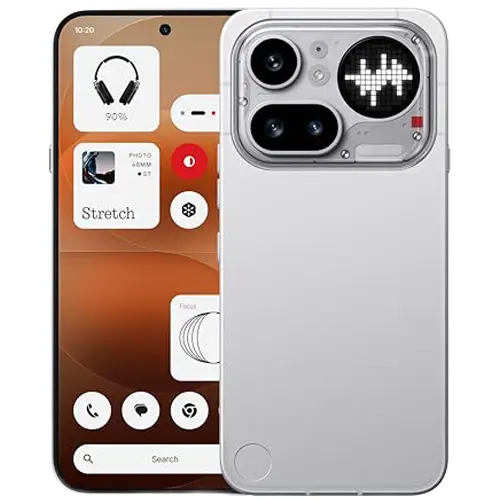
Nothing
Phone (4a) Pro
Ranked #46 of 61 devices tested
Score Overview
The Nothing Phone (4a) Pro is a mid-range Android phone priced at $499 that aims to deliver a versatile camera system, large display, and solid battery life. The camera system is a genuine strength, performing well above what this price bracket typically delivers, with strong results across the main, ultrawide, and telephoto lenses. Battery life is good, and the display's 144Hz refresh rate makes for smooth scrolling.
Raw processing power, however, is modest for the price, charging is slow, and the speaker lacks bass depth.
Here’s how the Nothing Phone (4a) Pro performed in our testing.
Design
Specifications
The Phone (4a) Pro measures 163.7 x 76.6 x 8mm and weighs 210g. It uses an aluminum frame and aluminum back with Gorilla Glass 7i on the front. The display has a 20:9 aspect ratio and an 89.8% screen-to-body ratio, meaning relatively thin bezels for the price. It carries an IP65 rating, which means it's protected against low-pressure water jets but is not rated for submersion.
At 210g, it's heavier than competing phones at this price. The all-aluminum construction is unusual at this price point, but still nice to see.
Bandicoot Lab does not formally test design or durability. The observations here are based on published specifications.
Display
The Phone (4a) Pro has a 6.83-inch AMOLED display at 1,260 x 2,800 resolution (440 PPI), with a refresh rate that scales between 30Hz and 144Hz. The panel supports two color modes: Alive Mode targets the Display P3 color space with 94.27% coverage, while Standard Mode targets sRGB at 97.23% coverage.
Color accuracy is reasonable. Standard Mode achieved an average Delta E of 1.75, meaning colors are close to their reference values and most deviations won't be visible in everyday use. Alive Mode averages 2.07, which is similarly usable. Neither mode achieves the tightest accuracy available at this price, but the difference is marginal in practice.
Manual brightness tops out at about 876 nits, which is adequate for most outdoor conditions. In dim environments the panel dims to about 2.1 nits, which is comfortable for nighttime use. HDR peak brightness reaches 1,755 nits, and the display holds that brightness with 100% stability over a 30-minute HDR load. That sustained brightness performance essentially means the phone doesn’t throttle brightness, at least over 30 minutes.
The 144Hz refresh rate is high for the price. Scrolling and animations will feel noticeably smoother than on phones capped at 60Hz, though similar to phones with a 120Hz refresh rate.
Performance
The Phone (4a) Pro runs a Qualcomm Snapdragon 7 Gen 4 chipset with 8GB or 12GB of RAM (our test unit had 12GB). Storage options are 128GB and 256GB.
In Geekbench 6, it scored 1,377 single-core and 4,313 multi-core. For everyday tasks like messaging, browsing, and social media, the Snapdragon 7 Gen 4 is adequate. The gap to flagship chips becomes apparent in demanding workloads.
GPU performance is limited. The 3DMark Wild Life Extreme stress test returned a peak score of 2,100 with 99.2% stability, meaning the phone barely throttles under sustained graphics load. For casual gaming the Phone (4a) Pro is fine, but graphically intensive titles will run at lower settings.
Browser performance (Speedometer) came in at 14.2. Web pages with heavy JavaScript will feel slightly slower to load and respond.
Camera
The Phone (4a) Pro has a triple rear camera system, made up of a 50-megapixel main sensor (1/1.56-inch, f/1.9, 24mm equivalent), a 50-megapixel 4x telephoto (1/2.75-inch, f/2.9, 80mm equivalent), and an 8-megapixel ultrawide (1/4.0-inch, f/2.2, 15mm equivalent). The front camera is 32 megapixels (1/3.42-inch, f/2.2, 22mm equivalent). Maximum zoom is 140x.
The camera system is a clear highlight. At $499, having a dedicated telephoto lens with a 3.5x optical zoom is uncommon. The overall camera performance exceeds similarly priced competitors.
Sharpness is strong across the main and ultrawide lenses in good light, and it holds up well into moderate zoom ranges. At native 1x, the main camera resolves fine detail effectively, and results remain good through 4x to 6x. The telephoto maintains useful detail at its native 3.5x and up through about 10x. Beyond 30x, resolved detail drops substantially in bright light, and by 100x the images are soft. In mid and low light, higher zoom levels degrade faster, with the 8x-10x range showing elevated sharpening artifacts.
Main
The 50-megapixel main sensor uses a 1/1.56-inch sensor, which is large for this price class. In bright light, sharpness is good, and the processing pipeline applies moderate sharpening without excessive artifacts. In low light, resolved detail drops as expected, but the sensor's size helps it retain more information than smaller-sensor competitors.
Color accuracy in auto mode is good for a phone at this price, particularly in bright light, where saturation is close to natural and hue accuracy is tight. In mid-light, colors shift slightly warmer due to incomplete white balance correction. In low light, color errors decrease overall but hue accuracy loosens slightly. Skin tones are rendered fairly well in mid and low light but drift more in bright conditions.
Dynamic range is solid. The auto mode captures a wide brightness range and preserves shadow detail well, though highlights can clip in very bright scenes.
Ultrawide
The 8-megapixel ultrawide uses a small 1/4.0-inch sensor at f/2.2 with a 15mm equivalent focal length. Sharpness is good in bright and mid-light conditions.
Color in auto mode tends to push saturation, especially in bright light, where skin tones drift from reference values. In mid and low light, a warm shift appears similar to the main lens.
Dynamic range is wide. The ultrawide captures broad scenes with good shadow detail, though it shows some tonal inconsistencies as the processing works to compress the range. Highlights clip earlier than on the main lens.
Telephoto
The 50-megapixel 4x telephoto uses a 1/2.75-inch sensor at f/2.9 with an 80mm equivalent focal length. This is a genuinely useful telephoto for the price. Sharpness at native 3.5x is good in all lighting conditions, and color accuracy is among the best of the four lenses. In auto mode, the telephoto's colors are well-controlled in bright light, with only modest saturation boosting (about 110%). In mid-light, colors shift warmer with a notable yellow push, but hue accuracy remains reasonable. Skin tones track well in mid and low light.
Dynamic range is narrower than the main lens, which is expected given the smaller sensor and slower aperture. Highlights clip in bright scenes, and the usable tonal range is more limited. For well-lit subjects at medium distances, the telephoto delivers clearly better results than digital zoom from the main camera.
Video stabilization on the telephoto is functional but not as smooth as the main or ultrawide lenses.
Front
The 32-megapixel front camera performs well. Sharpness is high in bright and mid-light conditions, and color accuracy is the best of all four lenses. Saturation stays near natural across all lighting conditions, and skin tones are rendered with relatively low error. In low light, color errors increase but remain controlled, with only a slight cool shift.
Dynamic range is wide in auto mode, with the processing doing an effective job of preserving both shadow and highlight detail. The front camera clips highlights later than most rear lenses on this device, which helps with backlit selfie situations.
Video stabilization on the front camera is average, showing more residual shake than the rear cameras.
Battery
The Phone (4a) Pro has a 5,080 mAh battery. In our standardized video playback test at 200 nits, it lasted 26 hours and 19 minutes. At maximum brightness, playback time was 22 hours and 9 minutes. That 200-nit figure is comparable to mid-range competition and ahead of flagship phones at the same price.
Web browsing drain was 28% over five hours, which is moderate. The phone consumes more power during active browsing than some competitors. Gaming drain was 27% during the 3DMark stress test. Standby drain was just 1% over eight hours, which is excellent.
In practical terms, the strong video playback time and low standby drain mean the phone will comfortably last a full day of mixed use, and light users could stretch it to two days.
Charging
The Phone (4a) Pro supports 50W wired charging with no wireless charging option. After 10 minutes on the charger, it reached 27%. After 30 minutes, it hit 63%.
Those numbers are adequate but not fast by the standards of this price range. The absence of wireless charging is a notable omission, as competing devices at this price include it.
Speaker
The Phone (4a) Pro's speaker reaches a maximum volume of 71.8 dBA, which is adequate for personal listening but not as loud as competitors. Average total harmonic distortion is 8.39%, meaning the speaker produces noticeable distortion at higher volumes.
The speaker's character leans toward the upper frequencies, with relatively clear highs and mids but thin bass response. Music and podcasts sound legible, but anything with bass presence will sound hollow.
Microphone
The microphone produced a frequency response standard deviation of 6.59 dB, which is below average. The microphone response is less even across the frequency range than competitors. In practice, voice calls and voice memos will be functional, but recordings may sound less natural than on phones with flatter microphone responses.
Other
Measurements
Specifications
The Phone (4a) Pro uses an optical under-display fingerprint sensor with an average unlock speed of 286.1 milliseconds. That's noticeably slower than competing phones at this price. Most users will perceive this as a slight delay when unlocking the phone. There is no hardware-based face unlock.
Data transfer over the USB-C 2.0 port is slow. The maximum read speed was about 36.8 MB/s and write speed was about 36.5 MB/s. Transferring large files or video to a computer will take significantly longer than on devices with newer USB standards.
Storage options are 128GB and 256GB.
Conclusion
The Nothing Phone (4a) Pro's strongest case is its camera system. At $499, it's one of very few phones offering a main, ultrawide, and telephoto lens, and the results across all three are genuinely good. The 3.5x optical telephoto is the standout feature, as no direct competitor at this price offers one. Battery life is solid, the 144Hz display is smooth, and color accuracy on the panel is acceptable.
The compromises are concentrated in performance, charging, and accessories. The Snapdragon 7 Gen 4 handles everyday tasks without issue but falls behind competitors in GPU performance and browser speed. Charging is middling, there's no wireless charging, the speaker lacks bass, and the microphone is below average. The fingerprint sensor is also slower than competitors. Buyers who prioritize camera versatility at this price will find a lot to like. Those who care more about raw speed, speaker quality, or charging convenience should look elsewhere.
Related
Best Phones Under $800
Best Phones For Any Budget
Best Android Phones
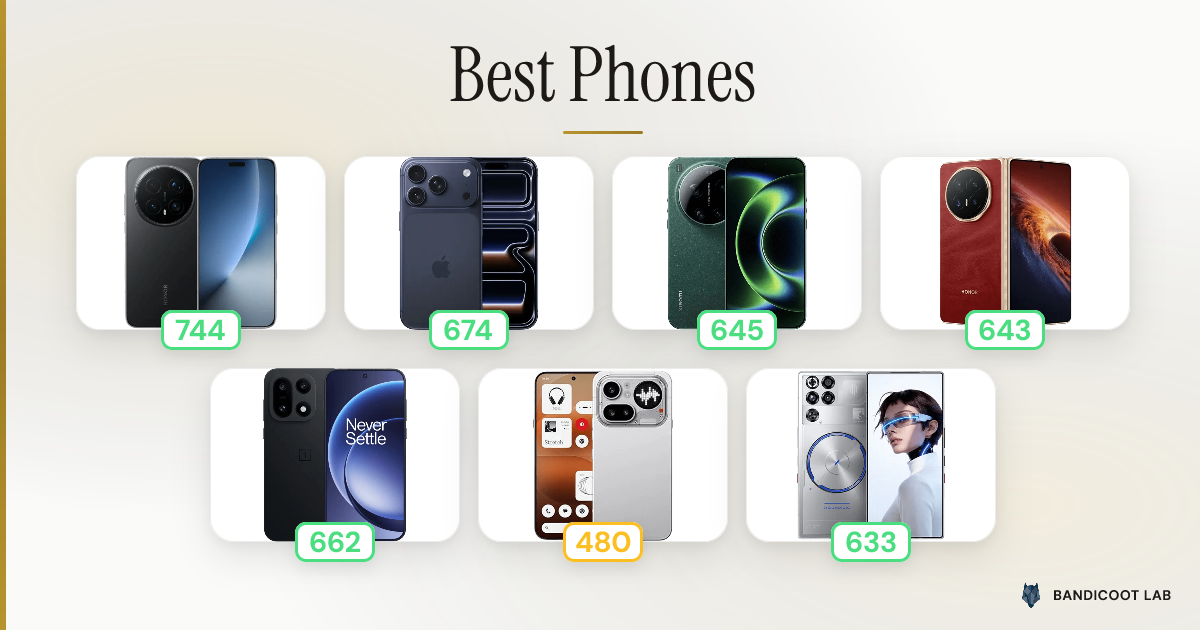
Best Phones
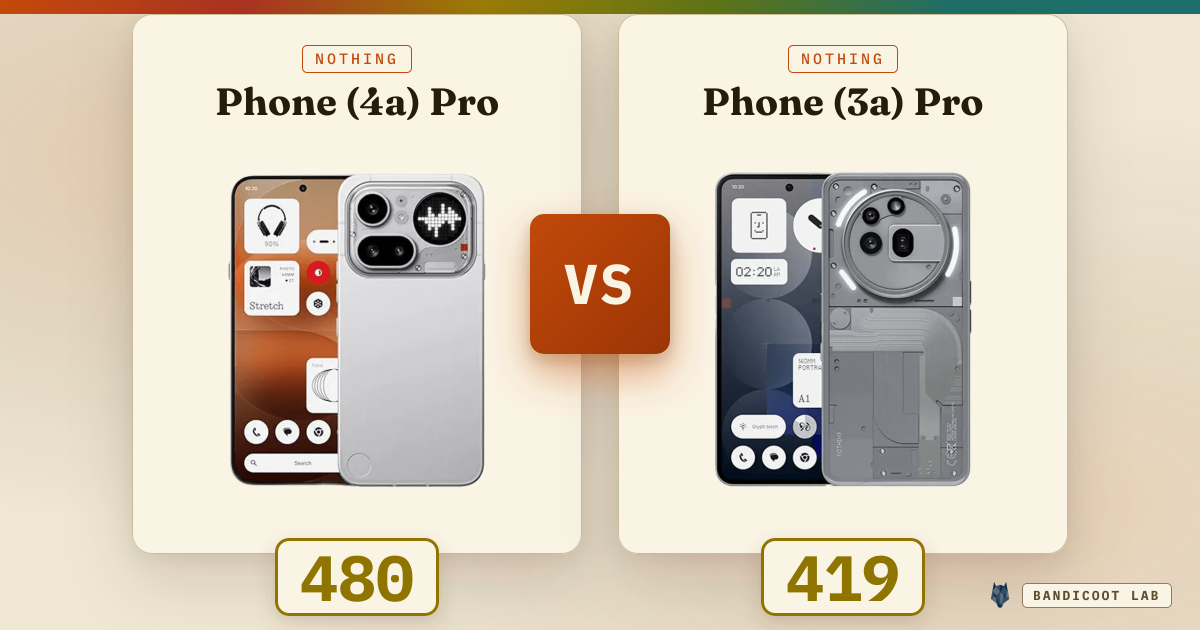
Nothing Phone (4a) Pro vs Nothing Phone (3a) Pro
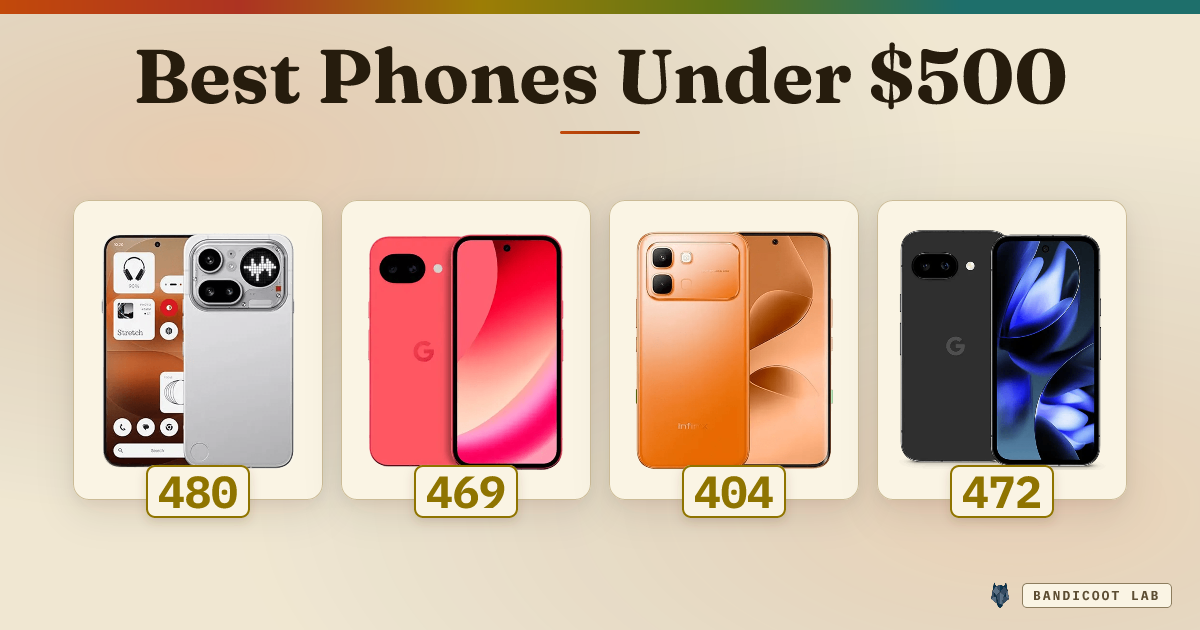
Best Phones Under $500
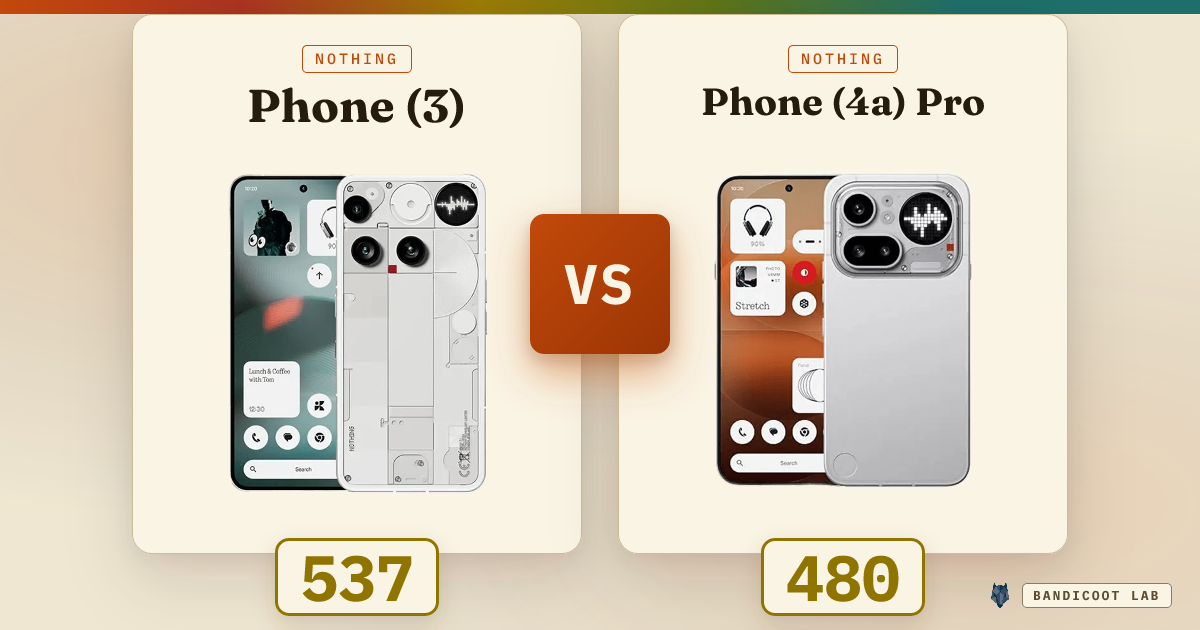
Nothing Phone (3) vs Nothing Phone (4a) Pro
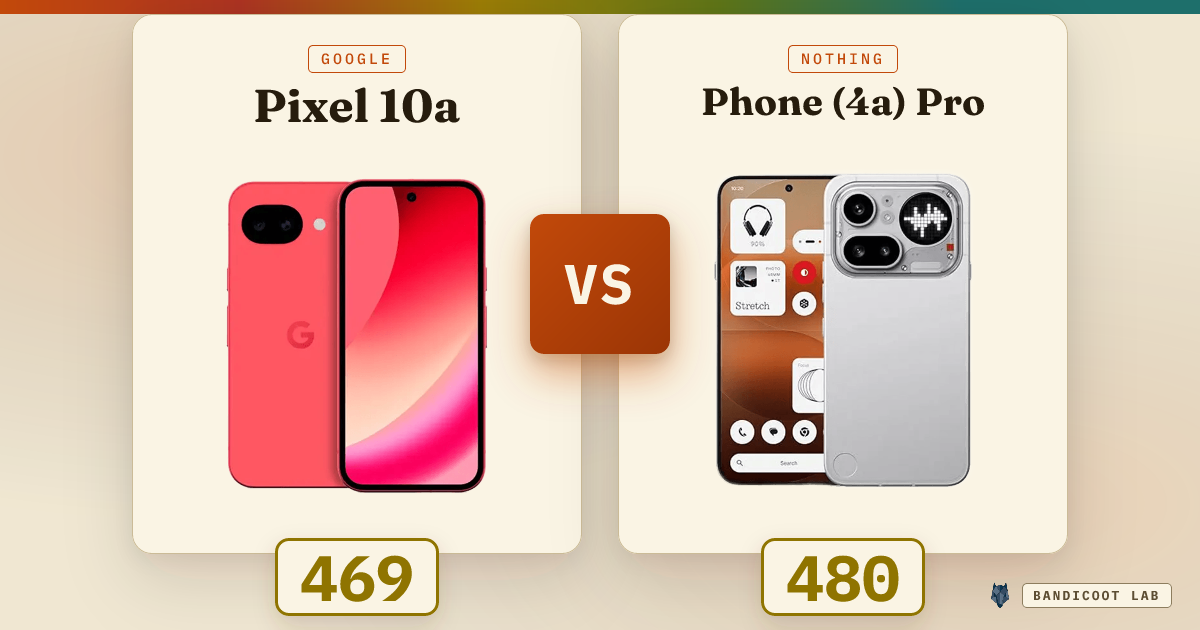
Google Pixel 10a vs Nothing Phone (4a) Pro
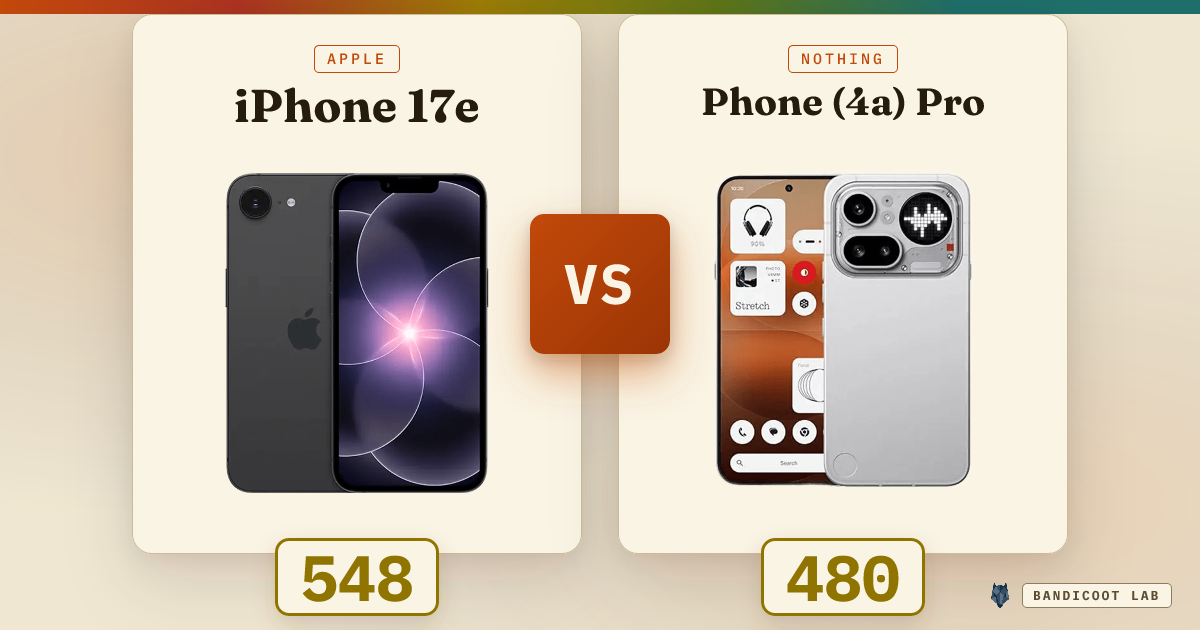
Apple iPhone 17e vs Nothing Phone (4a) Pro

Nothing Phone (4a) Pro vs Motorola Moto G Power (2026)
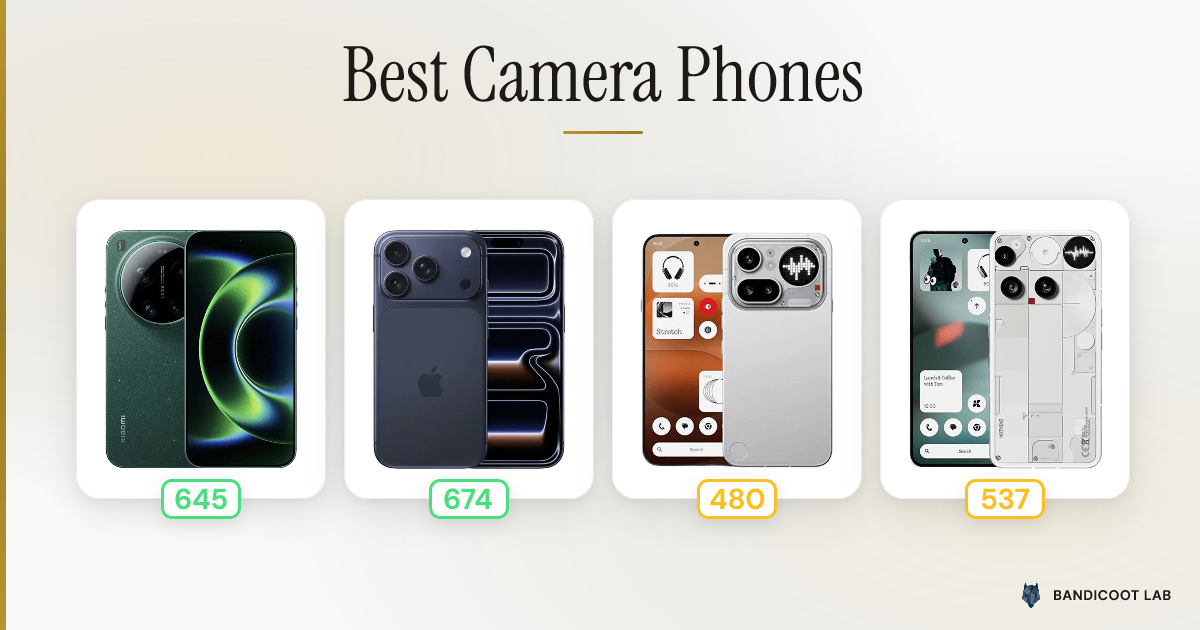
Best Camera Phones
Nothing