Best Phones Under $500
Nothing
Infinix
Phone (4a) Pro
Pixel 10a
Note Edge
Pixel 9a
Ranked #38 of 52
Ranked #43 of 52
Ranked #49 of 52
Ranked #42 of 52
Overall
Overall
Overall
Overall
Phones under $500 have reached a point where compromises are fewer and less painful. Processors handle demanding tasks without stuttering, cameras produce genuinely good photos, and displays rival those found on more expensive devices. The challenge is sorting through dozens of options to find the ones that deliver the most across battery life, performance, camera quality, and screen experience.
The Nothing Phone (4a) Pro takes the top spot here, offering a well-rounded package that edges out the competition in combined scoring. The slightly older Google Pixel 9a earns a place for its performance, while the Infinix Note Edge stands out for speaker output that punches above its price class.
Each recommendation in this list is selected and ranked by weighted scoring across standardized benchmarks and real-world testing. As prices shift and new models release, the rankings update automatically to reflect the current landscape.
Best Overall Under $500
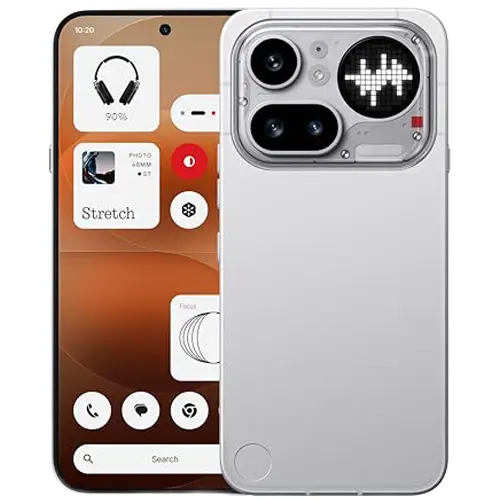
If you’re looking for the best phone you can get under $500, the Nothing Phone (4a) Pro is the way to go. Its main camera produces noticeably sharper images than anything else at this price, and captures detail that clearly outpaces the Google Pixel 10a — a phone at the same $499 price. In good light, the front camera also resolves fine detail cleanly across the frame. Color accuracy is reasonable, though not the tightest we've measured — the Pixel 10a shows less overall color error in bright conditions.
Battery life reaches over 26 hours of continuous video playback, which translates to roughly two full days of mixed use for most people. The 50W wired charging is adequate but unremarkable — it sits near the bottom third of phones we've tested, and there's no wireless option. Performance is similar. The Snapdragon 7 Gen 4 handles everyday tasks without issue, but sustained workloads expose its limits.
What the Phone (4a) Pro does well is bring together above-average camera quality, a smooth 144Hz display, and solid battery life in a single $499 package. The cheaper Phone (4a) sibling gives up meaningful sharpness — especially on the front camera — and shorter battery life for $150 less.
Best Gaming Phone Under $500
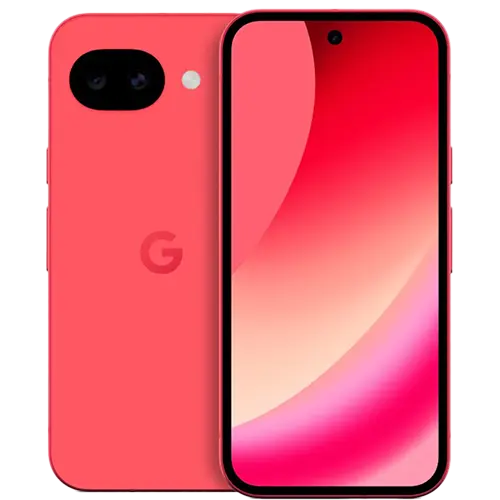
The Pixel 10a holds up well under sustained gaming load for a phone in this price range — the display stays stable, the processor doesn't throttle significantly over extended sessions, and 23% battery drain during a gaming workload is decently efficient for the category. Touch response is fast and consistent, which matters for anything timing-sensitive.
That said, raw GPU performance isn’t the best out there. The RedMagic 11 Air, at $30 more, runs GPU-intensive workloads at roughly two and a half times the graphical throughput, with meaningfully stronger raw multi-core compute as well — it just wasn’t included here because it costs more than $500. If you're playing graphically demanding titles at high settings, the difference is real and the RedMagic is the better gaming phone.
What the Pixel 10a does offer that most gaming-oriented phones at this price don't is a well-rounded package — like camera quality, speaker performance, and charging, which all land ahead of the RedMagic. The Pixel 9a, at the same price, posts nearly identical gaming performance — the 10a's edge there is small. This is the right pick if gaming is one priority among several, not the only one.
Phone with the Best Speaker Under $500
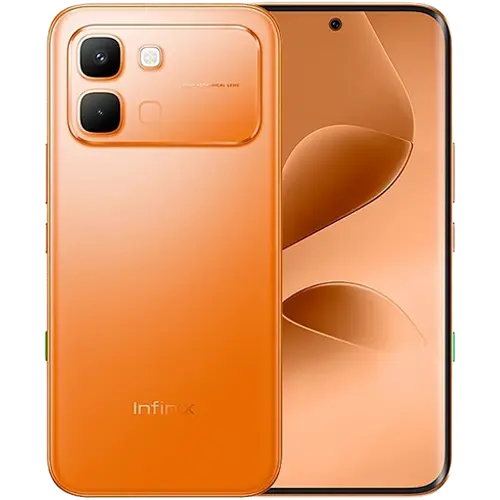
At $170, the Infinix Note Edge reaches 75.9 dBA — louder than anything else we've tested in this price tier. If you need a phone that fills a room without a Bluetooth speaker, that output is genuinely useful, and it's the reason this phone is here.
The loudness comes with tradeoffs. Clarity is weak, bass is thin — the lowest frequencies the speaker meaningfully reproduces sit well above where you'd want them for music — and at higher volumes, distortion is audible. The Nothing Phone (4a) at $349 produces cleaner output with noticeably less distortion, and the Motorola Moto G Power (2026) at $299.99 is even louder at 80.3 dBA while also being cleaner. The Infinix's speaker sits in the middle of our overall speaker rankings, not at the top. What it has is the loudness-to-price ratio.
Everything else on this phone is a compromise. Video playback runs to about seven hours, which is short. Performance is limited — the Dimensity 7100 handles everyday tasks but nothing demanding. The camera is among the weakest in our database. Charging at 45W is fine for the price, but the overall package is narrow — this is a phone that does one thing well, loudly, at a price point where that's hard to match.
Best-Performing Phone Under $500
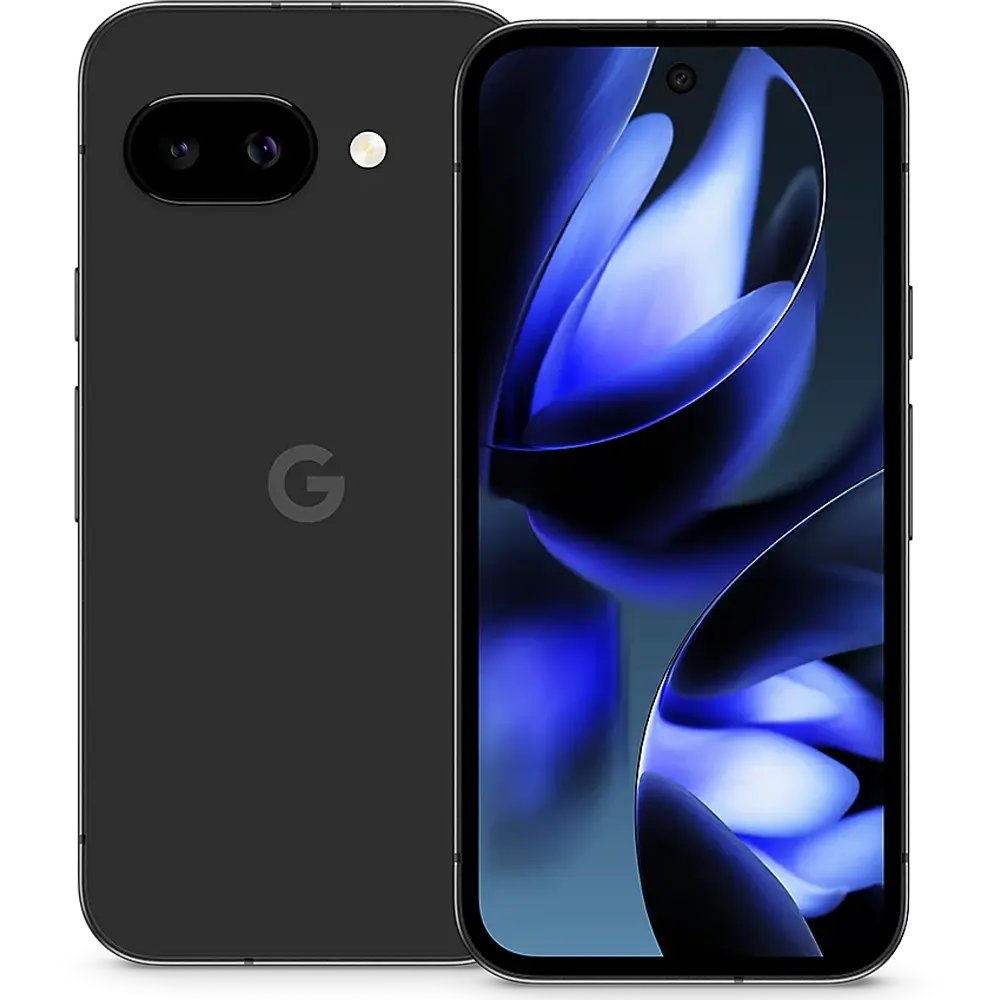
The Pixel 9a's Tensor G4 chip puts up multi-core CPU numbers close to the Nothing Phone (4a) Pro — the gap between them is narrow enough that you wouldn't feel it day-to-day. GPU performance is another matter. It's genuinely weak for 2025, and if you're running graphically intensive games at high settings, you'll notice frame drops the RedMagic 11 Air — with its Snapdragon 8 Elite — simply doesn't have. The Pixel 9a technically tops our database in sub-$500 performance scores, but for a little extra, the RedMagic 11 Air is a better pick, and for the same price, it’s probably a good idea to go for the newer Pixel 10a.
The Pixel 9a is a well-rounded $499 device that doesn't crater badly in any single category. The display peaks above 2,600 nits in HDR, which holds up in direct sunlight. Battery drain during web browsing is low — around 19% per hour — and gaming drain is lighter than you'd expect from a chip this modest. Microphone quality is genuinely good, ranking well ahead of most phones at this price.
The weaknesses are real. Charging is slow; 23-watt wired means a longer cable-to-pocket time than the competition. Camera performance sits below median across the database.
Related
Infinix
Note Edge
Pixel 9a
Pixel 10a
Nothing
Phone (4a) Pro
Pixel 10 Pro Fold
Nothing
Phone (4a)
Nothing Phone (4a) Pro vs Nothing Phone (3a) Pro
Best Phones for Gaming
Best Android Phones
Best-Performing Phones
Best Phones
Best Phones For Any Budget