Best Phones For Any Budget
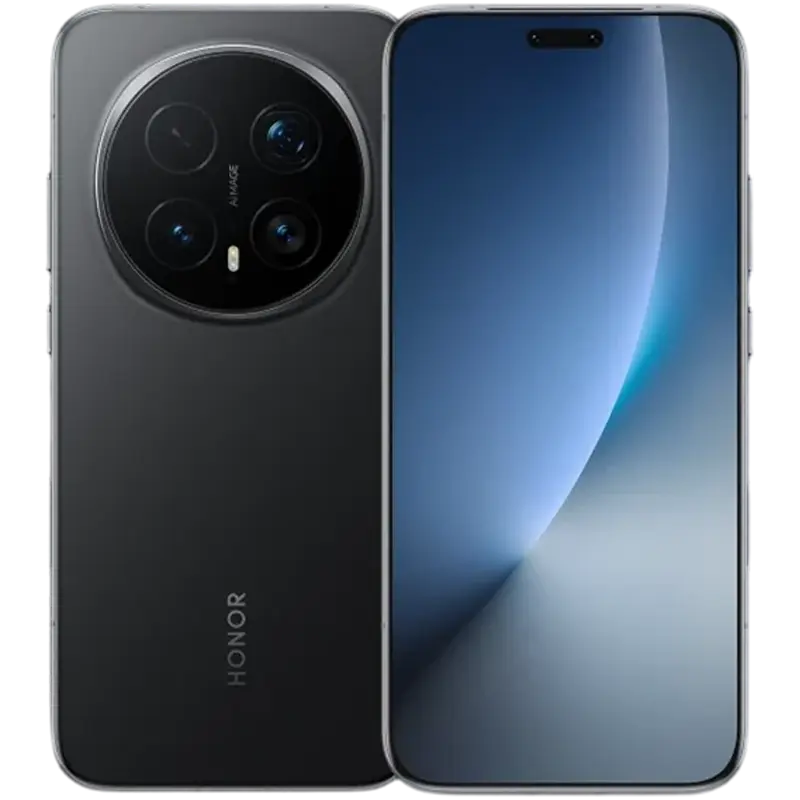
Honor
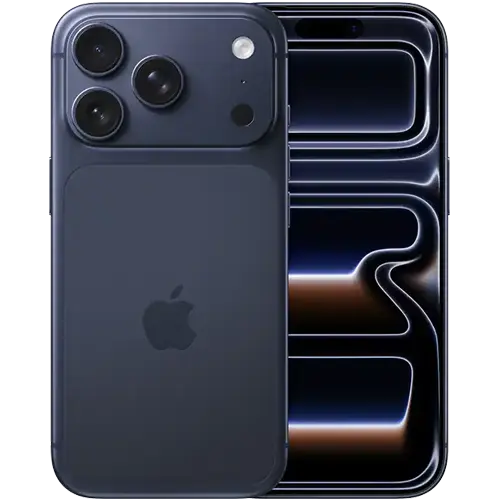
Apple
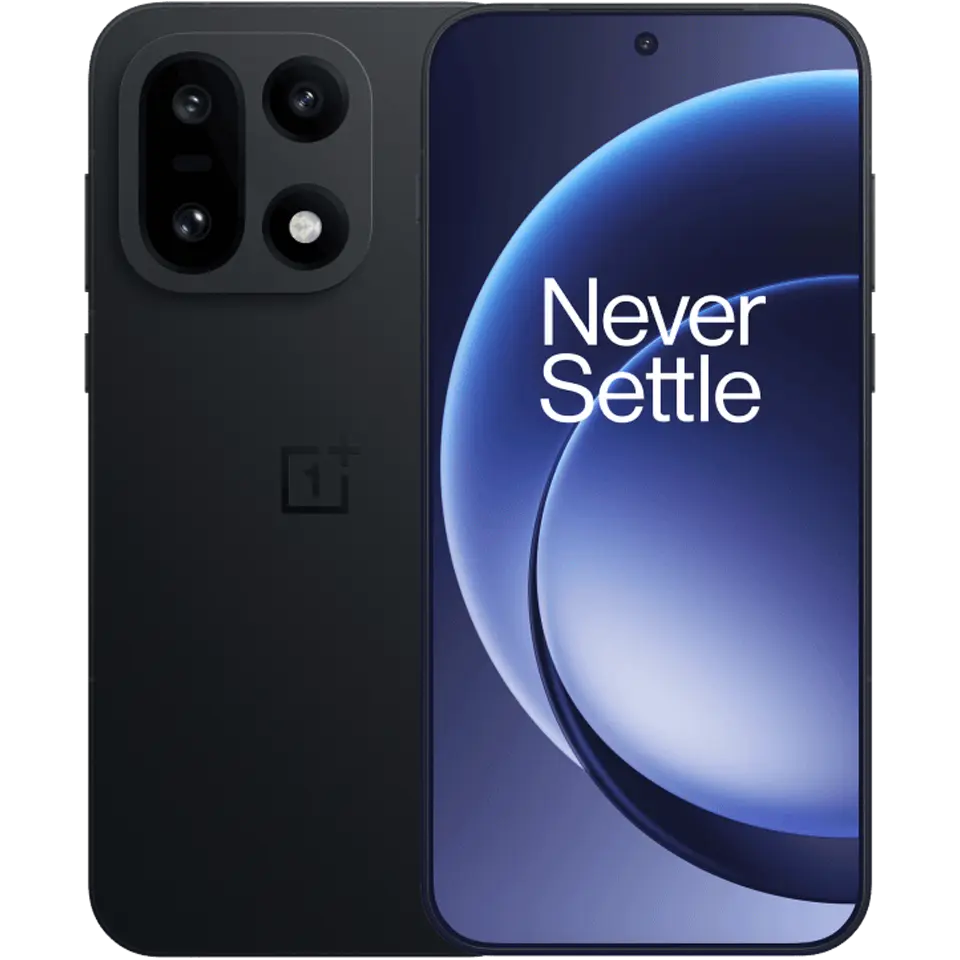
OnePlus
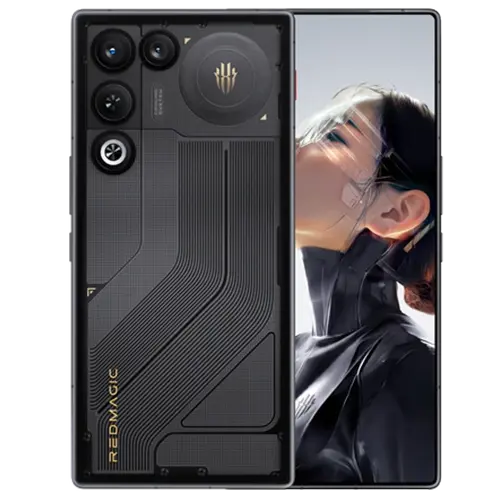
RedMagic
Nothing
Nothing
Infinix
Magic8 Pro
iPhone 17 Pro
15
11 Air
Phone (4a) Pro
Phone (4a)
Note Edge
Ranked #1 of 52
Ranked #3 of 52
Ranked #6 of 52
Ranked #21 of 52
Ranked #38 of 52
Ranked #45 of 52
Ranked #49 of 52
Overall
Overall
Overall
Overall
Overall
Overall
Overall
It can sometimes be hard to find the perfect phone at the perfect price. This list ranks the best phones across every major price tier, from flagships that push performance and camera quality to their limits down to budget devices that punch well above their cost. Each pick is evaluated on display, processing power, battery life, camera output, and more.
At the top, the Honor Magic8 Pro takes the overall crown with a compelling mix of hardware and imaging that edges out the competition regardless of price. For those shopping under $1,200, the iPhone 17 Pro is the way to go thanks to its great camera and performance. Further down the ladder, Nothing dominates the affordable tiers. The Nothing Phone (4a) Pro, Phone (4a), and Infinix Note Edge each represent strong value at their respective price points, proving that a tight budget no longer means major compromises.
Whether you are upgrading to the best available or looking for the smartest spend at $300, the picks here cover a wide range of needs and expectations.
Best Phone at Any Price



No phone in our current database combines battery life and sustained performance the way the Magic8 Pro does. Web browsing drains only 11% of the battery per hour, which is less than half the drain rate of the Galaxy S26 Ultra at the same price. Gaming sits at 25% drain per hour, roughly in line with the field. The Snapdragon 8 Elite Gen 5 posts a GeekBench multi-core score of 11,188. The display peaks near 5,000 nits in HDR and calibrates cleanly in standard mode. Wired 120-watt charging reaches 81% in 30 minutes.
The Magic7 Pro, its direct predecessor at the same price, was already a strong all-rounder, and the overall scores between the two are close. The generational jump is more pronounced in battery endurance and processor performance than the headline number suggests.
Camera is a mail limitation for the price. Main camera sharpness in good light is moderate, and the overall camera system shows a meaningful gap behind the Galaxy S26 Ultra, which leads on imaging at this price. Speaker and microphone quality are average. If camera output is your priority, the Magic8 Pro is not the right choice.
Best Phone Under $1,200

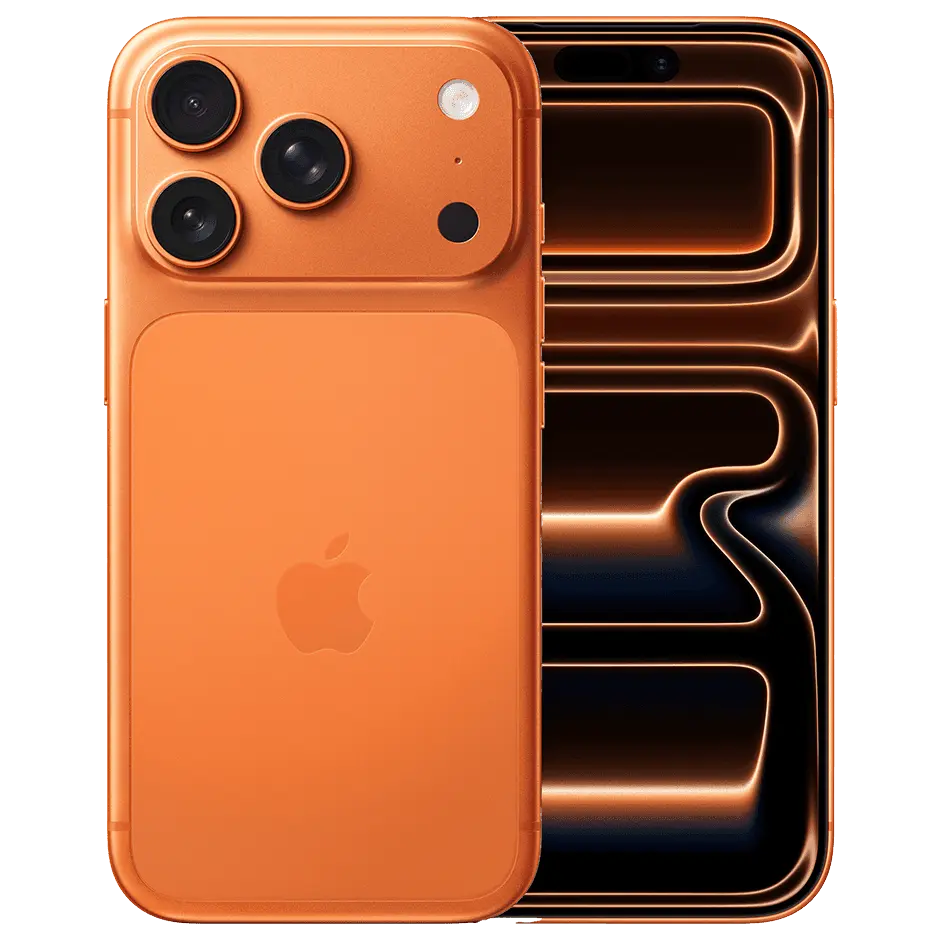
At $1,099, the iPhone 17 Pro is the best phone you can get, and the camera is the clearest reason it belongs here. Main camera sharpness in good light is meaningfully higher than both the Samsung Galaxy S26+ and Xiaomi 17 at the same price point — roughly a third more detail resolved than either. Color accuracy is also strong; display calibration is tight enough that most users won't perceive any shift from reference, which is harder to achieve than phone makers suggest.
Battery holds up well across the week. Gaming drains 24% per hour and web browsing 17%, both better than the Galaxy S26+'s 30% and 26% respectively. The 6.3" OLED peaks at 3,043 nits in HDR, which is genuinely high and visible in direct sunlight.
The A19 Pro chip scores well in sustained workloads, though the Galaxy S26+ has a real performance edge in raw compute — not a gap that most users will encounter, but it exists.
Charging is slow for the price. 40W wired is unremarkable, and the score reflects that. Face ID is also the only biometric unlock option, and it's the weakest area of this phone's profile by a significant margin — no fingerprint sensor at all.
If those two trade-offs don't affect your workflow, the camera and battery combination at this price is difficult to match.
Best Phone Under $1,000
The OnePlus 15 delivers a massive 46 hours of video playback. Web browsing drains just 16% of the battery per session, and even sustained gaming only pulls 23%. The 7,300mAh cell is doing real work here, and it's not a fluke of low-power compromises.
The charging speed is equally strong. 88% in 30 minutes over wire at 120W. Compare that to the Samsung Galaxy S26 at the same price, which reaches 58% in the same window — and the S26 takes considerably longer to finish the job. You'll rarely need to think about topping up.
Performance is competitive too. The Snapdragon 8 Elite Gen 5 puts up multi-core numbers in line with the best available silicon, and AI task throughput is genuinely well ahead of rivals running competing chipsets.
The camera is the honest caveat. It sits in the bottom third of phones we've tested at this price, trailing the Samsung Galaxy S26 and Xiaomi 17T Pro by a meaningful margin. If photography is a priority, those phones deserve a look. If battery endurance and fast charging are what actually matter to you, few phones under $1,000 come close.
Best Phone Under $800
At $529, the RedMagic 11 Air runs a Snapdragon 8 Elite with multi-core GeekBench scores nearly double what the Nothing Phone (4a) Pro and Google Pixel 10a produce. That chip advantage translates into genuinely different day-to-day headroom for demanding apps and games, not just a benchmark gap on paper.
Battery life is also very good. Video playback runs past 29 hours, and the 7,000mAh cell manages that without the kind of catastrophic drain during heavy gaming sessions you'd expect from a performance-focused device. The iPhone 17e, at $70 more, logs under 19 hours of video playback, which is a significant gap by any measure.
The phone has real weaknesses, of course. Speaker output is among the lowest we've measured across the phones in our database, and the main camera produces noticeably less detail in good light than the Nothing Phone (4a) Pro at the same price tier. Charging is rated at 80W, but 52% at 30 minutes is a middling result that doesn't reflect that headline wattage in practice. Connectivity and microphone performance are also below average.
What the RedMagic 11 Air does is offer flagship-class processing power and extended battery life for well under $800. If neither speakers nor camera quality are priorities, it’s a great choice.
Best Phone Under $500
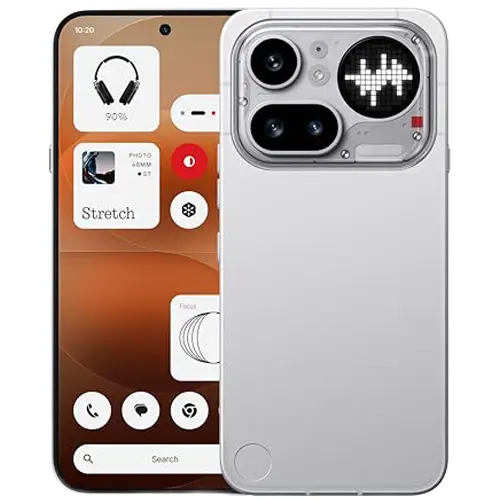
At $499, the Nothing Phone (4a) Pro puts together a combination of camera quality, display, and raw performance that's difficult to match at this price. Main camera sharpness is noticeably higher than the base Nothing Phone (4a) — the $150-cheaper sibling — and both resolve detail more clearly than the Pixel 10a at the same price. Color accuracy from the main sensor is reasonable in good light, though not class-leading, and the Pixel 10a produces more accurate colors by a clear margin.
The Snapdragon 7 Gen 4 delivers a meaningful step up from the 4a's chipset — multi-core performance is roughly 28 percent higher, and graphics stability under sustained load is nearly double, which matters for longer gaming sessions. The 6.83-inch 144Hz AMOLED display peaks at 1,755 nits in HDR.
Battery life runs about 26 hours of continuous video playback, which is solid, though web browsing drains faster than average. Charging tops out at 50W wired with no wireless option.
The Phone (4a) Pro is not a standout device overall, against more expensive options. It is, however, a competent all-rounder where the camera and performance gap over its cheaper sibling are genuine and measurable.
Best Phone Under $400
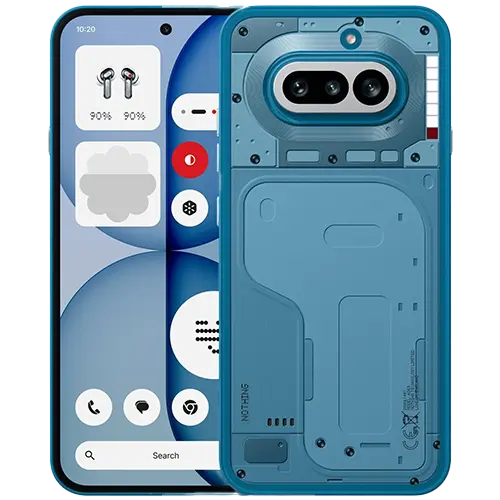
At $349, the Nothing Phone (4a) sits in a price tier where trade-offs are usually severe. Here, they're a bit more manageable. Camera quality is well above what you'd get from the Motorola Moto G Power (2026). The 4a's microphone performance is genuinely strong too, ranking near the top of our database — which is useful if you record voice memos, take calls in noisy environments, or shoot video handheld. Touch response is fast, with latency under 10 milliseconds.
That said, battery life is poor — one of the lowest scores in our database, with video playback falling noticeably short of the Nothing Phone (4a) Pro's 26+ hours. Web browsing drains the battery faster than most phones in this range. Charging at 50 watts is adequate but unexceptional for the price tier. Connectivity and sustained performance both rank near the bottom of our database, so demanding workloads will show the limits of the hardware.
The Google Pixel 10a costs $150 more and lands at nearly the same overall score. The Nothing Phone (4a) doesn't close every gap at $349, but it doesn't create many new ones either.
Best Phone Under $300
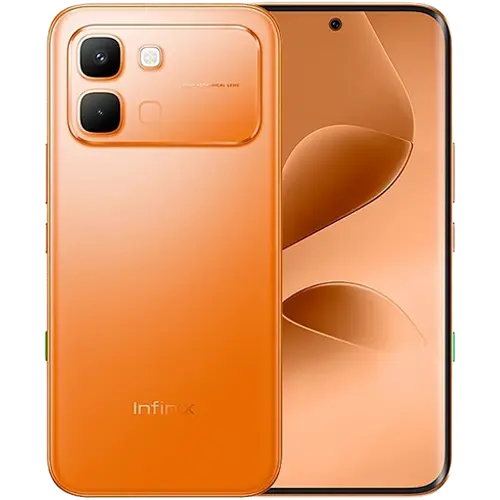
The Infinix Note Edge's 6,500mAh battery is the clearest reason to consider it at $170. The battery life in general is better than plenty of much more expensive devices.
The rest of the picture isn’t as impressive. Camera quality is weak — resolution in bright light trails the Nothing Phone (4a) noticeably, and low-light performance is worse still. Performance scores sit near the bottom of what we've tested. The microphone is the poorest we've measured across the devices in our database.
The phone is a budget device with one genuinely good attribute. If battery endurance is the deciding factor and $170 is the ceiling, there's no direct rival that clearly beats it at this price. If the camera matters at all, you'll want to save up.
Related
Apple
iPhone 17 Pro
Infinix
Note Edge
Nothing
Phone (4a)
Honor
Magic8 Pro
Nothing
Phone (4a) Pro
RedMagic
11 Air
OnePlus
15
Apple
iPhone 17 Pro Max

Honor
Magic V6

RedMagic
11S Pro
Apple
iPhone 17

OnePlus