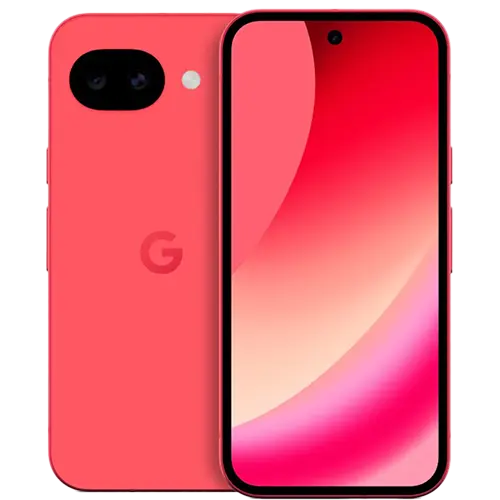
Samsung Galaxy S26+ vs Google Pixel 10 Pro
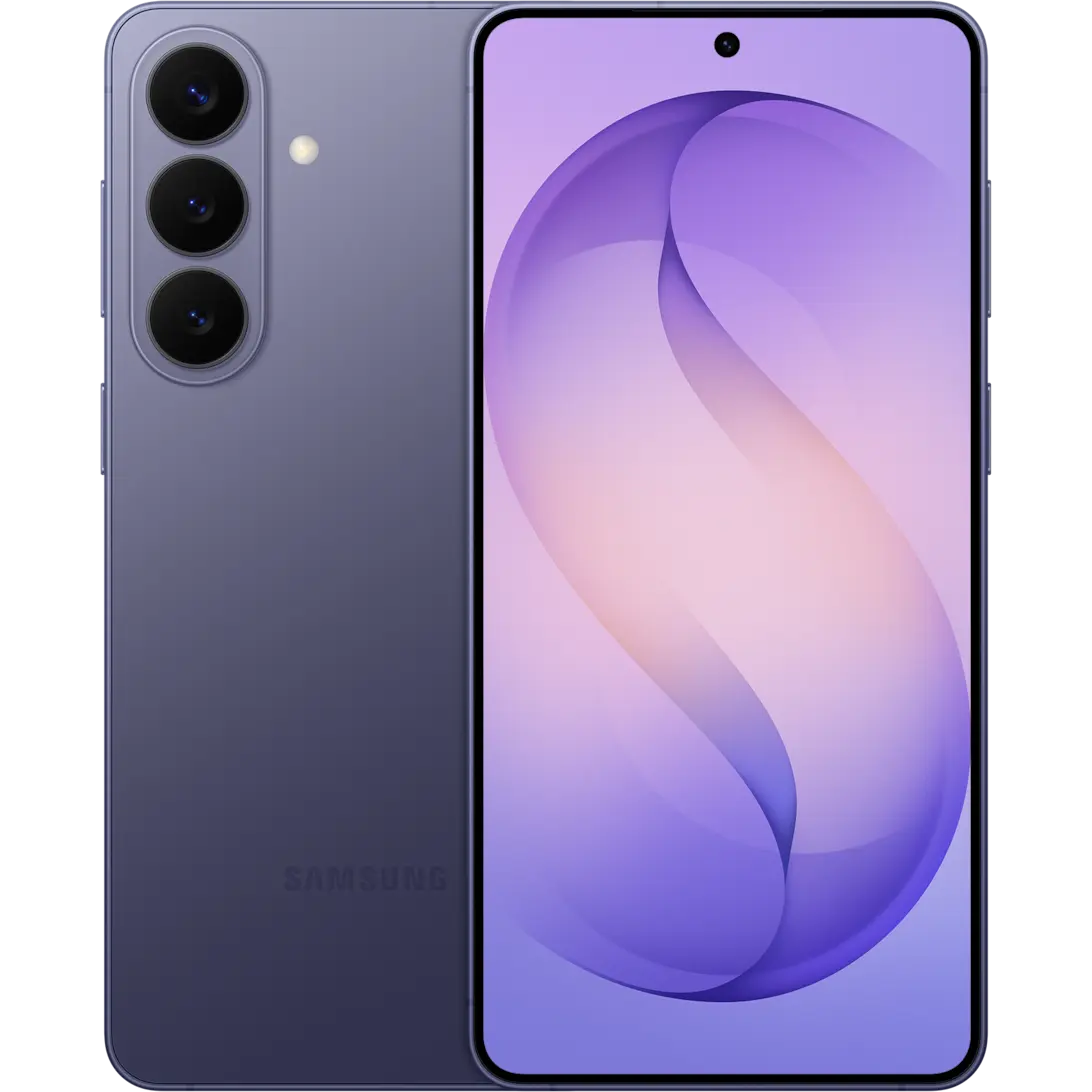
Samsung
Galaxy S26+
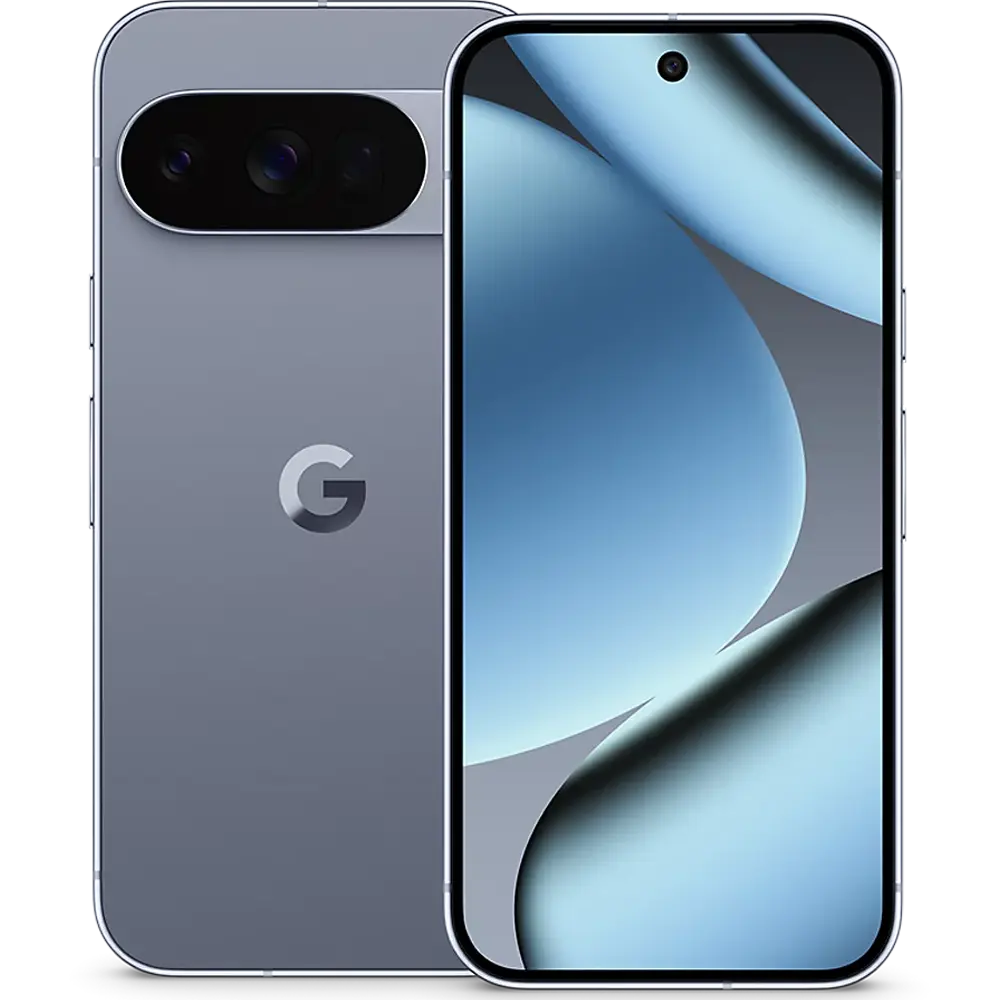
Pixel 10 Pro
Ranked #10 of 59
Ranked #39 of 59
Overall
Overall
The Samsung Galaxy S26+ and Google Pixel 10 Pro occupy similar territory given their price, but they approach the job differently. Samsung positions the S26+ as a do-everything premium device with top-tier processing power and a higher price to match at $1,099.99. Google's Pixel 10 Pro at $999 leans harder into computational photography, on-device AI, and software integration, with a smaller physical footprint despite its higher weight.
The S26+ is the stronger performer by a wide margin in raw processing, GPU tasks, and battery endurance. It also has a larger, higher-resolution display and faster wired charging. The Pixel 10 Pro counters with a brighter, more color-accurate screen, sharper camera results across most lenses, better deep zoom capability, faster biometrics, and magnetic wireless charging. Camera color is a mixed bag for both, with each phone making different tuning choices and different accuracy trade-offs.
Here’s how the two phones compare.
Design
| Samsung Galaxy S26+ | Google Pixel 10 Pro | |
|---|---|---|
| Specifications | ||
| Dimensions | 158.4 x 75.8 x 7.3 mm | 152.8 x 72 x 8.5 mm |
| Weight | 190g | 207g |
| IP Rating | IP68 | IP68 |
| Frame | Aluminum | Aluminum |
| Front | Gorilla Glass Victus 2 | Gorilla Glass Victus 2 |
| Back | Gorilla Glass Victus 2 | Glass |
| Screen-to-body ratio | 91.8% | 87.1% |
The Galaxy S26+ has a 6.7-inch display in a body weighing 190g. The Pixel 10 Pro uses a smaller 6.3-inch panel but weighs more at 207g. Both carry IP68 water and dust resistance, meaning submersion in fresh water to a rated depth. Both use USB-C 3.2 ports.
Samsung builds the S26+ with an aluminum frame, Gorilla Armor glass front, and Gorilla Glass Victus back. Google uses an aluminum frame on the Pixel 10 Pro with Gorilla Glass Victus 2 on front and back.
The S26+ achieves a screen-to-body ratio of approximately 93% with a 19.5:9 aspect ratio, meaning very thin bezels around that tall display. The Pixel 10 Pro sits at roughly 88% screen-to-body with a 19.78:9 aspect ratio. In practice, the S26+ delivers noticeably more screen area relative to its physical footprint.
Bandicoot Lab does not formally test design or durability. These observations are based on published specifications.
Display
| Samsung Galaxy S26+ | Google Pixel 10 Pro | |
|---|---|---|
617/ 881 | 723/ 881 | |
The S26+ runs a 6.7-inch Dynamic LTPO AMOLED 2X panel at 1440 x 3120 resolution (516 PPI). The Pixel 10 Pro uses a 6.3-inch LTPO OLED at 1280 x 2856 (495 PPI). Both support 120Hz adaptive refresh rates. The resolution difference is modest in daily use since both exceed the threshold where individual pixels are visible at normal viewing distance.
Brightness is where the Pixel 10 Pro pulls clearly ahead. Manual brightness reaches 1,450 nits on the Pixel compared to 635 nits on the S26+. That's a significant gap for outdoor legibility. HDR peak brightness follows the same pattern: the Pixel 10 Pro hits 3,428 nits versus 2,725 nits on the Samsung. Sustained brightness tells a slightly different story. The S26+ holds 98.4% of its peak over extended HDR playback, which is excellent thermal management. The Pixel 10 Pro retains 96.3%.
Color accuracy favors the Pixel 10 Pro substantially. In its Natural mode, colors track very close to reference with minimal visible drift across the spectrum. The S26+ in Natural mode shows moderate color inaccuracy. Neutral tones and skin tones can drift noticeably from their intended targets. In Vivid mode, the Samsung pushes wider gamut coverage at the expense of further accuracy loss. If color fidelity matters for photo editing or content creation, the Pixel's display is clearly more trustworthy.
Touch latency averages 15.9ms on the S26+ and 11.6ms on the Pixel 10 Pro. That 4ms gap is unlikely to be perceptible in normal use including gaming.
Performance
| Samsung Galaxy S26+ | Google Pixel 10 Pro | |
|---|---|---|
942/ 1012 | 399/ 1012 | |
The Galaxy S26+ runs a Qualcomm Snapdragon 8 Elite Gen 5 with 12GB RAM. The Pixel 10 Pro uses Google's Tensor G5 with 16GB RAM. These chips have very different design priorities, and the benchmarks reflect that clearly.
In CPU tasks, the S26+ scores 3,791 single-core and 11,523 multi-core in GeekBench 6. The Pixel 10 Pro manages 2,330 single-core and 6,364 multi-core. That's a 63% advantage in single-threaded work and an 81% advantage in multi-threaded tasks for the Samsung. You'll feel this gap in heavy multitasking, video export, and app compilation. For typical app launches and scrolling, both are fast enough that the difference fades.
GPU performance is even more lopsided. In Wild Life Extreme stress testing, the S26+ peaks at 7,867 with stability of 59.5%. The Pixel 10 Pro peaks at 3,286 with 67.2% stability. The Pixel throttles less aggressively, but from a much lower ceiling. For sustained gaming at high graphics settings, the S26+ delivers roughly double the GPU throughput.
Browser performance reflects the CPU gap too. The S26+ scores 44.3 in Speedometer versus 15.2 for the Pixel 10 Pro. Complex web apps and heavy pages will load and render meaningfully faster on the Samsung.
Camera
| Samsung Galaxy S26+ (Overall) | Google Pixel 10 Pro (Overall) | |
|---|---|---|
| Specifications | ||
| Main | 50MP, f/1.8, 24mm, 1/1.56" | 50MP, f/1.7, 25mm, 1/1.31" |
| Ultrawide | 12MP, f/2.2, 13mm, 1/2.55" | 48MP, f/1.7, 13mm, 1/2.55" |
| Telephoto | 10MP, f/2.4, 67mm, 1/3.94" | 48MP, f/2.8, 113mm, 1/2.55" |
| Front | 12MP, f/2.2, 23mm, 1/3.2" | 42MP, f/2.2, 17mm |
Both phones carry a main, ultrawide, telephoto, and front camera. The Pixel 10 Pro produces higher sharpness across nearly every lens and lighting condition, with particularly strong results from its telephoto and main cameras. The S26+ responds with better dynamic range from its main and telephoto lenses and more controlled color in some lighting conditions. Deep zoom is where the Pixel pulls away most dramatically.
At 20x zoom in bright light, the Pixel 10 Pro retains high detail while the S26+ shows visible softness. By 30x, the gap widens further. The Pixel also extends usably to 50x, 60x, and beyond, where results plateau but remain consistent. The S26+ tops out at 30x with noticeably less resolved detail at that level.
Main
| Samsung Galaxy S26+ (Main) | Google Pixel 10 Pro (Main) | |
|---|---|---|
594/ 722 | 517/ 722 | |
The Pixel 10 Pro's main camera produces very high sharpness in bright and mid-light conditions. The S26+ is good but a clear step below, particularly in low light where the gap persists. Both phones apply moderate computational sharpening in auto mode, with the S26+ showing heavy overshoot at 4x crop in bright light, creating visible haloing around edges.
Color tuning differs substantially. The S26+ leans slightly oversaturated in bright light with a mild cool shift, then becomes more neutral in mid-light. In low light, saturation drops below reference. Skin tones on the Samsung are moderately pushed in bright conditions but settle closer to accurate as light decreases. The Pixel 10 Pro runs saturation high across all lighting, with a warm/yellow shift that intensifies in mid and low light. Skin tones on the Pixel drift noticeably warm across conditions, pushed by both saturation and that warm bias. The warm color cast in dimmer light points to a white balance overcorrection rather than a sensor limitation, since the bias emerges specifically as color temperature drops.
The S26+'s main camera captures broader tonal range in high-contrast scenes, preserving more shadow detail while managing highlights cleanly. The Pixel 10 Pro clips highlights earlier and compresses midtones more aggressively, resulting in a flatter look when scene contrast is high.
Ultrawide
| Samsung Galaxy S26+ (Ultrawide) | Google Pixel 10 Pro (Ultrawide) | |
|---|---|---|
604/ 722 | 479/ 722 | |
The S26+'s ultrawide delivers high sharpness across all lighting conditions and is among the stronger performers in Bandicoot Lab testing for an ultrawide lens. The Pixel 10 Pro's ultrawide is also sharp in bright light but falls off faster in dim conditions.
Color on the S26+ ultrawide is quite saturated in bright light, more than its own main camera, with moderate accuracy loss on skin tones. In mid-light, hue errors increase as processing introduces a visible pink/magenta shift, suggesting white balance correction is overcorrecting for the warmer scene illuminant. In low light, it calms down and tracks more accurately. The Pixel 10 Pro's ultrawide runs very saturated and warm in bright and mid-light, with skin tones significantly off target. In low light, it develops a strong warm and pink cast together. The hue confusion in low light is accompanied by a strong pink bias emerging alongside the warm shift, pointing to both white balance issues and sensor-level color confusion under dim illumination.
Dynamic range is similar between the two at the ultrawide level. Both clip highlights in high-contrast scenes, with the S26+ holding a slight edge in usable tonal range.
Telephoto
| Samsung Galaxy S26+ (Telephoto) | Google Pixel 10 Pro (Telephoto) | |
|---|---|---|
568/ 722 | 471/ 722 | |
The Pixel 10 Pro's telephoto is its standout lens for sharpness. It resolves high detail at its native focal length and maintains that quality through 10x and beyond. The S26+'s telephoto is solid at 5x native but drops more rapidly as digital zoom increases.
Color from the S26+'s telephoto is the most accurate of its rear lenses. It's lightly oversaturated with a slight cool shift across conditions, but skin tones remain reasonable and hue accuracy holds well even in low light. The Pixel 10 Pro's telephoto is heavily oversaturated in bright and mid-light, with skin tones pushed far from reference. In mid-light, a strong warm/yellow bias emerges, consistent with white balance overcorrection as scene temperature drops. In low light, hue errors increase substantially and a warm-pink cast appears, indicating both white balance and sensor-level issues at play.
Dynamic range strongly favors the S26+'s telephoto, which captures notably wider tonal range with smooth gradations. The Pixel's telephoto compresses tones more heavily and clips earlier, producing less depth in contrasty scenes.
Front
| Samsung Galaxy S26+ (Front) | Google Pixel 10 Pro (Front) | |
|---|---|---|
398/ 722 | 347/ 722 | |
The Pixel 10 Pro's front camera delivers higher sharpness across all lighting conditions. Both phones produce competent selfies, but the Pixel resolves more fine detail particularly in bright and low light.
Color on the S26+'s front camera is roughly neutral in bright light with moderate saturation. In mid-light, it shifts noticeably pink as the processing overcorrects for warmer light. In low light, that pink shift intensifies. The Pixel 10 Pro's front camera pushes saturation much higher across the board, with a pronounced warm/yellow cast in bright and mid-light. In low light, a very strong pink shift emerges alongside the warm tones. Skin tones are significantly off on the Pixel front camera in all conditions.
Dynamic range is narrow on both front cameras. The Pixel holds a slight advantage, capturing a bit more information before clipping highlights, while the S26+ clips earlier but maintains slightly more natural tone gradation within its range.
Video stabilization on the front camera is better controlled on the S26+, with less residual motion visible in handheld footage.
Battery
| Samsung Galaxy S26+ | Google Pixel 10 Pro | |
|---|---|---|
592/ 799 | 490/ 799 | |
The Galaxy S26+ carries a 4,900mAh battery; the Pixel 10 Pro has 4,870mAh. Nearly identical capacity, but efficiency differs meaningfully.
In video playback at standardized 200-nit brightness, the S26+ lasts 31 hours and 8 minutes. The Pixel 10 Pro runs for 21 hours and 50 minutes. That's over nine hours of additional video playback for the Samsung. At maximum brightness, the gap narrows somewhat.
Web browsing drain over five hours was 26% on the S26+ versus 23% on the Pixel 10 Pro. This is one area where the Pixel is slightly more efficient, likely due to its smaller, dimmer-drawing display during mixed content loads. Gaming drain during the Wild Life Extreme stress test (60 loops) was 30% on the S26+ and 25% on the Pixel. The S26+ is pushing far more GPU throughput during this test, which accounts for its higher power draw. Standby drain over eight hours overnight was identical: 2% on both phones.
The S26+ has a clear endurance advantage for media consumption and general use. The Pixel 10 Pro is adequate for a full day but won't stretch much further under moderate to heavy use.
Charging
| Samsung Galaxy S26+ | Google Pixel 10 Pro | |
|---|---|---|
314/ 837 | 310/ 837 | |
The S26+ supports 45W wired and 20W wireless charging. The Pixel 10 Pro tops out at 30W wired and 15W wireless with Qi2 magnetic alignment. The magnetic feature means the Pixel snaps precisely onto compatible chargers without fumbling for the sweet spot, which is a genuine convenience improvement over standard Qi pads.
At 10 minutes on the wire, the S26+ reaches 26% while the Pixel gets to 19%. At 30 minutes, the gap is wider: 67% for the S26+ versus 55% for the Pixel. If you're grabbing a quick charge before heading out, the Samsung gives you meaningfully more capacity in the same window.
Wireless charging tells a different story. Despite its lower wattage, the Pixel 10 Pro reaches 12% in 10 minutes and 34% in 30 minutes. The S26+ manages only 7% and 19% in the same intervals. The Pixel's magnetic alignment and charging optimization deliver nearly double the wireless charging rate in practice.
Speaker
| Samsung Galaxy S26+ | Google Pixel 10 Pro | |
|---|---|---|
819/ 897 | 774/ 897 | |
The Pixel 10 Pro is louder, reaching 75.6 dBA versus 71.7 dBA on the S26+. That's a noticeable difference in a quiet room. The S26+ runs cleaner, with average distortion at 3.85% THD compared to 6.5% on the Pixel. At higher volumes, the Samsung sounds more composed while the Pixel introduces audible harshness.
The S26+ has fuller bass presence and a more balanced overall character. The Pixel 10 Pro emphasizes clarity and high-end detail, which makes voices and podcasts sound crisp but leaves music sounding a bit thin by comparison. If you listen without headphones regularly, the Samsung offers a richer sound at the cost of a few decibels of maximum output.
Microphone
| Samsung Galaxy S26+ | Google Pixel 10 Pro | |
|---|---|---|
746/ 1220 | 667/ 1220 |
The S26+ has a slight edge in recording quality, with more even frequency response across the audible range. The Pixel 10 Pro is adequate but shows slightly more variation in how it captures different frequencies, which can make recordings sound less natural in some environments. Both are above average for smartphone microphones. Neither will replace a dedicated recording device, but the Samsung handles voice calls and video audio with a bit more consistency.
Other
| Samsung Galaxy S26+ | Google Pixel 10 Pro | |
|---|---|---|
| Biometrics | 266/ 1181 | 422/ 1181 |
| Data Transfer | 623/ 877 | 270/ 877 |
| Specifications | ||
| Biometric type | Fingerprint | Fingerprint |
| Ports | USB-C 3.2 | USB-C 3.2 |
| Storage | 256GB, 512GB | 256GB, 512GB, 1TB |
Fingerprint unlock averages 249ms on the Pixel 10 Pro versus 394ms on the S26+. You'll notice the difference: the Pixel unlocks almost before you've finished pressing, while the S26+ has a perceptible pause. Neither phone has hardware-based face unlock.
Data transfer speeds favor the Samsung significantly. The S26+ reads large files at 249 MB/s and writes at 273 MB/s. The Pixel 10 Pro manages 105 MB/s read and 142 MB/s write. For transferring photos, videos, or backups over USB, the Samsung is roughly twice as fast. Small file performance shows an even larger gap. Both use USB-C 3.2 ports, so the difference comes down to storage controller and NAND performance.
Both phones offer 128GB, 256GB, and 512GB storage configurations. Neither supports expandable storage.
Conclusion
The Galaxy S26+ is the stronger choice for processing power, battery life, and wired charging speed. Its Snapdragon 8 Elite Gen 5 delivers roughly double the GPU performance and significantly faster CPU scores. Battery endurance is substantially better for video and general use. Its camera system trades some sharpness for better dynamic range and more restrained color processing, particularly from the telephoto. If you prioritize performance headroom, media consumption stamina, and a larger display, the S26+ justifies its $100 premium.
The Pixel 10 Pro excels at display quality, camera sharpness, deep zoom reach, and biometric speed. Its screen is brighter, more color-accurate, and holds peak luminance well. The camera produces sharper images across most lenses and lighting conditions, with usable zoom extending far beyond what the Samsung can achieve. Wireless charging is faster and more convenient thanks to magnetic alignment. At $999, it's the better pick for anyone who prioritizes photography, display fidelity, and the tighter Google software experience.
Color processing is a weakness for both phones but in different ways. The S26+ is more restrained overall, with its biggest inaccuracies concentrated in bright-light oversaturation. The Pixel 10 Pro pushes saturation harder and develops warm casts in lower light, with skin tones drifting further from reality. Neither phone delivers reference-grade color from its cameras, so choosing between them on this basis comes down to whether you prefer slightly cool and oversaturated or noticeably warm and heavily oversaturated.
Related
Pixel 10 Pro
Samsung
Galaxy S26+

Samsung
Galaxy S26 Ultra
Samsung
Galaxy Z Fold 8 Ultra
Samsung
Galaxy Z Fold 8
Samsung
Galaxy S26
Pixel 11 Pro XL
Pixel 11 Pro
Pixel 11
Pixel 11 Pro Fold
Pixel 10 Pro Fold