Samsung Galaxy Z Flip 7

The Samsung Galaxy Z Flip 7 is Samsung's clamshell foldable, priced at $1,099.99. It runs a Samsung Exynos 2500 processor with 12GB of RAM, a 4,300mAh battery, and a dual-camera system built around a 50-megapixel main sensor. The 6.8-inch inner display runs at up to 120Hz with a 2520 x 1080 resolution, and the phone folds down to a compact 85.5 x 75.2mm footprint at 188 grams.
The Z Flip 7's strengths are concentrated in a few specific areas. Biometrics speed and microphone quality are strong, and the ultrawide camera produces sharp results. The weaknesses are more numerous and more impactful to daily use. Charging is slow by any standard, the speaker system is underwhelming, and the Exynos 2500 chipset trails the Snapdragon 8 Elite Gen 5 found in Samsung's own Galaxy S26 lineup by a wide margin. The camera system, limited to two rear lenses with no telephoto, produces average results overall. Battery life is adequate. This is a phone where the form factor is the primary draw, and the testing reflects the tradeoffs Samsung made to deliver it.
Design
Specifications
The Galaxy Z Flip 7 measures 85.5 x 75.2 x 13.7mm folded and weighs 188 grams. It uses an aluminum frame with Gorilla Glass Victus 2 on the 4.1-inch outer display and the back, and a plastic inner display surface on the 6.8-inch main screen. The inner display has a 21:9 aspect ratio and an 86.2% screen-to-body ratio; the outer display has an 8.1:9 aspect ratio and an 83.9% screen-to-body ratio. An IP48 rating covers submersion in fresh water but offers limited dust protection — only against solid objects 1mm or larger rather than the full dust exclusion of IP68. Depth and duration are set by Samsung. Bandicoot Lab does not formally test design or durability, so this section is descriptive rather than scored.
The Z Flip 7 sits at the larger end of the clamshell foldable category. Against the Motorola Razr Ultra (2025) at $1,299.99 the Z Flip 7 is slightly shorter and narrower folded (85.5 x 75.2 x 13.7mm vs 88.1 x 74 x 15.7mm) and thinner, though the Razr Ultra offers a larger 7.0-inch inner display versus the Z Flip 7's 6.8 inches. The more affordable Motorola Razr (2025) at $599.99 matches the Razr Ultra's folded dimensions. The inner display's plastic surface is standard for flip foldables and softer than the outer glass, a durability consideration when compared to rigid-display phones.
Display
Inner
The inner display is a 6.8-inch Dynamic LTPO AMOLED 2X panel at 2520 x 1080 resolution (397 pixels per inch), with an adaptive refresh rate from 1Hz to 120Hz. Peak HDR brightness reaches 2,784.7 nits — competitive with the Galaxy S26's 2,791.1 nits and not far from the Galaxy S26 Ultra's 3,022.7 nits. Manual brightness tops out at 690.1 nits, which is adequate for outdoor use but well below the Pixel 10 Pro's 1,449.78 nits and the Galaxy S26 Ultra's 975.6 nits. The display dims to 0.79 nits, which is comfortable for dark-room use. Brightness stability is excellent at 98.7%, meaning the panel holds its brightness level under sustained load with almost no drop-off.
Color accuracy in Natural Mode is decent, with an average Delta E of 2.32 — meaning colors stay close to their sRGB reference targets, and most viewers won't notice meaningful deviation. This is the best color accuracy mode on the device and comparable to the Galaxy S26 Ultra's Natural Mode result. Vivid Mode widens the gamut to target Display P3, covering 84.62% of that space, but accuracy loosens to an average Delta E of 3.47. Certain colors will drift noticeably from their intended values in this mode. The inner display covers 100% of sRGB in both modes.
Touch latency averages 18.6ms, which is relatively quick. The Galaxy S26+ measures 15.9ms and the Pixel 10 Pro reaches 11.6ms. In practice, the difference between 18.6ms and 11.6ms is unlikely to be perceptible during normal use.
Outer
The outer cover display serves as the quick-glance interface when the phone is folded. Peak HDR brightness is 2,598.7 nits — slightly lower than the inner panel but sufficient for outdoor visibility. Brightness stability is nearly identical at 98.84%. Manual brightness is limited to 453.49 nits, substantially lower than the inner display.
Color accuracy on the outer display is slightly weaker than the inner panel. Natural Mode achieves an average Delta E of 2.41 against an sRGB target, while Vivid Mode targets Display P3 with 83.61% coverage and an average Delta E of 2.97. The gamut coverage numbers are close to the inner display, but the slightly different panel characteristics mean colors won't perfectly match between the two screens. Touch latency on the outer display averages 18.4ms, essentially identical to the inner panel.
Performance
The Galaxy Z Flip 7 uses Samsung's Exynos 2500 processor with 12GB of RAM. In Geekbench 6, it scores 2,322 in single-core and 8,162 in multi-core. These are respectable numbers, but the gap to Samsung's current slab phones is large. The Galaxy S26, running Qualcomm's Snapdragon 8 Elite Gen 5, hits 3,709 single-core and 11,232 multi-core — roughly 60% higher in single-core and 38% higher in multi-core. The Pixel 10 Pro's Tensor G5 scores 2,330 single-core, making it virtually identical in single-threaded work, but its 6,364 multi-core falls below the Z Flip 7.
GPU performance tells a more constrained story. The Wild Life Extreme stress test returns a best loop score of 5,387 and a worst of 2,370, for a stability of 44% — meaning graphics performance drops by more than half under sustained load. The Galaxy S26+ reaches a best loop of 7,867 with 59.5% stability, and the Galaxy S26 Ultra manages 7,802 at 49.8% stability. The Z Flip 7's peak GPU output is meaningfully lower, and it throttles more aggressively. Extended gaming sessions will feel this.
In the Solar Bay ray-tracing test, the Z Flip 7 posts a best loop of 11,372 and worst of 5,023, again with 44.2% stability. Browser performance, measured by Speedometer, scores 26.5 — behind the Galaxy S26's 36.7 and Galaxy S26+'s 44.3, but ahead of the Pixel 10 Pro's 15.2. Day-to-day app performance will feel smooth, but the Z Flip 7 gives up meaningful headroom in demanding tasks compared to Samsung's own non-foldable flagships.
Camera
The Z Flip 7 carries a two-lens rear system: a 50-megapixel main camera (f/1.8, 1/1.57-inch sensor, 23mm equivalent) and a 12-megapixel ultrawide (f/2.2, 1/3.2-inch sensor, 13mm equivalent). There's no telephoto lens, and digital zoom tops out at 10x. The front camera is a 10-megapixel sensor at f/2.2. This is a constrained setup for a phone at this price — the $999 Pixel 10 Pro includes a 5x optical telephoto and larger sensors across the board, and the same-price Galaxy S26+ adds a 3x telephoto.
Sharpness from the main lens is solid in bright and mid-light conditions but drops in low light. The ultrawide is a standout — its sharpness score is the strongest of the three lenses, which is unusual. The front camera delivers average results. Digital zoom falls off steeply, and by 8x-10x, detail is limited. The absence of a telephoto lens means every zoom shot beyond 1x relies on cropping, and the results reflect that.
Main
In bright light, the 50-megapixel main sensor produces good sharpness. Mid-light shooting retains most of that detail. In dark conditions (10 lux), the main lens holds up reasonably well, maintaining usable sharpness — the processing keeps detail visible without over-smoothing, though some fine texture is lost.
Color processing leans vivid. In bright light, saturation runs about 14% above neutral, with skin tones oversaturated noticeably — Samsung's processing pushes skin renditions well beyond how they appeared in person. Hue accuracy in bright light is quite good, though, with relatively low hue rotation. In mid-light (100 lux, 4000K), there’s incomplete white balance correction for the warmer ambient lighting, which pushes colors slightly warm. Hue accuracy also degrades slightly. In low light (10 lux, 3000K), hue accuracy degrades more substantially, again from white balance issues. There's also an increase in a_bias, indicating the sensor itself is starting to confuse color hues under high ISO conditions. Both factors contribute, but the warm-shift from incomplete white balance correction is the larger contributor.
Dynamic range in auto mode covers a usable range with natural tonal compression. The highlight clipping point sits moderately high, meaning the processing retains bright detail reasonably well. The Galaxy S26's main camera produces wider dynamic range in auto mode, which is expected given its more aggressive computational processing pipeline.
Ultrawide
The 12-megapixel ultrawide is the Z Flip 7's sharpest lens by score, delivering strong detail across lighting conditions. In bright light, it resolves more line-pair detail than many ultrawide cameras at this sensor resolution, and it holds up well in mid-light. Low-light performance is more limited — the smaller 1/3.2-inch sensor captures less light, and noise increases.
Color behavior mirrors the main lens's vivid tuning, with saturation boosted around 14-16% above neutral in bright conditions. Skin tones are significantly oversaturated in bright light. In mid-light, hue accuracy degrades. In low light, hue errors become pronounced — the color Delta H rises substantially, and the a_bias jumps sharply. This pattern indicates the sensor is struggling to resolve hues correctly at higher ISO, rather than a white balance issue (the b_bias stays relatively flat in the darkest condition). Noise control in auto mode is good, suggesting aggressive noise reduction is applied, which contributes to the relatively clean but oversaturated look.
Dynamic range from the ultrawide is solid, covering a usable range comparable to the main lens, with similar highlight behavior.
Front
The 10-megapixel front camera (f/2.2, 1/3.0-inch sensor) produces average sharpness in bright and mid-light. In low light, processed sharpness drops, and overshoot from sharpening processing increases — the phone compensates for lost detail by boosting edge contrast. Raw captures in low light actually resolve more natural detail than the processed versions.
Color accuracy from the front camera is a weak point. Skin tones are heavily oversaturated in bright and mid-light conditions — noticeably more than the rear cameras. In low light, the color pipeline introduces a strong reddish-magenta shift, causing skin tones to appear unnaturally flushed. Hue accuracy degrades severely in dark conditions. Dynamic range is narrow, particularly compared to the rear cameras. Video stabilization from the front camera is the weakest of the three lenses, so handheld video calls or vlogging will show more shake than the rear cameras.
Battery
The Z Flip 7 carries a 4,300mAh battery. On the inner display, video playback at 200 nits lasts 28 hours and 26 minutes. At maximum brightness, the inner display runs for 20 hours and 54 minutes and the outer for 24 hours and 33 minutes. These are reasonable numbers — the inner display at 200 nits outlasts the Pixel 10 Pro's 21 hours and 50 minutes of video playback, while the Galaxy S26's 30 hours and 15 minutes and Galaxy S26+'s 31 hours and 8 minutes pull ahead.
Web browsing drains 23% over five hours, which is average. The Galaxy S26 and Pixel 10 Pro lose 23-24% in the same test, so web use puts the Z Flip 7 in line with similarly priced phones. Gaming drain is 21% during the 20-loop stress test — better than the Pixel 10 Pro's 25% and the Galaxy S26+'s 30%, partly because the Exynos 2500's GPU runs at lower peak output and draws less power. Standby drain is 3% over eight hours, slightly higher than the 2% measured on the Galaxy S26 and S26+, but not a meaningful difference for most use patterns.
In practical terms, the Z Flip 7 will get through a full day of mixed use for most people. Heavy users who rely on the inner display frequently may want to top up by evening. The video playback numbers suggest comfortable longevity for media consumption, but the battery is smaller than what's in most non-foldable flagships at this price.
Charging
The Z Flip 7 supports 25W wired charging and 15W wireless charging. Wired charging reaches 20% in 10 minutes and 55% in 30 minutes. That 30-minute figure is comparable to the Pixel 10 Pro (55%) and the Galaxy S26 (58%), but it's far behind the Galaxy S26 Ultra, which reaches 79% in 30 minutes with its 60W charger. A full charge takes over an hour.
Wireless charging is slow. After 10 minutes, the phone reaches just 7%, and after 30 minutes, only 19%. The Galaxy S26 Ultra manages 44% in 30 minutes wirelessly, and even the Pixel 10 Pro reaches 34%. For users who rely on wireless charging — particularly overnight — the Z Flip 7 will get the job done, but topping up quickly on a wireless pad before heading out isn't practical.
Speaker
The Galaxy Z Flip 7's speaker prioritized loudness over low-end extension. Bass extension was limited with a 27.5 dB drop from the mids to the bass band — deeper than the Galaxy S26+'s 18.6 dB at the same price. The high end was clear but the treble response was uneven. Loudness of 77.2 dBA was the highest at its price, tied with the Galaxy S25+. Distortion was moderate at 5.4%.
Microphone
The Z Flip 7's microphone performs well — it captures audio with relatively even output across the frequency range. It has a tighter standard deviation is tighter than the Pixel 10 Pro and the Galaxy S26 Ultra. Voice calls and recordings will sound clear and naturally balanced.
Other
Measurements
Specifications
The Z Flip 7 uses a capacitive fingerprint sensor that unlocks in an average of 120.8ms, which is very fast. The Galaxy S26 Ultra's ultrasonic sensor averages 137.5ms and the Pixel 10 Pro's sensor averages 248.6ms, so the Z Flip 7's biometric speed is a clear advantage.
Data transfer over USB-C 3.2 yields a maximum read speed of 172.7MB/s and a maximum write speed of 171.12MB/s. These are adequate but behind the Galaxy S26's 335.48MB/s read and 271.28MB/s write. Large file transfers will take noticeably longer on the Z Flip 7 compared to Samsung's slab flagships.
Conclusion
The Galaxy Z Flip 7 delivers in some areas — it’s a compact foldable with a capable inner display, fast biometrics, and a good microphone. But the compromises required by that form factor show up clearly in testing. The Exynos 2500 processor falls well short of the Snapdragon 8 Elite Gen 5 in Samsung's own Galaxy S26 series, charging is slow, the speaker system lacks depth, and the two-lens camera can't match what similarly priced phones offer with telephoto lenses and larger sensors. Battery life is adequate without being a strength. At $1,099.99, the Galaxy S26+ offers the same price with a faster processor, better speaker, a telephoto camera, higher-resolution display, IP68 water resistance, and faster charging. The Z Flip 7 is for buyers who specifically want the clamshell fold — and for them, the inner display and ultrawide camera are quite good. Everyone else will find more well-rounded performance in a slab phone at this price.
Related

Motorola Razr+ (2026) vs Samsung Galaxy Z Flip 7

Samsung Galaxy Z Fold 7 vs Galaxy Z Flip 7

Samsung Galaxy Z Flip 7 vs Motorola Razr (2025)

Samsung Galaxy Z Flip 7 vs Motorola Razr Ultra (2025)

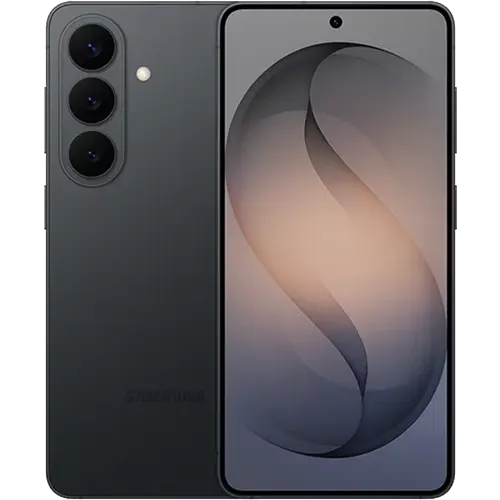
Samsung
Galaxy S26 Ultra
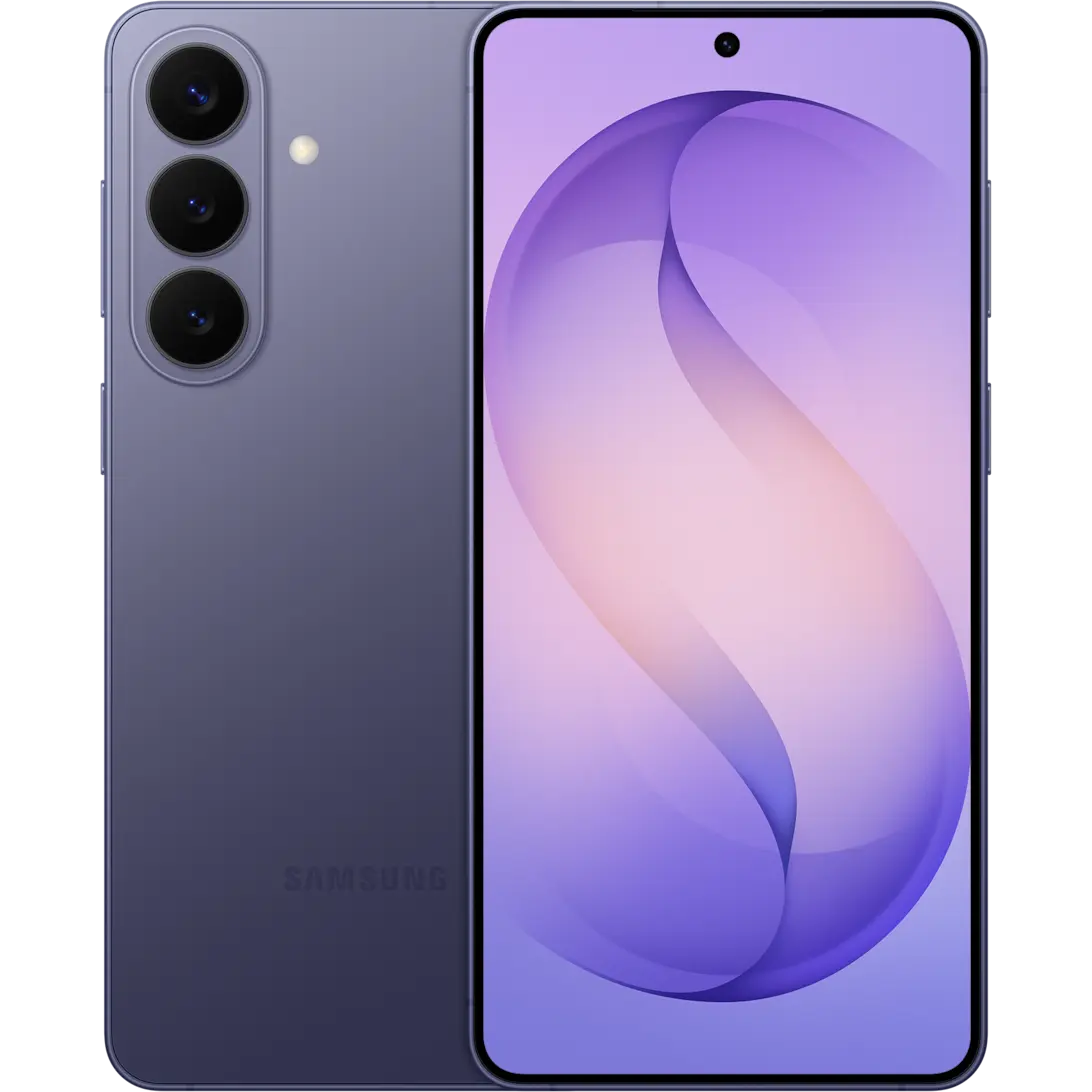
Samsung
Galaxy S26
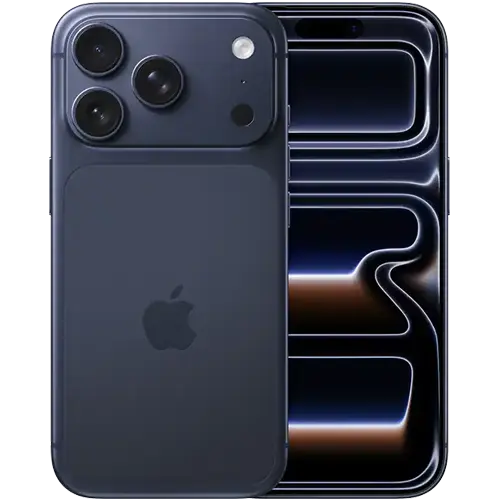
Samsung
Galaxy S26+
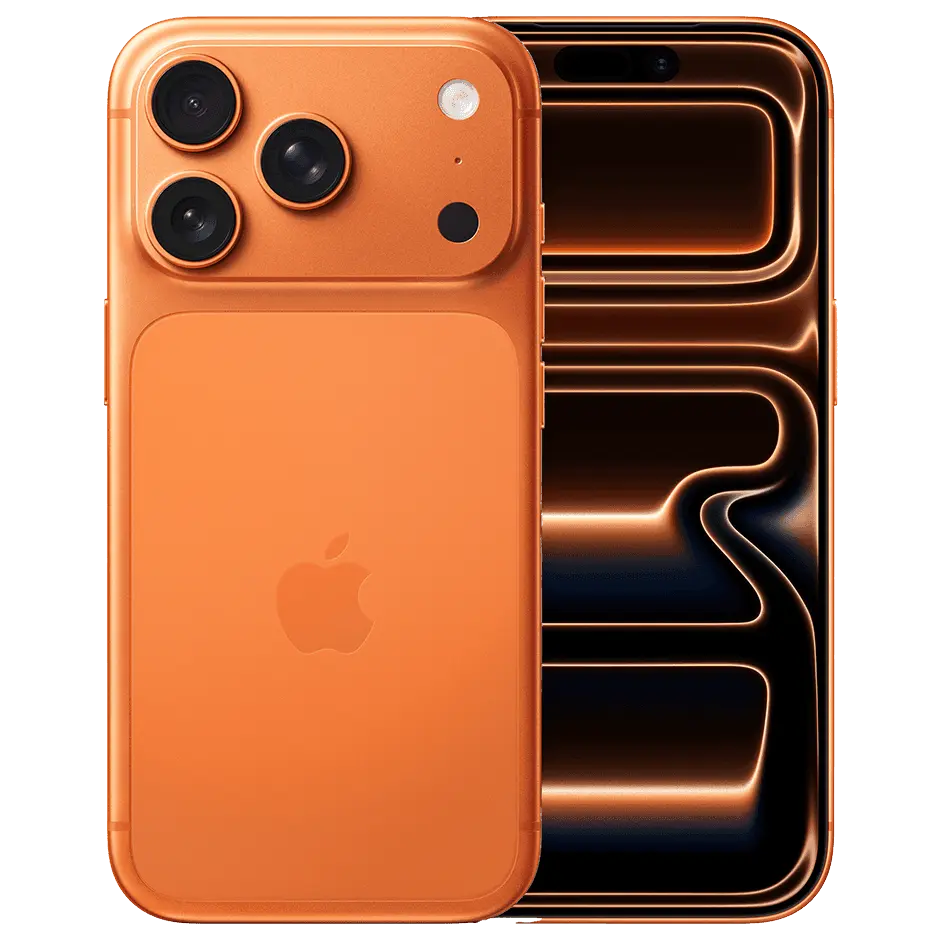
Apple
iPhone 17 Pro
Apple
iPhone 17 Pro Max
Pixel 10 Pro XL
Motorola