Samsung Galaxy S25 Edge
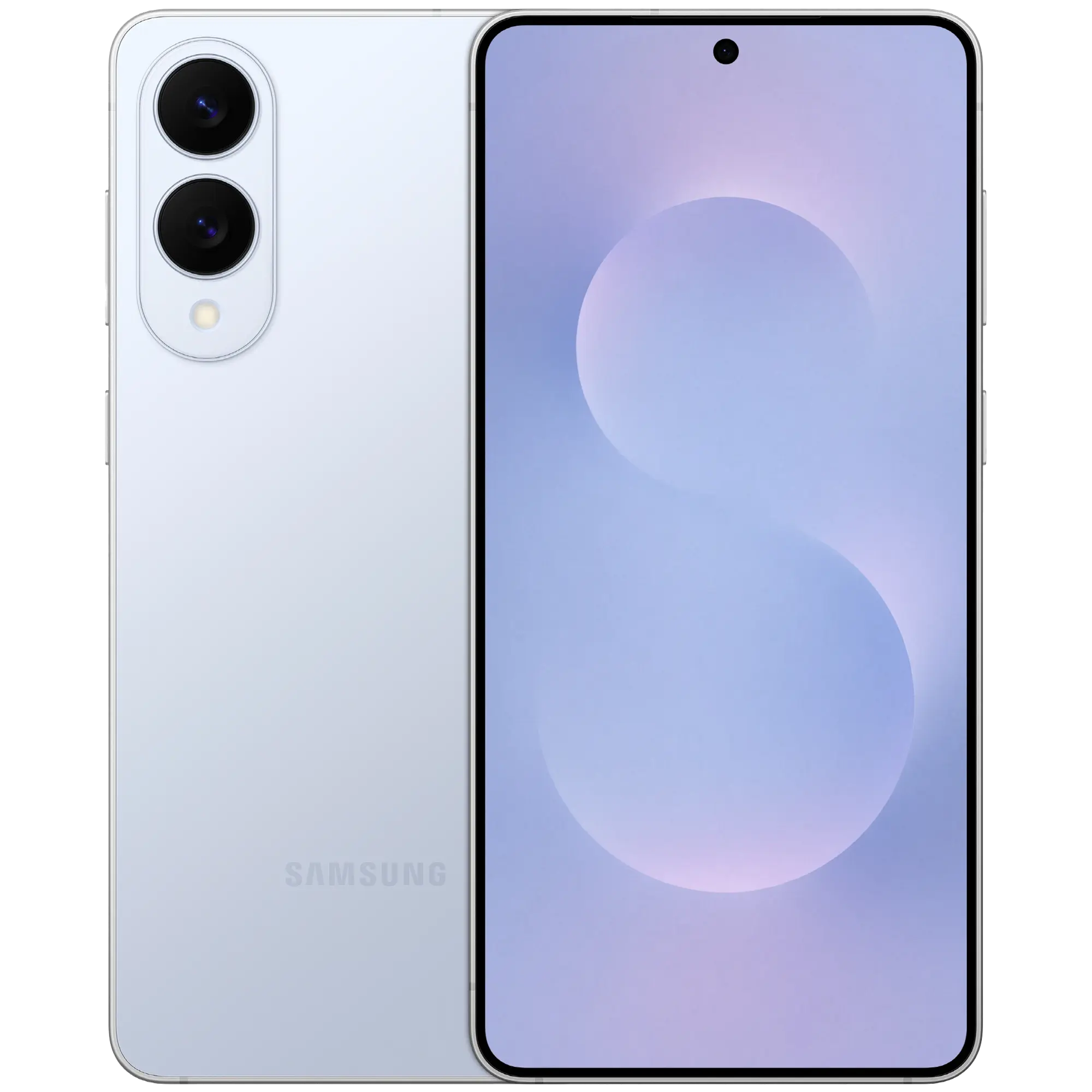
The Samsung Galaxy S25 Edge is Samsung's ultra-thin flagship, measuring 5.8mm thick and weighing 163 grams. At $1,099.99, it sits between the Galaxy S25+ ($999.99) and the Galaxy S25 Ultra ($1,299.99), running the same Qualcomm Snapdragon 8 Elite chipset with 12GB of RAM. The trade-off for that slim profile is a reduced camera system — there’s no telephoto lens, a smaller 12-megapixel ultrawide, and, of course, a smaller 3,900mAh battery. That battery is the smallest in Samsung's S25 lineup.
The S25 Edge performs well in display quality and raw processing power, and its main camera produces strong sharpness results thanks to a large sensor. As you might expect though, battery life is below average, charging is slow, and the speaker system is weak. The two-lens rear camera setup limits versatility compared to similarly priced phones that include telephoto coverage.
Design
Specifications
The Galaxy S25 Edge measures 158.2 x 75.6 x 5.8mm and weighs 163 grams. It uses a titanium frame with Gorilla Glass Ceramic 2 on the front and Gorilla Glass Victus 2 on the back. The 6.7-inch display has a 19.5:9 aspect ratio and a 92.1% screen-to-body ratio, which is among the highest in Samsung's lineup. An IP68 rating covers full dust ingress and fresh-water submersion beyond 1 meter, with depth and duration set by Samsung. Bandicoot Lab does not formally test design or durability, so this section is descriptive rather than scored.
The Edge's defining spec is thickness — at 5.8mm it's dramatically thinner than the standard Galaxy S25+ (7.3mm, 190 grams), which shares its 6.7-inch display size but weighs 27 grams more. The comparable thin-and-light option from Apple is the iPhone Air at $999, which is thinner still at 5.6mm and lighter at 165 grams. The titanium frame is a material Samsung reserves for its Ultra and Edge models; the standard S25, S25+, S26, and S26+ all use aluminum. As with the iPhone Air, the thin form factor comes with a smaller battery than siblings at similar display sizes.
Display
The Galaxy S25 Edge has a 6.7-inch Dynamic LTPO AMOLED 2X panel at 3,120 x 1,440 resolution (513 pixels per inch), with a 1–120Hz adaptive refresh rate. Peak HDR brightness reaches 2,817 nits, which is competitive with the Galaxy S25 Ultra's 2,795 nits and the Galaxy S25+'s 2,932 nits. Manual brightness tops out at 742 nits — adequate for outdoor use but lower than the Pixel 10 Pro's 1,450 nits. Minimum brightness goes down to 0.83 nits, and brightness stability is excellent at 98.7%, meaning the panel holds its output consistently during sustained use.
Color accuracy is a weak point across Samsung's S25 family though. The most accurate mode (Natural) produces an average Delta E of 3.09 — meaning colors drift noticeably from their sRGB reference targets, with skin tones and certain saturated colors showing visible deviation. The Vivid mode extends to Display P3 coverage at 83.94% but pushes the average Delta E to 3.59. The Galaxy S25 and S25 Ultra show similar accuracy levels — this is a calibration characteristic across the lineup rather than an Edge-specific issue. The Pixel 10 Pro and iPhone Air both achieve substantially better color accuracy in their calibrated modes.
Touch latency averages 21.2 milliseconds, which is functional but noticeably higher than the Pixel 10 Pro's 11.6 milliseconds or the Galaxy S25's 14.5 milliseconds. In practice, users won't perceive this difference during normal navigation.
Performance
The Qualcomm Snapdragon 8 Elite powers the S25 Edge with Geekbench 6 scores of 3,007 (single-core) and 9,707 (multi-core). These are consistent with the Galaxy S25 and S25 Ultra, confirming Samsung isn't dramatically thermally throttling the chip differently in the thinner body, at least for basic CPU use.
GPU performance is a bit more nuanced though. The Wild Life Extreme stress test peaks at 6,734 but drops to 3,149 by the worst loop, yielding 46.8% stability. The phone hits 44.1°C during sustained GPU load. This is slightly better stability than the Galaxy S25 (44.4%) but worse than the S25 Ultra (56.9%) and considerably behind a device like the OnePlus 15. The thin chassis has limited thermal mass, and it shows during extended gaming sessions — expect frame rate drops after the first few minutes of demanding 3D workloads.
Browser performance is strong, with a Speedometer score of 35.6.
Camera
The S25 Edge has a 200-megapixel f/1.7 main camera with a 1/1.3-inch sensor, a 12-megapixel f/2.2 ultrawide, and a 12-megapixel f/2.2 front camera. There's no telephoto lens — zoom beyond the main camera’s native focal length relies entirely on digital cropping from the 200-megapixel main sensor. The max zoom is 10x, far less than the 100x offered by the Galaxy S25 Ultra or the Pixel 10 Pro.
Sharpness is the camera system's strength though. The main lens scores well across zoom levels through about 5x–6x, where the high-resolution sensor maintains usable detail through crop. Beyond that, results fall off. At 10x, sharpness drops substantially compared to phones with dedicated telephoto hardware — the Pixel 10 Pro and Galaxy S25 Ultra both resolve considerably more detail at equivalent zoom levels. The ultrawide performs well for its class, and the front camera is adequate.
Color processing across all lenses uses a vivid, punchy tuning that boosts saturation, particularly on skin tones. Hue accuracy degrades meaningfully in low light across all three cameras.
Main
The 200-megapixel main sensor resolves strong detail in bright light and holds up well in mid-light conditions, with only moderate sharpness loss. In dark conditions (10 lux), sharpness drops but remains usable. The processing applies moderate sharpening in auto mode without excessive overshoot artifacts.
Color accuracy in bright light shows the characteristic Samsung vivid processing — saturation runs above reference levels and skin tones are pushed warm. Hue accuracy is good in bright light, with the processing mostly just boosting saturation rather than rotating colors. In mid-light at 4000K, hue accuracy degrades, and the camera isn't fully correcting for the warmer ambient color temperature. In dark conditions at 3000K, hue shifts increase substantially, driven by both a strong warm bias from the sensor struggling to resolve hues in low light and incomplete white balance correction. The warm bias dominates the color error in dark conditions.
Dynamic range is solid, capturing usable detail across a good range of exposure values in auto mode. The processing applies moderate tone compression, retaining shadow detail while clipping highlights at the bright end.
Ultrawide
The 12-megapixel f/2.2 ultrawide is identical in spec to the Galaxy S25 and S25+'s ultrawide — same sensor, same lens. Sharpness scores well across lighting conditions, performing slightly above the main lens on a per-pixel basis due to the more conservative processing applied to this sensor.
Color accuracy follows a similar pattern to the main camera, with vivid processing boosting saturation in bright and mid-light. Skin tones are notably oversaturated in bright light. In dark conditions, hue accuracy degrades, primarily driven by the sensor's limited ability to resolve accurate colors at high ISO.
Dynamic range is narrower than the main camera, with slightly more aggressive highlight clipping. This is expected given the smaller sensor.
Front
The 12-megapixel f/2.2 front camera produces acceptable sharpness in bright and mid-light, with visible softening in dark conditions. In bright light, the processing boosts saturation aggressively — skin tones show large deviations from reference values, driven by the vivid processing style. The color processing also introduces a strong warm-yellow cast], which shifts skin tones warm across all lighting conditions. Hue accuracy is reasonable in bright and mid-light, but degrades in dark conditions, where both sensor-level hue confusion and incomplete white balance correction contribute to visible color shifts.
Dynamic range from the front camera is limited, with heavy highlight clipping. Video stabilization is moderate — not the smoothest, but serviceable for video calls and casual selfie video.
Battery
The 3,900mAh battery is the smallest in Samsung's S25 lineup — 100mAh less than the standard Galaxy S25 (4,000mAh), and far smaller than the S25+'s 4,900mAh or the S25 Ultra's 5,000mAh. The consequences are measurable.
Video playback at 200 nits lasts 25 hours and 49 minutes. At max brightness, that drops to 22 hours and 12 minutes. The 200-nit figure trails the Galaxy S25's 28 hours, the S25+'s 29 hours and 40 minutes, and the S25 Ultra's 31 hours. It's still enough to get through a full day of typical use, but heavy users will notice the difference.
Web browsing drain over 5 hours is 24%, which translates to roughly 21 hours of continuous browsing — average but behind the Galaxy S25's 22% drain over the same period. Gaming drain during the Wild Life Extreme stress test measures 27%, identical to the iPhone Air and close to the Galaxy S25 Ultra's 26%. Standby drain is 3% over 8 hours overnight, which is typical for Android flagships.
In practical terms, the S25 Edge will get moderate users through a full day, but heavy users — especially those who game or stream video frequently — may need to charge before bedtime.
Charging
The Galaxy S25 Edge supports 25W wired charging and 15W wireless charging. Wired charging reaches 20% in 10 minutes and 55% in 30 minutes. Despite the smaller battery, the 25W limit means it doesn't fill up proportionally faster than its siblings — the Galaxy S25+ and S25 Ultra both support 45-watt charging and reach 74% in 30 minutes.
Wireless charging is similarly slow — 8% in 10 minutes and 23% in 30 minutes. The iPhone Air, despite only having 20W wireless charging, reaches 49% wirelessly in 30 minutes. Charging is the S25 Edge's second-weakest category overall.
Speaker
The Galaxy S25 Edge's speaker reflected the thin design. Bass extension was limited, with a 28.7 dB drop from the mids to the bass band — the weakest at its price bracket alongside the iPhone Air. The high end was reasonably flat but the treble response was uneven. Loudness of 76.3 dBA was competitive with the Galaxy Z Flip 7 at 77.2 dBA. Distortion was moderate at 5.2%.
Microphone
The microphone performs above average, with a frequency response standard deviation of 4.19 dB. This places it in a similar range to the Galaxy S25 Ultra and ahead of the Pixel 10 Pro. Voice calls and recordings should sound clear enough.
Other
Measurements
Specifications
The ultrasonic fingerprint sensor unlocks at an average of 291.7 milliseconds — slower than the Galaxy S25's 195.8 milliseconds, the S25 Ultra's 208.3 milliseconds, and the Galaxy S25+'s 202.8 milliseconds. You probably won’t notice a big difference in daily use, though.
Data transfer over USB-C 3.2 is fast, with a max read speed of 311.85MB/s and max write speed of 256.47MB/s. These are in line with other Galaxy S25 devices and substantially faster than the iPhone Air's USB 2.0 connection, which maxes out under 40MB/s.
Conclusion
The Galaxy S25 Edge is a phone defined by its physical design — the 5.8mm profile is genuinely thin, and at 163 grams it's among the lightest phones at this price. The Snapdragon 8 Elite delivers strong performance, the display is sharp and bright, and the 200-megapixel main camera produces detailed images. The compromises to achieve that thinness are significant though. Battery life falls below average with no fast charging to compensate. The speaker system lacks bass and overall fullness. There's no telephoto camera, which limits versatility against the $999.99 Galaxy S25+ and $999 Pixel 10 Pro — both of which include telephoto lenses, larger batteries, and faster charging. The $899.99 OnePlus 15 outperforms it in battery, charging, speakers, and performance stability.
The S25 Edge serves a specific audience — buyers who prioritize a thin, light form factor above all else and are willing to accept real trade-offs in endurance, audio, and camera versatility. For everyone else, the Galaxy S25+ offers more capability for $100 less, and the Pixel 10 Pro matches or exceeds it in most categories at the same price.
Related
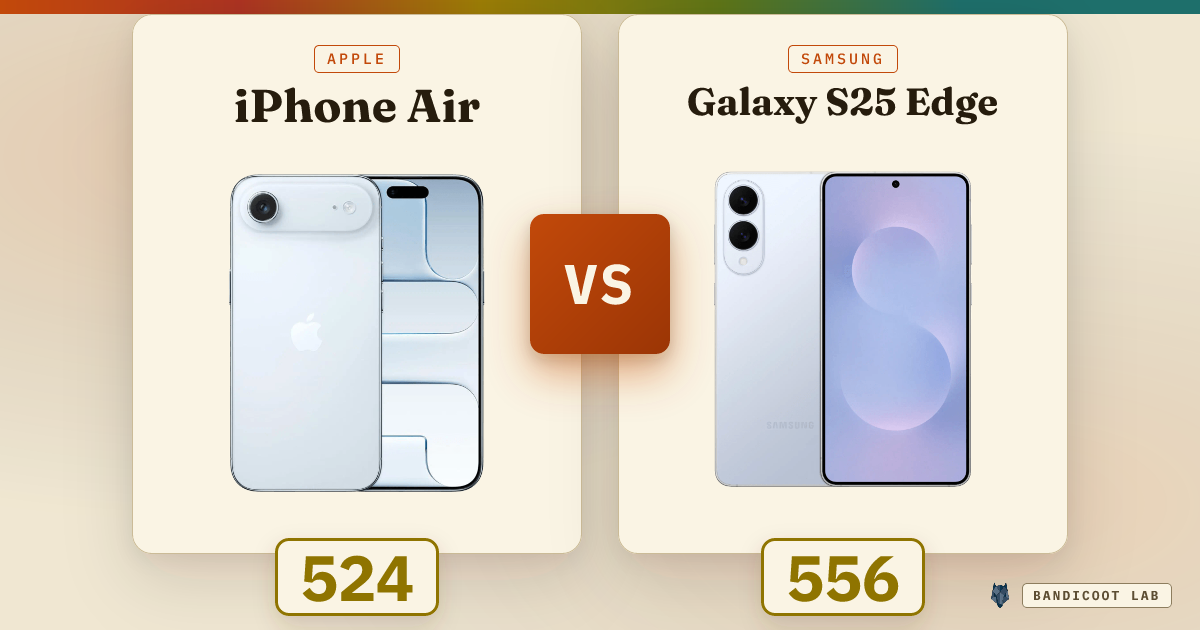
Apple iPhone Air vs Samsung Galaxy S25 Edge
Samsung
Galaxy Z Fold 8
Samsung
Galaxy Z Flip 8
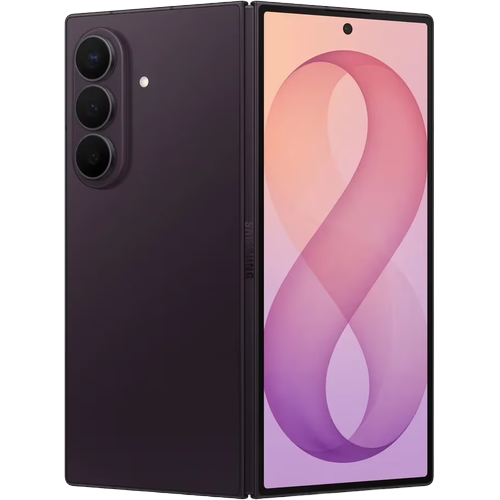
Samsung
Galaxy Z Fold 8 Ultra

Samsung
Galaxy S26 Ultra
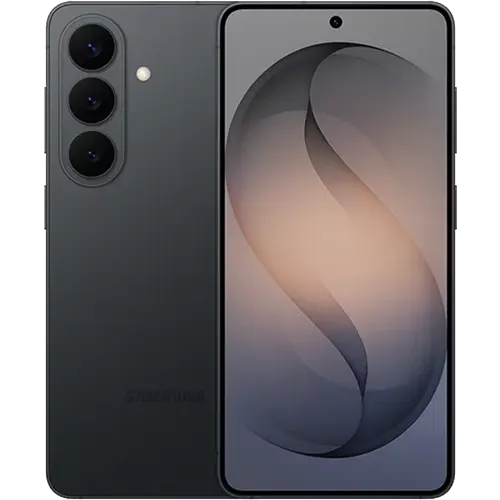
Samsung
Galaxy S26
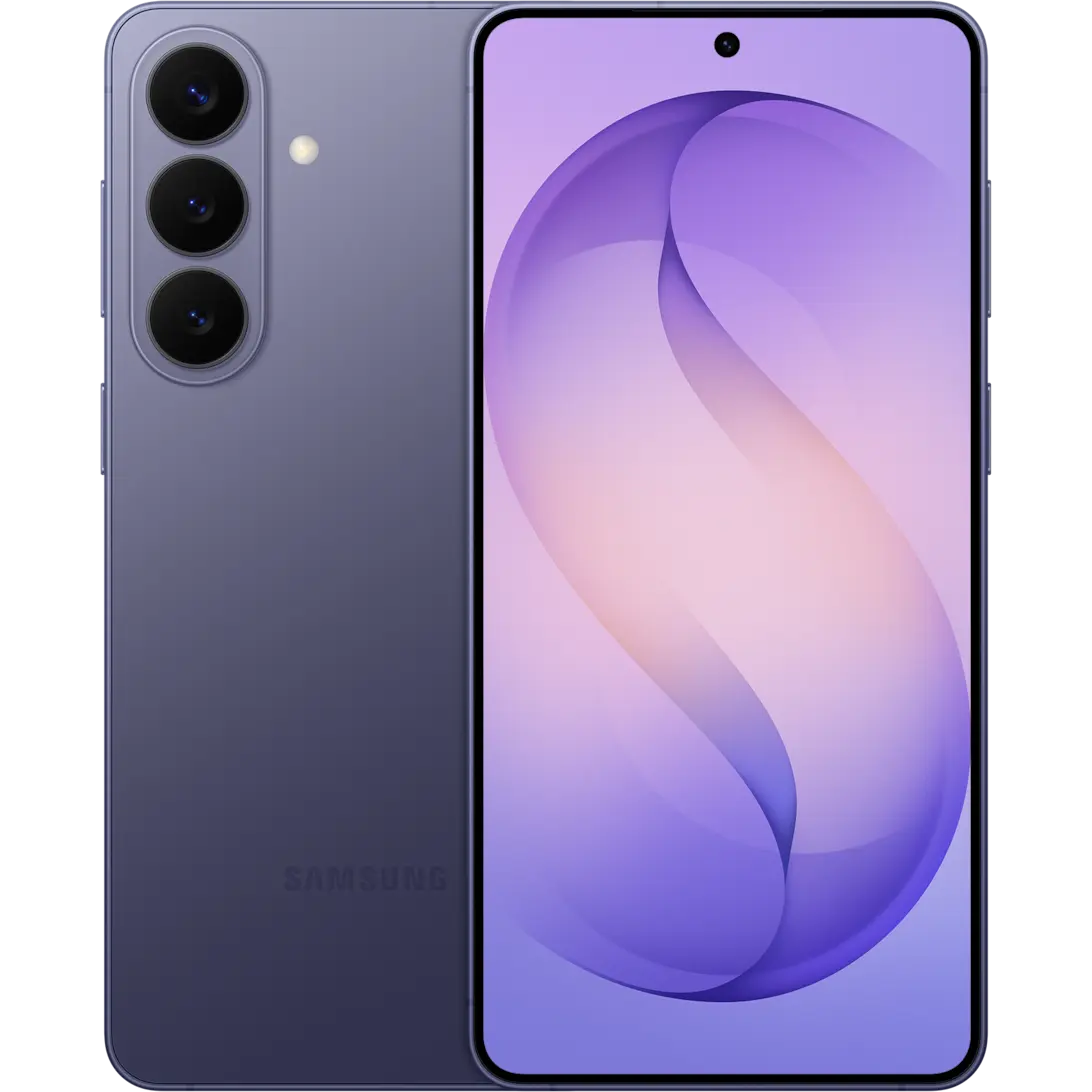
Samsung
Galaxy S26+
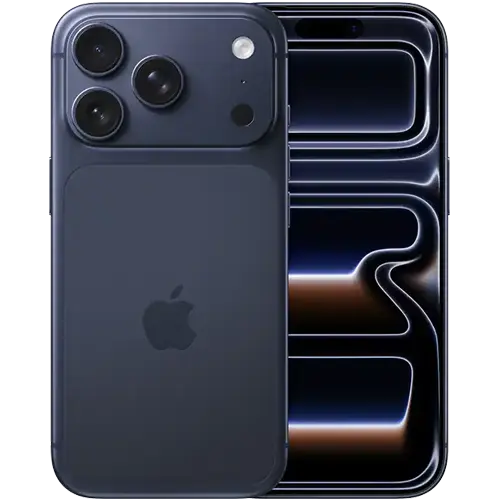
Apple
iPhone 17 Pro
Apple
iPhone 17 Pro Max
Pixel 11 Pro
Pixel 10 Pro XL
Motorola