Best Phone Displays
Samsung
Poco
Apple
Poco
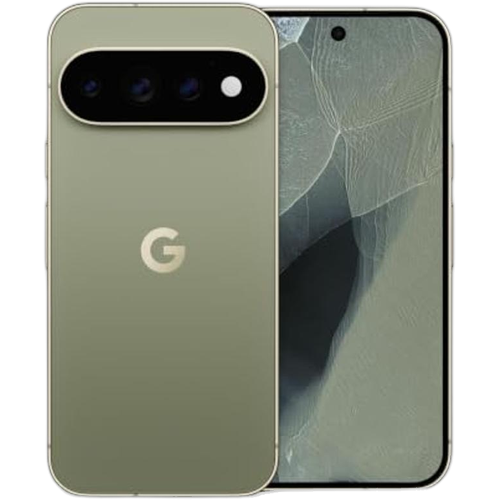
Pixel 11 Pro
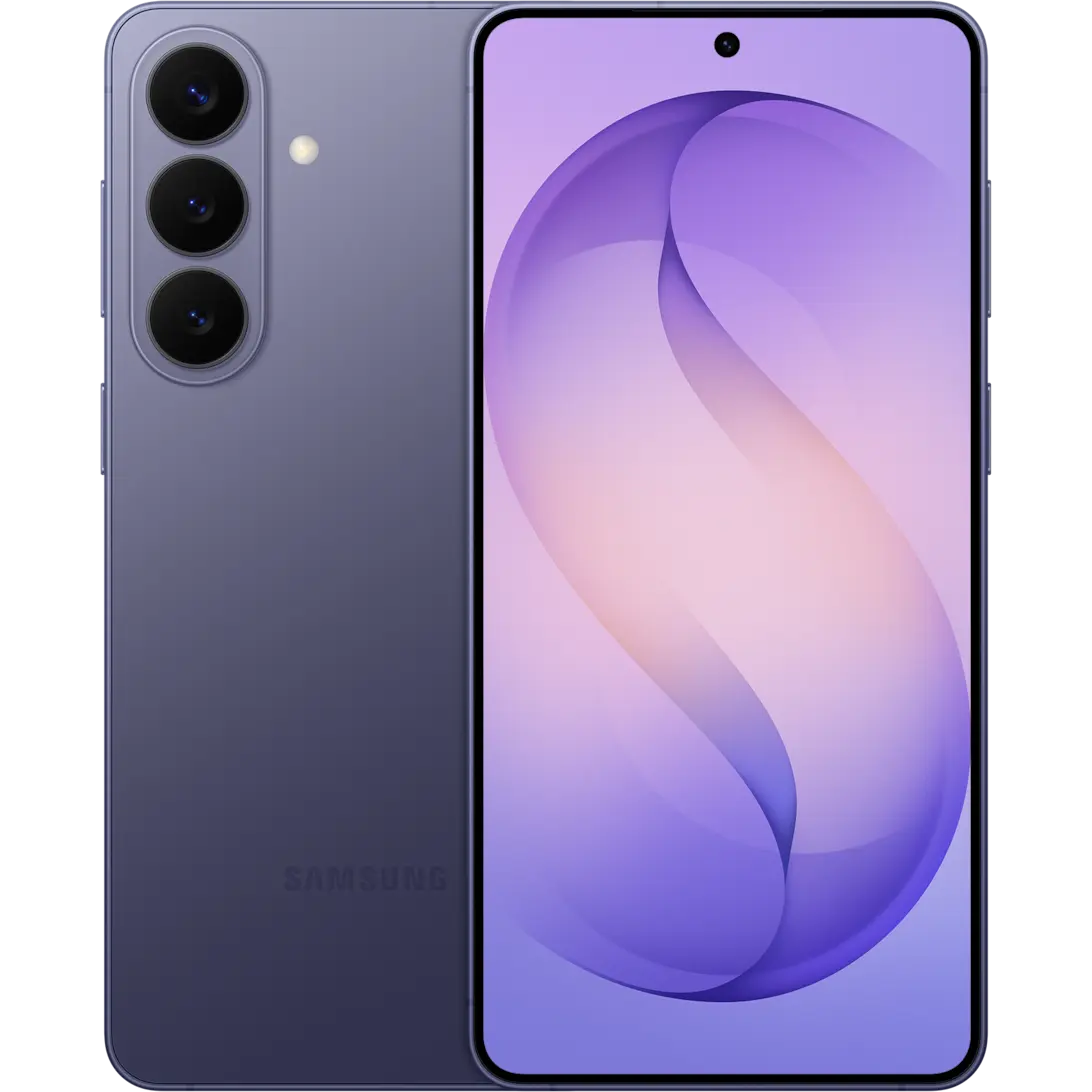
Galaxy S26+
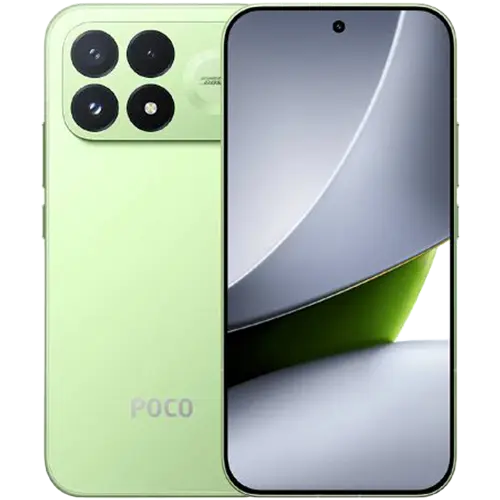
F9 Pro
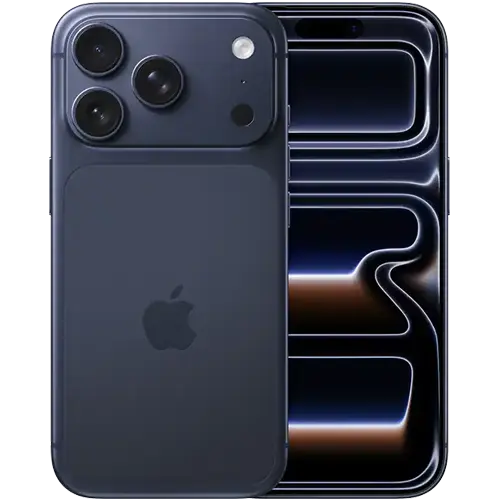
iPhone 17 Pro
F9 Ultra
Pixel 11
Ranked #31 of 61
Ranked #11 of 61
Ranked #3 of 61
Ranked #5 of 61
Ranked #1 of 61
Ranked #37 of 61
Overall
Overall
Overall
Overall
Overall
Overall
A great display can define your entire experience with a phone, from scrolling through feeds to streaming video and gaming. This list ranks phones by the qualities that matter most for screen performance, including resolution, refresh rate, peak brightness, and touch responsiveness.
The Google Pixel 11 Pro takes the top spot for best display overall, combining strong brightness output with a high-resolution OLED panel that handles both HDR content and everyday use with ease. For those who prioritize sheer pixel density, the Xiaomi 15 Ultra offers the highest resolution in the lineup. The Poco F9 Pro stands out with its expanded refresh rate, delivering fluid motion that benefits everything from animation-heavy interfaces to fast-paced games.
Best Display Overall

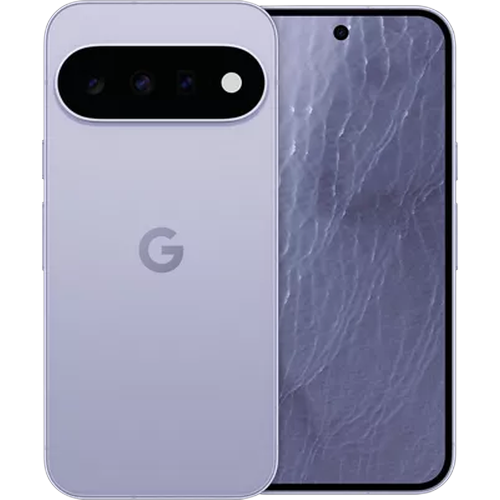
The Google Pixel 11 Pro has the strongest display we’ve tested. Color accuracy is where this panel separates itself. In our tests, the Pixel 11 Pro's colors sit essentially at reference — errors small enough that you couldn't pick them out against a calibrated monitor. Only its cheaper sibling, the base Pixel 11, gets equally close, and that phone peaks around 2,900 nits in HDR while the Pro reaches 3,594. That combination of near-perfect color and genuinely high brightness is what puts it at the top of our display rankings.
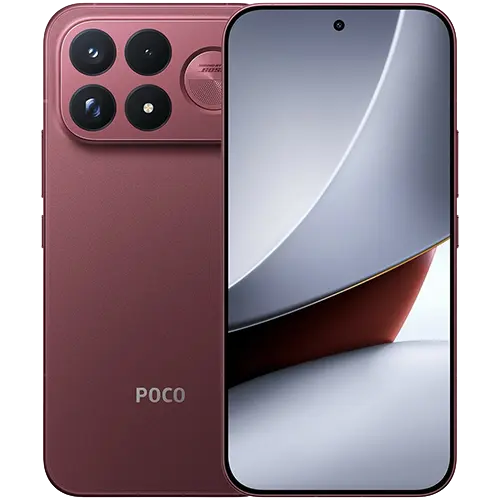
The Poco F9 Ultra pushes brighter still — nearly 12,000 nits at peak. But its color accuracy trails the Pixel's, and for most viewing the Pixel's headroom is already more than enough.
Touch response is quick, brightness stays consistent during long sessions, and the 6.3" LTPO panel handles variable refresh down to low rates without flicker.
The rest of the phone is more ordinary. Performance and battery both land in the bottom half of our database, and 30W wired charging is slow for $1,099. If the screen is your priority, none of that undermines the pick.
Best Display Resolution
If you’re looking for pixel density, the Samsung Galaxy S26+ is the way to go. The 6.7-inch LTPO AMOLED packs more resolution than most panels this size, and the sharpness shows up in small text, dense web pages, and side-by-side app windows.
Brightness also holds up in HDR, peaking at 2,725 nits and sustaining nearly all of it rather than throttling after a few minutes. Manual brightness is the weaker half of the display, hitting 635 nits maximum, where the Pixel 10 Pro XL manages 1,435. Outdoors on a sunny day, the Pixel is the easier phone to read. Color accuracy is middling too — visibly off from reference, roughly three times the color error of the Pixel's near-perfect calibration. You'd notice it in side-by-side viewing, less so on its own.
Best Refresh Rate

The 185Hz panel on the Poco F9 Pro refreshes faster than anything most people have used, and it pairs that with the quickest touch response we've measured in its price range — 8.4ms, roughly a third of the OnePlus 15R's 24.1ms at the same $699. On the iPhone 17 Pro, touch-to-screen lag runs over six times longer. You'll feel the difference most in fast scrolling and competitive games, where input lands almost immediately.
The panel backs up the speed. Peak HDR brightness hits 10,061 nits, and sustained output barely drops under load — it holds 99.5% of its brightness over time, where the iPhone 17 Pro falls to under half. Content stays bright through long sessions instead of dimming after a few minutes.
Within the Poco family, the F9 Ultra runs the same 185Hz refresh rate with a slightly slower touch response, and its display scores higher overall — a bigger panel and brighter HDR peaks tip the balance.
Weak points sit elsewhere: connectivity and microphone quality both land in the bottom half of our database. For a display-first buyer, neither is likely to matter much.
Best iPhone Display
The display quality is similar on most current-generation iPhones, but in our testing, the iPhone 17 Pro had the edge. That largely, again, came down to color accuracy. Its average color error across the display is among the lowest we've measured on any phone, and it edges out the iPhone 17 Pro Max by a meaningful margin in that area — the Pro Max shows more color drift under typical conditions. Peak HDR brightness reaches just over 3,000 nits, and the display holds up well in direct sunlight.
Touch responsiveness is slow relative to competing flagships at this price. The Xiaomi 17 costs $100 less and responds to touch more than four times faster. The Pixel 11 Pro, the top-ranked display phone in our database, also leads by a wide margin there. Brightness stability under sustained HDR load is another gap — both the Xiaomi 17 and Honor Magic8 Pro hold near-peak brightness almost continuously, while the iPhone 17 Pro dims more significantly over time.
This is the best-performing iPhone display we've tested, and for users who prioritize color fidelity the 17 Pro delivers that reliably. If raw responsiveness or sustained brightness matter more, the tradeoffs are worth weighing against cross-platform alternatives.
Best Brightness


Nearly 12,000 nits of peak HDR brightness is the highest we've measured on any display, and it's not close — the Pixel 11 Pro's panel tops out around 3,600 nits, and most phones sit well below that. Highlights in HDR content genuinely pop in a way other panels can't match, and small specular details hold their punch even in a bright room.
The caveat is that the peak only holds over small highlight areas. Push a large portion of the screen bright and output falls off steeply — the Pixel sustains a much larger fraction of its peak across HDR content, which is part of why it edges ahead on overall display score. Manual brightness is also unexceptional at 863 nits, so outdoor legibility is fine but not special. The Pixel manages 1,398 nits there.
The sibling Poco F9 Pro gets within about 20% on peak brightness for less, so if brightness is the only draw, that's worth a look. What the Ultra adds is endurance behind the panel: 36 hours of video playback at maximum brightness from its 8,050mAh battery, roughly ten hours more than the F9 Pro. You can leave the screen cranked all day without thinking about it. For HDR movie watching specifically, nothing else we've tested comes close.
Best Color Accuracy
Set the Pixel 11 next to a calibrated reference monitor and the difference is hard to spot. Color error in its most accurate mode sits below the threshold most people can perceive, and it's a genuine generational fix — the Pixel 10's color error was nearly three times higher.
One caveat within Google's own lineup — the Pixel 11 Pro is even stronger on color accuracy overall, and its display is better across the board, including brighter HDR peaks and noticeably quicker touch response. If display quality is your top priority and the extra $200 fits, the Pro is the better buy. Against the Honor Magic8 Pro, the Pixel 11 holds its own on accuracy and does far better at sustaining HDR brightness — the Honor's output drops off sharply in demanding HDR scenes, roughly twice as much as the Pixel's.
The panel itself is solid beyond color, hitting 2,943 nits peak HDR, 1,379 nits in manual mode, and near-perfect brightness stability under sustained load. The rest of the phone is more ordinary. Battery, performance, and camera all land in the bottom half of our database. You're paying for the screen and the microphones, mostly.
FAQ
What should I look for in a phone display?
The key factors are resolution for sharpness, refresh rate for smooth scrolling and gaming, peak brightness for outdoor and HDR viewing, and touch latency for how responsive the screen feels. Color accuracy also matters if you care about how true-to-life photos and video look. No single phone leads in all of these areas, so it helps to prioritize which trait matters most for your use.
Which phone has the best display overall?
The Google Pixel 11 Pro leads on overall display quality, combining a high peak HDR brightness with near-perfect brightness stability during extended HDR playback. Color accuracy is also excellent, with near-invisible error at typical viewing settings.
Which phone has the best refresh rate for gaming and scrolling?
The Poco F9 Pro stands out with its 185Hz panel and the fastest touch response in current testing, noticeably quicker than the Samsung Galaxy S26 at the same price.
What's the best iPhone for display quality?
The iPhone 17 Pro has the best display among current iPhones, with an average color error among the lowest measured on any phone and peak HDR brightness just over 3,000 nits. It outperforms the iPhone 17 Pro Max specifically on color accuracy. Touch responsiveness lags behind rivals like the Xiaomi 17 and Honor Magic8 Pro, and brightness dims more under sustained HDR load than those competitors.
Which phone has the brightest screen?
The Poco F9 Ultra has the brightest display, with peak HDR brightness just under 12,000 nits. Brightness dips a lot at larger window sizes and color accuracy is solid but not exceptional, so this pick is best for anyone who frequently watches HDR video outdoors.
Related
Apple
iPhone 17 Pro
Poco
F9 Ultra
Pixel 11 Pro
Poco
F9 Pro
Pixel 11
Samsung
Galaxy S26+

Samsung
Galaxy S26 Ultra
Samsung
Galaxy Z Fold 8 Ultra
Samsung
Galaxy Z Fold 8
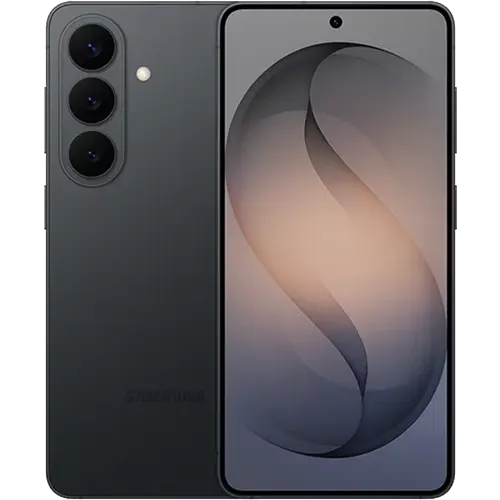
Samsung
Galaxy S26
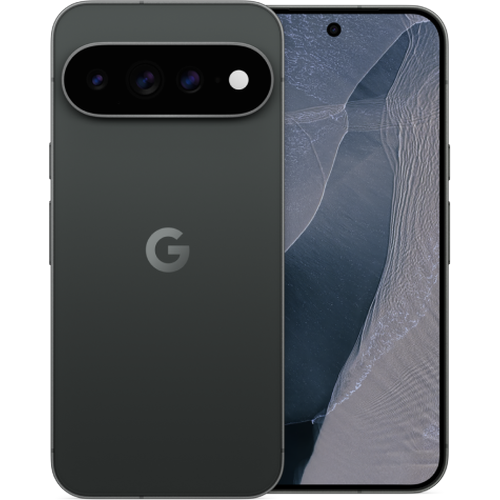
Pixel 11 Pro XL
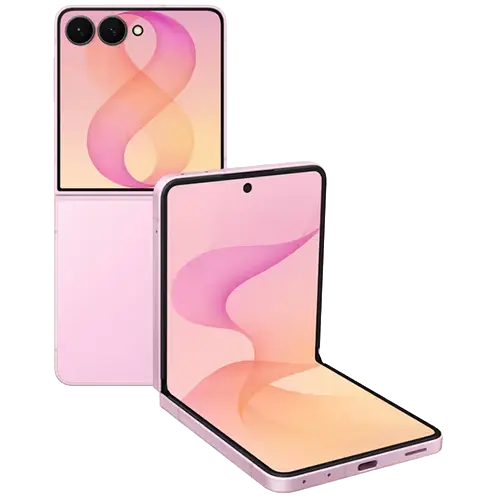
Samsung