Best Phones Under $800
RedMagic
Apple
Nothing
Honor
Nothing
11 Air
iPhone 17
Phone (3)
600
Phone (4a) Pro
Ranked #21 of 52
Ranked #23 of 52
Ranked #31 of 52
Ranked #37 of 52
Ranked #38 of 52
Overall
Overall
Overall
Overall
Overall
There are plenty of great phones under $800, including phones built for things like gaming performance, camera quality, and more. The devices in this list are ranked on benchmarks, battery life, display specs, camera systems, and software support, giving a clear picture of where each phone excels and where it compromises.
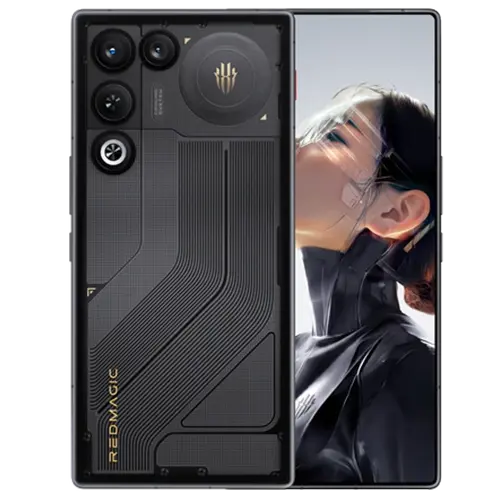
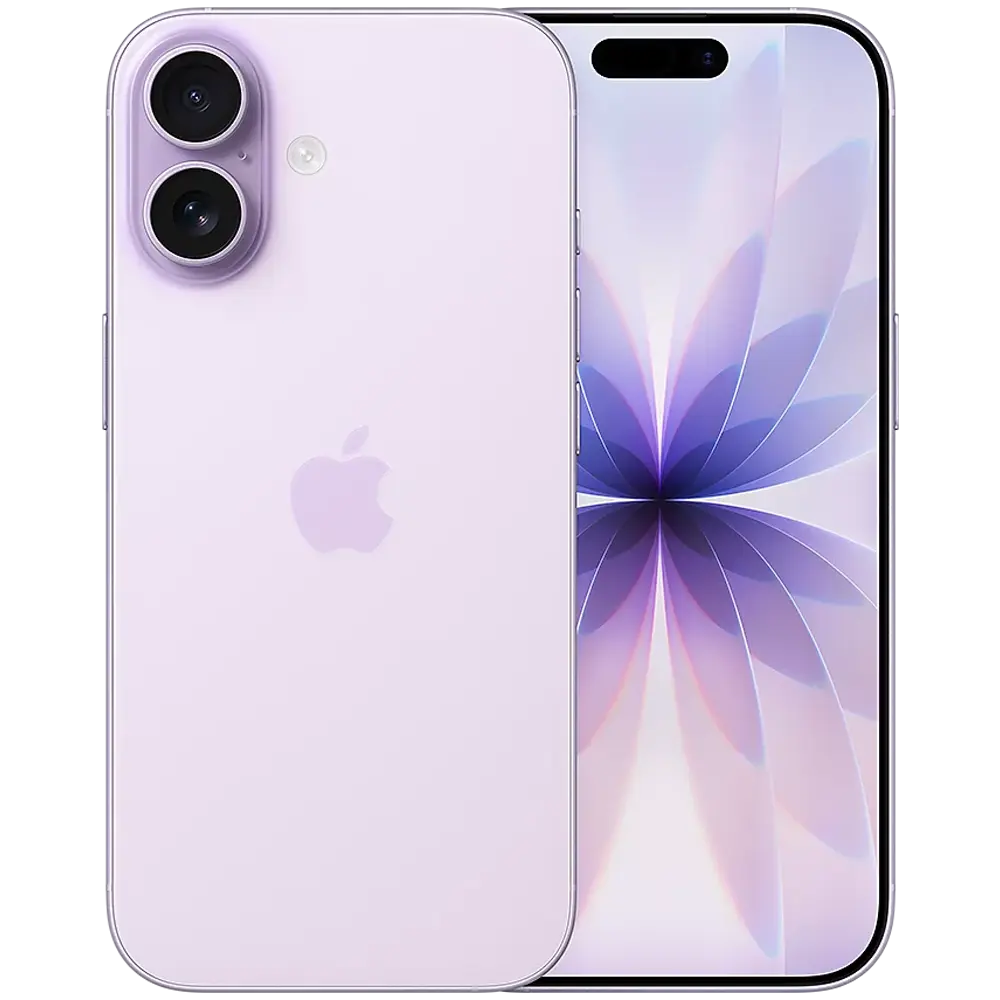
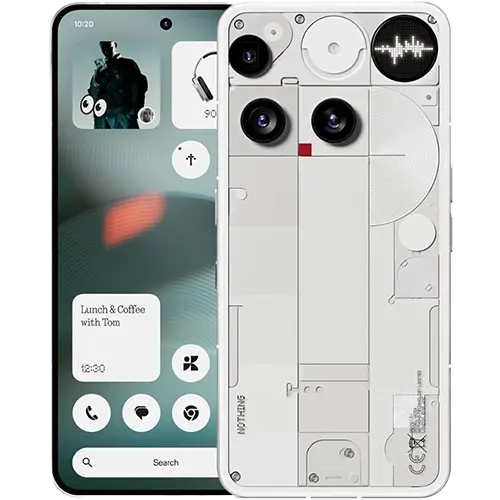
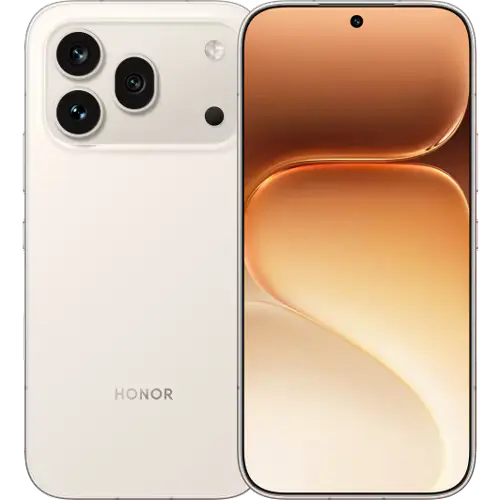
The RedMagic 11 Air takes the top spot as the best overall option, pairing flagship-tier processing power with a remarkably light build that sets it apart physically from heavier competitors. For those who prefer iOS, the Apple iPhone 17 delivers a strong balance of performance and long-term software support. The Nothing Phone (3) stands out for camera performance, while the Honor 600 earns its place with one of the best displays available at this price.
Whether you need a capable all-rounder or want to optimize for a specific feature like photography or screen quality, the picks here reflect measurable strengths across the sub-$800 segment. A budget-conscious option from Nothing also appears for those looking to spend well under $500 without sacrificing too much.
Best Overall Under $800
For those who simply want the best they can get under $800, the RedMagic 11 Air is the way to go. Part of its appeal is its battery. The RedMagic 11 Air loses only 37% charge during an hour of gaming, a drain rate that puts it among the top three in our database and well ahead of most phones in this price range. Paired with a Snapdragon 8 Elite and 16GB of RAM, it also posts multi-core scores competitive with phones costing several hundred dollars more.
The speaker is near the bottom of our database — noticeably quiet at 79.2 dBA maximum and compressed-sounding at higher volumes. The camera underperforms for the price too, and while main sensor sharpness is roughly comparable to the iPhone 17 in good light, dynamic range is narrower and color accuracy trails the Nothing Phone (4a) Pro by a meaningful margin. The display peaks at 1,896 nits in HDR, which is functional but below average for this tier. Charging reaches 52% in 30 minutes at 80W — solid in absolute terms, but the (4a) Pro hits 63% in the same window on a slower charger.
If battery endurance and raw processing throughput are the priority, this phone delivers both at a price point where neither usually comes together.
Best iPhone Under $800
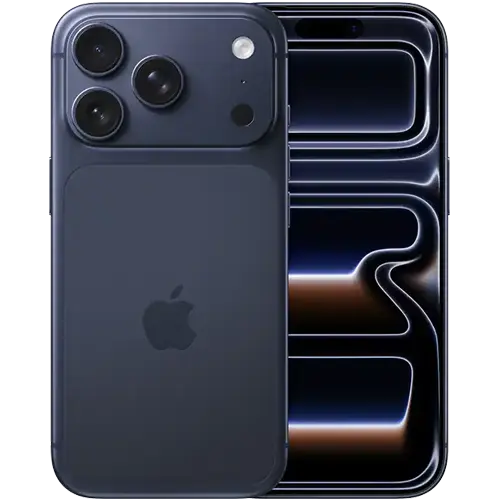
The A19 chip in the iPhone 17 puts up a GeekBench multi-core score of 9,645 — close to the 10,158 the Pro achieves, and well ahead of the Nothing Phone (3)'s 6,992. That means everyday performance and sustained workloads feel effectively the same as the more expensive sibling. Speaker output is also comparable to the Pro, and the display hits 3,022 nits peak HDR brightness, which is competitive with the best screens at this price.
The downsides are that battery life sits in the middle of our tested pool: web browsing drained 22% over five hours and gaming drained 27%, which points to roughly a day of typical use rather than two. The iPhone 17 Pro drains only 17 percent per hour during web use. Camera performance is a weakness too — main camera detail in good light is modest, and the phone lacks a telephoto lens. The Nothing Phone (3) produces noticeably sharper images and handles a wider dynamic range in mixed lighting.
What the iPhone 17 offers is the iOS ecosystem, strong sustained processor performance, and a compact 6.3-inch form factor.
Best Camera Phone Under $800
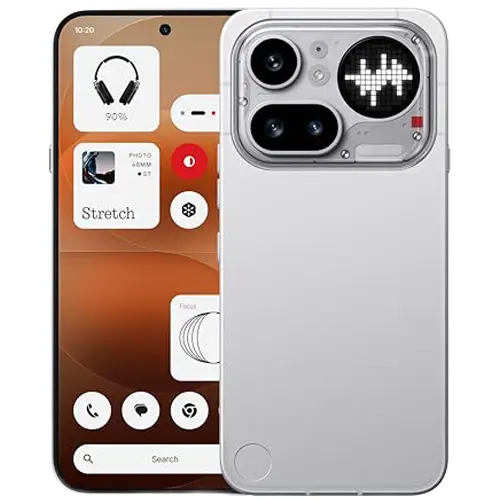
At $799, the Nothing Phone (3) puts up the strongest camera results we've measured in this price tier, with main, front, and telephoto lenses all delivering high sharpness across lighting conditions. The front camera is a particular standout — it resolves significantly more detail than the Xiaomi 15T Pro's front lens at the same price, which lags well behind in bright-light sharpness. Color accuracy on the main lens sits closer to reference than the 15T Pro, which carries roughly 60% more color error in bright conditions. Dynamic range on the main lens is also wider, meaning the Phone (3) holds detail in highlights and shadows that the Xiaomi clips.
Video stabilization is the clearest weakness. The 15T Pro is among the best-stabilized phones we've tested at any price, and the Nothing Phone (3) doesn't come close — handheld video shows more movement, particularly noticeable when walking. If video is the priority, that gap matters.
Best Display Under $800
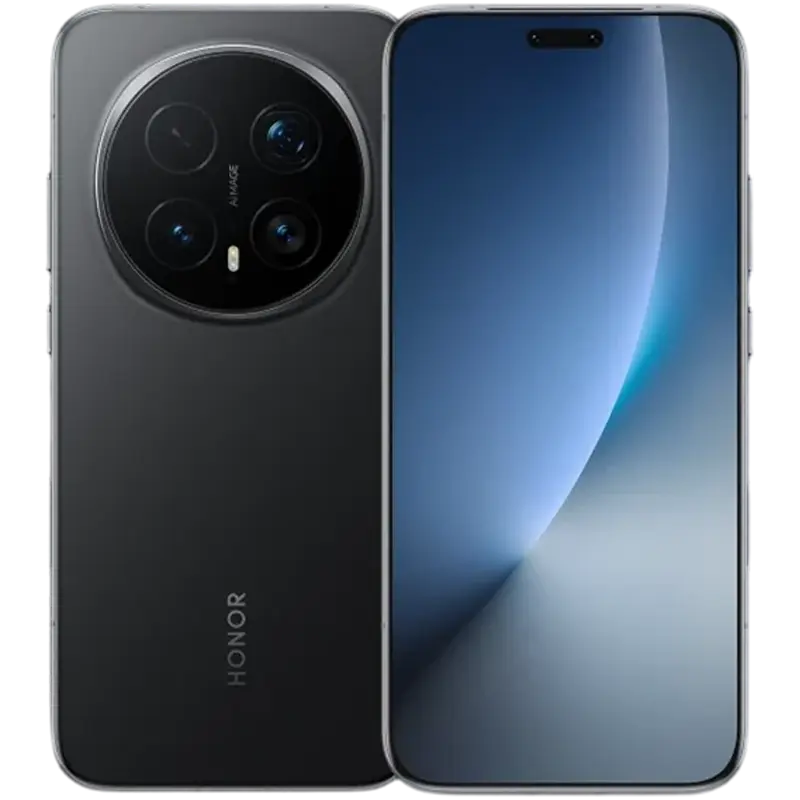
Peak HDR brightness on the Honor 600 reaches nearly 7,000 nits — more than twice what the OnePlus 15R manages at a similar price, and more than even the Honor Magic8 Pro at a much higher price. In practice, that means HDR content in direct sunlight stays legible where most panels in this price range wash out. Manual brightness tops out around 969 nits and dims to just under half a nit, so the range from a dark room to a bright afternoon is well covered.
Color accuracy is tight too. Average color error sits well below the threshold most people would notice on-screen, and the panel holds that accuracy consistently rather than drifting with brightness changes. Sustained brightness stability is near-perfect — the display doesn't throttle under sustained load the way the iPhone 17's panel does. The HDR brightness doesn't hold at peak levels at larger window sizes, which is a real trade-off.
Outside the display, the Honor 600 is middling, but not bad. Performance, biometrics, and connectivity all sit near the bottom of this price tier. If display quality is your priority and you're staying under $800, it's hard to argue with what this panel offers at $600.
Best Value Under $500
At $499, the Nothing Phone (4a) Pro's main camera resolves noticeably more detail in daylight than either the Pixel 10a or the standard Nothing Phone (4a) at the same or lower price — the sharpness gap over the 4a is substantial. That puts it among the stronger cameras in its price range, which is a real differentiator at this tier where most $499 phones are trading off image quality for other features.
The 5,080mAh battery delivers around 26 hours of video playback, and gaming drain is moderate. That's solid for a mid-range device, though not class-leading — the Pixel 10a sits slightly ahead on overall battery score despite a comparable cell size.
Color accuracy from the main camera is acceptable but not precise. Skin tones show a meaningful deviation from reference — roughly comparable to the RedMagic 11 Air, and noticeably less accurate than the Pixel 10a's main sensor. The 144Hz AMOLED panel is bright enough for outdoor use at 1,755 nits peak HDR. Performance is mid-tier: fine for everyday use, but the Snapdragon 7 Gen 4 leaves a clear gap versus flagship chips.
Connectivity and microphone performance are weak spots worth knowing about. Biometrics are slow relative to most phones at this price. The 50W wired charging reaches a full charge in a reasonable time, but there's no wireless charging option.
Related
Honor
600
Apple
iPhone 17
Nothing
Phone (3)
Nothing
Phone (4a) Pro
RedMagic
11 Air
Honor
Magic8 Pro
Apple
iPhone 17 Pro
Apple
iPhone 17 Pro Max
Honor
Magic V6

RedMagic
11S Pro
Apple
iPhone 17e
Apple