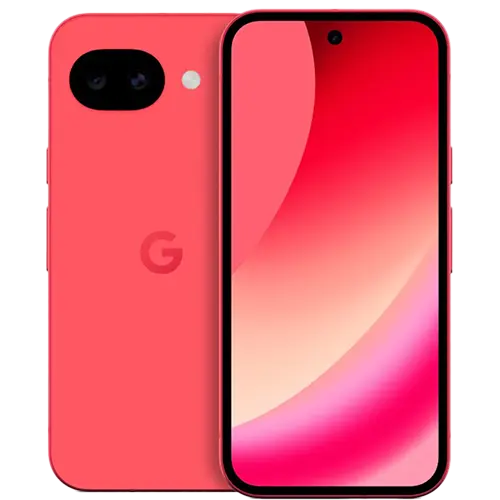
Samsung Galaxy S26 Ultra vs Google Pixel 10 Pro XL

Samsung
Galaxy S26 Ultra
Pixel 10 Pro XL
Ranked #6 of 59
Ranked #38 of 59
Overall
Overall
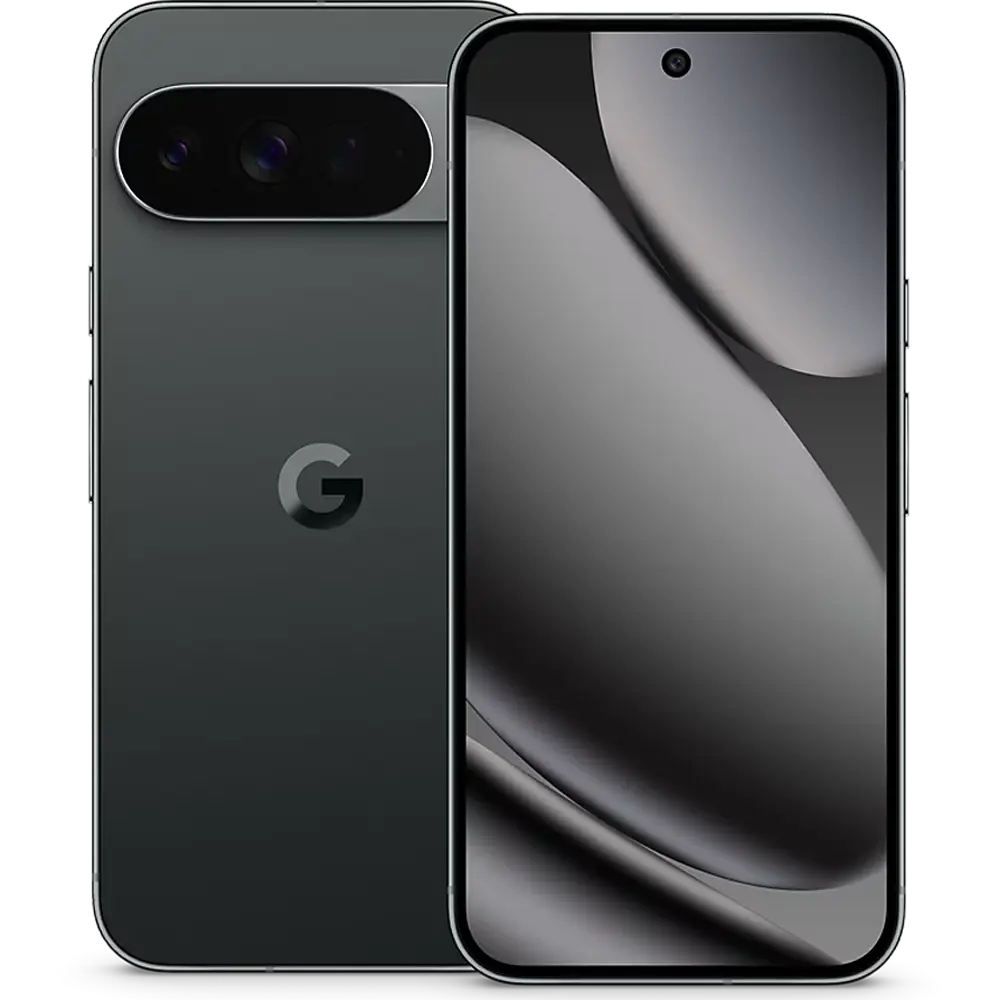
The Samsung Galaxy S26 Ultra and Google Pixel 10 Pro XL are both top-tier Android phones, but they’re pretty different devices. Samsung's phone is the more expensive option at $1,299.99, built around a maximalist camera system with dual telephoto lenses and a focus on raw processing power. Google's Pixel 10 Pro XL at $1,199 leans into computational photography, display quality, and software integration. Both are large-format flagships aimed at buyers who want the best their respective ecosystems offer.
The Galaxy S26 Ultra leads in performance, speaker quality, charging speed, and camera versatility. Its Snapdragon chip delivers substantially more processing headroom. The Pixel 10 Pro XL counters with a brighter, more color-accurate display, better deep zoom consistency, stronger standby battery efficiency, and a microphone that's meaningfully better for calls and voice recording.
Here’s how the Samsung Galaxy S26 Ultra and Google Pixel 10 Pro XL compare.
Design
| Samsung Galaxy S26 Ultra | Google Pixel 10 Pro XL | |
|---|---|---|
| Specifications | ||
| Dimensions | 163.6 x 78.1 x 7.9 mm | 162.8 x 76.6 x 8.5 mm |
| Weight | 214g | 232g |
| IP Rating | IP68 | IP68 |
| Frame | Aluminum | Aluminum |
| Front | Gorilla Armor 2 | Gorilla Glass Victus 2 |
| Back | Gorilla Glass Victus 2 | Glass |
| Screen-to-body ratio | 91.5% | 89.5% |
The Galaxy S26 Ultra measures in at 214g, while the Pixel 10 Pro XL is heavier at 232g. Both carry IP68 water resistance, meaning submersion to 1.5 meters for 30 minutes. Both use USB-C 3.2 ports.
The S26 Ultra has a 6.9-inch display in a body with a 1440 x 3120 resolution at a roughly 19.5:9 aspect ratio. The Pixel 10 Pro XL runs a 6.8-inch panel at 1344 x 2992, also close to a 20:9 aspect. The Pixel's magnetic charging alignment means the back accommodates a magnet array, which partly explains its extra weight.
Bandicoot Lab does not formally test design or durability.
Display
| Samsung Galaxy S26 Ultra | Google Pixel 10 Pro XL | |
|---|---|---|
634/ 881 | 714/ 881 | |
The Pixel 10 Pro XL has the brighter display by a meaningful margin. Its maximum manual brightness reaches 1,435 nits versus 976 nits on the S26 Ultra. For HDR content, the Pixel peaks at 3,405 nits compared to the Samsung's 3,023 nits. Both are bright panels, but you'll notice the difference outdoors with the screen set to manual. The Pixel also holds its HDR brightness better over window sizes: 96.2% stability versus 48.8% at full-screen on the Samsung.
Color accuracy separates these two clearly too. The Pixel 10 Pro XL in its Natural mode delivers colors that are essentially reference-grade. Neutral tones look neutral — there's no visible warmth or coolness to the white point, and individual colors don't drift from their targets. The Samsung in Natural mode shows moderate drift. Colors are generally close but some hues wander enough to notice in side-by-side comparison. In Vivid mode the Samsung covers more of the Display P3 gamut (83% versus the Pixel's 73%), but at the cost of further accuracy degradation. The Pixel doesn't offer a wide-gamut vivid mode in the same way.
Both panels run at 120Hz LTPO with adaptive refresh rates. Resolution is close between the phones — 500 PPI on the Samsung versus 486 PPI on the Pixel. You won't see a difference in sharpness between them at normal viewing distances.
Touch latency averages 15.7ms on the Pixel versus 21ms on the Samsung. That's a 5ms gap, which is small enough that there’s really no perceptive difference.
Performance
| Samsung Galaxy S26 Ultra | Google Pixel 10 Pro XL | |
|---|---|---|
908/ 1012 | 416/ 1012 | |
The Galaxy S26 Ultra runs the Qualcomm Snapdragon 8 Elite Gen 5 with 12GB of RAM. The Pixel 10 Pro XL uses Google's Tensor G5 with 16GB of RAM.
The gap in performance is large. The S26 Ultra scores 3,685 single-core and 11,198 multi-core in GeekBench 6. The Pixel manages 2,305 single-core and 6,192 multi-core. That's a 60% single-core advantage and an 80% multi-core advantage for Samsung. In practice, this translates to faster app launches, quicker photo processing, and smoother multitasking under heavy load. The Pixel isn't slow in daily use, but the Samsung has headroom the Tensor simply can't match.
GPU performance tells a similar story. The S26 Ultra peaks at 7,802 in Wild Life Extreme versus 3,314 on the Pixel. The Samsung throttles to 49.8% of peak under sustained load, while the Pixel holds 79.4%. The Samsung still delivers higher absolute performance even at its throttled floor (about 3,882 versus 2,632), but it runs hotter doing it, reaching 45°C versus 42°C on the Pixel. For sustained gaming sessions, the Samsung is faster but less consistent.
Browser performance shows the widest relative gap. The S26 Ultra scores 46 in Speedometer versus 15.6 on the Pixel. That's nearly three times the throughput for web-heavy JavaScript tasks. You'll feel this in complex web apps and heavy pages.
Camera
| Samsung Galaxy S26 Ultra (Overall) | Google Pixel 10 Pro XL (Overall) | |
|---|---|---|
| Specifications | ||
| Main | 200MP, f/1.4, 23mm, 1/1.3" | 50MP, f/1.7, 25mm, 1/1.31" |
| Ultrawide | 50MP, f/1.9, 14mm, 1/2.5" | 48MP, f/1.7, 13mm, 1/2.55" |
| Telephoto | 10MP, f/2.4, 67mm, 1/3.94" | 48MP, f/2.8, 113mm, 1/2.55" |
| Telephoto (Long) | 50MP, f/2.9, 111mm, 1/2.52" | — |
| Front | 12MP, f/2.2, 23mm, 1/3.2" | 42MP, f/2.2, 17mm |
Both phones produce sharp, detailed images from their main cameras. The Galaxy S26 Ultra has the more complex system, made up of a main lens, ultrawide, short telephoto, and long telephoto. The Pixel 10 Pro XL carries a main, ultrawide, and single telephoto. In terms of overall sharpness, both deliver high detail at standard focal lengths. The Samsung's main lens is slightly sharper in bright light, while the Pixel edges ahead in low light at 1x. Where they really diverge is zoom behavior and color processing.
At extremely deep zoom levels (80x and beyond), the Pixel 10 Pro XL maintains more consistent sharpness. The Samsung's detail falls off steeply past 60x, relying on aggressive digital processing that produces visible artifacts. The Pixel's output at 80x and 100x holds together better, with less artificial sharpening and more natural texture. For someone who regularly crops or zooms to extreme levels, the Pixel delivers more usable results despite lacking the Samsung's dedicated periscope optics at those distances.
Color character differs between the two. Both phones push saturation in their processed output. The Samsung leans vivid but relatively neutral in hue across bright lighting, with saturation running about 20% above reference. The Pixel pushes even harder, running over 30% saturated in bright light with a noticeable warm-yellow shift. Both produce punchy, social-media-ready colors that depart from what the scene actually looked like.
Main
| Samsung Galaxy S26 Ultra (Main) | Google Pixel 10 Pro XL (Main) | |
|---|---|---|
711/ 722 | 517/ 722 | |
The Samsung's main camera produces high sharpness in bright and mid lighting. As light drops, it holds detail well, though there's a modest decline. The Pixel matches or slightly exceeds the Samsung in low-light sharpness at 1x, producing images with good edge definition even at 10 lux.
Color accuracy in processed shots diverges by lighting condition. In bright light, the Samsung pushes skin tones noticeably warm and saturated. Faces look flushed. The Pixel also oversaturates skin tones in bright light and adds a yellow-warm cast. Both get worse than their raw capture suggests they should, which points to processing choices rather than sensor limitations. In mid lighting (4000K, 100 lux), the Samsung shows rising magenta bias in its processing. The Pixel shifts toward yellow in the same conditions, with skin tones drifting significantly warm. The Pixel's yellow bias grows as the lighting gets warmer, which indicates a white balance correction issue rather than a sensor-level problem. In low light, the Samsung's hue errors increase modestly, while the Pixel pushes magenta into skin tones along with increased saturation.
Dynamic range from the Samsung's main camera is strong. High-contrast scenes retain shadow detail without flattening highlights, and the tonal transitions feel natural. The Pixel compresses its dynamic range more aggressively, which preserves shadow information but can make high-contrast scenes look flatter. The Samsung holds more highlight texture before clipping.
Ultrawide
| Samsung Galaxy S26 Ultra (Ultrawide) | Google Pixel 10 Pro XL (Ultrawide) | |
|---|---|---|
542/ 722 | 479/ 722 | |
The Pixel 10 Pro XL's ultrawide is sharper overall, producing high detail in both bright and mid lighting that nearly matches its own main camera. The Samsung's ultrawide is good but shows a more noticeable drop from its main lens.
Color behavior on the ultrawide follows each phone's general character. The Samsung's ultrawide stays relatively controlled in bright light, with vivid but not dramatically skewed colors. In mid and low light, it develops a slight magenta lean in processing but stays more accurate than the Pixel. The Pixel's ultrawide pushes warm-yellow in all lighting conditions, with a pronounced shift in dark scenes that adds both magenta and yellow, making indoor low-light ultrawide shots look distinctly different from reality. This is the same white balance correction issue visible in the Pixel's main lens, amplified.
Dynamic range is similar between the two at the ultrawide focal length. Both capture reasonable shadow detail in high-contrast scenes, with neither showing a large advantage.
Telephoto
| Samsung Galaxy S26 Ultra (Telephoto Short) | Samsung Galaxy S26 Ultra (Telephoto Long) | Google Pixel 10 Pro XL (Telephoto) | |
|---|---|---|---|
589/ 722 | 676/ 722 | 471/ 722 | |
The Samsung Galaxy S26 Ultra has two telephoto lenses: a 3x telephotoand a 5x telephoto. The Pixel 10 Pro XL has a single telephoto at roughly 5x.
At 5x in bright light, the Samsung's long telephoto is extremely sharp. The Pixel's 5x is also very good, though the Samsung holds an edge in measured detail. At 10x, the Samsung delivers high sharpness since it's still working from its optical telephoto. The Pixel manages well at 10x too, maintaining strong detail through computational upscaling. As zoom extends to 20x and 30x, the Samsung maintains an advantage thanks to its optical foundation, but the gap narrows because both phones increasingly rely on digital processing.
The Samsung's short telephoto (3x) delivers good color accuracy across lighting conditions, with skin tones staying closer to reference than its main lens. The long telephoto also produces good color in bright and mid light but struggles significantly in low light, where skin tones drift warm and saturation drops. The Pixel's telephoto pushes heavy saturation across all lighting (over 30% above reference in bright and mid), with a strong warm-yellow shift that grows as lighting gets warmer. Skin tones on the Pixel telephoto look noticeably orange-warm in indoor lighting. The rising yellow bias as color temperature drops again points to white balance overcorrection.
For stabilization, the Samsung's short telephoto performs well in video. The Pixel's telephoto stabilization is less controlled, with more visible movement in handheld footage.
Front
| Samsung Galaxy S26 Ultra (Front) | Google Pixel 10 Pro XL (Front) | |
|---|---|---|
415/ 722 | 347/ 722 | |
The Pixel 10 Pro XL's front camera is sharper than the Samsung's across all lighting conditions. In bright light, the Pixel delivers high detail with good edge definition. The Samsung's selfie camera is adequate but visibly softer.
Color is where the front cameras diverge most. The Samsung's front camera produces moderate saturation with relatively contained hue errors in bright light. In low light, it shifts cool-blue, which is unusual compared to the warm bias of its rear cameras. The Pixel's front camera has a strong warm-yellow bias that intensifies dramatically in low light. In dark conditions, the Pixel adds a large magenta-warm shift to skin tones and pushes saturation up, making low-light selfies look distinctly processed and warm-toned. This is the most aggressive color error from either phone's camera system.
Dynamic range favors the Pixel's front camera. It recovers more highlight and shadow detail in high-contrast selfie scenarios, keeping backlit scenes more balanced. The Samsung's front camera clips highlights more readily.
Battery
| Samsung Galaxy S26 Ultra | Google Pixel 10 Pro XL | |
|---|---|---|
539/ 799 | 492/ 799 | |
The Galaxy S26 Ultra carries a 5,000mAh battery. The Pixel 10 Pro XL has a larger 5,200mAh cell.
In video playback at 200 nits, the Samsung lasts 31 hours and 34 minutes. The Pixel manages 23 hours and 19 minutes. That's over eight hours more from the Samsung, which is a substantial difference. For a long-haul flight or a day of heavy media consumption, the Samsung will outlast the Pixel by a wide margin.
Web browsing drain over five hours is nearly identical though, hitting 24% on the Samsung versus 25% on the Pixel. Both will get you through a full workday of mixed browsing and messaging without concern.
Gaming is more demanding. The Samsung drains 24% during the stress test (60 loops of Wild Life Extreme), while the Pixel drains 27%. The Samsung's advantage here is modest but consistent with its more efficient GPU power management despite running harder workloads.
Standby is where the Pixel excels. It drains just 2% over eight hours of overnight idle, compared to 10% on the Samsung, which is high enough to be quite unusual. That's a significant difference if you tend to leave your phone unplugged overnight.
The Samsung wins on screen-on endurance, particularly video playback, while the Pixel is far better at preserving charge when you're not using it.
Charging
| Samsung Galaxy S26 Ultra | Google Pixel 10 Pro XL | |
|---|---|---|
486/ 837 | 403/ 837 | |
The Galaxy S26 Ultra supports 60W wired and 25W wireless charging. The Pixel 10 Pro XL supports 45W wired and 15W wireless with Qi2 magnetic alignment.
The Samsung's faster wired charging shows clearly in the numbers, reaching 34% in 10 minutes versus 25% for the Pixel. At 30 minutes, the Samsung reaches 79% compared to 70% on the Pixel. If you need a quick top-up before heading out, the Samsung gives you meaningfully more capacity in the same timeframe.
Wireless charging follows a similar pattern. The Samsung reaches 18% in 10 minutes and 44% in 30 minutes. The Pixel gets to 12% and 39% in the same intervals. The Pixel's wireless charging is slower but supports Qi2 magnetic alignment, which means it snaps into place on compatible chargers without fumbling for the sweet spot. The Samsung charges faster wirelessly but requires manual positioning.
Speaker
| Samsung Galaxy S26 Ultra | Google Pixel 10 Pro XL | |
|---|---|---|
857/ 897 | 645/ 897 | |
Both phones get loud. The Pixel reaches 75.8 dBA maximum volume, nearly identical to the Samsung's 75.3 dBA. You won't hear a difference in loudness between them.
Sound quality is where the Samsung separates itself. Its speaker system produces clean output with very low distortion at 3.3% average THD. The Pixel's distortion is considerably higher at 10.1% average THD, meaning it breaks up noticeably at high volumes. The Samsung's output stays composed where the Pixel starts to sound harsh.
The Samsung's speaker character combines full bass with good high-frequency clarity. It's a well-rounded speaker that doesn't sacrifice low-end warmth for treble detail. The Pixel's speaker has less bass presence and less clarity in the upper frequencies, producing a thinner, less satisfying sound. For media consumption without headphones, the Samsung is the clearly better experience.
Microphone
| Samsung Galaxy S26 Ultra | Google Pixel 10 Pro XL | |
|---|---|---|
566/ 1220 | 713/ 1220 |
The Pixel 10 Pro XL's microphone produces more even, balanced audio with less variation across the frequency range. It handles voice calls and recordings with consistent quality. The Samsung's microphone shows more unevenness in its frequency response, which can make voice quality sound less natural in calls and recordings. Both are adequate for calls, but the Pixel is the better choice if you record voice memos, take video with important audio, or spend significant time on calls.
Other
| Samsung Galaxy S26 Ultra | Google Pixel 10 Pro XL | |
|---|---|---|
| Biometrics | 764/ 1181 | 491/ 1181 |
| Data Transfer | 737/ 877 | 263/ 877 |
| Specifications | ||
| Biometric type | Fingerprint | Fingerprint |
| Ports | USB-C 3.2 | USB-C 3.2 |
| Storage | 256GB, 512GB, 1TB | 256GB, 512GB, 1TB |
Both phones use ultrasonic fingerprint sensors under the display. The Samsung unlocks faster at 138ms average versus 214ms on the Pixel. The Samsung's sensor feels nearly instant; the Pixel's has a brief pause. Neither phone has hardware-based face unlock.
Data transfer speeds differ substantially. The Samsung reads large files at 332 MB/s and writes at 274 MB/s. The Pixel reads at 105 MB/s and writes at 131 MB/s. For transferring photos, videos, or backups over USB, the Samsung is roughly three times faster. Small file performance shows an even larger gap. Both use USB-C 3.2, so the bottleneck is storage controller performance. The Samsung is available in 256GB, 512GB, and 1TB configurations. The Pixel comes in 128GB, 256GB, and 512GB options.
Conclusion
The Galaxy S26 Ultra is the more capable phone in raw performance, charging speed, speaker quality, battery endurance during active use, camera versatility, and data transfer. Its dual telephoto system provides optical reach that the Pixel simply doesn't have, and its Snapdragon chip delivers processing power that matters for heavy multitasking, gaming, and demanding apps. The fingerprint sensor is faster, the speakers sound better, and the camera produces stronger dynamic range from its main and telephoto lenses.
The Pixel 10 Pro XL wins on display brightness and color accuracy, standby battery efficiency, deep zoom consistency, front camera sharpness, and microphone quality. If you value an accurate display for photo editing or content work, the Pixel is the better option.
The $100 price difference favors the Pixel though. If processing power, camera system breadth, and speaker quality drive your decision, the Samsung justifies its premium. If display accuracy, deep zoom reliability, and overnight battery preservation matter more, the Pixel delivers those at a lower price with 16GB of RAM to the Samsung's 12GB. Both are excellent phones with distinct strengths. Your priorities should pick the winner.
Related
Pixel 10 Pro XL
Samsung
Galaxy S26 Ultra
Samsung
Galaxy S26+
Samsung
Galaxy Z Fold 8 Ultra
Samsung
Galaxy Z Fold 8
Samsung
Galaxy S26
Pixel 11 Pro XL
Pixel 11 Pro
Pixel 11
Pixel 11 Pro Fold
Pixel 10 Pro Fold