Best-Performing Phones

RedMagic
Samsung
Poco
Samsung
11S Pro
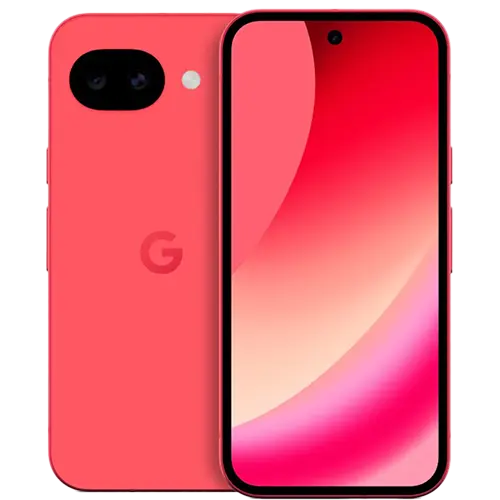
Pixel 10a
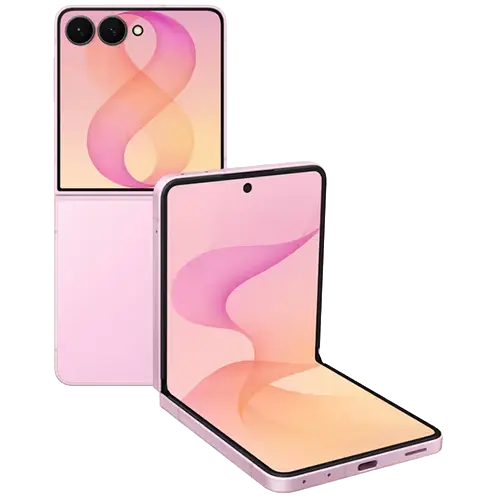
Galaxy Z Flip 8
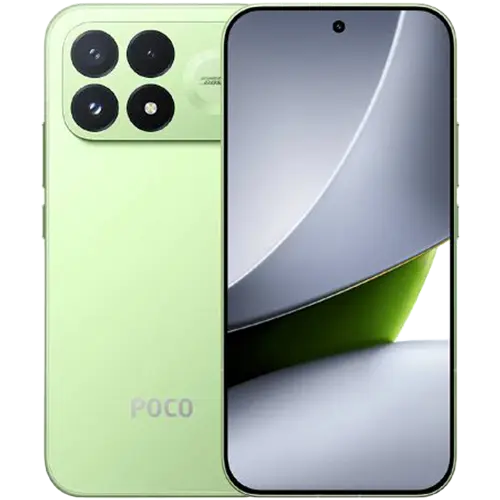
F9 Pro
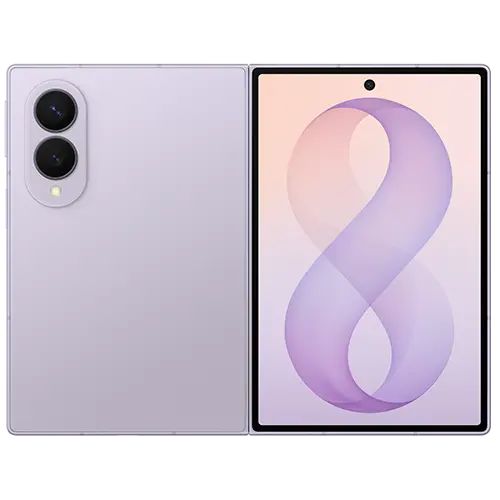
Galaxy Z Fold 8
Ranked #13 of 61
Ranked #51 of 61
Ranked #26 of 61
Ranked #3 of 61
Ranked #19 of 61
Overall
Overall
Overall
Overall
Overall
The best-performing phones are able to handle heavy multi-tasking, mobile gaming, and more. This list ranks phones by raw performance, evaluating CPU throughput, GPU rendering, and sustained workload handling. Whether you need fast app launches, smooth multitasking, or high frame rates in demanding games, the devices here represent the strongest options.
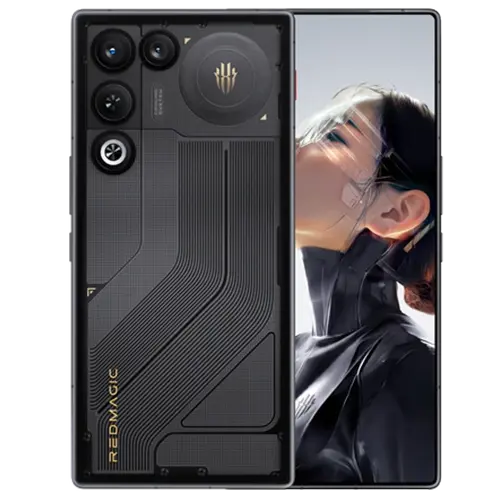
The RedMagic 11S Pro takes the top spot overall, combining excellent single-core and multi-core scores with strong GPU output and efficient thermal management.
Beyond the slab phones, the Galaxy Z Fold 8 proves that foldables no longer trail behind in processing power, and the Google Pixel 10a offers impressive speed for under $500. Here’s our full list of the best-performing phones right now.
Best-Performing Phone Overall

The RedMagic 11S Pro posts the highest GPU performance scores we've measured across the devices we’ve tested — and those aren't close calls. Its GPU benchmark clears the Samsung Galaxy S26+'s equivalent result by roughly 3%. Where the S26+ narrows the gap is single-core CPU. The RedMagic's strength is sustained, parallel workloads — rendering, inference, gaming frames — not peak single-threaded bursts.
That sustained GPU performance holds up under pressure too. Wild Life Extreme stability sits at 81%, meaningfully higher than the S26+'s 59.5% and the Honor Magic8 Pro's 64.1%. You'll feel that difference across long gaming sessions, not just in benchmarks. Much of this performance has to do with the built-in fan, which keeps everything nice and cool.
The trade-offs are significant. Speaker output is weak. Camera performance is only fine. Battery drain during gaming is steep — 53% over our test period versus 25–30% on comparable rivals. The 7500mAh cell and 80W charging recover ground fast, but the drain rate is what it is.
If the use case is maximum sustained processing performance, this is the phone.
Best CPU Performance in a Phone
The Galaxy Z Flip 8 posts the highest CPU scores we've measured — single-core and multi-core both. GeekBench 6 single-core jumped roughly 57% over the Z Flip 7's Exynos 2500, with multi-core up about 34%. Web browsing benchmarks roughly doubled. It matches the larger Z Fold 8 almost exactly in raw CPU output despite a much smaller chassis and a $700 lower price.
GPU performance doesn't follow — it falls in the bottom fifth of our database, and thermal sustainability is poor. The phone drops over 60% of its peak graphics output under sustained load. The Honor Magic8 Pro, running the same Snapdragon 8 Elite Gen 5, retains far more GPU performance over time thanks to a larger body with better thermal headroom. You'll feel this in extended gaming sessions, where frame rates degrade as the phone heats up.
Charging is genuinely slow. 25W wired and 15W wireless in a $1,200 phone is hard to justify when the Honor offers 120W wired at a similar price.
For CPU-bound work — browsing, app launches, multitasking — this is the fastest phone you can fold in half. Sustained GPU loads hit a wall quickly.
Best-Performing Foldable Phone
The Samsung Galaxy Z Fold 8 may not beat the Z Flip 8 in CPU performance, but its overall performance beats any other foldable. GeekBench 6 multi-core hits 11,070, and app launches, split-screen multitasking, and productivity workloads on the 7.6-inch inner display all feel fast.
GPU performance lags behind some others though. Sustained stability is just 47.1%, so extended gaming sessions lose roughly half their peak frame rate over time. The Honor Magic V6, at a similar price, holds GPU output more consistently despite lower peak CPU numbers. The Galaxy Z Flip 8, at $700 less, delivers nearly identical CPU scores — the Fold's advantage over the Flip is screen size, not processing headroom.
Touch latency measures 16.3 milliseconds, keeping the display responsive during demanding tasks. Gaming battery drain is 19% per hour, reasonable for a foldable this size.
Camera quality sits in the bottom third of our database — well behind both the Z Fold 8 Ultra and the Honor Magic V6. Charging tops out at 45W, slow for a $1,900 phone; the Magic V6's 80W wired gets you there almost twice as fast. You're paying for the best CPU in a foldable form factor. The rest of the package doesn't match that level.
Best-Performing Phone Under $800

A Snapdragon 8 Elite Gen 5 at a much lower price is the headline here. GeekBench comes in at 3,411 single-core and 10,347 multi-core — roughly 800 points ahead of the OnePlus 15R's multi-core score at the identical price, and with a GPU result about 45% higher than the iPhone 17e manages at $599. Sustained load holds around 76% stability, so throttling under long gaming sessions is moderate rather than negligible.
The RedMagic 11S Pro does beat it on raw performance, with a stronger GPU and better stability under load. It also costs a fair bit more and lands near the bottom of our speaker rankings, while the Poco's speakers sit near the top. For most people, that trade favors the Poco.
The rest of the phone mostly holds up. The fingerprint reader unlocks incredibly quickly and the display pushes past 10,000 nits peak HDR brightness, which you'll actually notice in sunlight. Battery life and camera are middle of the field: fine, not standouts, and a gaming session drains the 6330mAh cell faster than the OnePlus 15R's larger battery. Microphone quality sits in the bottom third, so it's not the pick if you record a lot of voice.
Best-Performing Phone Under $500
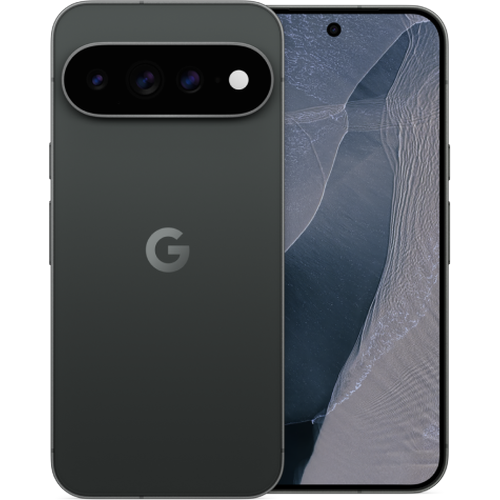
The Pixel 10a's Tensor G4 posts a GeekBench 6 single-core score of 1,716 — about 25% higher than the Nothing Phone (4a) Pro at the same $499 price. Multi-core is closer at 4,385 versus 4,313, but single-threaded tasks like app launches and UI transitions feel noticeably snappier. GPU performance follows a similar pattern, with roughly 28% more headroom in graphics benchmarks.
This isn't flagship territory. The Poco F9 Pro at $699 more than doubles the Pixel's GPU output. The sub-$500 performance tier is thin, and the Pixel leads it by being slightly less compromised than its direct competitors — not by being genuinely fast.
Thermal management is a weak spot. The Tensor G4 holds 82.6% stability under sustained GPU load, while the Nothing Phone (4a) Pro manages 99.2% with its cooler-running Snapdragon 7 Gen 4. You'll notice this in longer gaming sessions where the Pixel throttles more aggressively.
Battery and charging are middling. 30-watt wired is slow for the price, wireless tops out at 10 watts, and the 5,100mAh cell covers a day without much margin. If camera quality or battery endurance matter more to you, the Nothing Phone (4a) Pro is the stronger $499 buy overall. The Pixel's edge is strictly in raw processing throughput.
FAQ
What should I look for in a phone if I care about sustained gaming performance, not just benchmark peaks?
GPU stability under sustained load matters more than raw benchmark scores for long gaming sessions. The RedMagic 11S Pro holds 81% of its peak GPU performance under extended stress, compared to 59.5% for the Samsung Galaxy S26+ and 64.1% for the Honor Magic8 Pro. A phone that throttles heavily mid-session will drop frames even if its peak numbers look impressive.
How does the RedMagic 11 Air compare to the RedMagic 11S Pro, and is it worth saving the money?
The 11 Air costs $529 and delivers strong GPU and AI performance for the price, but its single-core CPU scores sit noticeably behind the 11S Pro. The bigger practical difference is gaming battery drain: the 11 Air loses 37% during an extended gaming session versus 53% for the 11S Pro, so the cheaper phone actually lasts longer under load. If maximum sustained GPU performance is essential, the 11S Pro leads; for most gaming use at a lower price, the 11 Air holds up well.
Related
Samsung
Galaxy Z Fold 8
Samsung
Galaxy Z Flip 8
RedMagic
11S Pro
Poco
F9 Pro
Pixel 10a
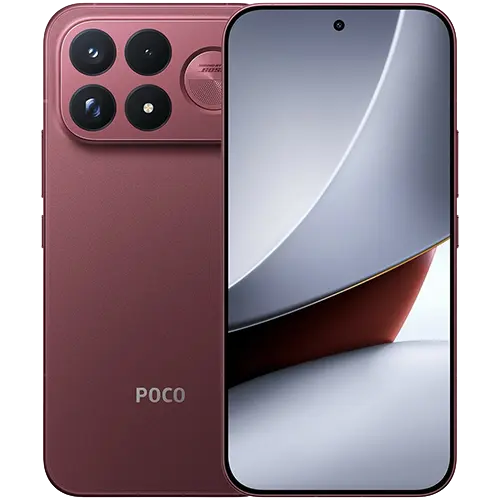
Poco
F9 Ultra

Samsung
Galaxy S26 Ultra
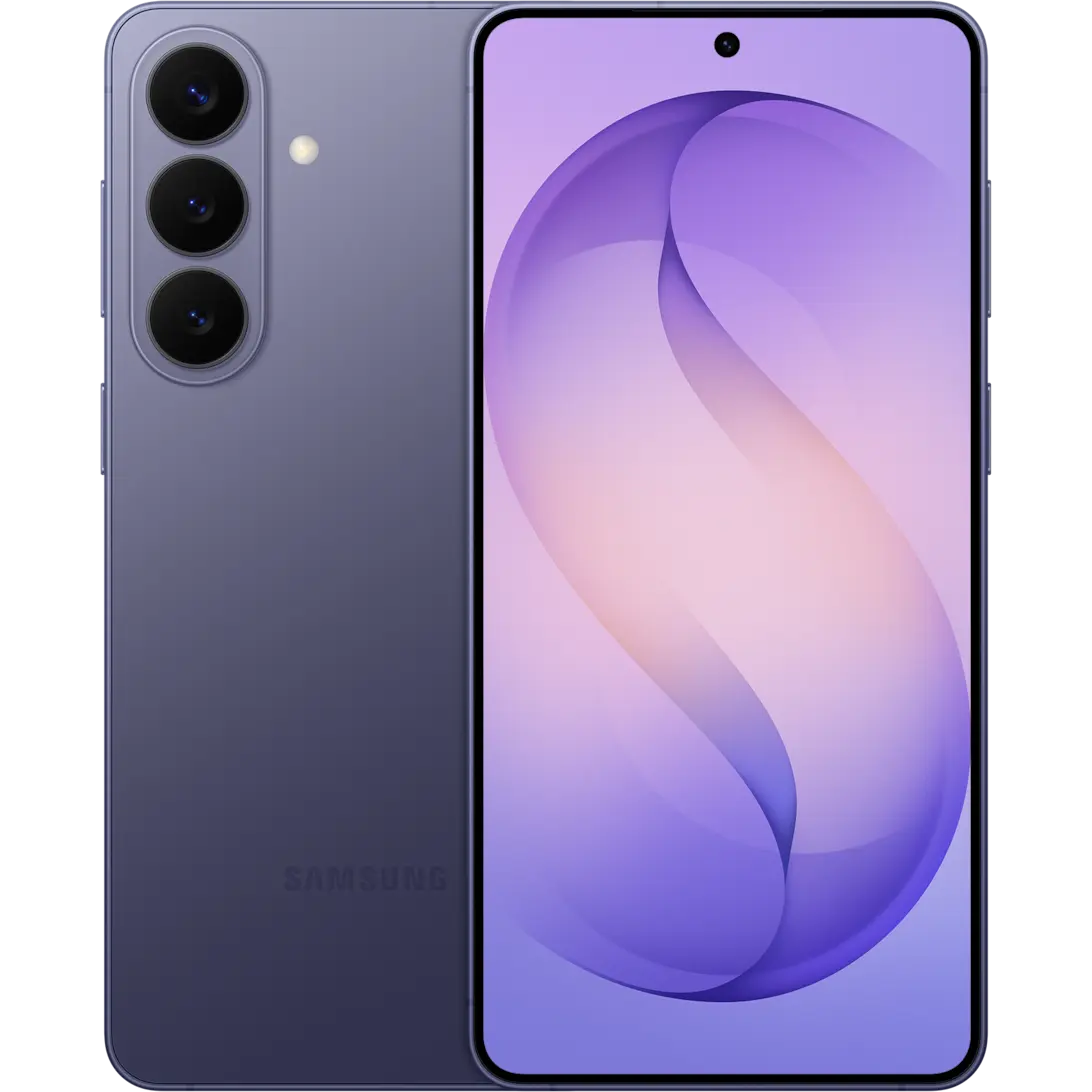
Samsung
Galaxy S26+
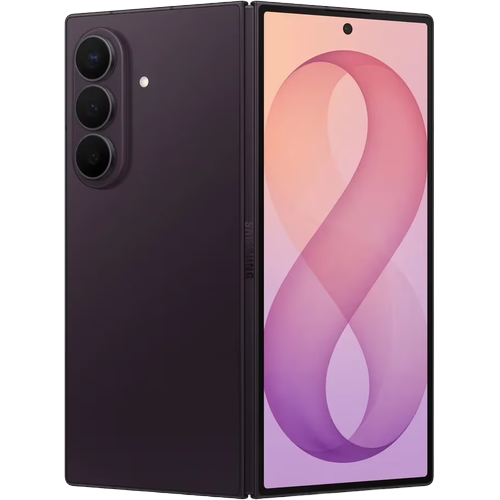
Samsung
Galaxy Z Fold 8 Ultra
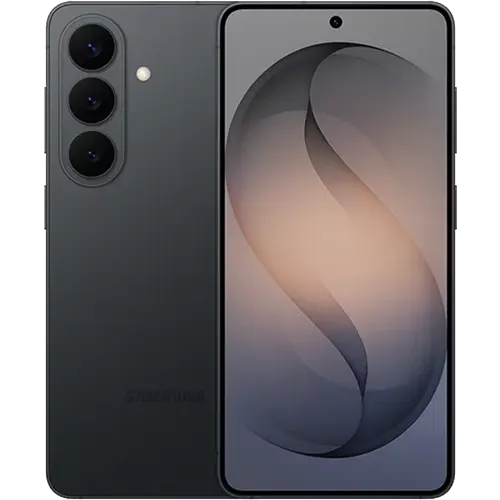
Samsung
Galaxy S26
Pixel 11 Pro XL
RedMagic