Best Android Phones


Poco
Xiaomi
Honor
Samsung
Nothing
RedMagic
F9 Ultra
17 Ultra
Magic V6
Galaxy S26 Ultra
Pixel 11 Pro XL
Phone (4a) Pro
11S Pro
Pixel 11 Pro
Ranked #1 of 61
Ranked #10 of 61
Ranked #9 of 61
Ranked #7 of 61
Ranked #24 of 61
Ranked #46 of 61
Ranked #13 of 61
Ranked #31 of 61
Overall
Overall
Overall
Overall
Overall
Overall
Overall
Overall
Android phones span a huge range of prices, screen sizes, and feature sets. Whether you prioritize camera, performance, display quality, or something else, there should be something for you. We’ve tested many of the top Android phones available right now, and in this guide we rank them for a variety of different situations.
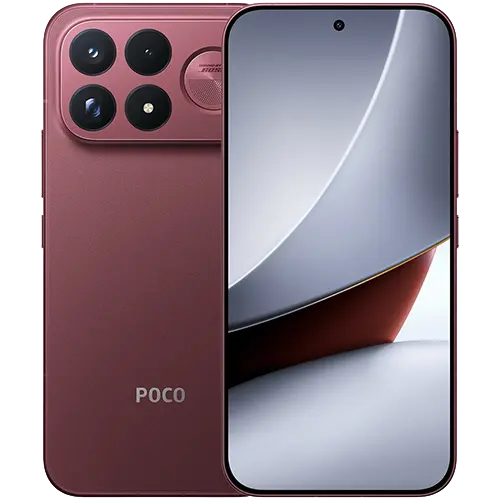
The Poco F9 Ultra takes the top spot as the best Android phone overall, pairing strong all-around performance with a great display and excellent battery life. For photography-focused users, the Xiaomi 17 Ultra stands out with its camera hardware and processing, earning the best Android camera phone slot. Budget-conscious buyers will find the Nothing Phone (4a) Pro a compelling option under $500, delivering solid specs without major sacrifices.
The list also covers foldables, display quality, and brand-specific picks for Samsung and Google Pixel fans. The Honor Magic V6 leads among foldables, while the Samsung Galaxy S26 Ultra and Google Pixel 11 Pro XL represent the best from their respective lineups. Scores update automatically as new devices and data become available, so rankings may shift over time.
Best Android Phone


The Poco F9 Ultra is the most well-rounded Android phone we’ve tested so far. It hits almost 43 hours of video playback on a single charge — about seven hours more than the Honor Magic8 Pro and eleven more than the Galaxy S26 Ultra, both of which cost $500 more. When you do run dry, 100W wired charging keeps the downtime short.
The display is the other headline. Peak HDR brightness hits 11,983 nits, roughly four times what the S26 Ultra's panel manages, and the 185Hz refresh rate makes scrolling feel effortless. Connectivity is the strongest we've tested, with download speeds past 400 MB/s — more than ten times what the cheaper Poco F9 Pro achieves.
The camera is good, not great. The main lens produces sharp shots in bright light, but its dynamic range falls well short of the S26 Ultra — bright skies clip where Samsung holds detail — and the ultrawide and telephoto trail the premium competition on sharpness. The microphone sits near the bottom of our database; voice memos and video audio sound noticeably worse than most phones here.
At $799, those are easy compromises. You're getting flagship-tier results in the categories you'll notice daily.
Best Android Camera Phone

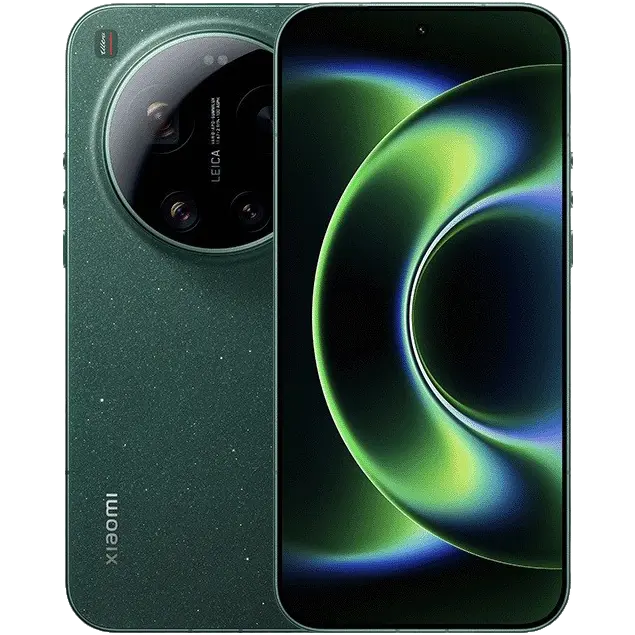
The Xiaomi 17 Ultra takes the camera slot because it leads our entire database in overall camera score — no other phone here comes close, with the next-best camera on this page belonging to the Samsung Galaxy S26 Ultra, which sits a meaningful distance behind.
Performance is strong too. Its Snapdragon 8 Elite Gen 5 posts GeekBench multi-core numbers (11,173) in line with the Honor Magic8 Pro and Samsung Galaxy S26 Ultra, so it's competitive at the top of the pack.
Battery life is also solid, though not as impressive as some. At around 31 hours of video playback, it falls short of the Poco F9 Ultra, and standby drain of 9% overnight is higher than most phones here. The display also scores below our database average, with a manual brightness ceiling of 621 nits — notably dimmer than the Honor Magic7 Pro's 831 nits or the Samsung's 976 nits. Microphone recordings showed slightly more frequency variation than average as well.
If camera output is your primary criterion and you're buying at this price point, the 17 Ultra is the straightforward choice. If battery life or display quality matter as much, the trade-offs are real.
Best Android Foldable
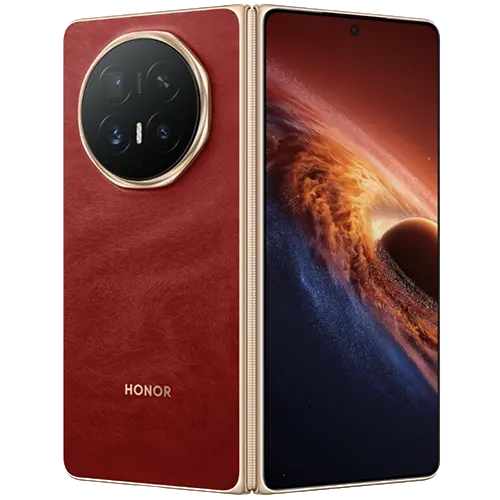
The Magic V6 runs the Snapdragon 8 Elite Gen 5, and the performance gap over other foldables is pretty significant. Its multi-core score of 9,922 puts it well ahead of the Galaxy Z Fold 7's 69,751 — a meaningful gap for on-device AI tasks. The Z Fold 7 also caps out at 25W wired charging; the V6 does 80W, hitting 67% in 30 minutes. That difference is hard to ignore at the same $1,999 price.
The 7.95-inch inner display peaks at 4,734 nits, which holds up under direct sunlight in a way most foldable panels don't. Biometrics are fast and consistent across conditions. Connectivity is solid, though not class-leading.
Battery is slightly mixed. The 6,660mAh cell delivers about 30 hours of video on the inner screen, which sounds adequate — but the V6 ranks well down the battery table, and in practice that larger SoC draws harder under load. You'll likely need to top up daily with mixed use.
The Motorola Razr Fold has better display color rendering and cleaner speaker output. If those matter more to you than raw processing headroom, it's worth a look. For sheer compute performance in a foldable, the Magic V6 doesn't have much competition.
Best Samsung Phone
The Galaxy S26 Ultra takes the Samsung slot here on the strength of a well-rounded performance profile that holds up across most of our testing categories. It ranks highly overall in our database, and in several areas it genuinely leads.
Performance is one of the best things about the phone, with a GeekBench 6 multi-core score of 11,198 puts it just in line with the Poco F9 Ultra.
The S26 Ultra won't last as long on a charge as some alternatives. At just over 31.5 hours of video playback, it trails the F9 Ultra noticeably.
If you're committed to Samsung's ecosystem, this is the strongest option we've tested.
Best Google Pixel

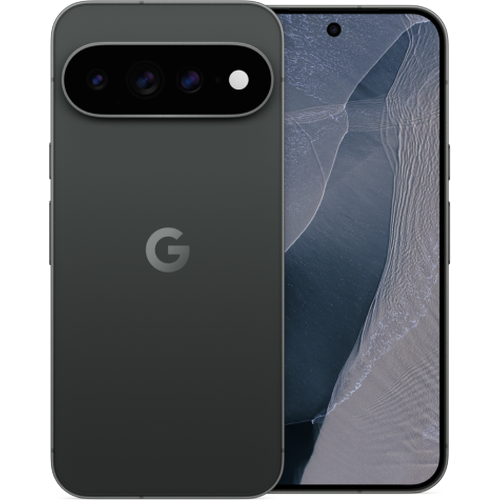
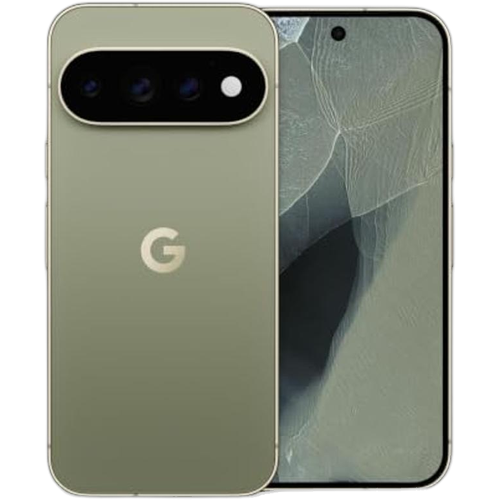
The Google Pixel 11 Pro XL is the best Pixel we’ve tested yet. The speakers here are the best we've measured on any phone — high maximum volume with distortion low enough that music stays clean when you push it. The Pixel 10 Pro XL was rough at full volume; this generation cleans that up considerably. The microphone array is nearly as strong, sitting in our top five.
The 6.8" display peaks at 3,577 nits in HDR and holds accurate color, though the smaller Pixel 11 Pro actually has the better panel — the most accurate we've tested — for $200 less. What the XL adds is battery and audio: 28.75 hours of video playback against the sibling's 26.32, plus 45W wired charging instead of 30W.
That said, the Galaxy S26 Ultra costs the same $1,299 and beats this phone in most categories that aren't audio. Its Snapdragon chip posts a GeekBench multi-core score of 11,198 to the Tensor G6's 7,269, and its camera system is both sharper and more versatile. The Pixel's camera results are middling for a flagship — fine in good light, unremarkable overall.
So this is the pick if you're committed to Pixel software and want the big-phone version. It's a genuinely pleasant device to watch and listen to. It's just not the fastest thing at this price.
Best Android Phone Under $500
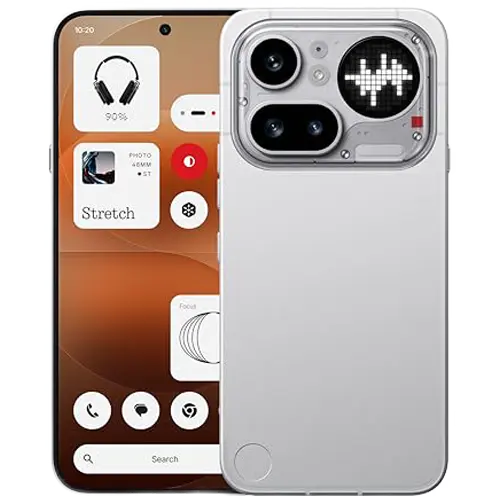
The Nothing Phone (4a) Pro's main camera resolves detail at a level that clears most of what you'll find under $500 by a noticeable margin, and the front camera gap is even wider — roughly double the sharpness of the Nothing Phone (4a)'s selfie camera, which matters if video calls or self-shot content are part of your daily use. That's the real case for this phone: it's a camera-first device priced for people who don't want to spend flagship money to get flagship-adjacent stills.
Everything else is more measured. Battery life runs about 26 hours of continuous video playback, which is solid without being exceptional. The 144Hz AMOLED panel peaks at 1,755 nits in HDR — usable in sunlight, though well below what the Pixel 10a's display reaches at the same price. Performance is genuinely underwhelming for a $499 phone, and connectivity sits near the bottom of what we've tested. Charging is 50W but the score reflects slower real-world replenishment than that wattage suggests.
The overall score is low enough that this isn't a recommendation for someone who wants a well-rounded device. If the camera is the priority and the budget is firm at $499, the case is clear. Otherwise, the trade-offs are significant enough to be worth sitting with.
Best Android Performance

The RedMagic 11S Pro's GPU performance is in a different class from anything else we've tested on Android. In sustained GPU workloads, it maintains 81% of its peak frame rate across the test duration — the Samsung Galaxy S26 Ultra, running the same Snapdragon 8 Elite Gen 5 chip, holds under 50%. That gap matters in extended gaming sessions and GPU-heavy apps stay smooth where other phones visibly stutter and throttle. It’s likely due, of course, to the built-in fan for cooling.
Multi-core CPU scores and AI inference are strong across the board, and touch latency is tight — under 12ms, which you'll feel in fast-paced games. These aren't the differentiators, though. It's the GPU that separates this phone from the field.
The trade-offs are significant and worth being direct about. Battery drain during gaming is severe — over half the charge in a single session, roughly twice the rate of the S26 Ultra under the same load. Speaker quality is poor; if audio matters, plan for headphones. Camera performance is below average for this price range, and the display sits in the middle of the pack for a device at $849.
This is a purpose-built gaming phone. It excels at the one thing it's designed for, and it's genuinely the best Android option if sustained GPU performance is the priority.
Best Android Phone Display

Peak HDR brightness of 3,594 nits, a max manual brightness of 1,398 nits, and color accuracy close enough to reference that you'd need lab equipment to find fault. That combination is what puts the Pixel 11 Pro's 6.3" LTPO OLED at the top of our display database, ahead of dozens of other panels we've tested.
The Poco F9 Ultra actually gets much brighter in HDR, but its manual brightness tops out much lower than the Pixel's, which is the number that matters when you're reading the screen in direct sun. The Pixel 11 Pro also posts roughly half the color error of its larger sibling, the Pixel 11 Pro XL, and brightness holds steady rather than sagging as the panel warms up. The 120Hz refresh and low touch latency keep scrolling smooth, though the XL is a hair quicker to register taps — not a difference you'd feel.
The rest of the phone doesn't match the screen. The Tensor G6 sits in the bottom half of our performance rankings, battery life of about 26 hours of video playback is unremarkable at $1,099, and 30W wired charging is slow for the price. You're paying for the panel, and the panel delivers.
FAQ
Which Android phone has the best battery life?
The Poco F9 Ultra leads on battery endurance, delivering 43 hours of continuous video playback. That comfortably clears two full days of typical use.
What should I look for in an Android phone if camera quality is my top priority?
Look beyond megapixels to how a phone handles sharpness across its lens system, low-light processing, and front camera quality for video calls. Checking whether a phone leads its price tier in detail resolution — both main and selfie cameras — gives a clearer picture than specs alone. The Xiaomi 17 Ultra leads the field in overall camera performance, with the Samsung Galaxy S26 Ultra as the next-closest option.
Is the Honor Magic V6 worth buying over the Galaxy Z Fold 7?
The Magic V6 charges significantly faster — 80W versus the Z Fold 7's 25W cap, reaching 67% in 30 minutes. The trade-off is battery life — the V6 ranks well down the battery table despite its 6,660mAh cell, so you'll likely charge it daily with heavy use.
Is the Nothing Phone (4a) Pro actually worth it under $500, or are the trade-offs too much?
The (4a) Pro makes the most sense if camera output is the main priority at that price. Its main camera resolves noticeably more detail than most sub-$500 competition, and the front camera is roughly double the sharpness of the standard Nothing Phone (4a)'s selfie camera. However, performance is underwhelming for $499, connectivity sits near the bottom of tested devices, and the overall score is low enough that buyers wanting a well-rounded phone should consider alternatives.
What makes the RedMagic 11S Pro different from other high-performance Android phones?
The 11S Pro's GPU stability under sustained load is its defining trait: it holds 81% of peak frame rate across extended GPU workloads, while the Samsung Galaxy S26 Ultra — running the same Snapdragon 8 Elite Gen 5 — drops under 50%. Touch latency is under 12ms. The trade-off is severe gaming battery drain, below-average camera quality, and poor speaker output, making it a purpose-built gaming device rather than an all-rounder.
Related
Poco
F9 Ultra
Pixel 11 Pro
RedMagic
11S Pro
Pixel 11 Pro XL
Samsung
Galaxy S26 Ultra
Nothing
Phone (4a) Pro
Xiaomi
17 Ultra
Honor
Magic V6
Poco
F9 Pro
Samsung
Galaxy S26+
Xiaomi
17T Pro
Xiaomi