Best Phones

Poco
Apple
Xiaomi
Honor
Nothing
RedMagic
F9 Ultra
iPhone 17 Pro
17 Ultra
Magic V6
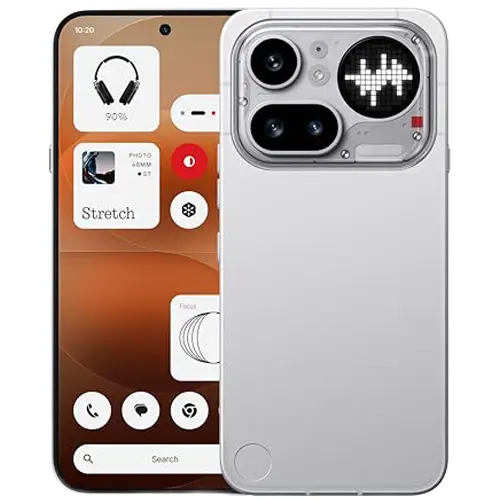
Phone (4a) Pro
11S Pro
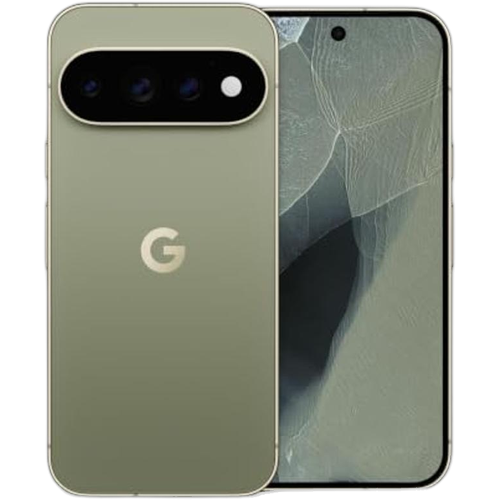
Pixel 11 Pro
Ranked #1 of 61
Ranked #5 of 61
Ranked #10 of 61
Ranked #9 of 61
Ranked #46 of 61
Ranked #13 of 61
Ranked #31 of 61
Overall
Overall
Overall
Overall
Overall
Overall
Overall
Choosing the best phone means weighing camera quality, display performance, battery life, processing power, and value against one another. That can be tricky — some phones have great performance, but a sub-par camera, while others don’t have a great battery life, but have an excellent screen.
We’ve put together this guide to show you our list of the best phones based on our criteria. This list will change over time as we test new phones.
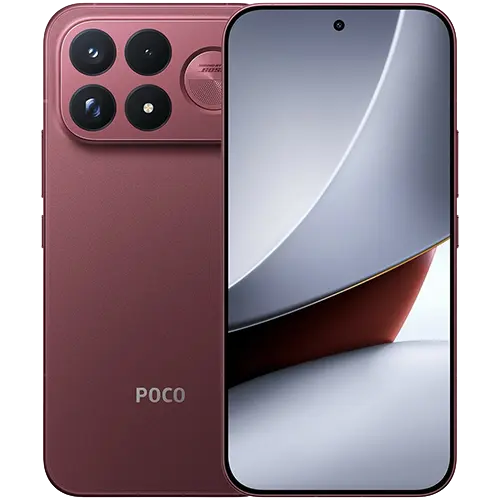
The Poco F9 Ultra currently takes the top spot overall, delivering good or excellent results across every major category without a clear weakness. For iPhone users, the Apple iPhone 17 Pro leads with its refined ecosystem integration and dependable performance. If camera capability matters most, the Xiaomi 17 Ultra stands out with one of the highest-scoring imaging systems available. And for those shopping on a tighter budget, the Nothing Phone (4a) Pro offers impressive specs for under $500.
Whether you prioritize raw performance, photography, or affordability, the rankings here should help narrow down the right phone for you.
Best Overall


The Poco F9 Ultra is the best-scoring phone in our database, for a number of reasons. It gets nearly 43 hours of video playback on a single charge — roughly 12 hours more than its own sibling, the $699 Poco F9 Pro, and the longest we've measured from any phone in our database. The 8,050mAh cell also drains slower than most under web browsing and gaming, so two days of real use is realistic, not a spec-sheet fantasy.
The 6.9-inch AMOLED panel peaks near 12,000 nits in HDR and holds accurate color, and the 185Hz refresh rate makes scrolling feel effortless. Connectivity is the best we've tested, which you'll notice most on congested networks.
The big battery has a cost — charging. The 100W wired system gets you to 61% in 30 minutes, which sounds fast until you see the Honor Magic8 Pro hit 81% in the same window — though that phone costs $500 more, so it's a fair trade. The camera is good rather than great. Shots are sharp and consistent, but the Xiaomi 17 Ultra resolves more detail and handles tricky scenes better, as it should at nearly twice the price. The genuine weakness is the microphone, which sits near the bottom of our database — voice memos and video audio sound thin.
At $799, nothing else balances this well.
Best iPhone
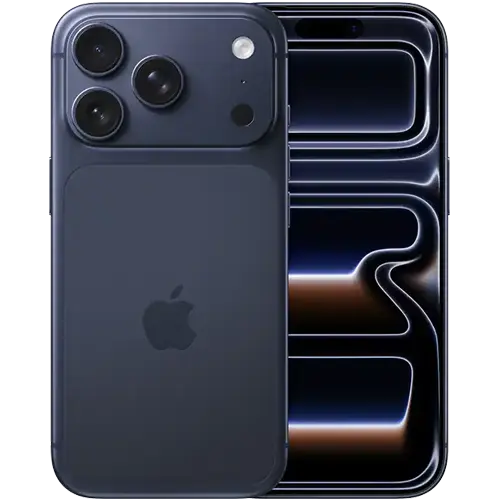
The iPhone 17 Pro takes the win for the best iPhone — that’s right, even beating the iPhone 17 Pro Max. It has an excellent camera, sitting just behind the Xiaomi 17 Ultra. Beyond camera, it's a well-rounded device. Its display hits 3043 nits peak HDR brightness and 885 nits manual, both solid figures. Speaker output is clean, while battery life gets you through nearly 24 hours of continuous video playback, and standby drain is just 2% overnight. It actually scored better in battery testing than the iPhone 17 Pro Max, presumably because the iPhone 17 Pro Max has to power a larger display with its larger battery.
The A19 Pro chip posts 3,918 single-core and 10,158 multi-core in GeekBench 6, competitive with the other flagship chips here, though the Honor Magic8 Pro and OnePlus 15 score higher in multi-core. There are some issues though. Charging is middling — 72% in 30 minutes wired and 49% wirelessly, both slower than most Android flagships here.
It's the right pick if you're committed to the Apple ecosystem and want a strong all-around iPhone without compromise elsewhere.
Best Camera Phone

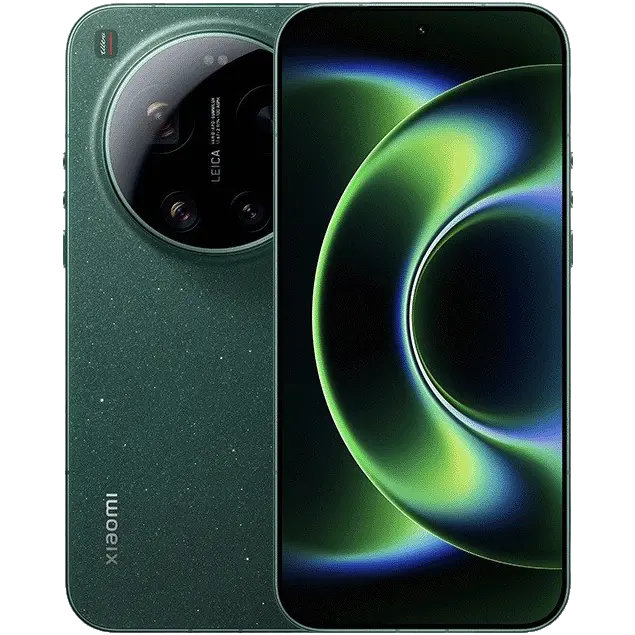
The Xiaomi 17 Ultra has the best-scoring camera system in our database, edging out the iPhone 17 Pro by around 5% on camera score.
The rear cameras all resolve fine detail very well — not just the main. The 50-megapixel main sits on a 1-inch sensor, and produces crisp, detailed images. The 200-megapixel telephoto actually has a variable zoom, making it more versatile. Zoomed-in shots stay clean and detailed rather than falling apart the way shorter telephotos do when pushed. The 50-megapixel ultrawide is also sharper than the ultrawide on most phones at this price, meaning landscape and group shots hold their detail into the corners. Dynamic range across the lenses is average rather than exceptional, and the front camera is a noticeable step down from the rear system.
Battery life is decent too, though not as good as the OnePlus 15. The 6000mAh cell managed about 31 hours of video playback, which sounds like a lot until you see the OnePlus 15 stretching past 46 hours. Web browsing drained 26% per session, more than double the Magic8 Pro's 11%. The display also scores below average.
This is a phone for people who want the best rear camera system available right now and can accept compromises on battery endurance and display quality.
Best Foldable
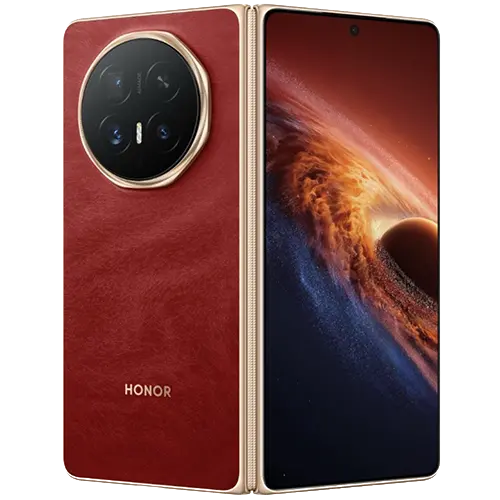
Folding a phone in half usually means accepting a performance compromise. The Magic V6 doesn't. Thanks to the Qualcomm Snapdragon 8 Elite Gen 5, the phone performs as well as the best Android phones you can get today. Multi-core CPU performance is quite strong, and the display is nice and bright to enjoy games that are performing at their best.
Charging is genuinely good here too. 80W wired charging gets you to 67% in 30 minutes, and 66W wireless means you're not hunting for a cable if you'd rather not. The 6,660mAh battery is large on paper, but the real-world results are mixed — video playback on the inner screen runs about 30 hours, which is solid, but browsing endurance is poor for a phone this size. Most will easily get through a day of use though.
Camera performance is uneven. The main sensor is sharp in good light, but ultrawide and telephoto results trail what you'd get from the S26 Ultra or even Honor's own Magic8 Pro. It's not a bad camera system, but it isn't the reason to buy this phone.
The reason is that it's the most capable foldable we've tested — fast, well-built, and genuinely bright — without the usual performance penalty for the form factor.
Best Under $500
The Nothing Phone (4a) Pro wins the under-$500 slot primarily on camera performance, which punches way above its class. It ranks #6 in our camera database ahead of plenty of much more expensive phones.
Battery life is solid too. Over 26 hours of continuous video playback means you'll easily stretch through two full days of typical use, and standby drain is just 1% overnight, compared to 7% for the Honor Magic8 Pro.
The weaknesses are related to things like performance, where it’s far behind even the OnePlus 15 at $899. Charging is slower than others too. 63% in 30 minutes sounds reasonable until you see the OnePlus 15 hit 88% in the same window. Connectivity, microphone quality, and speaker output all sit near the bottom of our rankings.
If camera performance at a low price is the priority and you can accept those tradeoffs, it's a reasonable pick. For most other use cases, spending more buys meaningfully better all-round results.
Best-Performing Phone

The RedMagic 11S Pro posts the highest sustained GPU performance we've measured across the devices in our database. Its Wild Life Extreme score sits meaningfully above the Samsung Galaxy S26+, and where the S26+ drops to around 60% stability under sustained load, the RedMagic holds at 81% — which matters more in practice than the peak number. CPU multi-core performance is similarly clear at the top of the stack. Much of this sustained performance, of course, has to do with the phone’s built-in fan.
The Snapdragon 8 Elite Gen 5 is the same chip found in several competitors here, but RedMagic's aggressive cooling lets it run harder for longer.
You should know what this phone isn't. The speaker is pretty weak — noticeably thin and distorted at high volume. Camera quality is below average for a flagship; don't expect the image processing consistency you'd get from the S26 or iPhone 17 Pro. Battery endurance under gaming loads is also a concern: it drains roughly twice as fast as those rivals during extended gaming sessions, again, perhaps due to the fan.
If raw processing performance is the priority, nothing here matches it.
Best Display

The Google Pixel 11 Pro has the best display we’ve tested. Color accuracy is where this panel separates itself. Whites, skin tones, and saturated colors sit close enough to reference that you'd struggle to spot a deviation even side-by-side with a calibration target — the best result we've measured on any display, and roughly half the color error of the Pixel 10 Pro it replaces. Brightness backs it up: 3,594 nits peak HDR, and a max manual brightness of 1,398 nits that keeps the screen readable in direct sun. The Honor Magic8 Pro peaks higher in HDR, but its manual brightness tops out around half the Pixel's, which matters more outdoors than a spec-sheet peak does.
Sustained output is stable too — the panel holds its brightness through long HDR sessions instead of dimming after a few minutes.
Touch responsiveness is the soft spot. It sits mid-pack in our testing, though the gap to the leaders is measured in single-digit milliseconds, which you won't feel in practice.
The rest of the phone is more ordinary. Battery life lands at 26 hours of video playback, fine but well behind the Magic8 Pro's 35, and 30W charging is slow for $1,099. If the display is your priority, though, nothing else we've tested matches this one.
FAQ
Is the Poco F9 Ultra worth it if I care about photography?
The Poco F9 Ultra may not have the best camera in our database, but it’s actually still reasonably good. If photography is a priority, the Xiaomi 17 Ultra or iPhone 17 Pro are the stronger choices though. The F9 Ultra is best suited to users who want consistent battery, display, and performance results and treat camera as a secondary concern.
How does the Xiaomi 17 Ultra's camera system actually compare to the iPhone 17 Pro's?
The Xiaomi 17 Ultra scores roughly 5% higher on camera than the iPhone 17 Pro. Its 200-megapixel telephoto uses a variable zoom that keeps zoomed-in shots detailed rather than soft, and its 50-megapixel ultrawide holds sharpness into the corners better than most phones at this price. The front camera is a noticeable step down from the rear system.
Why does the iPhone 17 Pro beat the iPhone 17 Pro Max in battery testing?
The iPhone 17 Pro Max has a larger battery, but it also has to power a larger display, which appears to offset the capacity advantage. The iPhone 17 Pro managed nearly 24 hours of continuous video playback while also recording just 2% standby drain overnight — results that came out ahead of the Pro Max in testing.
Is the RedMagic 11S Pro a good daily driver, or just a benchmark phone?
The RedMagic 11S Pro leads on sustained GPU performance, holding 81% stability under load where the Samsung Galaxy S26+ drops to around 60%, and its CPU multi-core scores sit at the top of the comparison. However, its speaker is the weakest measured across the full set, camera quality is below average for a flagship, and battery drain during extended gaming is roughly twice that of rivals like the iPhone 17 Pro. It suits users whose priority is raw processing performance, not photography or audio.
What are the main trade-offs with the Nothing Phone (4a) Pro at under $500?
The Nothing Phone (4a) Pro's camera outperforms every sub-$500 phone tested and ranks ahead of most flagships costing two to three times more, and its 26-plus hours of video playback is genuinely solid. The trade-offs are real though: performance lags well behind the OnePlus 15 at $899, charging reaches only 63% in 30 minutes versus 88% for the OnePlus 15, and connectivity, microphone quality, and speaker output all sit near the bottom of tested devices.
How does the Honor Magic V6 hold up on battery compared to non-folding phones?
Yes, the Honor Magic V6 holds up pretty well. Its battery isn't necessarily the single best that we've tested, but the phone was able to last around 30 hours in a video playback test, which beats plenty of non-foldable devices out there. Its web browsing and standby performance were mixed, but most will get through a full day easily.
Does the OnePlus 15's camera hold up at its price point?
No — the camera is the OnePlus 15's clearest weakness. It ranks below most other phones in this group and even scores behind its predecessor, the OnePlus 13. The display is also modest, reaching 798 nits of manual brightness without strong HDR performance. The phone earns its place on charging speed, battery endurance, and performance rather than imaging.
Related
Apple
iPhone 17 Pro
Poco
F9 Ultra
Pixel 11 Pro
RedMagic
11S Pro
Nothing
Phone (4a) Pro
Xiaomi
17 Ultra
Honor
Magic V6
Poco
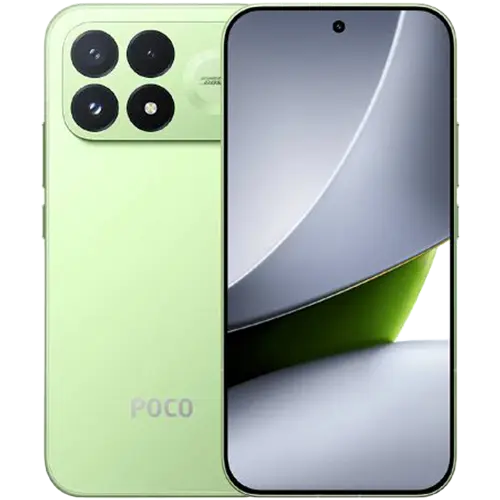
F9 Pro
Xiaomi
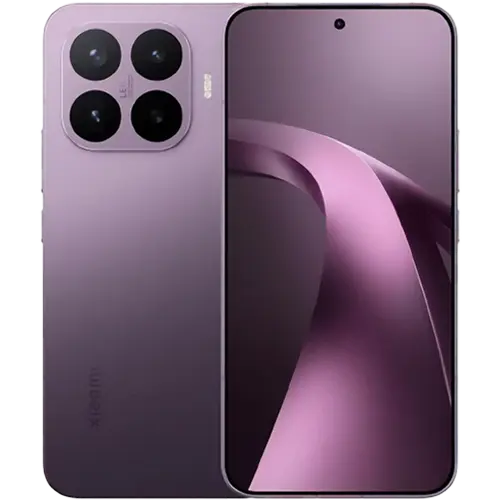
17T Pro
Xiaomi
17
Pixel 11 Pro XL
RedMagic