Xiaomi 17
Score Overview
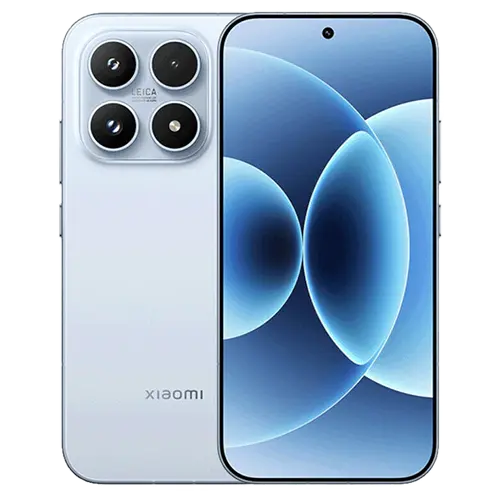
The Xiaomi 17 is a compact flagship priced at €999, positioned as Xiaomi's mainstream high-end option below the 17 Ultra. It targets buyers who want a full camera system with main, ultrawide, and telephoto lenses in a relatively small body, without the size or cost of an ultra-premium device.
The phone's strongest results are in its speaker, connectivity, and display. Its 100W wired charging is fast, and the camera system produces good color accuracy, particularly from the telephoto. Battery life is a weak point. Despite a large 6,330 mAh cell, web browsing drain is high and video playback is merely average for the capacity. Performance is solid for the Snapdragon 8 Elite Gen 5 platform, though browser benchmarks lag behind Samsung and Apple devices running the same or comparable silicon.
Design
Specifications
The Xiaomi 17 measures 151.1 × 71.8 × 8.1mm and weighs 191g. It has an aluminum frame, Xiaomi Shield Glass on the front, and a glass back. The IP68 rating means it's rated for submersion in fresh water to a specified depth. The display has a 19.6:9 aspect ratio and an 89.5% screen-to-body ratio, meaning bezels are visible but not unusually large.
At 191g, it's heavier than the Samsung Galaxy S26 (167g) despite having a similarly sized 6.3-inch display. The Galaxy S26 is also thinner at 7.2mm. Compared to the similarly priced Google Pixel 10 Pro at 207g, the Xiaomi 17 is lighter. The iPhone 17 comes in at 177g but with a smaller battery.
Bandicoot Lab does not formally test design or durability.
Display
The Xiaomi 17 has a 6.3-inch LTPO AMOLED panel at 1220 × 2656 resolution, yielding 460 pixels per inch. The refresh rate ranges from 1Hz to 120Hz, adjusting dynamically to save power.
Manual brightness tops out at about 632 nits, which is low compared to the Google Pixel 10 Pro's roughly 1,450 nits or the Google Pixel 10's roughly 1,496 nits. In practice, 632 nits is adequate indoors but may struggle in direct sunlight. HDR peak brightness reaches 3,583 nits, which is strong and above the iPhone 17 Pro's 3,043 nits and the Samsung Galaxy S26's 2,791 nits. Sustained brightness stability under HDR load is 55.6%, meaning the panel loses nearly half its peak luminance over a 30-minute HDR session. That's better than the iPhone 17's 40.5% or the iPhone 17 Pro's 35.3%, but below the Google Pixel 10 Pro's 65.3%. Brightness stability outside of HDR is excellent at 98.7%, so the manual brightness level holds steady over time.
Color accuracy is good. In its most accurate mode (Original Color Pro), the average Delta E is 1.35, meaning color deviations from reference values are small enough to be effectively invisible in normal use. The Vivid mode widens the gamut to cover 100% of sRGB, about 82% of Display P3, and roughly 81% of Adobe RGB, with an average Delta E of 2.3, which remains acceptable. The iPhone 17 Pro's default mode achieves an average Delta E of 0.85, which is tighter, but the Xiaomi's accuracy is still ahead of the Samsung Galaxy S26's 3.28 in its Natural mode.
Touch latency averages 12.2ms. That's very fast, close to the Google Pixel 10 Pro's 11.6ms and far below the iPhone 17's 57ms.
Performance
The Xiaomi 17 runs the Qualcomm Snapdragon 8 Elite Gen 5 with 12GB or 16GB of RAM and 256GB, 512GB, or 1TB of storage.
Geekbench 6 single-core is 3,612 and multi-core is 10,650. That places it close to the Samsung Galaxy S26 and well ahead of the Google Pixel 10 Pro, which uses the Tensor G5. The iPhone 17 Pro edges ahead in single-core at 3,918 but trails slightly in multi-core at 10,158.
GPU performance in the 3DMark Wild Life Extreme stress test peaked at 6,333, with stability at 66.8%. The peak score is above the iPhone 17 Pro's 5,865 but below the Samsung Galaxy S26+'s 7,867. Stability is reasonable — the phone throttles to 4,233 at its worst. In the Solar Bay ray-tracing test, the best loop scored 10,704 with 68.1% stability, which is competitive with the iPhone 17 Pro's 12,031 peak but with better stability than the Samsung Galaxy S26's 47.4%.
Browser performance (Speedometer) is 23, which is below the Samsung Galaxy S26's 36.7 and the iPhone 17 Pro's 43.1. This gap is noticeable in web-heavy workflows, though for general app use and gaming it matters less.
Camera
The Xiaomi 17 has a triple rear camera system, made up of a 50-megapixel main lens, a 50-megapixel ultrawide, and a 50-megapixel telephoto at 3x. The front camera is 50 megapixels. Maximum zoom reaches 60x digitally.
Overall, the camera performs well for its price point. The ultrawide is a standout, delivering strong sharpness results. The main and telephoto lenses both produce good color accuracy. Dynamic range from the main lens is above average. The front camera is middling, with average sharpness and limited dynamic range.
Sharpness holds up well through moderate zoom levels. At 3x the telephoto produces strong detail. At 10x, it’s still well resolved. By 20x, detail drops noticeably but images remain usable. At 30x, sharpness has degraded substantially, and at 50x and 60x, images are soft. The iPhone 17 Pro, with its 4x optical telephoto, maintains more detail at longer zoom levels like 20x and 30x. The Xiaomi 17 Ultra, with its 200-megapixel telephoto sensor, is in another class entirely at deep zoom.
Main
The 50-megapixel main sensor on a 1/1.31-inch sensor at 23mm equivalent focal length is a capable setup. Sharpness in bright light is good, and it holds up well in mid-light conditions. In dark conditions, sharpness drops slightly but remains solid. The 2x crop from the main sensor produces high sharpness in good light.
Color accuracy is strong in mid and low light. In bright light (1,000 lux, 5,500K), saturation is pushed about 12% above reference, with skin tones running warmer and more vivid than reality. In mid light (100 lux, 4,000K), the color shifts are smaller and more accurate overall. In dark conditions (10 lux, 3,000K), there's a noticeable yellow-warm shift, indicating the white balance doesn't fully compensate for the warmer test illuminant. Hue accuracy remains steady across conditions, suggesting this is primarily a white balance issue rather than a sensor limitation.
Dynamic range is a strength. The main lens captures a wide usable range with good shadow detail retention, though highlights do clip in very bright areas. This is competitive with the Samsung Galaxy S26, which similarly performs well, and ahead of the iPhone 17 Pro's main lens in auto mode.
Ultrawide
The ultrawide uses a 50-megapixel sensor at f/2.4 with a 0.7x field of view (17mm equivalent). Sharpness is strong across lighting conditions, producing some of the best ultrawide results tested. Even in low light, the lens holds good detail.
Color accuracy follows a similar pattern to the main lens. Bright-light images show moderate saturation push and some yellow-warm shift. In mid light, the images are more restrained. In dark conditions, the yellow bias increases substantially, again pointing to incomplete white balance correction under warm illumination. Overall hue accuracy is moderate.
Dynamic range is above average, though highlights clip somewhat in bright scenes. The ultrawide holds up well against the Samsung Galaxy S26's ultrawide despite using a different field of view (0.7x vs 0.6x).
Telephoto
The telephoto has a 50-megapixel sensor at f/2.0 with a 3x optical zoom (60mm equivalent). Sharpness at native 3x is good in all lighting conditions. The lens also maintains usable detail at 5x and 8x. Color accuracy is a strong point for this lens, with relatively controlled saturation and good hue consistency. In bright light, saturation runs about 14% over reference, which is common.
Dynamic range is narrower than the main lens. Highlights clip more aggressively, and the usable range is visibly smaller. Video stabilization from the telephoto is poor, with noticeably more residual shake than the main or ultrawide lenses.
Front
The 50-megapixel front camera at f/2.2 produces average sharpness. Results are consistent across lighting conditions but don't stand out against rivals like the iPhone 17 Pro's front camera, which delivers substantially more detail.
Color leans slightly warm with a mild reddish bias in mid and dark conditions. Saturation is generally understated compared to the rear lenses. Dynamic range is limited, with highlights clipping and a narrow usable range. Video stabilization is acceptable.
Battery
The Xiaomi 17 has a 6,330 mAh battery, which is large for a 6.3-inch phone. Video playback at 200 nits lasted 26 hours and 15 minutes. That's a solid result in absolute terms, roughly matching the Samsung Galaxy S26's 30 hours and 15 minutes despite the S26 having a much smaller 4,300 mAh cell, suggesting the Xiaomi's efficiency per milliamp-hour is lower. The iPhone 17 Pro, with a 4,252 mAh battery, lasted about 24 hours.
Web browsing drain is 26% over 5 hours, which is high. The Samsung Galaxy S26 drains 24% in the same test, and the iPhone 17 Pro drains only 17%. Gaming drain is 25% during the 3DMark stress test, which is competitive and better than the Samsung Galaxy S26+'s 30%. Standby drain is 7% over 8 hours, which is notably high. The iPhone 17 Pro, Samsung Galaxy S26, and Google Pixel 10 Pro all drain only 2% overnight. This means the Xiaomi 17 will lose meaningful charge while sitting idle.
In practical terms, the large battery compensates for the higher drain rates to deliver roughly average total endurance. Heavy web users will notice the phone doesn't last as long as the capacity suggests.
Charging
The Xiaomi 17 supports 100W wired charging and 50W wireless charging. Wired charging reaches 31% in 10 minutes and 74% in 30 minutes. That's reasonably fast, and substantially faster than the Samsung Galaxy S26's 21% at 10 minutes. The Xiaomi 17 Ultra reaches 32% and 77% at the same intervals with its 90W charger, so the two Xiaomi models perform similarly.
Wireless charging is slow, despite the high rating. At 50W rated, we reached only 4% in 10 minutes and 9% in 30 minutes. The iPhone 17's 25W wireless charger reaches 25% in 10 minutes. Even the Google Pixel 10's 15W wireless charging hits 11% in 10 minutes. We’ll update this review if we determine why wireless charging was slow, despite using an official Xiaomi wireless charger.
Speaker
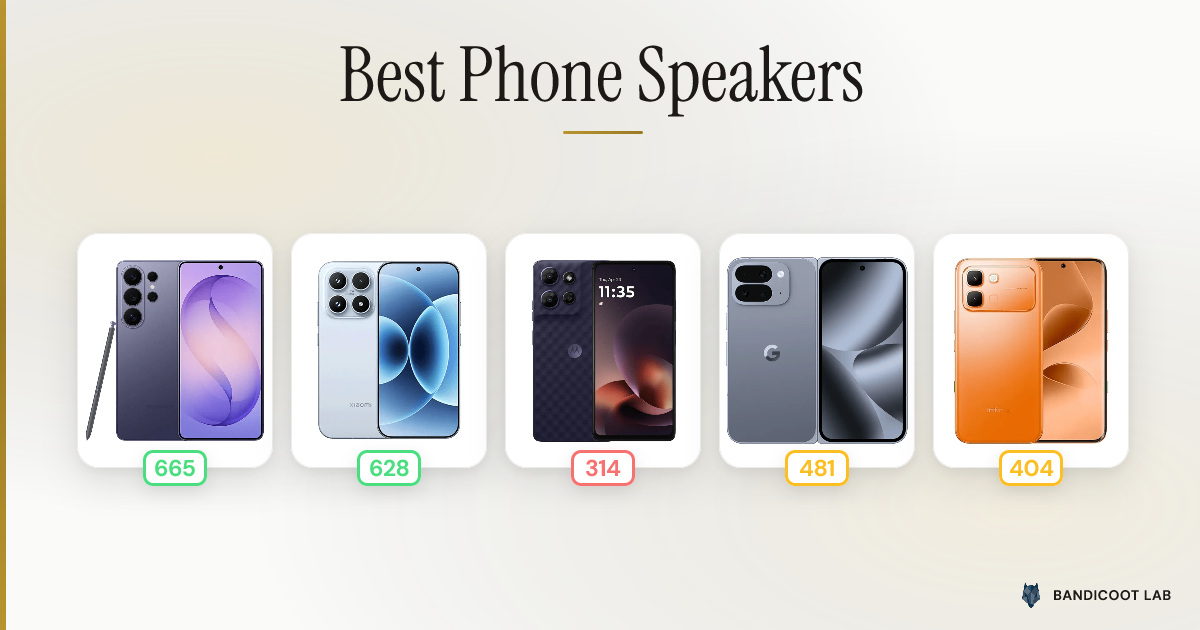
The speaker system reaches a maximum of 71 dBA, which is moderate. The Samsung Galaxy S26 hits 72.5 dBA, and the iPhone 17 Pro reaches 75.2 dBA. In everyday use, the Xiaomi 17 will sound noticeably quieter than Apple's or Samsung's offerings.
Average total harmonic distortion is 5.19%, which is middling. The Samsung Galaxy S26 achieves 3.44%, meaning it stays cleaner at high volumes. The iPhone 17 Pro is at 4.70%.
The speaker has a notably decent bass response, giving music and media a warmer, richer low-end character than most phone speakers. High-frequency clarity is less pronounced, so voices and instruments in the upper range don't have the same crispness as on the iPhone 17 Pro or the Google Pixel 10, which lean more toward clear, detailed highs. The overall character is warm and bass-forward rather than bright and analytical.
Microphone
The microphone tested below average, with a frequency response standard deviation of 6.42 dB. That indicates the microphone's pickup is uneven across the frequency range, which can make voice recordings or calls sound slightly colored or inconsistent. The Samsung Galaxy S26 (4.06 dB) and Google Pixel 10 (4.30 dB) both have flatter, more natural microphone responses.
Connectivity
The ultrasonic fingerprint sensor unlocks in an average of 162.5ms, which is quite fast. The Samsung Galaxy S26 takes 226.4ms, and the Google Pixel 10 Pro takes 248.6ms. There is no hardware-based face unlock.
USB-C 3.2 data transfer achieves a max read speed of 323.3 MB/s and a max write speed of 340.73 MB/s. Those are strong numbers, close to the Samsung Galaxy S26's 335.48 MB/s read and ahead of the Google Pixel 10 Pro's 104.51 MB/s. Moving large files to and from a computer will be noticeably fast.
Storage is available in 256GB, 512GB, and 1TB configurations.
Conclusion
The Xiaomi 17 is a capable phone with clear strengths in its speaker, display brightness for HDR content, fast fingerprint unlocking, and USB-C transfer speeds. Its camera system is well-rounded, with a particularly sharp ultrawide and a telephoto that delivers good color accuracy at native zoom. Charging speed over wire is competitive with more expensive devices.
Battery efficiency is below what the 6,330 mAh cell should deliver, particularly for web browsing and standby. The microphone is below par, and browser performance lags behind phones with the same chipset. Against the Samsung Galaxy S26 at a similar price, the Xiaomi offers a larger battery, faster wired charging, a better speaker, and faster data transfer, but gives up display color accuracy, battery efficiency, and browser speed. Against the Google Pixel 10 Pro at the same €999 price point, the Xiaomi has stronger raw performance, faster charging, better connectivity, and comparable camera results, but the Pixel offers a sharper display and better standby efficiency.
Related
Xiaomi 17T Pro vs Xiaomi 17
Best Phone Speakers
iPhone 17 Series vs Xiaomi 17 Series

Samsung Galaxy S26 Series vs Xiaomi 17 Series
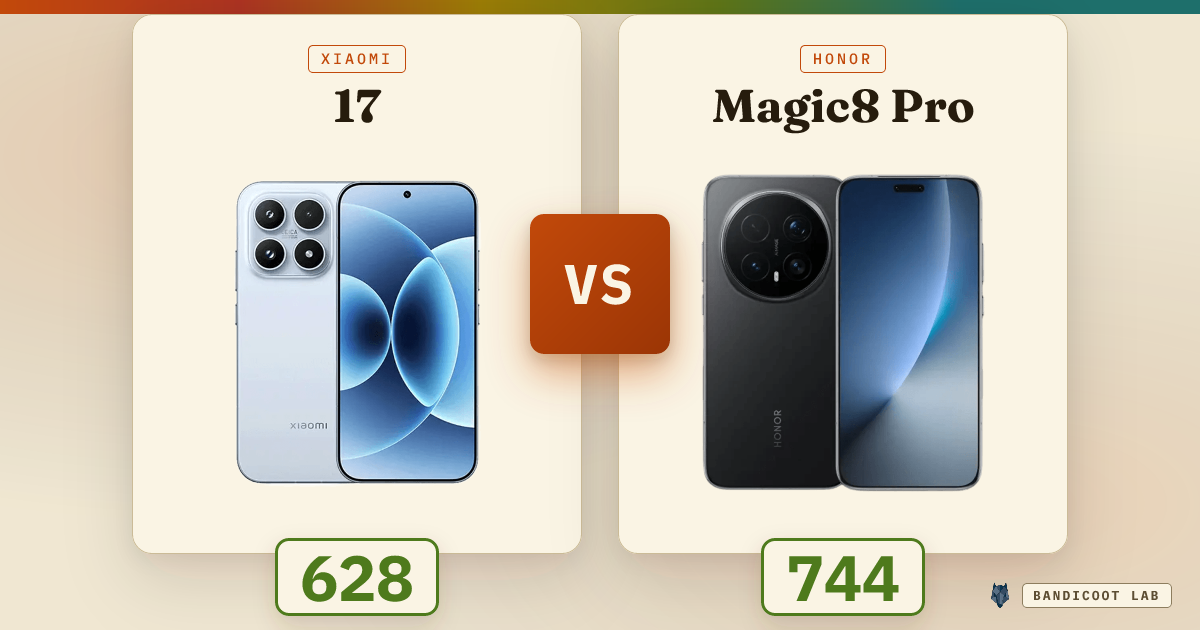
Xiaomi 17 vs Honor Magic8 Pro
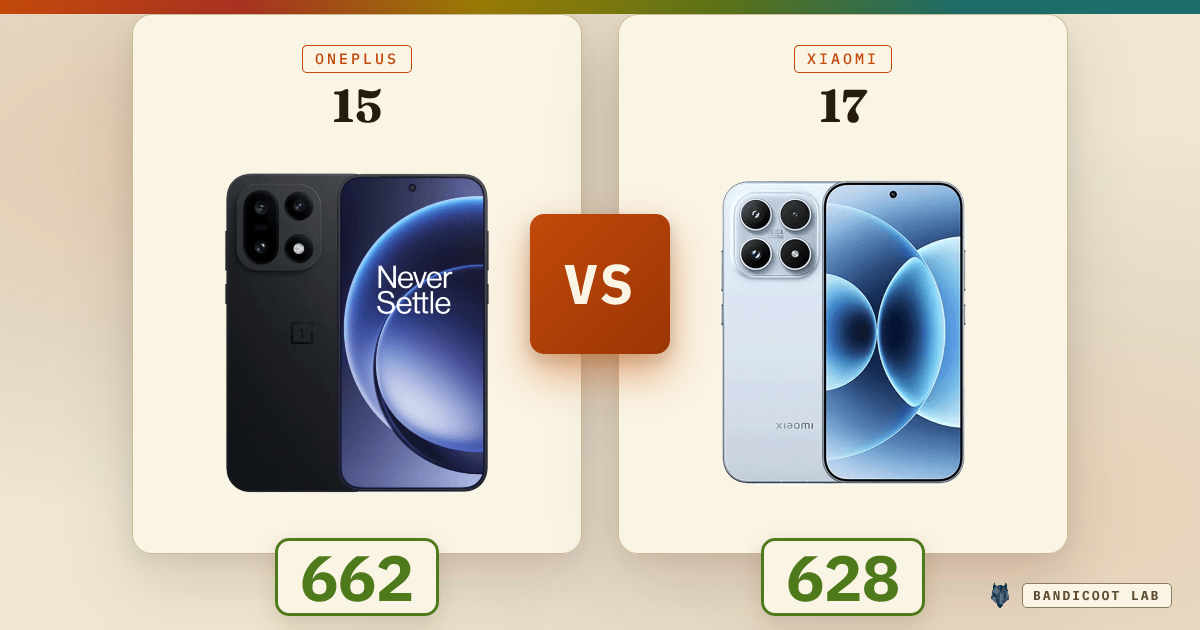
OnePlus 15 vs Xiaomi 17
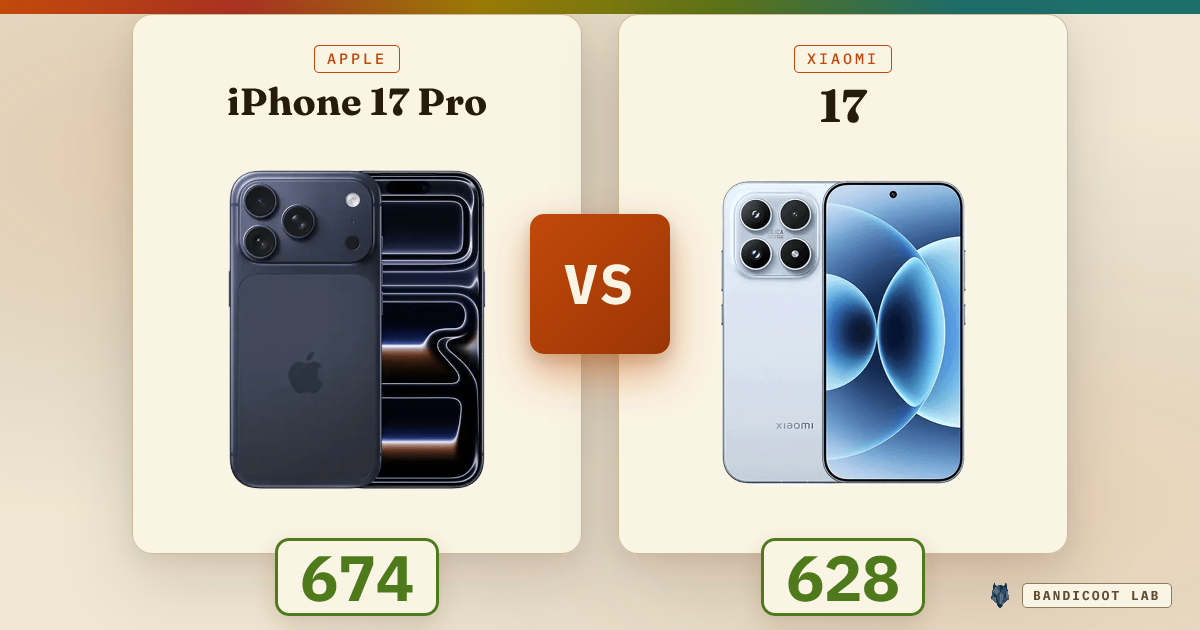
Apple iPhone 17 Pro vs Xiaomi 17
Xiaomi
15T Pro
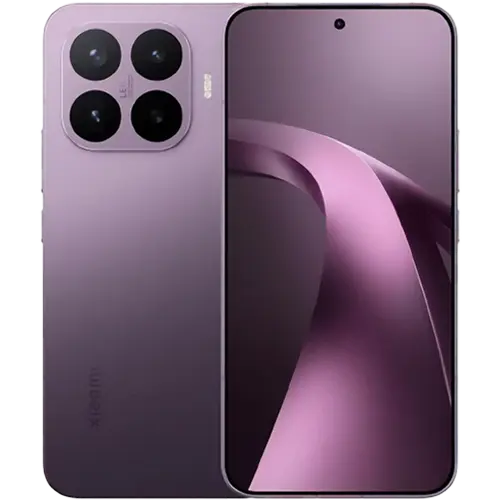
Xiaomi
17T Pro
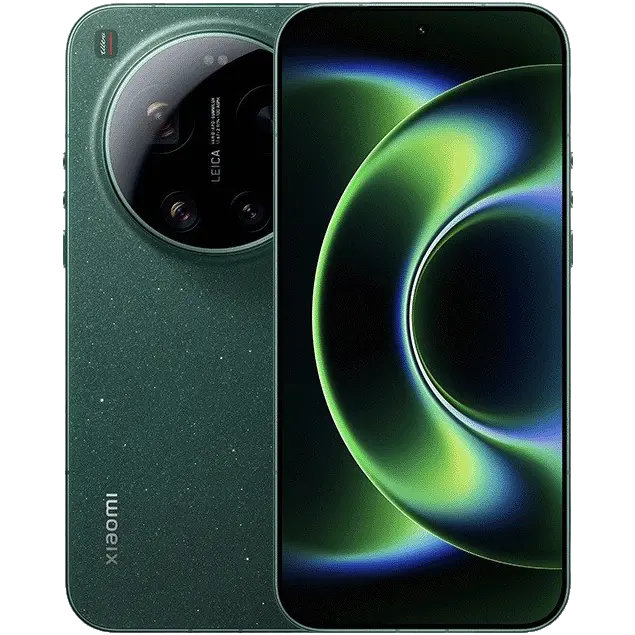
Xiaomi
17 Ultra
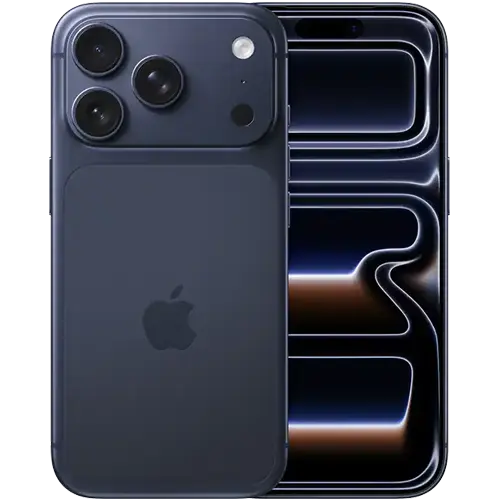
Apple
iPhone 17 Pro

OnePlus