How we test batteries
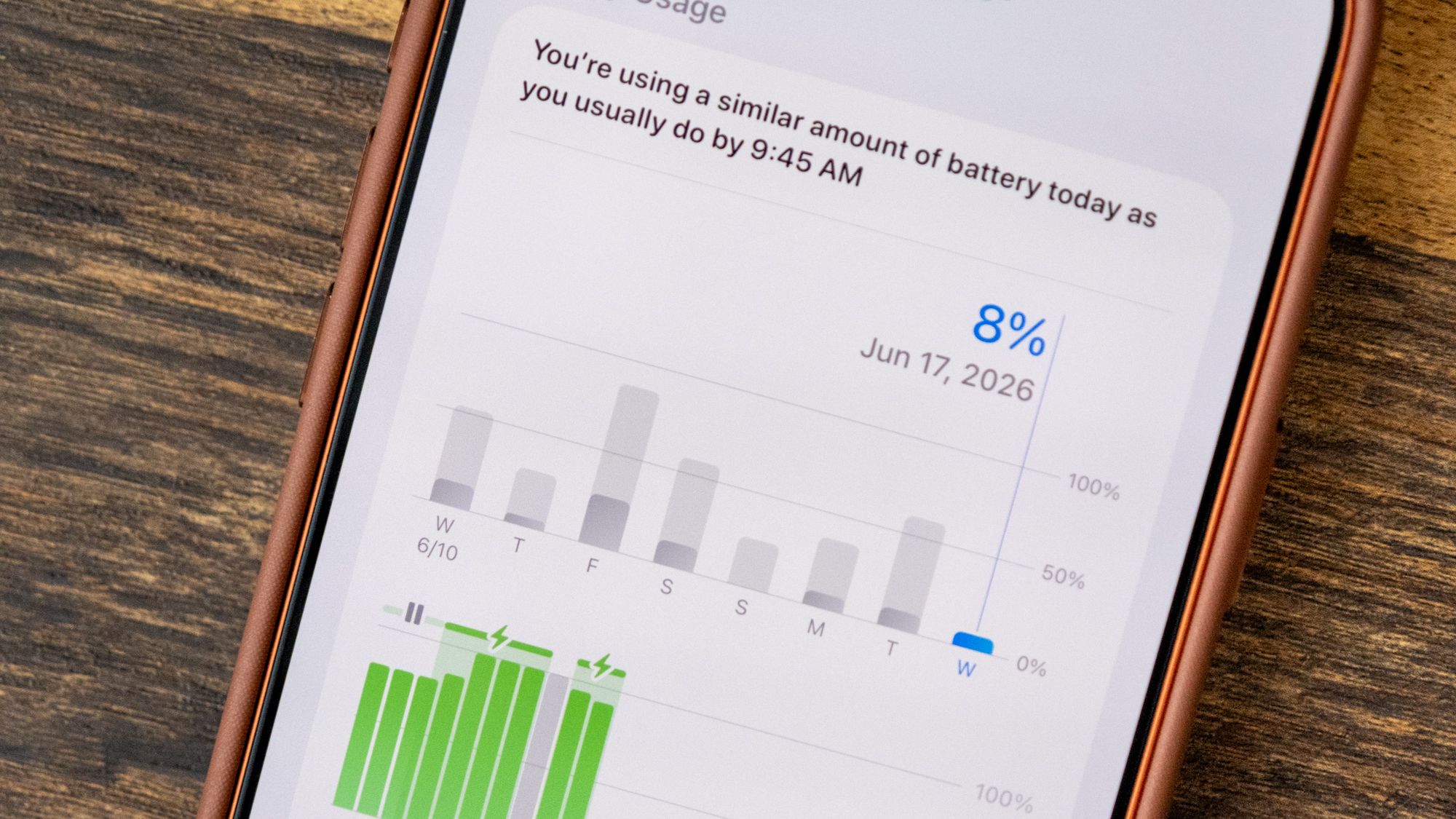
A phone's battery life has a direct and major impact on how you can use it. There's only one problem, though: battery capacity is the spec that you'll see on spec sheets, but capacity doesn’t always map very cleanly to how long a phone’s battery will actually last. Plenty of other factors, like display, processor efficiency, and so on, will impact how much juice a phone actually needs to stay powered for long periods of time.
The only way to know real endurance is to run the same workloads on every phone and measure what happens. Our battery testing does that across four kinds of use — browsing, video, gaming, and idle standby — under fixed, repeatable conditions. Here's how each test works.
What we measure
We measure battery life across four scenarios that cover how phones actually get used: web browsing (light, bursty, screen-on use), video playback (a steady on-screen load), gaming (heavy demand on the processor and graphics), and standby (the phone sitting idle). Each one stresses the battery differently — the screen dominates during video, the chip during gaming, background activity during standby — so no single test captures the whole picture. Running all four shows whether a phone is efficient everywhere or only under certain kinds of use.
Test conditions
We ensure that each test is run in exactly the same conditions each time. To achieve this, there are some factors that we need to control for. The single most important control is screen brightness. The display is one of the largest draws on a phone's battery, so if every phone ran at its own default brightness, a model that simply defaults dimmer would look more efficient than it really is. We fix brightness at 200 nits — a comfortable indoor level — for every screen-on test, so what we're measuring is the phone's efficiency, not its brightness setting.
Network conditions are controlled too. The video playback test runs in airplane mode, because a phone constantly searching for signal drains power unpredictably; removing the radios isolates the screen and playback. The browsing and standby tests run over Wi-Fi, connected to a separate network with only the device — no other devices are connected to that network. In the Wi-Fi test, the websites that are served are hosted locally, so variations in network speed can’t impact the test.
Web browsing
An automated loop cycles through a standardized set of locally-hosted websites at fixed brightness over Wi-Fi for five hours, and we record how much battery it consumes. Browsing is light, on-and-off work — load a page, read, scroll, load the next — which makes it a good stand-in for general day-to-day use, including things like messaging, social apps, email, the web.
Video playback
For video, we play a local file at 200 nits in airplane mode and let it run until the phone shuts off. Because video is a steady, predictable load, it produces the cleanest measure of pure screen-on endurance, and it's the test behind the headline "hours of video playback" figure. That number translates directly into real viewing — a long-haul flight, a few evenings of streaming, a road trip's worth of episodes — and it's the clearest single indicator of how a phone handles sustained on-screen time. We use the same video file every time we run the test, and it’s run in full-screen mode, essentially cutting off parts of the video to ensure that there are no black bars above and below the video — which would make playing the video back less demanding on the screen.
Gaming
Gaming is the heaviest sustained load a phone normally faces, pushing the processor and graphics chip hard enough to draw serious power and generate heat. We measure battery drain while the phone runs through the 3DMark Wild Life Extreme Stress Test three times — effectively running the test 60 times, lasting one hour. Again, display brightness is set to 200 nits.
The result is paired with the performance the phone actually delivered over that hour — drain on its own can mislead, because a phone that uses more power while pushing far higher frame rates isn't necessarily less efficient. Measuring power against performance reflects real gaming endurance — how much game time you get for the battery spent.
Standby
The standby test leaves the phone idle for eight hours with the screen off. We do limit some background activity in an effort to ensure the test is fair. For example, we turn account syncing off so that if the account happens to get more emails or other notifications than it otherwise would, it won't unfairly impact how the phone tests. Other background processes, however, continue.
Phones spend most of the day doing nothing in particular — in a pocket, on a desk, on a nightstand — and a phone that quietly bleeds charge while idle, from background apps or poor power management, can lose a meaningful chunk of its battery before you've really used it. Low standby drain is a large part of why some phones comfortably last all day and others don't.
What the battery score reflects
The four tests combine into a single battery score, weighted toward the kind of use that fills most people's days. Everyday browsing-style use carries the most weight, followed by video, with gaming and standby counting for less — heavy gaming endurance matters, but it's a smaller part of most people's routine than general screen time. The weighting is deliberately tilted toward typical use rather than any one extreme, so the score reflects how long a phone lasts for the average person, not just its best or worst case. A high battery score means a phone that holds up across all four kinds of use, not one that excels at a single test while falling short on the rest.
FAQ
Does a bigger battery always mean longer battery life?
Not on its own. A larger cell helps, but how long a phone actually lasts also comes down to how efficiently it uses that power — the display, the processor, and the software all factor in. Two phones with identical capacity can post very different runtimes, which is exactly why we measure endurance instead of reading it off a spec sheet.
Why do you test at 200 nits instead of each phone's max brightness?
The display is one of the biggest drains on any phone, so if every device ran at its own default brightness, a phone that simply defaults dimmer would look more efficient than it really is. Fixing brightness at 200 nits, a comfortable indoor level, for every screen-on test means we're measuring the phone's efficiency rather than its brightness setting.
Why is the video test run in airplane mode, but browsing over Wi-Fi?
Video runs in airplane mode because a phone constantly searching for signal drains power unpredictably, and pulling the radios isolates the screen and playback for the cleanest possible read. Browsing needs a live connection to load pages, so it runs over Wi-Fi, but on a separate network serving locally-hosted sites so connection speed can't skew the results. Different tests, different goals, so the conditions are tuned to each.
What does the gaming result tell me if power draw on its own can be misleading?
We pair the battery drain with the performance the phone actually delivered over that hour. A phone that burns more power while pushing much higher frame rates isn't necessarily less efficient, so drain alone doesn't tell the full story. Measuring power against performance reflects real gaming endurance — how much game time you get for the battery you spend.
What does a high battery score actually mean for me day to day?
The four tests combine into a single score weighted toward typical use, with everyday browsing carrying the most weight, then video, and gaming and standby counting for less. That means the number reflects how long a phone lasts for the average person, not just its best or worst case. A high score points to a phone that holds up across all four kinds of use, rather than one that aces a single test and falls short on the rest.
Related
How we test speakers and microphones
How we test charging
How we test performance
How we test cameras
Apple
iPhone 17 Pro Max

Samsung
Galaxy S26 Ultra
Apple
iPhone 17 Pro
Samsung
Galaxy S26+
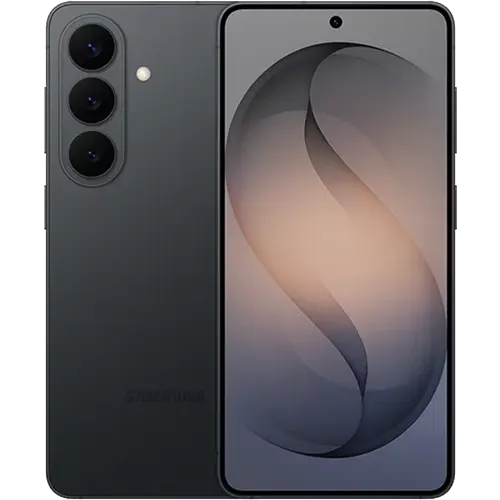
Samsung
Galaxy S26
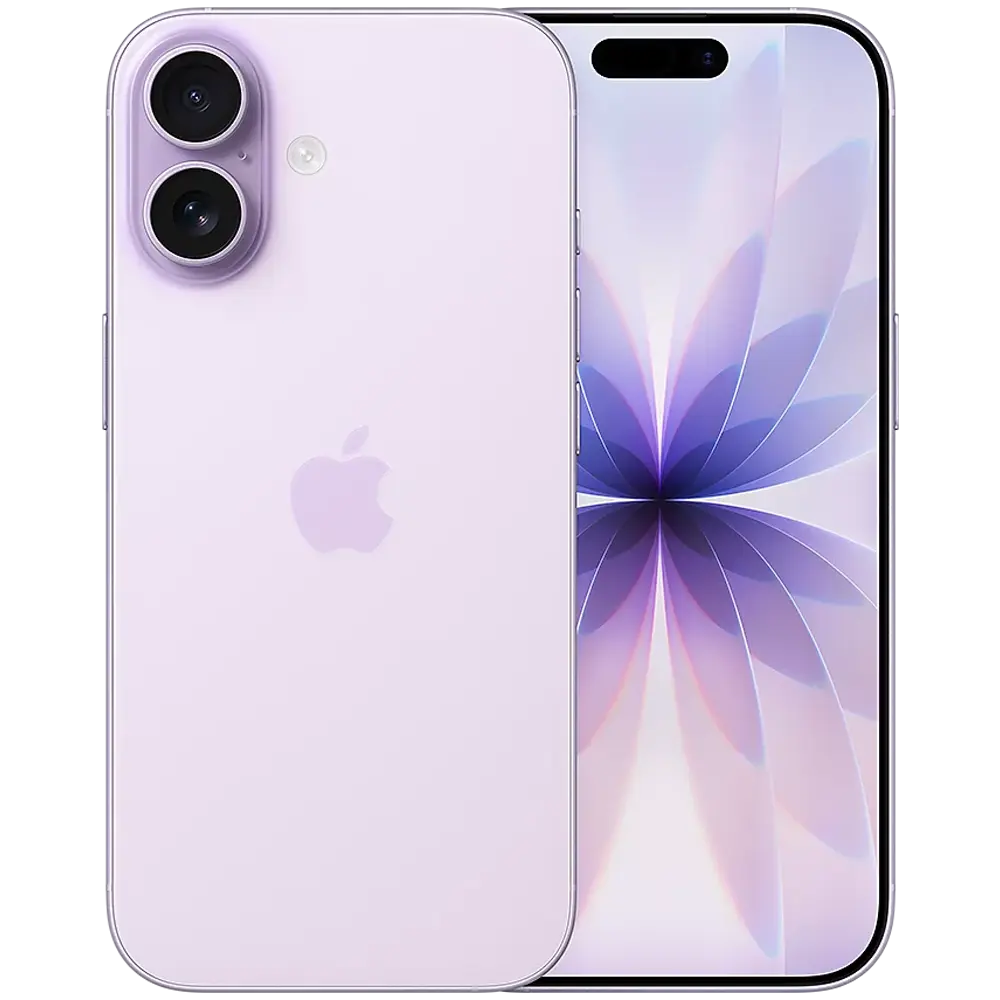
Apple
iPhone 17
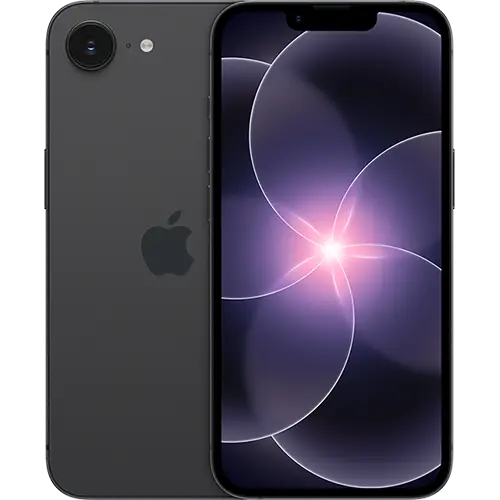
Apple
iPhone 17e
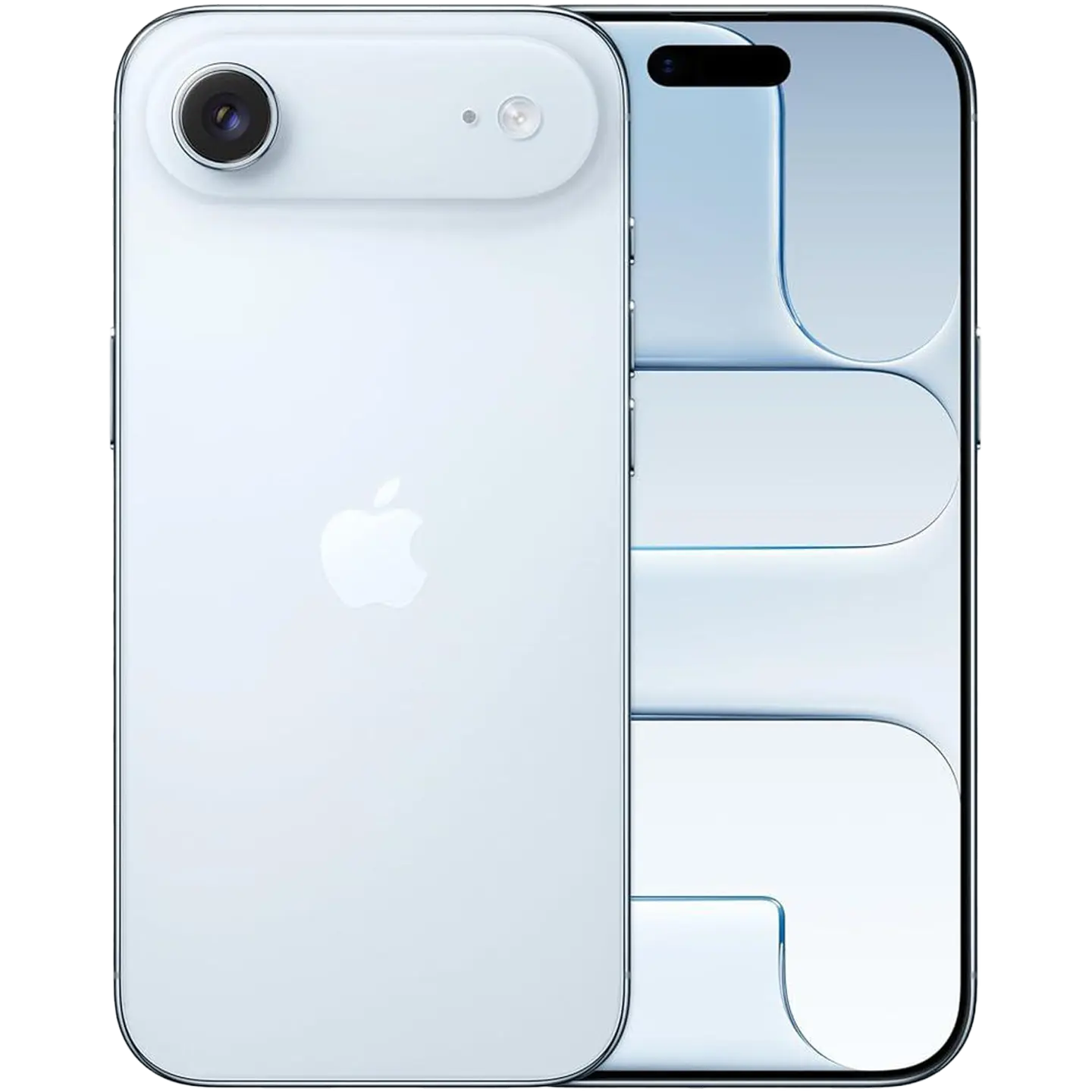
Apple