Best Foldable Phones
Honor
Motorola
Motorola
Samsung
Magic V6
Razr Ultra (2026)
Razr (2026)
Galaxy Z Fold 8
Ranked #9 of 61
Ranked #23 of 61
Ranked #56 of 61
Ranked #19 of 61
Overall
Overall
Overall
Overall
Foldable phones have matured into genuinely practical devices, with thinner profiles, more durable hinges, and displays that hold up to daily use. This list ranks the best options across both book-style and flip-style form factors, scored on performance, display quality, battery life, camera capability, and software support.
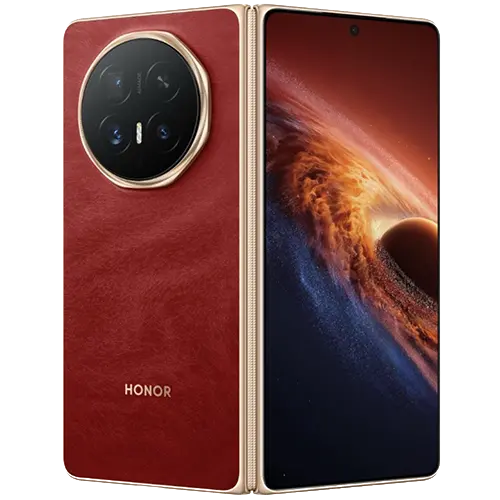
The Honor Magic V6 takes the top spot overall, combining a large inner display with a remarkably slim and lightweight build that makes it feel closer to a conventional slab phone than most foldables manage. For those who prefer the compact flip form factor, the Motorola Razr Ultra (2026) stands out with a generous cover screen and solid camera performance. If you want to save some cash, there’s also the standard Motorola Razr (2026).
Each device in this list is evaluated and ranked automatically as new models and updated specs become available, so the standings reflect current data rather than a static snapshot.
Best Foldable Phone Overall
The Magic V6 folds down to something genuinely pocketable while running hardware that keeps pace with flagship slabs. Its Snapdragon 8 Elite Gen 5 and 16GB of RAM put it close to the Honor Magic8 Pro on overall performance — an orthodox flagship.
The display peaks above 4,700 nits, and touch latency is low enough that the screen feels snappy under any condition. Biometrics are fast; connectivity is solid.
Battery is a little inconsistent. Gaming sessions drain it faster than the V5 managed, and web browsing drains it faster still. The Magic8 Pro chews through only about a third as much battery during web use — the foldable chassis makes it genuinely difficult to fit the same capacity. The 80W wired charging softens that, but the V6 spends more time tethered than you'd want from a phone this capable. Camera performance sits in the middle of the field — capable enough for everyday shooting, not a reason to buy.
Still, as a whole, the Honor Magic V6 isn’t bad in any area — and in plenty of areas, it’s near the top of our database.
Best Flip Phone
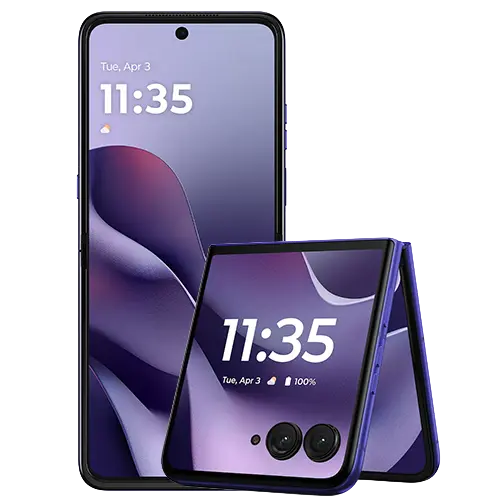
The Razr Ultra's inner display runs for over 31 hours of continuous video playback — the outer screen pushes even further, past 32 hours. For a flip phone with a 5,000mAh battery, that's a meaningful step up from the Razr+ (2026), which runs out of screen at 25 hours on both displays. The bump over last year's Razr Ultra is about 90 minutes gained on the inner screen.
Performance is solid. The Snapdragon 8 Elite returns a GeekBench multi-core score of 9,161, and the GPU sub-scores are among the strongest we've measured across the full device set. You'll feel that headroom in demanding games and sustained workloads — heat buildup stays controlled longer than on the Razr+ (2026), which runs a mid-tier chip.
Peak HDR brightness reaches 2,919 nits on the inner display.
The camera is competent but not the reason to buy this phone. Color accuracy on the main lens improved sharply over last year's model, but overall camera performance sits in the middle of the field — the Galaxy S26 Ultra, at the same price, is noticeably ahead there.
Speaker output is weak for a phone at this price. If audio matters to you, that's a genuine limitation to factor in.
Best Foldable Phone Under $1,000
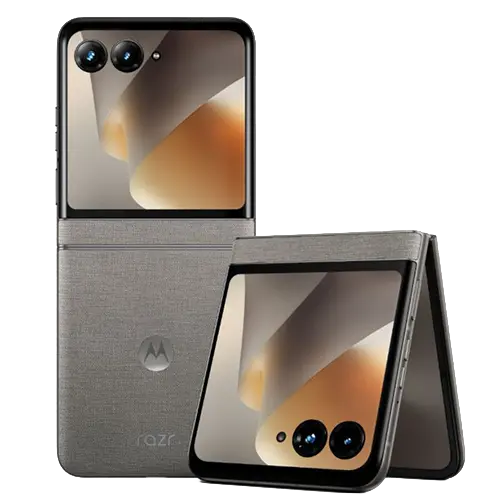
The Motorola Razr may not be as powerful as the Razr Ultra, but it still has a lot going for it. The HDR display peaks near 3,900 nits, which puts it brighter than the Razr Ultra at three times the price, and well past the Nothing Phone (3)'s 1,602 nits. On a phone that folds in half and fits a coat pocket, that's the headline feature, and it holds up outdoors.
The 4,800mAh cell runs about 33 hours of video on the outer screen, a real step up from the 2025 Razr's 26 hours. Charging is unremarkable: 30W wired gets you to 63% in half an hour, similar to the Nothing Phone (3).
This isn't a strong all-rounder. Performance sits near the bottom of our database, so demanding games will stutter where the Nothing Phone (3) won't. The camera is the other soft spot. The Nothing Phone (3) shoots noticeably sharper main-camera detail and ranks among the best we've tested for stills, while the Razr's camera is merely adequate.
What you're paying $799 for is the fold. No other foldable near this price clears the bar, and at the same money the Nothing Phone (3) is a slab. If the form factor matters to you, the compromises on camera and performance are the cost of entry.
Best Foldable Phone for Battery
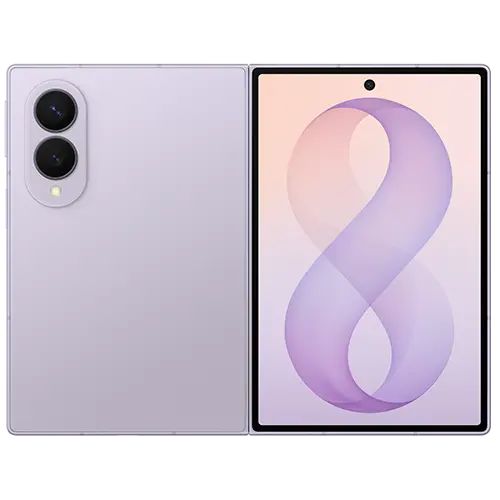
Gaming drains this battery slower than any folding phone we've tested — about 19% per hour, and that's on a 4800mAh cell driving a 7.6-inch inner display. Video playback on the cover screen runs nearly 38 hours, and the inner display manages almost 28. Both figures beat the Z Fold 7 by a wide margin. Standby drain sits at 2% overnight, which means it won't quietly bleed out in your pocket.
The weak point is web browsing, where drain runs faster than most phones we test. If your day is mostly scrolling rather than gaming or video, the endurance advantage shrinks noticeably.
Charging is middling. The 45W wired setup gets you to 71% in 30 minutes — a real step up from the Z Fold 7's 53% — but wireless is slow at 20W, and rivals refuel faster. The Honor Magic V6 packs a larger 6660mAh cell and edges ahead on video playback, yet drains faster in mixed use and loses 11% overnight on standby. For a foldable you don't want to babysit, this is the one.
FAQ
Is the Honor Magic V6 actually thin enough to carry like a normal phone?
The Magic V6 is designed to fold down to a profile closer to a conventional slab than most book-style foldables. It pairs that slim build with a large inner display, so you're not giving up screen real estate to get the pocketable size.
How does the Magic V6 battery hold up compared to a standard flagship?
Battery life is the V6's main weakness. Web browsing drains it significantly faster than an orthodox flagship like the Honor Magic8 Pro, which uses roughly a third of the battery during web use. The 80-watt wired charging helps recover quickly, but you'll spend more time plugged in than with a slab phone.
What makes the Honor Magic V6 a step up from the Magic V5?
The V6 processes quantized AI tasks roughly a third faster than the V5. Gaming and web browsing do drain the battery faster on the V6, so the trade-off for that AI performance is shorter screen-on time between charges.
How long does the Motorola Razr Ultra 2026 battery actually last?
The Razr Ultra (2026) delivers over 31 hours of continuous video playback on the inner display and over 32 hours on the outer display. That's about 90 minutes more on the inner screen than last year's Razr Ultra, and roughly six hours more than the Razr+ (2026).
Is the Motorola Razr Ultra 2026 good for gaming and demanding apps?
The Razr Ultra (2026) runs a Snapdragon 8 Elite with a GeekBench multi-core score of 9,161, and its GPU sub-scores are strong. Heat buildup stays controlled longer than on the Razr+ (2026), which uses a mid-tier chip, so sustained workloads hold up better.
Does the Motorola Razr Ultra 2026 have any notable weaknesses?
Speaker output is the clearest limitation — it's weak for a phone at this price tier. If audio quality is important to you, that's worth factoring in before buying.
Related
Motorola
Razr Ultra (2026)
Samsung
Galaxy Z Fold 8
Motorola
Razr (2026)
Honor
Magic V6

Samsung
Galaxy S26 Ultra
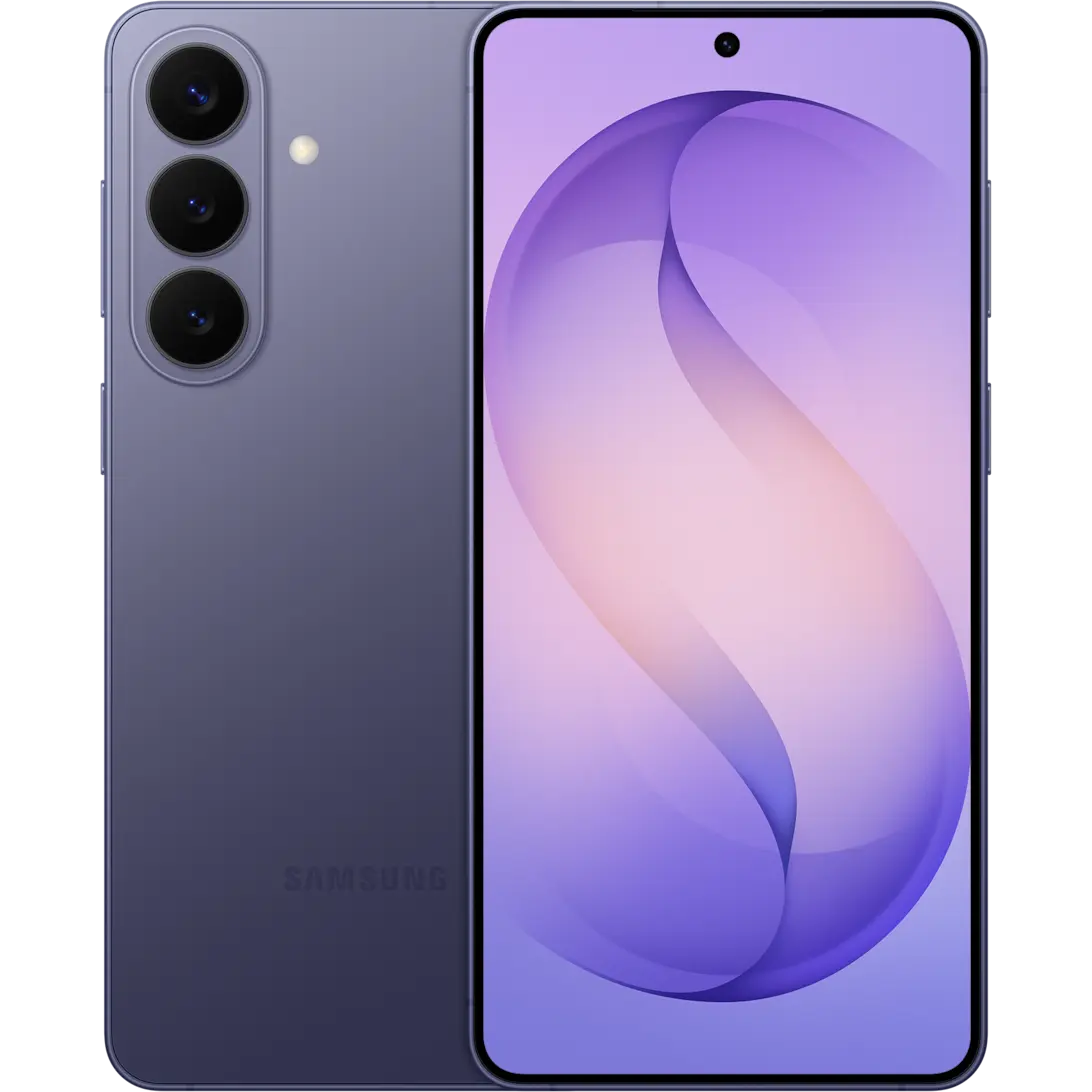
Samsung
Galaxy S26+
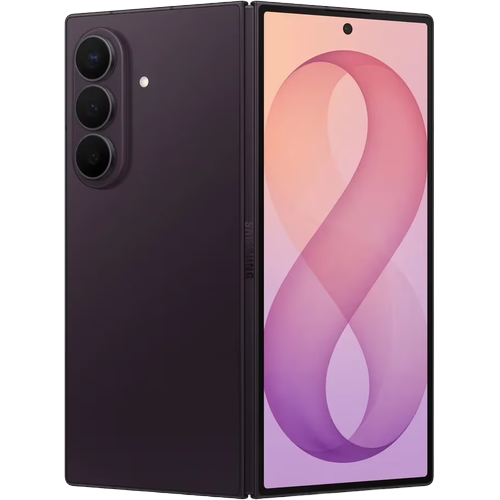
Samsung
Galaxy Z Fold 8 Ultra
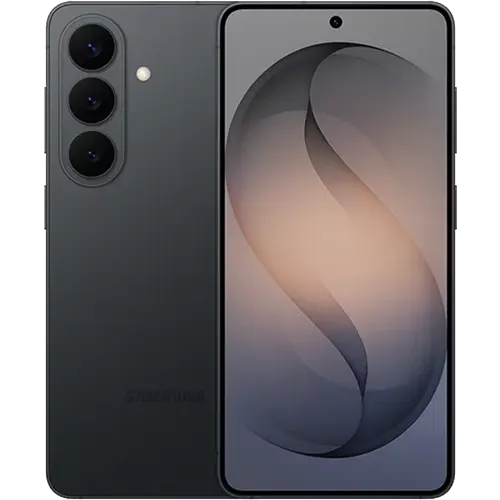
Samsung
Galaxy S26
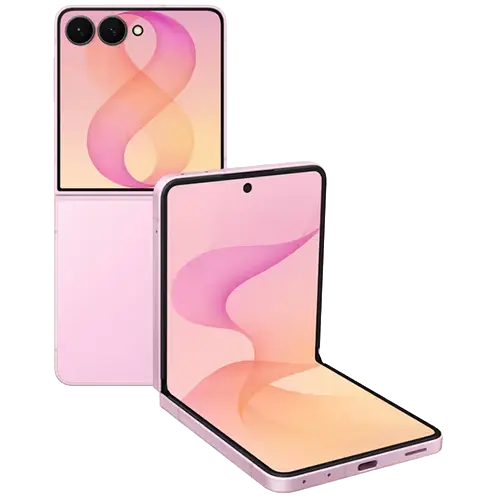
Samsung
Galaxy Z Flip 8
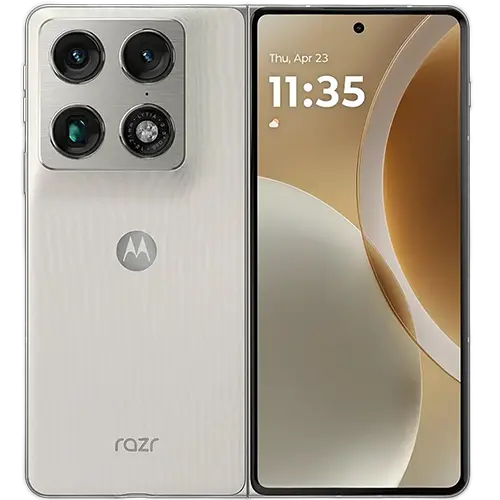
Motorola
Razr Fold
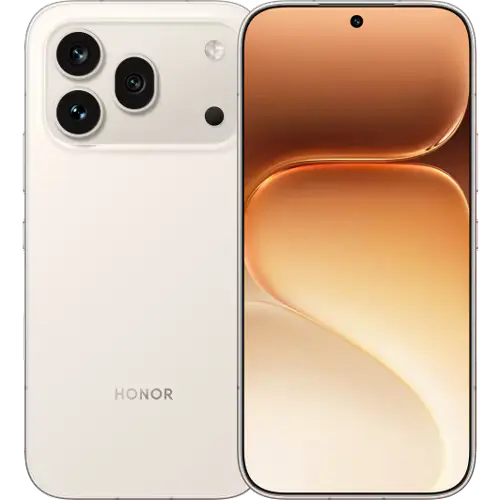
Honor
600
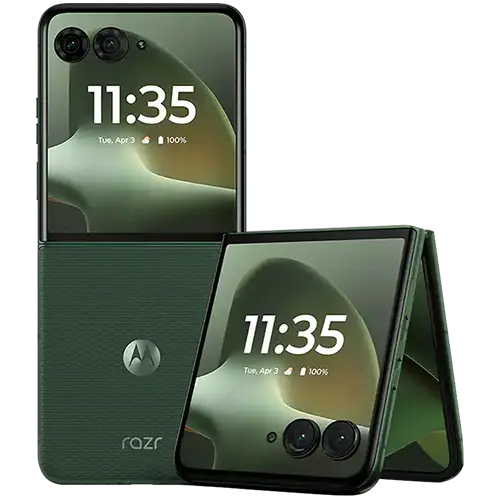
Motorola