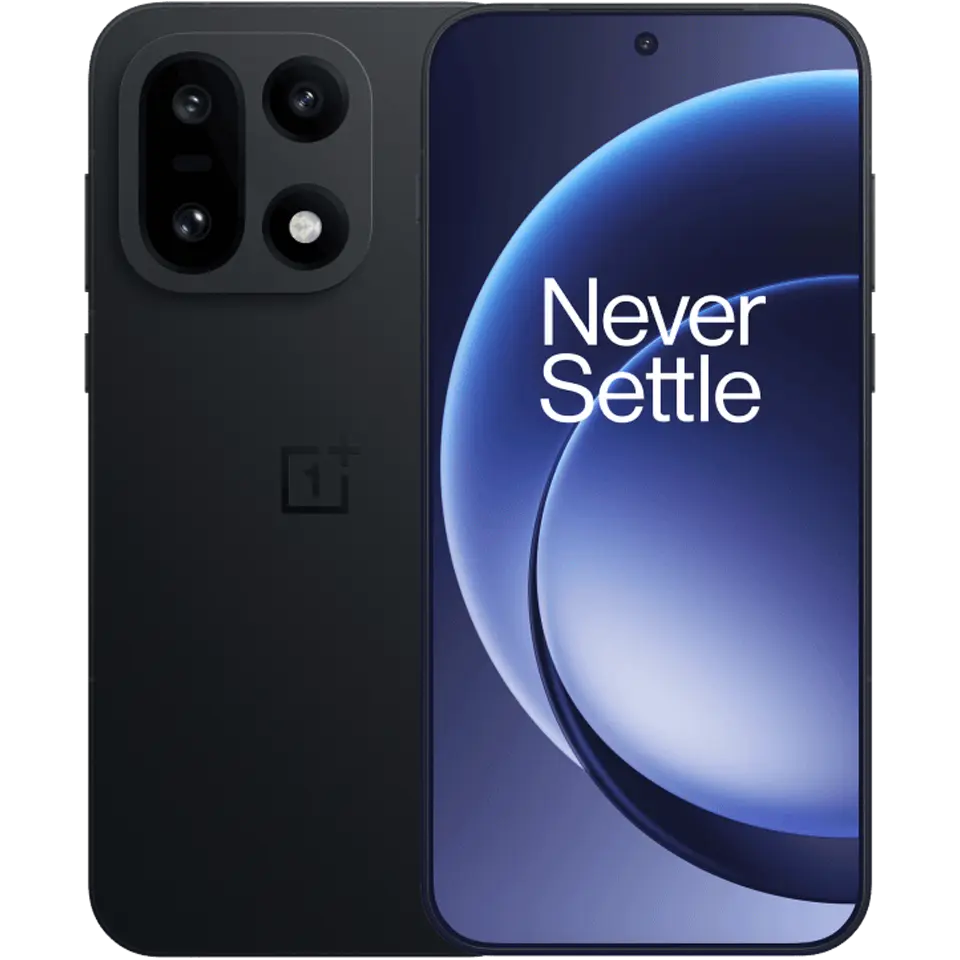
Samsung Galaxy S26 Ultra vs OnePlus 15

Samsung
OnePlus
Galaxy S26 Ultra
15
Ranked #6 of 59
Ranked #7 of 59
Overall
Overall
The Samsung Galaxy S26 Ultra and OnePlus 15 come at very different price points. Samsung's phone is a $1,299.99 flagship positioned as a do-everything device with a large display, an extensive camera system, and premium materials. The OnePlus 15, at $899.99, targets buyers who want flagship-level performance and battery life without the price tag to match. There's a $400 gap between them, and it raises the question of what exactly that extra money buys.
The Samsung pulls ahead in camera versatility, speaker quality, and display brightness. It has dual telephoto lenses and stronger dynamic range processing across its camera system. The OnePlus 15, however, wins on battery life and charging speed by a wide margin, and it edges ahead in GPU stability.
Here’s how the OnePlus 15 and Samsung Galaxy S26 Ultra truly compare in thorough testing.
Design
| Samsung Galaxy S26 Ultra | OnePlus 15 | |
|---|---|---|
| Specifications | ||
| Dimensions | 163.6 x 78.1 x 7.9 mm | 161.4 x 76.7 x 8.1 mm |
| Weight | 214g | 211g |
| IP Rating | IP68 | IP68/IP69K |
| Frame | Aluminum | Aluminum |
| Front | Gorilla Armor 2 | Gorilla Glass Victus 2 |
| Back | Gorilla Glass Victus 2 | Gorilla Glass 7i / Crystal Shield Glass / Glass fiber |
| Screen-to-body ratio | 91.5% | 90.8% |
The Galaxy S26 Ultra’s display measures in at 6.9 inches, and the phone weighs 214g. The OnePlus 15 has a 6.78-inch screen and comes in at 211g. The three-gram difference is negligible in practice.
Both carry IP68 ratings, meaning they're rated for submersion in fresh water to a specified depth. The OnePlus 15 also adds IP69K certification, which covers high-pressure, high-temperature water jets. That's unusual for a phone at any price and means it should handle situations like kitchen steam or heavy rain with more margin than the Samsung.
The Galaxy S26 Ultra and OnePlus 15 both use aluminum frames. The S26 Ultra's aspect ratio is taller and narrower, which affects one-handed use and how content fills the screen.
Bandicoot Lab doesn't formally test design or durability, so this section describes what's on paper.
Display
| Samsung Galaxy S26 Ultra | OnePlus 15 | |
|---|---|---|
634/ 881 | 574/ 881 | |
The Galaxy S26 Ultra runs a 1440 x 3120 panel at 500 PPI with a 120Hz refresh rate. The OnePlus 15 has a 1272 x 2772 display at 450 PPI and pushes up to a 165Hz refresh rate. The Samsung is sharper on paper. The OnePlus's higher refresh rate technically makes some aspects smoother, though not everyone will notice the difference — 120Hz is already very smooth.
For brightness, the Samsung reaches 975.6 nits at max manual and peaks at 3,022.7 nits in HDR. The OnePlus hits 798.1 nits manually and 1,958.1 nits HDR peak. In direct sunlight, the Samsung's higher manual brightness makes it more legible. For HDR video, the Samsung delivers significantly brighter highlights in small bright areas of the image. Sustained brightness is good on both devices — they both retain their brightness over a 30-minute stress test.
Color accuracy is similar between the two. The Samsung's Natural Mode produces slightly tighter accuracy overall, while the OnePlus's Standard Mode is close behind. In their wider-gamut modes, both phones show some color drift. The Samsung's Vivid Mode covers 83% of Display P3, while the OnePlus's Vivid Mode covers nearly 98% of Display P3. Neutral tones on both phones stay reasonably clean, though neither is perfect at the extremes of their gamut.
Touch latency averages 21ms on the Samsung and 15.5ms on the OnePlus. That 5.5ms gap is small enough that most users won't perceive it in daily use, though it could matter in competitive gaming where every millisecond of input lag counts.
Performance
| Samsung Galaxy S26 Ultra | OnePlus 15 | |
|---|---|---|
908/ 1012 | 833/ 1012 | |
Both phones run the Qualcomm Snapdragon 8 Elite Gen 5. The Samsung ships with 12GB of RAM, while the OnePlus gets 16GB.
CPU benchmarks are close. The Samsung scores 3,685 single-core and 11,198 multi-core in GeekBench 6. The OnePlus posts 3,606 single-core and 11,442 multi-core. The Samsung is about 2% faster in single-threaded work; the OnePlus is about 2% faster in multi-threaded tasks. In practice, you won't feel this difference. App launches, multitasking, and general responsiveness should be effectively identical.
GPU performance diverges more. The Samsung hits a higher peak in Wild Life Extreme at 7,802, compared to 7,160 for the OnePlus. The Samsung's stability is only 49.8%, meaning it throttles heavily under sustained load and drops to 3,882 at its worst. The OnePlus maintains 63.7% stability with a worst-case score of 4,563. For a long gaming session, the OnePlus will deliver more consistent frame rates. The Solar Bay stress test is similar — Samsung peaks higher at 13,861 but holds just 56.2% stability, while the OnePlus peaks at 13,230 with 60.6% stability and lower peak temperatures (42°C vs. 44.8°C).
Browser performance is a clear Samsung win. It scores 46 in Speedometer versus 18.1 for the OnePlus. That's a large gap that shows up in complex web apps and heavy JavaScript pages.
Camera
| Samsung Galaxy S26 Ultra (Overall) | OnePlus 15 (Overall) | |
|---|---|---|
| Specifications | ||
| Main | 200MP, f/1.4, 23mm, 1/1.3" | 50MP, f/1.8, 24mm, 1/1.56" |
| Ultrawide | 50MP, f/1.9, 14mm, 1/2.5" | 50MP, f/2, 16mm, 1/2.88" |
| Telephoto | 10MP, f/2.4, 67mm, 1/3.94" | 50MP, f/2.8, 80mm, 1/2.76" |
| Telephoto (Long) | 50MP, f/2.9, 111mm, 1/2.52" | — |
| Front | 12MP, f/2.2, 23mm, 1/3.2" | 32MP, f/2.4, 21mm, 1/2.74" |
The Samsung Galaxy S26 Ultra has a main camera, an ultrawide, two telephoto lenses (short and long), and a front camera. The OnePlus 15 has a main camera, an ultrawide, a single telephoto, and a front camera. That extra telephoto on the Samsung gives it more flexibility.
Overall camera scores favor the Samsung. The gap comes mostly from color processing and dynamic range rather than sharpness. The OnePlus's main camera produces very high sharpness in bright light, and its ultrawide and front camera sharpness are ahead of the Samsung's equivalents. Where the Samsung consistently wins is in how it handles color under processing and how much detail it retains in shadows and highlights.
At deep zoom levels, the two phones are surprisingly close. At 30x, the Samsung is sharper, but at 70x and beyond, the OnePlus holds up better. The Samsung applies noticeable sharpening artifacts at 30x that the OnePlus avoids at the same zoom range.
Main
| Samsung Galaxy S26 Ultra (Main) | OnePlus 15 (Main) | |
|---|---|---|
711/ 722 | 441/ 722 | |
The Samsung's main camera produces high sharpness across all lighting conditions. In bright light, it resolves strong detail at 1x and maintains it well through 2x crops. In dark conditions, it drops off predictably but stays controlled. The OnePlus's main camera is sharper in bright light at 1x. In mid light and darkness, the Samsung catches up, and the two are close.
Color is a Samsung advantage on the main lens. In bright light, both phones oversaturate — the Galaxy S26 Ultra pushes saturation higher, but its hue accuracy is better, meaning colors land closer to where they should even when they're boosted. The OnePlus introduces a noticeable yellow shift in its processed output that's minimal in bright light but grows substantially in mid and dark conditions. In low light, the OnePlus's main camera pulls skin tones and warm surfaces toward yellow-orange, and hue errors increase sharply. This looks like a white balance correction issue rather than a sensor limitation, since the raw files from the OnePlus show clean color that doesn't exhibit the same drift.
Dynamic range from both main cameras is broad. Both retain good shadow detail and handle highlights without clipping in most scenes. The Samsung's processing maintains more natural contrast between tones, while the OnePlus flattens the tonal curve more aggressively, which preserves detail in extremes but makes images look less dimensional.
Ultrawide
| Samsung Galaxy S26 Ultra (Ultrawide) | OnePlus 15 (Ultrawide) | |
|---|---|---|
542/ 722 | 441/ 722 | |
The OnePlus's ultrawide is sharper than the Samsung's in bright and dark conditions. Both ultrawides drop in sharpness compared to their respective main lenses, as expected, but the OnePlus retains more detail at the edges of the frame.
Color on the ultrawide follows the same pattern as the main camera. The Samsung oversaturates moderately in bright light but keeps hues relatively controlled. The OnePlus again introduces a warm cast that intensifies under dimmer, warmer lighting. In dark conditions, the OnePlus ultrawide shows large hue errors and a pronounced yellow-green shift in processing. Raw files on both phones are cleaner, with the Samsung's ultrawide raw color slightly tighter than the OnePlus's.
Dynamic range on the ultrawide is much better on the Galaxy S26 Ultra.
Telephoto
| Samsung Galaxy S26 Ultra (Telephoto Short) | Samsung Galaxy S26 Ultra (Telephoto Long) | OnePlus 15 (Telephoto) | |
|---|---|---|---|
589/ 722 | 676/ 722 | 446/ 722 | |
The Samsung has two telephoto lenses: a 3x telephoto and a 5x telephoto. The OnePlus has one. The Samsung's shorter telephoto delivers strong sharpness in bright and mid light, and the long telephoto maintains high detail at its native focal length. The OnePlus's single telephoto is competitive on sharpness with the Samsung's short telephoto in bright conditions and holds up decently in mid light.
At the Samsung's 3x short telephoto, sharpening artifacts are noticeable in bright light. The long telephoto at 5x is sharp and cleaner in its processing.
Color is the Samsung's clear strength here. Both telephoto lenses on the Samsung produce moderate saturation boost but keep hue errors contained, particularly the long telephoto, which has the best color accuracy of any lens on either phone. The OnePlus telephoto has severe color problems in processed images — skin tones and warm colors shift heavily toward yellow in all three lighting conditions. The warm-light hue errors are among the largest of any lens tested on either device, and the pattern of increasing yellow bias under warmer light points to a white balance correction issue in the processing pipeline.
Dynamic range on the Samsung's telephoto lenses is solid. The short telephoto retains deep shadow detail and keeps highlights in check. The long telephoto is slightly narrower but still effective. The OnePlus 15’s telephoto has the weakest dynamic range of the three.
Video stabilization is better on the Samsung's short telephoto than the OnePlus's telephoto, with smoother handheld footage and less residual shake. The Samsung's long telephoto stabilization is also more controlled than the OnePlus's single telephoto.
Front
| Samsung Galaxy S26 Ultra (Front) | OnePlus 15 (Front) | |
|---|---|---|
415/ 722 | 421/ 722 | |
The OnePlus front camera is sharper than the Samsung's across all lighting conditions. The difference is most noticeable in bright light, where the OnePlus resolves substantially more detail.
Front camera color is close between the two in bright light. Both oversaturate slightly. The Samsung's front camera introduces a cool shift in dark conditions, pulling skin tones slightly toward blue. The OnePlus's front camera pushes warm in mid and dark light, with skin tones drifting toward yellow-orange under those conditions. In raw output, both front cameras are accurate, and the OnePlus's raw skin tone accuracy is slightly better than the Samsung's.
Dynamic range from the front cameras favors the OnePlus in processed images, where it captures a wider range of brightness with more shadow detail. The Samsung's front camera clips highlights aggressively and retains less shadow information. Neither front camera matches the dynamic range of their respective rear lenses.
Video stabilization from the front cameras is similar. Both show some residual shake in handheld recording, with the Samsung slightly less controlled than the OnePlus.
Battery
| Samsung Galaxy S26 Ultra | OnePlus 15 | |
|---|---|---|
539/ 799 | 780/ 799 | |
The OnePlus 15 has a 7,300mAh battery. The Samsung Galaxy S26 Ultra has a 5,000mAh cell. That's a 46% capacity advantage for the OnePlus, and it shows up across every battery metric.
In video playback at 200 nits, the OnePlus lasts 46 hours and 6 minutes. The Samsung lasts 31 hours and 33 minutes. The OnePlus advantage is pretty huge. For most people, the OnePlus's video playback time translates to comfortably going three days between charges with moderate use. The Samsung is more of a two-day phone under similar conditions. At maximum brightness, the Samsung plays back 29 hours and 17 minutes of video; the OnePlus manages 34 hours and 38 minutes.
Web browsing drain over five hours is 16% on the OnePlus and 24% on the Samsung. That means a full day of heavy web use would leave the OnePlus with plenty of reserve while the Samsung would need a top-up by evening. Gaming drain during the one-hour stress test is 23% on the OnePlus and 24% on the Samsung. This is close, and the OnePlus's larger battery means it has far more total capacity remaining after the same proportional drain. Standby drain over eight hours is 4% on the OnePlus and 10% on the Samsung.
Charging
| Samsung Galaxy S26 Ultra | OnePlus 15 | |
|---|---|---|
486/ 837 | 700/ 837 | |
The OnePlus 15 supports 120W wired and 50W wireless charging. The Samsung Galaxy S26 Ultra supports 60W wired and 25W wireless.
Wired charging is substantially faster on the OnePlus. At 10 minutes, it reaches 37% compared to the Samsung's 34%. At 30 minutes, the OnePlus hits 88% versus the Samsung's 79%. For someone who grabs a quick charge before heading out, the OnePlus gets you to a usable level faster, and the gap widens the longer you charge. The OnePlus's combination of a much larger battery and faster charging means it goes from dead to nearly full in under 35 minutes, which is genuinely practical.
Wireless charging is better on the Samsung though. It reaches 18% in 10 minutes and 44% in 30 minutes. The OnePlus manages only 10% at 10 minutes and 28% at 30 minutes, despite its higher rated wireless wattage. On a nightstand overnight, neither speed matters much. For daytime wireless top-ups, the Samsung delivers more charge more quickly.
Speaker
| Samsung Galaxy S26 Ultra | OnePlus 15 | |
|---|---|---|
857/ 897 | 669/ 897 | |
The Samsung Galaxy S26 Ultra scores well above the OnePlus 15 in speaker tests. Maximum volume is nearly identical — 75.3 dBA for the Samsung and 75 dBA for the OnePlus. The difference isn't about loudness.
Distortion is where the Samsung separates itself. It averages 3.255% THD, which is low and means audio stays clean even at high volumes. The OnePlus averages 7.867% THD, which is noticeably higher. You'll hear this as a slight harshness or buzzing on complex audio at higher volume levels.
The Samsung also has fuller bass and clearer high-frequency detail. Its speaker output sounds richer and more balanced across the frequency range. The OnePlus sounds thinner by comparison, with less low-end presence and less separation between instruments or voices. For media consumption without headphones, the Samsung is the clearly better choice.
Microphone
| Samsung Galaxy S26 Ultra | OnePlus 15 | |
|---|---|---|
566/ 1220 | 696/ 1220 |
The OnePlus 15 scores above average in microphone quality. The Samsung Galaxy S26 Ultra scores below average. The OnePlus has more even frequency response across the microphone's range, meaning it captures voice and ambient sound with less emphasis on any particular frequency band. The Samsung's microphone is more uneven, which can make recordings sound slightly colored or less natural. For voice calls and video recording, the OnePlus produces cleaner audio.
Other
| Samsung Galaxy S26 Ultra | OnePlus 15 | |
|---|---|---|
| Biometrics | 764/ 1181 | 514/ 1181 |
| Data Transfer | 737/ 877 | 622/ 877 |
| Specifications | ||
| Biometric type | Fingerprint | Fingerprint |
| Ports | USB-C 3.2 | USB-C 3.2 |
| Storage | 256GB, 512GB, 1TB | 256GB, 512GB, 1TB |
Both phones use ultrasonic fingerprint sensors. The Samsung unlocks in an average of 137.5ms, while the OnePlus takes 204.2ms. That's a noticeable difference. The Samsung feels instant, but the OnePlus has a perceptible delay. Neither phone has hardware-based face unlock.
Data transfer speeds are faster on the Galaxy S26 Ultra. It reads large files at 331.57 MB/s and writes at 274.26 MB/s. The OnePlus 15 reads at 298.11 MB/s and writes at 230.46 MB/s. For small files, the Samsung leads more dramatically: 78.04 MB/s read and 52.66 MB/s write versus 69.07 MB/s and 24.36 MB/s on the OnePlus. If you regularly transfer large amounts of data to and from your phone, the Samsung handles it faster. Both phones use USB-C 3.2 ports.
Conclusion
The Samsung Galaxy S26 Ultra is the more complete camera phone. Its dual telephoto system, stronger color processing, and better dynamic range across all lenses make it the better choice for anyone who prioritizes photography. Its speaker quality is clearly superior, its fingerprint sensor is faster, and its display gets much brighter for outdoor use and HDR content. The extra resolution and higher PPI are visible in fine detail, and data transfer speeds are meaningfully faster.
The OnePlus 15 is the better phone for battery life and charging, and it isn't close. Its 7,300mAh battery outlasts the Samsung by a wide margin in every scenario, and its 120W wired charging gets it back to full faster than any combination of the Samsung's charging options. It also maintains more consistent GPU performance under sustained gaming loads, runs cooler, and has a better microphone. Its front camera is sharper, and its display, while dimmer, holds its brightness nearly perfectly under extended HDR playback.
The $400 price difference is substantial. The Samsung justifies it primarily through its camera system and display brightness. If those are your priorities, the premium makes sense. If you care most about battery endurance, charging speed, and getting strong all-around performance for less money, the OnePlus 15 is the better value.
Related
Samsung
Galaxy S26 Ultra
OnePlus
15
Samsung
Galaxy S26+
Samsung
Galaxy Z Fold 8 Ultra
Samsung
Galaxy Z Fold 8
Samsung
Galaxy S26
OnePlus
15R
Best Phones
Best Phone Displays
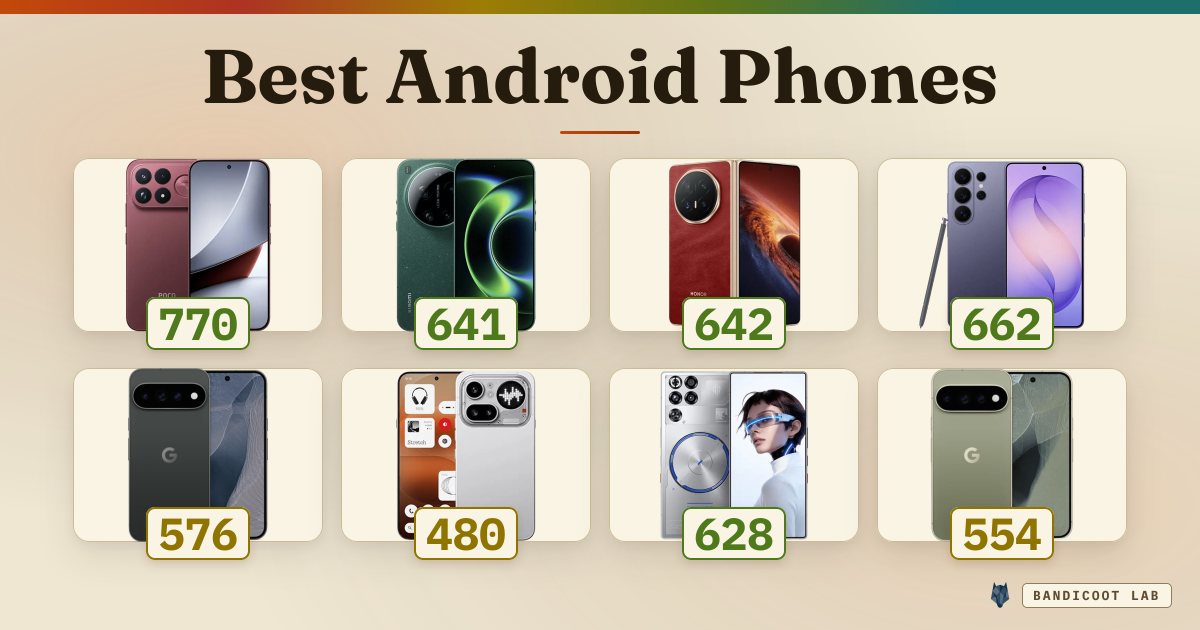
Best Android Phones
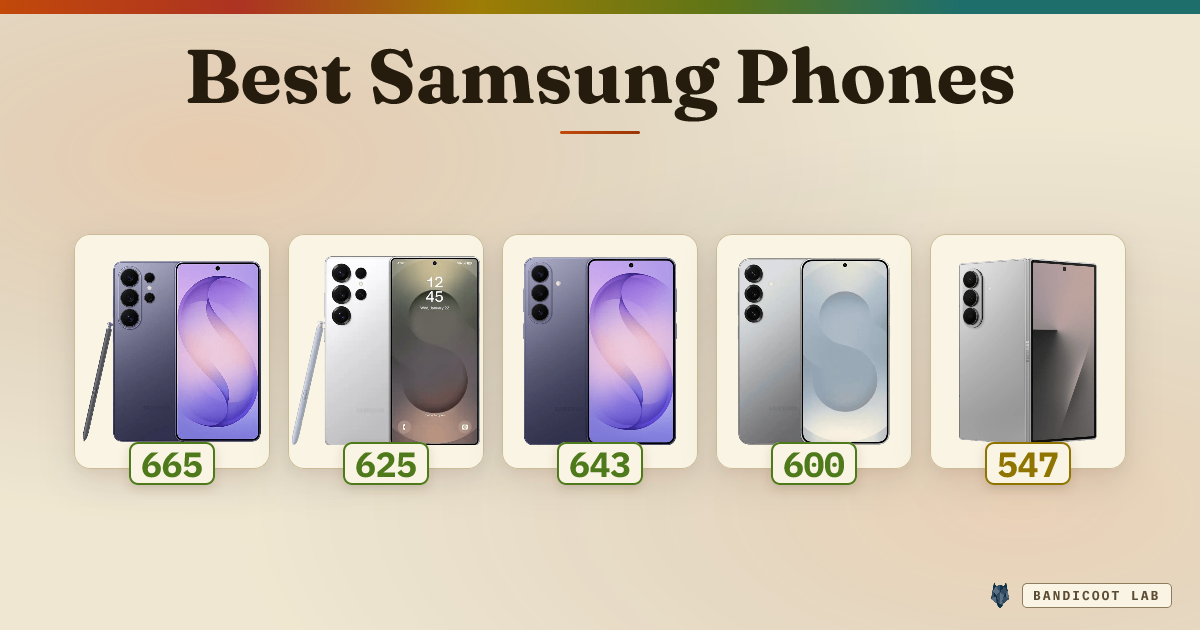
Best Samsung Phones

Samsung Galaxy S26 Series vs Galaxy S25 Series