Samsung Galaxy S26 Ultra vs Xiaomi 17 Ultra

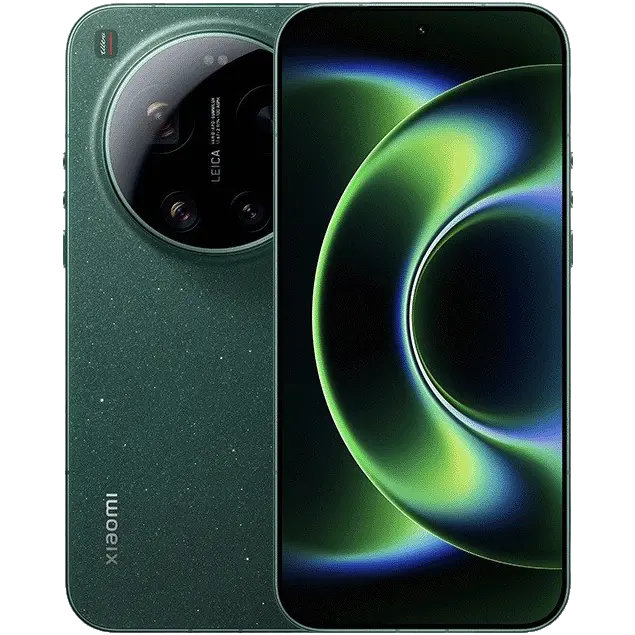
Samsung
Xiaomi
Galaxy S26 Ultra
17 Ultra
Ranked #6 of 59
Ranked #9 of 59
Overall
Overall

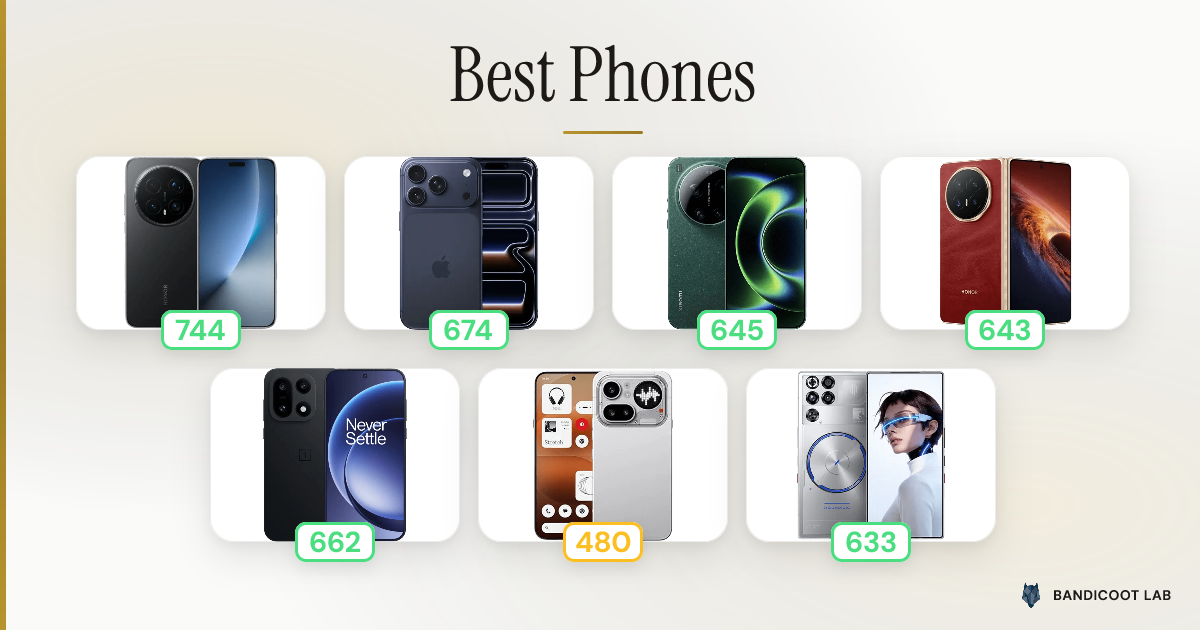
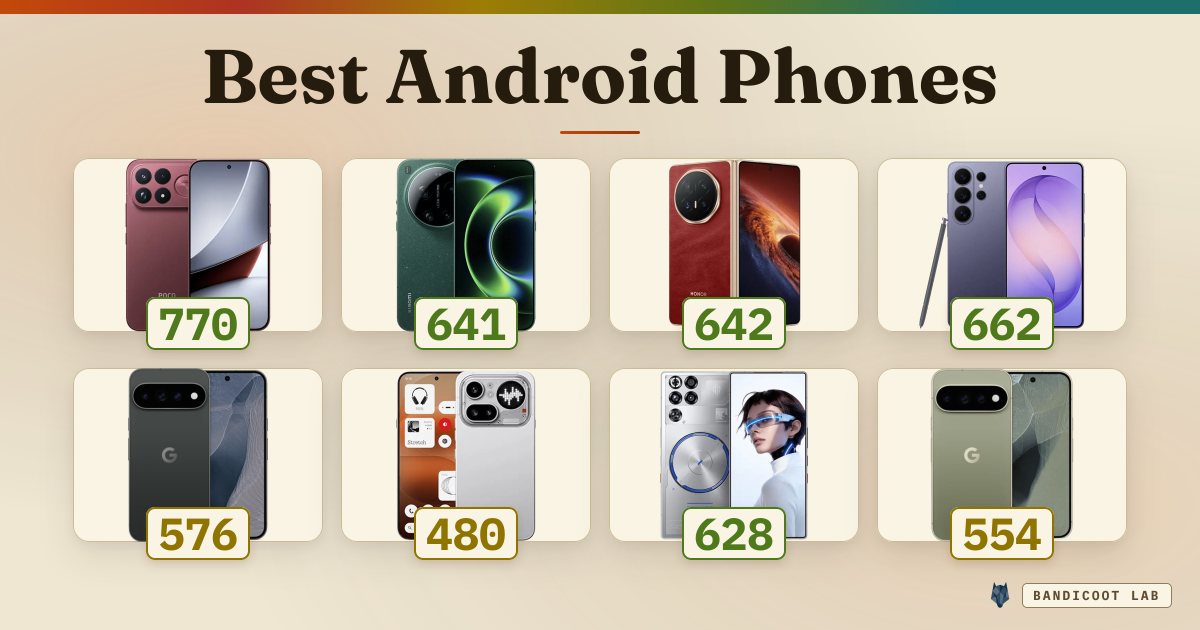
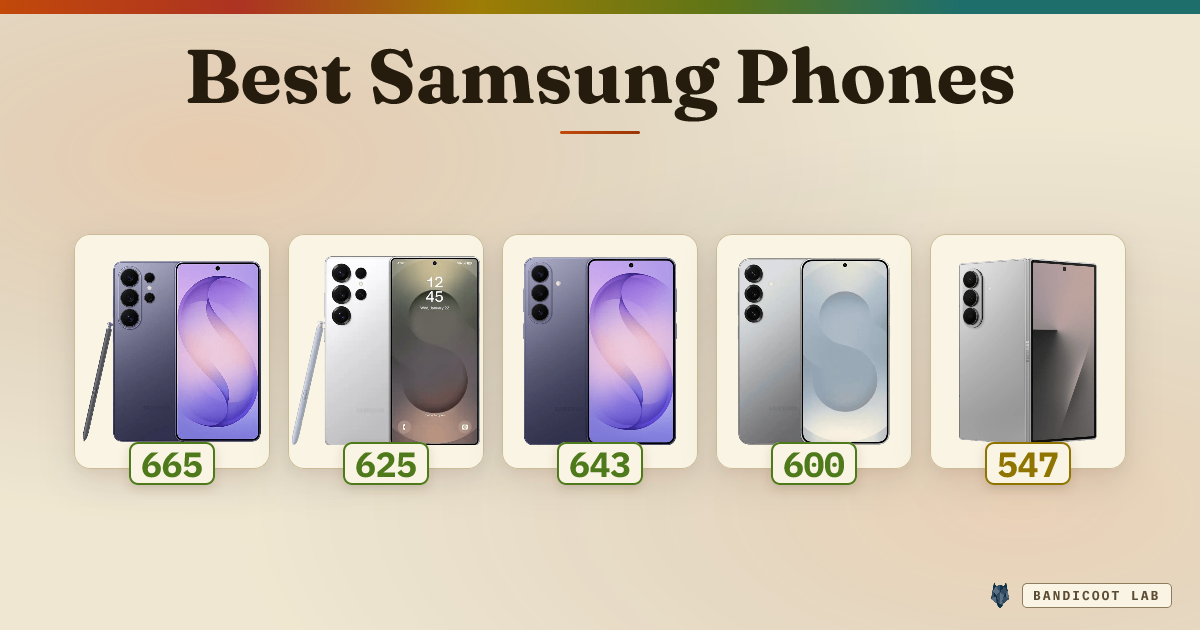
The Samsung Galaxy S26 Ultra and Xiaomi 17 Ultra represent the best phones from each respective brand. Samsung’s phone is perhaps more familiar to most people. It’s a refined iteration of its Ultra line, priced at $1,299.99, positioned as an all-rounder with a strong ecosystem and broad carrier availability. The Xiaomi 17 Ultra, at €1,499, pushes harder on camera hardware and charging speed, targeting buyers who prioritize those areas and don't mind paying a premium or stepping outside the Samsung ecosystem.
The Samsung pulls ahead in speaker quality, raw CPU benchmarks, and display brightness at the manual setting. It also costs less. The Xiaomi 17 Ultra is stronger in camera performance across most lenses, GPU sustained performance, data transfer speeds, and charging.
Here’s how the Samsung Galaxy S26 Ultra and the Xiaomi 17 Ultra compare in thorough testing.
Design
| Samsung Galaxy S26 Ultra | Xiaomi 17 Ultra | |
|---|---|---|
| Specifications | ||
| Dimensions | 163.6 x 78.1 x 7.9 mm | 162.9 x 77.6 x 8.3 mm |
| Weight | 214g | 218.4g |
| IP Rating | IP68 | IP68/IP69 |
| Frame | Aluminum | Aluminum |
| Front | Gorilla Armor 2 | Xiaomi Shield Glass 3.0 |
| Back | Gorilla Glass Victus 2 | Fiber-reinforced plastic / Vegan leather |
| Screen-to-body ratio | 91.5% | 92.1% |
The two phones are close in size and weight. The Galaxy S26 Ultra has a 6.9-inch display and weighs 214g. The Xiaomi 17 Ultra also uses a 6.9-inch panel and comes in at 218.4g. That 4.4g difference isn't something you'd notice in a pocket or hand.
Both phones carry IP68 water and dust resistance, meaning submersion in fresh water up to the rated depth (typically 1.5 meters for 30 minutes). The Xiaomi adds an IP69 rating, which covers resistance to high-pressure, high-temperature water jets. It's a niche benefit, but it's there.
Bandicoot Lab doesn't formally test design or durability. The observations here are based on published specifications only.
Display
| Samsung Galaxy S26 Ultra | Xiaomi 17 Ultra | |
|---|---|---|
634/ 881 | 580/ 881 | |
Both phones use 6.9-inch AMOLED panels running at up to 120Hz. The Galaxy S26 Ultra’s resolution is 1440 x 3120 at 500 pixels per inch, while the Xiaomi sits at 1200 x 2608, at 416 PPI. That's a meaningful gap in pixel density. Fine text and detailed images will look slightly crisper on the Samsung, especially if you hold the phone close. They’re both very crisp though.
Manual brightness differs substantially. The Galaxy S26 Ultra reaches 975.6 nits at full manual brightness, while the Xiaomi 17 Ultra tops out at 621.2 nits. With auto-brightness off, the Samsung is going to be significantly easier to read in direct sunlight. Minimum brightness is nearly identical, though.
HDR peak brightness and sustained brightness tell a different story. The Xiaomi hits a higher HDR peak at 3,408.6 nits compared to the Samsung's 3,022.7 nits. The Xiaomi retains 58.6% of its peak at larger window sizes, while the Samsung drops to 48.8%. Both phones hold their brightness extremely well in a sustained test, with stability above 98%.
Color accuracy is close. The Xiaomi's best mode (Original Color Pro) produces colors that track reference targets well, with only minor drift. The Samsung's Natural Mode shows slightly more deviation overall, with neutral tones drifting a touch further from reference. Both phones offer vivid modes that push saturation higher and widen the gamut for a punchier look. Neither phone has color accuracy problems you'd notice in everyday use unless you're doing color-critical work, where the Xiaomi has a slight edge.
Touch latency averages 21ms on the Samsung and 18.2ms on the Xiaomi. Both are responsive enough that you're unlikely to feel a difference in normal use or casual gaming.
Performance
| Samsung Galaxy S26 Ultra | Xiaomi 17 Ultra | |
|---|---|---|
908/ 1012 | 884/ 1012 | |
Both phones run the Qualcomm Snapdragon 8 Elite Gen 5. The Samsung pairs it with 12GB of RAM, while the Xiaomi gets 16GB.
CPU performance is effectively identical. The Samsung scores 3,685 single-core and 11,198 multi-core in GeekBench 6. The Xiaomi scores 3,689 single-core and 11,173 multi-core. These are within margin-of-error territory. You won't feel a difference in app launches, multitasking, or any CPU-bound task.
GPU performance diverges a little more. The Samsung's peak GPU score in Wild Life Extreme is 7,802, but stability drops to 49.8% over the stress test, meaning sustained performance falls significantly under prolonged load. The Xiaomi peaks lower at 7,217 but holds 65% stability. For extended gaming sessions, the Xiaomi delivers more consistent frame rates because it doesn't throttle as aggressively. The Solar Bay ray-tracing stress test shows the same pattern — Samsung peaks higher (13,861 vs 12,680) but drops to 56.2% stability versus the Xiaomi's 70.9%.
Browser performance differs sharply. The Samsung scores 46 in Speedometer, nearly double the Xiaomi's 24.2. This is a large gap that likely reflects software optimization differences.
Camera
| Samsung Galaxy S26 Ultra (Overall) | Xiaomi 17 Ultra (Overall) | |
|---|---|---|
| Specifications | ||
| Main | 200MP, f/1.4, 23mm, 1/1.3" | 50MP, f/1.7, 23mm, 1" |
| Ultrawide | 50MP, f/1.9, 14mm, 1/2.5" | 50MP, f/2.2, 14mm, 1/2.76" |
| Telephoto | 10MP, f/2.4, 67mm, 1/3.94" | 200MP, f/2.4, 100mm, 1/1.4" |
| Telephoto (Long) | 50MP, f/2.9, 111mm, 1/2.52" | — |
| Front | 12MP, f/2.2, 23mm, 1/3.2" | 50MP, f/2.2, 21mm, 1/2.7" |
The Xiaomi 17 Ultra scores higher overall in camera testing, and it earns that lead primarily through its telephoto and ultrawide lenses. The Samsung counters with a dual telephoto system offering two native focal lengths, which provides more optical flexibility. Both phones produce strong results from their main cameras. The Samsung's main lens sharpness edges out the Xiaomi's slightly, but the Xiaomi's ultrawide and telephoto sharpness are considerably higher.
At deep zoom levels, the Xiaomi maintains more detail. At 100x, both phones are firmly in computational zoom territory, but the Xiaomi holds slightly more resolved detail with far less sharpening artifact.
Both phones lean toward vivid color tuning in their processed output. The Samsung pushes saturation higher in bright light, especially on the main camera, where skin tones can shift noticeably from reference. The Xiaomi also oversaturates in bright light, with skin tones drifting similarly on the main camera. In mid and low light, the Xiaomi's main camera processing shifts warm, with a noticeable yellow push that grows as lighting gets dimmer.
Main
| Samsung Galaxy S26 Ultra (Main) | Xiaomi 17 Ultra (Main) | |
|---|---|---|
711/ 722 | 612/ 722 | |
Both main cameras are sharp in bright light, with the Samsung and Xiaomi producing high, comparable detail. In mid light, they stay close. In low light, the Xiaomi pulls slightly ahead in resolved detail, with very little sharpening artifact, while the Samsung backs off sharpening appropriately too.
Color character differs. The Samsung's processed output in bright light boosts saturation noticeably, and skin tones shift enough to be visible in portraits. In mid light, it pulls slightly pink-warm. The Xiaomi is similarly saturated in bright light but shifts warmer as light dims, with a yellow cast that becomes obvious in dark conditions. The Xiaomi's warm shift follows the pattern of a white balance correction issue rather than a sensor-level hue problem. The Samsung's hue errors in low light are more scattered, suggesting a mix of white balance and processing choices.
Dynamic range from Samsung's main camera shows good highlight retention and clean shadows. The Xiaomi captures a wider tonal range but compresses it more, which pulls shadow and highlight detail closer together. In a backlit portrait, the Samsung is more likely to clip a bright window while keeping the face natural. The Xiaomi is more likely to hold the window detail but flatten the overall look slightly.
Ultrawide
| Samsung Galaxy S26 Ultra (Ultrawide) | Xiaomi 17 Ultra (Ultrawide) | |
|---|---|---|
542/ 722 | 666/ 722 | |
The Xiaomi's ultrawide camera is a standout. Its sharpness is well above the Samsung's, and the difference is visible in resolved detail, especially in mid and low light where the gap widens. The Xiaomi's ultrawide holds up well compared to its own main camera, losing less sharpness than you'd typically expect from an ultrawide lens.
Color from the Xiaomi's ultrawide is relatively consistent across lighting conditions, with mild warm bias in dark conditions driven by white balance overcorrection. The Samsung's ultrawide pushes saturation more in bright and mid light, and shows a stronger pink shift under warm artificial lighting. Both phones boost saturation in processed output compared to raw, which is typical.
Dynamic range from the Xiaomi's ultrawide is wide, with good shadow recovery and usable highlight detail. The Samsung's ultrawide captures a narrower usable range, and high-contrast scenes lose more shadow detail. For landscape and architecture shooting, the Xiaomi's ultrawide is the more capable lens.
Telephoto
| Samsung Galaxy S26 Ultra (Telephoto Short) | Samsung Galaxy S26 Ultra (Telephoto Long) | Xiaomi 17 Ultra (Telephoto) | |
|---|---|---|---|
589/ 722 | 676/ 722 | 722/ 722 | |
The Samsung offers two telephoto lenses at different focal lengths. The short telephoto is a dceent mid-range zoom, while the long telephoto handles higher magnification. The Xiaomi has a single telephoto that's sharp and well-tuned — plus it supports a mechanical zoom.
The Xiaomi's telephoto sharpness is substantially higher than either of Samsung's telephoto lenses. The Samsung's 3x telephoto is the weakest of the group, and the 5x telephoto is decent but can't match the Xiaomi's level of resolved detail.
Color from the Xiaomi's telephoto stays relatively accurate across lighting, with skin tones holding well in bright and mid conditions and only moderate warm drift in dark light. Samsung's long telephoto has good color in bright and mid light but falls off sharply in dark conditions, where skin tones drift substantially. The short telephoto is more consistent but pushes slightly cool-purple under warm light.
Dynamic range from Samsung's telephoto lenses is solid for the long lens and good for the short lens, with clean highlight handling. The Xiaomi's telephoto captures a wide range but compresses tones more aggressively, similar to its main camera behavior.
Samsung's advantage here is optical flexibility. Having two native focal lengths means less reliance on digital crop at intermediate zoom levels. The Xiaomi's single telephoto is sharper and more color-accurate at its native zoom, but you're relying on digital processing for anything outside that range.
Front
| Samsung Galaxy S26 Ultra (Front) | Xiaomi 17 Ultra (Front) | |
|---|---|---|
415/ 722 | 470/ 722 | |
Front camera sharpness is close between the two phones in bright and mid light. The Samsung resolves a bit more in bright conditions, while the Xiaomi is slightly sharper in low light. Both phones produce usable selfies across conditions.
Color from the Samsung's front camera is moderately saturated, with skin tones that drift slightly warm in bright light and shift cool-purple in low light. That low-light shift looks like a white balance issue, as the cool bias increases substantially when the color temperature drops. The Xiaomi's front camera desaturates slightly in bright light and pushes warm-pink in dark conditions, with skin tones that drift in the warm direction as light dims.
Dynamic range from the front camera favors the Xiaomi. It captures more usable shadow and highlight detail in high-contrast selfie situations like backlit scenes. The Samsung's front camera clips highlights more aggressively, which can blow out bright backgrounds behind the subject. Video stabilization from the front camera also favors the Xiaomi, which controls shake more effectively in handheld selfie video.
Battery
| Samsung Galaxy S26 Ultra | Xiaomi 17 Ultra | |
|---|---|---|
539/ 799 | 520/ 799 | |
The Xiaomi 17 Ultra has a 6,000mAh battery, while the Samsung Galaxy S26 Ultra packs 5,000mAh. That's a 20% capacity advantage for the Xiaomi, but test results don't follow that gap neatly.
In video playback at 200 nits, the Samsung lasts 31 hours and 34 minutes, while the Xiaomi reaches 30 hours and 59 minutes. Both are quite good. Either phone will handle two full days of moderate use between charges, and the Samsung's slight edge likely comes from display efficiency at its higher resolution, which sounds counterintuitive but suggests good panel power management.
Web browsing drain tells a different story. Over a five-hour web browsing test, the Samsung loses 24% while the Xiaomi drops 26%. That's a modest advantage for the Samsung. Gaming is where the Xiaomi's larger battery gets offset by higher power draw — during the one-hour test, the Xiaomi drains 31% compared to the Samsung's 24%. That's a significant gap that'll matter during extended gaming sessions.
Standby drain is close. The Samsung loses 10% over eight hours of overnight idle, the Xiaomi loses 9%. Both are pretty sub-par, with most well-optimized phones draining 2-4%.
The Samsung phone is more efficient under load despite the smaller battery, particularly for gaming. The Xiaomi's larger cell doesn't translate to longer life in most scenarios, though the extra capacity provides a cushion if you're a heavy user who hits every category hard throughout the day.
Charging
| Samsung Galaxy S26 Ultra | Xiaomi 17 Ultra | |
|---|---|---|
486/ 837 | 568/ 837 | |
The Xiaomi 17 Ultra supports 90W wired and 50W wireless charging. The Samsung Galaxy S26 Ultra supports 60W wired and 25W wireless.
At 10 minutes on a wire, the Samsung reaches 34% while the Xiaomi hits 32%. The Samsung's slightly faster early charging is a bit surprising given the wattage difference, but the Xiaomi is filling a larger 6,000mAh cell. At 30 minutes, the Samsung reaches 79% and the Xiaomi 77%.
Wireless charging favors the Xiaomi more clearly. At 10 minutes, the Xiaomi reaches 19% versus the Samsung's 18%. At 30 minutes, it's 45% versus 44%. The differences are slim, but the Xiaomi is charging a battery that's 20% larger to nearly the same percentage in the same time, meaning it's delivering meaningfully more total energy wirelessly. If you rely on wireless charging overnight, both are fine. If you wireless-charge opportunistically during the day, the Xiaomi's 50W wireless spec does translate into faster absolute energy delivery.
Speaker
| Samsung Galaxy S26 Ultra | Xiaomi 17 Ultra | |
|---|---|---|
857/ 897 | 701/ 897 | |
The Samsung Galaxy S26 Ultra has the stronger speaker. It reaches 75.3 dBA maximum volume compared to the Xiaomi's 71 dBA. That's a noticeable difference, roughly equivalent to the gap between comfortable listening and needing to lean closer in a noisy room.
Distortion is a little better on the Samsung phone too, averaging 3.26% THD compared to the Xiaomi's 5.28%. THD (total harmonic distortion) measures how much unwanted noise creeps into the audio signal; lower is cleaner. The Samsung stays cleaner at high volumes, with less audible breakup in vocals and instruments. Both phones produce decent bass for their size, with the Xiaomi having a slightly fuller low end. The Samsung compensates with noticeably better high-frequency clarity and detail. If you listen to podcasts or watch dialogue-heavy video, the Samsung's cleaner high end and louder output make it the better choice. Music listeners who prefer warmth and bass weight might find the Xiaomi's balance acceptable, but the distortion gap is hard to overlook.
Microphone
| Samsung Galaxy S26 Ultra | Xiaomi 17 Ultra | |
|---|---|---|
566/ 1220 | 605/ 1220 |
Both phones produce average microphone quality. The Xiaomi has a slightly more even frequency response based on its lower standard deviation (4.96 dB vs 5.3 dB for the Samsung), meaning it reproduces a wider range of frequencies more evenly. Neither phone stands out for voice recording or video capture, and both sit in the bottom half of tested devices. If microphone quality is important to you for content creation or voice notes, neither phone is a strong pick, but the Xiaomi has a marginal edge in consistency.
Other
| Samsung Galaxy S26 Ultra | Xiaomi 17 Ultra | |
|---|---|---|
| Biometrics | 764/ 1181 | 552/ 1181 |
| Data Transfer | 737/ 877 | 877/ 877 |
| Specifications | ||
| Biometric type | Fingerprint | Fingerprint |
| Ports | USB-C 3.2 | USB-C 3.2 Gen 2 |
| Storage | 256GB, 512GB, 1TB | 512GB, 1TB |
Fingerprint unlock speed is better on the Samsung phone, at 137.5ms average compared to the Xiaomi's 190.3ms. Both use ultrasonic sensors, but the Samsung is roughly 50ms faster. That's a perceptible difference — the Samsung feels immediate, while the Xiaomi has a brief but noticeable pause. Neither phone has hardware-based face unlock.
Data transfer speeds favor the Xiaomi in large file operations. It reads at 440 MB/s and writes at 342 MB/s, compared to the Samsung's 332 MB/s read and 274 MB/s write. The Xiaomi's USB-C 3.2 Gen 2 port enables this advantage. For small files, the Samsung is faster at reading (78 MB/s vs 70 MB/s) and substantially faster at writing (53 MB/s vs 26 MB/s). If you transfer large video files to a computer regularly, the Xiaomi has a clear advantage. If you're moving lots of small files, the Samsung handles that better.
The Samsung is available in 128GB, 256GB, 512GB, and 1TB storage options. The Xiaomi offers 256GB, 512GB, and 1TB. Neither supports expandable storage.
Conclusion
The Samsung Galaxy S26 Ultra is the more balanced phone. It leads in speaker quality, browser performance, fingerprint speed, and manual display brightness. It's also more power-efficient under gaming load despite a smaller battery, and it costs $200 less. Its dual telephoto system gives you more optical zoom flexibility, even if neither of its telephoto lenses matches the Xiaomi's single telephoto in sharpness.
The Xiaomi 17 Ultra earns its higher camera score through sharper optics across most lenses, particularly the ultrawide and telephoto, and it maintains that advantage into low light. It handles GPU-intensive tasks more consistently thanks to better thermal management, charges a larger battery to the same percentages in roughly the same time, and moves large files faster over USB. Its HDR display brightness is higher and holds up better over time.
If you want the best speaker, fastest fingerprint sensor, brightest manual display, strongest browser performance, and a lower price, the Samsung Galaxy S26 Ultra is the pick. If camera quality across all lenses is your primary concern, or you value sustained GPU performance and faster data transfers, the Xiaomi justifies its premium. Both are excellent phones — they just excel in different places.
Related
Samsung
Galaxy S26 Ultra
Xiaomi
17 Ultra
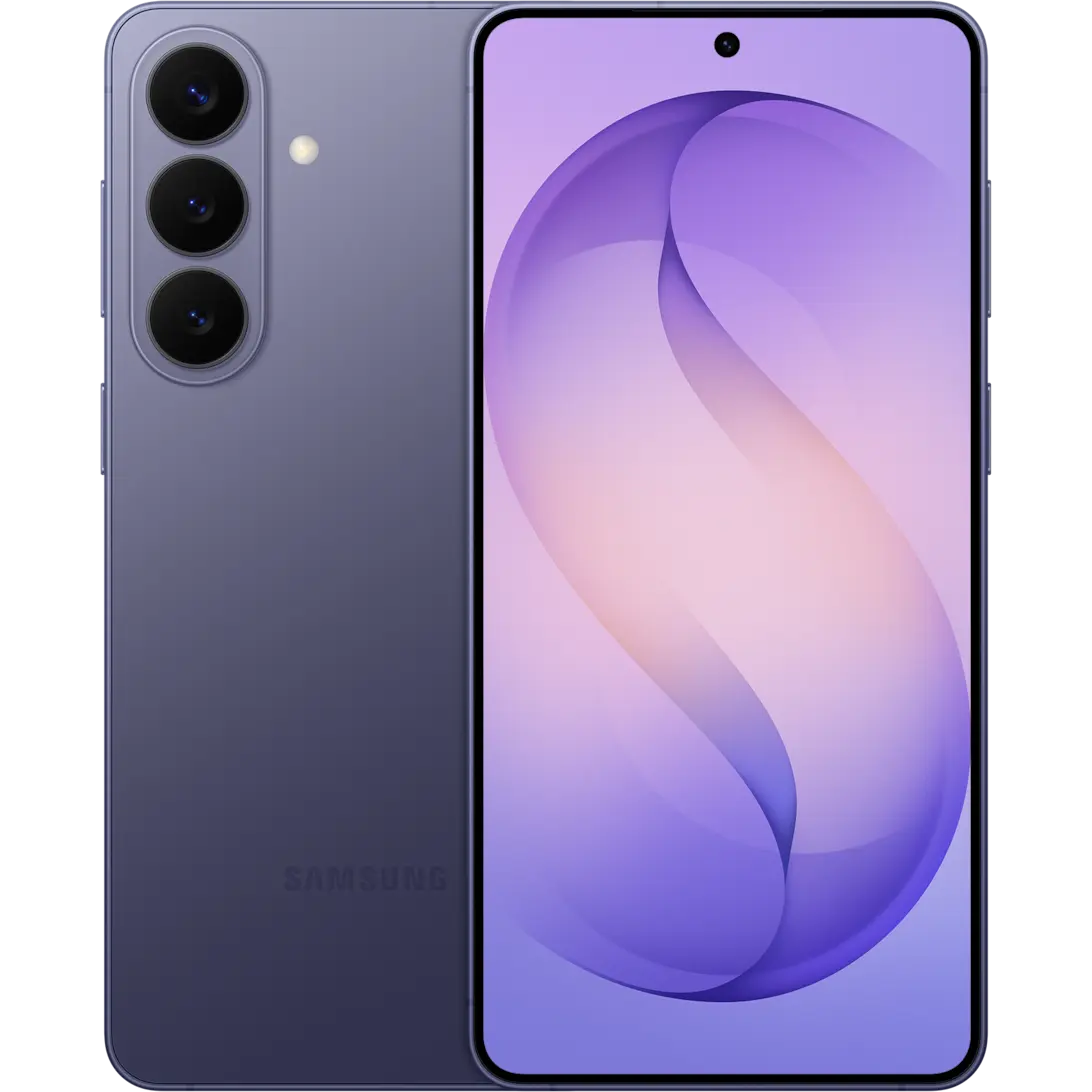
Samsung
Galaxy S26+
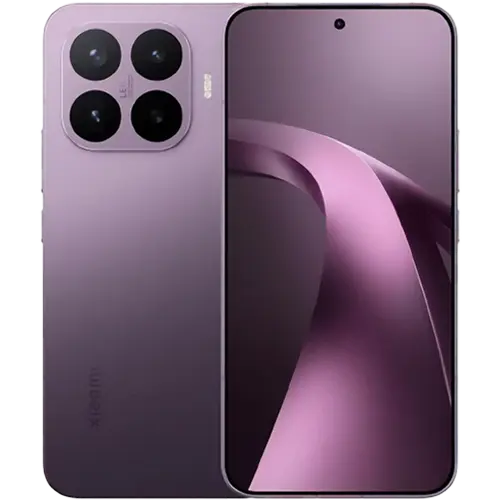
Xiaomi
17T Pro
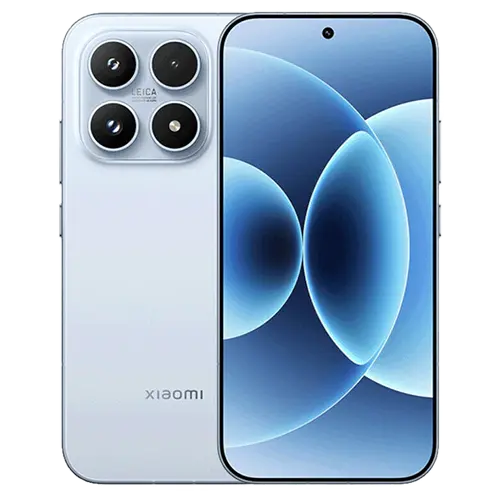
Xiaomi
17
Samsung
Galaxy Z Fold 8 Ultra
Samsung
Galaxy Z Fold 8
Samsung
Galaxy S26
Xiaomi
15T Pro
Best Phones
Best Android Phones
Best Samsung Phones