Samsung Galaxy S26 vs OnePlus 15
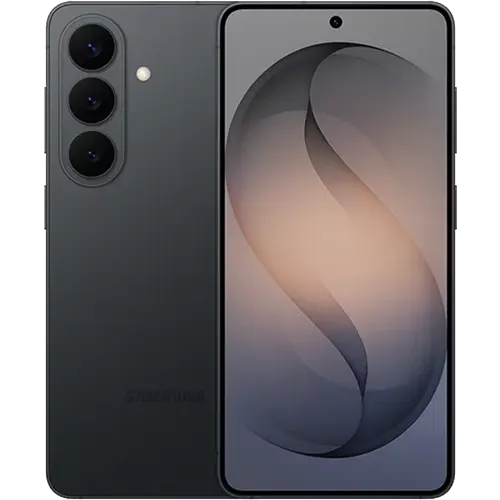
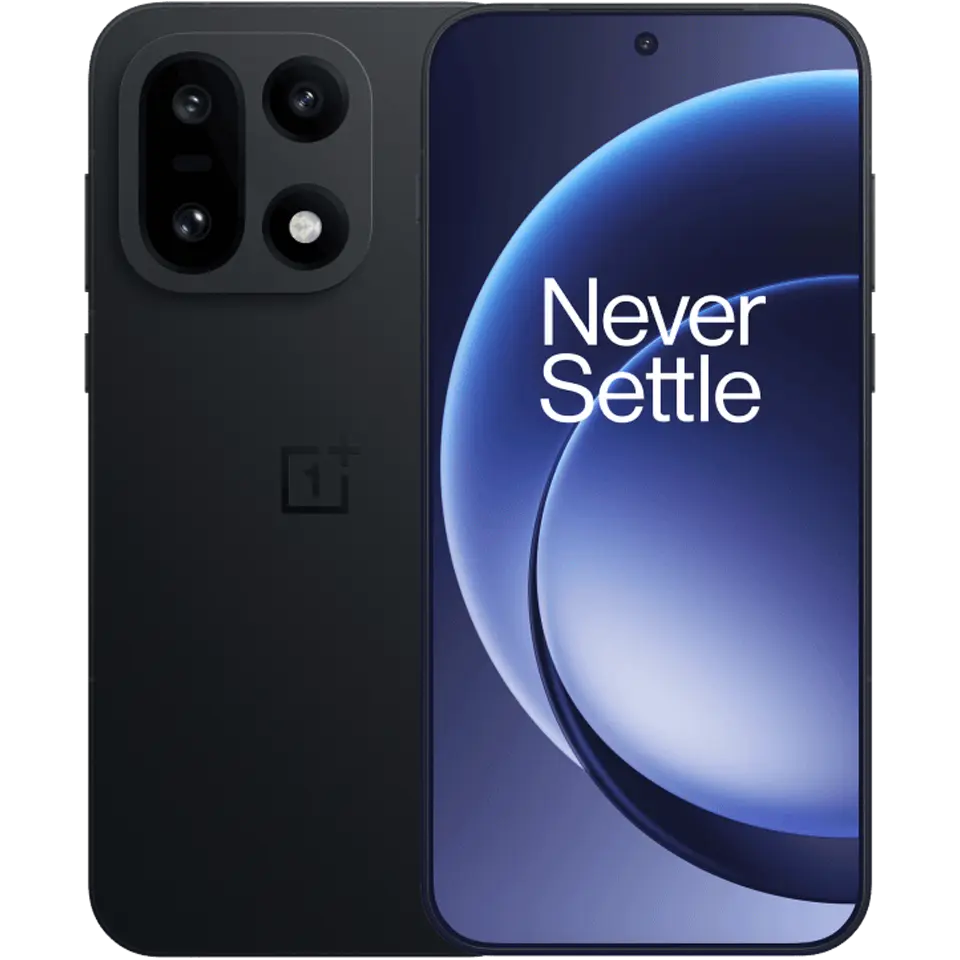
Samsung
OnePlus
Galaxy S26
15
Ranked #20 of 59
Ranked #7 of 59
Overall
Overall
The Samsung Galaxy S26 and OnePlus 15 both cost $899.99 and target the same broad audience — people who want a flagship Android phone without stepping into ultra-premium territory. They approach the job differently though. The Galaxy S26 is compact and light, built around a smaller display and conservative battery strategy. The OnePlus 15 is a larger, heavier device that prioritizes endurance and charging speed, pairing a massive battery with aggressive wired charging. Both run the same processor, so the real differences are in the choices each manufacturer made around that shared silicon.
The Galaxy S26 is stronger in camera quality, speaker output, and microphone performance. The OnePlus 15 leads in battery life and charging, delivers a higher-resolution display with a faster refresh rate, and manages GPU thermals more effectively under sustained load.
Here’s how the two phones compare in our thorough testing.
Design
| Samsung Galaxy S26 | OnePlus 15 | |
|---|---|---|
| Specifications | ||
| Dimensions | 149.6 x 71.7 x 7.2 mm | 161.4 x 76.7 x 8.1 mm |
| Weight | 167g | 211g |
| IP Rating | IP68 | IP68/IP69K |
| Frame | Aluminum | Aluminum |
| Front | Gorilla Glass Victus 2 | Gorilla Glass Victus 2 |
| Back | Gorilla Glass Victus 2 | Gorilla Glass 7i / Crystal Shield Glass / Glass fiber |
| Screen-to-body ratio | 90.8% | 90.8% |
The Galaxy S26 measures 6.3 inches diagonally and weighs 167g. The OnePlus 15 is substantially larger at 6.78 inches and heavier at 211g. That's a 44g difference you'll feel in a pocket. Both carry IP68 ratings, meaning submersion in fresh water to a rated depth. The OnePlus 15 adds IP69K certification, which covers high-pressure, high-temperature water jets.
The Galaxy S26 uses an aluminum frame with Gorilla Armor 2 glass front and back. The OnePlus 15 uses an aluminum frame with ceramic glass front and a wood-grain glass back.
Bandicoot Lab does not formally test design or durability. The observations above are drawn entirely from published specifications.
Display
| Samsung Galaxy S26 | OnePlus 15 | |
|---|---|---|
512/ 881 | 574/ 881 | |
The Galaxy S26 runs a 6.3-inch 1080 x 2340 LTPO AMOLED at 120Hz. The OnePlus 15 has a 6.78-inch 1272 x 2772 LTPO AMOLED at 165Hz. The OnePlus panel is sharper (450 versus 411 PPI) and refreshes faster, which makes scrolling and animations marginally smoother, though many won’t notice the difference.
Brightness is a little more complicated. The Galaxy S26 reaches a peak HDR brightness of 2,791 nits, well above the OnePlus 15's 1,958 nits. For HDR video with small specular highlights, that's a visible advantage. Manual brightness sits in at 641 nits on the Samsung, and 798 nits on the OnePlus. In direct sunlight without HDR content, the OnePlus is easier to read.
Both panels hold their output over time — the Galaxy S26 retains 98.7% and the OnePlus 15 retains 99.5% of peak brightness over 30 minutes. Both are excellent. The Samsung's HDR stability percentage is lower at 51.7% compared to 91% on the OnePlus, meaning the Samsung's peak HDR luminance drops more substantially on larger window sizes.
Color accuracy is close. In their best modes, both phones show moderate drift from reference targets. Neither is perfectly calibrated — neutral tones on both can shift slightly, and maximum errors on individual patches reach into visible territory. The OnePlus offers a Standard mode that tracks sRGB slightly better than its Vivid mode, giving users a bit more control. Neither phone will bother most people with color issues in daily use.
Touch latency averages 21.8ms on the Galaxy S26 and 15.5ms on the OnePlus 15. That 6ms gap isn’t perceptible in competitive gaming scenarios but unlikely to matter in general use.
Performance
| Samsung Galaxy S26 | OnePlus 15 | |
|---|---|---|
833/ 1012 | 833/ 1012 | |
Both phones run the Qualcomm Snapdragon 8 Elite Gen 5. The Galaxy S26 pairs it with 12GB of RAM, while the OnePlus 15 gets 16GB.
CPU performance is nearly identical. The Galaxy S26 scores 3,709 single-core and 11,232 multi-core in GeekBench 6. The OnePlus 15 scores 3,606 single-core and 11,442 multi-core. In practice, you won't feel the difference.
GPU performance diverges more meaningfully under sustained load. In Wild Life Extreme, the Galaxy S26 peaks at 7,740 but drops to 3,548 at its worst, yielding 45.8% stability. The OnePlus 15 peaks lower at 7,160 but sustains better, bottoming at 4,563 for 63.7% stability. For extended gaming sessions, the OnePlus will deliver more consistent frame rates because it throttles less aggressively.
Browser performance is lopsided in favor of the Samsung. Its Speedometer score of 36.7 doubles the OnePlus 15's 18.1. Web browsing feels snappier on the Galaxy S26, with faster page rendering and smoother JavaScript-heavy sites.
Camera
| Samsung Galaxy S26 (Overall) | OnePlus 15 (Overall) | |
|---|---|---|
| Specifications | ||
| Main | 50MP, f/1.8, 24mm, 1/1.56" | 50MP, f/1.8, 24mm, 1/1.56" |
| Ultrawide | 12MP, f/2.2, 13mm, 1/2.55" | 50MP, f/2, 16mm, 1/2.88" |
| Telephoto | 10MP, f/2.4, 67mm, 1/3.94" | 50MP, f/2.8, 80mm, 1/2.76" |
| Front | 12MP, f/2.2, 23mm, 1/3.2" | 32MP, f/2.4, 21mm, 1/2.74" |
The Galaxy S26 produces better overall images than the OnePlus 15. Its camera system scores higher across every lens, with the largest gaps in dynamic range and color accuracy. The OnePlus 15 counters with higher raw sharpness on the main sensor and better video stabilization on the main and ultrawide lenses. Both phones have four shooting positions: main, ultrawide, telephoto, and front.
At deep zoom levels, the OnePlus 15 has a clear advantage. It reaches higher magnification (up to 120x) and retains usable sharpness much deeper into its zoom range. At 30x in bright light, the OnePlus resolves more than double what the Samsung manages. By 60x and beyond, the Samsung doesn't compete because its optical and digital zoom pipeline maxes out at 30x.
Main
| Samsung Galaxy S26 (Main) | OnePlus 15 (Main) | |
|---|---|---|
594/ 722 | 441/ 722 | |
In bright light, the OnePlus 15's main sensor resolves considerably more detail than the Galaxy S26's. The gap narrows in mid and low light, where the Samsung's processing maintains sharpness more consistently. By dark conditions, Samsung's output stays cleaner and more defined — but still behind OnePlus. They’re basically identical in all conditions at 2x zoom though.
Color character differs substantially. The Galaxy S26's main camera in auto mode pushes saturation high in bright light, making colors pop but shifting skin tones noticeably warm and oversaturated. In mid and darker conditions, saturation drops to a more natural level and skin tones improve. The OnePlus 15 keeps saturation closer to neutral across all lighting but introduces a consistent warm-yellow cast, especially visible in mid and dark scenes. Skin tones on the OnePlus drift toward yellow-orange as light gets warmer. This pattern, where the warm bias increases progressively as color temperature drops, points to a white balance correction issue rather than a sensor limitation. The Galaxy S26's processing shows a mild pink shift in warmer light but keeps hue errors more contained overall.
Dynamic range on the main camera is much better on the Galaxy S26. Both clip highlights in auto mode, but the Samsung compresses the tonal range less aggressively, producing images with more perceived depth in high-contrast scenes.
Ultrawide
| Samsung Galaxy S26 (Ultrawide) | OnePlus 15 (Ultrawide) | |
|---|---|---|
604/ 722 | 441/ 722 | |
The Galaxy S26's ultrawide resolves extremely well, particularly in bright light where it outperforms its own main lens in sharpness. The OnePlus 15's ultrawide is also strong but falls behind the Samsung at most zoom levels.
Color on Samsung's ultrawide follows the same pattern as its main camera: oversaturated in bright light with noticeable skin tone warmth, then settling to more accurate rendition in dimmer conditions. The OnePlus 15's ultrawide picks up a pronounced warm-yellow shift in mid and dark lighting. Hue errors increase substantially as light gets warmer, and the warm bias rises in step, again indicating white balance struggles rather than sensor-level confusion. In dark conditions, the OnePlus ultrawide's colors depart significantly from reference, with noticeable warmth and desaturation.
Dynamic range is wider on the Samsung's ultrawide, with better shadow separation and less aggressive tone compression. The OnePlus clips highlights earlier.
Telephoto
| Samsung Galaxy S26 (Telephoto) | OnePlus 15 (Telephoto) | |
|---|---|---|
568/ 722 | 446/ 722 | |
Both phones offer telephoto lenses. The Galaxy S26 maxes out at 30x digital zoom, however the OnePlus 15 extends past 120x. At native magnification and in bright light, Samsung's telephoto delivers strong sharpness with controlled processing. The OnePlus is comparable in sharpness at similar zoom levels and pulls ahead at longer reaches.
Color accuracy is a clear Samsung win on the telephoto. The Galaxy S26's telephoto is its most accurate lens for color, with skin tones tracking well across all lighting. It pushes saturation slightly high in bright conditions and shows a mild cool shift, but hue accuracy stays strong. The OnePlus 15's telephoto introduces a heavy warm-yellow cast in processed shots across all lighting conditions. Skin tones shift substantially toward orange-yellow, and the bias increases as lighting gets warmer. This is primarily a white balance issue.
Dynamic range is better on the Samsung telephoto, which avoids clipping highlights. The OnePlus clips earlier and compresses the range more.
Video stabilization on the telephoto is better on the OnePlus 15, which keeps footage noticeably steadier during handheld shooting.
Front
| Samsung Galaxy S26 (Front) | OnePlus 15 (Front) | |
|---|---|---|
398/ 722 | 421/ 722 | |
The OnePlus 15's front camera resolves more detail than the Samsung's in bright and mid lighting. Both are similar in dark conditions.
Color on the Samsung's front camera shows a pink-magenta shift in mid and dark lighting that grows progressively as color temperature drops. This increasing pink bias under warmer light is a white balance overcorrection. In bright light, colors are more neutral with a slight warm lean. The OnePlus 15's front camera keeps skin tones fairly accurate in mid-light conditions but introduces warmth in bright light and significant warm-yellow-pink shifts in the dark. Both phones struggle with front camera color in low light, but the OnePlus maintains better skin tone accuracy in the middle ground.
Dynamic range on the front camera is moderate on both. The Samsung clips highlights and covers a narrower usable range. The OnePlus captures a wider range but with less smooth tonal transitions.
Front video stabilization is slightly better on the Samsung.
Battery
| Samsung Galaxy S26 | OnePlus 15 | |
|---|---|---|
579/ 799 | 780/ 799 | |
The OnePlus 15 carries a 7,300mAh battery. The Galaxy S26 has a 4,300mAh cell. That's a 70% capacity difference, and it shows.
In video playback at 200 nits, the OnePlus 15 lasts 46 hours and 6 minutes. The Galaxy S26 lasts 30 hours and 14 minutes. Both are strong results, but the OnePlus is simply head and shoulders above. For typical mixed use, the OnePlus easily delivers two-day battery life, while the Samsung is a comfortable single-day phone with some margin.
In web browsing drain over 5 hours, the Galaxy S26 loses 24%, while the OnePlus 15 loses 16%. And, in a one-hour gaming drain test, the Galaxy S26 drops 27%, while the OnePlus 15 drops 23%.
Finally, in standby drain over 8 hours, the Galaxy S26 loses just 2%, which is excellent. The OnePlus 15 loses 4%. The Samsung is better at idle power management relative to its capacity, but the OnePlus's massive battery means that 4% represents far more absolute remaining energy.
Charging
| Samsung Galaxy S26 | OnePlus 15 | |
|---|---|---|
263/ 837 | 700/ 837 | |
The OnePlus 15 supports 120W wired and 50W wireless charging. The Galaxy S26 supports 25W wired and 15W wireless. The speed difference is dramatic.
At 10 minutes on a wire, the OnePlus 15 reaches 37% versus the Galaxy S26's 21%. At 30 minutes, the OnePlus hits 88% versus 58% on the Samsung. The OnePlus reaches near-full in half an hour from empty, but the Galaxy S26 needs roughly an hour for the same result.
Wireless charging is less dramatic. At 10 minutes, the OnePlus 15 hits 10%, with the Galaxy S26 hitting 11%. At 30 minutes: 28% versus 29%. The Samsung's lower wireless wattage barely matters in short bursts because its smaller battery fills each percentage point faster in absolute milliamp-hour terms. Over a full wireless charge, the OnePlus still finishes faster thanks to higher sustained power.
Speaker
| Samsung Galaxy S26 | OnePlus 15 | |
|---|---|---|
817/ 897 | 669/ 897 | |
The OnePlus 15 is louder at 75 dBA maximum versus 72.5 dBA on the Galaxy S26.
The Galaxy S26 wins on sound quality though. It has much lower distortion, producing cleaner output at high volumes. Its frequency response is more balanced, with fuller bass and better high-end clarity. The OnePlus 15 sounds thinner by comparison, with less bass presence and more distortion creeping in at volume. If you regularly play media through the phone's speakers, the Samsung delivers a noticeably richer sound.
Microphone
| Samsung Galaxy S26 | OnePlus 15 | |
|---|---|---|
739/ 1220 | 696/ 1220 |
The Galaxy S26's microphone performs above average with tighter frequency response consistency. The OnePlus 15 is slightly behind, with marginally more variation across the frequency range. Both are adequate for calls and voice recording, but the Samsung produces more even capture across low and high frequencies.
Other
| Samsung Galaxy S26 | OnePlus 15 | |
|---|---|---|
| Biometrics | 464/ 1181 | 514/ 1181 |
| Data Transfer | 736/ 877 | 622/ 877 |
| Specifications | ||
| Biometric type | Fingerprint | Fingerprint |
| Ports | USB-C 3.2 | USB-C 3.2 |
| Storage | 256GB, 512GB | 256GB, 512GB, 1TB |
Both phones use ultrasonic fingerprint sensors. The OnePlus 15 unlocks in 204ms on average, and the Galaxy S26 takes 226ms. The difference is small enough that you're unlikely to notice it in daily use. Neither phone offers hardware-based face unlock.
Data transfer speeds favor the Samsung. Large file reads hit 335 MB/s versus 298 MB/s on the OnePlus. In large file writes, 271 MB/s versus 230 MB/s. Small file operations show a similar gap. Both use USB-C 3.2 ports, so the difference comes down to storage controller and NAND performance. The Galaxy S26 comes with 12GB RAM, while the OnePlus 15 comes with 16GB. Both offer multiple storage configurations.
Conclusion
The Galaxy S26 is the better phone for cameras, speakers, and connectivity. Its processing produces more accurate color and better dynamic range across all lenses, and its speaker output is cleaner and more balanced despite being slightly quieter. It's also notably lighter and more compact. The tradeoff is a smaller battery that lasts one day rather than two, and charging that takes roughly twice as long to complete.
The OnePlus 15 is the better phone for endurance and power users who need their phone to last deep into a second day. Its charging speed is in a different league. It also manages GPU thermals better for sustained gaming, offers a sharper and faster-refreshing display, and provides significantly more zoom reach from its camera system. Its 16GB of RAM gives more headroom for multitasking.
If your priorities are camera quality and a pocketable size, the Galaxy S26 is the stronger pick. If you value battery life, fast charging, and sustained performance under heavy workloads, the OnePlus 15 earns its price. Both cost $899.99, so the choice comes down to what you do with your phone rather than what you're willing to spend on it.
Related
Samsung
Galaxy S26
OnePlus
15

Samsung
Galaxy S26 Ultra
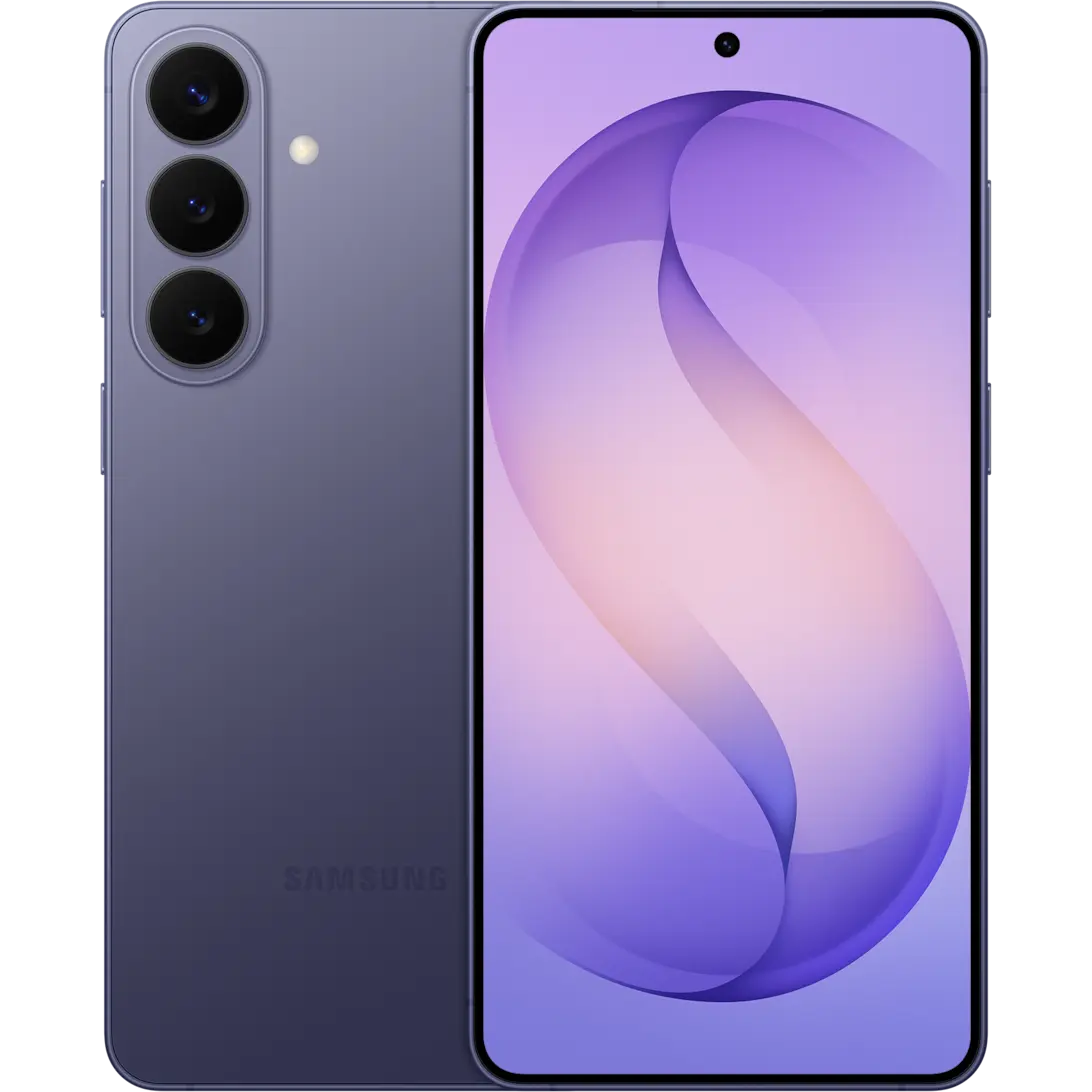
Samsung
Galaxy S26+
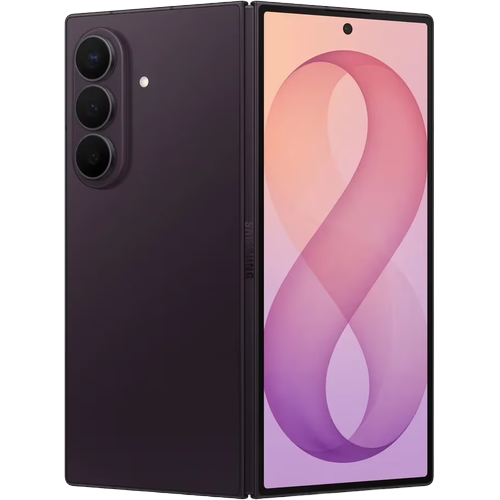
Samsung
Galaxy Z Fold 8 Ultra
Samsung
Galaxy Z Fold 8
OnePlus
15R
Best Phones
Best Phone Displays
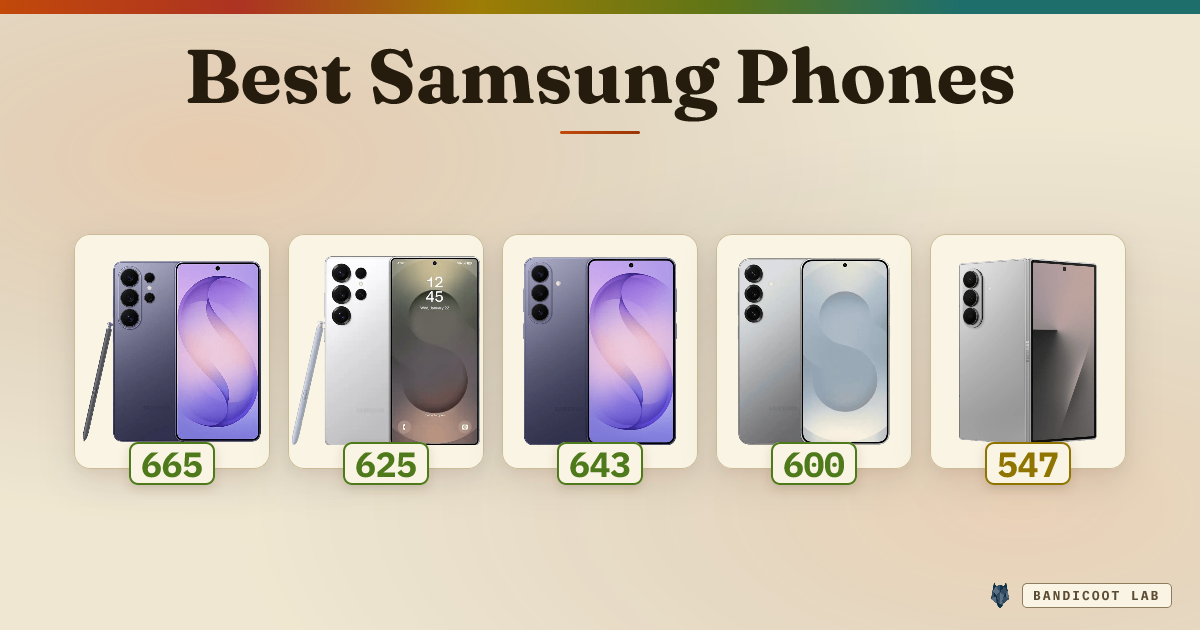
Best Samsung Phones

Samsung Galaxy S26 Series vs Galaxy S25 Series

Samsung Galaxy S26 Series vs Xiaomi 17 Series