Megapixels vs sharpness: Does resolution buy sharper photos?
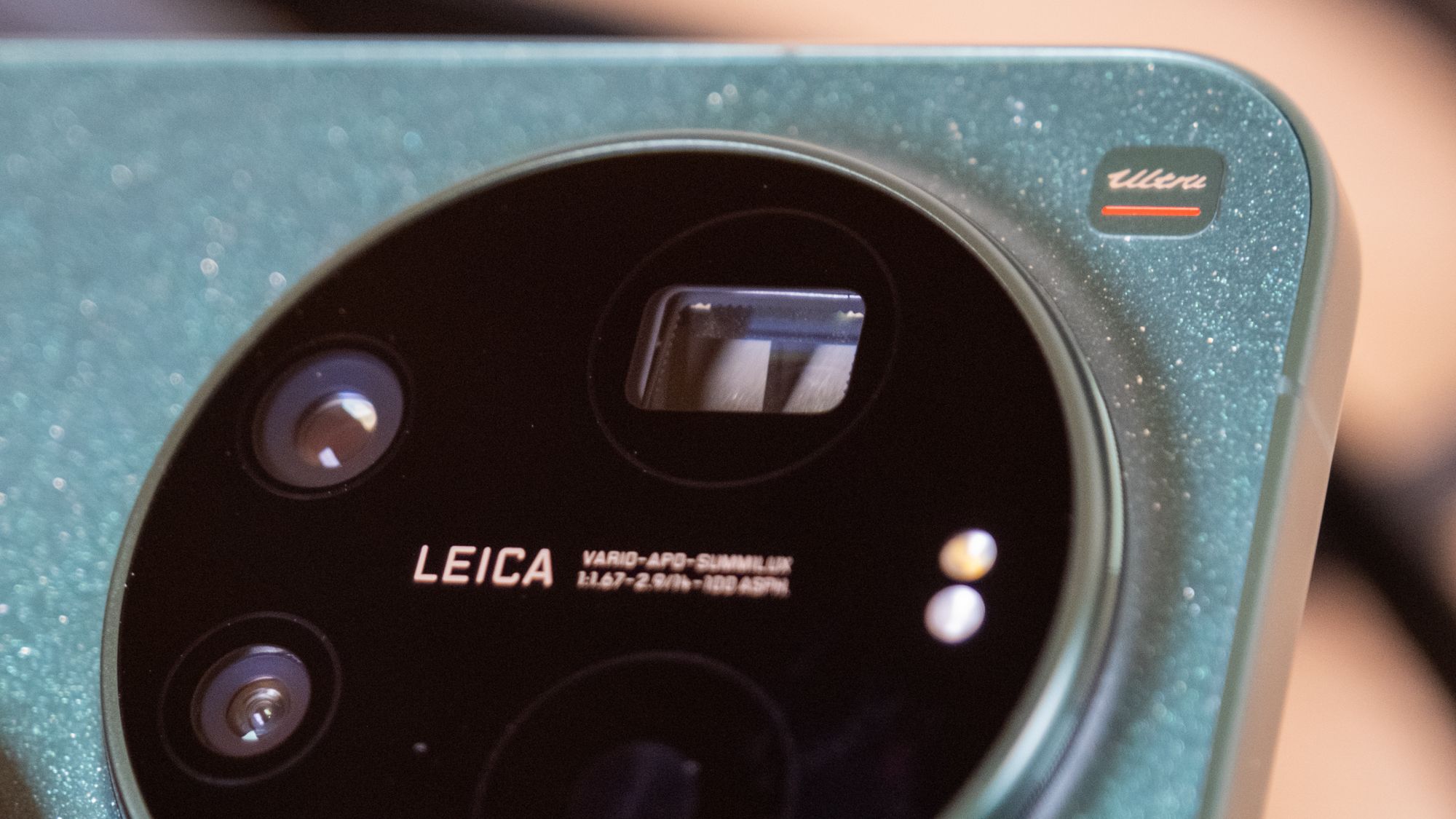
Many of us have been around long enough to remember a time when the number of megapixels was the only spec of a smartphone's camera that most people cared about. These days, it's still heavily used in marketing, and often used interchangeably with sharpness. 200 megapixels is the new flagship number, while 50 megapixels is mainstream and anything below that gets called "lacking detail." The implicit promise is basically that more pixels means sharper photos.
But these days there's a whole lot that goes into the photos captured by a phone. Do more megapixels actually create sharper photos? We tested it across 44 phones, more than 2,500 measurements, and roughly 100,000 individual data points. The short answer is yes — but the relationship is looser than the marketing suggests, the gains diminish above around 50 megapixels, and other hardware specs matter about as much, or more.
Here's what the data shows, and what drives sharpness alongside megapixels.
How sharpness is measured
To measure sharpness, we photograph an ISO 12233:2017 resolution chart with each phone, then analyze the captured image to measure how finely it can resolve detail. The chart contains slanted-edge patches at a 4:1 contrast ratio. The patches sit at the center, mid-frame, and corners. By measuring how sharply each edge transitions in the captured image, we derive the camera's Modulation Transfer Function (MTF), or how much contrast it preserves at finer and finer levels of detail. The point where contrast falls below a defined threshold is the camera's effective resolving limit.
The output of that analysis is line widths per picture height, or LW/PH. It's the standard MTF (Modulation Transfer Function) metric used in optical testing, and it expresses how many alternating bright and dark line widths a camera can distinguish across the height of the captured frame. Higher numbers mean finer detail resolved. LW/PH is normalized to image height, which means it's directly comparable across resolutions.
Aggressive sharpening can inflate the apparent sharpness — but it also introduces artifacts that look unnatural in real photos. This can be measured too, and we use an adjusted LW/PH number that penalizes oversharpening. That means those fake, unnaturally sharp images can't cheat the test and get a higher sharpness score than they deserve. Most modern smartphones sharpen a little, but the penalty is less for phones that don't overdo it.
Each phone is tested at multiple zoom levels. If an ultrawide camera is present, we test it, then test at 1x, 2x, 3x, 4x, 5x, 6x, 8x, 10x then every 10x up to the maximum zoom level. Each of these tests is done at three brightness levels — 1000 lux at 5500k color temperature, 100 lux at 4000k color temperature, and 10 lux at 3000k color temperature. The warmer color temperatures in lower light deliberately replicate the ambient color of indoor and night scenes, which forces the camera's white balance to do real work alongside its sensor. We also test in both auto mode, and capture RAW images at fixed ISO, at native zoom levels. Comparing the two shows how much work the processing pipeline is doing to shape the final image.
Every phone tests at its default output resolution in Auto mode, which for high-megapixel sensors means a binned image rather than the full sensor readout. A 200MP main camera, by default, often produces a roughly 12.5-megapixel file — sixteen sensor pixels averaged into one output pixel for cleaner per-pixel data at the cost of raw resolution. We'll still go over what happens when a user opts into a phone's full-resolution mode instead.
With all that data, here's what we found.
Do megapixels predict sharpness?
Yes, but the relationship is loose, and it gets looser the higher up the megapixel scale you go. Across every lens we've tested, megapixel count correlates with sharpness, but only moderately — and most of the predictive power lives at the low end of the range.
The strongest and most consistent improvement happens going from sub-40-megapixel lenses to 48- or 50-megapixel lenses. A lot of phones use 8- to 13-megapixel sensors for their ultrawide or telephoto cameras, even when their main camera is a modern ~50-megapixel sensor. Those low-resolution sensors are usually cost-driven decisions on the secondary lens positions where buyers pay less attention. Comparing them against 48- and 50-megapixel versions of the same lens position (ultrawide to ultrawide, telephoto to telephoto) produces a consistent gap. ~50-megapixel ultrawide cameras score about 21% higher than sub-40-megapixel ultrawides in bright light, and about 23% higher in dark. ~50-megapixel telephotos lead their sub-40-megapixel counterparts by 14% in bright and about 46% in dark — a notably larger gap. The pattern holds across brands and across both lens positions. Going from a 10-megapixel secondary lens to a modern 50-megapixel one does make for sharper photos.
Above 50 megapixels, the relationship gets muddier. The 200-megapixel class leads the ~50-megapixel class in median sharpness by about 17% in bright and 21% in mid light, and trails slightly in dark. That sounds like a real win for higher megapixels, but two things complicate it. The first is sample size — there are only nine phones with 200-megapixel lenses in the dataset — five on a main camera, and four on a telephoto camera, so any class-level comparison comes with substantial uncertainty. The second, and more important, is the spread within each class. The ~50-megapixel class includes lenses scoring above 4,000 LW/PH in good light and others below 1,000. The 200-megapixel class spans more than 1,300 LW/PH in dark conditions alone. The within-class spread is bigger than the between-class gap in every lighting condition. A good 50-megapixel lens beats a mediocre 200-megapixel one consistently.
Sharpness by megapixel class, all lenses at native zoom
A cleaner test for what 200 megapixels actually buys you is to compare it within a single phone. Six phones in the dataset carry both a 200-megapixel lens and at least one 48- or 50-megapixel lens, all running on the same phone hardware. The 200-megapixel lens wins roughly half the time. Where the 200-megapixel sensor sits on the main camera position (Samsung), it tends to win. Where it sits on a telephoto (Honor), it tends to lose. The pattern f\ollows lens position and manufacturer tuning, not necessarily pixel count.
The zoom case for megapixels
So, megapixels don't reliably translate to sharper photos, and where images are sharper, the difference is marginal. But what about when digital zoom is in the mix? A 200-megapixel sensor captures four times the pixels of a 50-megapixel sensor, so cropping in at 2x or 3x could still produce a 50-megapixel image — more detail at zoom than a lower-resolution sensor could provide at the same crop.
The argument depends on what the phone does before output. A 200-megapixel sensor could, in principle, use the spare pixels around the center as a margin and crop its readout in-sensor — the equivalent of optical zoom from a fixed-focal-length lens, with the binned 12.5-megapixel image being assembled from a tighter region of the sensor rather than the full frame. If 200-megapixel main sensors enable better digital zoom, they should retain sharpness at 2x and 3x better than 50-megapixel main sensors do.
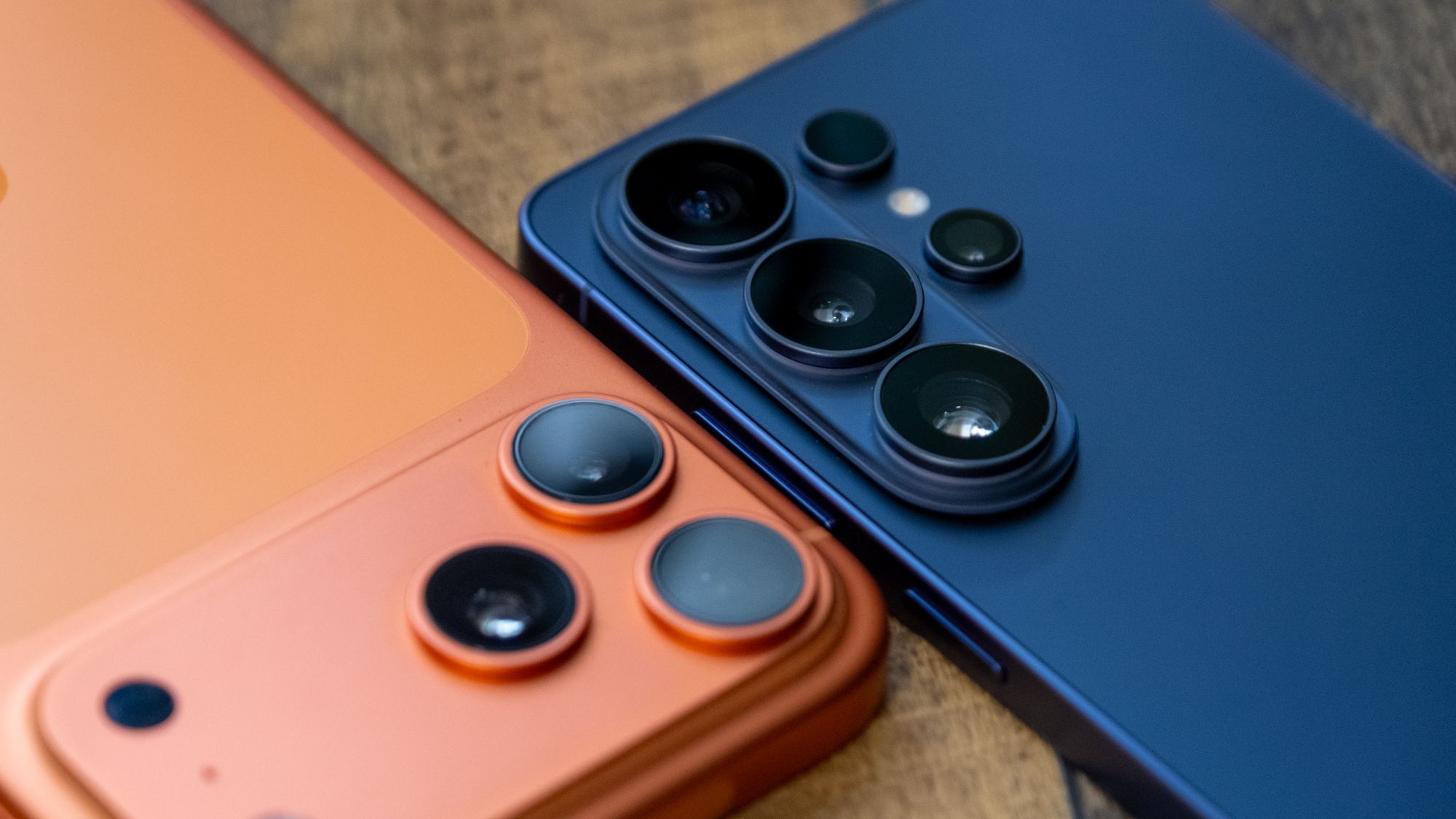
To a modest extent, they do. Restricted to zoom levels below each phone's telephoto crossover (the range where the camera is necessarily working off a digital crop of its main sensor) 200-megapixel mains retain about 17% more relative sharpness at 3x than 48- and 50-megapixel mains do. Across the median, 200-megapixel mains hold roughly 68% of their 1x sharpness at 3x, while 48- and 50-megapixel mains hold roughly 52%. That's definitely an advantage, though it's perhaps not the four-times-more-pixels advantage the pixel math would suggest.
The advantage is also small relative to how much processing varies between phones. The Z Flip 7 holds 87% of its 1x sharpness at 3x. The Pixel 10 Pro holds 78%. Both outperform most 200-megapixel mains. A weaker 50-megapixel main can drop below 40% retention at 3x in the same conditions where a 200-megapixel main holds 70%. Whatever 200 megapixels buys at digital zoom, processing and lens tuning still play a larger role in who comes out ahead.
What about actual 200-megapixel modes? The Honor 600 exposes 200-megapixel capture as a user-selectable mode at 1x, alongside its default. At 1x in bright light, the 200-megapixel capture scores about 8% sharper than the default. In dark, the gap widens to about 16%. That sounds like a meaningful win — until the mechanism becomes clear.
In bright, the 200-megapixel mode does resolve modestly more underlying detail — about a 9% gain on the unadjusted score. In dark, though, the 200-megapixel mode wins largely on lighter sharpening rather than on more captured information. In other words, the default 12.5-megapixel mode applies aggressive sharpening that the adjusted score penalizes heavily, while the 200-megapixel mode applies a much lighter touch. Either way, the underlying detail gain is modest enough that the 200-megapixel mode doesn't change the broader point.
So what does predict sharpness?
No single hardware spec strongly predicts a phone's sharpness on its own. Megapixel count, aperture, and sensor size all matter, but in moderate magnitudes — and they matter at roughly the same level as one another in good light. Across the dataset, megapixel count correlates with sharpness at about 0.28 in bright light, and aperture sits at about the same magnitude. Sensor diagonal runs slightly stronger. In dark conditions, both aperture and sensor size pull ahead of megapixels meaningfully, but the picture in good light is one of three specs doing comparable work.
How closely do megapixels, aperture, and sensor size predict sharpness?
Sensor area is the physical surface that gathers light per exposure. Larger sensors collect more total photons, which translates into cleaner low-light performance, and in our data sensor diagonal is the strongest hardware predictor of sharpness across every lighting condition. The relationship is most pronounced in dark, where larger sensors pull ahead by the widest margin. The clearest gaps appear when comparing across lens positions — ultrawides on tiny sensors genuinely struggle against ultrawides on larger ones. Within flagship main cameras the differences narrow, because most cluster around 1/1.3-inch sensors and don't vary enough to drive a clear trend in our data.
A faster aperture collects more light per unit time. In bright and mid light, aperture's effect on sharpness sits at roughly the same magnitude as megapixel count's — neither dominates, both contribute. In dark conditions, the relationship strengthens substantially, and aperture becomes a notably stronger predictor of sharpness than megapixel count. A wider aperture isn't a guarantee of sharper photos, but in low light it matters more than how many pixels are behind it.
The single biggest impact on sharpness scores doesn't come from any of those hardware specs. It comes from processing. Across every brand in the dataset, the auto image scores roughly double the sharpness compared the raw capture. At least half of the perceived sharpness in a typical phone photo is software work, not optics. Processing approaches vary sharply between brands — some lean heavily on sharpening and accept visible overshoot artifacts to push the perceived sharpness number higher, while others apply lighter touches and rely on the underlying optics more. Both strategies can produce competitive scores. Both also produce identifiable looks.
Sharpness processing uplift by brand
Two phones with similar sensors and similar apertures can produce noticeably different sharpness scores if their processing pipelines differ — and pipelines vary far more between brands than sensors do. That's the variable doing most of the work in deciding which phone ends up sharper. A 50-megapixel phone with strong processing routinely outscores a 200-megapixel phone with weaker processing, even at digital zoom where the megapixel advantage should theoretically matter most.
A spec sheet isn't enough
Megapixels do predict sharpness — they just don't predict it cleanly or very consistently. Below the ~50-megapixel mark, more pixels reliably produce sharper photos. Above it, sensor size and aperture pull about the same weight as megapixel count, and the spread within any megapixel class is bigger than the gap between classes.
The phones that perform well on sharpness tests aren't necessarily the ones with the most pixels. They're the ones whose manufacturers spent the most engineering effort on the processing pipeline behind the sensor — and that's the one variable a spec sheet can't tell you.
Related
The house look: How phone brands tune camera color
Sensor size vs dynamic range: Does a bigger sensor capture more?
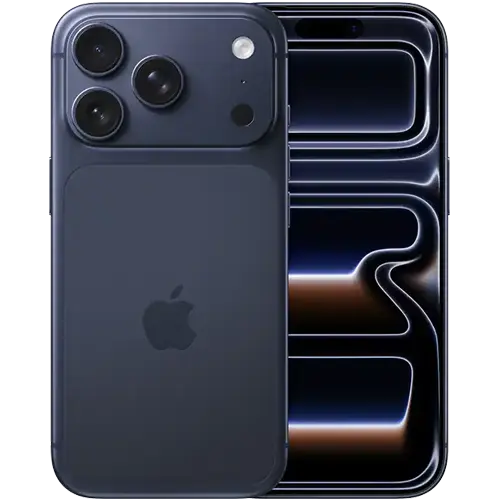
Apple
iPhone 17 Pro

Samsung
Galaxy S26 Ultra
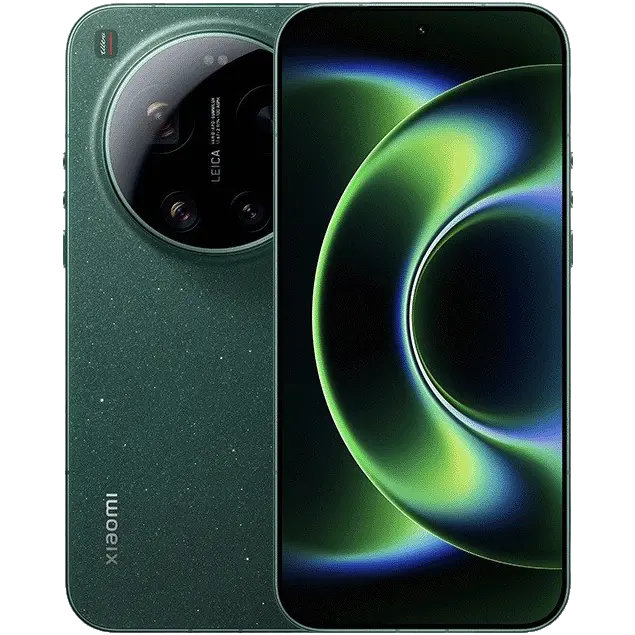
Xiaomi
17 Ultra
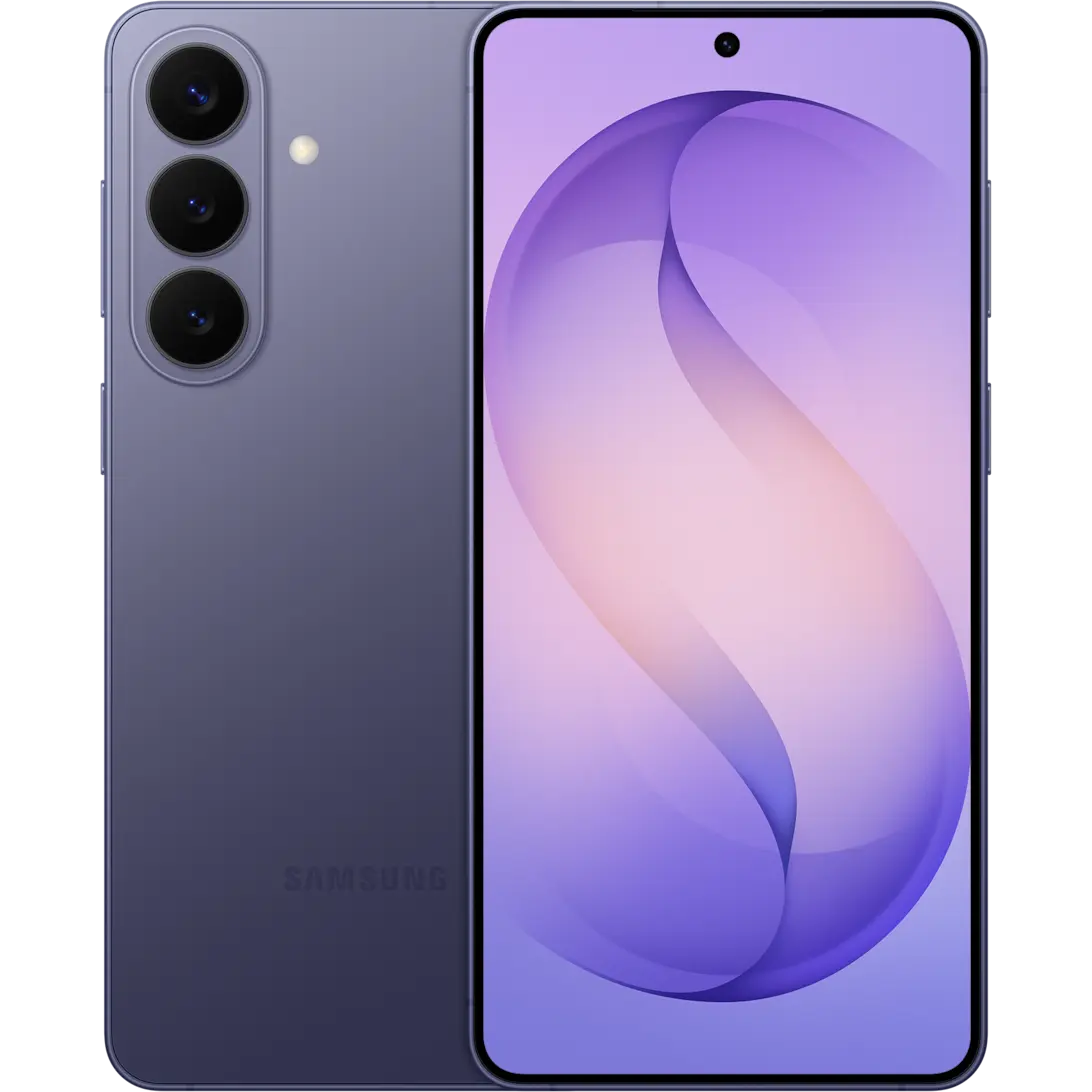
Samsung
Galaxy S26+
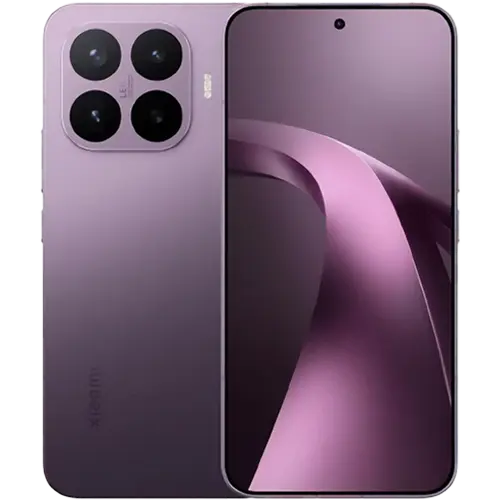
Xiaomi
17T Pro
Xiaomi
17
Samsung
Galaxy Z Fold 8 Ultra
Samsung
Galaxy Z Fold 8
Samsung
Galaxy S26
Xiaomi