Is a weak telephoto worse than having no telephoto at all?
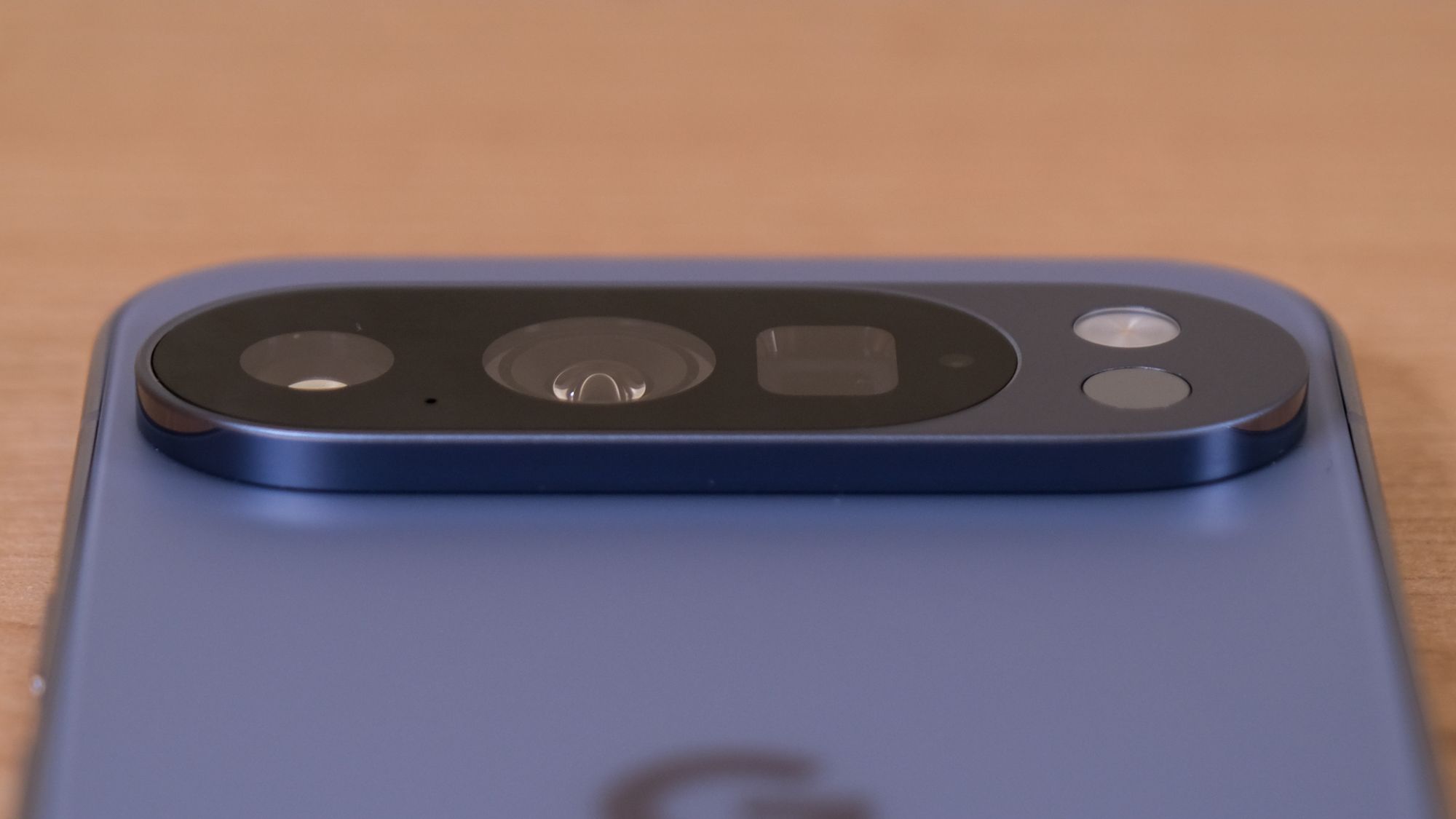
A lot of phones ship a telephoto camera that doesn't test well. On a mid-range phone the telephoto is often a small, low-resolution sensor behind a modest lens, and the numbers it produces sit well below the main camera's. That’s not surprising — not to long ago, very few mid-range phones had telephoto cameras in the first place.
But when a telephoto camera isn’t very good, would it be better not to have one at all? After all, when a phone has a telephoto camera, it naturally switches to it as you zoom in, and in some cases, that could mean sacrificing the strengths of the main camera on the device.
We set out to test this theory. At the focal lengths a telephoto is built for — roughly 3x to 5x on most phones — is a weak telephoto worth having, or does cropping the main camera give you a better image? The answer isn't the same on every axis, so we looked at each one separately: detail, color, dynamic range, and the way each option renders depth. The short version is that even a weak telephoto usually gives you more detail and better subject separation than cropping the main, color comes out roughly even, and the one thing you consistently give up is dynamic range. There are exceptions, though. Here’s what a weak telephoto buys you on a smartphone.
How we tested this
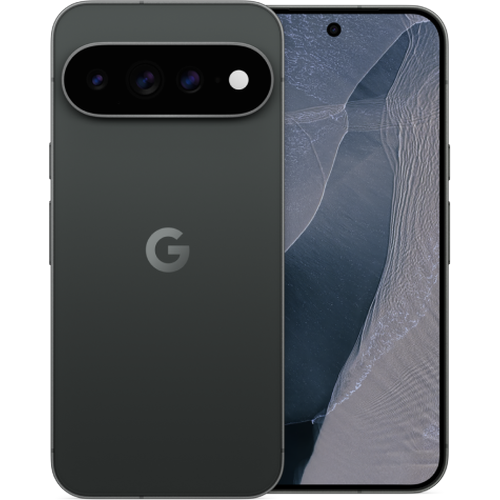
To test if a sub-par telephoto camera is better or worse than no telephoto at all, we first have to define what a sub-par telephoto camera actually is. "Sub-par" here means a telephoto that lands in the bottom half of every single-telephoto phone we've tested, ranked by its overall telephoto camera score. That score combines sharpness, color accuracy, dynamic range, depth rendering, and stabilization, so a camera can land in the bottom half without being soft. The Google Pixel 10 Pro is a good example — its telephoto resolves more detail than most, but weak dynamic range pulls its overall telephoto score below the median.
Three lab tests feed the bulk of the comparison: a resolution chart measured for sharpness, a color chart measured against known reference values, and a tonal step wedge measured for dynamic range. Each except the dynamic range test runs under three lighting conditions — 1,000 lux, 100 lux, and 10 lux.
Most of our comparisons looked at a main camera cropped to just before the telephoto camera’s native zoom, against the telephoto camera at its native zoom. This isn’t an apples-to-apples comparison, necessarily — our tests capture sharpness at 1x, 2x, 3x, 4x, 5x, and so on. We don’t test at 2.9x, right before a 3x telephoto camera commonly comes into play. But, we can still look at the trends in the data to get a pretty good idea of how sharpness would play out if you kept cropping the main camera.
A good telephoto is the obvious pick
Start with the uncontroversial take. A strong telephoto — the kind on the iPhone 17 Pro, the OnePlus 13, or the Xiaomi 17 Ultra — is the clear choice over a cropped main camera. At its native zoom it out-resolves the cropped main camera by a wide margin, often holding close to twice the fine detail, and it renders color at least as accurately. Among the telephotos that score in the top half, color actually comes out ahead of the cropped main much of the time.
The one place even a good telephoto often gives ground is dynamic range. Roughly half of the strong telephotos we tested capture a narrower range of tones than the main camera does.
Nobody is really asking whether the flagship telephoto is worth using. The interesting question is the weak one.
Even a sub-par telephoto usually wins where it counts
Detail is, as expected, where a dedicated telephoto camera can help. Across most of the tested group, the telephoto out-resolves a cropped main camera at its native zoom, and in good light the gap is large. When you crop the main camera you are throwing away pixels and using what’s left. The telephoto is capturing the scene at its native resolution instead, and even a modest telephoto usually holds more fine detail than a heavy crop of a better sensor.
That lead is widest and most consistent in bright and indoor light. It narrows in low light, and on a few phones it reverses, which we’ll get into later. The repeatable result is that in the conditions most photos are taken in, the telephoto resolves more.
The second win is subject separation. A telephoto's longer focal length compresses the scene and renders a shallower, softer background than a wide lens does. Cropping the main camera enlarges the center of a wide-angle frame, but it can't change the optics — the background stays as busy as the wide lens captured it. The telephoto lifts the subject off its background in a way a crop can't reproduce. This comes from the lens geometry rather than anything we measure off a single photo, but it's consistent and visible, and it's a large part of why a telephoto shot of a person or an object looks more deliberate than a cropped one.
Detail and subject separation are the two things people actually reach for zoom to get. On both, a weak telephoto generally beats the crop.
What you trade when you switch to a sub-par telephoto
Dynamic range
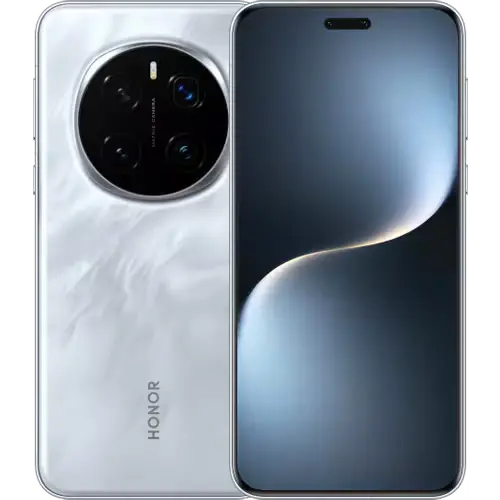
This is the most consistent cost. In 11 of the 14 sub-par phones, the telephoto captures less dynamic range than the main camera — it holds onto less detail in bright highlights and dark shadows before they clip to white or crush to black. The size of the gap ranges from minor to large; the Honor Magic7 Pro, both Pixel 10 Pros, the Xiaomi 17, and the CMF Phone 2 Pro show the widest, where the telephoto gives up a meaningful amount of tonal range.
Dynamic range: telephoto vs main cameras
Dynamic range of main and telephoto cameras for phones with below-median telephotos.
The gap matters most in high-contrast scenes — a backlit subject, a bright sky behind a building, a window in an indoor shot. That's where the main camera's extra latitude would help most, and it's also the point where the phone has already handed the shot to the telephoto on its own. A cropped main frame would hold the highlights and shadows better.
Color
Color performance between main and telephoto cameras is close to a wash. Across the sub-par group the telephoto, on average, performs similarly to the main camera, and on several phones, like the Honor Magic7 Pro, the Xiaomi 17, and the CMF Phone 2 Pro, the telephoto is more accurate than the main camera. Some telephotos also render punchier, more saturated color than the main, but that's a tuning choice rather than necessarily an error, and whether you prefer it is a matter of taste.
There's a lighting pattern worth knowing. Telephotos tend to look their best in good light, where several match or beat the main camera. In low light they give a little of that back, slipping relative to the main camera shooting the same scene. The shift is modest, not dramatic.
Exceptions to the rule
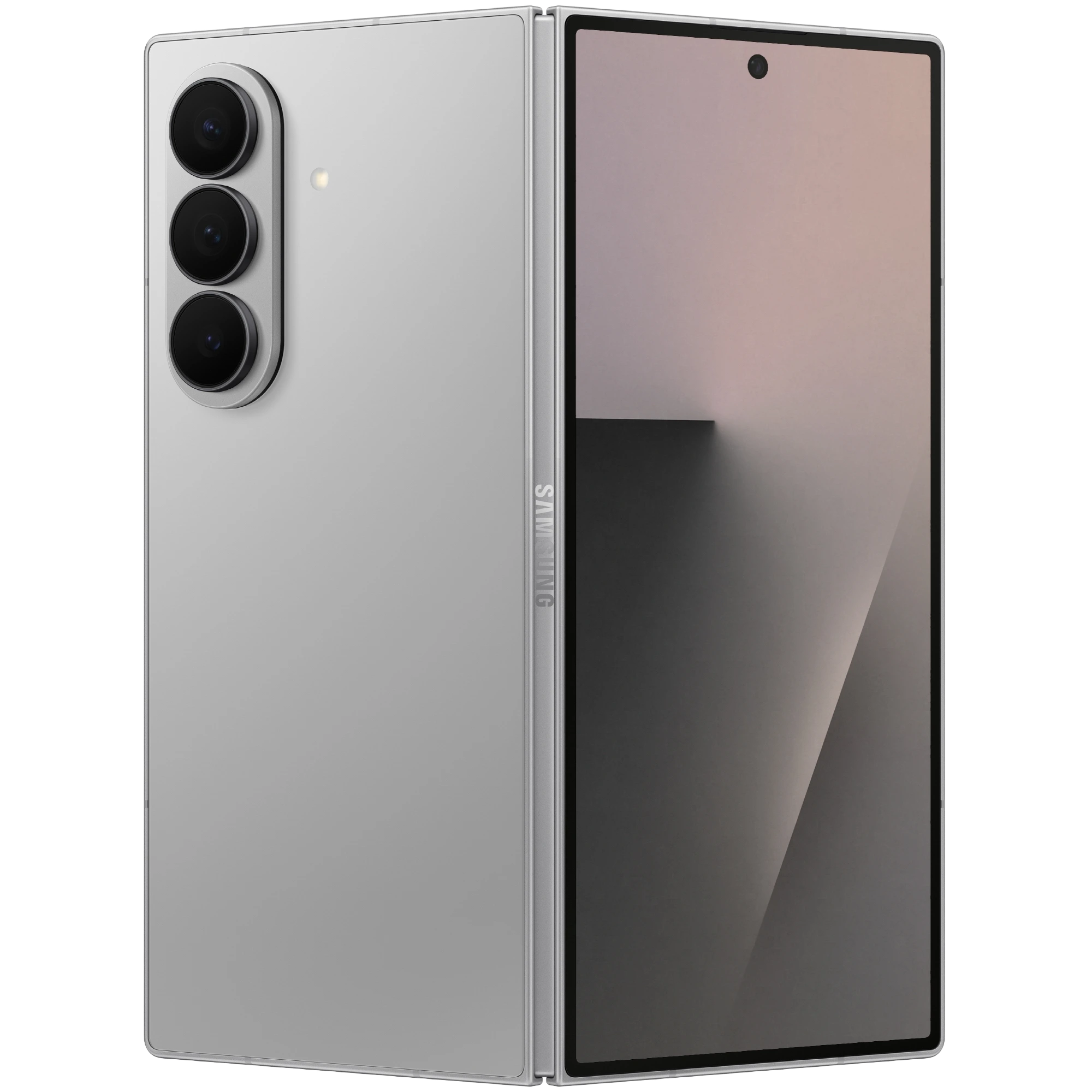
The detail win for native telephoto cameras versus cropped main cameras isn't universal. On a handful of phones the digitally cropped main camera actually resolves more than the telephoto at the point where the phone would switch lenses. The Galaxy Z Fold 7 is the clearest case — its main camera out-resolves its telephoto in every lighting condition, even when you apply a digital zoom to the main camera. The Xiaomi 17, the Motorola Razr Fold, and the Pixel 10 Pro Fold join it in bright and indoor light. These are all phones with strong main cameras paired with a more modest telephoto.
What a sub-par telephoto gains and gives up
Each dot is one phone.
Two things make these exceptions narrower than they look. First, the comparison sits at different focal lengths. The last crop before a phone switches to its telephoto is a gentle one — a 2x crop on a 3x-telephoto phone, for instance — so it's a wider, less demanding shot than the telephoto's native frame. When the main camera wins here, it mostly means the telephoto isn't adding much at the exact moment of the switch, not that cropping beats the telephoto across the zoom range.
Second, the main camera would probably fall apart more as you zoom further. Past the switch point the main camera has to crop much harder to keep reaching, and while we don’t test it, the main camera likely loses more detail a whole lot quicker at those mid focal lengths.
Light changes the picture too. Three of the four exceptions — the Xiaomi 17, the Razr Fold, and the Pixel 10 Pro Fold — flip in low light, where the telephoto pulls back ahead. Cropping a noisy low-light frame from the main camera falls apart faster than the telephoto does. The reverse happens on some phones with small telephoto sensors — the Galaxy S25 and S25+ telephotos win in good light but give it back in the dark, where the small sensor runs short of light. The limiting factor swaps with the conditions — in good light it's the penalty for cropping the main, in low light it's the penalty for the telephoto's small sensor.
None of this adds up to a reason to leave the telephoto out.
Is a sub-par telephoto better than none at all?
For most people, most of the time, yes. Even a weak telephoto gives you more detail and better subject separation than cropping the main camera, color comes out roughly even, and once you zoom past the main camera's comfortable crop range the telephoto's advantage only grows. The one mark against it is high-contrast light, where the telephoto's narrower dynamic range gives up a cleaner file than the main camera would have produced
A weak telephoto, in other words, isn't a dead spec. It's a helpful second camera with one real weakness. In other words, here at Bandicoot Lab, we’re hoping that the trends of adding telephoto cameras to mid-range phones continues.
FAQ
Does a telephoto camera actually do more than digital zoom?
At the zoom range the telephoto is built for, usually yes. A dedicated telephoto captures the scene at its native resolution, so it holds more fine detail than digital zoom, which crops into the main camera and throws away pixels. Its longer lens also separates the subject from the background in a way a crop can't reproduce. The one area where it tends to fall behind is dynamic range — the span of detail held in bright highlights and dark shadows.
Is a weak or low-scoring telephoto camera still worth having?
For most photos taken at its zoom range, yes. Even telephoto cameras that land in the bottom half of the phones we've tested generally resolve more detail and render better depth than cropping the main camera. They give up some dynamic range, and a few are matched by an unusually strong main camera in good light, but as a whole a modest telephoto delivers more than relying on digital zoom.
Is cropping the main camera ever the better choice?
In high-contrast scenes — a backlit subject, a bright sky behind a building — the main camera's wider dynamic range can produce a cleaner image than the telephoto, holding more detail in the highlights and shadows. On most phones the camera switches to the telephoto automatically once you zoom in, so this is more a limitation to be aware of than a setting you control.
What makes a telephoto camera "sub-par"?
We define it as a telephoto that lands in the bottom half of every phone we've tested, ranked by its overall telephoto score. That score blends sharpness, color accuracy, dynamic range, depth, and stabilization, so a telephoto can be sub-par overall while still being sharp — its weakness might be dynamic range or depth rather than resolving power.
Related
Samsung
Galaxy S25
Pixel 10 Pro
Honor
Magic7 Pro
Samsung
Galaxy Z Fold 7
Honor
Magic8 Pro

Samsung
Galaxy S26 Ultra

Honor
Magic V6
Samsung
Galaxy S26+
Samsung
Galaxy Z Fold 8 Ultra
Samsung
Galaxy Z Fold 8
Samsung
Galaxy S26