Google Pixel 10 vs Pixel 10 Pro vs Pixel 10 Pro XL
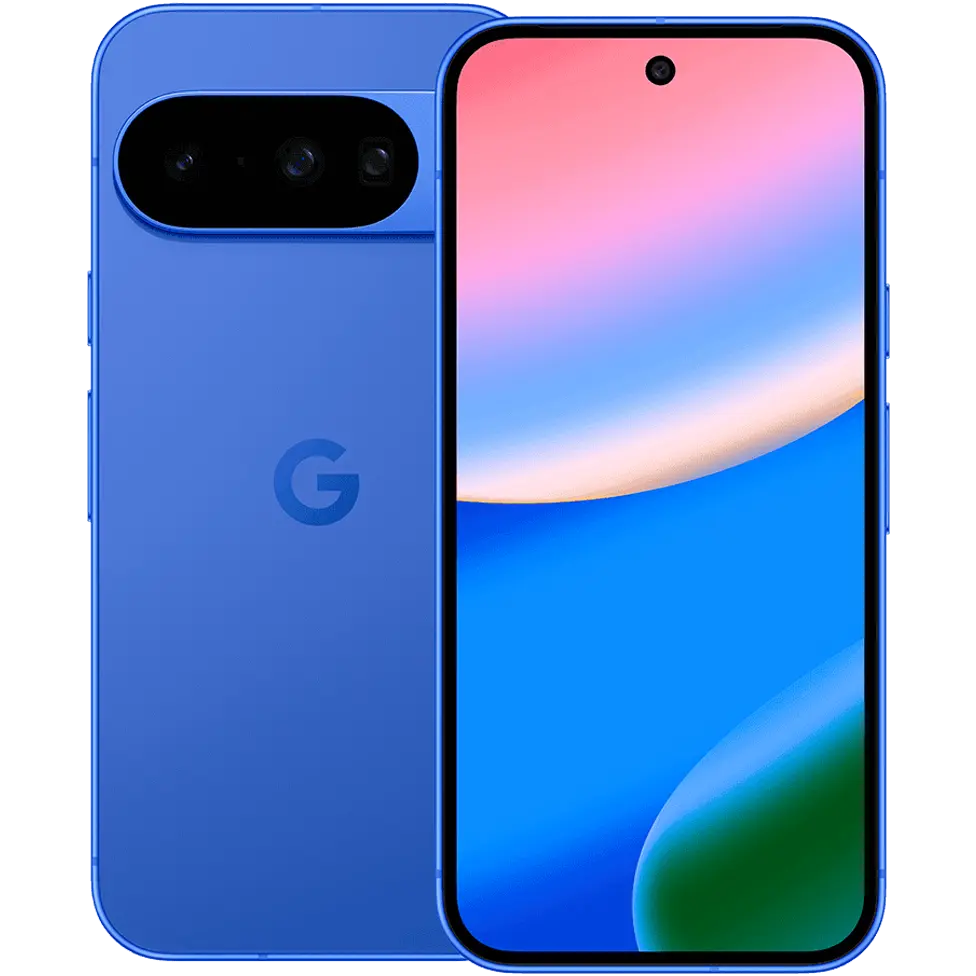
Pixel 10
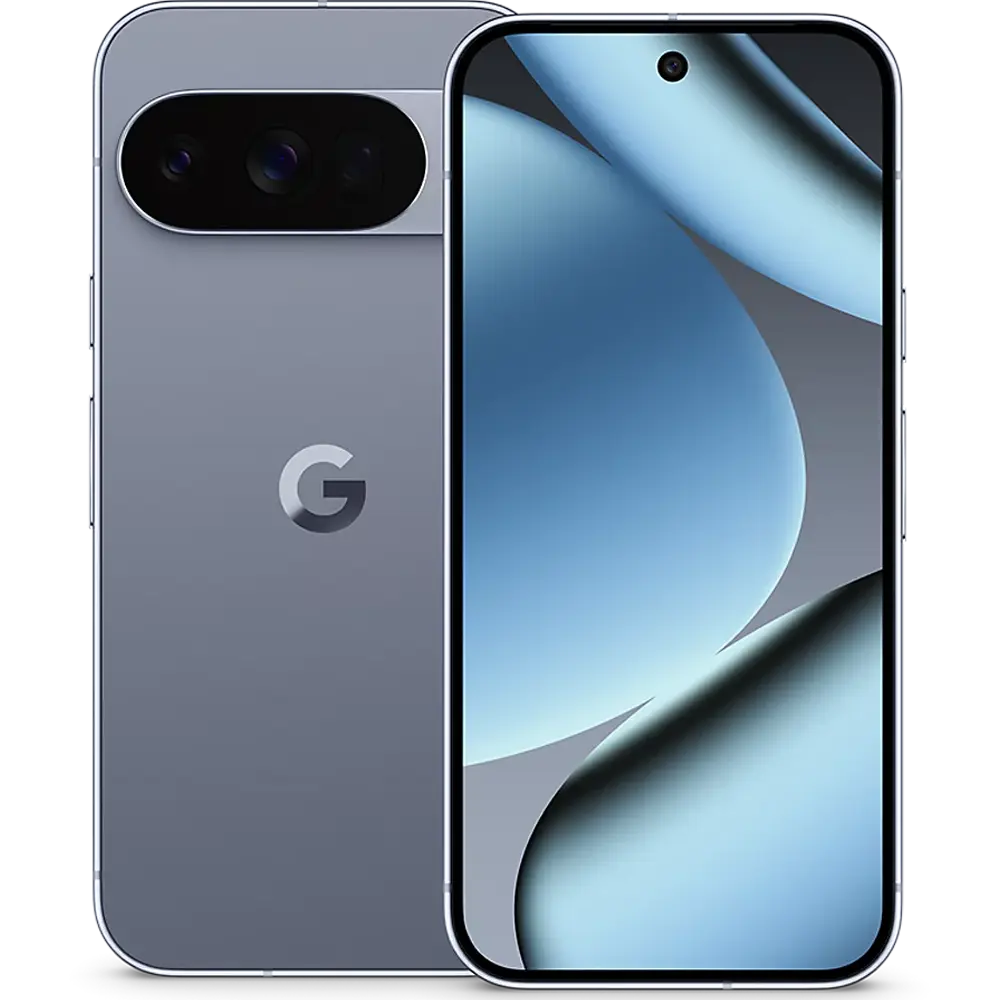
Pixel 10 Pro
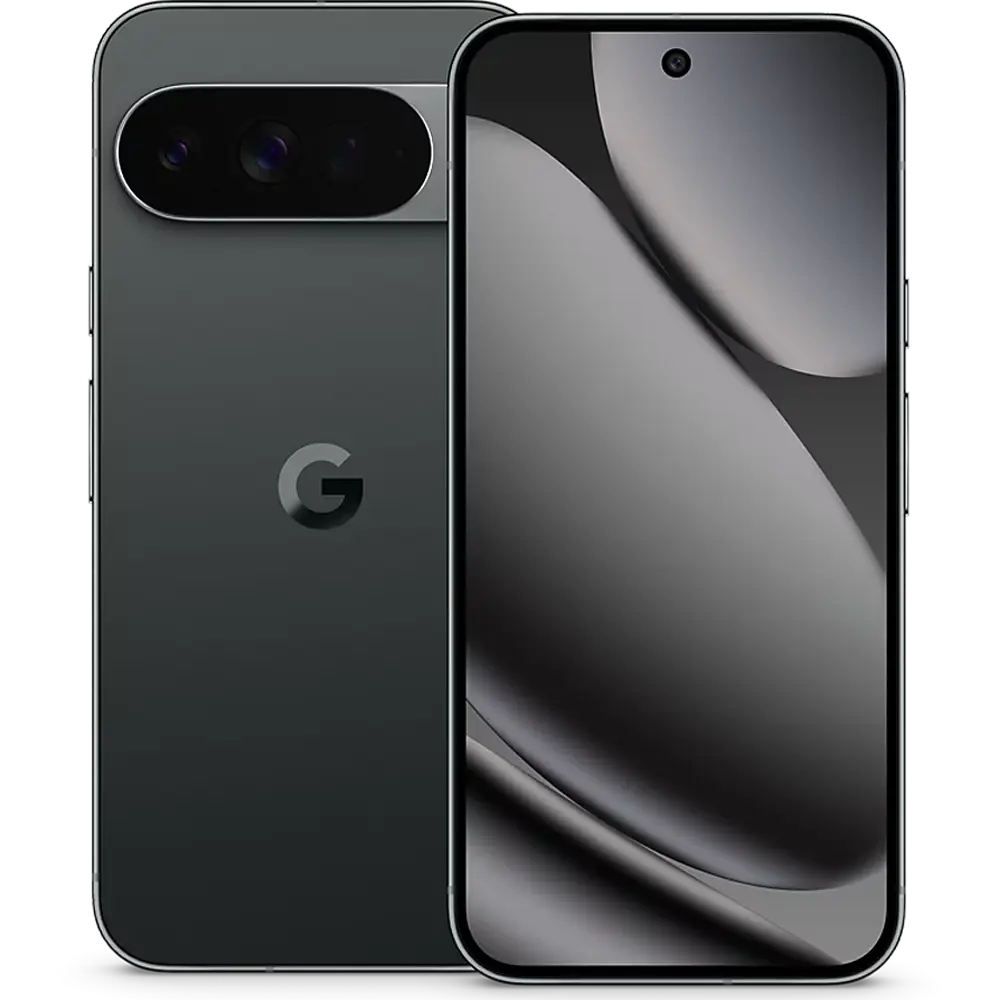
Pixel 10 Pro XL
Ranked #46 of 59
Ranked #39 of 59
Ranked #38 of 59
Overall
Overall
Overall
The Pixel 10 lineup includes three slab phones built on the same chip, the same software, and largely the same design language, separated by screen size, camera hardware, and price. The standard Pixel 10 at $799 is Google's mainstream option: compact body, capable cameras, full Tensor G5 experience. The Pixel 10 Pro at $999 fits into the same physical footprint but upgrades the display, camera sensors, and RAM. The Pixel 10 Pro XL at $1,199 takes that same Pro hardware and stretches it into a larger body with a bigger battery and faster wired charging.
The two Pro models share identical camera systems and produce the same image quality, so picking between them is really about screen size and battery. Against the standard Pixel 10, the Pro models pull clearly ahead on camera sharpness and display quality. The Pixel 10 holds its own on battery life and edges ahead in speaker quality and biometric speed.
Here’s how the three slab phones in the Pixel 10 series compared in our lab testing.
Design
| Google Pixel 10 | Google Pixel 10 Pro | Google Pixel 10 Pro XL | |
|---|---|---|---|
| Specifications | |||
| Dimensions | 152.8 x 72 x 8.6 mm | 152.8 x 72 x 8.5 mm | 162.8 x 76.6 x 8.5 mm |
| Weight | 204g | 207g | 232g |
| IP Rating | IP68 | IP68 | IP68 |
| Frame | Aluminum | Aluminum | Aluminum |
| Front | Gorilla Glass Victus 2 | Gorilla Glass Victus 2 | Gorilla Glass Victus 2 |
| Back | Glass | Glass | Glass |
| Screen-to-body ratio | 86.5% | 87.1% | 89.5% |
All three phones use aluminum frames, glass backs, and Gorilla Glass Victus 2 on the front. All are rated IP68, meaning they're submersible in fresh water to 1.5 meters for 30 minutes.
The Pixel 10 and Pixel 10 Pro are nearly the same size: 152.8 x 72 x 8.6mm and 152.8 x 72 x 8.5mm, respectively. The Pixel 10 weighs 204g; the Pro is 207g. You'd struggle to tell them apart in a pocket. The Pro XL is a different proposition at 162.8 x 76.6 x 8.5mm and 232g — about 28g heavier than either smaller phone. Screen-to-body ratio tells part of that story: the Pixel 10 sits at 86.5%, the Pro at 87.1%, and the Pro XL at 89.5%.
Bandicoot Lab doesn't formally test design or durability.
Display
| Google Pixel 10 | Google Pixel 10 Pro | Google Pixel 10 Pro XL | |
|---|---|---|---|
598/ 881 | 723/ 881 | 714/ 881 | |
The Pixel 10 has a 6.3-inch OLED at 1080 x 2424 (422 pixels per inch) with a 60–120Hz refresh rate. The Pixel 10 Pro uses a 6.3-inch LTPO OLED at 1280 x 2856 (495 PPI) with a 1–120Hz range. The Pro XL stretches to a 6.8-inch LTPO OLED at 1344 x 2992 (486 PPI), also 1–120Hz. LTPO panels can drop to 1Hz for static content, which helps with power efficiency. The standard Pixel 10's floor is 60Hz.
In manual brightness mode, all three are close: the Pixel 10 reaches 1,496 nits, the Pro hits 1,450 nits, and the Pro XL manages 1,435 nits. The gap is negligible in practice. HDR peak brightness — measured at a small highlight window — is more interesting: 3,089 nits for the Pixel 10, 3,428 nits for the Pro, and 3,405 nits for the Pro XL. The Pro models are brighter with HDR content, though all three are bright enough for comfortable outdoor viewing. As HDR highlights expand to fill more of the screen, brightness falls off at nearly the same rate across all three, around 65–66%. Sustained brightness over 30 minutes of HDR playback is strong across the board: 97.7% for the Pixel 10, 96.3% for the Pro, and 96.2% for the Pro XL. None of them throttle meaningfully during extended viewing.
Color accuracy is strong on all three. The Pro XL is the most accurate panel, with neutral tones that stay close to reference. The Pro is a hair behind, and the Pixel 10 is close to both. In practice, you'd need to put them side by side to spot the difference. sRGB gamut coverage is 97.4% on the Pixel 10, 98.7% on the Pro, and 98.4% on the Pro XL. All dim to under 2 nits, which is comfortable for bedtime use.
The tone mapping behavior differs in a small but meaningful way. The Pixel 10 and Pro XL both render HDR content slightly below the reference curve, producing a faithful but fractionally conservative image. The Pro pushes highlights slightly brighter than mastered, which can make HDR content look a little punchier. Both the Pixel 10 and Pro begin clipping at 95% input levels, while the Pro XL holds on through the entire range without clipping. The Pro XL's tone mapping is the most complete.
When it comes to touch latency, the three are slightly different, but not in any perceptible way. The Pixel 10 averages 22.6ms, the Pro XL comes in at 15.7ms, and the Pro is the most responsive at 11.6ms.
Performance
| Google Pixel 10 | Google Pixel 10 Pro | Google Pixel 10 Pro XL | |
|---|---|---|---|
403/ 1012 | 399/ 1012 | 416/ 1012 | |
All three phones run the Google Tensor G5. The Pixel 10 has 12GB of RAM; both Pro models have 16GB.
CPU performance is close. The Pixel 10 scores 2,271 single-core and 6,137 multi-core in GeekBench 6. The Pro manages 2,330 / 6,364, and the Pro XL hits 2,305 / 6,192. These are small differences you won't feel in daily use. App launches, multitasking, and general responsiveness should feel the same across all three.
GPU results tell a slightly different story. Wild Life Extreme peak scores are 2,955 for the Pixel 10, 3,286 for the Pro, and 3,314 for the Pro XL. The Pro models have a roughly 10–12% edge in peak GPU throughput, which is likely related to the additional RAM and possibly thermal management. Stability under sustained load is similar for the Pixel 10 and Pro (68.6% and 67.2%), but the Pro XL holds up better at 79.4%. Its larger body gives it more room to dissipate heat. For graphically demanding games played over extended sessions, the Pro XL will maintain more consistent frame rates.
Browser performance is the exception. The Pixel 10 scores 20.3 in Speedometer, while the Pro and Pro XL score 15.2 and 15.6. The standard Pixel 10 is noticeably faster at web rendering — likely because its lower-resolution display demands less from the rendering pipeline. You'll feel this in heavy web apps and complex pages.
To be clear, none of the three devices perform very well against the best Qualcomm-equipped Android phones in the same price bracket.
Camera
| Google Pixel 10 | Google Pixel 10 Pro | Google Pixel 10 Pro XL | |
|---|---|---|---|
372/ 587 | 445/ 587 | 445/ 587 | |
The camera hardware splits the lineup into two tiers. The Pixel 10 uses a 48-megapixel f/1.7 main sensor (1/2.0-inch), a 13-megapixel f/2.2 ultrawide (1/3.1-inch), and a 10.8-megapixel f/3.1 telephoto at 5x (1/3.2-inch). The Pro and Pro XL share identical hardware: a 50-megapixel f/1.7 main sensor (1/1.31-inch), a 48-megapixel f/1.7 ultrawide (1/2.55-inch), and a 48-megapixel f/2.8 telephoto at 5x (1/2.55-inch). The Pro models' sensors are substantially larger across every lens.
That hardware gap shows up clearly in sharpness. The Pro models produce sharper images across every lens and every lighting condition. The main camera difference is significant, and it's even more pronounced on the ultrawide and telephoto where the Pro models' sensors are roughly twice the size of the standard Pixel 10's. The gap widens as light drops.
Deep zoom is where the hardware difference becomes stark. Both Pro models can reach 100x digital zoom; the Pixel 10 tops out at 20x. Even at comparable zoom levels, the Pro models resolve more detail. Their 48-megapixel telephoto sensor gives them far more data to crop from. At extreme zoom (30x and beyond), the Pro models produce usable images where the Pixel 10 simply can't go.
Main
| Google Pixel 10 (Main) | Google Pixel 10 Pro (Main) | Google Pixel 10 Pro XL (Main) | |
|---|---|---|---|
421/ 722 | 517/ 722 | 517/ 722 | |
The Pro models' 50-megapixel 1/1.31-inch main sensor is clearly sharper than the Pixel 10's 48-megapixel 1/2.0-inch unit. Sharpness holds well across lighting conditions on the Pro, with minimal drop from bright to dark. The Pixel 10 is solid in bright and mid light but softens more in low light.
All three phones cover 1x through 5x on the main camera before handing off to the telephoto. The Pro models hold detail well through 2x and 3x crops because the larger sensor gives more pixels to work with. The Pixel 10 softens more noticeably past 2x.
Color character is similar across both sensor sizes: vivid, warm-leaning, with noticeable skin tone inaccuracy. The Pro models' main lens handles mid-light color slightly better, with less saturation push and a more neutral white balance. In low light, all three shift warm and lose hue accuracy.
Ultrawide
| Google Pixel 10 (Ultrawide) | Google Pixel 10 Pro (Ultrawide) | Google Pixel 10 Pro XL (Ultrawide) | |
|---|---|---|---|
342/ 722 | 479/ 722 | 479/ 722 | |
The difference in ultrawide hardware is one of the largest in the lineup. The Pro models use a 48-megapixel f/1.7 sensor (1/2.55-inch) — the same aperture as their main lens — while the Pixel 10 uses a 13-megapixel f/2.2 unit (1/3.1-inch). The sharpness gap is dramatic. The Pro models produce ultrawide images that look close to a good main camera, while the Pixel 10's ultrawide is softer in every condition and drops off steeply in low light.
Color on the Pro models' ultrawide starts neutral in bright light but develops a yellow-warm shift in mid and low light as white balance correction struggles with warmer illuminants. The Pixel 10's ultrawide shows a similar pattern but with slightly more saturation push in bright conditions.
The Pro models' ultrawide holds more tonal range than the Pixel 10's, with cleaner shadow detail and fewer tonal irregularities. The Pixel 10's ultrawide captures a wide raw tonal range but shows more tonal inconsistencies, which can make shadows look less natural.
Telephoto
| Google Pixel 10 (Telephoto) | Google Pixel 10 Pro (Telephoto) | Google Pixel 10 Pro XL (Telephoto) | |
|---|---|---|---|
384/ 722 | 471/ 722 | 471/ 722 | |
All three phones have a 5x telephoto, but the hardware is very different. The Pro models use a 48-megapixel f/2.8 sensor (1/2.55-inch) at 113mm. The Pixel 10 uses a 10.8-megapixel f/3.1 unit (1/3.2-inch) at 112mm. The Pro models' telephoto resolves substantially more detail, and the advantage grows past 5x into the digital crop range. At 10x, the Pro models still produce clean, detailed images. The Pixel 10 softens more quickly.
Beyond 10x, the Pro models can push to 100x. Usable detail extends through roughly 20–30x before digital processing becomes the dominant factor. The Pixel 10 is limited to 20x, and its smaller sensor means it's working with much less data at every step.
Color on the telephoto lenses follows the lineup-wide pattern: warm and vivid, with skin tones that drift from accuracy. The Pro models' telephoto is slightly more restrained with saturation in bright light, but skin tones remain noticeably off on all three. In low light, the Pixel 10's telephoto pushes saturation harder and shifts warm, while the Pro models become more muted.
Hue accuracy degrades in low light across all three, consistent with white balance correction struggling under warm, dim illumination. The Pro models hold better hue accuracy through mid-light conditions.
Highlight clipping is an issue on all three telephoto lenses. The Pixel 10's telephoto holds slightly more total tonal range.
Front
| Google Pixel 10 (Front) | Google Pixel 10 Pro (Front) | Google Pixel 10 Pro XL (Front) | |
|---|---|---|---|
380/ 722 | 347/ 722 | 347/ 722 | |
The Pro models share a 42-megapixel f/2.2 front camera at 17mm. The Pixel 10 has a 10.5-megapixel f/2.2 unit at 20mm (1/3.1-inch). The Pro models' front camera is sharper in bright light, but the gap narrows in mid and low light. The Pixel 10's front camera holds sharpness consistently across lighting conditions — it's one of the most consistent lenses in the standard model's kit.
Color on the front cameras is warm and saturated across the lineup, with skin tones drifting from accuracy on all three. The Pixel 10 has a slightly more neutral look in bright and mid light. In low light, all three front cameras shift heavily warm with a strong pink-magenta push, and hue accuracy falls apart. The warm bias intensifies dramatically under low color temperature lighting, pointing to white balance over-correction rather than sensor limitations.
Highlight clipping is present from all three front cameras. Video stabilization from the front camera is better controlled on the Pixel 10 than on the Pro models.
Battery
| Google Pixel 10 | Google Pixel 10 Pro | Google Pixel 10 Pro XL | |
|---|---|---|---|
467/ 799 | 490/ 799 | 492/ 799 | |
The Pixel 10 has a 4,970mAh battery, the Pro has 4,870mAh, and the Pro XL has 5,200mAh. The Pro has the smallest cell despite sharing the Pixel 10's body size.
Video playback tells the simplest story. The Pro XL lasts 23.31 hours, the Pixel 10 lasts 23.11 hours, and the Pro manages 21.83 hours. The Pixel 10 and Pro XL are nearly identical here, while the Pro trails by about an hour and a half. At max brightness, the gap grows: the Pixel 10 manages 17.22 hours, the Pro XL hits 15.74 hours, and the Pro drops to 12.97 hours. The Pro's combination of a smaller battery and brighter HDR panel costs it outdoors.
Web browsing drain over five hours is 23% for both the Pixel 10 and Pro, and 25% for the Pro XL. Gaming drain follows a similar pattern: 22% for the Pixel 10, 25% for the Pro, and 27% for the Pro XL. The larger, higher-resolution screens and higher-resolution rendering tax the Pro models more. Standby drain over eight hours is 3% on the Pixel 10 and 2% on both Pro models. The LTPO panels' ability to drop to 1Hz likely helps here.
All three phones will get through a full day for most people. The Pixel 10 is the most efficient relative to its battery size. The Pro is the weakest link for heavy use days. The Pro XL's larger battery compensates for its bigger screen, landing it close to the Pixel 10 in actual endurance.
Charging
| Google Pixel 10 | Google Pixel 10 Pro | Google Pixel 10 Pro XL | |
|---|---|---|---|
322/ 837 | 310/ 837 | 403/ 837 | |
The Pixel 10 and Pro both charge at 30W wired. The Pro XL steps up to 45W. All three support 15W magnetic wireless charging, compatible with Qi2-standard chargers.
The 45W advantage shows clearly on the Pro XL. After 10 minutes on the wire, the Pro XL reaches 25%, compared to 20% for the Pixel 10 and 19% for the Pro. At 30 minutes, the gap widens: the Pro XL hits 70%, the Pixel 10 reaches 57%, and the Pro sits at 55%. A quick top-up before heading out gives the Pro XL a meaningful edge.
Wireless charging is closer across the lineup. At 10 minutes, the Pixel 10 gets 11%, while the Pro and Pro XL both reach 12%. At 30 minutes, the spread opens slightly: 30% for the Pixel 10, 34% for the Pro, and 39% for the Pro XL. The Pro XL's advantage extends to wireless charging as well, though at 15W the absolute gains are modest.
Speaker
| Google Pixel 10 | Google Pixel 10 Pro | Google Pixel 10 Pro XL | |
|---|---|---|---|
781/ 897 | 774/ 897 | 645/ 897 | |
All three phones are close in maximum volume: 76 dBA for the Pixel 10, 75.6 dBA for the Pro, and 75.8 dBA for the Pro XL. Loudness isn't a differentiator here.
Character is where they diverge. The Pixel 10 and Pro both deliver clean, clear sound with good high-frequency detail. The Pixel 10 has slightly less distortion (6.28% THD versus 6.5% for the Pro), and its clarity is a touch sharper. The Pro offers slightly fuller bass, extending lower in the frequency range. Both sound good for phone speakers.
The Pro XL is a step behind. Distortion is higher at 10.13% THD, and its clarity and cleanliness scores are lower. Bass extension is similar to the Pixel 10, but the overall frequency response is more even — less peaky, which might sound more balanced to some ears but less detailed to others. If speaker quality matters to you, the smaller phones are the better pick.
Microphone
| Google Pixel 10 | Google Pixel 10 Pro | Google Pixel 10 Pro XL | |
|---|---|---|---|
698/ 1220 | 667/ 1220 | 713/ 1220 |
The Pro XL has the most even microphone response of the three and scores the highest. The Pixel 10 is close behind. The Pro's microphone is slightly less consistent across frequencies. All three are above average and will serve well for calls and voice recording. The differences are minor enough that microphone quality shouldn't drive a purchasing decision between them.
Other
| Google Pixel 10 | Google Pixel 10 Pro | Google Pixel 10 Pro XL | |
|---|---|---|---|
| Biometrics | 540/ 1181 | 422/ 1181 | 491/ 1181 |
| Data Transfer | 205/ 877 | 270/ 877 | 263/ 877 |
| Specifications | |||
| Biometric type | Fingerprint | Fingerprint | Fingerprint |
| Ports | USB-C 3.2 | USB-C 3.2 | USB-C 3.2 |
| Storage | 128GB, 256GB | 256GB, 512GB, 1TB | 256GB, 512GB, 1TB |
All three phones use ultrasonic fingerprint sensors. The Pixel 10 is the fastest at 194ms average unlock speed. The Pro XL comes in at 214ms, and the Pro is the slowest at 249ms. The gap between the Pixel 10 and Pro is about 55ms — noticeable, though all three are fast enough for comfortable daily use. None of the three has hardware-based face unlock; biometric authentication is fingerprint only.
Data transfer speeds are similar. Read speeds are essentially tied at 105–106 MB/s across all three. Write speeds diverge slightly: the Pro hits 142 MB/s, the Pro XL manages 131 MB/s, and the Pixel 10 trails at 77 MB/s. If you regularly transfer large files to the phone, the Pro models have a clear advantage. All three use USB-C 3.2.
Storage options differ by tier. The Pixel 10 comes in 128GB and 256GB. Both Pro models offer 256GB, 512GB, and 1TB.
Conclusion
The $200 jump from Pixel 10 to Pixel 10 Pro buys you a meaningfully better camera system, a sharper and more responsive display, 4GB more RAM, and more storage options. The trade-offs are a bit of battery life, a slightly slower fingerprint sensor, and a marginally weaker speaker. The camera upgrade is the headline: larger sensors across every lens translate to visibly better photos, especially in mid and low light, and the 100x zoom range opens up compositions the standard model can't reach.
The $200 jump from Pro to Pro XL is a simpler proposition. You get a bigger screen, a bigger battery, and faster charging. The camera system, RAM, software, and core performance are identical. The Pro XL's display is the best-calibrated of the three and handles HDR tone mapping without clipping, but the Pro's panel is a touch more responsive and slightly brighter at peak. The Pro XL's speaker is the weakest of the three, and it's the heaviest phone at 232g. If you want a large screen and don't mind the weight, the Pro XL is the obvious Pro variant. If you prefer a compact phone with Pro-tier cameras, the standard Pro gives you exactly that.
The Pixel 10 at $799 makes the most sense if you prioritize value and efficiency. It has genuinely good battery life relative to its size, the fastest fingerprint sensor, the best speaker clarity, and competitive browser performance. Its cameras are adequate for everyday use — the main and front cameras do fine in good light. Where it falls short is sharpness in challenging conditions and at longer zoom ranges. If you mostly shoot in daylight and don't crop or zoom much, you'll rarely feel the gap. If you want the best camera Google makes, you're spending at least $999.
FAQ
Is the Pixel 10 Pro worth the $200 upgrade over the standard Pixel 10?
The clearest gains are in the camera system — the Pro's larger sensors across every lens produce sharper photos, particularly in mid and low light, and its 100x zoom range goes well beyond the Pixel 10's 20x ceiling. The Pro also has a sharper, more touch-responsive display and 4GB more RAM. The Pixel 10 hits back with better battery efficiency, a faster fingerprint sensor, and cleaner speaker output. If camera quality is your priority, the Pro is the better buy; if you mostly shoot in daylight and care about day-to-day efficiency, the Pixel 10 holds its own.
Does the Pixel 10 Pro XL or the standard Pixel 10 Pro last longer on a charge?
The Pro XL lasts noticeably longer in most scenarios. In video playback at max brightness, the Pixel 10 Pro drops to 12.97 hours while the Pro XL holds 15.74 hours — a gap driven by the Pro's smaller 4,870mAh battery paired with a brighter HDR panel. At normal brightness, the two are closer but the Pro XL still leads by about 1.5 hours. For heavy-use days, the Pro XL is the safer choice; the standard Pro is the weakest of the three in sustained endurance.
How much faster does the Pixel 10 Pro XL charge compared to its siblings?
The Pro XL charges at 45W wired versus 30W on the Pixel 10 and standard Pro. After 30 minutes on the wire, the Pro XL reaches 70% while the other two sit at 55–57%. That's a meaningful gap for a quick top-up before leaving. All three support 15W wireless charging, where the Pro XL also pulls ahead slightly — reaching 39% at 30 minutes versus 30% for the Pixel 10 and 34% for the Pro.
Which Pixel 10 has the best speakers?
The Pixel 10 and Pixel 10 Pro are both better than the Pro XL for audio quality. The Pixel 10 has the lowest distortion of the three at 6.28% THD and the sharpest clarity, while the Pro offers slightly fuller bass extension. The Pro XL distorts more at 10.13% THD and sounds less detailed, though its more even frequency response may suit some listeners. All three reach similar maximum volumes, so loudness doesn't separate them.
Related
Pixel 10
Pixel 10 Pro
Pixel 10 Pro XL
Pixel 11 Pro XL
Pixel 11 Pro
Pixel 11
Pixel 11 Pro Fold
Pixel 10 Pro Fold
Pixel 10a
Is a weak telephoto worse than having no telephoto at all?
Samsung Galaxy S26 Series vs Google Pixel 10 Series
Apple iPhone 17 Series vs Google Pixel 10 Series