Apple iPhone 17 Pro vs Xiaomi 17
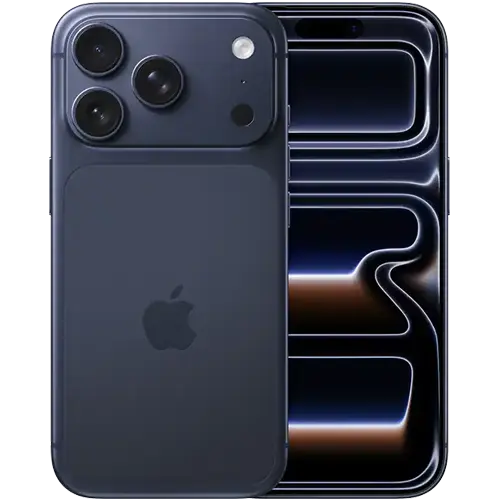
Apple
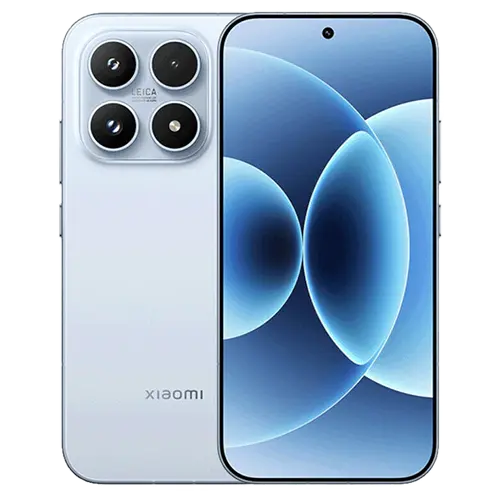
Xiaomi
iPhone 17 Pro
17
Ranked #4 of 59
Ranked #4 of 59
Overall
Overall
The iPhone 17 Pro is Apple's small-size flagship, positioned as the camera and performance choice for users who want the full iOS ecosystem at a premium price. The Xiaomi 17 sits in a similar range, offering a flagship Snapdragon chipset and aggressive charging speeds in a lighter package aimed at Android users who want top-tier specs without stepping up to the Ultra tier.
The iPhone 17 Pro is stronger in camera quality overall, particularly in dynamic range on its telephoto and front cameras, and in video stabilization across all lenses. It also edges ahead in battery endurance during gaming and standby, too. The Xiaomi 17 counters with faster charging, a louder and bassier speaker, substantially quicker biometrics, better display brightness, and stronger deep-zoom sharpness from its telephoto lens.
Is one actually better than the other? Here’s how the iPhone 17 Pro and Xiaomi 17 compare based on our rigorous testing.
Design
| Apple iPhone 17 Pro | Xiaomi 17 | |
|---|---|---|
| Specifications | ||
| Dimensions | 150 x 71.9 x 8.8 mm | 151.1 x 71.8 x 8.1 mm |
| Weight | 206g | 191g |
| IP Rating | IP68 | IP68 |
| Frame | Aluminum | Aluminum |
| Front | Ceramic Shield 2 | Xiaomi Shield Glass |
| Back | Ceramic Shield | Glass |
| Screen-to-body ratio | 90.3% | 89.5% |
The two phones share a 6.3-inch display size and IP68 water resistance, and both use USB-C. The iPhone 17 Pro weighs 206g with an aluminum frame, Ceramic Shield 2 front glass, and Ceramic Shield back. The Xiaomi 17 comes in at 191g with an aluminum frame, Gorilla Glass Victus 2 front, and glass back. Both have a 460 PPI display density and nearly identical aspect ratios.
Bandicoot Lab does not formally test design or durability, so this section describes what's on paper.
Display
| Apple iPhone 17 Pro | Xiaomi 17 | |
|---|---|---|
679/ 881 | — | |
Both phones’ display panels are 6.3-inch LTPO OLEDs running at 120Hz with 460 pixels per inch. Resolution is effectively identical: 1206 x 2622 on the iPhone and 1220 x 2656 on the Xiaomi.
Manual brightness is where they diverge significantly. The iPhone 17 Pro reaches 885 nits at maximum manual brightness, while the Xiaomi 17 hits 632 nits. In direct sunlight, that's a real difference in readability. HDR peak brightness differs in the other direction . The iPhone peaks at 3,043 nits and the Xiaomi at 3,583 nits, so the Xiaomi can get brighter for small HDR highlights. The iPhone holds only 35% of its peak brightness over 30 minutes of HDR content though, while the Xiaomi holds 99%. The Xiaomi's thermal management keeps its panel running near peak output far longer, making it meaningfully better for extended HDR video viewing.
Color accuracy is better on the iPhone. In its default mode, the iPhone delivers extremely tight color with sRGB gamut coverage of 99.9%. Colors look neutral and correct with virtually no visible drift from reference targets. The Xiaomi's best mode (Original Color Pro) is solid but shows slightly more deviation from reference. Its Vivid mode pushes a wider gamut with Display P3 coverage at 82% but at the cost of some accuracy.
Touch latency is 52.7 ms on the iPhone and 12.2 ms on the Xiaomi. That's a large gap. The Xiaomi's lower latency means touch input registers faster, which is perceptible during fast scrolling and gaming.
Performance
| Apple iPhone 17 Pro | Xiaomi 17 | |
|---|---|---|
902/ 942 | — | |
The iPhone 17 Pro runs Apple's A19 Pro with 12GB RAM. The Xiaomi 17 uses the Qualcomm Snapdragon 8 Elite Gen 5, also with 12GB RAM.
CPU performance leans toward the iPhone in single-core performance — 3,918 versus 3,612 in GeekBench 6 single-core. Multi-core flips things — the Xiaomi scores 10,650 to the iPhone's 10,158. In practice, the phones will feel more or less the same.
GPU performance is close too. The iPhone's Wild Life Extreme best loop score is 5,865; the Xiaomi's is 6,333. Stability under sustained load is similar: 69.8% for the iPhone versus 66.8% for the Xiaomi. The iPhone throttles less aggressively but starts from a lower peak. The Xiaomi runs hotter at 47.9°C max versus 41.4°C. In Solar Bay, the iPhone scores 12,031 peak with 63.5% stability, while the Xiaomi hits 10,704 peak with 68.1% stability. These differences are unlikely to be perceptible in actual gaming. Both phones handle demanding titles without issue.
Browser performance is a clear iPhone advantage. Speedometer scores 43.1 on the iPhone versus 23 on the Xiaomi. Safari's JavaScript engine remains substantially faster than Chrome on Android, and you'll notice this in complex web apps and heavy pages.
Camera
| Apple iPhone 17 Pro (Overall) | Xiaomi 17 (Overall) | |
|---|---|---|
| Specifications | ||
| Main | 48MP, f/1.78, 24mm, 1/1.28" | 50MP, f/1.7, 23mm, 1/1.31" |
| Ultrawide | 48MP, f/2.8, 13mm, 1/2.55" | 50MP, f/2.4, 17mm, 1/2.76" |
| Telephoto | 48MP, f/2.8, 100mm, 1/2.55" | 50MP, f/2, 60mm, 1/2.76" |
| Front | 18MP, f/1.9, 20mm | 50MP, f/2.2, 21mm, 1/2.88" |
The iPhone 17 Pro scores higher overall in camera testing, with particular strengths in dynamic range and stabilization. The Xiaomi 17 counters with better color accuracy across all lenses and stronger sharpness from its telephoto and ultrawide. Both phones produce high-quality images, but their processing philosophies differ. The iPhone pushes saturation and contrast harder in its auto processing, while the Xiaomi produces more restrained, accurate color in most conditions.
At deep zoom levels (30x and above), the Xiaomi resolves more detail. At 30x, the Xiaomi holds higher sharpness than the iPhone, extending to 50x and 60x where the iPhone tops out at 40x. The iPhone's deep zoom results fall off more quickly, though its 10x through 20x range is competitive.
Main
| Apple iPhone 17 Pro (Main) | Xiaomi 17 (Main) | |
|---|---|---|
| Dynamic Range | 711/ 1030 | — |
| Stabilization | 728/ 972 | — |
| Depth | 335/ 946 | 328/ 946 |
| Specifications | ||
| Resolution | 48MP | 50MP |
| Aperture | f/1.78 | f/1.7 |
| Focal length | 24mm | 23mm |
| Sensor size | 1/1.28" | 1/1.31" |
Both main cameras deliver high sharpness in bright light. The iPhone resolves slightly more detail at 1x in good lighting, while the Xiaomi is close behind. In low light at 1x, the iPhone maintains its sharpness advantage more effectively. At the native telephoto transition points (2x on the Xiaomi, which crops the main sensor), the Xiaomi produces strong detail with noticeable sharpening artifacts at 2x in bright light.
Color is where the two diverge substantially. The iPhone's main camera auto mode pushes saturation noticeably in bright light, creating vivid, punchy images. Skin tones shift noticeably warm and oversaturated. As lighting drops to mid and dark conditions, a yellow-warm bias grows progressively stronger, indicating white balance correction is pulling warm rather than the sensor itself failing. The Xiaomi's main camera is more restrained, with skin tones that stay closer to reality. In mid and dark conditions, a mild warm shift appears but it's roughly half the magnitude of the iPhone's.
Dynamic range in auto mode is significantly better on the iPhone. The iPhone retains more shadow detail and clips highlights less aggressively, producing images with more depth in high-contrast scenes. The Xiaomi’s main lens compresses the tonal range more, which can flatten shadows in challenging lighting.
Ultrawide
| Apple iPhone 17 Pro (Ultrawide) | Xiaomi 17 (Ultrawide) | |
|---|---|---|
| Dynamic Range | 434/ 1030 | — |
| Stabilization | 676/ 972 | — |
| Depth | 58/ 946 | 82/ 946 |
| Specifications | ||
| Resolution | 48MP | 50MP |
| Aperture | f/2.8 | f/2.4 |
| Focal length | 13mm | 17mm |
| Sensor size | 1/2.55" | 1/2.76" |
The Xiaomi's ultrawide is sharper across all lighting conditions. It produces high detail at 0.7x that holds well into mid and low light. The iPhone's ultrawide is also good, particularly in bright conditions, but drops off slightly more in dim environments.
Color on the iPhone's ultrawide is similar to its main lens. It’s saturated in bright light, with an increasingly warm shift in mid and dark conditions driven by white balance overcorrection. The Xiaomi's ultrawide is less saturated overall, sitting close to neutral in mid light and only showing a moderate warm shift in dark conditions.
Dynamic range favors the Xiaomi on the ultrawide. It retains more usable range in processed images, with better highlight handling and more visible shadow detail. The iPhone's ultrawide clips highlights earlier.
Telephoto
| Apple iPhone 17 Pro (Telephoto) | Xiaomi 17 (Telephoto) | |
|---|---|---|
| Dynamic Range | 852/ 1030 | — |
| Stabilization | 972/ 972 | — |
| Depth | 445/ 946 | 346/ 946 |
| Specifications | ||
| Resolution | 48MP | 50MP |
| Aperture | f/2.8 | f/2 |
| Focal length | 100mm | 60mm |
| Sensor size | 1/2.55" | 1/2.76" |
The Xiaomi's telephoto produces higher sharpness than the iPhone's at most focal lengths. At the native 3x zoom, the Xiaomi resolves substantially more detail. The gap widens at 5x and 6x, where the Xiaomi maintains strong output while the iPhone's sharpness drops more steeply. Both handle 10x reasonably well, with the Xiaomi slightly ahead.
Color accuracy is much better on the Xiaomi's telephoto. In bright light, the iPhone's telephoto pushes saturation strongly with a warm-yellow bias and skin tones that drift significantly from reference. The Xiaomi's telephoto shows moderate saturation with minimal color bias. In mid and dark conditions, the Xiaomi stays more controlled while the iPhone's warm bias grows as lighting shifts warmer, again a white-balance-driven issue.
Dynamic range favors the iPhone's telephoto. It maps a wider range of tones in auto processing, retaining both shadow and highlight detail better than the Xiaomi. The Xiaomi's telephoto clips highlights earlier and shows more compression in high-contrast scenes.
Stabilization is dramatically better on the iPhone's telephoto. Video stays tightly controlled even at longer focal lengths. The Xiaomi's telephoto stabilization is poor by comparison, with much more visible movement in handheld footage.
Front
| Apple iPhone 17 Pro (Front) | Xiaomi 17 (Front) | |
|---|---|---|
| Dynamic Range | 1030/ 1030 | — |
| Stabilization | 892/ 972 | — |
| Depth | 84/ 946 | — |
| Specifications | ||
| Resolution | 18MP | 50MP |
| Aperture | f/1.9 | f/2.2 |
| Focal length | 20mm | 21mm |
| Sensor size | — | 1/2.88" |
The iPhone's front camera is sharper across all lighting conditions, resolving noticeably more detail in bright, mid, and dark scenarios.
Color on the iPhone's front camera follows the same pattern as its rear lenses. It’s saturated in bright light with growing warm and pink-magenta bias in mid conditions. Skin tones in mid lighting shift noticeably. The Xiaomi's front camera is more muted overall, with mild warm-pink bias. Skin tones stay closer to natural.
Dynamic range is significantly better on the iPhone's front camera. It handles backlit selfies and high-contrast scenes with much more retained detail in both highlights and shadows. The Xiaomi's front camera clips more aggressively and retains less scene depth.
Stabilization is much better on the iPhone's front camera, producing noticeably smoother video during movement.
Battery
| Apple iPhone 17 Pro | Xiaomi 17 | |
|---|---|---|
670/ 707 | — | |
The iPhone 17 Pro has a 4,252mAh battery, while the Xiaomi 17 packs 6,330mAh. Despite the much larger cell, the Xiaomi doesn't lead every battery metric.
Video playback at 200 nits shows similar endurance between the two phones. The iPhone hits 23 hours 58 minutes, with the Xiaomi device at 26 hours 15 minutes. Both are strong results that translate to comfortable all-day use with plenty of margin. The Xiaomi's two extra hours matter if you're on a long flight or train journey, but in daily use the difference is minimal.
Web browsing drain over five hours is a different story. The iPhone loses 17% while the Xiaomi drops 26%. That's a substantial efficiency gap that means the iPhone will last longer during typical phone use patterns, like browsing, social media, and messaging. Gaming drain is close: 24% for the iPhone versus 25% for the Xiaomi.
Standby is where the iPhone pulls far ahead. It loses just 2% over eight hours of idle overnight, while the Xiaomi drains 7%. Over a weekend of light use, this difference compounds meaningfully.
Charging
| Apple iPhone 17 Pro | Xiaomi 17 | |
|---|---|---|
376/ 718 | — | |
The iPhone 17 Pro charges at 40W wired and 25W wireless via MagSafe. The Xiaomi 17 charges at 100W wired and 50W wireless.
Despite the large difference in specs, the 10-minute and 30-minute results for wired charging are surprisingly close. Both reach 31% at 10 minutes. At 30 minutes, the Xiaomi edges ahead with 74% versus 72% for the iPhone. The iPhone's smaller 4,252mAh battery means its lower wattage fills a proportionally similar amount of capacity in the same timeframe.
Wireless charging is where the gap becomes enormous. The iPhone reaches 24% at 10 minutes and 49% at 30 minutes via MagSafe. The Xiaomi manages just 4% at 10 minutes and 9% at 30 minutes. The Xiaomi's 50W wireless spec doesn't translate into real-world performance that matches the rated wattage. If you rely on wireless charging overnight this won't matter, but for quick wireless top-ups during the day the iPhone is vastly more useful.
Speaker
| Apple iPhone 17 Pro | Xiaomi 17 | |
|---|---|---|
823/ 897 | — | |
The iPhone 17 Pro is louder at 75.2 dBA versus 71 dBA on the Xiaomi. The iPhone also shows slightly lower distortion at 4.7% average THD compared to 5.2% on the Xiaomi.
The two speakers have distinctly different characters. The Xiaomi produces much fuller, more prominent bass, giving music and video audio a warmer, richer foundation. The iPhone emphasizes clarity and high-end detail, making dialogue and vocals more intelligible and giving the overall sound a brighter, more forward quality. Both are decent speakers with low distortion, but preference will depend on whether you value bass weight or vocal presence. For podcast listening, the iPhone's clarity advantage is practical. For music or watching movies without headphones, the Xiaomi's bass gives a more complete sound.
Microphone
| Apple iPhone 17 Pro | Xiaomi 17 | |
|---|---|---|
578/ 862 | — |
Both phones deliver below-average microphone quality for flagship devices. The iPhone's frequency response is slightly more even, with less variation across the audible range. The Xiaomi shows more unevenness, which can affect voice call clarity and video audio in challenging environments. Neither phone is a standout for recording.
Other
| Apple iPhone 17 Pro | Xiaomi 17 | |
|---|---|---|
| Biometrics | 172/ 1036 | — |
| Data Transfer | 572/ 857 | — |
| Specifications | ||
| Biometric type | Face Recognition | Fingerprint |
| Ports | USB-C 3.2 Gen 2 | USB-C 3.2 |
| Storage | 256GB, 512GB, 1TB | 256GB, 512GB, 1TB |
Biometric speed is dramatically different. The Xiaomi 17 uses an ultrasonic fingerprint sensor that unlocks in an average of 163ms. The iPhone 17 Pro relies on hardware-based face unlock at an average of 610ms. That's nearly four times slower. If fast unlocking matters to you, the Xiaomi is in a different league. The iPhone has no fingerprint sensor at all, so hardware-based face unlock is the only biometric option.
Data transfer speeds favor the Xiaomi device too. It reaches 323 MB/s read and 341 MB/s write for large files, compared to 286 MB/s read and 244 MB/s write on the iPhone.
Conclusion
The iPhone 17 Pro's strengths center on camera quality, battery efficiency, and speaker clarity. Its front camera is genuinely excellent for both stills and video, its standby drain is minimal, and its color-accurate display is well suited to photo editing. Video stabilization across all lenses is substantially better than what the Xiaomi offers. Web browsing efficiency means it'll last longer during a typical day of mixed use despite the smaller battery.
The Xiaomi 17 wins on display brightness and thermal consistency, deep-zoom photography, color accuracy across all camera lenses, biometric speed, data transfer speed, speaker bass, and touch responsiveness. Its wired charging speeds are competitive and the display holds its HDR brightness far longer, which matters for movie watching.
If you prioritize camera versatility, video quality, and iOS ecosystem integration, the iPhone 17 Pro justifies its premium. If you want a phone that unlocks instantly, handles deep-zoom photography well, produces natural-looking colors from every lens, and delivers a richer audio experience, the Xiaomi 17 offers that.
Related
Apple
iPhone 17 Pro
Xiaomi
17
Apple
iPhone 17e
Xiaomi
15T Pro
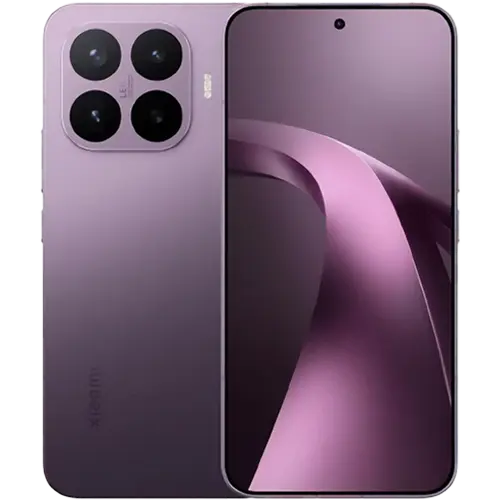
Xiaomi
17T Pro
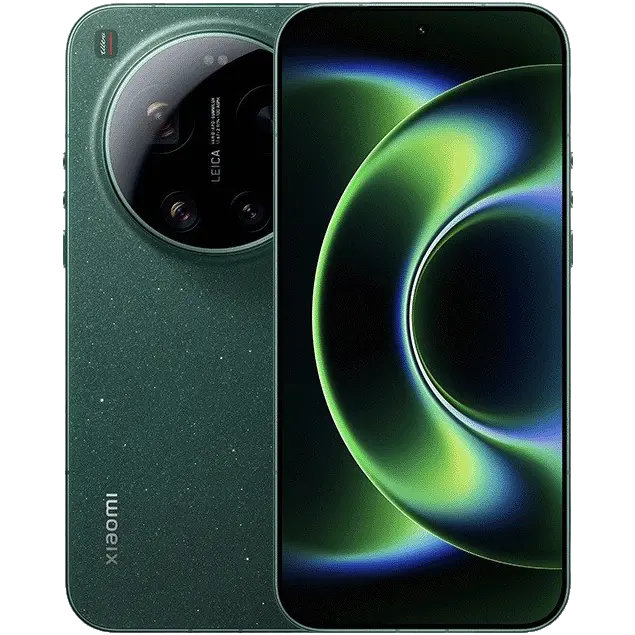
Xiaomi
17 Ultra
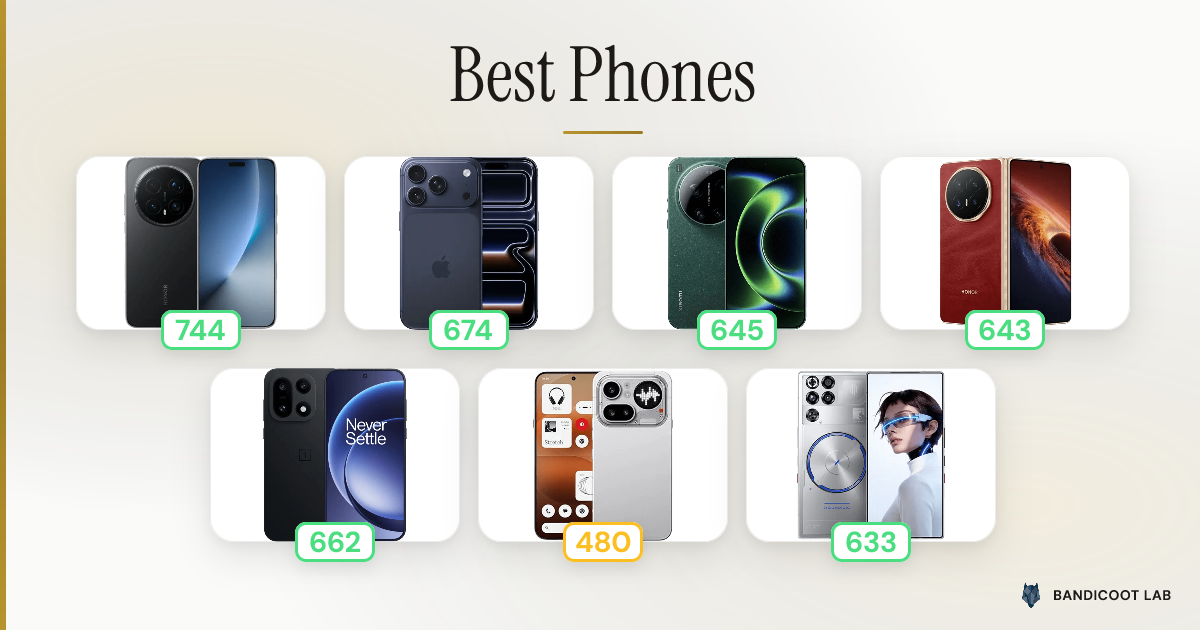
Best Phones
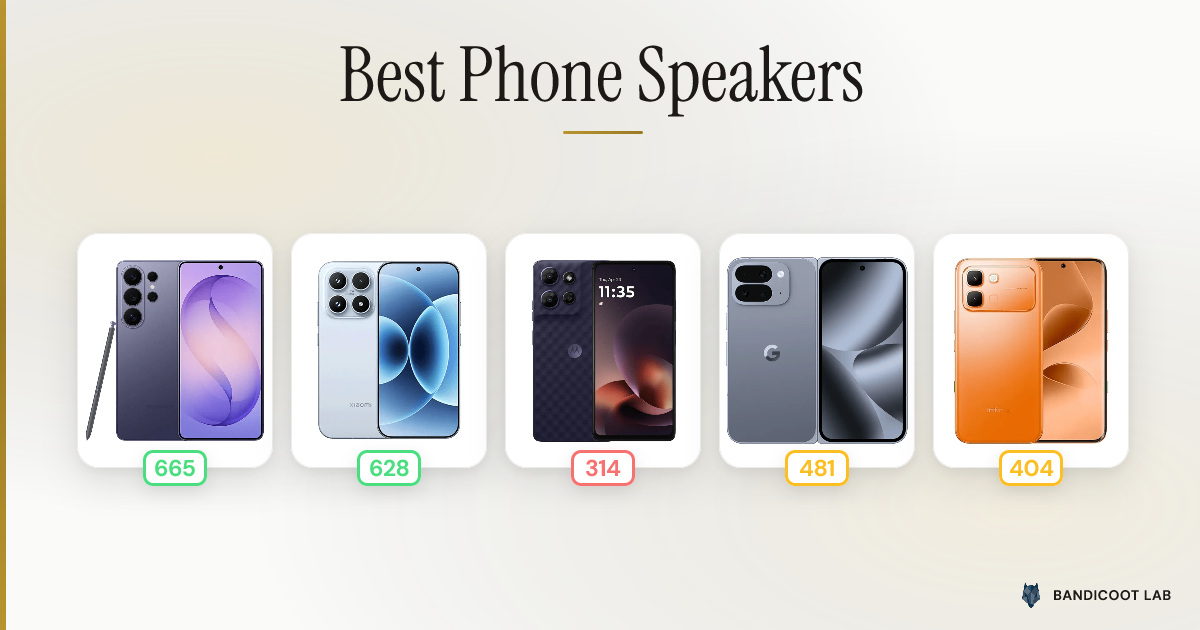
Best Phone Speakers
Best Phone Displays
Xiaomi 17T Pro vs Apple iPhone 17 Pro
iPhone 17 vs iPhone 17 Pro vs iPhone 17 Pro Max vs iPhone Air
iPhone 17 Series vs Xiaomi 17 Series