Samsung Galaxy S26 Series vs Xiaomi 17 Series

Samsung
Samsung
Samsung
Xiaomi
Xiaomi
Galaxy S26
Galaxy S26+
Galaxy S26 Ultra
17
17 Ultra
Ranked #20 of 59
Ranked #10 of 59
Ranked #6 of 59
Ranked #14 of 59
Ranked #9 of 59
Overall
Overall
Overall
Overall
Overall
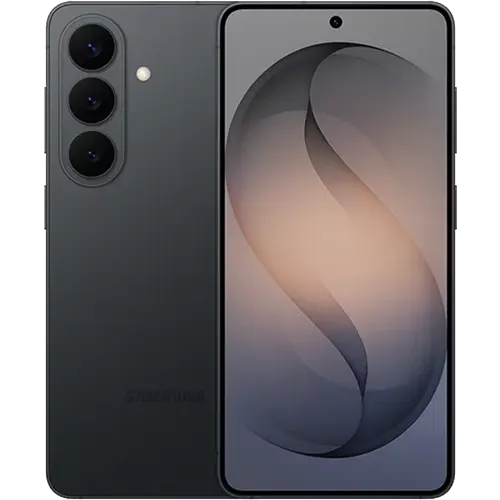
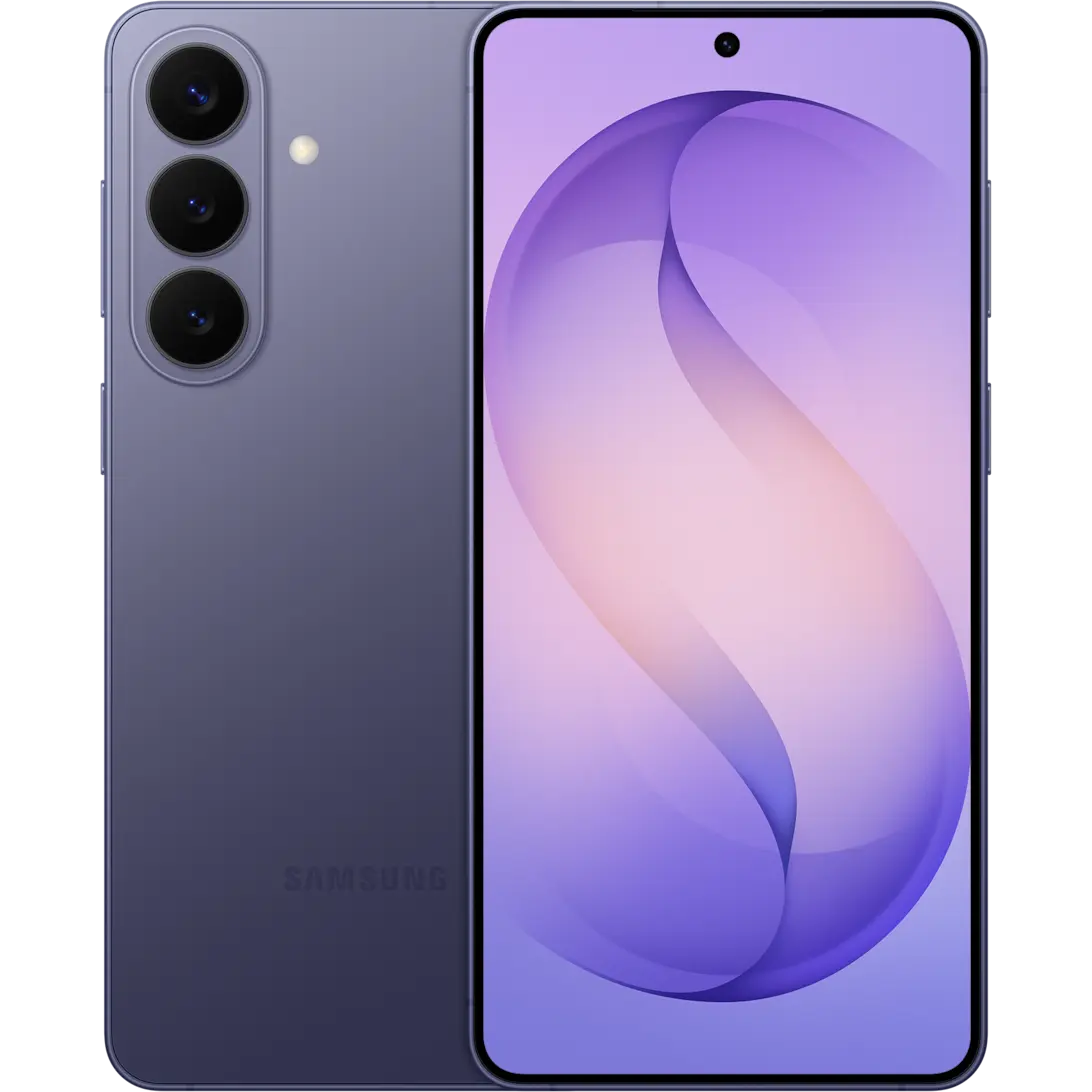
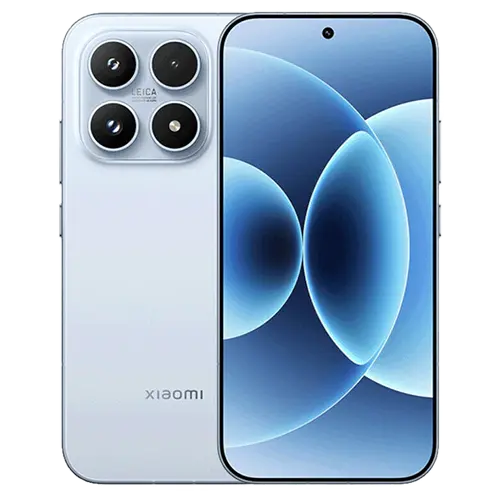
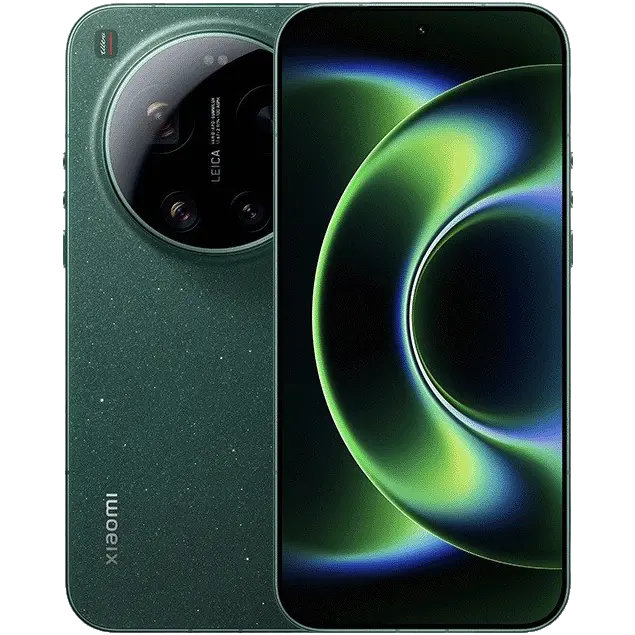
Samsung's Galaxy S26 series runs three tiers — the 6.3-inch S26 at $899.99, the 6.7-inch S26+ at $1099.99, and the 6.9-inch S26 Ultra at $1299.99. It's the familiar Samsung structure — a compact flagship, a larger version of the same phone, and a separate Ultra that adds a more ambitious camera system and an S Pen. Xiaomi's lineup is leaner. The Xiaomi 17 at $999 is a compact phone that punches above its size, and the Xiaomi 17 Ultra at $1499 is the camera-first halo model. There's no clean middle tier, so the matchup works at the edges: the S26 against the Xiaomi 17 as compact base models, and the S26 Ultra against the Xiaomi 17 Ultra at the top. The S26+ sits between them with no direct Xiaomi rival.
As families, the two series pull ahead in different places. The Galaxy S26 phones lead on display color accuracy at the top tier, speakers, and consistent CPU performance across every model. The Xiaomi 17 phones lead on camera systems, charging speed, sustained GPU performance under load, and battery capacity. Both run the same Qualcomm chip, so raw performance is close. The decisions come down to whether you value Samsung's display tuning and audio or Xiaomi's cameras, charging, and endurance under sustained load.
Here’s how all fives compared in our lab testing.
Design
| Samsung Galaxy S26 | Samsung Galaxy S26+ | Samsung Galaxy S26 Ultra | Xiaomi 17 | Xiaomi 17 Ultra | |
|---|---|---|---|---|---|
| Specifications | |||||
| Dimensions | 149.6 x 71.7 x 7.2 mm | 158.4 x 75.8 x 7.3 mm | 163.6 x 78.1 x 7.9 mm | 151.1 x 71.8 x 8.1 mm | 162.9 x 77.6 x 8.3 mm |
| Weight | 167g | 190g | 214g | 191g | 218.4g |
| IP Rating | IP68 | IP68 | IP68 | IP68 | IP68/IP69 |
| Frame | Aluminum | Aluminum | Aluminum | Aluminum | Aluminum |
| Front | Gorilla Glass Victus 2 | Gorilla Glass Victus 2 | Gorilla Armor 2 | Xiaomi Shield Glass | Xiaomi Shield Glass 3.0 |
| Back | Gorilla Glass Victus 2 | Gorilla Glass Victus 2 | Gorilla Glass Victus 2 | Glass | Fiber-reinforced plastic / Vegan leather |
| Screen-to-body ratio | 90.8% | 91.8% | 91.5% | 89.5% | 92.1% |
The Galaxy S26 series uses aluminum frames with glass backs and IP68 water resistance across all three tiers. Weights climb with size: 167g for the S26, 190g for the S26+, 214g for the S26 Ultra. Xiaomi's two phones are heavier for their footprint — 191g for the 6.3-inch Xiaomi 17 and 218.4g for the 6.9-inch Xiaomi 17 Ultra, which also carries an IP68/IP69 rating that adds resistance to high-pressure water jets.
The compact tier shows the clearest contrast. The Galaxy S26 and Xiaomi 17 share the same 6.3-inch screen size, but the S26 is 24g lighter. If you want a small phone that stays small in the hand, the S26 is the easier one to carry. At the top, the S26 Ultra and Xiaomi 17 Ultra land within a few grams of each other at 6.9 inches, so neither feels meaningfully more manageable.
Bandicoot Lab doesn't formally test design or durability.
Display
| Samsung Galaxy S26 | Samsung Galaxy S26+ | Samsung Galaxy S26 Ultra | Xiaomi 17 | Xiaomi 17 Ultra | |
|---|---|---|---|---|---|
512/ 881 | 617/ 881 | 634/ 881 | 680/ 881 | 580/ 881 | |
All five phones use LTPO AMOLED panels at 120Hz, and refresh-rate handling scores identically across the board. The series split shows up in two places: brightness and color accuracy.
For HDR peak brightness — the maximum a panel hits with HDR content in auto mode — the Xiaomi phones run brighter. The Xiaomi 17 reaches 3,583 nits and the Xiaomi 17 Ultra 3,409 nits, against 3,023 on the S26 Ultra and roughly 2,700–2,800 on the smaller Samsungs. In manual mode, the picture flips at the top: the S26 Ultra hits 976 nits, well clear of every other phone here, which cluster around 620–640 nits.
Color accuracy is where the two series diverge most. The Xiaomi 17 is the most accurate display measured here, with colors tracking very close to reference; the Galaxy S26 and S26+ are the weakest, showing visible drift from target in their default tuning. The S26 Ultra closes much of that gap and lands respectably, but as families, Xiaomi has the more faithful panels. Both lineups cover the full sRGB range and most of the wider P3 gamut, so the difference is in accuracy, not range.
HDR tone mapping favors Xiaomi as well. The Xiaomi 17 Ultra follows the HDR reference curve closely without lifting highlights, and both Xiaomi phones hold onto bright detail further up the scale before clipping. The Galaxy phones clip highlights earlier, and the S26 Ultra pushes highlights noticeably brighter than mastered — punchier, less faithful. Sustained brightness over the 30-minute test is essentially tied across all five, all holding above 98 percent.
Touch latency is low everywhere. The Xiaomi 17 is quickest at 12.2ms and the S26 the slowest at 21.8ms, but that gap sits below the threshold most people would notice in normal use.
Performance
| Samsung Galaxy S26 | Samsung Galaxy S26+ | Samsung Galaxy S26 Ultra | Xiaomi 17 | Xiaomi 17 Ultra | |
|---|---|---|---|---|---|
833/ 1012 | 942/ 1012 | 908/ 1012 | 811/ 1012 | 884/ 1012 | |
Every phone here runs the Qualcomm Snapdragon 8 Elite Gen 5. Since the SoC is shared, the differences come down to tuning and thermals rather than generation.
CPU performance favors Samsung slightly. The Galaxy phones post GeekBench multi-core scores in the 11,200–11,500 range, with the S26+ the fastest. The Xiaomi 17 comes in lower in multi-core; the Xiaomi 17 Ultra matches the Samsungs. In day-to-day use you won't feel these gaps — all five handle anything you throw at them without hesitation.
GPU behavior is where the families separate. Samsung posts higher peak GPU scores but loses more of it under sustained load — in the Wild Life Extreme stress test, the Galaxy phones hold roughly 46–60 percent of peak across the run. Both Xiaomi phones hold around 65–67 percent, meaning they throttle less during long gaming sessions. The Xiaomi 17 Ultra pairs a strong GPU peak with that better stability. For a long session, the Xiaomi phones stay closer to their best for longer.
Browser performance splits oddly. The Galaxy phones score far higher in Speedometer — the S26 Ultra near 46, the S26+ at 44.3 — while both Xiaomi phones land in the low 20s. That's a real gap that can show up as snappier page loads and heavier web apps on the Samsungs. For most browsing it won't register, but it's the one performance area where Samsung has a clear, felt advantage.
Camera
| Samsung Galaxy S26 | Samsung Galaxy S26+ | Samsung Galaxy S26 Ultra | Xiaomi 17 | Xiaomi 17 Ultra | |
|---|---|---|---|---|---|
497/ 587 | 497/ 587 | 558/ 587 | 494/ 587 | 587/ 587 | |
The two families approach cameras differently at the top. The Galaxy S26 and S26+ share the same camera hardware — a single main, ultrawide, and telephoto setup. The S26 Ultra steps up to a more capable main sensor and a dual telephoto arrangement (a shorter and a longer reach), and it's the strongest Samsung camera by a wide margin. The Xiaomi 17 is solid, but the Xiaomi 17 Ultra is the best camera system measured here overall, with the telephoto doing much of the heavy lifting.
Sharpness is the clearest divide. The Xiaomi 17 Ultra resolves more detail than anything else here across its lenses, and it holds that detail in low light better than the Samsungs. The S26 Ultra is the strongest Samsung, sharp in bright light and holding up well in the dark, but the base Galaxy phones lag both Xiaomis on main-camera detail.
At extreme zoom past 10x, both Ultras pull ahead of their base siblings, but neither is genuinely usable at the far end. The S26 Ultra reaches 100x and the Xiaomi 17 Ultra 120x; at those lengths detail collapses to a smeared approximation on both. The Xiaomi 17 Ultra holds together better in the deep-zoom range, but treat these top-end figures as headroom, not a feature you'd lean on.
Main
| Samsung Galaxy S26 (Main) | Samsung Galaxy S26+ (Main) | Samsung Galaxy S26 Ultra (Main) | Xiaomi 17 (Main) | Xiaomi 17 Ultra (Main) | |
|---|---|---|---|---|---|
594/ 722 | 594/ 722 | 711/ 722 | 569/ 722 | 612/ 722 | |
The Galaxy S26 and S26+ share a main sensor, and it’s sharp and consistent in bright and mid light, softening in the dark but still usable. The S26 Ultra's larger main sensor is a clear step up, resolving more across bright, mid, and dark, and it's the most stabilized Samsung main camera.
Both Xiaomi mains hold detail unusually well as light drops — the Xiaomi 17 Ultra actually resolves slightly more in dark scenes than in bright, which is rare. Across the zoom range below each phone's telephoto, detail holds steadily on all the mains rather than falling off sharply once you step past 1x.
Dynamic range is the best on the Samsung Galaxy S26 Ultra here. It captures a wider tonal range than any other main camera in the group, pulling more shadow detail before highlights blow out.
Ultrawide
| Samsung Galaxy S26 (Ultrawide) | Samsung Galaxy S26+ (Ultrawide) | Samsung Galaxy S26 Ultra (Ultrawide) | Xiaomi 17 (Ultrawide) | Xiaomi 17 Ultra (Ultrawide) | |
|---|---|---|---|---|---|
604/ 722 | 604/ 722 | 542/ 722 | 605/ 722 | 666/ 722 | |
Every phone here has an ultrawide. Samsung's is consistent across all three tiers and resolves detail well in bright and mid light. Xiaomi's ultrawides are sharper still, with the Xiaomi 17 and 17 Ultra both leading the Samsungs on fine detail, especially the Xiaomi 17's bright-light performance.
Color on the ultrawides leans warm in the dimmer test scenes on most phones. The Xiaomi 17 Ultra's ultrawide is the most balanced of the group.
Telephoto
| Samsung Galaxy S26 (Telephoto) | Samsung Galaxy S26+ (Telephoto) | Samsung Galaxy S26 Ultra (Telephoto Short) | Samsung Galaxy S26 Ultra (Telephoto Long) | Xiaomi 17 (Telephoto) | Xiaomi 17 Ultra (Telephoto) | |
|---|---|---|---|---|---|---|
568/ 722 | 568/ 722 | 589/ 722 | 676/ 722 | 499/ 722 | 722/ 722 | |
Every phone here includes at least one telephoto. Samsung's base and Plus tiers use a single telephoto; the S26 Ultra adds a second, with a shorter and a longer reach. Xiaomi gives both the 17 and 17 Ultra a single telephoto each.
The Xiaomi 17 Ultra's telephoto is the standout — the sharpest tele in the group, holding detail steadily from bright through dark and well past its native length. It's also heavily relied on for the phone's depth and zoom performance. The S26 Ultra's longer telephoto is strong in good light but softens significantly in the dark; its shorter telephoto is the weaker of the two and drops off most in low light. Samsung's base telephoto is decent in bright light and fades as conditions worsen.
Telephoto color is reasonably accurate across the board, with skin tones holding up better on the long lenses than the mains do. The S26 Ultra's longer telephoto shows one notable weakness: color accuracy and saturation fall apart in dark scenes, where it under-saturates badly. Stabilization is broadly fine on the Ultras; the Xiaomi 17's single telephoto is the least stabilized, which can cost you sharpness handheld at distance.
Front
| Samsung Galaxy S26 (Front) | Samsung Galaxy S26+ (Front) | Samsung Galaxy S26 Ultra (Front) | Xiaomi 17 (Front) | Xiaomi 17 Ultra (Front) | |
|---|---|---|---|---|---|
398/ 722 | 398/ 722 | 415/ 722 | 429/ 722 | 470/ 722 | |
Front-camera results are close across all five. Sharpness is similar — none of these is a standout, and all soften in low light. The Xiaomi 17 has the most accurate front-camera color of the group, rendering skin tones and hues faithfully in good light. The Samsungs and the Xiaomi 17 Ultra drift a bit more.
Dynamic range up front favors the Xiaomi 17 Ultra, which holds more highlight and shadow detail in selfies than the Samsungs. Front stabilization for video is best on the Xiaomi 17 Ultra and the base Galaxy S26.
Battery
| Samsung Galaxy S26 | Samsung Galaxy S26+ | Samsung Galaxy S26 Ultra | Xiaomi 17 | Xiaomi 17 Ultra | |
|---|---|---|---|---|---|
579/ 799 | 592/ 799 | 539/ 799 | 513/ 799 | 520/ 799 | |
The capacity gap is large. Samsung runs 4,300mAh in the S26, 4,900mAh in the S26+, and 5,000mAh in the S26 Ultra. Xiaomi packs 6,330mAh into the compact Xiaomi 17 and 6,000mAh into the 17 Ultra — substantially more cell in similar or smaller bodies.
That gap doesn't translate cleanly to results, because Samsung's panels and tuning are efficient. In looping video playback, the phones land close: the Galaxy phones run roughly 30–31.5 hours, the Xiaomi 17 Ultra about 31 hours, and the compact Xiaomi 17 the shortest at around 26 hours. Web browsing drain over the five-hour test is near-identical across all five, all losing in the mid-20-percent range.
Gaming drain favors Samsung's smaller phones. During the Wild Life Extreme loops, the S26 Ultra drains the least, helped by efficient power management under load; the Xiaomi 17 Ultra and S26+ drain more. Standby is the one place Samsung's smaller phones clearly win — the S26 and S26+ lose only about 2 percent over an eight-hour overnight idle, while both Xiaomi phones and the S26 Ultra shed 7–10 percent. If you leave the phone off charge overnight, the smaller Samsungs hold more in reserve by morning.
Across the families, battery character is a wash on screen-on use and tilts to Samsung on standby. The larger Xiaomi cells buy endurance that efficiency largely matches on the Samsung side.
Charging
| Samsung Galaxy S26 | Samsung Galaxy S26+ | Samsung Galaxy S26 Ultra | Xiaomi 17 | Xiaomi 17 Ultra | |
|---|---|---|---|---|---|
263/ 837 | 314/ 837 | 486/ 837 | 415/ 837 | 568/ 837 | |
This is Xiaomi's clearest structural advantage. The Xiaomi 17 charges at 100W wired and the 17 Ultra at 90W, against 25W on the S26, 45W on the S26+, and 60W on the S26 Ultra. Wireless is 50W on both Xiaomis versus 15–25W across the Galaxy line.
The wired gap shows in the early minutes. At 10 minutes the Xiaomi phones reach roughly 31–32 percent and the S26 Ultra 34 percent — the Ultra's 60W keeps it competitive early. The base S26's 25W is the slowest, hitting 21 percent at 10 minutes and 58 percent at 30. By 30 minutes the Xiaomis sit in the mid-70s and the S26 Ultra at 79 percent. The S26 Ultra matches the Xiaomis well on wired speed; it's the cheaper Samsungs that fall behind.
Wireless is more lopsided. Both Xiaomis hit around 45 percent at 30 minutes wirelessly, while the S26 and S26+ manage under 30 percent and the S26+ is slowest of all wirelessly. If you charge on a pad rather than a cable, Xiaomi pulls clearly ahead.
Speaker
| Samsung Galaxy S26 | Samsung Galaxy S26+ | Samsung Galaxy S26 Ultra | Xiaomi 17 | Xiaomi 17 Ultra | |
|---|---|---|---|---|---|
817/ 897 | 819/ 897 | 857/ 897 | 845/ 897 | 701/ 897 | |
Samsung has the better speakers as a family. The Galaxy phones run cleaner with less distortion and a more balanced frequency response, and the S26 Ultra is the standout — the loudest here at 75.3 dBA, with the clearest output and lowest distortion. The S26 and S26+ are close behind on cleanliness.
The Xiaomi phones go a different way. The Xiaomi 17 leans heavily on bass, which gives it a fuller low end than anything Samsung offers, but its distortion is higher and clarity suffers for it. The Xiaomi 17 Ultra is the weakest speaker setup here — thinner clarity and more distortion than the rest. Both Xiaomis max out around 71 dBA, quieter than the S26 Ultra. For spoken-word content and clean volume, Samsung is the better bet; for bass-forward music at moderate volume, the Xiaomi 17 has appeal.
Microphone
| Samsung Galaxy S26 | Samsung Galaxy S26+ | Samsung Galaxy S26 Ultra | Xiaomi 17 | Xiaomi 17 Ultra | |
|---|---|---|---|---|---|
739/ 1220 | 746/ 1220 | 566/ 1220 | 467/ 1220 | 605/ 1220 |
Samsung's microphones are above average across the family, with the S26 and S26+ the strongest recorders here for even, full capture. The S26 Ultra is a step down but still solid. Xiaomi is more mixed: the Xiaomi 17 Ultra records adequately, around average, while the compact Xiaomi 17 is below average, with a less even response that shows up in voice recordings and video audio.
Other
| Samsung Galaxy S26 | Samsung Galaxy S26+ | Samsung Galaxy S26 Ultra | Xiaomi 17 | Xiaomi 17 Ultra | |
|---|---|---|---|---|---|
| Biometrics | 464/ 1181 | 266/ 1181 | 764/ 1181 | 646/ 1181 | 552/ 1181 |
| Data Transfer | 736/ 877 | 623/ 877 | 737/ 877 | 762/ 877 | 877/ 877 |
| Specifications | |||||
| Biometric type | Fingerprint | Fingerprint | Fingerprint | Fingerprint | Fingerprint |
| Ports | USB-C 3.2 | USB-C 3.2 | USB-C 3.2 | USB-C 3.2 | USB-C 3.2 Gen 2 |
| Storage | 256GB, 512GB | 256GB, 512GB | 256GB, 512GB, 1TB | 256GB, 512GB, 1TB | 512GB, 1TB |
All five phones use ultrasonic in-display fingerprint readers, and none offers hardware-based face unlock. Unlock speed varies: the S26 Ultra is fastest at 138ms, the Xiaomi 17 quick at 163ms, the Xiaomi 17 Ultra at 190ms, the base S26 at 226ms, and the S26+ slowest at 394ms. The S26+'s reader is noticeably laggier than the rest in daily use.
Storage transfer speeds favor Xiaomi. The Xiaomi 17 Ultra leads with read speeds around 440 MB/s, and both Xiaomi phones write faster than the Samsungs at around 340 MB/s. The Galaxy phones cluster lower on both, with the S26+ the slowest reader here. RAM is 12GB across the Samsungs and the base Xiaomi 17; the Xiaomi 17 Ultra steps up to 16GB.
Conclusion
The two series are nearly tied on average overall score — Samsung at 632.7, Xiaomi at 632.5 — so this comes down to which strengths you weight. Samsung wins the family on a slightly more even spread: stronger speakers, more above-average microphones, faster browser performance, better standby endurance, and the most accurate manual brightness in the S26 Ultra. Across three tiers, the Galaxy S26 series is the safer all-rounder, and the S26 Ultra is the most complete single phone in this matchup.
Xiaomi earns the tie on a few decisive strengths. The Xiaomi 17 Ultra has the best camera system here, full stop, and the best telephoto. Both Xiaomi phones charge far faster, hold their GPU performance better under sustained load, and pack larger batteries. If photography and zoom reach are your priority, the Xiaomi 17 Ultra is the phone to buy and it justifies its higher price on cameras alone. If you want a compact phone with fast charging and strong gaming endurance, the Xiaomi 17 makes a stronger case than the base S26. For everyone else — anyone who values display tuning, audio, and a polished all-around experience across price tiers — the Galaxy S26 series is the easier recommendation, with the S26 Ultra as its high point.
FAQ
Is the Xiaomi 17 Ultra worth the extra money over the Galaxy S26 Ultra for the camera alone?
The Xiaomi 17 Ultra has the stronger camera system overall, with a telephoto that holds more detail from bright through dark scenes and a main camera that preserves unusual shadow detail in low light. The S26 Ultra is competitive and has the dual-telephoto range advantage on paper, but its longer telephoto softens significantly in the dark and its color falls apart in dim scenes. In other areas, the two phones trade blows, and in many ways, the Galaxy S26 Ultra is the better device.
Does the Galaxy S26 or Xiaomi 17 last longer on a charge?
They're close on active use. Both run around 30–31 hours in video playback, and web browsing drain is nearly identical. The S26 pulls ahead on standby — it loses only about 2 percent overnight versus 7–10 percent on the Xiaomi 17, so if you regularly skip a nightly charge the S26 has a practical edge. The Xiaomi 17 carries a much larger battery, but Samsung's efficient tuning largely closes the gap during screen-on use.
Which phone is better for long gaming sessions, the Galaxy S26 Ultra or the Xiaomi 17 Ultra?
The Xiaomi 17 Ultra throttles less under sustained GPU load, holding around 65–67 percent of peak performance across a stress test run versus roughly 60 percent on the S26 Ultra. The S26 Ultra posts a higher GPU peak and drains less battery during gaming, so it runs cooler on power. For a long session where consistent frame rates matter more than peak numbers, the Xiaomi 17 Ultra sustains closer to its best for longer.
Does the Xiaomi 17 Ultra or S26 Ultra charge faster?
The two are close on wired speed — both sit in the mid-70s percent charge at 30 minutes, with the S26 Ultra's 60W keeping it competitive against the 17 Ultra's 90W. Wireless charging is a different story: the Xiaomi 17 Ultra hits around 45 percent at 30 minutes on a pad, while the S26 Ultra manages under 30 percent. If you charge wirelessly, the Xiaomi 17 Ultra is meaningfully faster.
Which family has better display accuracy, Samsung Galaxy S26 or Xiaomi 17?
Xiaomi has the more accurate panels. The Xiaomi 17 is the most color-faithful display measured here, tracking very close to reference in its default mode. The Galaxy S26 and S26+ show visible drift from target in their default tuning; the S26 Ultra closes much of that gap and is respectable, but as families Xiaomi is more faithful. Samsung's advantage is in manual brightness — the S26 Ultra reaches 976 nits in direct sunlight, well above what any Xiaomi phone manages in manual mode.
Is the Galaxy S26+ worth buying when there's no direct Xiaomi rival at that price?
The S26+ sits in an awkward spot: it shares its camera hardware with the base S26, has the slowest fingerprint reader of the five phones here at 394ms, and its wireless charging is the slowest in the group. Its main advantages over the S26 are a larger screen, more battery, and slightly faster wired charging. Against Xiaomi, the Xiaomi 17 undercuts it on price with faster charging and better cameras, while the Xiaomi 17 Ultra offers a superior camera system for more money. The S26+ makes most sense if you specifically want Samsung's software and audio in a larger body without paying Ultra prices.
Related
Xiaomi
17
Samsung
Galaxy S26 Ultra
Xiaomi
17 Ultra
Samsung
Galaxy S26
Samsung
Galaxy S26+
Xiaomi
17T Pro
Samsung
Galaxy Z Fold 8 Ultra
Samsung
Galaxy Z Fold 8
Xiaomi
15T Pro
Best Phones
Best Phone Speakers
Best Phone Displays