Samsung Galaxy S26 Series vs Google Pixel 10 Series
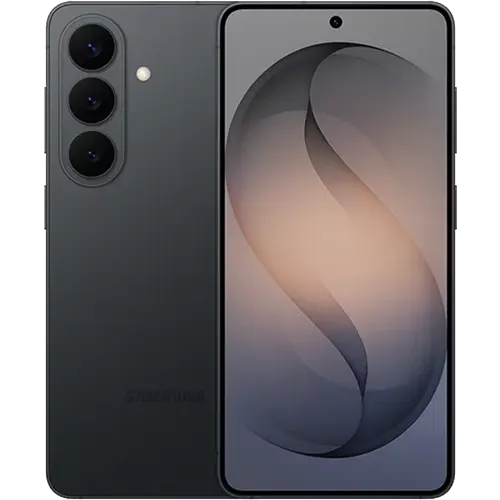
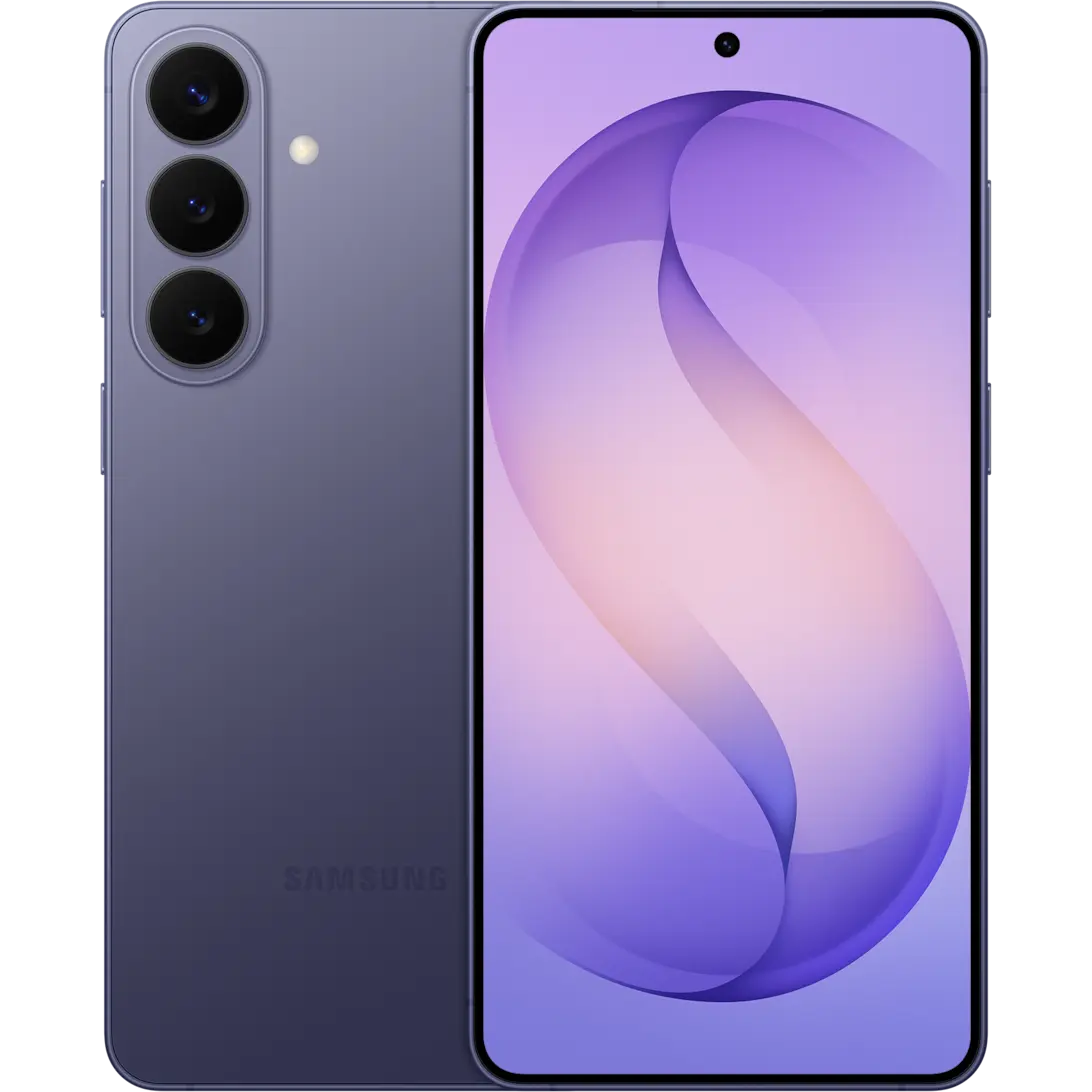

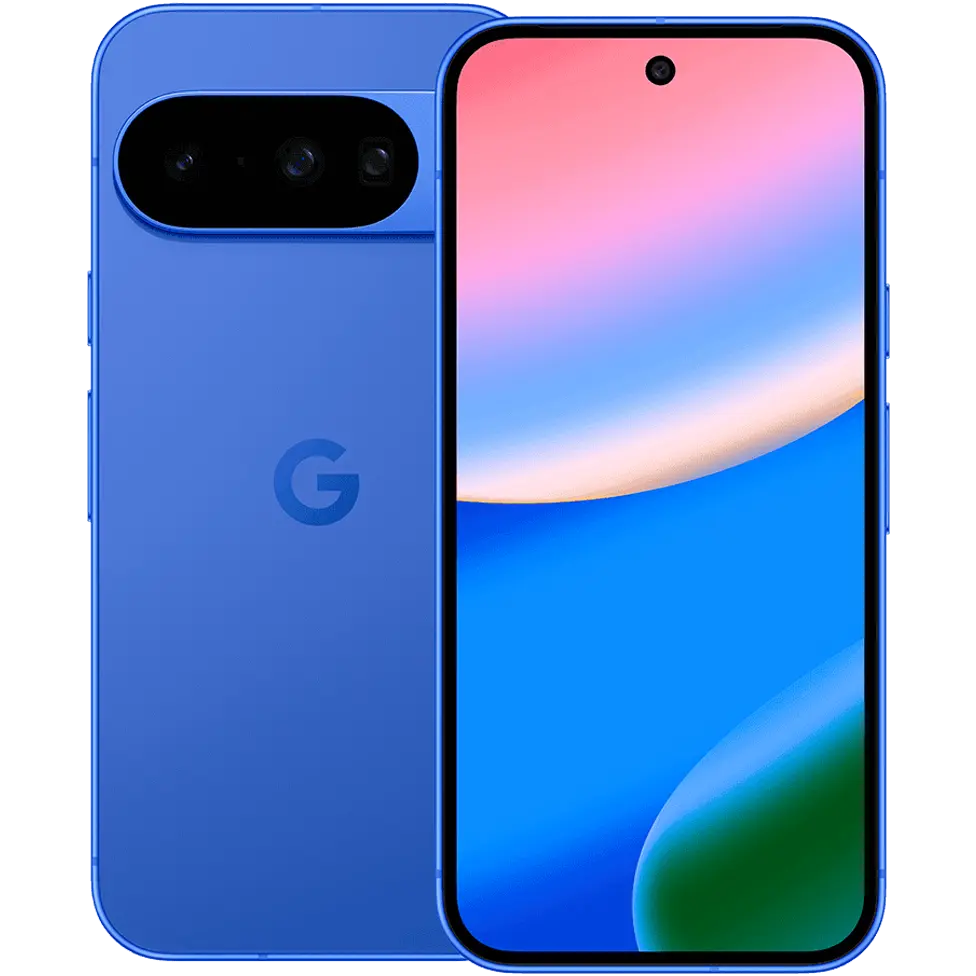
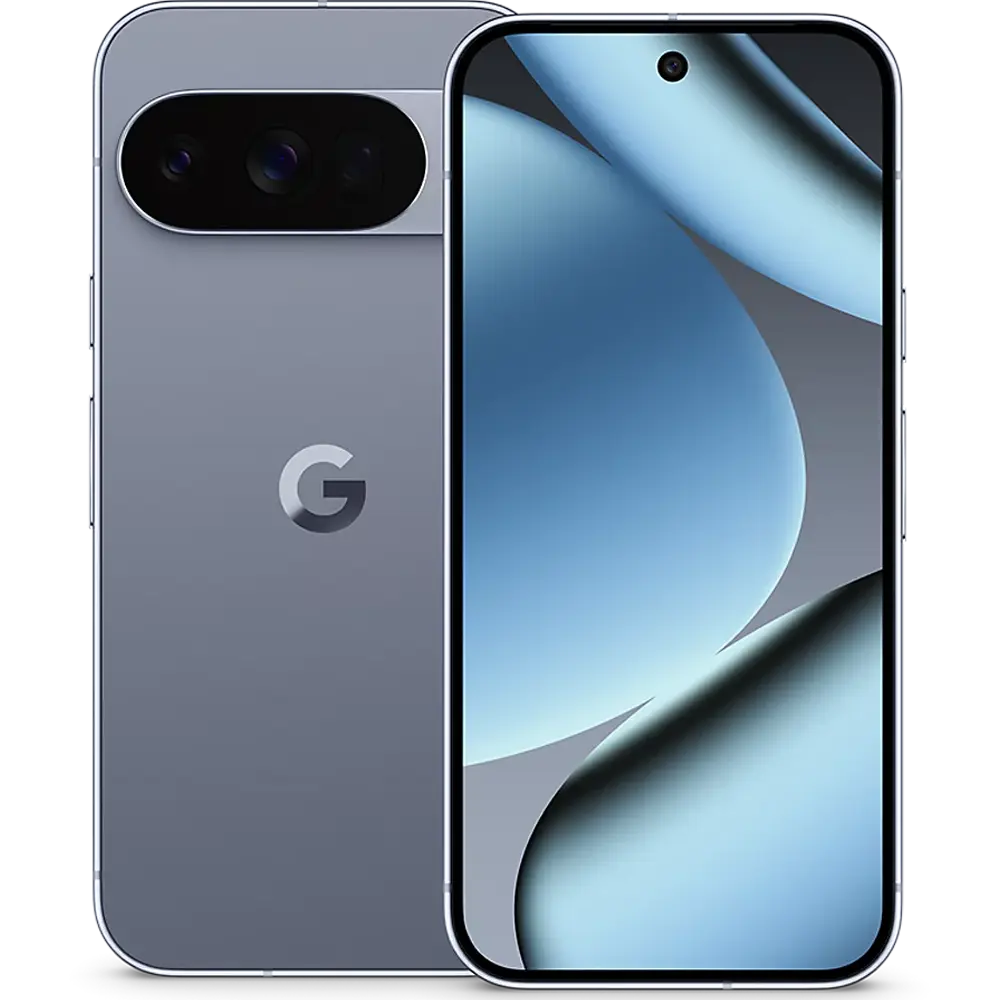
Samsung
Samsung
Samsung
Galaxy S26
Galaxy S26+
Galaxy S26 Ultra
Pixel 10
Pixel 10 Pro
Pixel 10 Pro XL
Ranked #18 of 52
Ranked #9 of 52
Ranked #5 of 52
Ranked #40 of 52
Ranked #34 of 52
Ranked #33 of 52
Overall
Overall
Overall
Overall
Overall
Overall
The Samsung Galaxy S26 lineup is considered by many to be synonymous with Android — but if there’s one company that’s truly synonymous with Android, it’s Google, which itself offers the Google Pixel 10 series. Both lineups split three ways at roughly the same price points. Samsung's Galaxy S26, S26+, and S26 Ultra run from $899.99 to $1,299.99 and aim to cover everything from a compact flagship to a maximalist camera phone with a stylus slot. Google's Pixel 10, Pixel 10 Pro, and Pixel 10 Pro XL run from $799 to $1,199 and offer things like clean software, photographic processing, and the Pixel-specific AI features Google keeps adding. The base models match up cleanly. The Galaxy S26+ sits opposite the Pixel 10 Pro on price, and the Ultra faces the Pro XL at the top. The two top tiers are the only ones that add a second telephoto and the most ambitious hardware in each family.
As families, they pull apart in predictable places. The Galaxy S26 series is the stronger performer by a wide margin, has louder and cleaner speakers, and the Ultra carries the best camera system across either lineup. The Pixel 10 series answers with displays that are brighter and far more color-accurate across the board, plus a software experience that's the whole reason many people buy a Pixel.
Here’s how the Samsung Galaxy S26 series compares with the Google Pixel 10 series in our thorough testing.
Design
| Samsung Galaxy S26 | Samsung Galaxy S26+ | Samsung Galaxy S26 Ultra | Google Pixel 10 | Google Pixel 10 Pro | Google Pixel 10 Pro XL | |
|---|---|---|---|---|---|---|
| Specifications | ||||||
| Dimensions | 149.6 x 71.7 x 7.2 mm | 158.4 x 75.8 x 7.3 mm | 163.6 x 78.1 x 7.9 mm | 152.8 x 72 x 8.6 mm | 152.8 x 72 x 8.5 mm | 162.8 x 76.6 x 8.5 mm |
| Weight | 167g | 190g | 214g | 204g | 207g | 232g |
| IP Rating | IP68 | IP68 | IP68 | IP68 | IP68 | IP68 |
| Frame | Aluminum | Aluminum | Aluminum | Aluminum | Aluminum | Aluminum |
| Front | Gorilla Glass Victus 2 | Gorilla Glass Victus 2 | Gorilla Armor 2 | Gorilla Glass Victus 2 | Gorilla Glass Victus 2 | Gorilla Glass Victus 2 |
| Back | Gorilla Glass Victus 2 | Gorilla Glass Victus 2 | Gorilla Glass Victus 2 | Glass | Glass | Glass |
| Screen-to-body ratio | 90.8% | 91.8% | 91.5% | 86.5% | 87.1% | 89.5% |
Both families carry IP68 dust and water resistance across all three tiers, so there's no difference in rated protection. Sizes track the tiers you'd expect. The Galaxy S26 and Pixel 10 are both compact 6.3-inch phones, though the Pixel 10 is the heavier of the two at 204g versus 167g. That's a real difference in the hand for two phones with the same screen size.
The mid-tier and top-tier comparisons are less tidy. The Galaxy S26+ is a 6.7-inch phone at 190g; the Pixel 10 Pro it lines up against on price is a 6.3-inch phone at 207g, so Google's "Pro" is the smaller, denser device. At the top, the Galaxy S26 Ultra (6.9 inches, 214g) and the Pixel 10 Pro XL (6.8 inches, 232g) are the two largest phones here, and the Pro XL is the heaviest at 232g. If light weight matters to you, Samsung wins the compact and the large classes outright.
Bandicoot Lab doesn't formally test design or durability.
Display
| Samsung Galaxy S26 | Samsung Galaxy S26+ | Samsung Galaxy S26 Ultra | Google Pixel 10 | Google Pixel 10 Pro | Google Pixel 10 Pro XL | |
|---|---|---|---|---|---|---|
512/ 845 | 617/ 845 | 634/ 845 | 598/ 845 | 723/ 845 | 714/ 845 | |
The Pixel 10 series has the better displays. Across all three tiers Google's panels are both brighter in manual use and substantially more color-accurate. The Pixel 10 reaches about 1,496 nits in manual mode and the Pro and Pro XL sit near 1,450 and 1,435 nits. Samsung's S26 and S26+ top out closer to 640 nits manually, with only the Ultra climbing to 976 nits. You'll notice this outdoors in direct sun, where the Pixels stay legible and the smaller Samsungs strain.
Color accuracy is where the gap is widest. The Pixel panels render colors close enough to reference that errors are hard to spot without instruments. Samsung's default tuning runs visibly more saturated and lands well behind on accuracy in every tier. Resolution is a tier story rather than a family one. The Galaxy S26+ and Ultra both use 1440-class panels (516 and 500 pixels per inch), the sharpest screens here, while the base Galaxy S26 drops to 1080p. The Pixels sit in between, with the two Pro models in the high-400s PPI.
Peak HDR brightness is a near-tie at the top end. Every model here pushes past 2,700 nits for HDR highlights, and the Pixel 10 Pro and Pro XL lead slightly at around 3,400 nits. The difference is in how the highlights are handled. The Pixels follow the HDR reference curve loosely and hold onto bright detail almost all the way up, clipping only at the very top. Samsung's panels clip earlier, around three-quarters of the input range, and the Ultra deliberately lifts highlights brighter than mastered, which looks punchy but isn't faithful. Refresh rate is 120Hz everywhere. Touch latency differences are small enough to ignore; the Pixel 10 Pro is the quickest to respond, but you won't feel the few milliseconds separating most of these.
Performance
| Samsung Galaxy S26 | Samsung Galaxy S26+ | Samsung Galaxy S26 Ultra | Google Pixel 10 | Google Pixel 10 Pro | Google Pixel 10 Pro XL | |
|---|---|---|---|---|---|---|
833/ 1012 | 942/ 1012 | 908/ 1012 | 403/ 1012 | 399/ 1012 | 416/ 1012 | |
This is the clearest split in the comparison. The Galaxy S26 series runs the Qualcomm Snapdragon 8 Elite Gen 5 across all three tiers; the Pixel 10 series runs Google's Tensor G5 across all three. The Qualcomm chip is far faster in every standard measure.
In CPU work the Galaxy phones post GeekBench single-core scores around 3,700 and multi-core above 11,000, while the Pixels land near 2,300 single and roughly 6,100 to 6,400 multi. Browser performance shows the same pattern: the Galaxy S26 Ultra hits 46 on Speedometer against about 15 to 20 for the Pixels. The Galaxy S26+ is the fastest CPU performer of the Samsung trio.
The GPU gap is larger still. Samsung's phones peak two to three times higher in the Wild Life Extreme stress test, and the Pixels didn’t support the Solar Bay test at all. The Pixels throttle less under sustained load, holding 67 to 79% of peak versus Samsung's 46 to 59 percent. They're holding a much lower peak, so the Galaxy phones stay ahead even after both have warmed up.
For everyday use, plenty of this won't show. Scrolling, messaging, and camera launches feel fine on both. But, for any more demanding tasks, the Galaxy series easily pulls ahead.
Camera
| Samsung Galaxy S26(+) | Samsung Galaxy S26 Ultra | Google Pixel 10 | Google Pixel 10 Pro (XL) | |
|---|---|---|---|---|
497/ 587 | 558/ 587 | 372/ 587 | 445/ 587 | |
The two families approach the camera differently in tuning and in hardware tiering. Within the Samsung lineup, the S26 and S26+ share one camera setup and the Ultra steps up to a higher-resolution main sensor and a second telephoto. Within the Pixel lineup, the Pixel 10 has the weakest cameras of the trio, while the Pixel 10 Pro and Pro XL share an identical, stronger camera system. The Galaxy S26 Ultra has the best overall camera system here; the Pixel 10 is the weakest.
The Galaxy S26 Ultra's main camera is the sharpest in the comparison and holds detail well from bright down to low light. The Pixel 10 Pro and Pro XL main cameras are also strong and the most consistent across lighting of any phone here — they barely lose detail in the dark. The base Galaxy S26 and base Pixel 10 are a step behind both. At the long end, the Ultra's deep-zoom detail past its optical reach holds up better than anything else, while the Pixels run out of usable detail sooner at extreme zoom. Both Pixel Pro models cap deep zoom at 20x; the Ultra pushes to 100x with detail that's degraded but more legible than the Pixels at their limit.
Dynamic range favors Samsung. The Galaxy main cameras hold more shadow and highlight detail before clipping, with the Ultra the strongest. The Pixels clip highlights more readily and show more tonal irregularity in difficult scenes, though their processing still produces a pleasing image. Both families clip bright highlights on the main camera; neither fully holds the brightest parts of a high-contrast scene.
Main
| Samsung Galaxy S26(+) (Main) | Samsung Galaxy S26 Ultra (Main) | Google Pixel 10 (Main) | Google Pixel 10 Pro (XL) (Main) | |
|---|---|---|---|---|
594/ 722 | 711/ 722 | 421/ 722 | 517/ 722 | |
The Galaxy S26 and S26+ share the same main camera, sharp in bright and mid light and holding detail reasonably into the dark. The Ultra's main sensor is sharper than both and the best of any phone here, staying crisp across the full range up to its first telephoto. The Pixel 10 Pro and Pro XL use the same main camera, and it's the most consistent across lighting in the comparison — detail barely falls off from bright to dark. The base Pixel 10's main camera is a clear step down from its Pro siblings and trails the Samsung main cameras in low light.
Across the zoom range each main camera covers up to its phone's first telephoto, detail holds up well on the Ultra and the two Pixel Pros. The base models soften more as you push past 1x.
Ultrawide
| Samsung Galaxy S26(+) (Ultrawide) | Samsung Galaxy S26 Ultra (Ultrawide) | Google Pixel 10 (Ultrawide) | Google Pixel 10 Pro (XL) (Ultrawide) | |
|---|---|---|---|---|
604/ 722 | 542/ 722 | 342/ 722 | 479/ 722 | |
All six phones have an ultrawide. Samsung's is the sharper family here: the S26 and S26+ ultrawide is the sharpest ultrawide in the comparison and holds detail well even in low light. The Ultra's ultrawide is a touch softer than the smaller Samsungs' but still solid. The Pixel ultrawides are softer, and the base Pixel 10's drops off sharply in the dark — it loses a lot of detail at 10 lux. Color on the ultrawides follows each family's main-camera character, with the Pixels again carrying a warm shift in dim light.
Telephoto
| Samsung Galaxy S26(+) (Telephoto) | Samsung Galaxy S26 Ultra (Telephoto Short) | Samsung Galaxy S26 Ultra (Telephoto Long) | Google Pixel 10 (Telephoto) | Google Pixel 10 Pro (XL) (Telephoto) | |
|---|---|---|---|---|---|
568/ 722 | 589/ 722 | 676/ 722 | 384/ 722 | 471/ 722 | |
Every phone here has at least one telephoto. The base Galaxy S26, S26+, and all three Pixels carry a single telephoto; the Galaxy S26 Ultra adds a second, giving it a short and a long telephoto.
The Pixel 10 Pro and Pro XL telephoto is the standout single tele in the group — sharp in bright and mid light and holding well into the dark, with detail that stays solid as you zoom past its native length. Samsung's single telephoto on the smaller phones is decent in good light but softens considerably in the dark. The Ultra's setup is more capable in reach: its long telephoto is very sharp and its short telephoto fills the gap, though the short lens loses more detail in low light. The Ultra's telephoto stabilization, particularly on the short lens, is the best of the telephoto cameras here. Color on the telephotos is generally the most accurate region for both families, though the Ultra's long tele shows a strong warm-light skin error in the dark.
Front
| Samsung Galaxy S26(+) (Front) | Samsung Galaxy S26 Ultra (Front) | Google Pixel 10 (Front) | Google Pixel 10 Pro (XL) (Front) | |
|---|---|---|---|---|
398/ 722 | 415/ 722 | 380/ 722 | 347/ 722 | |
Front cameras are a wash on sharpness; all six produce detailed selfies in good light. The Pixel front cameras hold detail better in the dark than the Samsungs, but they also carry the heaviest warm color shift in dim light of any camera here — skin and whites drift noticeably warm at 10 lux. Samsung's front cameras are more neutral in color but soften more in low light. Front dynamic range is limited on both families, with highlights clipping in bright backlit scenes. None of these front cameras stabilize video especially well.
Battery
| Samsung Galaxy S26 | Samsung Galaxy S26+ | Samsung Galaxy S26 Ultra | Google Pixel 10 | Google Pixel 10 Pro | Google Pixel 10 Pro XL | |
|---|---|---|---|---|---|---|
579/ 799 | 592/ 799 | 539/ 799 | 467/ 799 | 490/ 799 | 492/ 799 | |
The Galaxy S26 series is the stronger endurance family despite smaller cells in two of three tiers. The Samsungs run from 4300mAh (S26) to 5000mAh (Ultra); the Pixels run from 4870mAh (Pro) to 5200mAh (Pro XL). Capacity doesn't predict the result here.
In looped video playback the Galaxy phones all clear 30 hours, with the Ultra near 31.5 hours. The Pixels land between roughly 22 and 23 hours. That's a meaningful gap. On a long-haul flight the Samsungs would still have hours left when the Pixels were looking for a charger. Web browsing drain over the five-hour test is closer — both families lose somewhere in the low-to-mid 20s percent — but Samsung still edges ahead.
Gaming drain favors Samsung too, especially the Ultra, which lost the least charge of any phone during the Wild Life Extreme loops. Standby is good across both families, with one caveat: the Galaxy S26 Ultra drained noticeably more overnight in our idle test than its siblings or the Pixels, which is worth knowing if you don't charge every night. Both families get you through a full day comfortably, but the Galaxy phones have more headroom for video and games.
Charging
| Samsung Galaxy S26 | Samsung Galaxy S26+ | Samsung Galaxy S26 Ultra | Google Pixel 10 | Google Pixel 10 Pro | Google Pixel 10 Pro XL | |
|---|---|---|---|---|---|---|
263/ 837 | 314/ 837 | 486/ 837 | 322/ 837 | 310/ 837 | 403/ 837 | |
Charging is a tier story in both families, and the headline wattages mostly play out as you'd expect. Samsung scales from 25W wired on the base S26 to 45W on the S26+ and 60W on the Ultra. Google sits at 30W on the Pixel 10 and Pro, stepping up to 45W on the Pro XL. All Pixels use Qi2 magnetic wireless charging; Samsung uses standard Qi at 15W, 20W, and 25W up the line.
At the top, the Galaxy S26 Ultra is the quickest by a clear margin: 34 percent in 10 minutes and 79 percent in 30 minutes. The Pixel 10 Pro XL manages 25 and 70 percent over the same intervals, which is respectable. The base phones are close to each other — the Pixel 10 reaches 20 and 57 percent, the Galaxy S26 21 and 58 — so there's effectively nothing in it at the entry tier. The mid pairing goes to Samsung: the S26+ hits 67 percent in 30 minutes against the Pixel 10 Pro's 55 percent.
Wireless charging is faster on the Ultra than on any Pixel in raw watts, but the Pixels' Qi2 magnetic alignment is the more convenient system day to day, and the two Pixel Pro models actually post stronger wireless top-up percentages than the smaller Samsungs.
Speaker
| Samsung Galaxy S26 | Samsung Galaxy S26+ | Samsung Galaxy S26 Ultra | Google Pixel 10 | Google Pixel 10 Pro | Google Pixel 10 Pro XL | |
|---|---|---|---|---|---|---|
817/ 857 | 819/ 857 | 857/ 857 | 781/ 857 | 774/ 857 | 645/ 857 | |
The Galaxy S26 series is the better speaker family, mostly on cleanliness. Samsung's speakers stay clean and controlled at volume across all three tiers, and the Ultra is the loudest and cleanest of the bunch at 75.3 dBA with very low distortion. The S26 and S26+ are slightly quieter but just as composed.
The Pixels go a little louder on paper — all three sit around 76 dBA — but they pay for it in distortion. The Pixel 10 and Pixel 10 Pro show noticeably higher distortion than any Samsung, and the Pixel 10 Pro XL is the worst offender here, with audible harshness and the thinnest bass of the group. The Pixel 10 is the best of Google's three, with clear mids and decent body. Samsung delivers clean, full-bodied output; the Pixels are marginally louder but less controlled.
Microphone
| Samsung Galaxy S26 | Samsung Galaxy S26+ | Samsung Galaxy S26 Ultra | Google Pixel 10 | Google Pixel 10 Pro | Google Pixel 10 Pro XL | |
|---|---|---|---|---|---|---|
739/ 949 | 746/ 949 | 566/ 949 | 698/ 949 | 667/ 949 | 713/ 949 |
Microphones are above average across both families, with the gap small. The Galaxy S26 and S26+ record cleanly and rate near the top, and the Pixels all sit comfortably above average too. The Galaxy S26 Ultra is the one outlier, recording a notch below its siblings and the Pixels though still acceptable. For voice memos, calls, and video clips, any of these is fine.
Other
| Samsung Galaxy S26 | Samsung Galaxy S26+ | Samsung Galaxy S26 Ultra | Google Pixel 10 | Google Pixel 10 Pro | Google Pixel 10 Pro XL | |
|---|---|---|---|---|---|---|
| Biometrics | 464/ 1036 | 266/ 1036 | 764/ 1036 | 540/ 1036 | 422/ 1036 | 491/ 1036 |
| Data Transfer | 736/ 877 | 623/ 877 | 737/ 877 | 205/ 877 | 270/ 877 | 263/ 877 |
| Specifications | ||||||
| Biometric type | Fingerprint | Fingerprint | Fingerprint | Fingerprint | Fingerprint | Fingerprint |
| Ports | USB-C 3.2 | USB-C 3.2 | USB-C 3.2 | USB-C 3.2 | USB-C 3.2 | USB-C 3.2 |
| Storage | 256GB, 512GB | 256GB, 512GB | 256GB, 512GB, 1TB | 128GB, 256GB | 256GB, 512GB, 1TB | 256GB, 512GB, 1TB |
Fingerprint unlock is fast across most of the lineup. The Galaxy S26 Ultra leads at 138ms with an ultrasonic sensor, the quickest here, and the base Galaxy S26 is also quick at 226ms. The odd one out is the Galaxy S26+, which uses a slower optical sensor and takes nearly 400ms — you'll feel that hesitation. The Pixels are uniformly quick, between roughly 190 and 250ms. None of these phones has hardware-based face unlock; every model relies on the fingerprint reader for secure unlock.
Storage transfer speed is a real divider. The Galaxy phones read and write over UFS-class storage at 250 to 335 MB/s read; the Pixels are far slower, around 105 MB/s read across all three and below 150 MB/s write. If you move large files on and off the phone over USB, the Samsungs are several times quicker. RAM runs 12GB across the Samsung trio; the Pixel 10 has 12GB and the two Pro models step up to 16GB.
Conclusion
The Galaxy S26 series is the better lineup overall, and the margin in average overall score is wide rather than narrow. Samsung wins on the things that separate flagships from the rest: far stronger performance, better battery endurance, cleaner and louder speakers, faster storage, and — in the Ultra — the best camera system in the comparison. The Galaxy S26 Ultra is the standout of either family, and even the base S26 holds its own against the equivalent Pixel on most counts. For the most capable phone regardless of which tier you buy, it's a Samsung.
The Pixel 10 series has a real case. Its displays are brighter in everyday use and clearly more color-accurate than Samsung's, so if you spend a lot of time reading or watching outdoors, the Pixel 10 Pro or Pro XL is the better screen. The Pixel main and telephoto cameras are excellent and the most consistent across lighting, which matters if you shoot a lot and don't need the Ultra's reach or its second tele. The Pixel software experience — clean Android, long update support, Google's photographic and AI features — is the reason a lot of people choose a Pixel, and no benchmark captures that. Of the three, the Pixel 10 Pro is the sweet spot: it gets the strong cameras and the best display without the Pro XL's weight and rough speaker. For everyone else, the Galaxy S26 series is the safer pick.
FAQ
Do the Pixel 10 Pro or Galaxy S26+ have a better display for outdoor use?
The Pixel 10 Pro is the clearer choice outdoors. Its manual brightness tops out near 1,450 nits versus around 640 nits on the Galaxy S26+, and its color accuracy is substantially closer to reference — errors are hard to spot without instruments, while Samsung's default tuning runs visibly more saturated. If you read or watch in direct sun regularly, the Pixel 10 Pro holds up better.
Is the Galaxy S26 Ultra worth the extra cost over the Pixel 10 Pro XL for photography?
The Galaxy S26 Ultra has the stronger overall camera system. Its main sensor is the sharpest of any phone here, it adds a second telephoto for genuine long-zoom reach up to 100x, and its dynamic range holds more shadow and highlight detail before clipping. The Pixel 10 Pro XL counters with a telephoto that stays sharp into low light and a main camera that's the most consistent across lighting conditions. If reach and outright detail matter most, the Ultra is the better camera phone; if low-light consistency and color steadiness across a whole day of shooting are the priority, the Pixel Pro XL competes well.
Which family should I pick if battery life is my top priority?
The Galaxy S26 series lasts longer despite smaller batteries in two of the three tiers. In looped video playback all three Samsung phones clear 30 hours, while the Pixels land between roughly 22 and 23 hours — a gap you'd feel on a long travel day. Gaming drain also favors Samsung. Both families last a full day, but the Galaxy phones carry noticeably more headroom.
Are the Pixel 10 phones good enough for serious gaming, or do I need a Galaxy S26?
For sustained 3D gaming, the Galaxy S26 series is the stronger choice by a wide margin. Samsung's Snapdragon chip posts two to three times higher GPU performance in stress tests, and even after both families throttle under load the Galaxy phones hold a higher sustained output than the Pixels. Everyday tasks run fine on either, but graphically demanding games with long sessions will run better on a Galaxy S26.
How do the Pixel 10 Pro and Galaxy S26+ compare for selfies in low light?
The Pixel 10 Pro holds more detail in dim conditions, but its front camera also carries the heaviest warm color shift of any front camera here — skin tones and whites drift noticeably in warm, low-light settings. Samsung's front camera softens more in the dark but stays more neutral in color. Neither front camera stabilizes video especially well, and both clip highlights in bright backlit scenes.
Related
Pixel 10
Pixel 10 Pro
Pixel 10 Pro XL
Samsung
Galaxy S26 Ultra
Samsung
Galaxy S26
Samsung
Galaxy S26+
Samsung
Galaxy Z Fold 8
Pixel 10 Pro Fold
Pixel 10a

Samsung Galaxy S26 Series vs Galaxy S25 Series
The house look: How phone brands tune camera color
Is a weak telephoto worse than having no telephoto at all?