Google Pixel 10 Pro vs OnePlus 15
OnePlus
Pixel 10 Pro
15
Ranked #40 of 60
Ranked #8 of 60
Overall
Overall
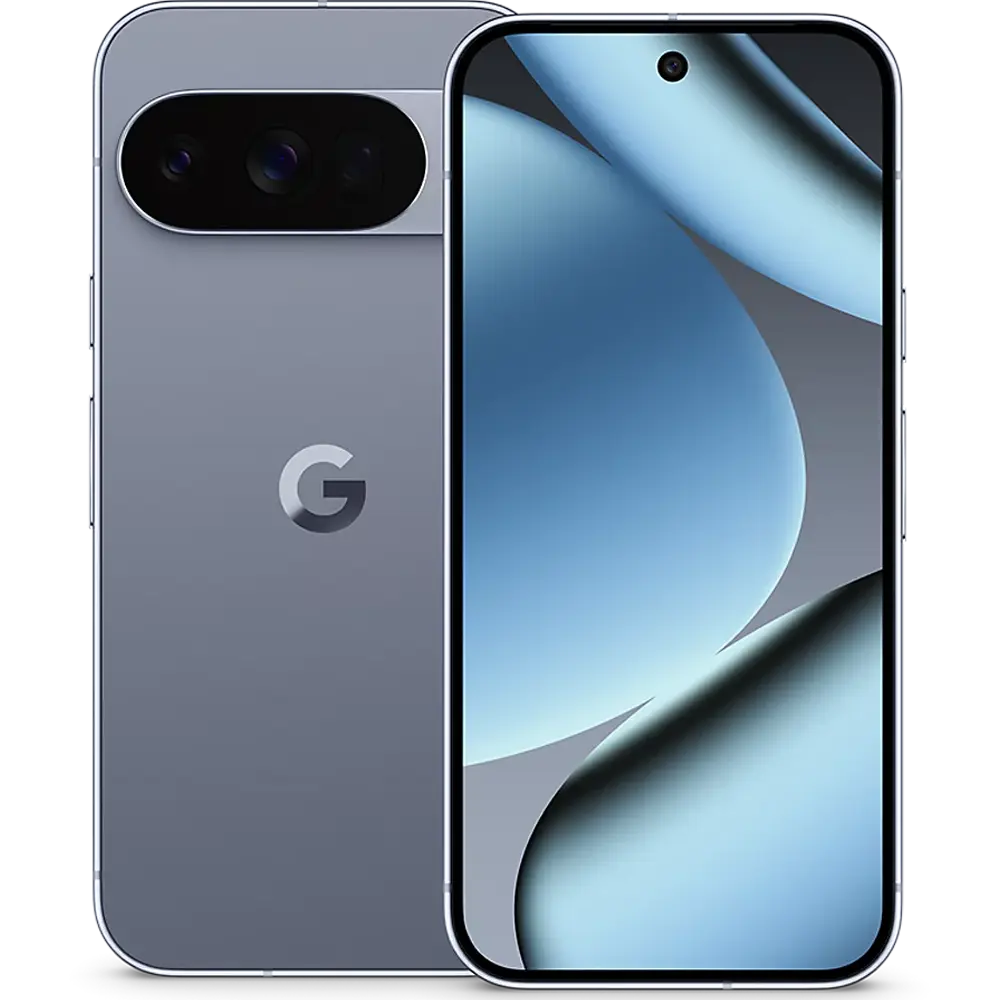
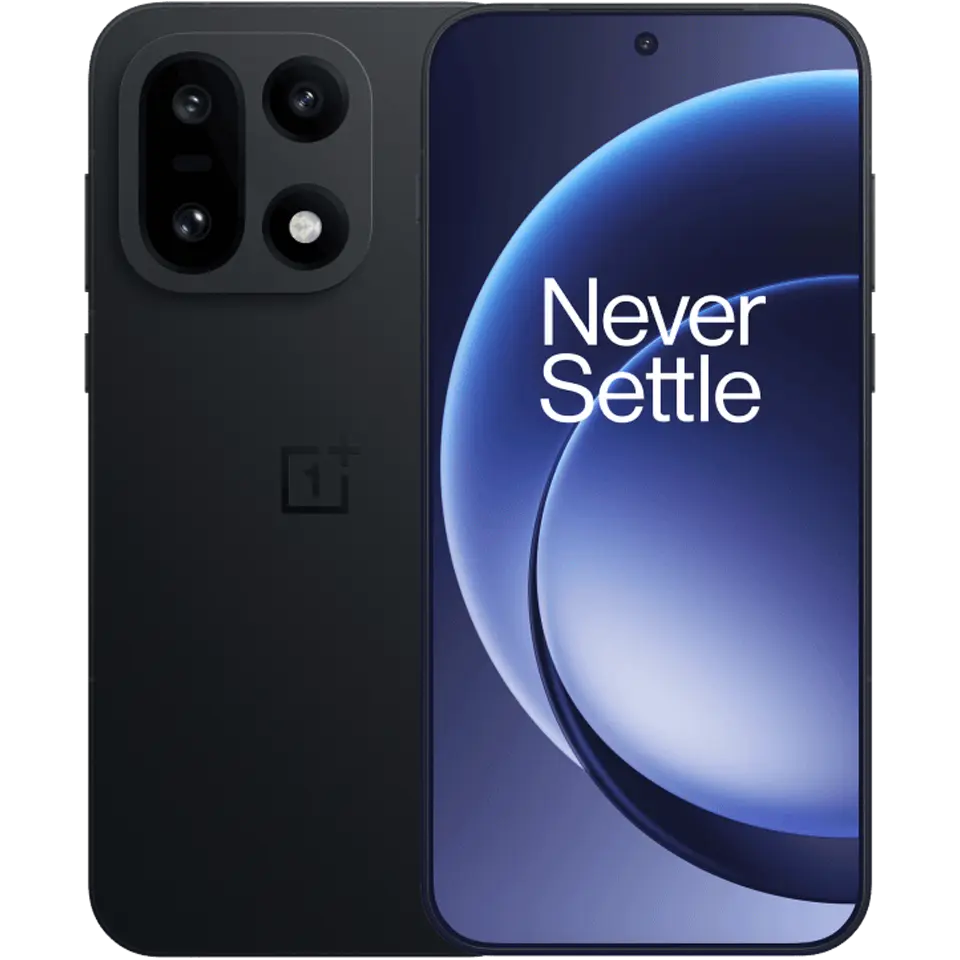
The OnePlus 15 is designed to be OnePlus’ flagship phone, offering the best the company has to offer. The Google Pixel 10 Pro is Google’s flagship offering — technically cheaper than the Pixel 10 Pro XL, but offering the same features in a smaller body. The Pixel 10 Pro, at $999, is Google's flagship built around computational photography and tight software integration. The OnePlus 15, at $899.99, pushes hardware specs hard, with a bigger battery, faster charging, and a more powerful chipset, all for a hundred dollars less. They're competing for the same buyer, but they're making different bets about what matters most.
The OnePlus 15 is the stronger phone in raw performance, battery life, and charging speed. The Pixel 10 Pro has a brighter, more color-accurate display, better camera sharpness from its telephoto and main lenses, and slightly better speaker quality. If you care most about endurance and speed, the OnePlus 15 has clear advantages. If display quality and camera detail matter more, the Pixel 10 Pro earns its higher price.
Here’s how the Google Pixel 10 Pro and OnePlus 15 performed in our thorough testing.
Design
| Google Pixel 10 Pro | OnePlus 15 | |
|---|---|---|
| Specifications | ||
| Dimensions | 152.8 x 72 x 8.5 mm | 161.4 x 76.7 x 8.1 mm |
| Weight | 207g | 211g |
| IP Rating | IP68 | IP68/IP69K |
| Frame | Aluminum | Aluminum |
| Front | Gorilla Glass Victus 2 | Gorilla Glass Victus 2 |
| Back | Glass | Gorilla Glass 7i / Crystal Shield Glass / Glass fiber |
| Screen-to-body ratio | 87.1% | 90.8% |
The Pixel 10 Pro is the smaller phone, measuring 152.8 x 72 x 8.5mm and 207g versus the OnePlus 15's 161.4 x 76.7 x 8.1mm and 211g. The OnePlus 15 is taller, wider, and slightly thinner, which follows from its larger 6.78-inch display. Both use aluminum frames and Gorilla Glass Victus 2 on the front. The Pixel 10 Pro has a glass back, while the OnePlus 15 offers multiple back material options including Gorilla Glass 7i, Crystal Shield Glass, and glass fiber depending on the variant.
Both phones carry IP68 ratings, meaning they're rated for submersion in fresh water up to 1.5 meters for 30 minutes. The OnePlus 15 adds IP69K certification, which covers resistance to high-pressure, high-temperature water jets. That's unusual for a consumer phone and could matter if you're regularly around water or dust-heavy environments.
The OnePlus 15's 90.8% screen-to-body ratio versus the Pixel 10 Pro's 87.1% means thinner bezels relative to the phone's footprint. The aspect ratios are close: 20:9 on the Pixel and 19.6:9 on the OnePlus, so neither phone will feel unusually tall or wide for its size. Bandicoot Lab doesn't formally test design or durability.
Display
| Google Pixel 10 Pro | OnePlus 15 | |
|---|---|---|
723/ 881 | 574/ 881 | |
The Pixel 10 Pro has a 6.3-inch LTPO OLED running at 1280 x 2856 (495 pixels per inch) with a 1–120Hz adaptive refresh rate. The OnePlus 15 uses a 6.78-inch LTPO AMOLED at 1272 x 2772 (450 PPI) with a 1–165Hz refresh rate. The Pixel's higher pixel density means slightly finer detail at close viewing distances, though 450 PPI on the OnePlus is sharp enough that you'd need to look carefully to notice the difference.
The Pixel 10 Pro is substantially brighter though. Manual brightness tops out at 1,450 nits versus 798 nits on the OnePlus 15. That gap matters outdoors in direct sunlight, where the Pixel will be much easier to read. HDR peak brightness follows the same pattern, hitting 3,428 nits on the Pixel versus 1,958 nits on the OnePlus. For small bright highlights in HDR video, the Pixel will punch harder.
Sustained brightness is similar between the phones. The OnePlus 15 holds 99.5% of its peak brightness over 30 minutes of HDR playback. The Pixel 10 Pro sustains 96.3%, which is still good, but the OnePlus panel barely budges under thermal load. HDR stability, a separate measure of how well peak brightness holds across varying bright-area sizes in HDR content, is 91% on the OnePlus versus 65.3% on the Pixel. The Pixel's brightness drops off more as bright areas in HDR content get larger.
Color accuracy is better on the Pixel 10 Pro. In its best calibrated mode, colors track reference targets closely with only minor drift. The OnePlus 15 shows more noticeable color shifts from reference. Neutral tones and mid-saturated colors won't look as precise on the OnePlus, though it covers the sRGB gamut fully and reaches 75.2% of Display P3 (the Pixel hits 73.4% P3 and 98.7% sRGB). The display color accuracy score of 576.8 for the Pixel versus 314.3 for the OnePlus reflects this gap. For color-critical work or anyone who cares about accurate rendering, the Pixel's display is the better panel.
Touch latency averages 11.6ms on the Pixel 10 Pro and 15.5ms on the OnePlus 15. That's a small gap, and you won't perceive it in daily use.
Performance
| Google Pixel 10 Pro | OnePlus 15 | |
|---|---|---|
399/ 1012 | 833/ 1012 | |
The Pixel 10 Pro runs Google's Tensor G5 with 16GB of RAM. The OnePlus 15 uses Qualcomm's Snapdragon 8 Elite Gen 5 with 12GB or 16GB depending on the configuration. The performance gap between these two chipsets is wide.
In GeekBench 6, the OnePlus 15 scores 3,606 single-core and 11,442 multi-core. The Pixel 10 Pro manages 2,330 single-core and 6,364 multi-core. That's a 55% single-core lead and an 80% multi-core lead for the OnePlus. In practical terms, this means noticeably faster app launches, quicker multitasking, and snappier response under heavy load. The Pixel 10 Pro isn't slow, but the gap is large enough that you'll feel it in demanding scenarios.
GPU performance is more lopsided. The OnePlus 15 hits 7,160 in Wild Life Extreme's best loop versus 3,286 for the Pixel. Stability under sustained load is similar: 63.7% for the OnePlus and 67.2% for the Pixel, meaning both phones throttle to roughly the same degree during extended gaming sessions. The OnePlus throttles from a much higher peak, so even its worst-loop score (4,563) still exceeds the Pixel's best.
Browser performance, measured by Speedometer, is closer: 18.1 on the OnePlus versus 15.2 on the Pixel. You'd notice this mainly when loading complex web apps.
Camera
| Google Pixel 10 Pro (Overall) | OnePlus 15 (Overall) | |
|---|---|---|
| Specifications | ||
| Main | 50MP, f/1.7, 25mm, 1/1.31" | 50MP, f/1.8, 24mm, 1/1.56" |
| Ultrawide | 48MP, f/1.7, 13mm, 1/2.55" | 50MP, f/2, 16mm, 1/2.88" |
| Telephoto | 48MP, f/2.8, 113mm, 1/2.55" | 50MP, f/2.8, 80mm, 1/2.76" |
| Front | 42MP, f/2.2, 17mm | 32MP, f/2.4, 21mm, 1/2.74" |
Both phones carry four-camera systems, but the hardware differs in meaningful ways. The Pixel 10 Pro pairs a 50 megapixel f/1.7 main sensor (1/1.31-inch) with a 48 megapixel ultrawide, a 48 megapixel 5x telephoto, and a 42 megapixel front camera. The OnePlus 15 uses a 50 megapixel f/1.8 main (1/1.56-inch), a 50 megapixel ultrawide, a 50 megapixel 3.5x telephoto, and a 32 megapixel front camera. The Pixel's main sensor is physically larger, which gives it more light-gathering area. Its telephoto reaches 5x optical versus 3.5x on the OnePlus. Both max out at 100x digital zoom.
The Pixel 10 Pro scores higher on overall camera sharpness. Its main lens and telephoto are particularly strong, with the telephoto sharpness score of 822.7 well above the OnePlus's 590. The Pixel's main lens holds sharpness consistently across bright, mid, and low light. The OnePlus 15's main lens is very sharp in bright light but drops considerably in mid and dark conditions. Both ultrawide lenses are close in sharpness, with the Pixel slightly ahead overall.
At deep zoom levels beyond 30x, the Pixel 10 Pro holds an edge thanks to its longer 5x telephoto giving more optical reach. The OnePlus 15's 3.5x telephoto means it switches to digital crop earlier, and sharpness at 60x and beyond drops off faster. At 100x, the Pixel retains more usable detail, though neither phone produces great results at that extreme.
Video stabilization is stronger on the OnePlus 15. Handheld footage from both the main and ultrawide lenses stays noticeably more controlled on the OnePlus, with less residual shake. The Pixel's stabilization is adequate but doesn't match it.
Main
| Google Pixel 10 Pro (Main) | OnePlus 15 (Main) | |
|---|---|---|
517/ 722 | 441/ 722 | |
The Pixel 10 Pro's main camera delivers high sharpness across all three lighting conditions, with minimal falloff as light decreases. The OnePlus 15 is very sharp in bright light but loses ground in mid and low light, dropping to levels closer to what you'd expect from a smaller sensor.
Color tuning is quite different between the two. The Pixel 10 Pro pushes saturation up, producing vivid images with punchy colors across all lighting. This is a deliberate processing choice. Hue accuracy is reasonably good in bright and mid light, with only moderate color shifts. In low light, hue errors grow, driven partly by a shift toward warmer pink tones in the processing. Skin tones are noticeably pushed from reference across all conditions, reading warm and slightly rosy.
The OnePlus 15 takes a more restrained approach to saturation. Colors are close to neutral in bright light and trend slightly muted in dimmer conditions. Hue accuracy in bright light is middling, with some color confusion that's present even when white balance is reasonable. As lighting gets warmer, the OnePlus shows increasing yellow-warm bias, pointing to white balance correction struggling with warm artificial light. Skin tones are pushed further from reference than the Pixel's across bright and mid conditions. In low light, hue errors increase substantially, with a strong warm-pink shift that's primarily a white balance issue.
Dynamic range is meaningfully wider on the OnePlus 15's main camera. High-contrast scenes retain more shadow detail and highlight information. The Pixel 10 Pro's processing tends to clip highlights more aggressively, losing bright-sky detail that the OnePlus preserves.
Ultrawide
| Google Pixel 10 Pro (Ultrawide) | OnePlus 15 (Ultrawide) | |
|---|---|---|
479/ 722 | 441/ 722 | |
Both ultrawide lenses are close in sharpness during bright and mid conditions. The Pixel 10 Pro's ultrawide drops more in low light, while the OnePlus 15's holds up better in the dark. Neither ultrawide matches its respective main lens, which is normal.
The Pixel 10 Pro's ultrawide follows its main lens's tendency toward boosted saturation and warm-leaning tones. Hue accuracy is decent in bright light but degrades significantly as lighting gets dimmer, with errors in warm light growing quickly. The yellow-warm shift under warmer lighting points to the white balance system as the main source of color problems. Skin tones drift from reference across all conditions.
The OnePlus 15's ultrawide also skews warmer as light dims, with rising yellow-warm bias that's more pronounced than the Pixel's in low light. Saturation runs close to neutral in bright light and drops in dimmer conditions, producing images that can look a bit drained indoors. Hue accuracy degrades sharply in dim light. Skin tones are pushed from reference in bright and mid light, but the error decreases in low light, likely because the desaturation masks the underlying shift.
Dynamic range is wider on the OnePlus 15's ultrawide, holding more usable information in both shadows and highlights. The Pixel 10 Pro's ultrawide clips highlights earlier.
Telephoto
| Google Pixel 10 Pro (Telephoto) | OnePlus 15 (Telephoto) | |
|---|---|---|
471/ 722 | 446/ 722 | |
The Pixel 10 Pro's 5x telephoto (113mm) and the OnePlus 15's 3.5x telephoto (80mm) serve different purposes. The Pixel's longer reach makes it better suited for distant subjects, while the OnePlus's shorter focal length is more versatile for portrait-range shots.
Sharpness strongly favors the Pixel 10 Pro's telephoto. It resolves high detail in bright and mid light and holds up well in low light. The OnePlus 15's telephoto is softer across the board. The Pixel's telephoto sharpness score of 822.7 versus the OnePlus's 590 reflects a real and visible gap.
Color from the Pixel's telephoto runs vivid with boosted saturation in bright and mid light, dropping to near-neutral in low light. Hue accuracy is reasonable in good light but breaks down in dim conditions, with large hue shifts. The processing develops a warm-pink lean in low light. Skin tones are heavily pushed from reference in bright and mid conditions but improve in low light as saturation drops.
The OnePlus 15's telephoto is slightly saturated in bright light and close to neutral otherwise. Hue accuracy is moderate across conditions, with errors increasing as light dims. Skin tones are pushed very far from reference in bright and mid light. The warm-yellow bias climbs as light gets warmer, pointing to white balance as the primary issue. Both phones struggle with telephoto skin tone accuracy, but the OnePlus's errors are larger in the conditions where you're most likely to use a telephoto for portraits.
Dynamic range from the OnePlus 15's telephoto is wider than the Pixel's, preserving more highlight and shadow detail in contrasty scenes. Stabilization is better on the OnePlus as well, producing steadier handheld video at its zoom range.
Front
| Google Pixel 10 Pro (Front) | OnePlus 15 (Front) | |
|---|---|---|
347/ 722 | 421/ 722 | |
The OnePlus 15's front camera is sharper in bright light, while the Pixel 10 Pro holds an edge in mid and low light. The OnePlus drops off more steeply as lighting dims.
Front camera color is where the OnePlus 15 distinguishes itself most. Its front camera color score of 680.8 is well above the Pixel 10 Pro's 419.1. In mid light, the OnePlus delivers skin tones close to reference, with only minor shifts. The Pixel's front camera pushes skin tones far from reference across all lighting, with heavy warm-yellow bias that makes selfies look unnaturally warm. Both phones struggle in low light: the Pixel develops an extreme warm-pink shift, while the OnePlus shifts warm as well but to a lesser degree.
The Pixel 10 Pro's front camera applies heavy saturation boost, making selfie colors punch harder than reality. The OnePlus is more muted, running close to neutral saturation in mid and low light, which produces more natural-looking results.
Dynamic range is a bit wider on the OnePlus 15's front camera, with better preservation of highlights and shadow detail. Video stabilization is also better on the OnePlus, keeping selfie video steadier during movement.
Battery
| Google Pixel 10 Pro | OnePlus 15 | |
|---|---|---|
490/ 836 | 780/ 836 | |
The OnePlus 15 packs a 7,300mAh battery versus the Pixel 10 Pro's 4,870mAh. That's 50% more capacity, and the test results reflect it.
In video playback, the OnePlus 15 lasts 46.1 hours. The Pixel 10 Pro manages 21.8 hours. The OnePlus can play video for nearly two full days straight, while the Pixel lasts about one day. For typical mixed use, the OnePlus 15 should comfortably clear two days between charges, and lighter users might stretch to three.
Web browsing drain over five hours is 16% on the OnePlus versus 23% on the Pixel. The OnePlus retains about 84% of its battery after five hours of continuous web use; the Pixel retains 77%. Gaming drain, measured over an hour, is 23% on the OnePlus and 25% on the Pixel. The gap narrows under heavy GPU load, where both phones are pushing their hardware hard.
Standby drain is 2% overnight on the Pixel 10 Pro and 4% on the OnePlus 15 over eight hours. The Pixel is more efficient at idle, losing less charge sitting in your pocket or on your nightstand. The OnePlus's higher standby drain is worth noting, though the much larger battery means it still wakes up with more charge in absolute terms.
Charging
| Google Pixel 10 Pro | OnePlus 15 | |
|---|---|---|
310/ 837 | 700/ 837 | |
The OnePlus 15 supports 120W wired charging and 50W wireless. The Pixel 10 Pro tops out at 30W wired and 15W wireless with Qi2-compatible magnetic alignment.
The speed difference is dramatic. After 10 minutes on the wire, the OnePlus 15 reaches 37% versus the Pixel 10 Pro's 19%. After 30 minutes, the OnePlus hits 88% while the Pixel is at 55%. A quick 10-minute charge on the OnePlus gives you enough juice for most of a day. The same 10 minutes on the Pixel gives you a useful top-up but not a day's worth.
Wireless charging is closer — the OnePlus hits 10% at 10 minutes versus the Pixel's 12%, and 28% at 30 minutes versus 34%. The Pixel edges ahead on wireless, likely because its smaller battery fills a greater percentage at 15W. The Pixel 10 Pro's magnetic wireless charging aligns with Qi2 accessories, which is convenient for car mounts and desk chargers.
Speaker
| Google Pixel 10 Pro | OnePlus 15 | |
|---|---|---|
774/ 897 | 669/ 897 | |
Both phones have similar maximum volume: 75.6 dBA on the Pixel 10 Pro and 75 dBA on the OnePlus 15.
The Pixel 10 Pro's speakers have better clarity and cleanliness. High frequencies are crisp, and distortion is lower at 6.5% average THD compared to the OnePlus 15's 7.9%. The Pixel also has fuller bass response, giving music and video a warmer foundation. The OnePlus 15's speakers are thinner-sounding, with less low-end presence and a touch more distortion at higher volumes.
The Pixel 10 Pro scores 774.3 overall for speakers versus the OnePlus 15's 668.8. If you regularly listen to music or watch video without headphones, the Pixel delivers a noticeably better experience.
Microphone
| Google Pixel 10 Pro | OnePlus 15 | |
|---|---|---|
667/ 1220 | 696/ 1220 |
Both phones perform above average for voice recording. The OnePlus 15 scores slightly higher, with marginally more even frequency response. In practice, both will sound clear on calls and produce decent voice memos. Neither has obvious weaknesses.
Other
| Google Pixel 10 Pro | OnePlus 15 | |
|---|---|---|
| Biometrics | 422/ 1181 | 514/ 1181 |
| Data Transfer | 270/ 943 | 622/ 943 |
| Specifications | ||
| Biometric type | Fingerprint | Fingerprint |
| Ports | USB-C 3.2 | USB-C 3.2 |
| Storage | 256GB, 512GB, 1TB | 256GB, 512GB, 1TB |
Both phones use ultrasonic fingerprint sensors. The OnePlus 15 unlocks in an average of 204ms, and the Pixel 10 Pro takes 249ms. That 45ms gap is fast enough to feel slightly quicker in daily use, though both are responsive. Neither phone has hardware-based face unlock.
Data transfer speeds are substantially faster on the OnePlus 15 — 298 MB/s read and 230 MB/s write versus 105 MB/s read and 142 MB/s write on the Pixel. If you regularly transfer large files to or from your phone, the OnePlus handles it in roughly half the time. Both phones use USB-C 3.2 ports, so the difference comes down to internal storage speed. Both offer 256GB, 512GB, and 1TB storage configurations.
Conclusion
The OnePlus 15 wins on performance, battery life, and charging by wide margins. The Snapdragon 8 Elite Gen 5 is substantially faster than the Tensor G5 in every benchmark category. Battery life is roughly double in video playback, and the 120W wired charging means you can go from near-empty to nearly full in half an hour. It also has wider dynamic range across most camera lenses and noticeably better video stabilization. All of this comes at $100 less than the Pixel 10 Pro.
The Pixel 10 Pro wins on display brightness and color accuracy, camera sharpness (especially from the telephoto and main lenses), and speaker quality. Its 5x telephoto resolves more detail than the OnePlus's 3.5x and gives more optical reach for distant subjects. The speakers sound fuller and cleaner. The Pixel also drains less in standby.
If your priorities are long battery life, fast charging, and raw processing power, the OnePlus 15 delivers more for less money. If you want the best display accuracy, the sharpest telephoto, and better speakers, the Pixel 10 Pro justifies its premium.
Related
Pixel 10 Pro
OnePlus
15
Pixel 11 Pro XL

OnePlus
15R
Pixel 11 Pro
Pixel 11
Pixel 11 Pro Fold
Pixel 10 Pro Fold
Pixel 10a
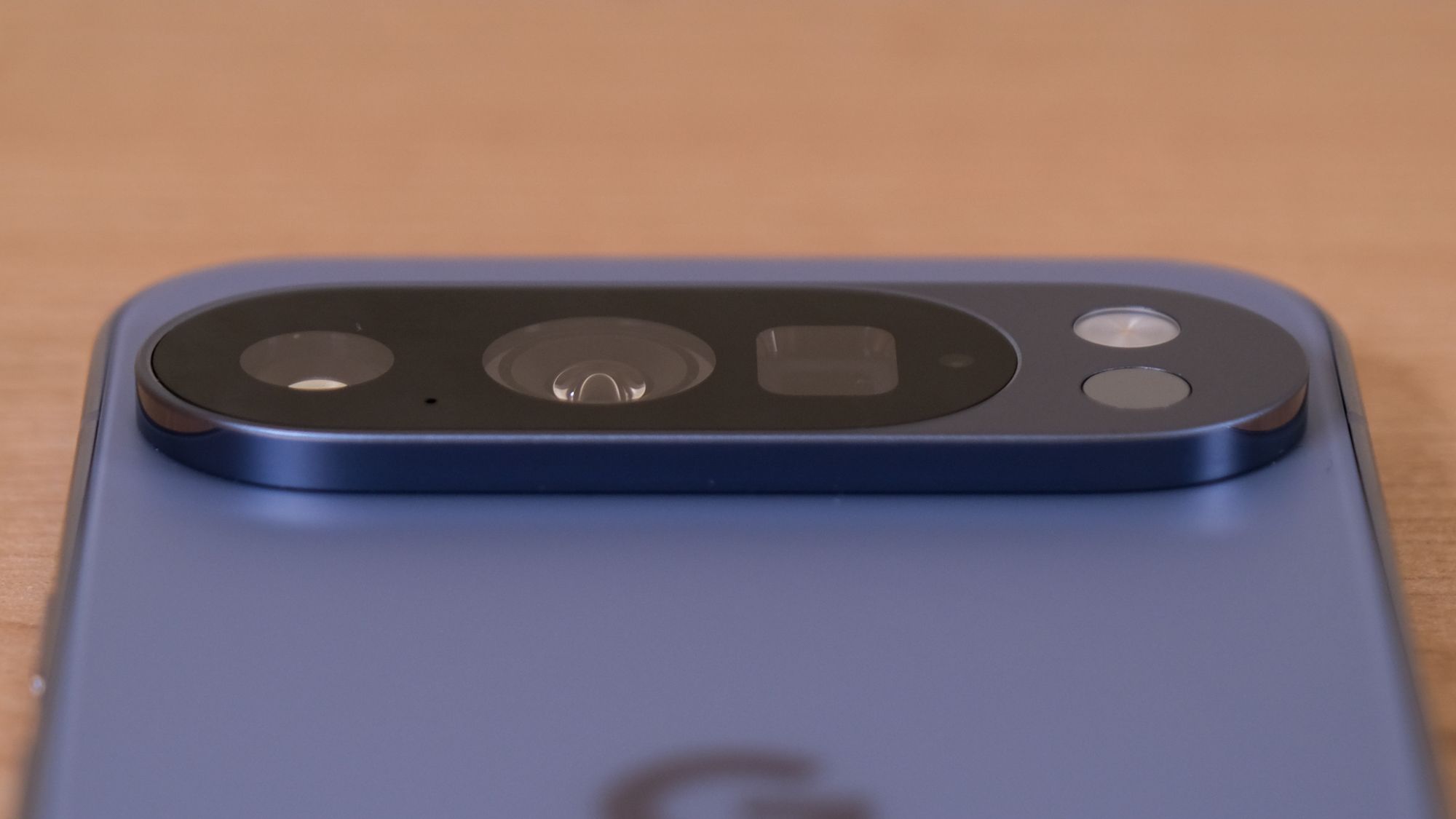
Is a weak telephoto worse than having no telephoto at all?
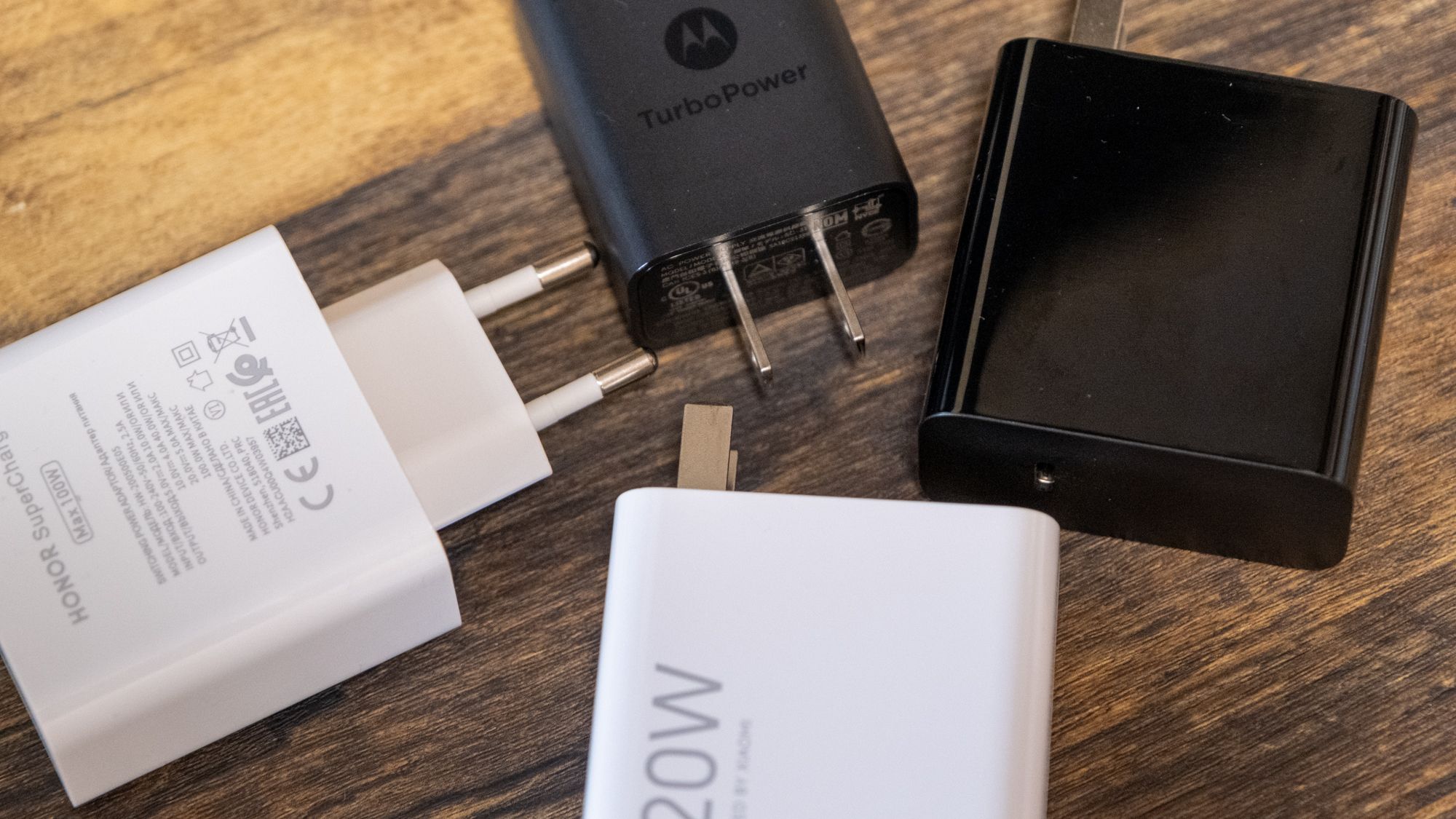
How we test charging
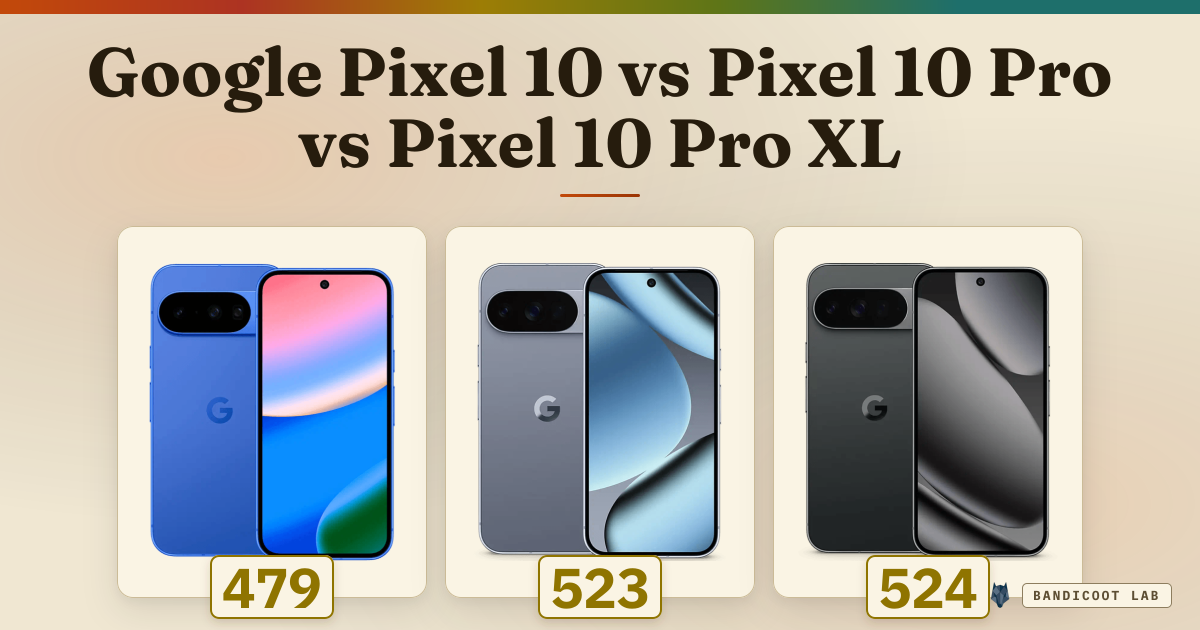
Google Pixel 10 vs Pixel 10 Pro vs Pixel 10 Pro XL