Apple iPhone 17 Series vs Google Pixel 10 Series
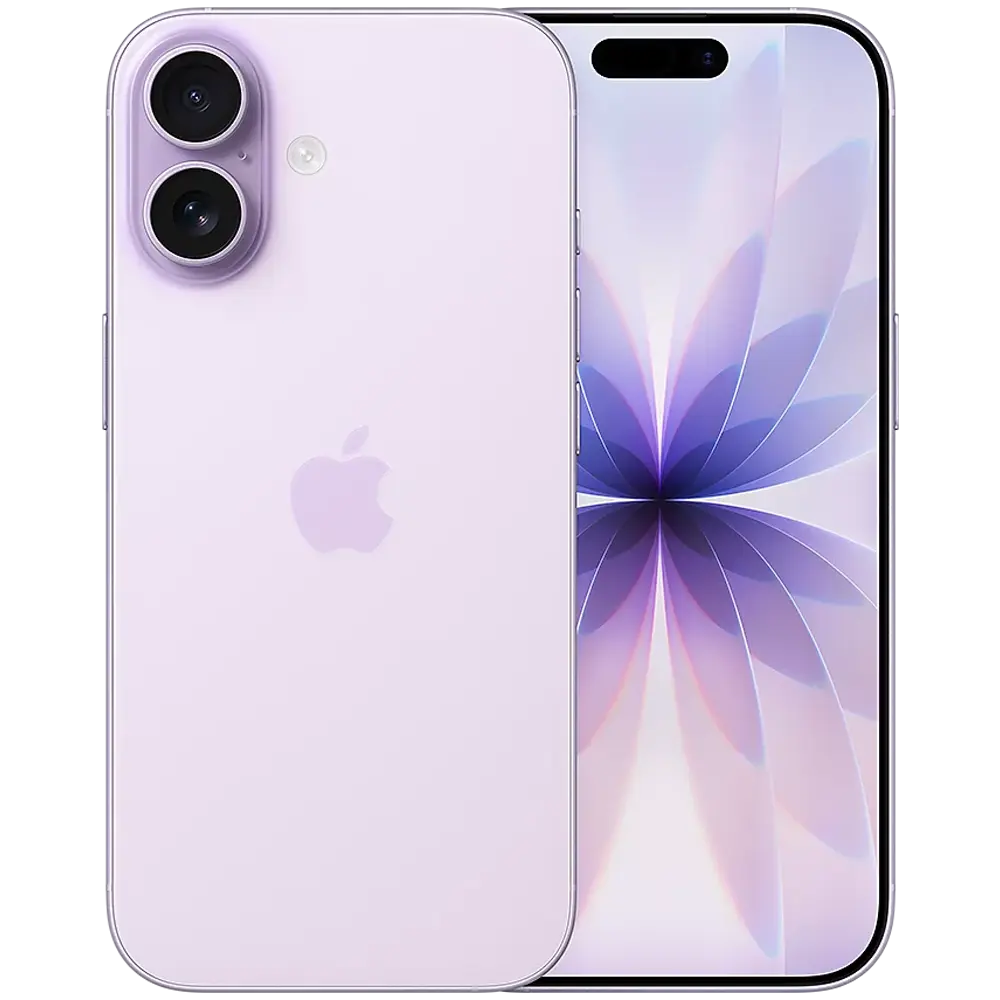
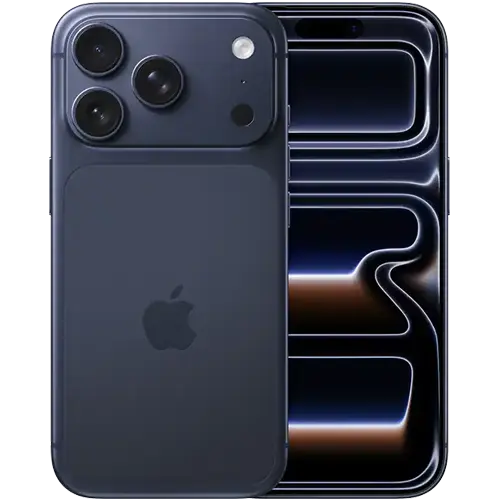
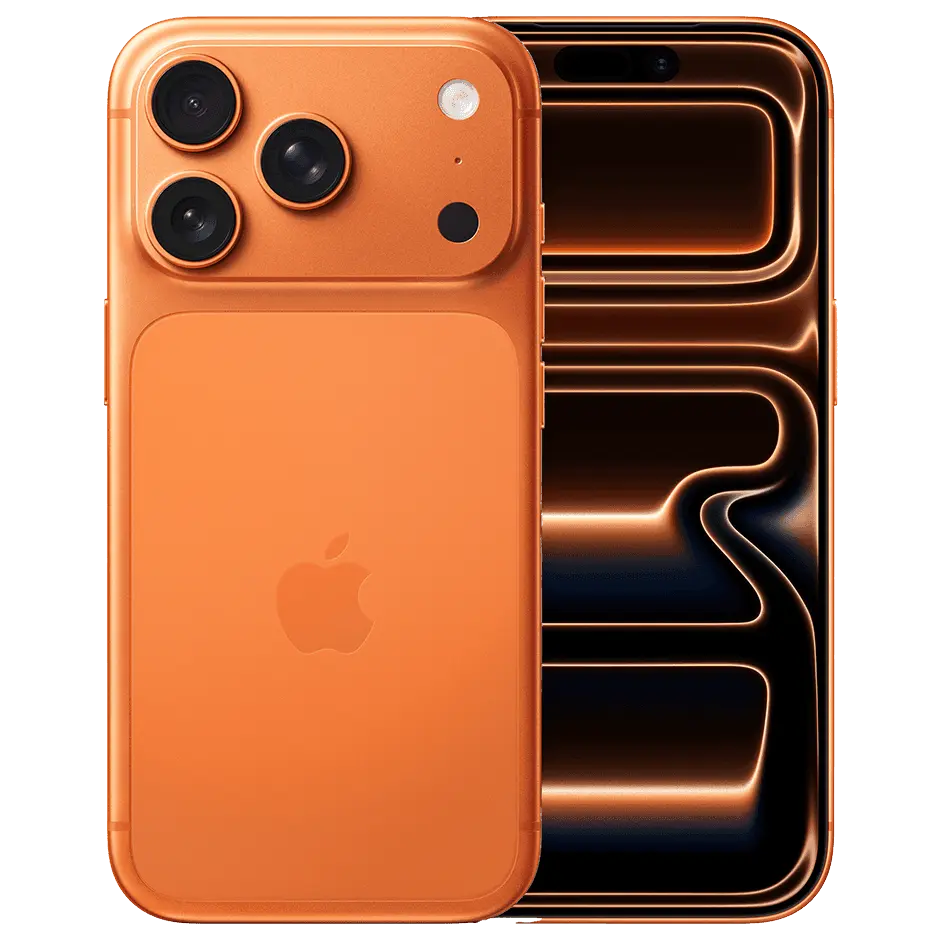
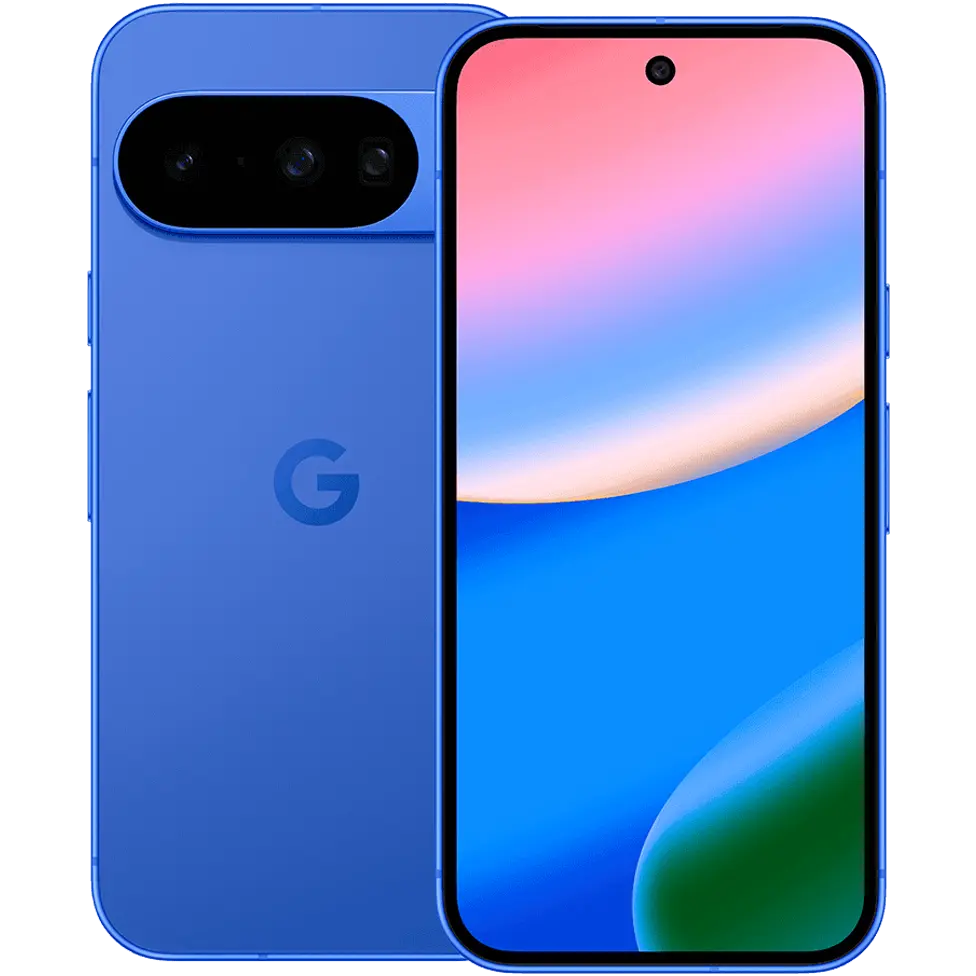
Apple
Apple
Apple
iPhone 17
iPhone 17 Pro
iPhone 17 Pro Max
Pixel 10
Pixel 10 Pro
Pixel 10 Pro XL
Ranked #23 of 52
Ranked #3 of 52
Ranked #4 of 52
Ranked #40 of 52
Ranked #34 of 52
Ranked #33 of 52
Overall
Overall
Overall
Overall
Overall
Overall
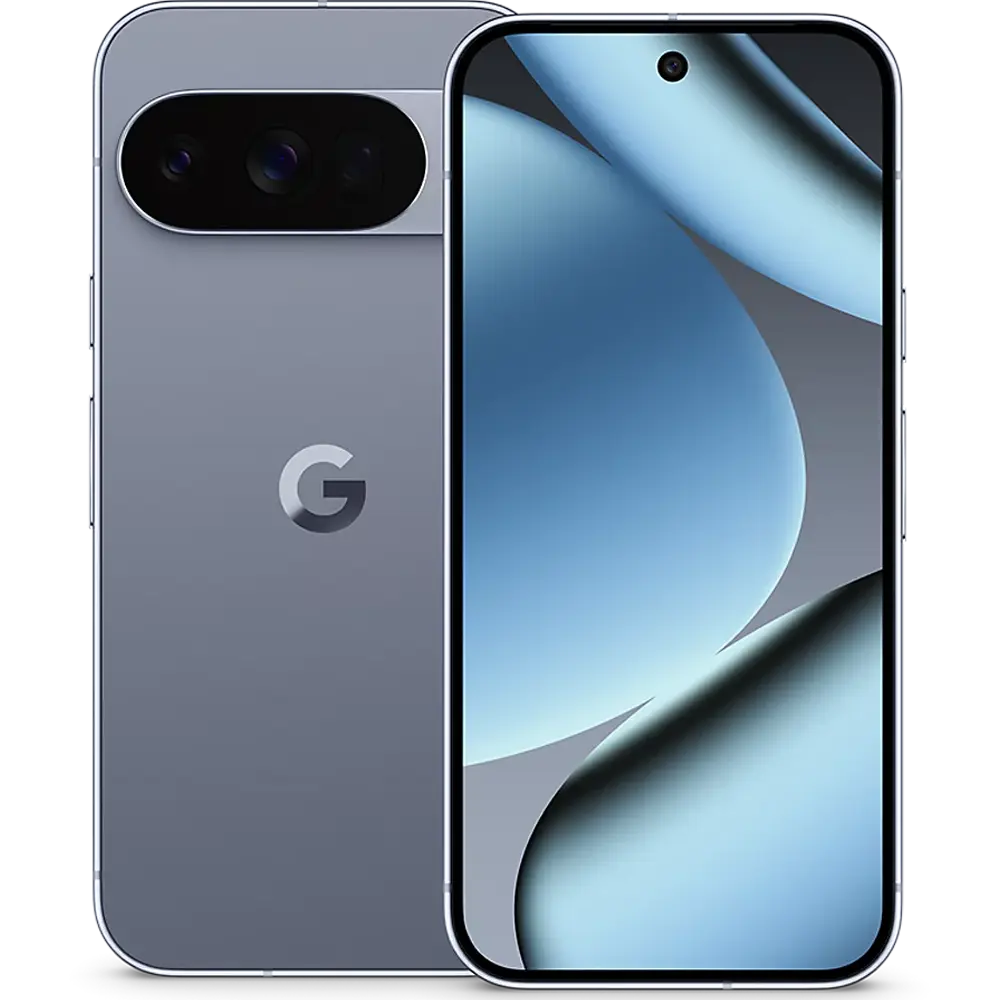
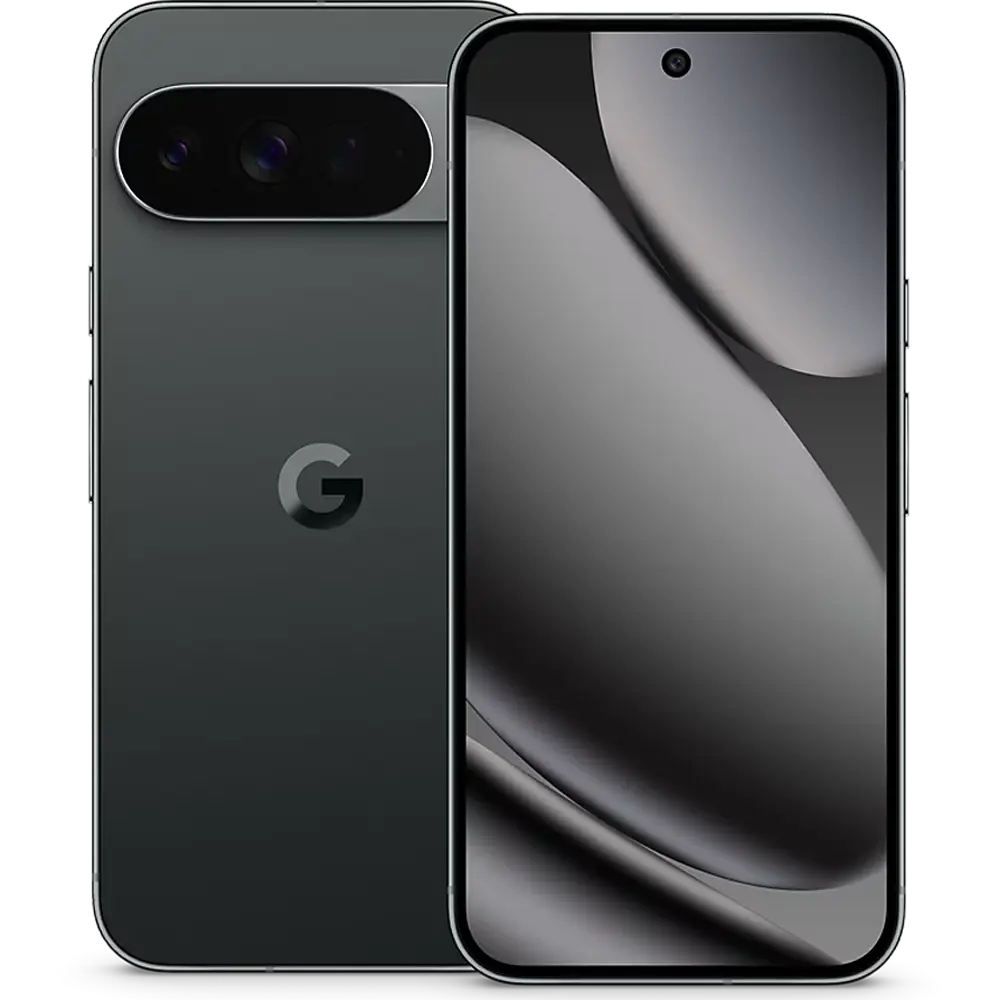
The iPhone 17 lineup and the Pixel 10 lineup both run three tiers at three prices, and at two of those prices the matchup is exact. The iPhone 17 and Pixel 10 both start at $799. The iPhone 17 Pro Max and Pixel 10 Pro XL both top out at $1,199. In the middle, Apple's $1,099 iPhone 17 Pro sits between Google's $999 Pixel 10 Pro and the price of the larger XL. Apple's series is built around a single design language and aggressive silicon, with the Pro tiers adding a telephoto lens and faster storage. Google's series leans on computational photography and software, giving even the base Pixel 10 a telephoto lens — something Apple reserves for its Pro models.
As families, they pull apart cleanly. The iPhone series is stronger on performance, camera system, speakers, and battery life, and its Pro models in particular sit near the top of everything we test. The Pixel series answers with displays — brighter, more responsive, and more faithful with HDR across the board — and with biometrics that include a real fingerprint sensor on every model. Google also gives every tier a telephoto reach Apple withholds from its base phone. Where Apple wins, it tends to win by a wide margin.
Here’s how all of the devices in the two families compared in our lab testing.
Design
| Apple iPhone 17 | Apple iPhone 17 Pro | Apple iPhone 17 Pro Max | Google Pixel 10 | Google Pixel 10 Pro | Google Pixel 10 Pro XL | |
|---|---|---|---|---|---|---|
| Specifications | ||||||
| Dimensions | 149.6 x 71.5 x 8 mm | 150 x 71.9 x 8.8 mm | 163.4 x 78 x 8.8 mm | 152.8 x 72 x 8.6 mm | 152.8 x 72 x 8.5 mm | 162.8 x 76.6 x 8.5 mm |
| Weight | 177g | 206g | 233g | 204g | 207g | 232g |
| IP Rating | IP68 | IP68 | IP68 | IP68 | IP68 | IP68 |
| Frame | Aluminum | Aluminum | Aluminum | Aluminum | Aluminum | Aluminum |
| Front | Ceramic Shield 2 | Ceramic Shield 2 | Ceramic Shield 2 | Gorilla Glass Victus 2 | Gorilla Glass Victus 2 | Gorilla Glass Victus 2 |
| Back | Glass | Ceramic Shield | Ceramic Shield | Glass | Glass | Glass |
| Screen-to-body ratio | 91.1% | 90.3% | 91.7% | 86.5% | 87.1% | 89.5% |
Both series carry IP68 dust and water resistance across all three models. The size tiers line up reasonably well. The base iPhone 17 and Pixel 10 both use 6.3-inch panels, though the iPhone is noticeably lighter at 177g against the Pixel's 204g. That 27g gap is real in the hand; the iPhone 17 is the lightest phone in either lineup by a clear margin. The iPhone 17 Pro is 6.3 inches and 206g, close in weight to the 6.3-inch Pixel 10 Pro at 207g.
The two large phones are near-twins on the scale. The iPhone 17 Pro Max is 6.9 inches and 233g; the Pixel 10 Pro XL is 6.8 inches and 232g. Both are heavy, large-screen phones you'll feel in a pocket.
Bandicoot Lab doesn't formally test design or durability.
Display
| Apple iPhone 17 | Apple iPhone 17 Pro | Apple iPhone 17 Pro Max | Google Pixel 10 | Google Pixel 10 Pro | Google Pixel 10 Pro XL | |
|---|---|---|---|---|---|---|
582/ 845 | 679/ 845 | 627/ 845 | 598/ 845 | 723/ 845 | 714/ 845 | |
This is the Pixel series' clearest family-level win. Every Pixel 10 reaches manual brightness around 1,435 to 1,496 nits, while the iPhone 17 models top out under 900 nits in manual mode. In direct sunlight, where manual brightness matters most, the Pixels are easier to read. Peak HDR brightness is closer — both series clear 3,000 nits, and the Pixel 10 Pro pushes highest at 3,428 nits — but the more important difference is consistency.
The iPhones hold HDR brightness poorly across window sizes and over time. Their sustained output during the 30-minute HDR test sits below 40% stability, meaning a bright HDR scene dims considerably as the panel manages heat and power. The Pixels hold above 96% through the same test. You'll see this watching HDR video: the iPhone starts bright and visibly settles down, while the Pixel stays put.
HDR tone mapping also favors the Pixels. They track the reference curve closely and don't clip highlights until very near the top of the signal, so bright detail in HDR content survives. The iPhones push highlights brighter than mastered and begin clipping earlier, which lifts and then crushes the brightest parts of a scene.
Color accuracy is the one display area where Apple's Pro models pull ahead. The iPhone 17 Pro is the most color-accurate panel in either lineup, calibrated tightly enough that errors are invisible to the eye. The base iPhone 17 is the weakest of the six here, with visible drift. The Pixels land in the middle and consistent across tiers. Touch latency is the other Pixel advantage: the Pixel 10 Pro responds in about 12ms against roughly 52 to 57ms on the iPhones. That gap is large enough to feel in fast scrolling and drawing. Resolution favors the Pixel Pro models too, which run higher pixel density than the uniform 460 PPI iPhones. All six run 120Hz.
Performance
| Apple iPhone 17 | Apple iPhone 17 Pro | Apple iPhone 17 Pro Max | Google Pixel 10 | Google Pixel 10 Pro | Google Pixel 10 Pro XL | |
|---|---|---|---|---|---|---|
814/ 1012 | 902/ 1012 | 906/ 1012 | 403/ 1012 | 399/ 1012 | 416/ 1012 | |
Apple's silicon drives the gap. The base iPhone 17 uses the A19; both Pro models use the A19 Pro. Every Pixel 10 runs the Tensor G5. The gap between them is not subtle.
In CPU work, the iPhones roughly double the Pixels' single-core GeekBench scores — around 3,800 to 3,900 against roughly 2,300 — and the multi-core gap is similar. The A19 Pro models post the strongest CPU numbers in either lineup. On the GPU side, the iPhones run far ahead in peak throughput, and their stress-test stability holds in the high 60s to low 70s percent. The Pixels run a fraction of that peak GPU performance.
In daily use, both families feel fluid for messaging, browsing, and photos. The gap shows up under load. Sustained gaming, heavy multitasking, and demanding apps run noticeably smoother on the iPhones, and the difference grows the harder you push. Browser performance follows the CPU pattern — the iPhones complete Speedometer runs at roughly twice the Pixels' rate.
Camera
| Apple iPhone 17 | Apple iPhone 17 Pro (Max) | Google Pixel 10 | Google Pixel 10 Pro (XL) | |
|---|---|---|---|---|
393/ 587 | 567/ 587 | 372/ 587 | 445/ 587 | |
Apple's Pro phones carry the camera honors here. The iPhone 17 Pro and Pro Max share an identical three-lens system and post the strongest overall camera scores in either lineup. The base iPhone 17 is the weakest camera of the six, held back by a two-lens setup with no telephoto and softer main-camera detail.
Main-camera sharpness is strong across the Pixel line and across the iPhone Pro models. The base iPhone 17 trails both. At the deep-zoom end, past 10x, the Pixels hold detail far better than the iPhones. The base iPhone 17 falls apart at long zoom, and even the iPhone Pro models, with their telephoto, don't match the Pixels' digital reach. If you zoom hard and often, the Pixels are the safer pick.
Main
| Apple iPhone 17 (Main) | Apple iPhone 17 Pro (Max) (Main) | Google Pixel 10 (Main) | Google Pixel 10 Pro (XL) (Main) | |
|---|---|---|---|---|
463/ 722 | 579/ 722 | 421/ 722 | 517/ 722 | |
The Pixels share one main sensor across all three phones — high, consistent sharpness from bright light down to dark. The iPhone Pro models match it for detail in good light and hold sharpness better as light falls. The base iPhone 17 is the clear laggard, softer than every other phone here across all lighting.
Across the zoom range below each phone's telephoto, the Pixels and iPhone Pros both hold detail well as you push from 1x toward the telephoto's native length. The base iPhone 17, with no telephoto and only digital crop, softens fastest as you zoom.
Color from the main cameras follows the family pattern: vivid and accurate-skinned on the Pixels, neutral-but-warm with weaker skin tones on the iPhones.
Dynamic range is consistently better on the iPhones, which hold highlights and shadows significantly better than the Pixel devices on the main camera.
Ultrawide
| Apple iPhone 17 (Ultrawide) | Apple iPhone 17 Pro (Max) (Ultrawide) | Google Pixel 10 (Ultrawide) | Google Pixel 10 Pro (XL) (Ultrawide) | |
|---|---|---|---|---|
452/ 722 | 505/ 722 | 342/ 722 | 479/ 722 | |
All six phones have an ultrawide. In good light they're close on detail, with the iPhone Pro models and the Pixels both sharp. The split comes in low light, where the iPhone 17's ultrawide drops off hard — it's the softest of the six in the dark — while the Pixel ultrawide and the iPhone Pro ultrawide both hold up better.
Color is consistent with each family's main camera. Dynamic range is similar across all six, with every phone clipping highlights in tough scenes. The exception is the base iPhone 17, which performed better in our dynamic range test than any of the other devices.
Telephoto
| Apple iPhone 17 (Telephoto) | Apple iPhone 17 Pro (Max) (Telephoto) | Google Pixel 10 (Telephoto) | Google Pixel 10 Pro (XL) (Telephoto) | |
|---|---|---|---|---|
| — | 628/ 722 | 384/ 722 | 471/ 722 | |
This is where the lineups diverge most. Every Pixel 10 has a telephoto. On the iPhone side, only the two Pro models do; the base iPhone 17 has none. A $799 Pixel 10 gives you optical reach a $799 iPhone 17 simply can't match.
The Pixel telephoto is sharp at its native length and holds detail well as zoom climbs. The iPhone Pro telephoto is also strong, with excellent stabilization that helps at longer reach. Both telephotos soften in dark conditions. Telephoto color on the iPhones runs warm and a touch less accurate than their main camera; the Pixels stay more consistent. For reach across the full range, the Pixels' combination of telephoto plus stronger digital zoom gives them the edge.
Front
| Apple iPhone 17 (Front) | Apple iPhone 17 Pro (Max) (Front) | Google Pixel 10 (Front) | Google Pixel 10 Pro (XL) (Front) | |
|---|---|---|---|---|
362/ 722 | 703/ 722 | 380/ 722 | 347/ 722 | |
The iPhone Pro models have the best front camera here — sharp, with wide dynamic range and steady stabilization for video. The base iPhone 17's front camera is softer and has a narrower dynamic range. The Pixel front cameras land in between: decent detail, but they shift noticeably warm and off-color in dim light, where a strong white-balance error pulls skin tones away from accurate.
Battery
| Apple iPhone 17 | Apple iPhone 17 Pro | Apple iPhone 17 Pro Max | Google Pixel 10 | Google Pixel 10 Pro | Google Pixel 10 Pro XL | |
|---|---|---|---|---|---|---|
555/ 799 | 670/ 799 | 617/ 799 | 467/ 799 | 490/ 799 | 492/ 799 | |
The iPhone series runs longer overall. The iPhone 17 Pro is the standout, drawing the least power in our tests and posting the longest video runtime of the group near 24 hours. The Pixels cluster lower, with the regular Pixel 10 Pro the weakest of the six in our combined battery scoring.
Capacities don't predict the results. The Pixel 10 Pro XL packs the largest cell at 5,200mAh but lands behind the smaller-batteried iPhone 17 Pro Max (5,088mAh) in efficiency. The Tensor G5 simply uses more power than Apple's silicon for the same work.
In the web browsing test, the iPhone 17 Pro drains slowest of all six; the Pixels and the base iPhone 17 sit closer together and drain faster. Gaming drain is closer across the board, but the iPhone Pro models still hold an edge. Standby drain is low everywhere — all six lose only a couple of percent over an eight-hour idle, so overnight standby is a non-issue on either platform. In practical terms, all six get through a full day. The iPhone Pro models give you the most headroom for a second day; the regular Pixel 10 Pro gives you the least.
Charging
| Apple iPhone 17 | Apple iPhone 17 Pro | Apple iPhone 17 Pro Max | Google Pixel 10 | Google Pixel 10 Pro | Google Pixel 10 Pro XL | |
|---|---|---|---|---|---|---|
332/ 837 | 376/ 837 | 420/ 837 | 322/ 837 | 310/ 837 | 403/ 837 | |
Wired charging is mostly an Apple advantage, with one exception. The iPhone 17 models all charge at 40W wired; the Pixel 10 and 10 Pro run 30W, and only the Pixel 10 Pro XL matches the pace with 45W. In the first 30 minutes, the iPhones reach roughly 67 to 73 percent, and the Pixel 10 Pro XL keeps up at 70 percent. The slower-charging Pixel 10 and 10 Pro land closer to 55 to 57 percent in the same window.
Wireless charging favors Apple more clearly. The iPhones support 25W magnetic charging on the MagSafe standard; the Pixels do 15W magnetic on Qi2. At 30 minutes wireless, the iPhones reach roughly 47 to 49 percent against the Pixels' 30 to 39 percent. If you charge on a stand or pad often, the iPhones refill meaningfully faster.
Speaker
| Apple iPhone 17 | Apple iPhone 17 Pro | Apple iPhone 17 Pro Max | Google Pixel 10 | Google Pixel 10 Pro | Google Pixel 10 Pro XL | |
|---|---|---|---|---|---|---|
762/ 857 | 823/ 857 | 816/ 857 | 781/ 857 | 774/ 857 | 645/ 857 | |
The iPhone series is the stronger speaker family, led by the iPhone 17 Pro. It's the cleanest of the six, with low distortion and well-balanced output that handles bass and clarity together. The iPhone 17 Pro Max has the most pronounced clarity and the deepest bass of the six, though it runs slightly more distortion than the Pro.
Max volume is close across all six — every phone lands in the mid-70s dBA, so none is dramatically louder than another. The base iPhone 17 is the weakest iPhone speaker, with audible distortion at volume. Among the Pixels, the regular Pixel 10 and 10 Pro sound clean and balanced; the Pixel 10 Pro XL is the odd one out, with thinner bass and more distortion than its siblings despite an even overall frequency balance.
Microphone
| Apple iPhone 17 | Apple iPhone 17 Pro | Apple iPhone 17 Pro Max | Google Pixel 10 | Google Pixel 10 Pro | Google Pixel 10 Pro XL | |
|---|---|---|---|---|---|---|
664/ 949 | 578/ 949 | 885/ 949 | 698/ 949 | 667/ 949 | 713/ 949 |
Microphone quality is solid across both families. The iPhone 17 Pro Max records the cleanest, most balanced audio of the six and sits well above average. The base iPhone 17 and the Pixels all land around or a little above average, capturing clear voice without obvious coloration. The iPhone 17 Pro is the weakest of the iPhones here but still acceptable. Nothing in either lineup is a problem.
Other
| Apple iPhone 17 | Apple iPhone 17 Pro | Apple iPhone 17 Pro Max | Google Pixel 10 | Google Pixel 10 Pro | Google Pixel 10 Pro XL | |
|---|---|---|---|---|---|---|
| Biometrics | 207/ 1036 | 172/ 1036 | 215/ 1036 | 540/ 1036 | 422/ 1036 | 491/ 1036 |
| Data Transfer | 103/ 877 | 572/ 877 | 582/ 877 | 205/ 877 | 270/ 877 | 263/ 877 |
| Specifications | ||||||
| Biometric type | Face Recognition | Face Recognition | Face Recognition | Fingerprint | Fingerprint | Fingerprint |
| Ports | USB-C 2.0 | USB-C 3.2 Gen 2 | USB-C 3.2 Gen 2 | USB-C 3.2 | USB-C 3.2 | USB-C 3.2 |
| Storage | 256GB, 512GB | 256GB, 512GB, 1TB | 256GB, 512GB, 1TB, 2TB | 128GB, 256GB | 256GB, 512GB, 1TB | 256GB, 512GB, 1TB |
Biometrics are a clear Pixel advantage, at least when it comes to speed. Every Pixel 10 has an ultrasonic in-display fingerprint sensor, unlocking in roughly 190 to 250ms, plus hardware-based face unlock. The iPhones rely entirely on Face ID and have no in-display fingerprint reader at all. Their face unlock is quick, around 490 to 610ms.
Storage transfer speeds split sharply by tier. The base iPhone 17 uses USB-C 2.0 and transfers files slowly, reading and writing under 40 MB/s. That's a real bottleneck if you move large video files over cable. The iPhone Pro models jump to USB-C 3.2 Gen 2 and read around 300 MB/s. The Pixels sit in between, around 100 MB/s read across the line. For wired transfers, the iPhone Pro models are fastest by a wide margin, and the base iPhone 17 is slowest.
Conclusion
The iPhone 17 series is the better lineup overall, and it isn't close. Its family average overall score sits well ahead of the Pixel 10 series, driven by performance that roughly doubles the Pixels' CPU and GPU output, longer battery life, stronger speakers, and a camera system — on the Pro models — that ranks among the best we've tested. The two iPhone Pro phones in particular are top-tier across nearly everything. For overall capability, Apple wins.
The case for the Pixel 10 series is specific and real. Its displays are brighter in sunlight, more responsive to touch, and far more faithful with HDR than any iPhone here. Every Pixel has a telephoto lens and an ultrasonic fingerprint reader, so even the $799 Pixel 10 gives you optical zoom and a fingerprint unlock the $799 iPhone 17 lacks. If your priorities are a great screen, zoom reach on a budget, fingerprint unlock, or Google's software, the Pixel is the right call — and the regular Pixel 10 Pro at $999 is the sweet spot, undercutting the iPhone 17 Pro by $100 while matching it on display and telephoto. For everyone else, the iPhone 17 series is the stronger buy, with the iPhone 17 Pro the standout of all six.
FAQ
Does the Pixel 10 or iPhone 17 have a better display for watching HDR video?
The Pixel 10 series holds HDR brightness steadily through extended viewing, maintaining above 96 percent stability in a 30-minute test, while the iPhones drop below 40 percent stability as the panel throttles. The Pixels also track the HDR tone curve more faithfully and avoid clipping highlights until the very top of the signal, where the iPhones push brightness above the mastered level and then clip. For HDR video, any Pixel 10 is the clearer choice over any iPhone 17.
Is the $799 Pixel 10 worth choosing over the $799 iPhone 17 for camera versatility?
The Pixel 10 includes a telephoto lens; the iPhone 17 does not. That means optical zoom, stronger detail at long reach, and a three-lens system on the Pixel versus two lenses on the iPhone. The iPhone 17 also has the weakest main camera of the six phones compared here, while the Pixel 10 shares its main sensor with the more expensive Pixel 10 Pro XL. For buyers who zoom or want a more complete camera at the base price, the Pixel 10 has a real structural advantage.
Which is better for gaming — the iPhone 17 Pro or Pixel 10 Pro?
The iPhone 17 Pro is the stronger gaming phone. Its CPU scores roughly double the Pixel 10 Pro's, and its peak GPU throughput runs far ahead as well. Stress-test stability holds in the high 60s to low 70s percent on the iPhone, while the Pixel runs a fraction of that peak GPU performance. In light tasks the difference is easy to miss, but sustained demanding games run noticeably smoother on the iPhone 17 Pro, and the gap widens the harder you push the hardware.
Do the Pixel 10 Pro or iPhone 17 Pro charge faster?
Wired, they're close: the iPhone 17 Pro charges at 40W and reaches roughly 67 to 73 percent in 30 minutes, while the Pixel 10 Pro runs 30W and lands closer to 55 to 57 percent in the same window. Wireless charging favors the iPhone 17 Pro more clearly — 25W MagSafe versus 15W Qi2 on the Pixel, putting the iPhone around 47 to 49 percent at 30 minutes wirelessly against the Pixel's 30 to 39 percent. Both wired and wireless, the iPhone 17 Pro refills faster.
If I want a fingerprint sensor, do I have to go with a Pixel 10?
Yes. Every Pixel 10 model has an ultrasonic in-display fingerprint sensor unlocking in roughly 190 to 250ms, plus face unlock. None of the iPhone 17 models has a fingerprint reader; Face ID is the only biometric option, averaging around 490 to 610ms. If fingerprint unlock matters — for use with gloves, a mask, or a phone lying flat — the Pixel 10 series is the only choice between these two families.
Related
Apple
iPhone 17 Pro
Apple
iPhone 17 Pro Max
Apple
iPhone 17
Pixel 10
Pixel 10 Pro
Pixel 10 Pro XL
Apple
iPhone 17e
Apple
iPhone Air
Pixel 10 Pro Fold
Pixel 10a
Xiaomi 17T Pro vs Apple iPhone 17 Pro
iPhone 17 vs iPhone 17 Pro vs iPhone 17 Pro Max vs iPhone Air