iPhone 17 Series vs Xiaomi 17 Series
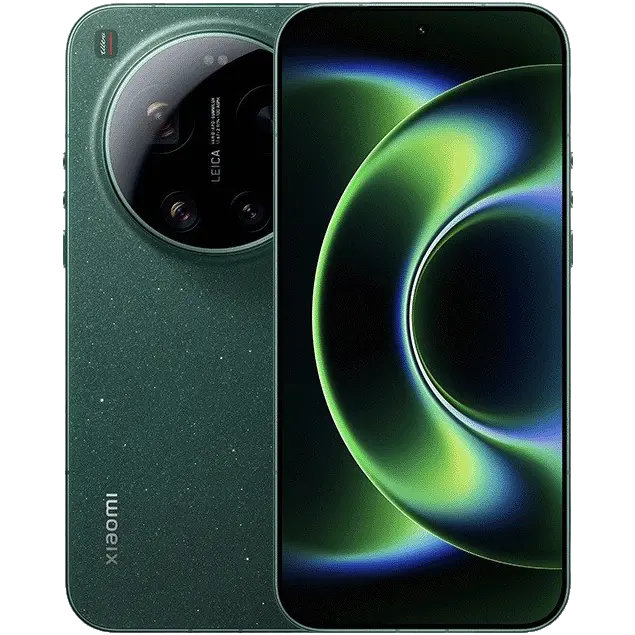
Apple
Apple
Apple
Xiaomi
Xiaomi
iPhone 17
iPhone 17 Pro
iPhone 17 Pro Max
17
17 Ultra
Ranked #28 of 61
Ranked #5 of 61
Ranked #6 of 61
Ranked #15 of 61
Ranked #10 of 61
Overall
Overall
Overall
Overall
Overall
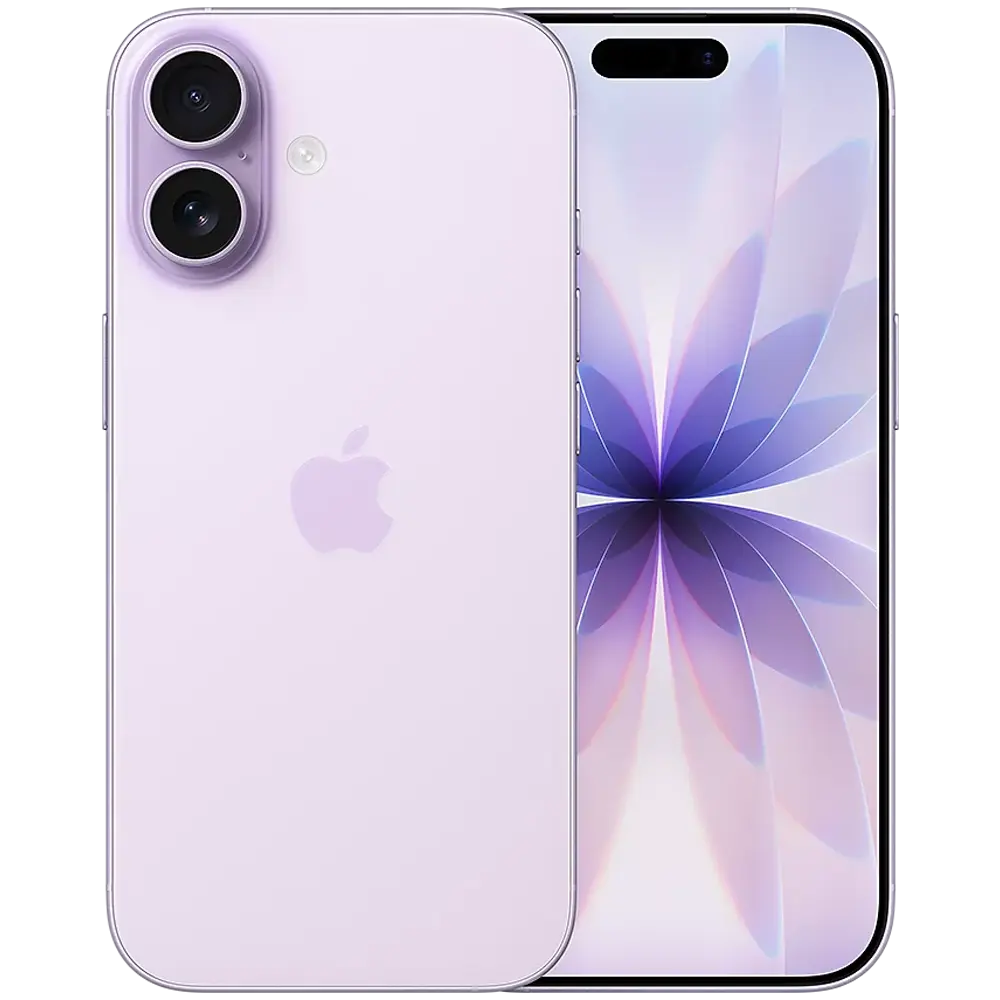
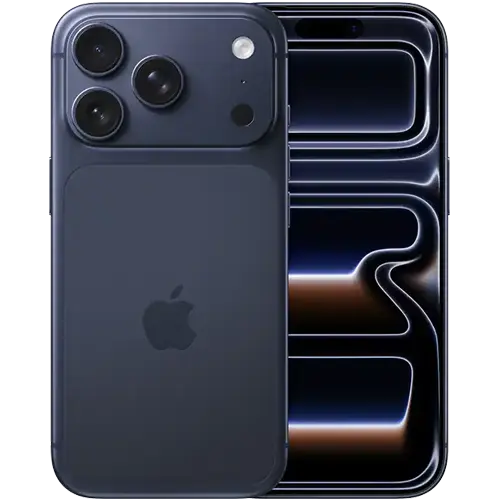
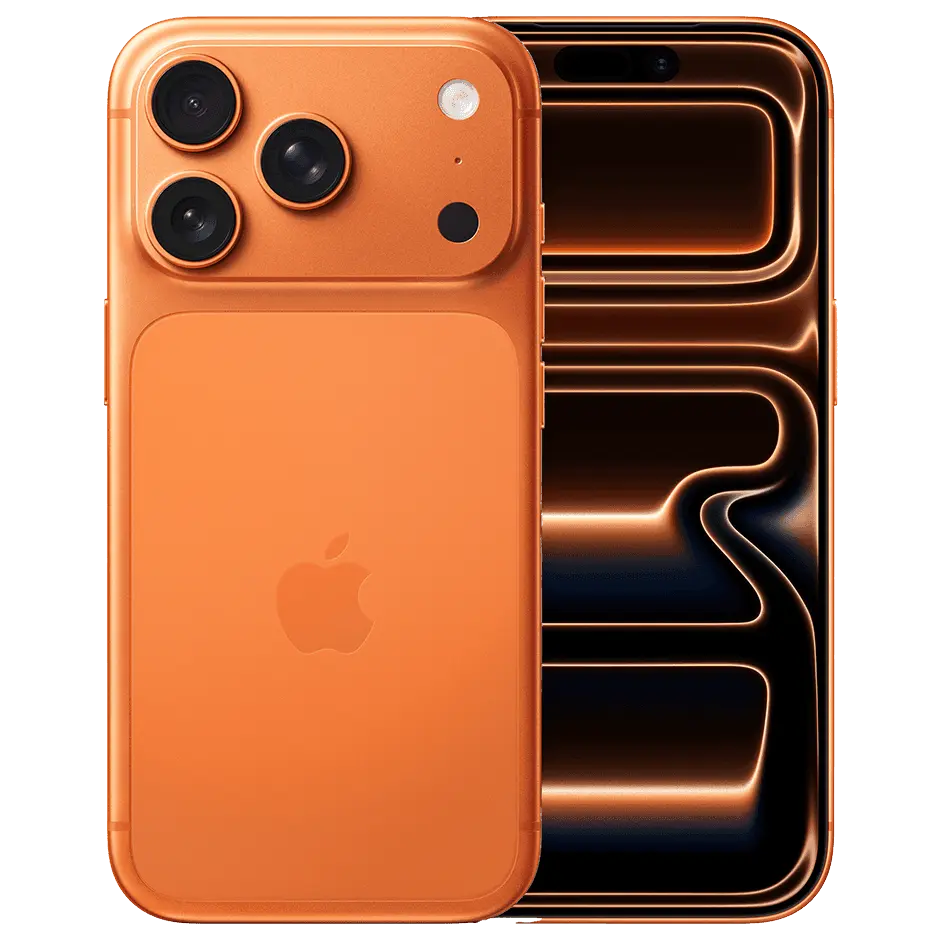
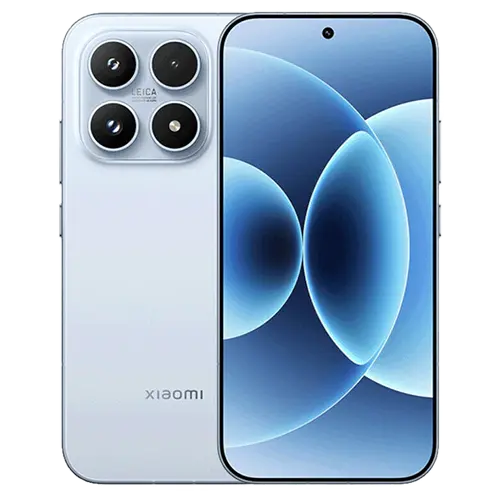
Apple's iPhone 17 series splits into three: a $799 base model, the $1099 Pro, and the $1199 Pro Max. The base phone is the volume seller, the Pro adds the telephoto lens and the better silicon, and the Pro Max is the Pro stretched to a larger body with a bigger battery. Xiaomi's lineup is narrower — just the $999 Xiaomi 17 and the $1499 Xiaomi 17 Ultra. The base Xiaomi competes with the iPhone 17 and the Pro, while the Ultra is a camera-forward flagship aimed squarely at the Pro Max and priced above it.
The iPhone series is the more consistent performer across the board, with strong silicon at every tier, faithful color, good speakers, and a camera that's genuinely excellent on the Pro models. The Xiaomi series trades some of that polish for hardware advantages you can measure in minutes and hours — much faster charging, larger batteries, and a camera system on the Ultra that edges out everything Apple makes. Xiaomi also brings in-display fingerprint sensors, which Apple still doesn't offer. Where Apple wins, it tends to win on refinement; where Xiaomi wins, it wins on raw capacity.
Design
| Apple iPhone 17 | Apple iPhone 17 Pro | Apple iPhone 17 Pro Max | Xiaomi 17 | Xiaomi 17 Ultra | |
|---|---|---|---|---|---|
| Specifications | |||||
| Dimensions | 149.6 x 71.5 x 8 mm | 150 x 71.9 x 8.8 mm | 163.4 x 78 x 8.8 mm | 151.1 x 71.8 x 8.1 mm | 162.9 x 77.6 x 8.3 mm |
| Weight | 177g | 206g | 233g | 191g | 218.4g |
| IP Rating | IP68 | IP68 | IP68 | IP68 | IP68/IP69 |
| Frame | Aluminum | Aluminum | Aluminum | Aluminum | Aluminum |
| Front | Ceramic Shield 2 | Ceramic Shield 2 | Ceramic Shield 2 | Xiaomi Shield Glass | Xiaomi Shield Glass 3.0 |
| Back | Glass | Ceramic Shield | Ceramic Shield | Glass | Fiber-reinforced plastic / Vegan leather |
| Screen-to-body ratio | 91.1% | 90.3% | 91.7% | 89.5% | 92.1% |
Apple builds the iPhone 17 series around aluminum frames with glass backs and IP68 dust and water resistance across all three models. The base iPhone 17 is the lightest at 177g; the Pro lands at 206g, and the 6.9-inch Pro Max at 233g. Both Pro models use USB-C 3.2 Gen 2; the base phone is stuck with slower USB-C 2.0.
Xiaomi's two phones are heavier for their size. The 6.3-inch Xiaomi 17 weighs 191g, more than the similarly sized iPhone 17, and the 6.9-inch Ultra comes in at 218.4g — lighter than the Pro Max despite a larger battery. The Ultra also carries an IP68/IP69 rating, the IP69 part meaning it tolerates high-pressure, high-temperature water jets. That's a step beyond the IP68 on every other phone here.
Bandicoot Lab doesn't formally test design or durability.
Display
| Apple iPhone 17 | Apple iPhone 17 Pro | Apple iPhone 17 Pro Max | Xiaomi 17 | Xiaomi 17 Ultra | |
|---|---|---|---|---|---|
582/ 881 | 679/ 881 | 627/ 881 | 680/ 881 | 580/ 881 | |
Both families run 120Hz LTPO OLED panels at 460 PPI, with the larger models stretching to 6.9 inches. The series-level split shows up in two places: brightness behavior and color accuracy.
In manual mode — the brightness you get dragging the slider — Apple's phones go brighter, peaking in the mid-800-nit range across all three. The Xiaomi phones cap lower, around 620 to 632 nits manual. For HDR content in auto mode, the order flips — the Xiaomi 17 peaks higher than any iPhone, and both Xiaomi panels hold their brightness far more steadily. Apple's HDR brightness stability sits in the 35–43% range, meaning brightness shifts a lot depending on how much of the screen is lit. Xiaomi holds in the high 50s. The sustained brightness test, which measures output over a 30-minute HDR run, is more lopsided: Xiaomi stays near 98%, while the iPhones drop to under 40%. Apple's HDR highlights dim noticeably during long playback; Xiaomi keeps them steady.
Tone mapping is another Xiaomi win. Both Xiaomi panels track the HDR reference curve closely and clip highlights late, so bright detail holds rather than blowing out. The iPhones push highlights brighter than mastered and clip earlier — punchier, less faithful.
Color accuracy is where Apple recovers. The iPhone 17 Pro has the most accurate panel here, near reference. The base iPhone 17 is the weakest of Apple's three, and Xiaomi's two land in the middle — the Ultra's color is its softest display trait. Touch latency goes decisively to Xiaomi: both phones respond in the 12–18ms range against Apple's low-50s. In daily scrolling and typing the Xiaomi panels feel a touch more immediate, though the gap is subtle unless you're looking for it.
Performance
| Apple iPhone 17 | Apple iPhone 17 Pro | Apple iPhone 17 Pro Max | Xiaomi 17 | Xiaomi 17 Ultra | |
|---|---|---|---|---|---|
814/ 1012 | 902/ 1012 | 906/ 1012 | 811/ 1012 | 884/ 1012 | |
Apple runs the A19 in the base iPhone 17 and the A19 Pro in both Pro models. Xiaomi uses the same Snapdragon 8 Elite Gen 5 in both its phones. Within each family, the higher tiers don't all share silicon on Apple's side — the base phone is a step behind — while Xiaomi is uniform top to bottom.
On single-core CPU work, Apple leads: the A19 Pro posts the highest single-core GeekBench scores here, and even the base A19 edges past both Snapdragons. Multi-core flips — Xiaomi's phones, especially the Ultra, pull ahead on multi-core, with the Ultra posting the highest multi-core result. In practice, single-core advantage shows up in app launches and general snappiness; multi-core matters for heavy exports and sustained multitasking. Both families feel fast.
GPU is Xiaomi's category. The Ultra posts the strongest peak GPU run and the highest sustained gaming scores, and the base Xiaomi 17 holds up well too. The iPhones aren't far behind on peak, and Apple's sustained stability under the Wild Life Extreme loop is actually a hair better, so they throttle slightly less under load. Browser performance is the clearest gap of all: Apple's Speedometer scores run well ahead of Xiaomi's, so web-heavy work feels faster on the iPhones. On AI workloads, Xiaomi's chips score higher, with the Ultra leading.
Camera
| Apple iPhone 17 | Apple iPhone 17 Pro | Apple iPhone 17 Pro Max | Xiaomi 17 | Xiaomi 17 Ultra | |
|---|---|---|---|---|---|
393/ 587 | 567/ 587 | 567/ 587 | 494/ 587 | 587/ 587 | |
Each family handles its camera tiers differently. Apple's base iPhone 17 has main and ultrawide cameras only — no telephoto. Both Pro models share an identical camera system, with the same main, ultrawide, and telephoto. Xiaomi's base 17 already includes a telephoto, and the Ultra steps up to a stronger one with much more reach.
The headline difference is color. Apple's cameras across the series push skin tones well off reference and warm-shift colors as light dims — faces drift warm and ruddy under mid and dark test lighting, and that warm cast points to white balance struggling rather than a sensor limit. Xiaomi tunes more neutrally and tracks skin tones far more accurately, especially on the telephoto and front cameras. Saturation is restrained on Xiaomi and pushed harder on Apple, particularly reds in bright light. If accurate people pictures matter, Xiaomi is the safer family.
Sharpness favors the Pro tiers and the Ultra. The base iPhone 17 is the softest main camera here. The iPhone 17 Pro models are sharp and consistent. The Xiaomi Ultra is sharpest of all and, unusually, holds or even gains detail as light drops. At the deep-zoom end — past 10x, into the digital range — the Ultra is in a different class, staying usable where the iPhones fall apart and the base Xiaomi lands in between. Apple's Pro telephoto reaches well but degrades faster as you push past its native length than the Ultra does.
Main
| Apple iPhone 17 (Main) | Apple iPhone 17 Pro (Max) (Main) | Xiaomi 17 (Main) | Xiaomi 17 Ultra (Main) | |
|---|---|---|---|---|
463/ 722 | 579/ 722 | 569/ 722 | 612/ 722 | |
All three iPhones and both Xiaomi phones carry capable main sensors, but the consistency story splits. Apple's main camera holds detail steadily from 1x up through its zoom range on the Pro models; the base iPhone 17's main camera is noticeably softer and the weakest here. The iPhone Pro main holds detail well into low light.
Xiaomi's main cameras are sharper overall, and the Ultra is the standout — it stays crisp from bright down to the dark test, where most phones soften. Dynamic range goes to Xiaomi too: the base 17's main camera captures a wider tonal range, holding shadow and highlight detail in high-contrast scenes where the iPhones clip brighter areas sooner. Color is the clincher — Xiaomi's main camera stays neutral with accurate skin tones across all three lighting setups, while Apple's warms up and overstates saturation as light fades.
Ultrawide
| Apple iPhone 17 (Ultrawide) | Apple iPhone 17 Pro (Max) (Ultrawide) | Xiaomi 17 (Ultrawide) | Xiaomi 17 Ultra (Ultrawide) | |
|---|---|---|---|---|
452/ 722 | 505/ 722 | 605/ 722 | 666/ 722 | |
Every phone here has an ultrawide. Apple's is sharp on the Pro models, weaker on the base 17, and clips highlights more readily in bright scenes. Xiaomi's ultrawides are sharper across the board — the base 17's ultrawide is one of the sharpest here, and the Ultra's holds detail into low light better than anything Apple offers here.
Color and dynamic range follow the same pattern as the main camera. Xiaomi stays neutral and pulls more usable detail from shadows and highlights; Apple warms up in dimmer light and clips highlights sooner. The base iPhone 17's ultrawide also struggles most with stabilization, so handheld ultrawide video is shakier there.
Telephoto
| Apple iPhone 17 (Telephoto) | Apple iPhone 17 Pro (Max) (Telephoto) | Xiaomi 17 (Telephoto) | Xiaomi 17 Ultra (Telephoto) | |
|---|---|---|---|---|
| — | 628/ 722 | 499/ 722 | 722/ 722 | |
Apple offers a telephoto only on the Pro models, while the base iPhone 17 has none. Xiaomi includes one on both phones, and the Ultra's is the strongest telephoto here. Apple's Pro telephoto is sharp at its native length and benefits from excellent stabilization — the steadiest telephoto here for video. It softens fairly quickly as you push past native zoom.
The Xiaomi Ultra's telephoto stays sharp from its native length deep into the zoom range and barely softens in low light. Its color and skin-tone accuracy are well ahead of Apple's telephoto, which shows the same warm drift and saturation push as the rest of Apple's lineup. The base Xiaomi 17's telephoto is decent but trails the Ultra clearly, and its stabilization is weaker than Apple's Pro. For reach and detail, the Ultra wins outright; for steady telephoto video, Apple's Pro is the pick.
Front
| Apple iPhone 17 (Front) | Apple iPhone 17 Pro (Max) (Front) | Xiaomi 17 (Front) | Xiaomi 17 Ultra (Front) | |
|---|---|---|---|---|
362/ 722 | 703/ 722 | 429/ 722 | 470/ 722 | |
Apple's front camera is the sharper one, especially on the Pro models, where it holds detail well in good light. It also has strong stabilization and the widest dynamic range of any front camera here — useful for backlit selfies. Xiaomi's front cameras are softer and capture a narrower tonal range. Skin tones from the Xiaomi front cameras are far closer to reference, while Apple's warm up and overstate saturation as light dims. Apple for sharpness and dynamic range, Xiaomi for accurate skin tones.
Battery
| Apple iPhone 17 | Apple iPhone 17 Pro | Apple iPhone 17 Pro Max | Xiaomi 17 | Xiaomi 17 Ultra | |
|---|---|---|---|---|---|
555/ 836 | 670/ 836 | 617/ 836 | 513/ 836 | 520/ 836 | |
Xiaomi packs far larger batteries than the iPhones 6330mAh in the base 17 and 6000mAh in the Ultra, against Apple's 3692mAh, 4252mAh, and 5088mAh from base to Pro Max. That gap shows up in the longevity tests, though not uniformly.
In video playback, Xiaomi runs longer — the Ultra lasted nearly 31 hours, the longest here, and the base 17 cleared 26 hours. Apple's phones landed in the 22–24 hour range. Web browsing flips the result: Apple's drain over the five-hour test was lower, especially on the Pro, so for mixed real-world use the families are closer than the battery sizes suggest. Gaming drain is similar across both, with the Ultra drawing the most under load.
Standby is the clearest Apple advantage. The iPhones lose around 2% over an eight-hour idle test; the Xiaomi phones lose 7–9%.
Charging
| Apple iPhone 17 | Apple iPhone 17 Pro | Apple iPhone 17 Pro Max | Xiaomi 17 | Xiaomi 17 Ultra | |
|---|---|---|---|---|---|
332/ 837 | 376/ 837 | 420/ 837 | 415/ 837 | 568/ 837 | |
Charging is Xiaomi's clearest hardware advantage. The base 17 charges at 100W wired and the Ultra at 90W, against 40W wired on every iPhone. Wireless tells a similar story: both Xiaomi phones support 50W, Apple 25W over its magnetic Qi2-based system.
The first ten minutes are surprisingly close — every phone here lands in the high 20s to low 30s for percentage gained, since Apple's curve front-loads aggressively. By 30 minutes the order holds: the Ultra reaches 77%, the base Xiaomi 74%, and the iPhones land between 67% and 73%. Wireless is where Xiaomi separates more clearly, except for one caveat: the base Xiaomi 17's wireless charging is slow, reaching only single digits at ten minutes despite the 50W rating, so its real-world wireless performance trails its spec. The Ultra's wireless works as advertised and beats Apple comfortably.
Speaker
| Apple iPhone 17 | Apple iPhone 17 Pro | Apple iPhone 17 Pro Max | Xiaomi 17 | Xiaomi 17 Ultra | |
|---|---|---|---|---|---|
762/ 897 | 823/ 897 | 816/ 897 | 845/ 897 | 701/ 897 | |
Both families produce loud, capable speakers, but they're voiced differently. Apple's tend toward clarity and balance — the iPhone 17 Pro and Pro Max are the cleanest and clearest here, with the Pro Max especially strong on vocal and treble detail and respectable bass. The base iPhone 17 is the weakest of Apple's three, with more distortion at volume.
Xiaomi leans into bass. The base Xiaomi 17 has the strongest low-end here and a clean, even response, making it the better speaker of Xiaomi's two. The Ultra is a step down — its clarity is the softest here, so vocals and detail sit further back. Apple's phones get slightly louder on paper, but all five land close on raw volume. For balanced, detailed sound, the iPhone Pros lead; for bass-forward output, the base Xiaomi 17.
Microphone
| Apple iPhone 17 | Apple iPhone 17 Pro | Apple iPhone 17 Pro Max | Xiaomi 17 | Xiaomi 17 Ultra | |
|---|---|---|---|---|---|
664/ 1220 | 578/ 1220 | 885/ 1220 | 467/ 1220 | 605/ 1220 |
Apple's microphones are the stronger set. The iPhone 17 Pro Max records the cleanest, most even audio here, well above average, and the base iPhone 17 is solidly above average too. The iPhone 17 Pro is good but the weakest of Apple's three. Xiaomi's microphones are more middling: the Ultra is average, and the base 17 lands below average, the weakest here. For voice memos, calls, and video audio, Apple is the safer choice.
Other
| Apple iPhone 17 | Apple iPhone 17 Pro | Apple iPhone 17 Pro Max | Xiaomi 17 | Xiaomi 17 Ultra | |
|---|---|---|---|---|---|
| Biometrics | 207/ 1181 | 172/ 1181 | 215/ 1181 | 646/ 1181 | 552/ 1181 |
| Data Transfer | 103/ 943 | 572/ 943 | 582/ 943 | 762/ 943 | 877/ 943 |
| Specifications | |||||
| Biometric type | Face Recognition | Face Recognition | Face Recognition | Fingerprint | Fingerprint |
| Ports | USB-C 2.0 | USB-C 3.2 Gen 2 | USB-C 3.2 Gen 2 | USB-C 3.2 | USB-C 3.2 Gen 2 |
| Storage | 256GB, 512GB | 256GB, 512GB, 1TB | 256GB, 512GB, 1TB, 2TB | 256GB, 512GB, 1TB | 512GB, 1TB |
Biometrics is a structural difference. Xiaomi uses ultrasonic in-display fingerprint sensors on both phones, unlocking in well under 200ms, and that's the primary method. Apple relies entirely on Face ID — there's no fingerprint sensor on any iPhone here. Apple's face unlock is fast, in the 488–610ms range, but it's the only option, and there's no hardware-based face unlock on either Xiaomi phone. Whichever family you pick, you're choosing your unlock method by brand.
Storage transfer speeds vary widely. The base iPhone 17's USB-C 2.0 port is the bottleneck — its read and write speeds are far slower than everything else here, in the tens of MB/s, so wired file transfers crawl. The iPhone Pros, with USB-C 3.2 Gen 2, hit a few hundred MB/s. Xiaomi's phones are faster still, with the Ultra posting the highest read and write speeds here. If you move large files over cable, avoid the base iPhone and lean toward the Ultra.
Conclusion
This one is close. The iPhone 17 series averages a slightly higher overall score across its three models than the Xiaomi 17 series does across its two — a small margin, not a decisive one. Apple's edge comes from strong silicon at every tier, the most accurate displays, cleaner microphones, balanced speakers, and a camera system on the Pro models that's among the best here. The iPhone 17 Pro in particular is the most complete phone here.
The averages hide how much depends on which tier you're after. The base iPhone 17 is the weakest model on either side — soft cameras, slow USB-C, no telephoto — and at $799 the $999 Xiaomi 17 outclasses it on cameras, charging, battery longevity, and fingerprint unlock. At the top, the Xiaomi 17 Ultra has the best camera system of any phone here and the strongest GPU, and its faster charging and bigger battery are advantages you feel daily. If you shoot a lot, especially at long zoom, or you want the fastest charging and don't mind paying $1499, the Ultra is the phone to buy. For everyone else, Apple's consistency wins, and the iPhone 17 Pro is where that consistency peaks.
FAQ
Does the Xiaomi 17 Ultra or iPhone 17 Pro Max take better photos?
The Xiaomi 17 Ultra has the stronger camera system overall. Its main and telephoto cameras are sharper, track skin tones far more accurately, and hold detail deeper into low light than the iPhone 17 Pro Max. Apple's iPhone 17 Pro Max warms up and overstates saturation as light fades, while the Ultra stays neutral. The Pro Max front camera is sharper and captures a wider tonal range in backlit shots, but for people photos and long-zoom shooting, the Ultra is the clearer choice.
Is the Xiaomi 17 worth buying over the base iPhone 17?
For most buyers, yes. At $200 more, the Xiaomi 17 adds a telephoto lens, much faster wired and wireless charging, a significantly larger battery, and an in-display fingerprint sensor. The base iPhone 17 has slower USB-C, no telephoto, and softer cameras. Apple's base model edges ahead on speaker balance, microphone quality, and standby efficiency, but the Xiaomi 17 outclasses it on the hardware that tends to matter day to day.
Which charges faster, the Xiaomi 17 Ultra or iPhone 17 Pro Max?
The Xiaomi 17 Ultra charges faster by a meaningful margin. At 90W wired it reaches 77% in 30 minutes; the Pro Max charges at 40W and lands in the 67–73% range at the same point. Wireless is a bigger gap: the Ultra supports 50W and works as advertised, while the Pro Max tops out at 25W over its magnetic Qi2 system.
Which phone is better if accurate skin tones in photos matter most to me?
Either Xiaomi phone is the safer choice. Both the Xiaomi 17 and Ultra tune color more neutrally and track skin tones far more accurately than the iPhones across all lighting conditions. Apple's cameras warm up and push saturation as light fades, causing faces to drift ruddy in mid and low light. Xiaomi's telephoto and front cameras show the same advantage, making the difference most visible in portraits taken indoors or in dim conditions.
Related
Apple
iPhone 17 Pro
Apple
iPhone 17 Pro Max
Apple
iPhone 17
Xiaomi
17
Xiaomi
17 Ultra
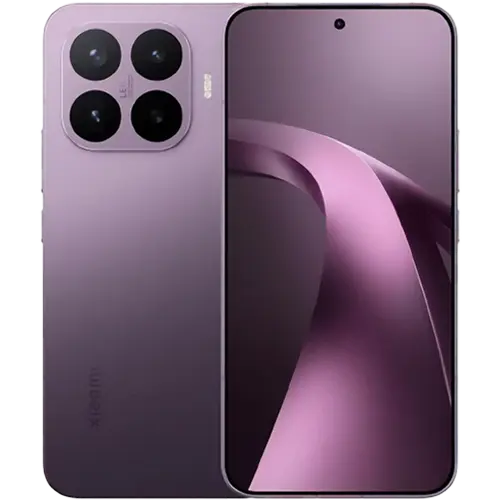
Xiaomi
17T Pro
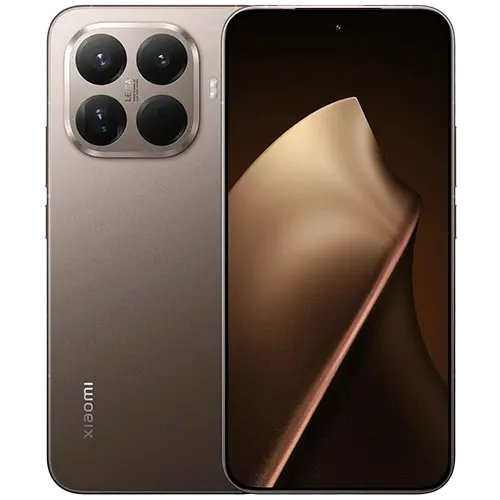
Xiaomi
15T Pro
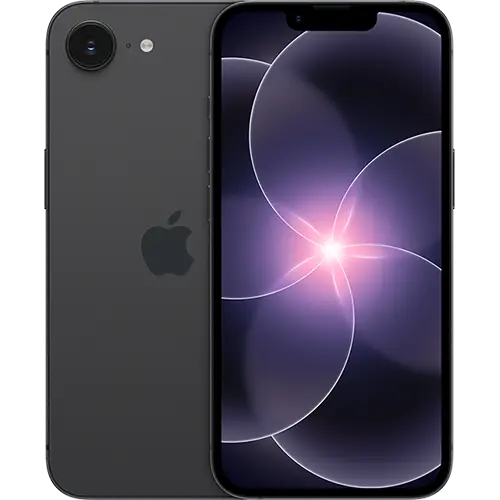
Apple
iPhone 17e
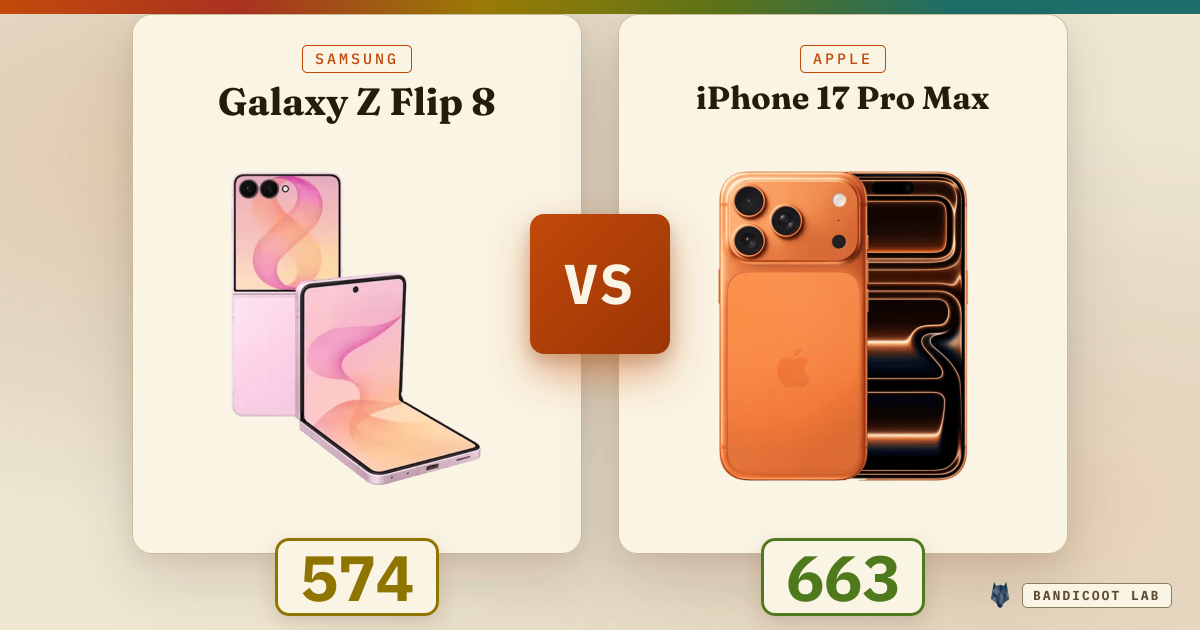
Samsung Galaxy Z Flip 8 vs Apple iPhone 17 Pro Max
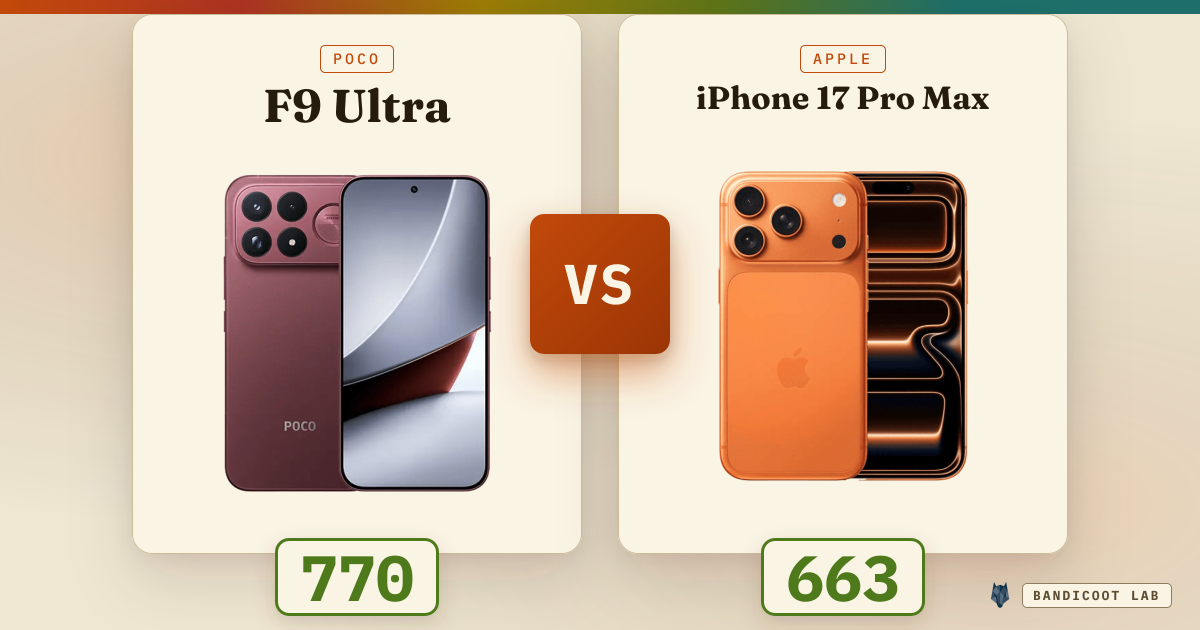
Poco F9 Ultra vs Apple iPhone 17 Pro Max
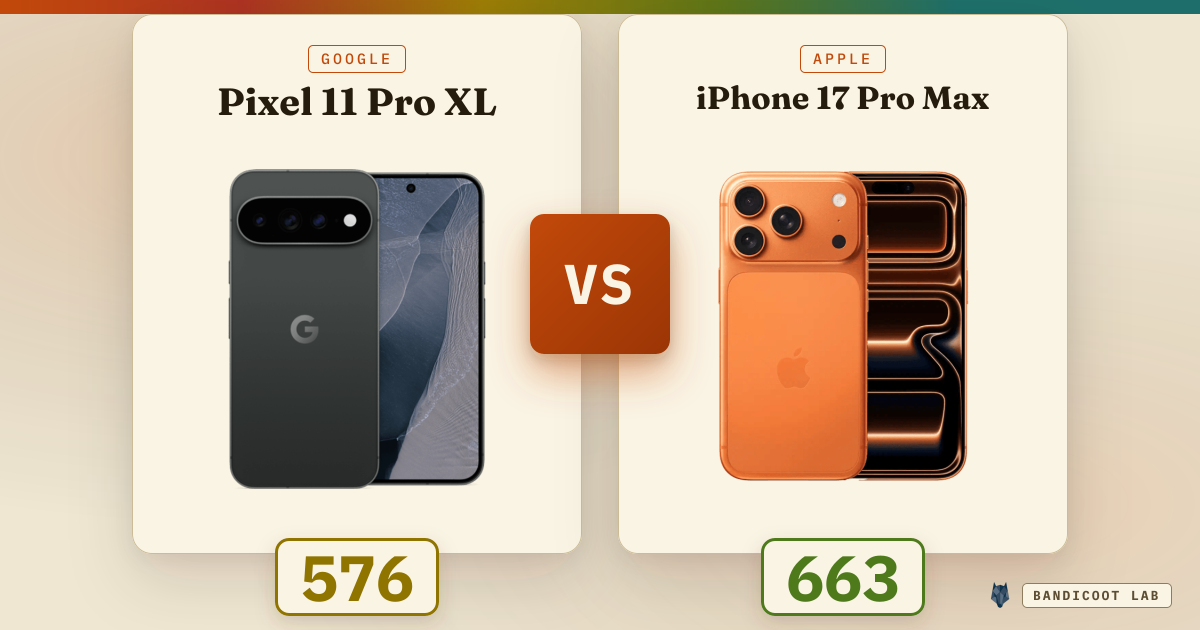
Google Pixel 11 Pro XL vs Apple iPhone 17 Pro Max
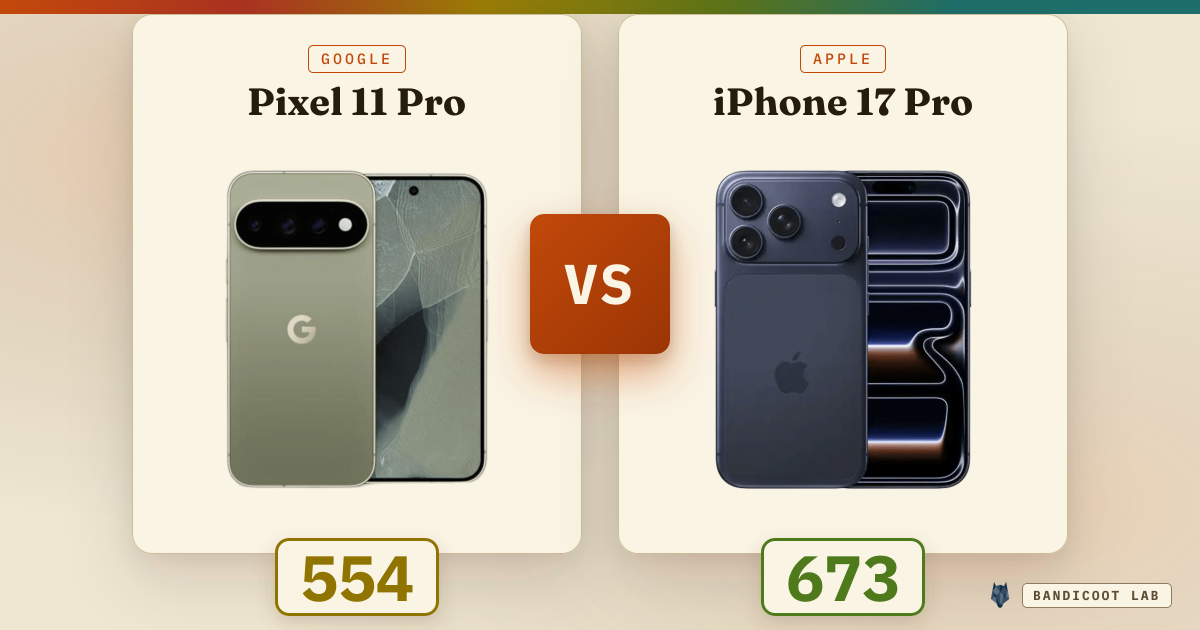
Google Pixel 11 Pro vs Apple iPhone 17 Pro