Apple iPhone 17 Series vs Samsung Galaxy S26 Series
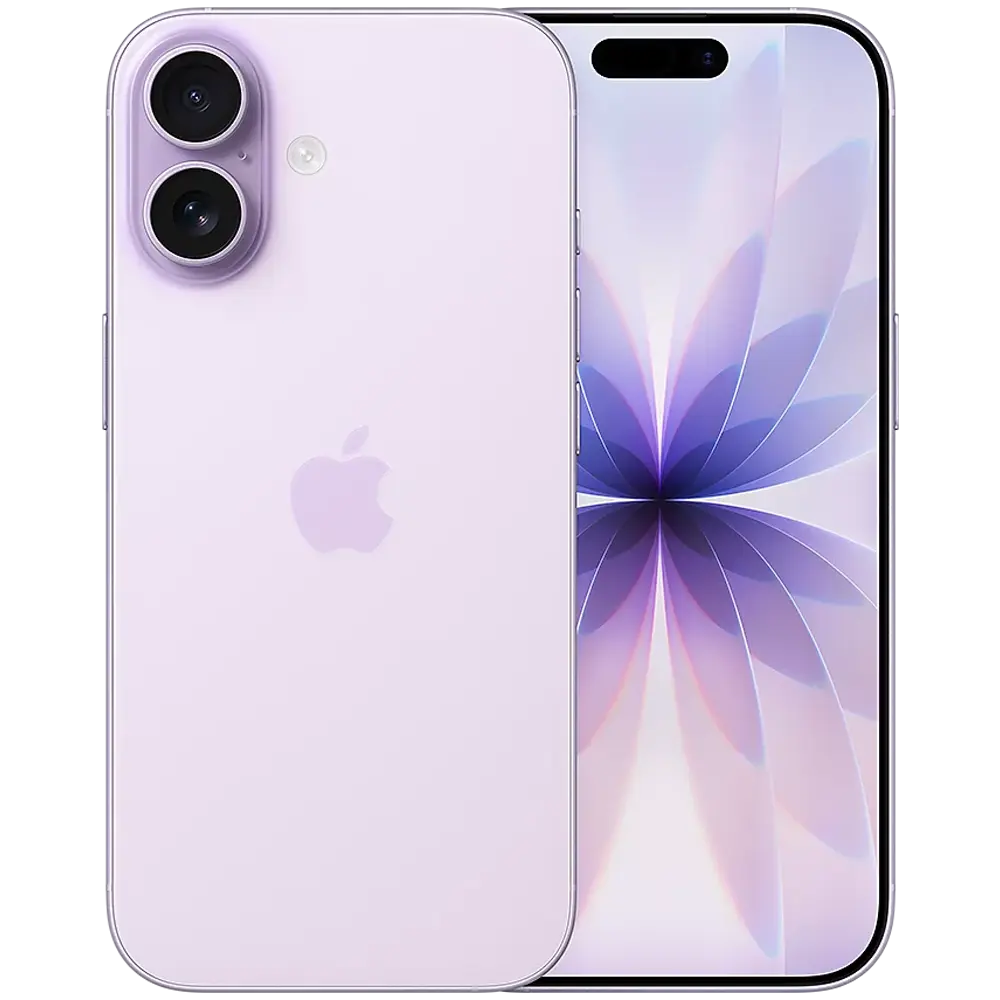
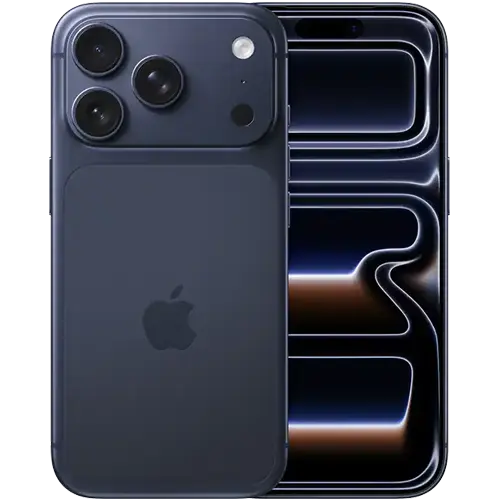
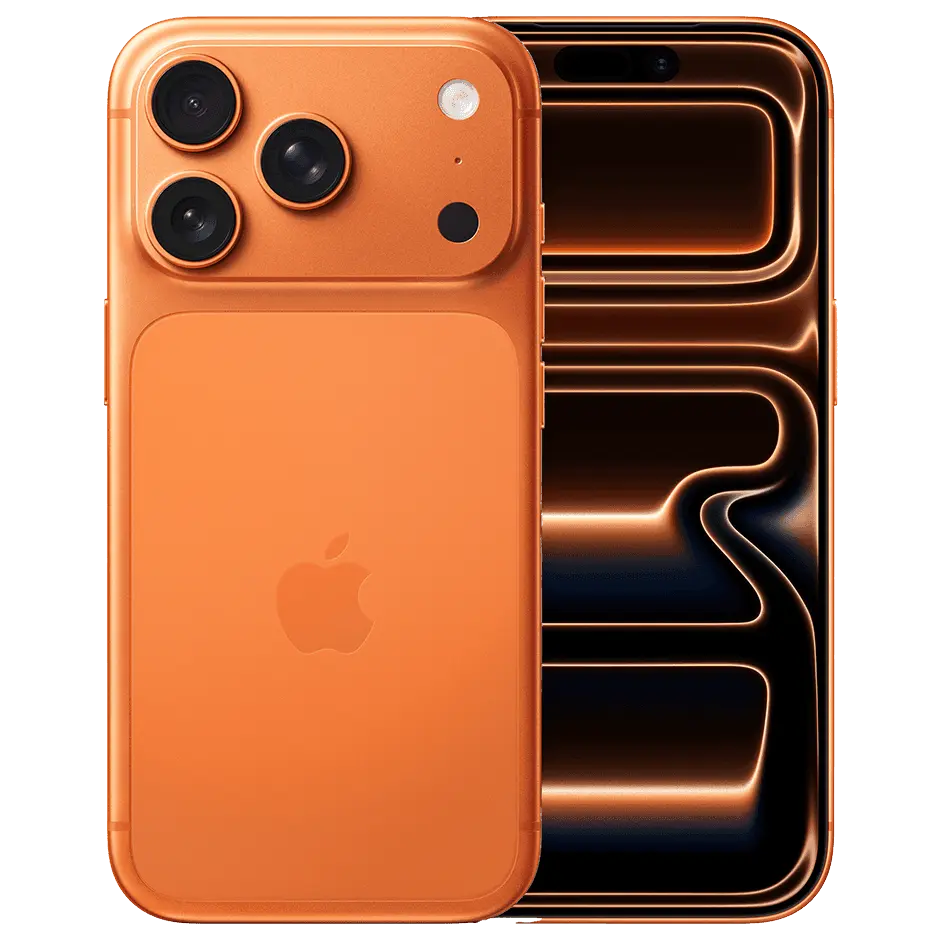
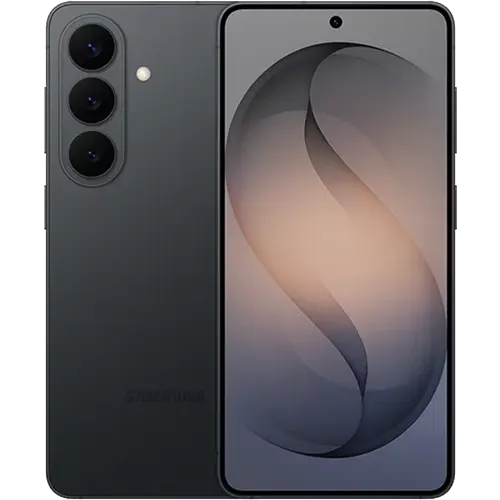

Apple
Apple
Apple
Samsung
Samsung
Samsung
iPhone 17
iPhone 17 Pro
iPhone 17 Pro Max
Galaxy S26
Galaxy S26+
Galaxy S26 Ultra
Ranked #22 of 51
Ranked #3 of 51
Ranked #4 of 51
Ranked #17 of 51
Ranked #9 of 51
Ranked #5 of 51
Overall
Overall
Overall
Overall
Overall
Overall
The iPhone 17 lineup splits into one mainstream model and two Pro models. The iPhone 17 at $799 is the volume seller; the iPhone 17 Pro at $1099 and Pro Max at $1199 add a telephoto lens, more RAM, and faster storage. Samsung's Galaxy S26 range is slightly different — instead of the top-tier variant coming in two models. the base $899.99 Galaxy S26 is available with a bigger screen in the form of the $1099.99 Galaxy S26+, while the $1299.99 sits on its own at the top of the lineup.
As families, the two run close on overall performance but pull apart in specific areas. The iPhone series is stronger on display color accuracy, gaming endurance, and front-camera quality, and it charges faster on the cheaper models. The Galaxy series wins on video battery life across the board, data transfer speeds, and rear-camera color tuning. Both have a standout at the top: the iPhone 17 Pro and Pro Max anchor Apple's camera story, while the S26 Ultra carries Samsung's with a dual-telephoto system.
Here's how the full Apple iPhone 17 series compared with the Samsung Galaxy S26 series in our lab testing.
Design
| Apple iPhone 17 | Apple iPhone 17 Pro | Apple iPhone 17 Pro Max | Samsung Galaxy S26 | Samsung Galaxy S26+ | Samsung Galaxy S26 Ultra | |
|---|---|---|---|---|---|---|
| Specifications | ||||||
| Dimensions | 149.6 x 71.5 x 8 mm | 150 x 71.9 x 8.8 mm | 163.4 x 78 x 8.8 mm | 149.6 x 71.7 x 7.2 mm | 158.4 x 75.8 x 7.3 mm | 163.6 x 78.1 x 7.9 mm |
| Weight | 177g | 206g | 233g | 167g | 190g | 214g |
| IP Rating | IP68 | IP68 | IP68 | IP68 | IP68 | IP68 |
| Frame | Aluminum | Aluminum | Aluminum | Aluminum | Aluminum | Aluminum |
| Front | Ceramic Shield 2 | Ceramic Shield 2 | Ceramic Shield 2 | Gorilla Glass Victus 2 | Gorilla Glass Victus 2 | Gorilla Armor 2 |
| Back | Glass | Ceramic Shield | Ceramic Shield | Gorilla Glass Victus 2 | Gorilla Glass Victus 2 | Gorilla Glass Victus 2 |
| Screen-to-body ratio | 91.1% | 90.3% | 91.7% | 90.8% | 91.8% | 91.5% |
Both series build every model to IP68 dust and water resistance, and all six use a USB-C port. They also all use aluminum for their frame, reversing the use of titanium from each brand's last-generation model.
On size and weight, the base models are close. The iPhone 17 is 177g; the Galaxy S26 is lighter at 167g, both with 6.3-inch displays. Step up a tier and the gap widens. The iPhone 17 Pro stays at 6.3 inches but jumps to 206g, while the larger 6.7-inch S26+ comes in at 190g. The iPhone 17 Pro Max and S26 Ultra both use 6.9-inch panels, but the Pro Max is heavier at 233g against the Ultra's 214g. Across the board the Samsung models are the lighter option at each tier.
Bandicoot Lab doesn't formally test design or durability.
Display
| Apple iPhone 17 | Apple iPhone 17 Pro | Apple iPhone 17 Pro Max | Samsung Galaxy S26 | Samsung Galaxy S26+ | Samsung Galaxy S26 Ultra | |
|---|---|---|---|---|---|---|
582/ 845 | 679/ 845 | 627/ 845 | 512/ 845 | 617/ 845 | 634/ 845 | |
Refresh rate is identical across all six devices — 120Hz LTPO panels that scale down to save power. From there the two families diverge sharply on tuning. Apple prioritizes color accuracy; Samsung prioritizes peak brightness and responsiveness.
Color accuracy is where the iPhone Pro models separate themselves. The iPhone 17 Pro renders colors close enough to reference that errors are invisible to the eye, and the Pro Max isn't far behind. The base iPhone 17 is weaker here, and all three Samsung panels run looser still — colors are visibly shifted from reference in their default mode. If you care about accurate color out of the box, the iPhone Pro models are the clear pick.
Manual brightness tells a different story. The Galaxy S26 Ultra reaches the highest manual brightness of the group, useful in direct sun, while the iPhones top out lower. HDR peak brightness, measured in auto mode on HDR content, runs high on all six and lands around the same level. The bigger difference is in how each handles HDR over time and across content. The Samsung panels hold their brightness almost perfectly steady through a sustained HDR clip; the iPhones drop substantially over the same 30-minute window. Samsung also tracks the HDR reference curve more faithfully, while the iPhones lift highlights well above where they're mastered. Both clip highlights near the top of the input range. For HDR video, the Samsung panels are the more honest renderers.
Touch latency favors Samsung by a noticeable margin. The Galaxy models register touches in roughly 16 to 22ms; the iPhones sit in the low-to-mid 50s. In normal use this is subtle. Resolution is a wash in practice: the iPhones all run 460 pixels per inch, the Samsungs range from 411 on the base S26 to 516 on the S26+, all sharp enough that you won't see pixels.
Performance
| Apple iPhone 17 | Apple iPhone 17 Pro | Apple iPhone 17 Pro Max | Samsung Galaxy S26 | Samsung Galaxy S26+ | Samsung Galaxy S26 Ultra | |
|---|---|---|---|---|---|---|
814/ 1012 | 902/ 1012 | 906/ 1012 | 833/ 1012 | 942/ 1012 | 908/ 1012 | |
The iPhone series splits its silicon: the base iPhone 17 uses the A19, while both Pro models use the A19 Pro. Samsung runs the Snapdragon 8 Elite Gen 5 across all three Galaxy models. Both families land near the top of the performance charts, and the differences between them are mostly academic in daily use.
On CPU, the picture is split. Apple's A19 Pro leads on single-core, with the iPhone 17 Pro posting the highest single-core result of the group. Samsung's chip pulls ahead on multi-core, where every Galaxy model clears the iPhones, useful for heavy multitasking and export-style workloads. Browser performance is close enough across the higher tiers that you won't tell them apart.
GPU is where the two diverge in a way that matters for gaming. Samsung's peak graphics scores are higher, but its sustained scores drop further under load. In the stress tests, the Galaxy models lose roughly half their peak performance as the chip heats up, while the iPhones hold a larger share of theirs. The practical result: Samsung phones start a gaming session faster but throttle harder over a long session; iPhones run cooler and steadier. For short bursts the Galaxy feels quicker; for a sustained 30-minute session the iPhone is more consistent.
Camera
| Apple iPhone 17 | Apple iPhone 17 Pro | Apple iPhone 17 Pro Max | Samsung Galaxy S26 | Samsung Galaxy S26+ | Samsung Galaxy S26 Ultra | |
|---|---|---|---|---|---|---|
393/ 587 | 567/ 587 | 567/ 587 | 497/ 587 | 497/ 587 | 558/ 587 | |
Within each series, the main sensor is shared across most tiers. Both base Samsung models use the same camera hardware, with the S26 Ultra stepping up to a sharper main sensor and a second telephoto lens. On the iPhone side, the base 17 has only main and ultrawide cameras; the two Pro models add a telephoto and share an identical camera system with each other. The Ultra is the only phone here with two dedicated telephoto lenses.
Where this lands as scored camera quality is close at the family level, with Samsung's average edging ahead slightly. The iPhone 17 Pro and Pro Max post the strongest individual camera scores of the group, but the base iPhone 17 — without a telephoto — drags Apple's family average down. The S26 Ultra is Samsung's high point and the better all-around camera phone for reach.
At extreme zoom, past 10x, both families fall off, but the S26 Ultra holds detail meaningfully better than anything else here thanks to its long telephoto. It zooms to 100x, and while the far end is soft, usable detail extends further than on any iPhone. The iPhone Pro models hold deep zoom better than the base 17, which is essentially unusable past its lens range.
Main
| Apple iPhone 17 (Main) | Apple iPhone 17 Pro (Main) | Apple iPhone 17 Pro Max (Main) | Samsung Galaxy S26 (Main) | Samsung Galaxy S26+ (Main) | Samsung Galaxy S26 Ultra (Main) | |
|---|---|---|---|---|---|---|
463/ 722 | 579/ 722 | 579/ 722 | 594/ 722 | 594/ 722 | 711/ 722 | |
The iPhone Pro main camera is sharper in bright light than any Samsung main, and it holds that sharpness almost unchanged from bright into dark — a strong, consistent result across the zoom range up to its telephoto. The base iPhone 17 is much softer by comparison and loses detail in low light. Samsung's standard and Plus main camera is moderately sharp and steady through mid light, softening in the dark; the S26 Ultra's main camera is sharp and holds well, close to the iPhone Pro's level.
Across the 1x-to-telephoto range, the iPhone Pro models keep detail steadier as you push in than the base iPhone does. Samsung's main cameras hold shadow and highlight detail slightly better than the iPhones, while still clipping bright highlights. Color is the dividing line: Apple warmer and more saturated, Samsung more neutral and more accurate on skin.
Ultrawide
| Apple iPhone 17 (Ultrawide) | Apple iPhone 17 Pro (Ultrawide) | Apple iPhone 17 Pro Max (Ultrawide) | Samsung Galaxy S26 (Ultrawide) | Samsung Galaxy S26+ (Ultrawide) | Samsung Galaxy S26 Ultra (Ultrawide) | |
|---|---|---|---|---|---|---|
452/ 722 | 505/ 722 | 505/ 722 | 604/ 722 | 604/ 722 | 542/ 722 | |
Every model here has an ultrawide camera. Samsung's is the sharpest of the group, the base and Plus models in particular resolving fine detail well even in low light. The iPhone Pro ultrawide is sharp in good light but falls off more in the dark; the base iPhone 17's ultrawide drops off hardest of all as light fades. The S26 Ultra's ultrawide is a step below the cheaper Samsungs on sharpness but stays consistent across lighting.
Color follows the same family pattern as the main cameras — Samsung neutral and accurate, Apple warmer. Samsung's ultrawides hold a slight edge in shadow detail.
Telephoto
| Apple iPhone 17 Pro (Telephoto) | Apple iPhone 17 Pro Max (Telephoto) | Samsung Galaxy S26 (Telephoto) | Samsung Galaxy S26+ (Telephoto) | Samsung Galaxy S26 Ultra (Telephoto Short) | Samsung Galaxy S26 Ultra (Telephoto Long) | |
|---|---|---|---|---|---|---|
628/ 722 | 628/ 722 | 568/ 722 | 568/ 722 | 589/ 722 | 676/ 722 | |
The base iPhone 17 and base Galaxy S26 split here: the S26 has a telephoto, the iPhone 17 does not. The iPhone 17 Pro and Pro Max share a single telephoto. The S26 Ultra carries two — a shorter telephoto for moderate zoom and a longer one for distance.
The iPhone Pro telephoto is sharp in bright light and softens gradually as you zoom past its native length and as light drops. Its standout is stabilization: it's the steadiest telephoto here, which helps handheld shots at distance. Samsung's single telephoto on the base and Plus models is decent in good light and softer in the dark. The S26 Ultra's long telephoto is the sharpest tele lens of the group in good light and the reason it leads on reach, though detail falls off in dim conditions. Its shorter tele is the weaker of its two. Telephoto color again leans neutral and accurate on Samsung, with the Ultra's long lens skin tones drifting in the dark.
Front
| Apple iPhone 17 (Front) | Apple iPhone 17 Pro (Front) | Apple iPhone 17 Pro Max (Front) | Samsung Galaxy S26 (Front) | Samsung Galaxy S26+ (Front) | Samsung Galaxy S26 Ultra (Front) | |
|---|---|---|---|---|---|---|
362/ 722 | 703/ 722 | 703/ 722 | 398/ 722 | 398/ 722 | 415/ 722 | |
The iPhone 17 Pro front camera is the best of the group — sharp across all lighting, strong dynamic range, and well stabilized for video and selfies. The base iPhone 17's front camera is solid but a step down. Samsung's front cameras are softer across the board, especially in low light, and their dynamic range is weaker, so backlit selfies clip more. Samsung's front camera is more accurate on skin tone than Apple's, which runs warm. For front-camera quality overall, the iPhone Pro models lead clearly.
Battery
| Apple iPhone 17 | Apple iPhone 17 Pro | Apple iPhone 17 Pro Max | Samsung Galaxy S26 | Samsung Galaxy S26+ | Samsung Galaxy S26 Ultra | |
|---|---|---|---|---|---|---|
555/ 799 | 670/ 799 | 617/ 799 | 579/ 799 | 592/ 799 | 539/ 799 | |
Capacities don't tell the whole story, since the two platforms manage power differently. The iPhones range from 3,692mAh in the base 17 to 5,088mAh in the Pro Max. The Galaxy models run from 4,300mAh to 5,000mAh. Samsung is the more efficient family on video, the iPhones competitive in mixed use.
Video playback is Samsung's clearest win. Every Galaxy model runs past 30 hours of looped video, with the Ultra near 31.5; the iPhones land in the 22-to-24-hour range. If you watch a lot of downloaded video on flights or commutes, that's a real gap. Web browsing flips the other way — the iPhone 17 Pro drained the least in the 5-hour test, holding up better than any Galaxy model under steady browsing.
Gaming drain is close across most models, with the iPhone Pro models among the most efficient under sustained load. Standby is excellent on five of six phones, losing about 2% over an 8-hour overnight idle. The S26 Ultra is the outlier here, dropping noticeably more overnight than the rest. For all-day mixed use the families come out close; for long video sessions Samsung pulls ahead, and for web-heavy days the iPhone Pro models do.
Charging
| Apple iPhone 17 | Apple iPhone 17 Pro | Apple iPhone 17 Pro Max | Samsung Galaxy S26 | Samsung Galaxy S26+ | Samsung Galaxy S26 Ultra | |
|---|---|---|---|---|---|---|
332/ 837 | 376/ 837 | 420/ 837 | 263/ 837 | 314/ 837 | 486/ 837 | |
Apple standardizes charging across its three models: 40W wired and 25W wireless over its magnetic MagSafe standard. Samsung varies it by tier — 25W wired and 15W wireless on the base S26, 45W and 20W on the S26+, and 60W wired with 25W wireless on the S26 Ultra. Samsung's wireless is Qi2-based; only the Ultra matches Apple's 25W wireless figure.
In testing, the picture is mixed rather than one-sided. The S26 Ultra charges fastest of the group, reaching 34% in 10 minutes and 79% in 30 thanks to its 60W input. The base Galaxy S26 is the slowest, held back by its 25W cap, hitting only 58% at 30 minutes. The iPhones cluster in between: all three reach the low 70s at 30 minutes, with the base iPhone 17 and Pro both quicker to a useful charge than the base S26. Wireless favors Apple's cheaper models, where its 25W magnetic charging beats Samsung's slower pads on the S26 and S26+. If charging speed is a priority, the S26 Ultra is the standout and the base S26 the laggard.
Speaker
| Apple iPhone 17 | Apple iPhone 17 Pro | Apple iPhone 17 Pro Max | Samsung Galaxy S26 | Samsung Galaxy S26+ | Samsung Galaxy S26 Ultra | |
|---|---|---|---|---|---|---|
762/ 857 | 823/ 857 | 816/ 857 | 817/ 857 | 819/ 857 | 857/ 857 | |
Both families have strong speaker systems, and the scores are close at the top. Maximum loudness is similar across the group — all six land in the low-to-mid 70s dBA, with the S26 Ultra and the iPhone Pro slightly ahead.
Character differs. The Samsung speakers are the cleaner of the two families, with very low distortion and a flat, even frequency response — the S26 Ultra leads the group on speaker quality overall. The iPhones lean toward clarity and a fuller low end, with the iPhone 17 Pro Max the strongest Apple performer, but they run higher distortion at volume than the Samsungs, particularly the base iPhone 17. For clean, undistorted output the Galaxy models are the better bet; for bass-forward fullness the larger iPhones hold their own.
Microphone
| Apple iPhone 17 | Apple iPhone 17 Pro | Apple iPhone 17 Pro Max | Samsung Galaxy S26 | Samsung Galaxy S26+ | Samsung Galaxy S26 Ultra | |
|---|---|---|---|---|---|---|
664/ 949 | 578/ 949 | 885/ 949 | 739/ 949 | 746/ 949 | 566/ 949 |
Microphone quality is above average across most of the group. The iPhone 17 Pro Max records the most even, balanced audio of the six. The base iPhone 17 and both lower Galaxy models are also solid, sitting comfortably above average. The iPhone 17 Pro and the S26 Ultra are the weaker performers here, still acceptable but less even than the rest. For voice recording and video, most of these phones will do well; the Pro Max is the pick if mic quality matters most.
Other
| Apple iPhone 17 | Apple iPhone 17 Pro | Apple iPhone 17 Pro Max | Samsung Galaxy S26 | Samsung Galaxy S26+ | Samsung Galaxy S26 Ultra | |
|---|---|---|---|---|---|---|
| Biometrics | 207/ 1036 | 172/ 1036 | 215/ 1036 | 464/ 1036 | 266/ 1036 | 764/ 1036 |
| Data Transfer | 103/ 877 | 572/ 877 | 582/ 877 | 736/ 877 | 623/ 877 | 737/ 877 |
| Specifications | ||||||
| Biometric type | Face Recognition | Face Recognition | Face Recognition | Fingerprint | Fingerprint | Fingerprint |
| Ports | USB-C 2.0 | USB-C 3.2 Gen 2 | USB-C 3.2 Gen 2 | USB-C 3.2 | USB-C 3.2 | USB-C 3.2 |
| Storage | 256GB, 512GB | 256GB, 512GB, 1TB | 256GB, 512GB, 1TB, 2TB | 256GB, 512GB | 256GB, 512GB | 256GB, 512GB, 1TB |
Biometrics is a structural difference. Every Galaxy model has an in-display fingerprint reader; none of the iPhones do, relying entirely on face unlock. The iPhones also have no hardware-based face unlock. Apple's face unlock is fast, landing around half a second across the three models. Samsung's fingerprint speed varies by sensor: the S26 Ultra's ultrasonic reader is the quickest here at 138ms, the base S26's ultrasonic reader also fast, and the S26+'s optical reader the slowest of the three. If you prefer unlocking by touch, only the Galaxy models offer it.
Data transfer splits hard on the base iPhone. The iPhone 17 uses USB-C 2.0, and its read and write speeds are very slow — moving large files off it over cable is painful. The two iPhone Pro models step up to USB-C 3.2 Gen 2 with much faster transfers. All three Galaxy models use USB-C 3.2 and post fast, consistent transfer speeds across the lineup. All six phones come with 12GB of RAM except the base iPhone 17, which has 8GB.
Conclusion
The two families finish within a couple of points of each other on average overall score, with the Galaxy S26 series slightly ahead. That margin is small enough to call near-even, and it hides a clear pattern: the result is decided less by the top models than by the bottom ones. Apple's two Pro models are exceptional and outscore their Samsung counterparts, but the base iPhone 17 is the weakest phone of the six — held back by a no-telephoto camera, slow USB-C 2.0 transfers, and looser display color. Samsung's lineup is more consistent from bottom to top, and that consistency carries the family average.
Pick the Galaxy series if you want the strongest single phone for camera reach and all-around capability — the S26 Ultra, with its dual telephoto, longest zoom, fast charging, and fingerprint unlock — or if you want the most balanced cheaper model in the base S26. Go iPhone if you're shopping the Pro tier specifically: the iPhone 17 Pro and Pro Max have the better front camera, more accurate display color, steadier sustained gaming performance, and the more even microphone, and they're the phones to buy if accurate color and video calls matter more than telephoto reach. The base iPhone 17 is the one model here that's hard to recommend over its rival; at that tier the Galaxy S26 is the better-rounded phone.
FAQ
Does the iPhone 17 Pro or Galaxy S26 Ultra take better photos at a distance?
The S26 Ultra is the stronger choice for telephoto reach. It carries two dedicated telephoto lenses, including a long lens that resolves detail well past what the iPhone 17 Pro's single telephoto can manage, and it's the only phone here that zooms to 100x. The iPhone Pro telephoto is sharper in bright light and the steadiest handheld of the group, but it can't match the Ultra's reach. If distant subjects matter, the Ultra has a clear structural advantage.
Which is better for long gaming sessions — the Galaxy S26 or iPhone 17?
The iPhones hold up better over a sustained session. Galaxy models post higher peak GPU scores but lose roughly half that performance as the chip heats up, while the iPhones throttle less and run more consistently through a 30-minute session. If you play in short bursts, the Galaxy feels quicker at the start; for longer sessions, the iPhone Pro models deliver steadier frame rates.
Is the base iPhone 17 worth buying over the Galaxy S26?
At the base tier, the Galaxy S26 is the more balanced phone. The iPhone 17 has no telephoto camera, USB-C 2.0 transfer speeds that make moving large files over cable very slow, and looser display color than the Pro models. The S26 includes a telephoto lens, fast USB-C 3.2 transfers, and an in-display fingerprint reader. The iPhone 17's front camera and display color accuracy are stronger, but those advantages don't fully close the gap for most buyers.
Do the iPhone 17 Pro models or Galaxy S26 phones charge faster?
It depends on the tier. The S26 Ultra charges fastest of the group at 60W wired, hitting 79% in 30 minutes. The base Galaxy S26 is the slowest of all six phones at 25W. The three iPhone models all cluster in between, reaching the low 70s at 30 minutes — quicker than the base S26 but slower than the Ultra. For wireless charging, Apple's 25W MagSafe is faster than Samsung's pads on the S26 and S26+; only the Ultra matches it at 25W wireless.
Which phones are better for watching video — the iPhone 17 series or Galaxy S26 series?
The Galaxy S26 series lasts significantly longer on video playback, with every model running past 30 hours in testing against 22 to 24 hours for the iPhones. Samsung's displays also track HDR brightness more faithfully and hold brightness steadier through long clips, while the iPhones lift highlights above their mastered level and dim more over time. For long video sessions, the Galaxy family is the stronger choice on both battery and display accuracy.
If I'm upgrading from an older iPhone and care about selfies, should I stick with iPhone or switch to a Galaxy?
Stay with iPhone if front-camera quality is the priority. The iPhone 17 Pro and Pro Max are the sharpest front cameras of the group across all lighting, with strong dynamic range and stable video. Samsung's front cameras are softer, particularly in low light, and clip more in backlit shots. Samsung's front camera does render skin tones more accurately, so if natural skin color matters more than sharpness and detail, the Galaxy models are worth considering.
Related
Apple
iPhone 17 Pro
Apple
iPhone 17 Pro Max
Apple
iPhone 17
Samsung
Galaxy S26 Ultra
Samsung
Galaxy S26
Samsung
Galaxy S26+
Apple
iPhone 17e
Apple
iPhone Air
Xiaomi 17T Pro vs Apple iPhone 17 Pro

Samsung Galaxy S26 Series vs Galaxy S25 Series
iPhone 17 vs iPhone 17 Pro vs iPhone 17 Pro Max vs iPhone Air
iPhone 17 Series vs Xiaomi 17 Series