Samsung Galaxy Z Flip 8
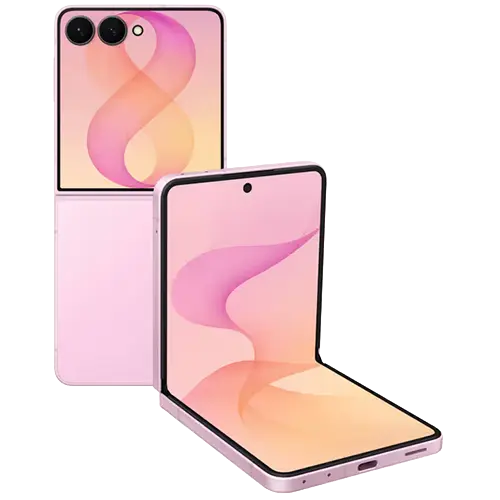
Samsung
Galaxy Z Flip 8
Ranked #26 of 61 devices tested
Score Overview
The Galaxy Z Flip 8 is Samsung's clamshell foldable, priced at $1,200 — representing a price bump over the Galaxy Z Flip 7 from 2025. It targets buyers who want a phone that folds in half for pocketing and opens into a full-sized screen for everything else, with a cover display for quick interactions without unfolding. The value proposition is the form factor itself.
Processing power is the Flip 8's clearest strength, paired with fast data transfer and solid battery life for a foldable. The inner display gets genuinely bright for HDR content. The weak points are specific: charging is slow, the camera system is average with no telephoto lens, and GPU performance drops under sustained load.
Design
Specifications
Unfolded dimensions, the Galaxy Z Flip 8 measures 166.9 x 75.4 x 6.1mm. Folded, it sits in at 85.7 x 75.4 x 13.1mm. The frame is aluminum, the back and outer cover are Gorilla Glass Victus 2, and the inner display uses a plastic cover.
Folded, it's genuinely compact. It'll fit in pockets that would strain with a standard slab phone. At 180g, it's lighter than most phones with a 6.9-inch screen, though the 13.1mm folded thickness is roughly double a conventional flagship. The aluminum frame keeps weight manageable without the cost premium of titanium.
The IP48 rating needs explanation. The "8" means water submersion protection. The "4" means limited dust protection: solid particles larger than 1mm are kept out, but fine dust isn't fully sealed.
The inner display's 87.1% screen-to-body ratio means moderately thin bezels, typical for foldables. The 21:9 aspect ratio makes for a tall, narrow screen when unfolded. The plastic inner cover is necessary for the fold and the reason foldable inner screens feel different under your finger than glass.
Bandicoot Lab doesn't formally test design or durability.
Display
Inner
The Z Flip 8 has a 6.9-inch Dynamic LTPO AMOLED 2X inner screen, with a 1080 x 2520 resolution at 397 pixels per inch, 21:9 aspect ratio, and adaptive refresh rate from 1Hz to 120Hz.
Peak HDR brightness reaches 2,828 nits, strong enough for vivid HDR playback and outdoor visibility in auto-brightness mode. As the bright area grows larger on screen, brightness drops, with 54.1% stability across window sizes. Over a 30-minute sustained test, the display barely dims, holding 98.7% of its output. Manual brightness tops out at 739 nits, while the minimum of 0.82 nits is low enough for comfortable late-night use.
HDR tone mapping lifts highlights above reference mastering levels, making HDR content look punchier than intended. The display begins clipping at 75% of the input range, so the brightest HDR highlights lose detail instead of rendering smoothly. If faithful HDR reproduction matters to you, this is a compromise.
Color accuracy is middling. In its best mode, the display achieves an average color error of 2.51 ΔE, which puts most individual hues close enough to reference that you won't spot problems. Peak deviations push certain colors into visibly inaccurate territory. sRGB coverage is essentially complete at 99.8%, while DCI-P3 coverage reaches only 76.3%. For a $1,200 phone, that P3 figure is limited. Wide-color content won't display with its full intended vibrancy.
Touch latency averages 28ms. It isn't the fastest panel, but the practical difference from a phone a few milliseconds quicker is unlikely to register in everyday scrolling or typing.
Outer
The outer display is a 4.1-inch Super AMOLED screen, with a 948 x 1048 resolution at 342 PPI. Refresh rate ranges from 60Hz to 120Hz.
Brightness is lower than the inner panel. Resolution is noticeably coarser at 342 PPI. That's fine for notifications and quick replies, less comfortable for extended reading or small text. Color accuracy is nearly identical to the inner display. The 60Hz minimum refresh rate means the outer screen doesn't step down as aggressively for power savings; the inner display drops to 1Hz when static content allows it.
Performance
The Galaxy Z Flip 8 offers a Qualcomm Snapdragon 8 Elite Gen 5 processor with 12GB of RAM.
CPU performance is excellent. GeekBench 6 scored 3,644 single-core and 10,900 multi-core. App launches, multitasking, and general responsiveness feel instant. The Speedometer browser benchmark hit 54.5, so complex web apps and heavy pages load quickly.
GPU performance is more complicated. Peak graphics scores are solid, but sustained performance drops sharply under load. Wild Life Extreme stability sits at 37.8%, and Solar Bay stability at 42.2%. Games and graphically intensive apps start smooth but throttle significantly after a few minutes. The thin foldable body limits how much heat the phone can dissipate. If you game for extended sessions, you'll feel the frame rates drop. This is the most tangible performance compromise of the flip form factor.
Camera
The camera system lands at average for its price. Both rear lenses produce decent images in good light, but without a telephoto, anything past 2x is a digital crop from the main sensor. Quality degrades steadily with zoom. By 10x, the output is soft enough to be useful only as a reference. Deep zoom performance is the weakest aspect of the entire camera system.
Main
The 50-megapixel main sensor resolves good detail in bright and mid lighting, with only moderate softening in dim conditions. At its native 1x focal length, sharpness is solid. As you crop past 2x, detail starts to soften. By 5x, fine textures lose clarity, and by the 10x maximum, output is best treated as reference shots.
Colors are vivid in bright light, with boosted saturation that makes scenes pop. Indoor lighting brings colors closer to neutral. In dim conditions, saturation drops below realistic levels and images look washed. Skin tones are most problematic in bright daylight, where the combination of saturation boost and a cool color cast makes faces look off. Indoors, skin rendering is much more accurate.
Dynamic range is decent. Shadows hold reasonable depth in high-contrast scenes, but highlights clip in bright conditions. Blown skies and washed-out light sources are likely when shooting in harsh light.
Video stabilization on the main camera is weak. Handheld footage shows more movement than expected at this price.
Ultrawide
Sharpness on the ultrawide camera is surprisingly strong. In bright and moderate light, the ultrawide resolves more detail than the main camera, which is an unusual result. In dark conditions, sharpness drops as the smaller sensor reaches its limits.
Colors are consistently vivid, with saturation pushed above neutral across all lighting conditions. This makes landscapes and architectural shots look lively. Skin tones suffer. Faces captured with the ultrawide are inaccurate across all conditions, making it a poor choice for portraits or group shots. If you use the cover screen to shoot selfies with the rear cameras, the ultrawide's skin rendering is something to be aware of.
Dynamic range is more limited than the main camera. Highlights clip in high-contrast scenes, and shadow recovery is shallower. Stabilization is better than the main lens.
Front
Sharpness is adequate in good light but drops noticeably in dim environments. Video calls in low light will look visibly softer. Color handling is the most neutral in the system, with saturation staying close to realistic in bright and moderate conditions. Skin tones are more accurate than either rear camera, though they drift toward warmer tones in dim, warm lighting.
Dynamic range is limited by the small sensor. High-contrast selfie situations, like standing in front of a bright window, tend to clip highlights or leave the subject underexposed. Stabilization is the best of the three lenses, which helps for handheld video calls and vlogging.
Battery
The Galaxy Z Flip 8 has a 4,300mAh battery. Video playback on the inner display lasted 27.56 hours; the outer display managed 24.87 hours. That inner figure translates to comfortable all-day battery life in typical mixed use, with margin to spare. The web browsing drain test consumed 21% over five hours, which works out to roughly a full day of continuous browsing. Gaming drain during the stress test was 18%, an efficient result helped partly by the aggressive thermal throttling that pulls back power draw. Overnight standby drained just 3% over eight hours, so the phone loses almost nothing while idle.
Battery life is slightly above average and reasonable for a foldable at this size. You'll get through a full day without worry under normal use. Heavy gaming or extended camera use will shorten that, but the phone won't leave you scrambling for a charger by dinner.
Charging
Wired charging on the Z Flip 8 reaches 25W, while wireless charging sits in at 15W.
On the wire, the phone reaches 20% in 10 minutes and 57% in 30 minutes. Those figures are slow for a phone at this price. A half-hour on the charger gets you just over half a battery, where many flagships in this tier reach 70% or more in the same window. Wireless charging is even slower: 8% at 10 minutes, 20% at 30 minutes.
Charging is the Flip 8's weakest category by a wide margin. If you rely on quick top-ups before heading out, plan for longer stops at the charger.
Speaker
Maximum volume reaches 75.4 dBA, loud enough for speakerphone calls and casual media without maxing out the slider. Average distortion sits at 4.15% THD. The speaker stays clean at higher volumes.
The sound profile leans toward the upper registers. Dialogue and vocals come through with good clarity, and high-frequency extension is strong. Bass is weak, as expected from a thin foldable. Music and movies lack low-end depth. If you want rumble in action sequences, you'll need headphones.
For its form factor, the speaker is loud and clean. Those two qualities matter more in daily use than deep bass from a phone this thin.
Microphone
The microphone performs above average. Voice recordings are clear, and frequency response is reasonably balanced. It handles calls and voice notes well.
Other
Measurements
Specifications
The side-mounted capacitive fingerprint sensor averages 240ms to unlock. That's slow by flagship standards. There is no hardware-based face unlock, making the fingerprint reader the only biometric option.
Data transfer over USB-C 3.2 is fast: read speeds reach 351 MB/s and write speeds hit 329 MB/s. Moving files to a computer or external drive is quick.
Storage is available in 256GB and 512GB configurations.
Conclusion
The Galaxy Z Flip 8 delivers strong processing power and solid battery life inside a genuinely compact foldable body. The inner display gets bright, data transfer is fast, and everyday performance is snappy. The phone is pleasant to use day to day, and the compact folded footprint remains the core appeal.
Charging is slow for the price. The camera system is average, missing a telephoto lens and struggling with skin tones. GPU performance throttles under sustained load, and fingerprint unlock feels sluggish. At $1,200, these are the costs of the folding form factor. Buyers shopping at this price for the strongest cameras, fastest charging, or most sustained gaming performance will find better options in conventional slab phones. The Flip 8 is for people who've decided the fold is worth it.
FAQ
How long does the Galaxy Z Flip 8 battery last?
The Galaxy Z Flip 8 ran 27.56 hours of looping video on the inner display and 24.87 hours on the outer display. In practice that covers a full day of mixed use with room to spare. Overnight standby drained only 3% over eight hours, though heavy gaming or long camera sessions will cut into the margin.
How fast does the Galaxy Z Flip 8 charge?
Wired charging tops out at 25W and reaches 20% in 10 minutes and 57% in 30 minutes. Wireless charging at 15W is slower, with 8% at 10 minutes and 20% at 30 minutes. Many flagships at this price add 70% or more in half an hour, so charging is the Flip 8's weakest area.
Is the Galaxy Z Flip 8 good for gaming?
It starts strong, since the Snapdragon 8 Elite Gen 5 posts solid peak graphics results. Under sustained load the thin foldable body can't shed heat, and stability scores of 37.8% in Wild Life Extreme and 42.2% in Solar Bay mean frame rates drop noticeably after a few minutes. Short sessions run smoothly, while long ones will throttle.
Is the Galaxy Z Flip 8 camera good enough for everyday photos?
In good light the 50MP main camera and 12MP ultrawide produce decent photos, with vivid color and solid detail at 1x. There's no telephoto lens, so anything beyond 2x is a digital crop that softens steadily, and 10x shots are only useful as reference. Skin tones can look off in bright daylight and with the ultrawide, and main-camera video stabilization is weak.
Is the Galaxy Z Flip 8 water and dust resistant?
It carries an IP48 rating. The 8 covers water submersion, so rain and accidental splashes are fine. The 4 means solids larger than 1mm are kept out but fine dust isn't fully sealed, so sand and dusty environments are a bigger risk for the hinge.
What is the Galaxy Z Flip 8 cover screen useful for?
The 4.1-inch outer display has a nearly square 8.1:9 shape that suits widgets, notifications, and quick replies. It refreshes at 60Hz to 120Hz and has a coarser 342 PPI resolution than the inner screen, so it's less comfortable for long reading or small text. Touch response is faster than on the inner panel.
How secure and fast is unlocking on the Galaxy Z Flip 8?
The side-mounted fingerprint sensor is the only biometric option, because there's no face unlock. It averages 240ms to unlock, which is slow by flagship standards. It works reliably but feels less snappy than the rest of the phone.
Related
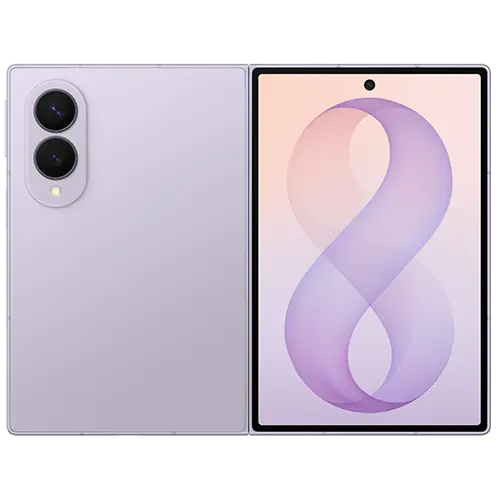
Samsung
Galaxy Z Fold 8
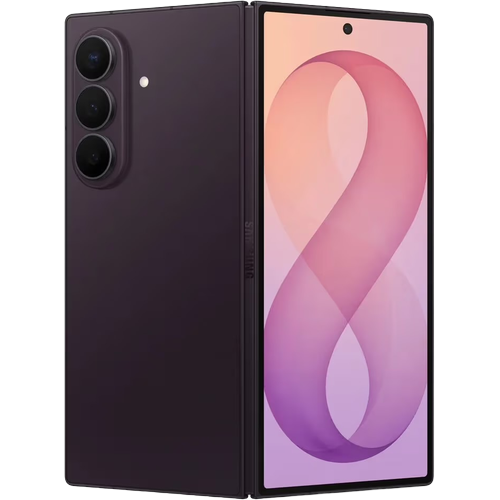
Samsung
Galaxy Z Fold 8 Ultra

Samsung
Galaxy S26 Ultra
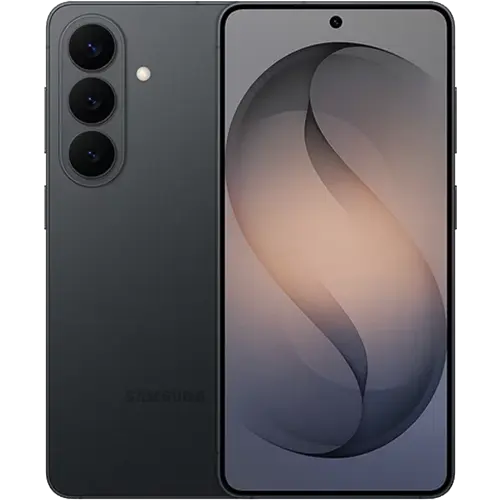
Samsung
Galaxy S26
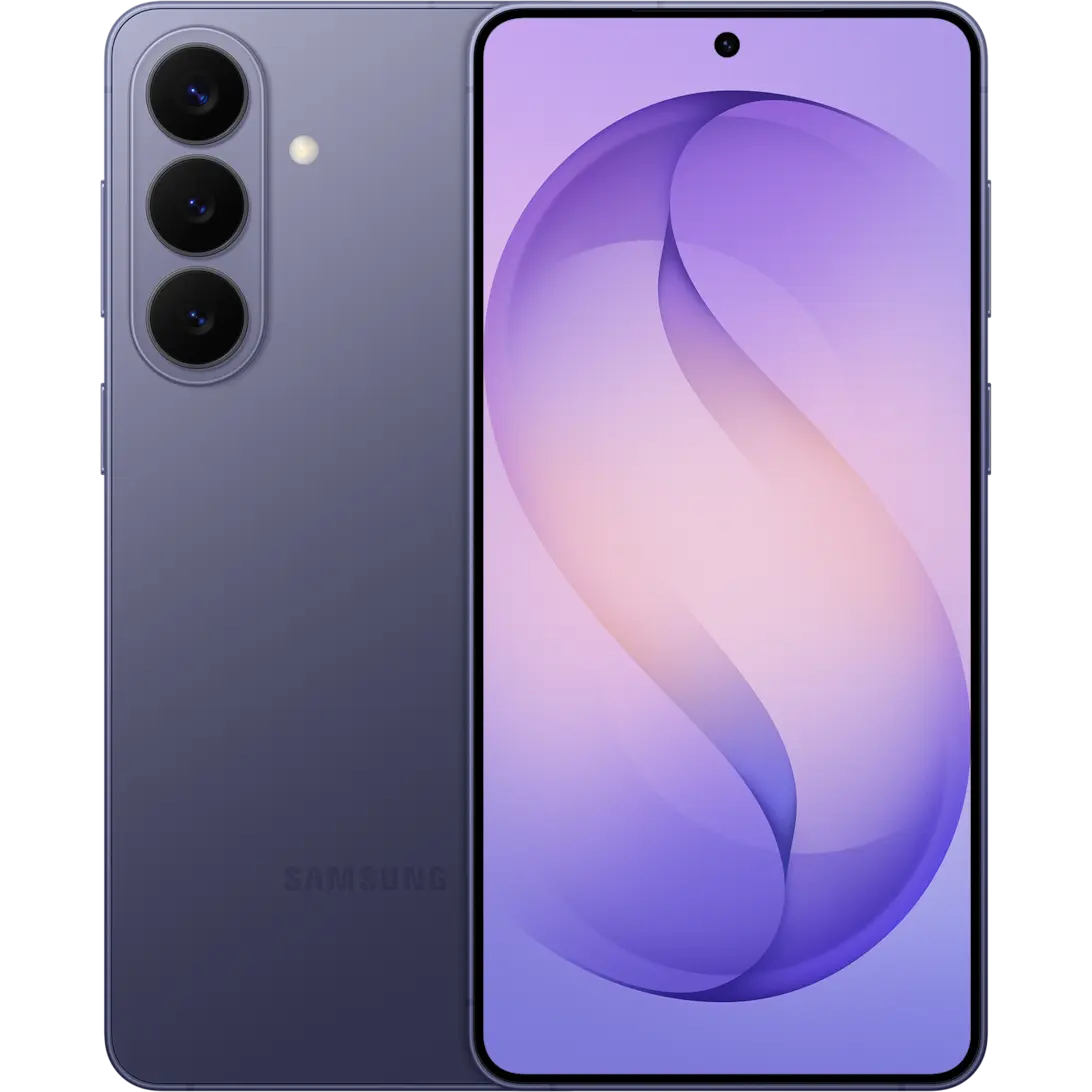
Samsung
Galaxy S26+
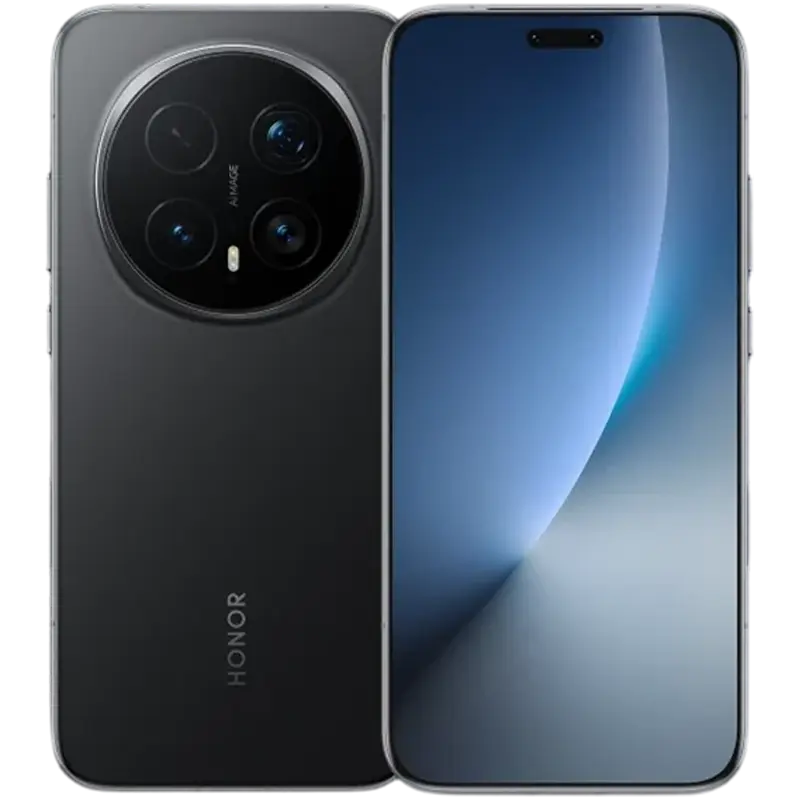
Honor
Magic8 Pro
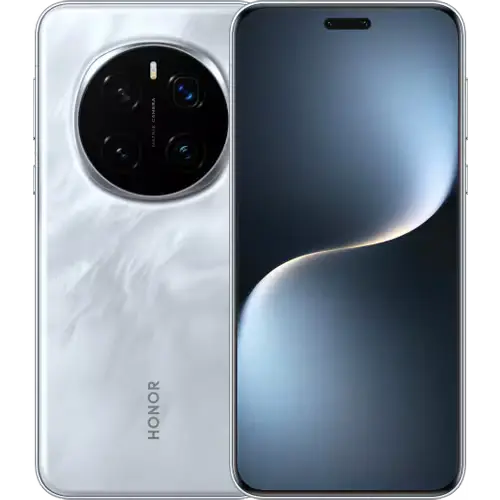
Honor
Magic7 Pro
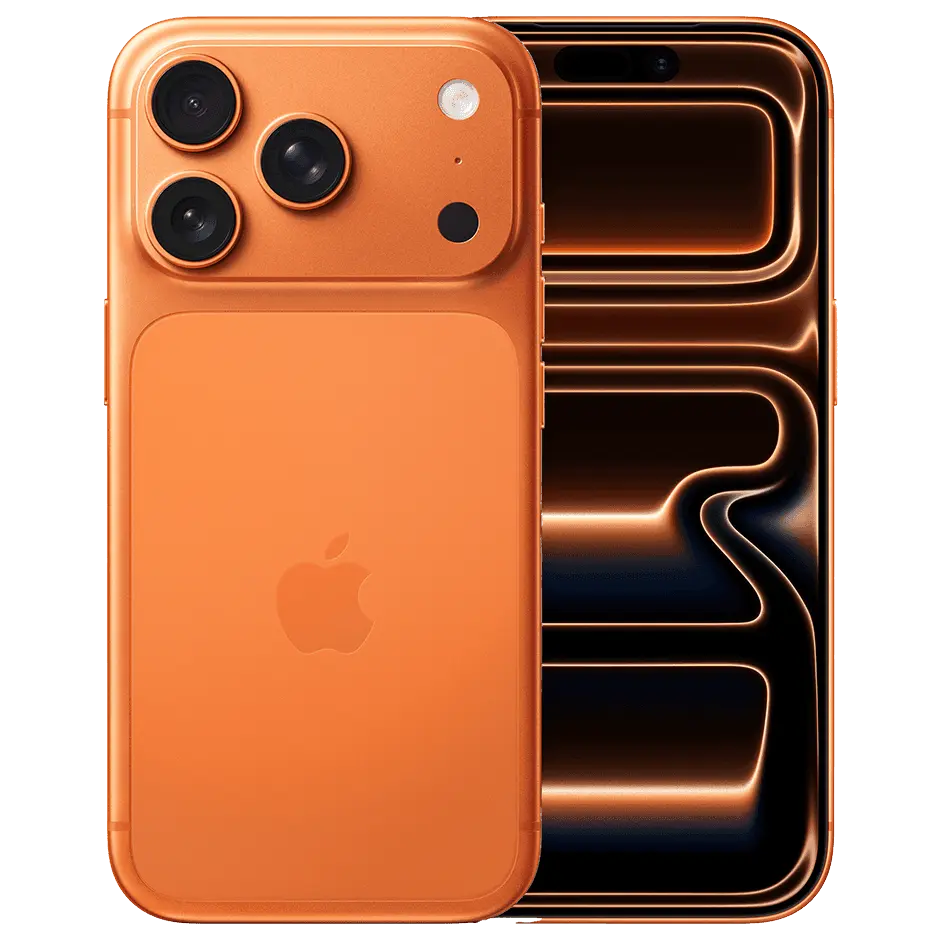
Apple
iPhone 17 Pro Max
Pixel 11 Pro XL

Motorola
Razr Ultra (2025)
Pixel 10 Pro XL
Motorola