Google Pixel 11 Pro Fold vs Google Pixel 10 Pro Fold
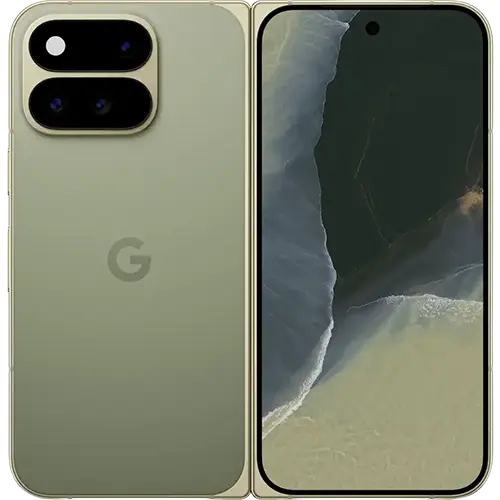
Pixel 11 Pro Fold
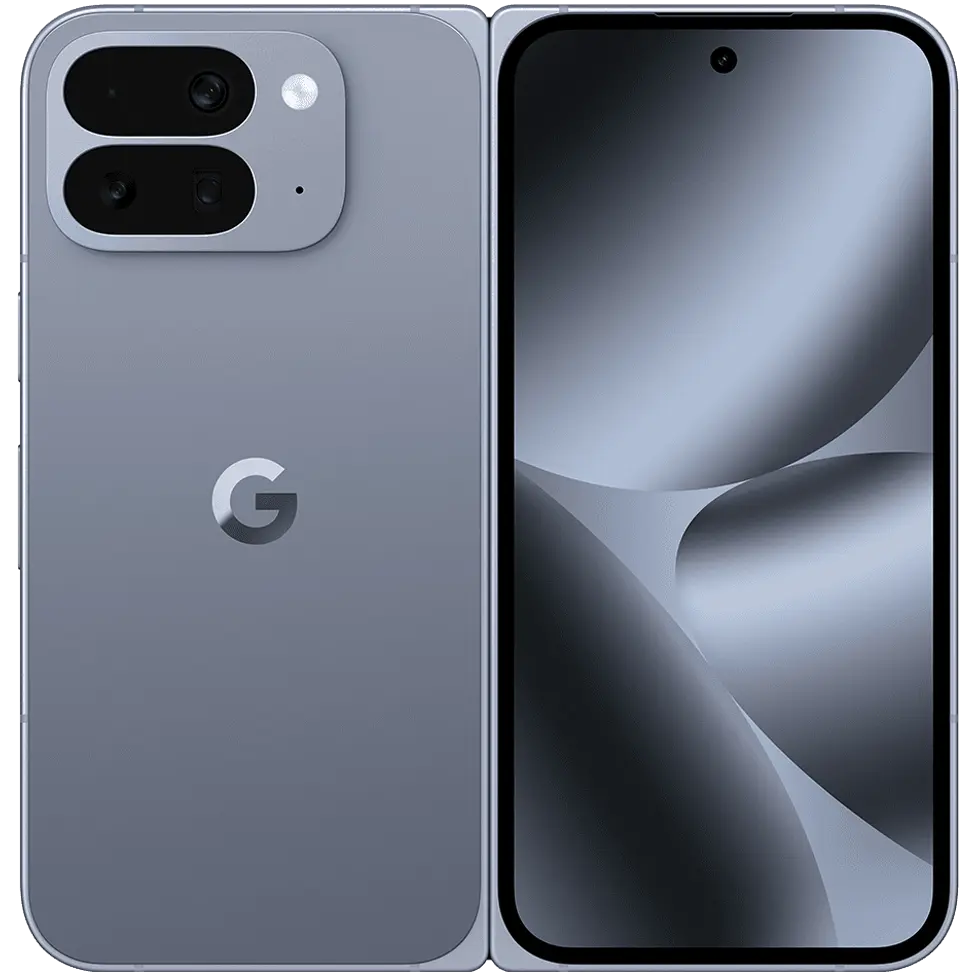
Pixel 10 Pro Fold
Ranked #45 of 61
Ranked #47 of 61
Overall
Overall

A hundred dollars separates Google's two book-style foldables. The Pixel 11 Pro Fold at $1,899 and the Pixel 10 Pro Fold at $1,799 share the same basic premise: a tall, slim phone that unfolds into a near-square 8-inch tablet, running Pixel software with a triple rear camera system. Both target the person who wants the Pixel experience on a big screen and is willing to pay flagship-plus pricing for it. With the older model likely discounting as the newer one arrives, this is a cross-shop that comes down to whether the generational improvements justify the price gap.
The 11 Pro Fold has the brighter, more responsive display, a faster processor, and better camera color accuracy. It's also meaningfully lighter. The 10 Pro Fold captures sharper photos overall, sounds better from its speakers, drains less battery overnight, and costs less. The camera divide is the most interesting part: neither phone is uniformly better behind the lens, and which weaknesses matter depends on how you shoot.
Design
| Google Pixel 11 Pro Fold | Google Pixel 10 Pro Fold | |
|---|---|---|
| Specifications | ||
| Dimensions (folded) | 155.2 x 76 x 10.1 mm | 155.2 x 76.3 x 10.8 mm |
| Dimensions (unfolded) | 155.2 x 150.4 x 5 mm | 155.2 x 150.4 x 5.2 mm |
| Weight | 239g | 258g |
| IP Rating | IP68 | IP68 |
| Frame | Aluminum | Aluminum |
| Front | Ultra Thin Glass (inner) / Glass ceramic (outer) | Ultra Thin Glass (inner) / Gorilla Glass Victus 2 (outer) |
| Back | Composite matte | Gorilla Glass Victus 2 |
| Screen-to-body ratio (inner) | 88.4% | 88.4% |
| Screen-to-body ratio (outer) | 87.9% | 84.3% |
Both phones open to the same unfolded footprint: 155.2 x 150.4mm. The Pixel 11 Pro Fold is thinner when folded at 10.1mm versus 10.8mm, and thinner unfolded at 5mm versus 5.2mm. It's 19 grams lighter at 239g compared to 258g, a difference you'd notice over a full day of carry. Folded widths are nearly identical: 76mm on the 11 Pro Fold, 76.3mm on the 10 Pro Fold.
Both use aluminum frames and carry an IP68 rating, meaning they're submersible in fresh water to 1.5 meters for up to 30 minutes. The inner panels on both use Ultra Thin Glass. The exterior materials differ: the 11 Pro Fold pairs glass ceramic on its outer display with a composite matte back, while the 10 Pro Fold uses Gorilla Glass Victus 2 for both. Glass ceramic is generally more scratch-resistant but less flexible under point impacts than tempered glass. The composite matte back trades the glass feel for lighter construction, which contributes to that 19-gram weight savings.
Inner screen-to-body ratio is identical at 88.4%. The outer panel gap is wider: 87.9% on the 11 Pro Fold versus 84.3% on the 10 Pro Fold, which translates to noticeably thinner bezels around the cover screen. The 11 Pro Fold's outer display is slightly larger at 6.5 inches with a 19.5:9 aspect ratio, compared to 6.4 inches at 19.7:9.
Bandicoot Lab doesn't formally test design or durability. These observations are based on published specs.
Display
Inner
| Google Pixel 11 Pro Fold (Inner) | Google Pixel 10 Pro Fold (Inner) | |
|---|---|---|
584/ 881 | 609/ 881 | |
Both inner displays are 8-inch LTPO OLEDs at 2076 x 2152 resolution with a 9.33:9 aspect ratio and 1–120Hz adaptive refresh. Pixel density is effectively identical: 372 pixels per inch on the 11 Pro Fold, 373 on the 10 Pro Fold.
The 11 Pro Fold is brighter. Manual brightness reaches 1,427 nits versus 1,288 nits, and peak HDR brightness hits 3,592 nits compared to 3,192 nits. Both displays dim as HDR content fills more of the screen: 57.6% brightness stability across window sizes on the 11 Pro Fold, 60.3% on the 10 Pro Fold, so the older phone holds slightly more even across content types. Over a sustained 30-minute HDR playback test, both hold up well at 97.7% and 96.5% stability respectively. Full sRGB coverage is essentially complete on both (99.9% and 99.7%), with the 11 Pro Fold covering more of the P3 wide-color gamut at 79.1% versus 74.8%.
Color accuracy on the inner panel favors the 10 Pro Fold. Its calibration tracks reference targets more tightly, with colors looking neutral and precise. The 11 Pro Fold's inner panel isn't inaccurate, but in a side-by-side the 10 Pro Fold looks more even. For tone mapping, the 11 Pro Fold follows the HDR reference curve more faithfully and lifts highlights slightly above their mastered brightness, giving HDR content a bit of punch; it starts clipping at 95% input brightness, losing some of the very brightest highlight detail. The 10 Pro Fold deviates more from the reference curve and slightly compresses highlights below mastered levels, but it doesn't clip at all, preserving highlight detail through the full range.
Touch latency is 15.4ms on the 11 Pro Fold versus 25.3ms on the 10 Pro Fold. That's a meaningful gap. You'll feel the difference during fast scrolling and touch-intensive tasks on the inner screen.
Outer
| Google Pixel 11 Pro Fold (Outer) | Google Pixel 10 Pro Fold (Outer) | |
|---|---|---|
693/ 881 | 582/ 881 | |
The outer displays diverge more. The 11 Pro Fold uses a 6.5-inch LTPO OLED (1080 x 2342, 399 PPI) with a 1–120Hz adaptive range. The 10 Pro Fold's 6.4-inch outer panel (1080 x 2365, 408 PPI) is a standard OLED, not LTPO, so its refresh only ranges from 60 to 120Hz. It can't drop below 60Hz for static content, which costs some battery efficiency on the cover screen.
The 11 Pro Fold's outer panel is its stronger display for color accuracy. It's better-calibrated than its own inner screen. The 10 Pro Fold's outer panel goes the other direction: color accuracy drops compared to its inner display, and it falls behind the 11 Pro Fold's outer panel on both brightness and color fidelity. If you use the cover screen regularly, the consistency between the 11 Pro Fold's two panels is a practical advantage. The 10 Pro Fold's outer panel has marginally higher pixel density at 408 PPI versus 399, though the difference is invisible in normal use.
Performance
| Google Pixel 11 Pro Fold | Google Pixel 10 Pro Fold | |
|---|---|---|
478/ 1012 | 423/ 1012 | |
The Pixel 11 Pro Fold runs Google's Tensor G6; the Pixel 10 Pro Fold uses the Tensor G5. Both ship with 16GB of RAM and offer 256GB, 512GB, and 1TB storage options.
The CPU gap is clear. The Tensor G6 posts 2,706 single-core and 6,648 multi-core on GeekBench 6, compared to 2,268 and 5,986. That's roughly a 19% single-core and 11% multi-core lead. Browser performance tracks a similar pattern, with the 11 Pro Fold scoring 24.8 on Speedometer versus 20.3. You'll feel these differences in app launches, split-screen multitasking on the large inner display, and JavaScript-heavy web pages.
GPU performance is closer. The 11 Pro Fold peaks at 3,478 in Wild Life Extreme compared to 3,241, but the 10 Pro Fold sustains better at 77% stability versus 72.3%. In extended gaming sessions, the older phone throttles less, partially offsetting its lower peak.
Camera
| Google Pixel 11 Pro Fold | Google Pixel 10 Pro Fold | |
|---|---|---|
426/ 587 | 384/ 587 | |
Both phones carry a 48-megapixel main camera, 10.5-megapixel ultrawide, 10.8-megapixel 5x telephoto, and 10-megapixel front cameras on both inner and outer panels. The main hardware difference is sensor size: the 11 Pro Fold's main sensor is 1/1.56 inches at 24mm versus 1/2.0 inches at 25mm on the 10 Pro Fold. The 11 Pro Fold also extends digital zoom to 30x, compared to 20x.
Despite the larger main sensor, the 10 Pro Fold resolves more detail on both the main and ultrawide cameras across all lighting conditions. The margin is comfortable, not marginal. The 11 Pro Fold takes the lead on the telephoto, where it's visibly sharper in bright and mid light. At extreme zoom past 10x, both phones struggle. The 11 Pro Fold's 30x ceiling gives it more reach, but detail at those distances is heavily processed on both. Neither is a deep-zoom standout.
Color tuning differs. Both oversaturate, so these aren't neutral, restrained cameras. The 10 Pro Fold pushes harder, particularly on its main camera in bright and mid light, producing vivid, punchy images. In bright light, the 10 Pro Fold leans warm with a yellow cast. As conditions get dimmer and warmer, the white balance overcorrects toward cool, while a separate magenta shift develops in the darkest settings. That magenta shift appears to be a sensor-level response. The 11 Pro Fold's main camera is more consistent: a mild warm-magenta tone with a cool lean that deepens in low light, mostly a white balance behavior but a steadier one. The 11 Pro Fold's telephoto is particularly well-controlled for color, while the 10 Pro Fold's telephoto and ultrawide both develop severe magenta hue errors in low light from sensor limitations that processing can't fully correct.
Both phones clip highlights in high-contrast scenes. The 11 Pro Fold generally retains more depth in shadow and highlight detail, with smoother tonal transitions, particularly through the telephoto. The 10 Pro Fold's dynamic range is adequate on most lenses but more uneven, with more tonal inconsistencies on the ultrawide and telephoto.
Main
| Google Pixel 11 Pro Fold (Main) | Google Pixel 10 Pro Fold (Main) | |
|---|---|---|
452/ 722 | 421/ 722 | |
The 10 Pro Fold's 48-megapixel main camera is sharper across bright, mid, and dark conditions, by a meaningful amount. You'd see the difference cropping into photos or viewing at full resolution. Both cameras cover 1x through 5x digitally before handing off to the telephoto, and the 10 Pro Fold holds more detail at each step of that crop range.
The 10 Pro Fold pushes saturation harder on the main, especially in mid light, producing vivid, punchy results. The 11 Pro Fold is saturated above neutral too, but more restrained. Skin tones are closer to life on the 11 Pro Fold. The 10 Pro Fold tends to render faces warmer in good light and shifts them unevenly as conditions change. General hue accuracy is similar between the two in bright light; both degrade in dim conditions, though the 10 Pro Fold holds hue accuracy slightly better in the darkest test.
Both clip highlights, and both retain reasonable shadow detail. The 11 Pro Fold's tonal rendering is slightly smoother, with fewer inconsistencies in bright-to-dark transitions.
Ultrawide
| Google Pixel 11 Pro Fold (Ultrawide) | Google Pixel 10 Pro Fold (Ultrawide) | |
|---|---|---|
407/ 722 | 417/ 722 | |
Both phones share the same 10.5-megapixel f/2.2 ultrawide. The 10 Pro Fold is sharper in bright and mid light. The gap narrows in low light, where both soften, as you'd expect from a small 1/3.4-inch sensor.
In dim conditions, the 10 Pro Fold's ultrawide develops a strong magenta cast with large hue errors. This is a sensor-level problem rather than a processing or white balance issue. The 11 Pro Fold handles low-light ultrawide color with moderate drift but nothing as severe. In bright light, both are reasonably accurate. Skin tones are imperfect on both ultrawides across all conditions; neither phone renders faces well from this lens, though the 10 Pro Fold is slightly closer to reference in good light.
Dynamic range is close, with the 10 Pro Fold holding a small edge. Both clip highlights, and neither ultrawide matches its respective main camera for shadow detail.
Telephoto
| Google Pixel 11 Pro Fold (Telephoto) | Google Pixel 10 Pro Fold (Telephoto) | |
|---|---|---|
524/ 722 | 372/ 722 | |
Both telephoto lenses are 10.8 megapixels at f/3.1 with a 5x native focal length (112mm). This is where the 11 Pro Fold separates itself.
The 10 Pro Fold's telephoto barely changes in sharpness across lighting conditions. It's consistent, but soft. The 11 Pro Fold resolves noticeably more detail in bright and mid light, though the advantage narrows as light drops. Both phones cover 5x through their respective digital zoom ceilings (30x and 20x), and detail falls off steadily past the native focal length on either device.
Color is the biggest gap. The 11 Pro Fold's telephoto delivers strong hue accuracy across all lighting and renders skin tones well. It's the best-performing lens on either phone for color. The 10 Pro Fold's telephoto collapses in low light, with a massive magenta shift that overwhelms processing. Skin tones are significantly off at every light level. In bright daylight the 10 Pro Fold's telephoto is acceptable; below that, the 11 Pro Fold is a clear step up.
Dynamic range favors the 11 Pro Fold, with more retained shadow and highlight detail in contrasty scenes. Stabilization is better controlled on the 10 Pro Fold's telephoto. The 11 Pro Fold shows more movement in handheld shots at 5x, which can blunt its sharpness advantage in practice.
Front Inner
| Google Pixel 11 Pro Fold (Front Inner) | Google Pixel 10 Pro Fold (Front Inner) | |
|---|---|---|
404/ 722 | 380/ 722 | |
Both inner front cameras are 10-megapixel f/2.2 at 23mm. Sharpness in bright light is essentially a tie. The 10 Pro Fold pulls slightly ahead in mid light, while the 11 Pro Fold holds a small edge in the dark.
Both cameras oversaturate moderately. The 10 Pro Fold pushes harder in bright light, with a warm, vivid cast. In mid and dark conditions, it shifts toward magenta with rising hue errors, a pattern consistent with sensor behavior compounded by white balance drift. The 11 Pro Fold stays more consistent. Skin tones are meaningfully closer to reference on the 11 Pro Fold, especially in low light where the gap is large.
Dynamic range favors the 11 Pro Fold, with more usable tonal range. Both clip highlights. Neither phone reports stabilization data for the inner front camera.
Front Outer
| Google Pixel 11 Pro Fold (Front Outer) | Google Pixel 10 Pro Fold (Front Outer) | |
|---|---|---|
444/ 722 | 405/ 722 | |
The outer front cameras use the same 10-megapixel f/2.2 23mm hardware. The 10 Pro Fold is sharper in bright and mid light. The 11 Pro Fold is sharper in dark conditions, where the 10 Pro Fold drops off more steeply.
Color follows the inner front camera pattern: the 11 Pro Fold is more accurate on hues and skin tones, especially in dim conditions where the 10 Pro Fold develops a strong magenta shift. Both panels oversaturate moderately. Dynamic range is close, with both clipping highlights. Stabilization is similar on both outer front cameras.
Battery
| Google Pixel 11 Pro Fold | Google Pixel 10 Pro Fold | |
|---|---|---|
434/ 836 | 463/ 836 | |
The Pixel 10 Pro Fold has a larger battery at 5,015mAh versus the 11 Pro Fold's 4,806mAh. The results don't split cleanly along capacity lines.
Video playback on the inner display is close: 22.69 hours for the 10 Pro Fold, 21.86 hours for the 11 Pro Fold. Either phone can handle a full day of heavy media use on the big screen. On the outer display, the 11 Pro Fold pulls well ahead at 27.17 hours versus 23.5, likely benefiting from its LTPO cover panel dropping to 1Hz during static frames. Web browsing drain over five hours is close: 27% on the 11 Pro Fold, 29% on the 10 Pro Fold. Gaming drain is nearly identical at 25% and 26%.
Standby is where the 10 Pro Fold wins. It drains just 2% over eight hours of overnight idle, compared to 4% on the 11 Pro Fold. If you leave your phone unplugged overnight, the 10 Pro Fold preserves more charge by morning. Both will get through a full day of mixed use, but heavy users should plan on a top-up before evening.
Charging
| Google Pixel 11 Pro Fold | Google Pixel 10 Pro Fold | |
|---|---|---|
336/ 837 | 319/ 837 | |
Both phones support 30W wired charging and Qi2-compatible magnetic wireless charging. The wireless speed differs: up to 25W on the 11 Pro Fold versus 15W on the 10 Pro Fold.
Wired charging is close. Both reach 19% in ten minutes. By 30 minutes, the 11 Pro Fold hits 56% versus 52%. The wireless gap is wider: the 11 Pro Fold reaches 16% in ten minutes and 41% in thirty, compared to 11% and 31%. If you rely on a desk pad or nightstand charger, that 10-percentage-point gap at 30 minutes adds up over the course of a week.
Speaker
| Google Pixel 11 Pro Fold | Google Pixel 10 Pro Fold | |
|---|---|---|
678/ 897 | 758/ 897 | |
The 11 Pro Fold is louder at 74.8 dBA maximum versus 72.8 dBA, and cleaner with lower distortion at 5.14% THD compared to 7.8%.
The 10 Pro Fold sounds fuller and more balanced. Its frequency response is more even, and it reaches deeper into the low end, with audible bass extending to roughly 260Hz versus 349Hz on the 11 Pro Fold. High-frequency clarity is also stronger. The result is a richer, more natural sound for music and video. The 11 Pro Fold sounds thinner in the lows but pushes cleaner, louder output. If speaker quality matters to you for calls, podcasts, or ambient music, the 10 Pro Fold is the better listen.
Microphone
| Google Pixel 11 Pro Fold | Google Pixel 10 Pro Fold | |
|---|---|---|
1220/ 1220 | 661/ 1220 |
The Pixel 11 Pro Fold has an excellent microphone with very even frequency response. Voices come through natural and full, without the nasal or tinny character common in phone mics. The 10 Pro Fold is decent but less consistent, sitting in the upper-middle range. For calls, voice memos, and video recording, the 11 Pro Fold is a clear step up.
Other
| Google Pixel 11 Pro Fold | Google Pixel 10 Pro Fold | |
|---|---|---|
| Biometrics | 270/ 1181 | 353/ 1181 |
| Data Transfer | 308/ 943 | 207/ 943 |
| Specifications | ||
| Biometric type | Fingerprint | Fingerprint |
| Ports | USB-C 3.2 | USB-C 3.2 |
| Storage | 256GB, 512GB, 1TB | 256GB, 512GB, 1TB |
Neither phone has hardware-based face unlock. Both use capacitive fingerprint sensors. The 10 Pro Fold unlocks faster at 297ms versus 389ms. Both are quick enough for seamless daily use, but the 10 Pro Fold's sensor responds a beat quicker.
Data transfer speeds favor the 11 Pro Fold: 126 MB/s read and 140 MB/s write versus 91 MB/s and 95 MB/s. Both use USB-C 3.2 ports and offer 256GB, 512GB, and 1TB storage options. If you regularly move large files off the device, the 11 Pro Fold is roughly 40–50% faster.
Conclusion
The camera system is the hardest call. The 10 Pro Fold captures sharper photos from its main and ultrawide cameras across all lighting, and that advantage is real and visible. The 11 Pro Fold handles color and skin tones with more accuracy, and its telephoto is substantially better in anything less than bright daylight. If you mostly shoot in good light through the main camera, the 10 Pro Fold delivers crisper results. If you need reliable telephoto performance or accurate skin rendering across conditions, the 11 Pro Fold is the stronger pick.
Outside of cameras, the 11 Pro Fold advances on most fronts: a brighter, more responsive display, faster CPU performance, better wireless charging, an excellent microphone, and a lighter build. The 10 Pro Fold counters with a fuller-sounding speaker, lower standby drain, a faster fingerprint sensor, and tighter color calibration on its inner display, all at $100 less.
The generational gap here isn't dramatic. The 10 Pro Fold is still a capable phone, and its main-camera sharpness advantage isn't a small thing. If that matters most to you, or if the $100 savings lets you put money toward storage or accessories, it earns serious consideration. The 11 Pro Fold is the more well-rounded device across categories, and the telephoto and color improvements alone may justify the premium for anyone who shoots in mixed conditions.
FAQ
Is the Pixel 11 Pro Fold worth $100 more than the Pixel 10 Pro Fold?
The Pixel 11 Pro Fold has a brighter, more responsive display, a faster processor, much faster wireless charging, a better microphone, and a 239g body versus 258g. The Pixel 10 Pro Fold has sharper main and ultrawide photos, a fuller-sounding speaker, and lower overnight battery drain. The upgrade pays off most for people who shoot telephoto or portraits in mixed light, or who use the cover screen heavily.
Which has the better camera, the Pixel 11 Pro Fold or the Pixel 10 Pro Fold?
Neither wins across the board. The Pixel 10 Pro Fold resolves noticeably more detail on the main and ultrawide cameras in all lighting. The Pixel 11 Pro Fold has more accurate color and skin tones, better dynamic range, and a telephoto that is clearly better outside bright daylight. The 10 Pro Fold's telephoto and ultrawide develop a strong magenta cast in low light.
Does the Pixel 10 Pro Fold or Pixel 11 Pro Fold have better battery life?
It depends on how you use the phone. Inner-screen video playback is close, at 22.69 hours on the 10 Pro Fold and 21.86 hours on the 11 Pro Fold. On the outer screen the 11 Pro Fold lasts longer, at 27.17 hours versus 23.5. The 10 Pro Fold loses only 2% over eight hours of overnight standby, against 4% for the 11 Pro Fold.
Does the Pixel 11 Pro Fold charge faster than the Pixel 10 Pro Fold?
Wired charging is close. Both support 30W and reach 19% in ten minutes, and by 30 minutes the 11 Pro Fold is at 56% versus 52%. Wireless is where it pulls ahead: up to 25W versus 15W, reaching 41% in thirty minutes against 31%.
Is the Pixel 11 Pro Fold's display noticeably better than the Pixel 10 Pro Fold's?
Yes in brightness and responsiveness. The 11 Pro Fold reaches 1,427 nits manual brightness versus 1,288, and its touch latency is 15.4ms versus 25.3ms. Its cover screen is LTPO and more accurate on color, while the 10 Pro Fold's cover screen is a standard OLED that can't drop below 60Hz. The 10 Pro Fold's inner panel has the tighter color calibration.
Which Pixel Fold has better speakers, the 10 Pro Fold or the 11 Pro Fold?
The 10 Pro Fold sounds fuller and more balanced, with deeper bass and clearer highs, which suits music and video. The 11 Pro Fold is louder at 74.8 dBA versus 72.8 dBA and has lower distortion at 5.14% THD versus 7.8%, but its sound is thinner in the lows.
Related
Pixel 11 Pro Fold
Pixel 10 Pro Fold
Pixel 11 Pro XL
Pixel 11 Pro
Pixel 11
Pixel 10a

Google Pixel 11 Pro Fold vs Samsung Galaxy Z Fold 8 Ultra
Google Pixel 11 Pro Fold vs Samsung Galaxy Z Fold 8
Google Pixel 11 Pro Fold vs Motorola Razr Fold
Google Pixel 11 Pro Fold vs Honor Magic V6
Samsung Galaxy Z Fold 8 vs Google Pixel 10 Pro Fold
Best Phone Speakers