Google Pixel 11 Pro Fold
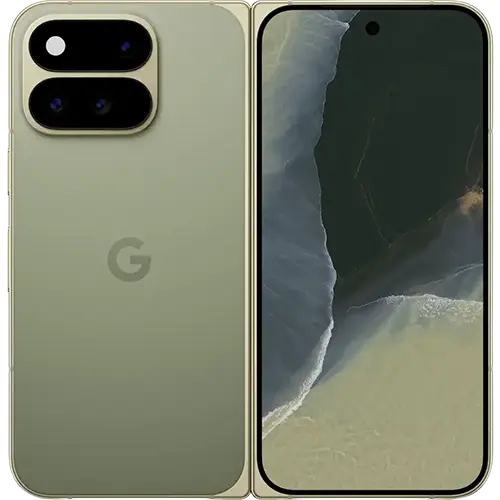
Pixel 11 Pro Fold
Ranked #44 of 60 devices tested

Score Overview
Google's book-style foldable sits at the top of the Pixel line at $1,899, and it's built around a straightforward pitch: a phone-shaped device that opens into an 8-inch tablet, running Google's software with Google's camera processing. It's aimed at people who want the multitasking space of the inner screen and are willing to pay foldable prices to get it in a Pixel.
What the hardware delivers is uneven though. The displays are bright and responsive, the outer panel in particular is very color-accurate, and the microphone is one of the strongest parts of the device. The telephoto camera produces some of the most accurate color of any lens on the phone. Battery life is short for the price, charging is unhurried, the chip falls behind flagship rivals under sustained load, and unlocking the phone is slower than it should be. The camera system is competent rather than class-leading, and long zoom shots degrade quickly.
Here’s how the Google Pixel 11 Pro Fold performed in our testing.
Design
Specifications
Folded, the Pixel 11 Pro Fold measures 155.2 x 76 x 10.1 mm. Open, it becomes a 150.4 mm wide slate just 5 mm thick. At 239 g it's heavier than most slab phones but light for a device carrying two displays and a hinge. The frame is aluminum, the inner screen uses ultra thin glass, the outer screen is glass ceramic, and the back is a composite matte material.
The IP68 rating means full dust protection and submersion to the rated depth, which is still not a given on foldables and matters more here than on a slab phone, since a hinge gives water more places to go. The inner display's 88.4% screen-to-body ratio and near-square 9.33:9 aspect ratio translate to thin bezels around a panel that's genuinely tablet-shaped rather than a stretched phone screen.
Bandicoot Lab doesn't formally test design or durability, so hinge longevity and crease wear are outside the scope of this review.
Display
Inner
The inner display is an 8-inch LTPO OLED at 2076 x 2152 resolution, 372 pixels-per-inch, with an adaptive refresh rate from 1 to 120Hz. That pixel density is on the low side for a panel this large. Text is fine at normal viewing distance, but it's less crisp than the outer screen if you look for it.
Brightness is a strength. Manual brightness tops out at 1,427 nits, which keeps the panel readable outdoors, and HDR content peaks at 3,592 nits in small highlight areas. Brightness stability across HDR window sizes is 57.6%, so a full-screen bright scene renders considerably dimmer than a small specular highlight. Once the panel settles into sustained HDR playback it's very steady, holding 97.7% of its output across a 30-minute test. No visible dimming mid-movie.
Tone mapping is tuned for punch rather than fidelity. The panel pushes HDR highlights noticeably brighter than the content was mastered for, and only clips at the very top of the signal. HDR looks livelier than intended as a result, though little detail is actually lost.
Color accuracy on the inner panel is middling. Colors drift moderately from reference values, enough that a careful eye will notice in side-by-side viewing, though not enough to bother most people. sRGB coverage is essentially complete at 99.9%, but DCI-P3 coverage sits at 79.1%, so wide-gamut and HDR content can't reach its full intended saturation. Touch latency averages 15.4 ms, which is quick. Nothing about input response will get in your way.
Outer
The outer display is a 6.5-inch LTPO OLED at 1080 x 2342, 399 PPI, with the same 1 to 120Hz adaptive range and a conventional 19.5:9 aspect ratio. It's a normal phone screen in every practical sense, and in two respects it's the better of the two panels.
It's slightly sharper thanks to the higher pixel density, and it's considerably more accurate. In its best mode the average color error is exceptionally low, putting it below the threshold where most people can spot a deviation. Colors on the cover screen simply look right. Brightness behavior matches the inner panel closely, including the high HDR peak and the drop-off at larger window sizes, so there's no penalty for using the phone closed.
Performance
The Pixel 11 Pro Fold runs Google's Tensor G6 with 16GB of RAM. The results follow the familiar Tensor pattern: fine CPU, weak GPU.
GeekBench 6 came in at 2,706 single-core and 6,648 multi-core. Single-core performance is what drives everyday responsiveness, and it's solid here. App launches, scrolling, and camera processing all feel quick. The multi-core result trails Snapdragon-based flagships by a margin you'd notice in sustained heavy work like video export, though not in daily use.
The GPU is the weak point. The Wild Life Extreme stress test peaked at 3,478 with 72.3% stability, meaning performance drops by more than a quarter under sustained load. Demanding 3D games will run, but frame rates sag during longer sessions, and the big inner display makes dropped frames easier to see. Browser performance is also unexceptional, with a Speedometer score of 24.8 that sits below what similarly priced phones deliver.
For messaging, browsing, media, and multitasking across the inner screen, the Tensor G6 is fine. Buyers who game seriously should look elsewhere.
Camera
The rear system pairs a 48-megapixel main camera (1/1.56-inch sensor, f/1.7, 24mm) with a 10.5-megapixel ultrawide and a 10.8-megapixel 5x telephoto, plus a 10-megapixel selfie camera on each display. It's a capable system with no standout lens and a few real soft spots.
Sharpness is the system's most consistent trait. All three rear lenses resolve good detail in bright light, and the main camera in particular holds its detail unusually well as light drops. The ultrawide is, unusually, the sharpest lens on the phone at its native length. The story falls apart at long zoom. Past 10x, detail collapses quickly, and the 20x and 30x settings produce images that are recognizable but not worth keeping. The 30x ceiling on the zoom slider is more marketing than capability.
Main
The main camera is the 48-megapixel, f/1.7 unit behind a 1/1.56-inch sensor. Detail is strong in bright light and degrades only gently in dim conditions, which is the most useful kind of sharpness consistency. As you zoom digitally past 1x, detail softens progressively. Results stay clean through roughly 2x to 3x, then get visibly softer approaching 5x, where the telephoto takes over.
Color is tuned vivid, and the saturation push gets stronger as light drops. In dark conditions colors come out noticeably punchier than the scene. Underneath that tuning sit genuine accuracy issues: hue errors grow as lighting gets dimmer and warmer, and skin tones drift visibly from reference in every lighting condition. The processing also pulls cool in low light, overcorrecting the warm cast of dim indoor lighting into a slight blue tint, which points at white balance rather than the sensor.
Dynamic range is middling. High-contrast scenes retain reasonable shadow detail, but bright highlights clip, so a window behind a subject will blow out rather than roll off. Video stabilization is below average, with visible residual motion when walking.
Ultrawide
The ultrawide is a 10.5-megapixel, f/2.2 lens at 13mm on a small 1/3.4-inch sensor. Despite the modest hardware, it out-resolves the main camera in bright light and stays sharp in dim conditions, which is rare for an ultrawide.
Color is more restrained than the main lens, closer to neutral in saturation, but it runs cool in bright light with a visible blue lean. Skin tone accuracy is the worst of any lens on the phone. Faces in ultrawide group shots drift noticeably from how they should look. Dynamic range is also the weakest of the rear lenses. High-contrast scenes flatten out, with clipped highlights and less shadow depth than the main camera preserves. Use it for landscapes in even light and it does well; it's the wrong lens for backlit portraits.
Telephoto
The telephoto is a 10.8-megapixel, f/3.1 lens at 112mm, giving 5x optical zoom from a 1/3.2-inch sensor. It has the best color of any camera on the phone. Hues stay accurate across lighting, skin tones are the truest of any lens, and in dim light the rendering is nearly neutral. It also has the best dynamic range on the device, holding highlight and shadow detail in contrasty scenes where the other lenses give up.
Sharpness is the trade-off. It's good in bright light but falls off more steeply in dim conditions than the main camera does, so indoor 5x shots come out soft. Past the native 5x, digital zoom holds up acceptably to around 10x, then degrades quickly toward the 30x maximum. Stabilization is poor for this lens. Handheld video at 5x shows obvious shake, and even still shots benefit from bracing your elbows.
Front Inner
The inner selfie camera is 10 megapixels at f/2.2 and 23mm. Detail is high in good light and drops moderately in dim conditions. Saturation is close to neutral, but skin tones are visibly off in bright and moderate lighting, drifting from reference more than you'd want from a camera pointed exclusively at faces. In dark conditions accuracy improves. Dynamic range is average, with highlights clipping against bright backgrounds.
Front Outer
The outer selfie camera matches the inner on paper: 10 megapixels, f/2.2, 23mm. It's slightly softer than the inner camera across all lighting, though not by a margin you'd notice in a shared photo. Color behavior is similar, with neutral saturation and skin tone drift in brighter light that largely resolves in dim conditions. Dynamic range is a touch tighter than the inner camera's.
The meaningful difference is stabilization, which is substantially better here. For handheld selfie video, use the outer camera. You can also shoot selfies with the main rear camera using the cover screen as a viewfinder, which sidesteps both front cameras entirely and is the best option when quality matters.
Battery
The 4,806mAh battery is a reasonable capacity on paper, but the results are weak for a phone at this price. In our video playback test, which runs until the device dies, the inner display lasted 21.86 hours and the outer display 27.17 hours. Used mostly closed, that's comfortably more than a day of mixed use. Used open, which is presumably why you bought a foldable, it's a charge-every-night phone with little margin, and heavy inner-screen days will have you watching the percentage by evening.
The drain tests confirm the pattern. Five hours of continuous web browsing consumed 27% of the battery, which works out to under 19 hours of screen-on browsing, a below-average result for a flagship. The gaming stress test drained 25% across its run, so an hour of demanding 3D gaming takes a meaningful bite. Overnight standby drain of 4% over eight hours is also higher than it should be. A phone left on the nightstand shouldn't lose that much doing nothing.
Big inner displays cost energy, and every foldable pays this tax to some degree. The Pixel 11 Pro Fold pays more of it than most.
Charging
Wired charging is 30W, which is conservative for a $1,899 phone. We measured 19% in 10 minutes and 56% in 30 minutes. That's enough for a useful top-up before heading out, but a full charge is a leisurely affair, and phones at half this price routinely charge faster.
Wireless charging at 25W is the better story. It reached 16% in 10 minutes and 41% in 30 minutes, unusually close to the wired figures because the wired speed is so modest. The phone supports magnetic Qi2 charging, so it snaps onto MagSafe-style pucks and accessories. Given how small the gap between wired and wireless is here, a magnetic charger on your desk is a genuinely practical way to live with this phone, especially given the battery results above.
Speaker
Maximum volume measured 74.8 dBA, which is loud for a phone and enough to fill a room with video audio. Distortion at high volume stays well controlled, so pushing it to maximum doesn't turn harsh.
The frequency balance is top-heavy. High-end response is strong, so dialogue and detail come through clearly, but there's very little low end. Music sounds thin, with bass lines reduced to suggestion. For podcasts, calls, and video the speakers do their job well. For music you'll want headphones. Overall speaker quality lands about average for a flagship.
Microphone
Microphone quality is well above average. The frequency response is unusually flat, meaning recordings capture voices without emphasizing or suppressing any part of the range. Voice memos, video audio, and calls all come through natural and uncolored. This was one of the strongest results the phone posted in any category, and it's the kind of strength you benefit from without ever thinking about it.
Other
Measurements
Specifications
The capacitive fingerprint reader in the power button averaged 389 ms to unlock, which is slower than good in-display sensors and slow enough to register as a pause. There is no hardware-based face unlock, only the standard camera-based version, which is less secure and isn't scored in our testing. Biometrics overall are a weak point for a phone at this price.
The USB-C 3.2 port promises fast transfers but doesn't deliver them. We measured 126 MB/s reads and 140 MB/s writes, closer to USB 2.0 territory than what the spec allows. Offloading a large video library over cable will be slow. Storage comes in 256GB, 512GB, and 1TB configurations, all with 16GB of RAM.
Conclusion
The Pixel 11 Pro Fold is a well-built foldable with a clear split between what works and what doesn't. The displays are the case for the phone: a bright, steady 8-inch inner panel and an outer screen that's both sharp and genuinely accurate. The microphone is excellent, the telephoto produces the most trustworthy color on the device, and IP68 protection in a 5 mm-thick folding chassis is real engineering.
The case against it is mostly stamina and speed. Battery life trails slab flagships and other foldables alike, charging is slow by flagship standards, the Tensor G6 can't sustain GPU performance under load, and the fingerprint reader adds a small delay to every unlock. The cameras are good enough that most owners will be satisfied and precise enough that pixel-peepers won't be. At $1,899 you're paying for the form factor and the software, and on those terms the phone delivers. Buyers hoping the rest of the hardware would match the price will find it lands closer to the middle.
FAQ
How long does the Pixel 11 Pro Fold battery last?
In our looping video playback test, the inner display ran 21.86 hours and the outer display 27.17 hours. Used mostly closed, that's comfortably more than a day of mixed use. With heavy use on the open inner screen, expect to charge every night. Overnight standby drain of 4% over eight hours is also higher than it should be.
How fast does the Pixel 11 Pro Fold charge?
Wired charging is 30W, which reached 19% in 10 minutes and 56% in 30 minutes. Wireless charging at 25W reached 16% in 10 minutes and 41% in 30 minutes. The phone also supports magnetic Qi2 charging, so it snaps onto MagSafe-style chargers and accessories.
Is the Pixel 11 Pro Fold good for gaming?
It handles casual games and everyday apps without trouble, but the GPU is the weak point of the Tensor G6. In our Wild Life Extreme stress test, performance held only 72.3% of its peak under sustained load. Demanding 3D games will show frame rate dips in longer sessions, and the large inner display makes those drops easier to see.
How good is the Pixel 11 Pro Fold camera?
The cameras are competent without being class-leading. The main and ultrawide lenses resolve good detail in bright light, and the main camera holds detail well as light drops. Colors lean vivid and slightly cool, and skin tones drift from reference on the main and ultrawide lenses. The 5x telephoto has the most accurate color on the phone, but zoom images past 10x lose detail quickly.
Is the Pixel 11 Pro Fold screen bright enough to use outdoors?
Yes. Both the inner 8-inch panel and the outer 6.5-inch panel reach a maximum manual brightness of 1,427 nits on the inner screen, and HDR highlights peak at 3,592 nits. Sustained HDR playback holds 97.7% of output over a 30-minute test, so there's no visible dimming mid-movie. The outer panel is also very color-accurate in its best mode.
Is the Pixel 11 Pro Fold waterproof?
It has an IP68 rating, which means full dust protection and submersion to the rated depth. That's uncommon for a foldable with a hinge. Bandicoot Lab doesn't formally test durability, so hinge longevity and crease wear haven't been evaluated.
How fast is the Pixel 11 Pro Fold fingerprint sensor?
The capacitive reader in the power button averaged 389 ms to unlock, which is slow enough to register as a pause. The phone has no hardware-based face unlock. It offers only the camera-based version, which is less secure.
Related
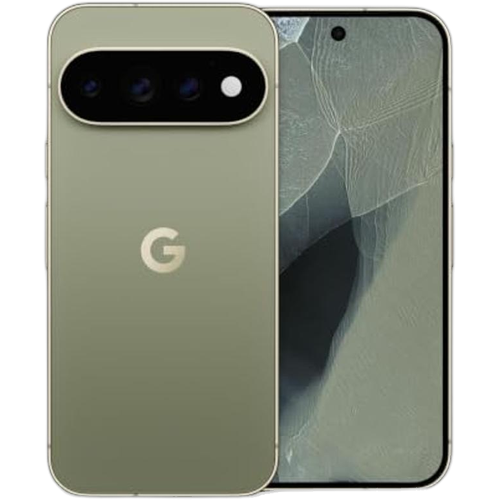
Pixel 11 Pro
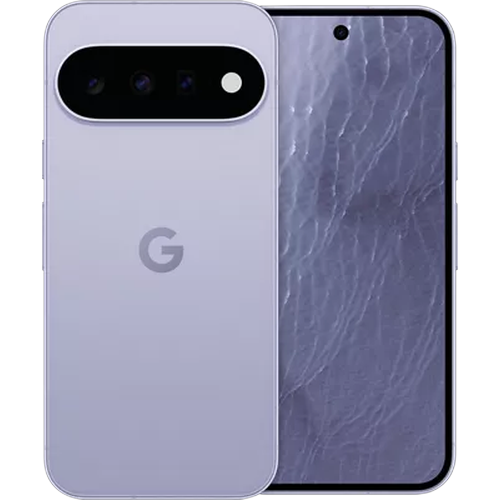
Pixel 11
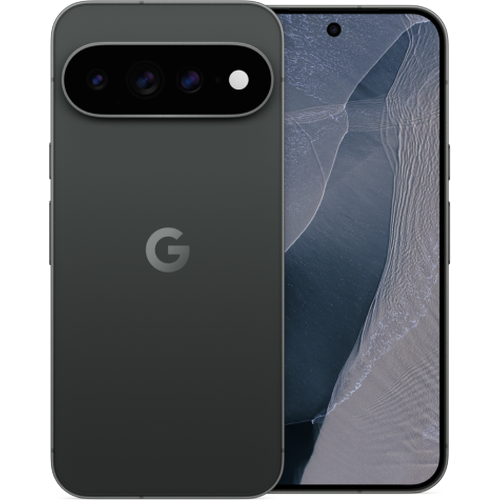
Pixel 11 Pro XL
Pixel 10a
Samsung
Galaxy Z Fold 8
Motorola