Google Pixel 11 Pro
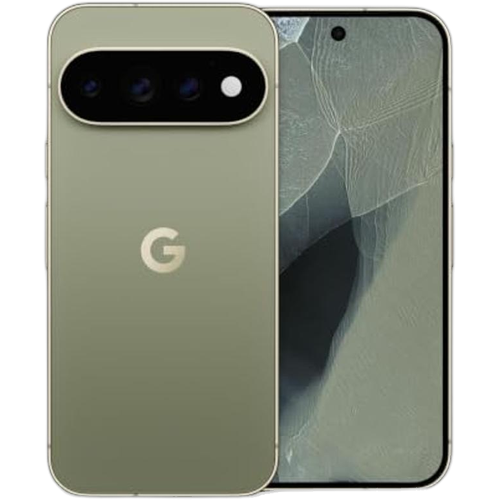
Pixel 11 Pro
Ranked #30 of 60 devices tested

Score Overview
Google positions the Pixel 11 Pro as the phone for people who buy into its whole approach: computational photography, long software support, and a hardware design that changes little year to year. At $1,099 it sits directly against the iPhone 17 Pro and Galaxy S26 Ultra, and Google's pitch has never been about winning spec sheets. It's about the camera and the software doing more with less.
The display is the clear standout, one of the strongest panels we've measured on any phone, with the color accuracy to match. The telephoto camera is genuinely good, and the speakers get loud without falling apart. The Tensor chip trails similarly priced rivals by a margin you can feel in demanding tasks, charging is slow for the price, and video stabilization on the main camera is poor. Battery life is fine, nothing more.
Design
Specifications
The Pixel 11 Pro measures 152.7 x 71.9 x 8.4mm and weighs 204 grams, with an aluminum frame and Gorilla Glass Victus 2 on both the front and back. It carries an IP68 rating, meaning it's sealed against dust and survives submersion at the rated depth, typically 1.5 meters for 30 minutes.
The 87% screen-to-body ratio translates to slim but not class-leading bezels around the 6.3-inch panel, and the 20:9 aspect ratio keeps the phone reasonably narrow for one-handed reach. At 204 grams it's on the heavier side for a 6.3-inch device. Phones with titanium frames at this size tend to come in lighter, though the difference is a matter of grams, not a different class of phone.
Bandicoot Lab doesn't formally test design or durability, so we can't speak to how the materials hold up over time or how the phone feels in extended use.
Display
The 6.3-inch LTPO OLED runs at 1280 x 2856, which works out to 495 pixels per inch, well past the point where individual pixels are visible. Refresh rate scales from 1Hz to 120Hz, so scrolling stays smooth while static content drops the panel to its lowest power state.
This is the best-performing display we've tested, and color accuracy is the biggest reason. In its most accurate mode, colors sit essentially on top of their reference values. Even the worst-case error is small enough that you'd need measurement equipment to find it. Most flagships show at least some visible drift in a few hues. Full sRGB coverage backs this up, though DCI-P3 coverage of 73.3% means the most saturated tones in HDR and wide-gamut content can't be fully reproduced.
Brightness is strong across the board. Manual brightness tops out at 1,398 nits, enough for comfortable outdoor use, and HDR content peaks at 3,594 nits. That peak applies to small highlights; brightness drops as bright areas grow larger, holding about two thirds of peak across window sizes. The panel sustains its output almost perfectly over a 30-minute HDR session, so a long video won't dim partway through. It also dims down to 1.74 nits for dark-room viewing.
Tone mapping leans expressive rather than faithful. The display pushes HDR highlights noticeably brighter than the content was mastered for, and only clips at the very top of the signal range. HDR video looks punchy as a result, just not exactly as the colorist intended.
Touch latency averaged 13 ms, which is low. Most phones land in the low twenties, and while the difference is subtle, fast taps and gestures register with less lag here than on most rivals.
Performance
The Pixel 11 Pro runs Google's Tensor G6 with 12GB or 16GB of RAM. Performance has been the persistent gap in Google's flagships, and this generation doesn't close it.
Single-core CPU performance is reasonable at 2,551 in GeekBench 6, but the multi-core result of 4,846 sits well behind what Snapdragon and Apple silicon deliver at this price. Day to day, this matters less than the benchmarks suggest. App launches, multitasking, and the interface all feel responsive. In sustained heavy work like video export, large file processing, or demanding games you'll feel the difference.
The GPU is the weaker half. Its peak Wild Life Extreme result trails flagship rivals by a wide margin, and it holds 68.3% of that peak under sustained load, so frame rates in longer gaming sessions drop noticeably from where they start. Casual games run fine. Graphically heavy titles will run at reduced settings compared to a Snapdragon flagship, and they'll throttle sooner.
Browser performance is also modest, with a Speedometer score of 25. Heavy web apps feel a step slower than on faster rivals.
Camera
The camera system lands close to average overall, which is not where a Pixel is supposed to land. The story is uneven across lenses. The 5x telephoto is the best performer here and one of the stronger telephoto results we've seen. The main and ultrawide cameras produce sharp stills but give ground on dynamic range and stabilization, and that's what drags the system down against camera-focused rivals like the iPhone 17 Pro and Galaxy S26 Ultra.
Sharpness is a consistent strength across all four lenses in still photography, with detail holding up well even in dim light. The deep zoom range reaches up to 120x, and results past roughly 20x turn soft and processed-looking. At the extreme end, images are not usable for anything beyond documentation. The long zoom works as a party trick; the practical ceiling is much lower.
Main
The main camera pairs a 50-megapixel sensor at 1/1.3-inch with a bright f/1.68 lens at 25mm equivalent. Stills are sharp in bright light and lose surprisingly little in dim conditions, one of the better low-light showings we've recorded. Detail holds up reasonably as you crop toward 5x, softening gradually rather than falling off a cliff before the telephoto takes over.
Color tuning is vivid. Saturation runs well above neutral in bright and mid light, giving photos the punchy look most people like even if it's not accurate. Hue accuracy is middling, and skin tones drift visibly from reference in bright light, though they improve in dimmer conditions. The cast leans slightly cool in bright and mid light, then swings warm under dim warm lighting, pointing to white balance correction that doesn't fully compensate for the ambient color temperature.
Dynamic range is the main camera's real weakness. Highlights clip in high-contrast scenes, and the tonal curve shows enough irregularities that bright skies and shadow transitions can look flat or blotchy. Rivals at this price hold noticeably more highlight detail. Video stabilization is also poor. Handheld footage from the main camera shows visible residual shake that the processing doesn't clean up.
Ultrawide
The ultrawide uses a 48-megapixel sensor at 1/2.51-inch, f/1.7, covering a 13mm equivalent 0.5x field of view. Sharpness is on par with the main camera and stays strong in low light, which is unusual for an ultrawide. Most fall apart in dim conditions; this one doesn't.
Color is where it slips. The tuning is more restrained than the main lens, but a warm cast builds as lighting gets warmer and dimmer, a white balance issue rather than a sensor limitation. Skin tones sit noticeably off reference in bright and mid lighting. Dynamic range is the weakest of any lens on the phone. High-contrast scenes clip highlights readily and lose depth, so backlit landscape shots, the exact use case for an ultrawide, are where you'll see it struggle.
Telephoto
The 5x telephoto is a 48-megapixel sensor at 1/1.95-inch behind an f/2.8 lens at 106mm equivalent, and it's the best camera on the phone. It's the sharpest of the four lenses in every lighting condition, holds detail in dim light, and delivers the most accurate color of the system. Skin tones stay close to reference in mid and low light, and the tuning is near neutral rather than pushed. It's the only lens that doesn't clip highlights, so high-contrast telephoto shots retain their depth.
Stabilization is the best on the phone too, keeping handheld shots and video controlled at 5x. Past the native length, sharpness holds usably to around 10x, degrades steadily through the teens, and by the upper reaches of the 120x range you're looking at heavily processed approximations rather than photographs.
Front
The front camera is 42 megapixels at f/2.2 with a 17mm equivalent focal length. Sharpness is good across lighting conditions, and dynamic range is solid for a selfie camera, holding shadow detail well even though bright backgrounds can still clip.
Skin tone accuracy in bright light is the sore spot. Faces drift well off reference outdoors, then land much closer in dim light. Overall color tuning is close to neutral. Video stabilization is weak, so handheld selfie video shows more residual movement than it should.
Battery
The 4,850mAh battery delivers slightly below-average results for a flagship. Video playback ran 26.3 hours at standard brightness, which comfortably covers a full day of heavy use or two days of moderate use. At maximum brightness that drops to 19.2 hours, still enough for a long-haul flight with room to spare.
Web browsing drained 20% over our five-hour test, projecting to roughly a full day of continuous browsing. Gaming drain was 20% across the one-hour Wild Life Extreme stress test, an average result, though the GPU's throttling means the phone isn't doing peak work for most of that test. Overnight standby drain of 4% over eight hours is higher than we like to see. Most flagships lose 1 to 2% idle overnight.
The phone gets through a day reliably and not much further, in a price bracket where some rivals stretch comfortably into a second day.
Charging
Wired charging tops out at 30W, which is modest at this price, and the results reflect it. Ten minutes on the charger gets you 21%, enough for a few hours of use in a pinch, and 30 minutes reaches 58%. A full charge takes well over an hour. Rivals in this bracket with 45W or faster charging get meaningfully further in the same 30 minutes, and the gap is the kind you notice when you're topping up before heading out.
Wireless charging at 25W is similarly unhurried — 11% in 10 minutes and 34% in 30. The phone supports magnetic Qi2 charging, so it snaps onto MagSafe-style chargers and accessories without a case. Most Android flagships still lack this, and it partly offsets the unremarkable speeds.
Speaker
The stereo speakers reach 77.2 dBA at maximum volume, which is loud for a phone, and they stay reasonably clean doing it. Distortion is present at full volume but not intrusive.
The frequency character is typical phone speaker with a better-than-typical top end. High frequencies come through clearly, so voices and dialogue are easy to follow, but bass rolls off early and music sounds thin below the midrange. For podcasts, video, and calls it's a strong speaker. For music you'll want headphones, same as almost every phone.
Microphone
Microphone quality is above average. Frequency response is even across the vocal range, so recorded voices sound natural rather than boxy or tinny, and calls and voice memos come through cleaner than on most phones we've tested.
Other
Measurements
Specifications
The ultrasonic fingerprint reader unlocks in 210 ms on average, an unremarkable but perfectly usable speed.
The USB-C port is rated for 3.2 speeds, but actual transfer performance disappointed, with reads of 125 MB/s and writes of 138 MB/s. Those are closer to USB 2.0-era real-world speeds than what the spec allows. Moving a large video library over cable will be slower than the port label suggests.
Storage comes in 256GB, 512GB, and 1TB configurations, paired with 12GB or 16GB of RAM.
Conclusion
The Pixel 11 Pro is a phone built around one exceptional component. The display is as good as we've tested, accurate, bright, and responsive, and if screen quality is what you care about most, that alone is a serious argument for this phone. The telephoto camera, the loud clean speakers, and the magnetic charging support round out a solid list of genuine strengths.
The rest sits at or below the level its $1,099 price implies. The Tensor G6 can't keep pace with Snapdragon or Apple silicon in sustained loads, charging is slow by flagship standards, and the camera system as a whole lands near average, held back by dynamic range and stabilization problems that a Pixel shouldn't have. Buyers who want Google's software and a best-in-class screen will be happy here. Buyers shopping primarily on camera or performance will find stronger options at the same price.
FAQ
How good is the Pixel 11 Pro's display compared to other flagships?
It's very strong, with color accuracy that sits essentially on top of reference values in its most accurate mode. Manual brightness tops out at 1,398 nits with HDR peaks reaching 3,594 nits, and the panel holds its brightness nearly perfectly over long HDR playback. Touch response is also fast, averaging 13ms versus the low twenties typical of most phones.
Is the Pixel 11 Pro good for gaming?
Casual games run fine, but the Tensor G6's GPU trails Snapdragon and Apple silicon by a wide margin in peak performance and holds only 68.3% of that peak under sustained load. Graphically demanding titles will need reduced settings and will throttle sooner than on rival flagships. CPU performance feels fine for everyday app use, but heavy tasks like video export show the gap clearly.
How is the Pixel 11 Pro's camera compared to the iPhone 17 Pro and Galaxy S26 Ultra?
The 5x telephoto lens is a genuine strength, delivering the sharpest results and most accurate color of any lens on the phone with minimal highlight clipping. The main and ultrawide cameras produce sharp stills but struggle with dynamic range, clipping highlights in high-contrast scenes, and both suffer from weak video stabilization. Overall the camera system lands close to average against camera-focused rivals at the same price.
Does the Pixel 11 Pro have good battery life?
Video playback lasted 26.3 hours at standard brightness, enough for a full day of heavy use or two days of moderate use, dropping to 19.2 hours at max brightness. Web browsing drained 20% over five hours, roughly a full day of continuous use, and overnight standby drain of 4% over eight hours is higher than most flagships. It gets through a day reliably but doesn't stretch much further, unlike some rivals that comfortably reach a second day.
How fast does the Pixel 11 Pro charge?
Wired charging is capped at 30W, reaching 21% in 10 minutes and 58% in 30 minutes, with a full charge taking well over an hour. Wireless charging tops out at 25W, hitting 11% in 10 minutes and 34% in 30. It does support magnetic Qi2 charging, letting it snap onto MagSafe-style chargers without a case, which most Android flagships still lack.
Are the Pixel 11 Pro's speakers loud enough for videos and music?
The stereo speakers reach 77.2 dBA at max volume, loud for a phone, and stay reasonably clean without major distortion. High frequencies come through clearly, making dialogue and calls easy to follow, but bass rolls off early so music sounds thin below the midrange. It's a strong speaker for video and podcasts, less so for music.
Is the Pixel 11 Pro worth $1,099?
The display is a standout at any price, and the telephoto camera, speakers, and magnetic charging support are genuine strengths. The Tensor G6 trails Snapdragon and Apple silicon in sustained performance, charging is slow for the price at 30W wired, and the camera system overall lands near average due to dynamic range and stabilization weaknesses. It's a strong pick for buyers prioritizing screen quality and Google's software, but those shopping primarily on camera or performance will find stronger options at the same price.
Related
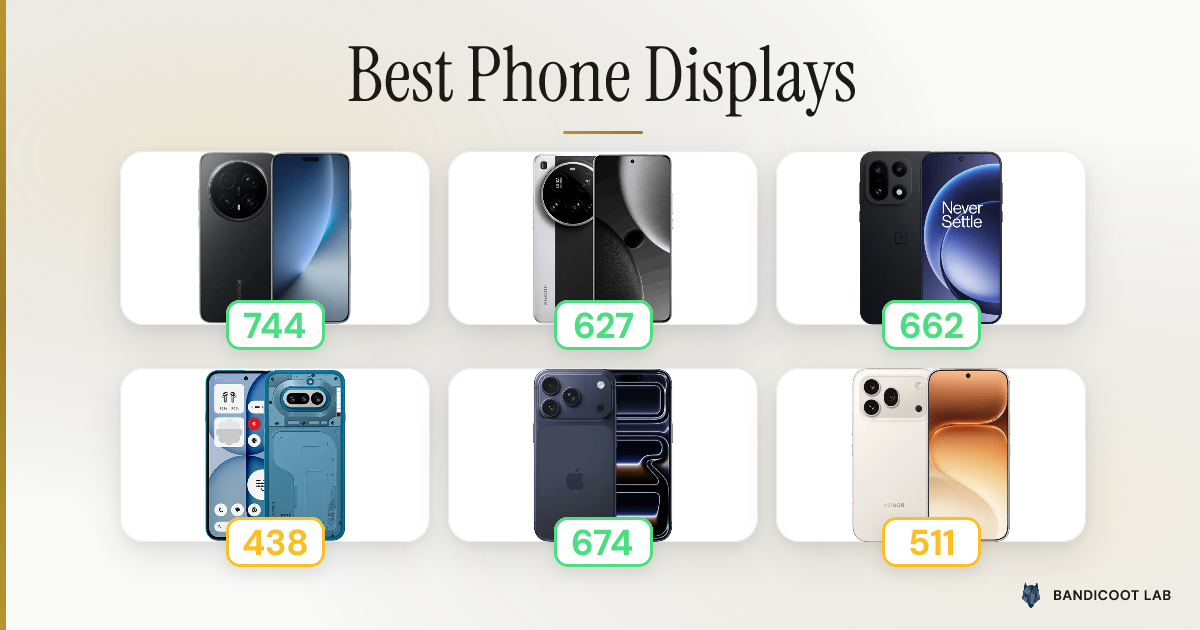
Best Phone Displays
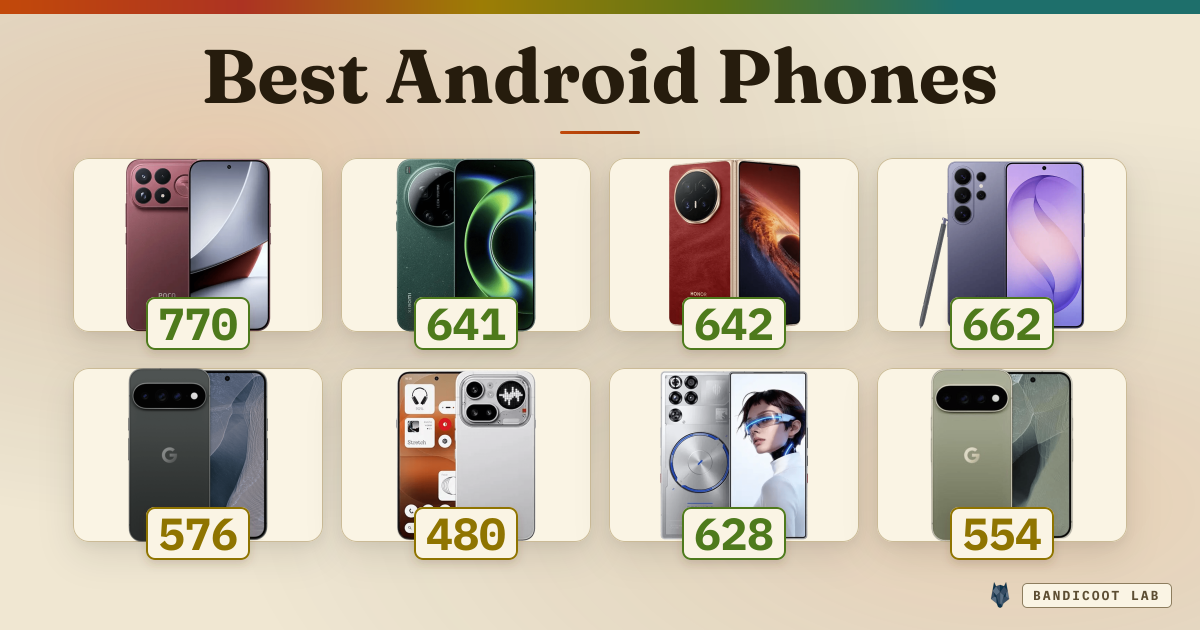
Best Android Phones
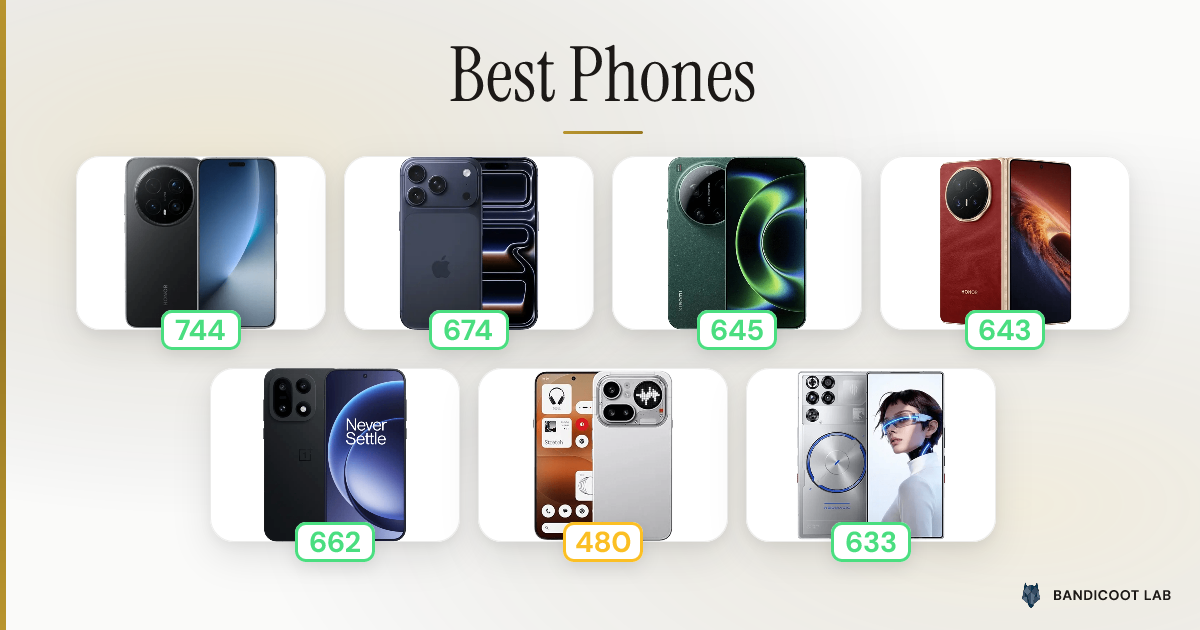
Best Phones
Pixel 11 Pro Fold
Pixel 11
Pixel 11 Pro XL
Pixel 10a
Apple
iPhone 17 Pro
Apple
iPhone 17 Pro Max
Samsung
Galaxy S26+
Xiaomi
17
Samsung