Honor Magic8 Pro vs Honor Magic7 Pro
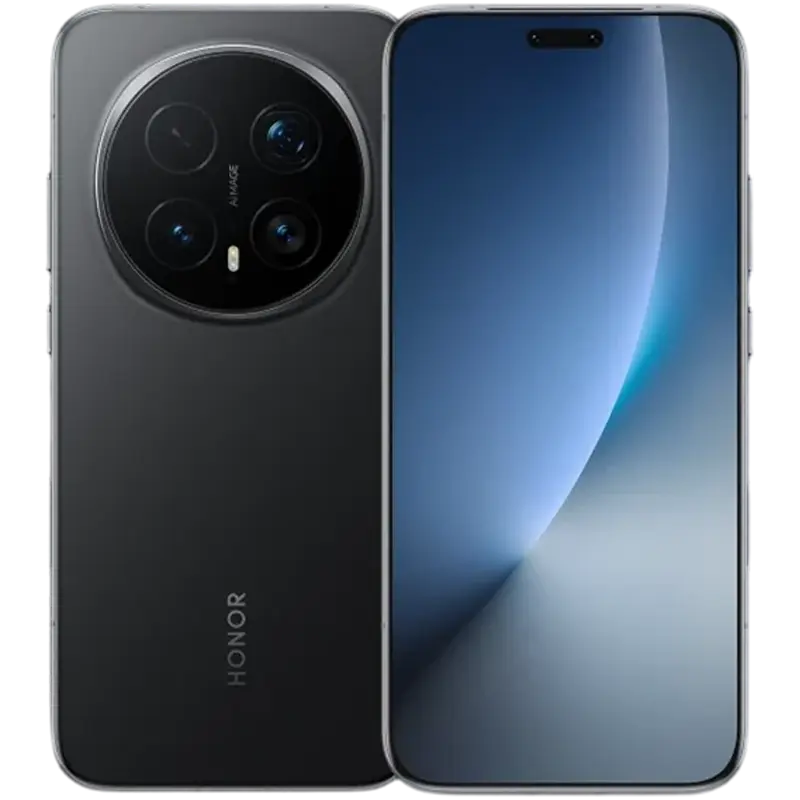
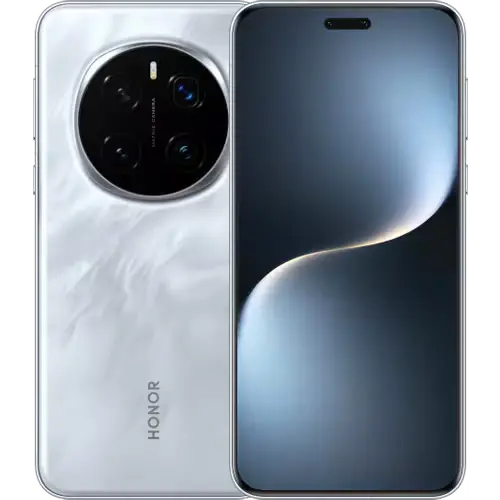
Honor
Honor
Magic8 Pro
Magic7 Pro
Ranked #2 of 60
Ranked #4 of 60
Overall
Overall


The Honor Magic8 Pro is a direct successor to the Magic7 Pro. Both phones target the same buyer: someone who wants a large-screen flagship with a strong telephoto, long battery life, and fast charging. The Magic8 Pro pushes further on battery capacity and processing power; the Magic7 Pro remains a capable phone that does a few things its successor doesn't match.
The Magic8 Pro pulls ahead clearly in battery life, performance, and camera sharpness at long zoom distances. The Magic7 Pro has the stronger display, better charging balance between wired and wireless, a noticeably better speaker, and more accurate camera color across nearly every lens.
Here’s how the Honor Magic8 Pro and Magic7 Pro performed in our lab testing.
Design
| Honor Magic8 Pro | Honor Magic7 Pro | |
|---|---|---|
| Specifications | ||
| Dimensions | 161.2 x 75 x 8.3 mm | 162.7 x 77.1 x 8.8 mm |
| Weight | 219g | 223g |
| IP Rating | IP68/IP69K | IP68/IP69 |
| Frame | Aluminum | Aluminum |
| Front | NanoCrystal Shield | NanoCrystal Shield |
| Back | Fiber-reinforced plastic | Glass |
| Screen-to-body ratio | 89.6% | 89.9% |
The Magic8 Pro measures 161.2 x 75 x 8.3mm and weighs 219g. The Magic7 Pro is slightly larger at 162.7 x 77.1 x 8.8mm and 4 grams heavier at 223g. Both use aluminum frames and NanoCrystal Shield front glass. The back materials differ: the Magic8 Pro uses fiber-reinforced plastic, the Magic7 Pro uses glass. Both carry IP68 ratings. The Magic8 Pro adds IP69K certification, which covers high-pressure hot water jets, indicating a more sealed design.
Screen-to-body ratios are close: 89.6% for the Magic8 Pro, 89.9% for the Magic7 Pro. The Magic8 Pro's 6.71-inch display sits in a narrower body with a slightly taller 20.1:9 aspect ratio versus the Magic7 Pro's 6.8-inch panel at 19.7:9. The Magic8 Pro is a touch more compact and a touch lighter. The glass back on the Magic7 Pro adds a small amount of weight but may feel different in hand. Bandicoot Lab doesn't formally test design or durability, so these are paper comparisons only.
Display
| Honor Magic8 Pro | Honor Magic7 Pro | |
|---|---|---|
790/ 881 | 845/ 881 | |
Both phones use LTPO OLED panels with 1–120Hz adaptive refresh. The Magic7 Pro's 6.8-inch display runs at 1280 x 2800 (453 pixels per inch); the Magic8 Pro's 6.71-inch panel is 1256 x 2808 (458 PPI). Resolution and pixel density are effectively identical.
In manual brightness, the Magic7 Pro reaches 831 nits to the Magic8 Pro's 759 nits. The Magic7 Pro doesn’t dim as low though, bottoming out at 2 nits versus 0.98 nits for the Magic8 Pro. That sub-1-nit minimum on the Magic8 Pro is better for dark room use. For HDR content, the Magic8 Pro peaks higher at 4,969 nits versus 4,773 nits, though both are extremely bright. Brightness stability across HDR window sizes is modest on both: 33.4% for the Magic8 Pro, 35.4% for the Magic7 Pro. Peak brightness drops substantially on smaller content windows. Over a sustained 30-minute HDR stress test, both panels hold steady — 99.5% for the Magic8 Pro, 99% for the Magic7 Pro. Neither throttles meaningfully over time.
Color accuracy is strong on both, with the Magic7 Pro pulling ahead. In its best calibrated mode, colors on the Magic7 Pro are practically indistinguishable from reference. The Magic8 Pro is also very good, with only minor visible drift. Both cover full sRGB; DCI-P3 coverage is 75.2% on the Magic8 Pro and 73.4% on the Magic7 Pro.
For HDR tone mapping, both displays boost highlights above the mastered reference level, but the Magic7 Pro pushes harder. Highlights on the Magic7 Pro look visibly lifted compared to the source material, and it starts clipping detail at around 80% of the input signal range. The Magic8 Pro is closer to the intended HDR curve, with a gentler boost and clipping starting at 85%. For faithful HDR rendering, the Magic8 Pro is more restrained.
Touch latency is 17.2ms on the Magic8 Pro, 16.5ms on the Magic7 Pro. A difference of less than 1ms — you won't feel it.
Performance
| Honor Magic8 Pro | Honor Magic7 Pro | |
|---|---|---|
938/ 1012 | 746/ 1012 | |
The Magic8 Pro runs the Snapdragon 8 Elite Gen 5 with 12GB of RAM (also available in 16GB). The Magic7 Pro uses the previous-generation Snapdragon 8 Elite with 16GB of RAM (also available in 12GB).
The generational CPU jump is significant. The Magic8 Pro scores 3,721 single-core and 11,188 multi-core in GeekBench 6, compared to 3,038 and 8,891 for the Magic7 Pro. That's roughly a 22% gain in single-core and 26% in multi-core. You'll feel this in app launches, multitasking, and anything that leans on sustained processing.
GPU performance is closer. The Magic8 Pro posts a peak Wild Life Extreme score of 6,963 versus 6,668 for the Magic7 Pro — a gap of about 4%. Stability under sustained load is similar: 64.1% for the Magic8 Pro, 66.4% for the Magic7 Pro. Both throttle noticeably during extended gaming sessions, and neither has a meaningful advantage in sustaining performance over time.
Browser performance shows a large gap. The Magic8 Pro scores 44.7 in Speedometer compared to 18 for the Magic7 Pro. Web-heavy workflows and complex web apps will feel snappier on the newer phone.
Camera
| Honor Magic8 Pro (Overall) | Honor Magic7 Pro (Overall) | |
|---|---|---|
| Specifications | ||
| Main | 50MP, f/1.6, 23mm, 1/1.3" | 50MP, f/1.4, 24mm, 1/1.3" |
| Ultrawide | 50MP, f/2, 12mm, 1/2.88" | 50MP, f/2.6, 12mm, 1/2.88" |
| Telephoto | 200MP, f/2.6, 85mm, 1/1.4" | 200MP, f/2.6, 72mm, 1/1.4" |
| Front | 50MP, f/2, 21mm, 1/2.93" | 50MP, f/2, 21mm, 1/2.93" |
Both phones share the same basic layout: a 50-megapixel main camera, a 50-megapixel ultrawide, a 200-megapixel telephoto, and a 50-megapixel front camera. The sensors are similar sizes, but the lenses differ. The Magic8 Pro's main shoots at f/1.6 and 23mm; the Magic7 Pro's main is faster at f/1.4 and slightly longer at 24mm. The telephoto focal lengths are further apart — 85mm (3.7x) on the Magic8 Pro versus 72mm (3x) on the Magic7 Pro.
Overall sharpness favors the Magic8 Pro across most lenses and lighting conditions. The Magic7 Pro compensates with meaningfully better color accuracy, particularly on the main and telephoto lenses. Dynamic range is mixed, with each phone winning on different lenses.
At extreme zoom distances, the Magic8 Pro resolves considerably more detail. Both phones push to 100x digital zoom, but the Magic8 Pro produces usable results further into that range. The Magic7 Pro's deep zoom output is much softer and less detailed. For long-range zoom, the Magic8 Pro is the clear pick.
Main
| Honor Magic8 Pro (Main) | Honor Magic7 Pro (Main) | |
|---|---|---|
526/ 722 | 519/ 722 | |
The Magic8 Pro's main camera is sharper across all lighting conditions. Detail holds well from bright light through low light, with dark-light sharpness actually improving slightly over mid-light results — a sign of effective noise reduction and processing. The Magic7 Pro is a step behind, particularly in bright light where the gap is most noticeable. Both cameras handle the crop from 1x through their respective telephoto thresholds (3.7x for the Magic8 Pro, 3x for the Magic7 Pro) reasonably well, though detail softens progressively as you zoom in. The Magic8 Pro's longer crop range before handing off to the telephoto means it's stretching the main sensor further, but it holds up.
Color is where the Magic7 Pro takes the lead. It renders with a vivid, punchy look — saturation is pushed noticeably in bright and mid light — but hue accuracy is strong across all conditions. Skin tones stay closer to natural, especially in mid and low light. The Magic8 Pro also runs warm and saturated, but its hue errors are larger across the board, and skin tones drift more, particularly in bright light. In low light, the Magic8 Pro's processing pulls strongly toward warm yellow tones, a white balance issue that intensifies as ambient light gets warmer. The Magic7 Pro shows similar warming but to a much smaller degree.
Dynamic range is stronger on the Magic7 Pro's main camera. It captures more depth in high-contrast scenes, retaining shadow detail and holding highlights better. The Magic8 Pro clips highlights and shows slightly less usable range. Both clip in extreme conditions, but the Magic7 Pro handles it more gracefully.
Ultrawide
| Honor Magic8 Pro (Ultrawide) | Honor Magic7 Pro (Ultrawide) | |
|---|---|---|
431/ 722 | 455/ 722 | |
Both ultrawides use a 50-megapixel sensor at 12mm. The Magic7 Pro has the sharper ultrawide in bright conditions. In mid and low light, the two are close, with the Magic8 Pro pulling slightly ahead. Neither ultrawide matches its respective main camera in overall detail, which is typical.
The Magic7 Pro's ultrawide saturation is pushed heavily in mid light — greens and reds look boosted. The Magic8 Pro is more restrained but still slightly oversaturated. Hue accuracy degrades on both phones as light dims. The Magic7 Pro's ultrawide develops a noticeable cool shift in mid and low light, a white balance correction issue that pulls colors toward blue-yellow rather than a sensor-level problem. The Magic8 Pro's ultrawide shows a strong warm shift in low light instead, with yellow tones dominating. Skin tones are inaccurate on both: the Magic7 Pro's are consistently off across all lighting, while the Magic8 Pro improves in low light but struggles in bright conditions.
Dynamic range is better on the Magic7 Pro's ultrawide. It avoids clipping highlights entirely, which the Magic8 Pro doesn't manage. Shadow detail is limited on both, but the Magic7 Pro holds more overall scene depth.
Telephoto
| Honor Magic8 Pro (Telephoto) | Honor Magic7 Pro (Telephoto) | |
|---|---|---|
449/ 722 | 475/ 722 | |
The Magic8 Pro's 200-megapixel telephoto starts at 3.7x (85mm), while the Magic7 Pro's starts at 3x (72mm). Both share f/2.6 apertures and similar sensor sizes. The Magic7 Pro maintains reasonable detail across lighting conditions, though it softens as you crop beyond the native 3x focal length. The Magic8 Pro's telephoto resolves well at its native length, and its higher starting magnification means it's already closer to the subject before digital crop begins.
Color accuracy is dramatically better on the Magic7 Pro's telephoto. Hue accuracy is strong across all lighting conditions, and skin tones are rendered with minimal error — close to reference in low light, and still reasonable in bright light. The Magic8 Pro's telephoto has larger hue errors that worsen in low light, and skin tones shift substantially in bright and mid conditions. In low light, the Magic8 Pro's telephoto pulls strongly pink-magenta, a different character from the warm-yellow shift seen on its main camera.
The Magic7 Pro's telephoto pushes saturation heavily in bright light — colors look punchy, almost oversaturated. It dials this back as light dims, becoming almost neutral in low light. The Magic8 Pro runs more moderate saturation overall but applies it more evenly across conditions.
Dynamic range is limited on both telephotos, as expected for this focal length. The Magic7 Pro avoids highlight clipping but shows some tonal inconsistencies. The Magic8 Pro clips highlights and has narrower overall range.
Front
| Honor Magic8 Pro (Front) | Honor Magic7 Pro (Front) | |
|---|---|---|
400/ 722 | 556/ 722 | |
Both front cameras use a 50-megapixel sensor at 21mm f/2. Sharpness is close across lighting conditions, with the Magic8 Pro holding a slight edge in bright and mid light and the Magic7 Pro maintaining slightly more consistent detail in low light.
Color and skin tone accuracy favor the Magic7 Pro. In mid and low light, its skin tones are close to reference, and hue accuracy stays consistent. The Magic8 Pro's front camera is accurate in mid light but deteriorates badly in low light — hue errors spike, and the processing introduces a strong warm-yellow cast. This appears to be a white balance overcorrection, as the warm bias ramps up significantly as the color temperature of the light source drops. In bright light, both cameras push skin tones away from reference by a similar amount.
Dynamic range is substantially better on the Magic7 Pro's front camera. It retains more shadow and highlight detail and avoids clipping. The Magic8 Pro clips highlights and shows less scene depth in selfies taken under contrasty lighting. Video stabilization on the front camera is more controlled on the Magic8 Pro, producing smoother handheld footage.
Battery
| Honor Magic8 Pro | Honor Magic7 Pro | |
|---|---|---|
799/ 836 | 640/ 836 | |
The Magic8 Pro's 7,100mAh battery is a significant upgrade from the Magic7 Pro's 5,270mAh cell — roughly 35% more capacity.
In video playback, the Magic8 Pro lasts 35.5 hours. The Magic7 Pro manages 32.2 hours. That's a smaller gap than battery size alone would suggest. Both are genuinely long-lasting: you're looking at comfortably two full days of moderate use on either phone before reaching for a charger.
The differences are sharper in other tests. Web browsing drained 11% of the Magic8 Pro's battery over five hours, versus 22% on the Magic7 Pro. That's essentially double the drain rate. For heavy web and social media use, the Magic8 Pro will last meaningfully longer through the day. Gaming drain is close: 25% on the Magic8 Pro versus 26% on the Magic7 Pro over the one-hour stress test, effectively a tie despite the capacity difference. The Magic7 Pro's smaller battery holds up well under sustained GPU load.
Standby tells a different story. The Magic8 Pro lost 7% overnight in an 8-hour idle test; the Magic7 Pro lost just 2%. If you leave your phone on a nightstand without charging, the Magic7 Pro barely moves. The Magic8 Pro's standby drain is unusually high for its battery size, worth weighing if overnight idle matters to you.
Charging
| Honor Magic8 Pro | Honor Magic7 Pro | |
|---|---|---|
837/ 837 | 696/ 837 | |
The Magic8 Pro supports 120W wired and 80W wireless charging. The Magic7 Pro supports 100W wired and 80W wireless.
Wired charging speed is similar in practice. The Magic8 Pro reaches 30% in 10 minutes, the Magic7 Pro hits 27%. At 30 minutes, the Magic7 Pro is actually ahead: 85% versus 81% for the Magic8 Pro. The Magic8 Pro has a larger battery to fill, so matching or nearly matching the Magic7 Pro's pace with 20W more headroom is expected. In real terms, both get you to a usable charge quickly, and the Magic7 Pro reaches full slightly sooner.
Wireless charging is faster on the Magic8 Pro, despite it seeming like it’s faster on the Magic7 Pro. That's because the Magic8 Pro has a much larger battery. So while the Magic7 Pro fully charges quicker, it charges a smaller battery. Ultimately, the Magic8 Pro gets more energy in the same time. By the percentage, the Magic7 Pro reaches 80% in 30 minutes compared to the Magic8 Pro at 67% in 30 minutes, but that 67% will get you further than the Magic8 Pro's 80%.
Speaker
| Honor Magic8 Pro | Honor Magic7 Pro | |
|---|---|---|
680/ 897 | 783/ 897 | |
Both phones produce similar maximum volume: 76.9 dBA for the Magic8 Pro and 76.5 dBA for the Magic7 Pro. In practice, they're equally loud.
The Magic7 Pro's speakers sound cleaner. Distortion is significantly lower at 4.61% total harmonic distortion (THD) versus 8.63% on the Magic8 Pro. At higher volumes, the Magic8 Pro is more likely to sound strained. The Magic7 Pro also extends further in both directions — deeper bass response and higher treble extension. Its bass has more presence and body, and high frequencies are more detailed. The Magic8 Pro's output is thinner in the low end and less even overall. The Magic7 Pro's frequency response is more balanced from top to bottom, making music and media sound fuller.
Microphone
| Honor Magic8 Pro | Honor Magic7 Pro | |
|---|---|---|
601/ 1220 | 393/ 1220 |
The Magic7 Pro's microphone scores below average, with uneven frequency response that can make voice recordings and calls sound inconsistent. The Magic8 Pro's microphone is better balanced, sitting around average. Neither is a standout, but the Magic8 Pro is the more reliable of the two for calls and voice memos.
Other
| Honor Magic8 Pro | Honor Magic7 Pro | |
|---|---|---|
| Biometrics | 614/ 1181 | 501/ 1181 |
| Data Transfer | 680/ 943 | 676/ 943 |
| Specifications | ||
| Biometric type | Fingerprint | Fingerprint |
| Ports | USB-C 3.2 | USB-C 3.2 |
| Storage | 256GB, 512GB, 1TB | 256GB, 512GB, 1TB |
Both phones use fingerprint sensors. The Magic8 Pro unlocks in an average of 171ms; the Magic7 Pro averages 210ms. Both are fast enough that the difference is subtle, though the Magic8 Pro feels a touch snappier.
Data transfer speeds are comparable. The Magic8 Pro reads at 332 MB/s and writes at 230 MB/s. The Magic7 Pro reads at 327 MB/s and writes at 248 MB/s. Both use USB-C 3.2 ports. Storage options are identical: 256GB, 512GB, and 1TB.
Conclusion
The Magic8 Pro and Magic7 Pro share a price and a family resemblance, but the tradeoffs between them are surprisingly varied for a generational upgrade. The Magic8 Pro wins on battery endurance in active use, raw processing power, main camera sharpness, and deep zoom reach. Its battery is large enough to stretch web browsing and video playback considerably further than its predecessor. Performance gains from the Snapdragon 8 Elite Gen 5 are meaningful, not just benchmark padding — you'll feel them in browser speed and multitasking.
The Magic7 Pro holds advantages in display quality, speaker audio, camera color accuracy, and standby efficiency. Its display is better calibrated, its speaker sounds cleaner and fuller, and its wireless charging is dramatically faster. The camera split is the most nuanced: prioritizing natural skin tones and faithful color rendering points to the Magic7 Pro; prioritizing sharpness and zoom reach points to the Magic8 Pro.
Ultimately, of course, the Honor Magic Pro is a better phone overall.
Related
Honor
Magic8 Pro
Honor
Magic7 Pro
Honor
Magic V6
Honor
600
Is a weak telephoto worse than having no telephoto at all?
Xiaomi 17 vs Honor Magic8 Pro
Xiaomi 17 Ultra vs Honor Magic8 Pro
Samsung Galaxy S26 Ultra vs Honor Magic8 Pro
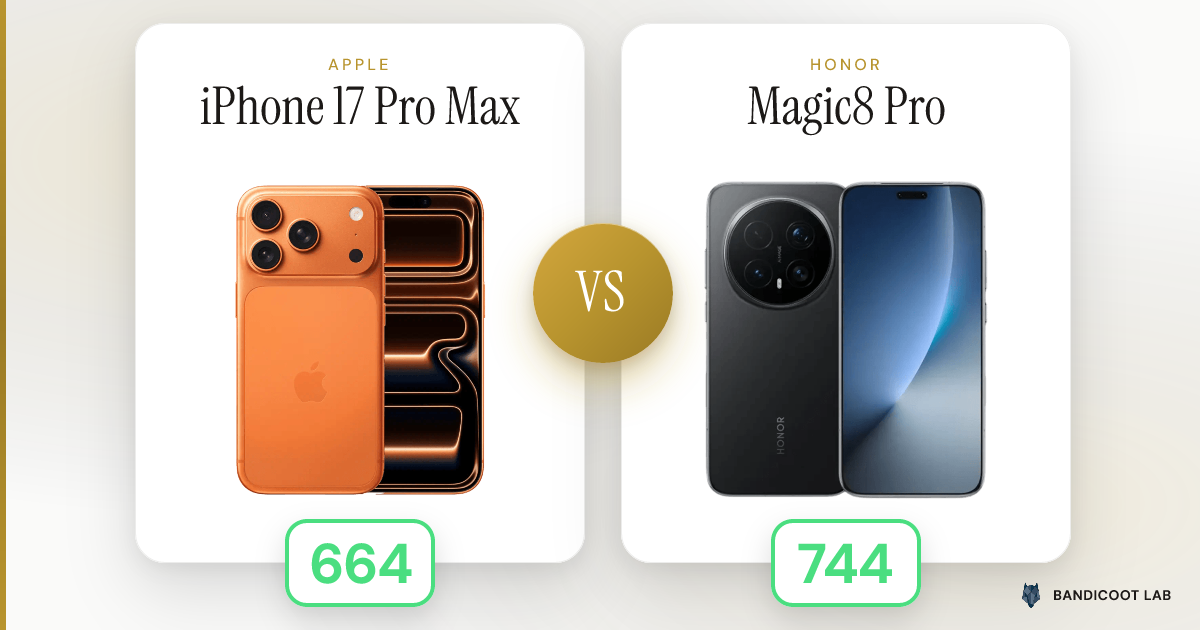
Apple iPhone 17 Pro Max vs Honor Magic8 Pro
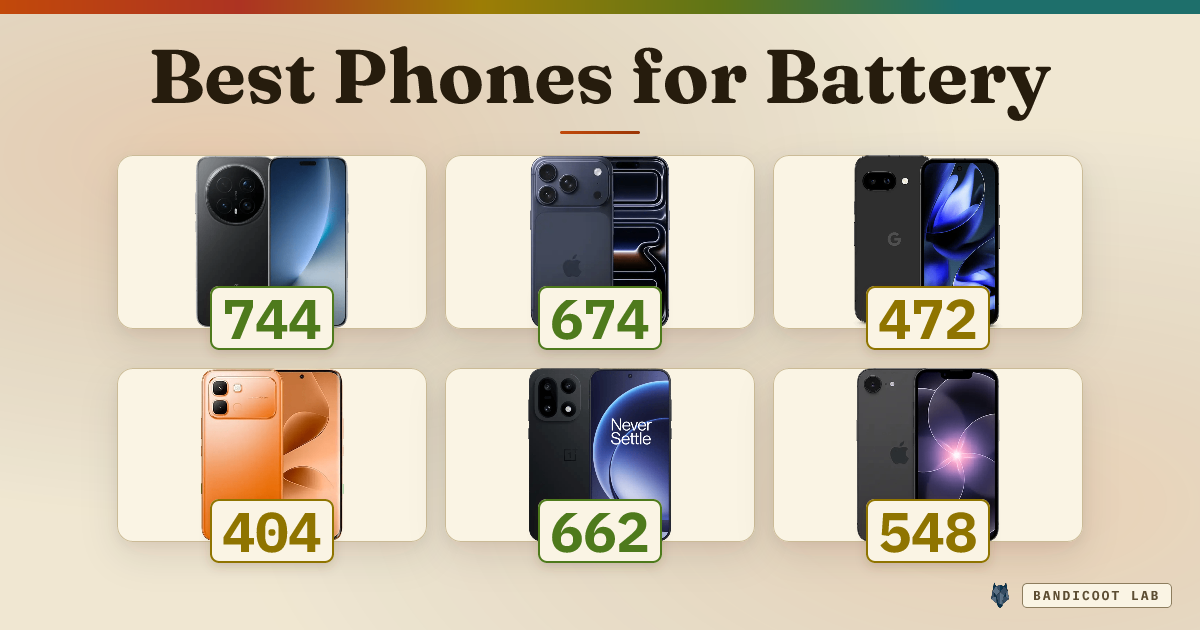
Best Phones for Battery