OnePlus 15 vs Nothing Phone (3)
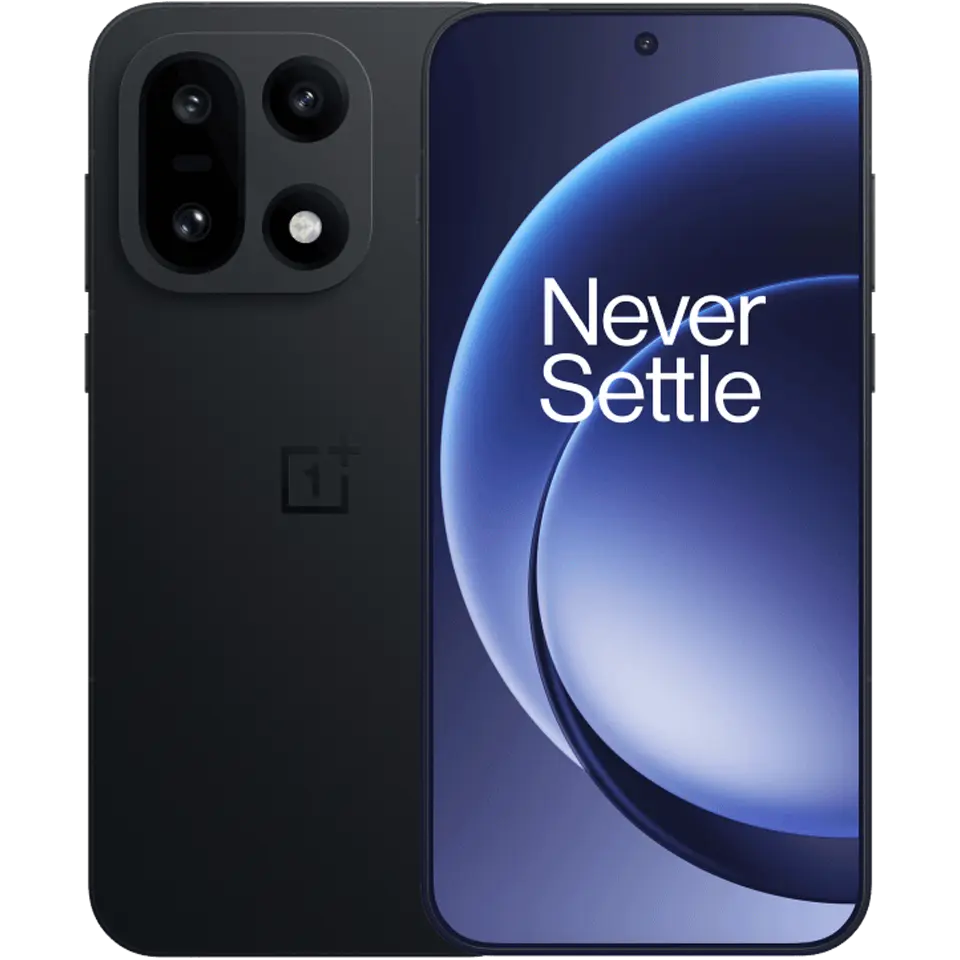
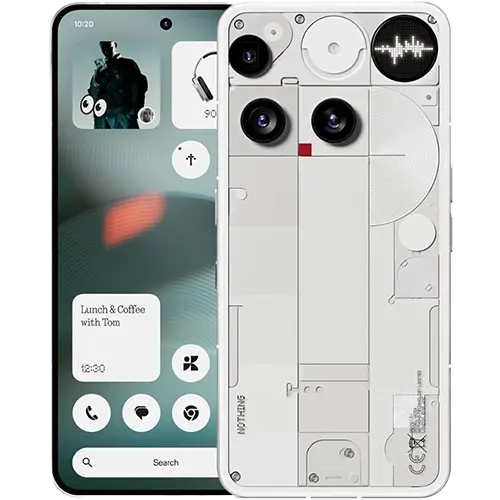
OnePlus
Nothing
15
Phone (3)
Ranked #8 of 60
Ranked #37 of 60
Overall
Overall
The OnePlus 15 and Nothing Phone (3) come at a similar price point and are both built for those who want top-tier devices at relatively good prices. The OnePlus 15 at $899.99 positions itself as a performance-first device with aggressive charging speeds and a large battery. The Nothing Phone (3) at $799 takes a different approach, leaning into camera quality and a distinctive design language while keeping the price $100 lower. Both phones compete for buyers who want flagship-grade hardware without paying flagship-grade prices.
The OnePlus 15 pulls ahead in battery life, charging speed, and raw processing power by a wide margin. It also pushes higher peak brightness from its display. The Nothing Phone (3) is the stronger camera phone, with better color accuracy across all four lenses and more usable dynamic range from its main and telephoto sensors. Its speaker produces cleaner audio with less distortion.
Here’s how the OnePlus 15 and Nothing Phone (3) performed in our testing.
Design
| OnePlus 15 | Nothing Phone (3) | |
|---|---|---|
| Specifications | ||
| Dimensions | 161.4 x 76.7 x 8.1 mm | 160.6 x 75.6 x 9 mm |
| Weight | 211g | 218g |
| IP Rating | IP68/IP69K | IP68 |
| Frame | Aluminum | Aluminum |
| Front | Gorilla Glass Victus 2 | Gorilla Glass 7i |
| Back | Gorilla Glass 7i / Crystal Shield Glass / Glass fiber | Gorilla Glass Victus |
| Screen-to-body ratio | 90.8% | 89.0% |
The OnePlus 15 measures 161.4 x 76.7 x 8.1mm and weighs 211g. The Nothing Phone (3) is slightly shorter and narrower at 160.6 x 75.6mm but thicker at 9mm and heavier at 218g. Both use aluminum frames. The OnePlus 15 pairs Gorilla Glass Victus 2 on the front with a back that varies by model between Gorilla Glass 7i, Crystal Shield Glass, and glass fiber. The Nothing Phone (3) uses Gorilla Glass 7i on the front and Gorilla Glass Victus on the back.
The OnePlus 15 carries an IP68/IP69K rating, meaning it's rated for submersion in fresh water at depth and also for high-pressure, high-temperature water jets. The Nothing Phone (3) has a standard IP68 rating — it’s submersible but without the additional high-pressure resistance. The OnePlus 15's 90.8% screen-to-body ratio means slightly thinner bezels than the Nothing Phone (3)'s 89%, though the practical difference is small. Aspect ratios differ modestly: 19.6:9 on the OnePlus versus 20.1:9 on the Nothing, making the Nothing Phone (3) slightly taller and narrower in proportion.
Bandicoot Lab doesn't formally test design or durability, so these comparisons reflect published specs rather than hands-on evaluation.
Display
| OnePlus 15 | Nothing Phone (3) | |
|---|---|---|
574/ 881 | 525/ 881 | |
The OnePlus 15 has a 6.78-inch LTPO AMOLED at 1272 x 2772 resolution (450 PPI) with a 1–165Hz adaptive refresh rate. The Nothing Phone (3) runs a 6.7-inch OLED at 1080 x 2412 (460 PPI) with a 30–120Hz range. The Nothing Phone (3) has a marginal advantage in pixel density, and the two resolutions are close enough that you're unlikely to see a difference in daily use. The OnePlus 15's refresh rate ceiling of 165Hz is relevant for gaming, though most content and UI animations won't exceed 120Hz, and most people are unlikely to feel a difference in other situations.
Manual brightness is nearly identical — 798 nits for the OnePlus 15 and 790 nits for the Nothing Phone (3). Peak brightness is where they separate. The OnePlus 15 reaches 1,958 nits but the Nothing Phone (3) peaks at 1,602 nits. That's a meaningful gap for HDR video, particularly in bright ambient light. Both panels hold their HDR brightness well over window sizes. The Nothing Phone (3) retains 98.7% of its peak at larger window sizes. The OnePlus 15 retains 91%, which is still strong but a step behind. In the 30-minute sustained brightness test, the OnePlus 15's 99.5% sustained stability score indicates it holds its output extremely well over time; the Nothing Phone (3) also performs well at 97.9%.
Color accuracy is similar and both panels show some drift from reference. The OnePlus 15's best mode hits an average Delta E of 2.77 with a max of 5.6, while the Nothing Phone (3) measures 2.68 average with a higher max deviation of 7.76. In practice, both panels reproduce most colors accurately, but each has individual patches where the color shifts visibly. The Nothing Phone (3) covers 95.6% of sRGB in its standard mode; the OnePlus 15 covers essentially 100%. Both fall in the low 70s for Display P3 coverage in their sRGB-targeted modes.
Touch latency is 15.5ms on the OnePlus 15 and 13.6ms on the Nothing Phone (3). That 2ms gap is small enough that it won't translate to a perceptible difference in responsiveness.
Performance
| OnePlus 15 | Nothing Phone (3) | |
|---|---|---|
833/ 1012 | 553/ 1012 | |
The OnePlus 15 runs a Qualcomm Snapdragon 8 Elite Gen 5 with 16GB of RAM (12GB and 16GB configurations available). The Nothing Phone (3) uses a Qualcomm Snapdragon 8 Gen 3, also with 16GB of RAM in the same configuration options.
The generational gap between these chipsets is large. The OnePlus 15 scores 3,606 single-core and 11,442 multi-core in GeekBench 6. The Nothing Phone (3) scores 2,209 single-core and 6,992 multi-core. That's roughly 63% higher single-core and 64% higher multi-core for the OnePlus 15. In GPU-heavy tasks, the OnePlus 15's Wild Life Extreme peak score of 7,160 is 61% above the Nothing Phone (3)'s 4,459. Solar Bay tells a similar story: 13,230 versus 8,126. Both phones show comparable thermal stability under sustained GPU load, with the Nothing Phone (3) at 64.4% stability in Wild Life Extreme and the OnePlus 15 at 63.7%.
The Nothing Phone (3) scores 20.6 in Speedometer versus 18.1 for the OnePlus 15. Browser benchmarks depend on software optimization as much as raw silicon, and the Nothing Phone (3) handles web workloads slightly more efficiently despite its older chipset. In everyday use, the CPU and GPU advantages of the OnePlus 15 will show up in heavy multitasking, demanding games, and sustained workloads. For typical app launching and scrolling, both phones feel fast.
Camera
| OnePlus 15 (Overall) | Nothing Phone (3) (Overall) | |
|---|---|---|
| Specifications | ||
| Main | 50MP, f/1.8, 24mm, 1/1.56" | 50MP, f/1.7, 24mm, 1/1.3" |
| Ultrawide | 50MP, f/2, 16mm, 1/2.88" | 50MP, f/2.2, 15mm, 1/2.76" |
| Telephoto | 50MP, f/2.8, 80mm, 1/2.76" | 50MP, f/2.7, 72mm, 1/2.75" |
| Front | 32MP, f/2.4, 21mm, 1/2.74" | 50MP, f/2.2, 25mm, 1/2.76" |
The Nothing Phone (3) is the better camera phone overall, and the gap in color accuracy is wide. Its camera overall score of 571.8 places it well above the OnePlus 15's 458.5. The Nothing Phone (3) produces more accurate colors across all four lenses and in every lighting condition, with particularly strong results from its telephoto. The OnePlus 15 fights back with higher sharpness at extreme zoom levels and competitive sharpness from its ultrawide, but its color processing introduces heavy shifts that pull images away from reality.
At deep zoom levels, both phones lose detail rapidly but in different ways. The OnePlus 15 pushes to 100x digital zoom and retains moderate sharpness through about 80x before falling off. The Nothing Phone (3) maxes out at 60x, and its sharpness drops more steeply past 30x. If you need long-range zoom, the OnePlus 15's 3.5x optical telephoto with its higher max zoom gives it the edge.
Main
| OnePlus 15 (Main) | Nothing Phone (3) (Main) | |
|---|---|---|
441/ 722 | 572/ 722 | |
Both phones use 50-megapixel main sensors, but the Nothing Phone (3)'s 1/1.3-inch sensor is physically larger than the OnePlus 15's 1/1.56-inch unit. In bright light, the OnePlus 15 resolves more fine detail from its main lens. In medium and low light, the two are close, with the Nothing Phone (3) holding sharpness better as light drops and delivering visibly sharper results in dim conditions.
Color is where they diverge sharply. The Nothing Phone (3)'s main camera produces a near-neutral rendering in bright light with accurate saturation. As light dims, hue accuracy degrades gradually, and skin tones shift modestly but remain controlled. The processing shows almost zero warm or cool lean across all lighting, which reflects genuinely well-calibrated processing. The OnePlus 15's main camera pushes a noticeable warm-yellow cast across all conditions. Skin tones drift heavily in bright and mid light, with faces taking on an orange quality that's clearly visible. In low light, the processing adds a strong pink-red push on top of the warm cast, which appears to be a white balance overcorrection rather than a sensor limitation, since the bias shifts dramatically as color temperature changes.
Dynamic range favors the Nothing Phone (3). Its main camera retains more shadow detail and holds highlights in high-contrast scenes. The OnePlus 15 clips highlights a bit earlier and produces slightly less depth in challenging backlit shots.
Ultrawide
| OnePlus 15 (Ultrawide) | Nothing Phone (3) (Ultrawide) | |
|---|---|---|
441/ 722 | 549/ 722 | |
The OnePlus 15 has a 50-megapixel f/2.0 ultrawide at 16mm; the Nothing Phone (3) pairs a 50 megapixel f/2.2 ultrawide at 15mm. Sharpness from the OnePlus 15's ultrawide is strong and consistent across lighting conditions, holding up well from bright light through to dark scenes. The Nothing Phone (3)'s ultrawide scores even higher for sharpness overall.
Color from the Nothing Phone (3)'s ultrawide is slightly warm-leaning with a faint pink tint in bright light, and skin tones run high in bright conditions. As light dims, the processing settles down and skin tones become more accurate. Hue accuracy is good across the range. The OnePlus 15's ultrawide shows the same warm-yellow processing character as its main lens, with hue errors climbing steeply in low light. In dim conditions, the OnePlus 15's ultrawide adds a strong warm pink-yellow cast that's clearly a white balance issue, with bias values rising dramatically under warm lighting.
Dynamic range is similar between the two ultrawides, with both capturing wide scene depth. The Nothing Phone (3) clips highlights a bit earlier than the OnePlus 15, but the difference is modest.
Telephoto
| OnePlus 15 (Telephoto) | Nothing Phone (3) (Telephoto) | |
|---|---|---|
446/ 722 | 584/ 722 | |
The OnePlus 15 offers a 50-megapixel f/2.8 telephoto at 80mm (3.5x optical) with up to 100x digital zoom. The Nothing Phone (3) carries a 50-megapixel f/2.7 telephoto at 72mm (3x optical) with up to 60x digital zoom. At the optical focal length, the Nothing Phone (3) produces strong sharpness that degrades predictably as light drops but remains usable even in dim conditions. Within overlapping zoom ranges up to about 30x, the two perform similarly in bright light, though the Nothing Phone (3) maintains a slightly cleaner result.
The telephoto is where the Nothing Phone (3)'s color advantage is most pronounced. Its telephoto produces accurate skin tones across all lighting, with faces looking natural in bright, mid, and dark scenes alike. The OnePlus 15's telephoto pushes skin tones significantly warm in bright and mid light, with faces looking distinctly orange-tinted. The effect eases in low light but remains visible. The Nothing Phone (3) also slightly oversaturates in bright conditions, giving images a punchy but not unnatural quality.
Dynamic range from the Nothing Phone (3)'s telephoto is strong, holding detail well in both shadows and highlights. The OnePlus 15's telephoto captures a somewhat narrower range, clipping highlights at a similar point but retaining less shadow detail. Video stabilization is loose on both phones at telephoto distances, with neither delivering smooth handheld footage from the zoom lens.
Front
| OnePlus 15 (Front) | Nothing Phone (3) (Front) | |
|---|---|---|
421/ 722 | 673/ 722 | |
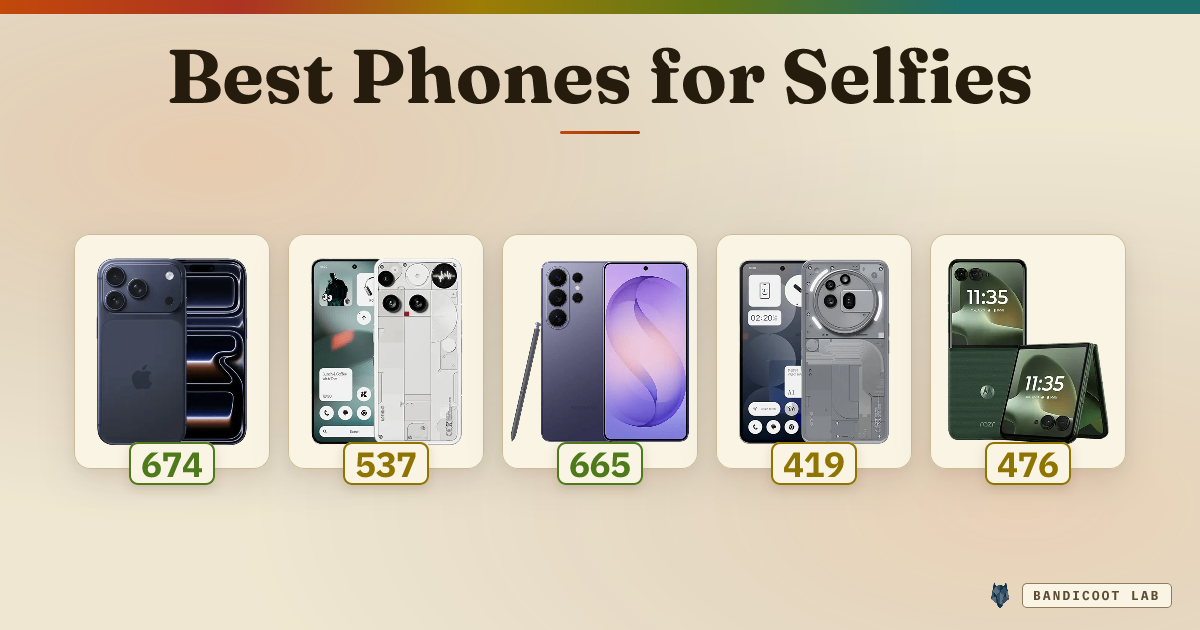
The Nothing Phone (3) uses a 50 megapixel f/2.2 front camera at 25mm; the OnePlus 15 has a 32 megapixel f/2.4 selfie camera at 21mm. The Nothing Phone (3) resolves more detail across all lighting, with particularly strong results in mid and low light where many front cameras struggle. Its sharpness in dim conditions is high enough to be genuinely useful for evening selfies.
Color from the Nothing Phone (3)'s front camera leans slightly cool in bright light, with a mild blue tint. In medium light, it's nearly perfectly neutral. In low light, a very slight cool shift appears. Skin tones stay reasonably close to life across the range. The OnePlus 15's front camera produces oversaturated, vivid shots in bright light, with skin tones pushed notably warm. In medium light, it settles into its best performance, with accurate skin tones and mild warm-yellow processing. Low light brings a heavier warm shift, with pinks and yellows becoming more prominent.
Dynamic range is a clear win for the Nothing Phone (3)'s front camera, which captures substantially more scene depth in selfies. High-contrast selfies, like those taken against a bright window, will hold more background detail on the Nothing Phone (3).
Battery
| OnePlus 15 | Nothing Phone (3) | |
|---|---|---|
780/ 836 | 593/ 836 | |
The OnePlus 15 packs a 7,300mAh battery. The Nothing Phone (3) has a 5,000mAh cell. That 46% capacity advantage shows up across every test.
The OnePlus 15 delivers 46.1 hours of video playback at 200 nits, which translates comfortably to two and a half days of moderate use without charging. The Nothing Phone (3) manages 27.5 hours, enough for a solid day and a half of similar use. Web browsing drain over five hours is 16% on the OnePlus 15 versus 30% on the Nothing Phone (3), meaning the OnePlus 15 would last roughly twice as long during sustained browsing sessions. Gaming drain is similar: 23% on the OnePlus 15 versus 28% on the Nothing Phone (3) during the stress test, despite the OnePlus 15 pushing harder graphically. Standby drain overnight (eight hours) is 4% on the OnePlus 15 and just 1% on the Nothing Phone (3). The Nothing Phone (3) is more efficient at idle, though the OnePlus 15's much larger battery means it still wakes up with more charge in absolute terms.
Charging
| OnePlus 15 | Nothing Phone (3) | |
|---|---|---|
700/ 837 | 268/ 837 | |
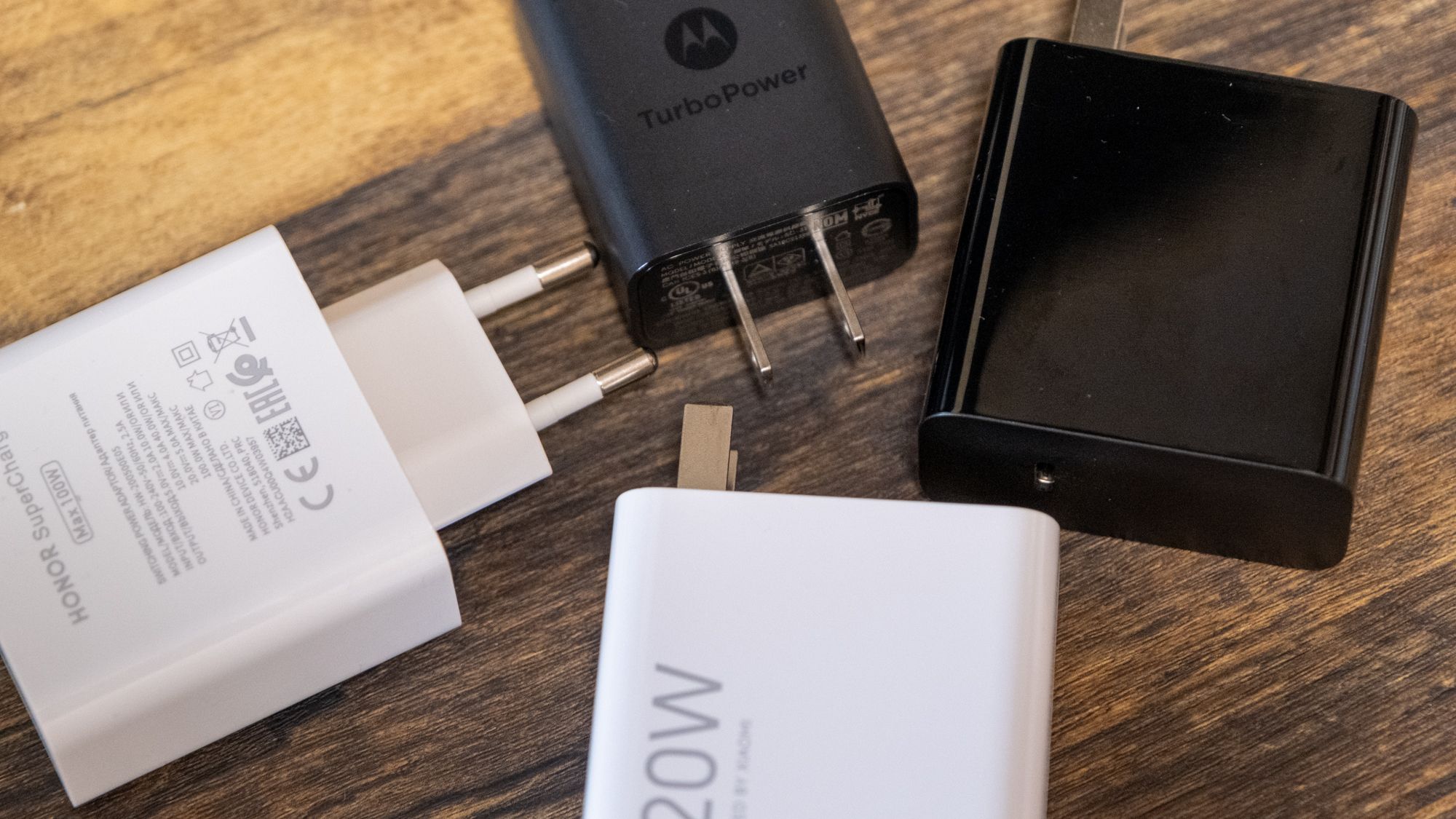
The OnePlus 15 supports 120W wired and 50W wireless charging. The Nothing Phone (3) supports 65W wired and 15W wireless.
At 10 minutes on the wire, the OnePlus 15 reaches 37%; the Nothing Phone (3) hits 22%. At 30 minutes, it's 88% versus 63%. That 88% figure on the OnePlus 15 is from a 7,300mAh battery, which makes the speed significant. A 30-minute charge on the OnePlus 15 gives you roughly the same total energy as a full charge on the Nothing Phone (3).
Wireless charging tells a similar story. The OnePlus 15 reaches 10% in 10 minutes and 28% in 30 minutes wirelessly. The Nothing Phone (3) manages 4% and 10% over the same intervals. If you rely on wireless charging overnight, both will finish by morning. If you need a wireless top-up during the day, the OnePlus 15 delivers meaningfully more in a short window.
Speaker
| OnePlus 15 | Nothing Phone (3) | |
|---|---|---|
669/ 897 | 652/ 897 | |
Both phones get loud. The OnePlus 15 reaches 75 dBA, while the Nothing Phone (3) hits 73.1 dBA. That's a small gap that most people would struggle to notice in direct comparison.
The difference is in clarity and distortion. The Nothing Phone (3) measures 3.46% total harmonic distortion versus 7.87% on the OnePlus 15. You'll hear this as cleaner vocals and less harshness at high volume on the Nothing Phone (3). The OnePlus 15 has fuller bass response and its frequency range extends lower, giving music and video audio a warmer foundation. The Nothing Phone (3) trades some of that bass fullness for a cleaner, less colored presentation overall. If you primarily watch speech-heavy content, the Nothing Phone (3)'s lower distortion is an advantage. For music or movies where you want more low-end presence, the OnePlus 15 delivers more of it.
Microphone
| OnePlus 15 | Nothing Phone (3) | |
|---|---|---|
696/ 1220 | 437/ 1220 |
The OnePlus 15's microphone produces more even frequency response than the Nothing Phone (3)'s, placing it solidly above average for voice calls and recording. The Nothing Phone (3)'s microphone is below average, with a less consistent frequency response that may result in voice recordings sounding less natural. For video calls and voice notes, the OnePlus 15 will generally deliver clearer results.
Other
| OnePlus 15 | Nothing Phone (3) | |
|---|---|---|
| Biometrics | 514/ 1181 | 504/ 1181 |
| Data Transfer | 622/ 943 | 102/ 943 |
| Specifications | ||
| Biometric type | Fingerprint | Fingerprint |
| Ports | USB-C 3.2 | USB-C 2.0 |
| Storage | 256GB, 512GB, 1TB | 256GB, 512GB |
Both phones use fingerprint sensors with nearly identical unlock speeds: 204ms for the OnePlus 15 (ultrasonic) and 208ms for the Nothing Phone (3) (optical). You won't feel a difference. Neither phone has hardware-based face unlock.
Data transfer speeds diverge sharply. The OnePlus 15's USB-C 3.2 port delivers read speeds of 298 MB/s and write speeds of 230 MB/s. The Nothing Phone (3)'s USB-C 2.0 port maxes out at 38 MB/s for both reads and writes. If you transfer large files, photos, or video to a computer, the OnePlus 15 is roughly eight times faster. The OnePlus 15 is available in 256GB, 512GB, and 1TB storage configurations; the Nothing Phone (3) offers 256GB and 512GB.
Conclusion
The OnePlus 15 is the stronger phone for battery life, charging speed, raw performance, and data transfer. Its 46-hour video playback result and 88% charge in 30 minutes mean you'll spend less time thinking about power management than with almost any other phone. The Snapdragon 8 Elite Gen 5 gives it a commanding lead in CPU and GPU benchmarks that will matter for heavy gaming, video editing, and more. Its display peaks brighter for HDR content, and its USB-C 3.2 port makes file transfers fast.
The Nothing Phone (3) is the stronger camera phone by a clear margin. Its color accuracy across all four lenses is substantially ahead, with particularly strong results from its telephoto, where skin tones stay true to life in every lighting condition. The front camera captures more detail and wider dynamic range. Its speaker produces cleaner audio, and its slightly lower touch latency and strong sustained brightness round out a phone that prioritizes media quality. At $100 less, it also represents the better value for anyone whose priorities lean toward photography and content consumption.
If your phone is primarily a tool for productivity, gaming, and heavy use that demands long battery life and fast charging, the OnePlus 15 justifies its higher price. If you care most about the photos and videos your phone produces, and you want cleaner audio from the speakers, the Nothing Phone (3) delivers more in those areas.
Related
Nothing
Phone (3)
OnePlus
15
OnePlus
15R
Nothing
Phone (4a) Pro
Nothing
Phone (4a)
Nothing
Phone (4b)
Best Phones Under $1,000
Best Phones Under $800
How we test charging
Best Phones for Selfies
Samsung Galaxy S26 Ultra vs OnePlus 15
RedMagic 11 Air vs OnePlus 15