RedMagic 11 Air vs OnePlus 15R
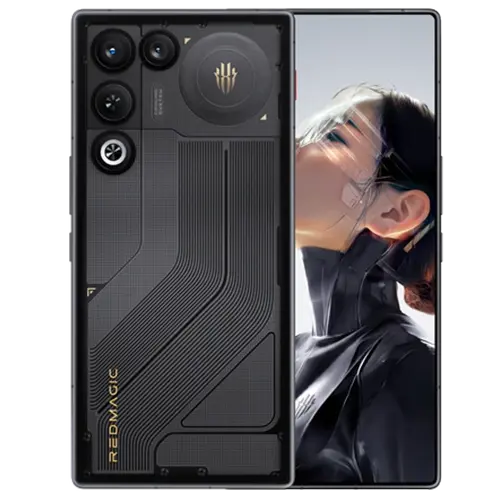
RedMagic
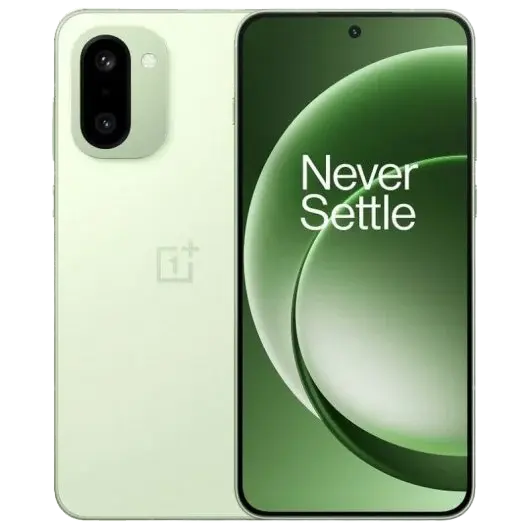
OnePlus
11 Air
15R
Ranked #25 of 60
Ranked #28 of 60
Overall
Overall
The RedMagic 11 Air and OnePlus 15R are perhaps strange phones to compare. One is a dedicated gaming device at a low price, but with top-tier performance. The other is designed to be a little more rounded, and comes at a higher price. The RedMagic 11 Air leans into its gaming heritage, pairing a high-refresh display with aggressive performance tuning at $529. The OnePlus 15R, at $699.99, is a more conventional upper-midrange phone that trades some raw power for longer battery life and a more polished display.
The RedMagic 11 Air is the stronger performer in raw GPU and CPU benchmarks, and its speaker gets louder. The OnePlus 15R counters with a brighter, more color-accurate display, substantially longer battery life, faster charging, faster fingerprint unlocking, and better front camera results. Camera quality is middling on both, with each phone taking different sections.
Here’s how the RedMagic 11 Air and the OnePlus 15R compared in our thorough testing.
Design
| RedMagic 11 Air | OnePlus 15R | |
|---|---|---|
| Specifications | ||
| Dimensions | 163.8 x 76.5 x 8 mm | 163.4 x 77 x 8.1 mm |
| Weight | 207g | 213g |
| IP Rating | IP54 | IP68/IP69K |
| Frame | Aluminum | Aluminum |
| Front | Gorilla Glass 7i | Gorilla Glass 7i |
| Back | Gorilla Glass 5 | Glass / Fiber-reinforced plastic |
| Screen-to-body ratio | 90.7% | 88.8% |
Both phones are physically similar. The RedMagic 11 Air measures 163.8 x 76.5 x 8mm and weighs 207g. The OnePlus 15R is 163.4 x 77 x 8.1mm at 213g.
Both use aluminum frames and Gorilla Glass 7i on the front. The backs are different though: the RedMagic uses Gorilla Glass 5, while the OnePlus opts for a glass and fiber-reinforced plastic combination. The bigger difference is water and dust protection. The RedMagic 11 Air carries an IP54 rating, which covers splashes and dust but not submersion. The OnePlus 15R is rated IP68/IP69K, meaning it's tested for submersion to a rated depth and resistance to high-pressure water jets. If you're regularly around water or work in dusty environments, this is a real gap.
The RedMagic 11 Air has a higher screen-to-body ratio at 90.7% versus 88.8% for the OnePlus 15R, which means slightly thinner bezels relative to the display. The RedMagic's display is a touch larger at 6.85 inches compared to 6.78 inches, with a 19.9:9 aspect ratio versus 19.8:9. Both are tall, narrow panels suited to one-handed scrolling.
Bandicoot Lab doesn't formally test design or durability. These observations are based on published specifications only.
Display
| RedMagic 11 Air | OnePlus 15R | |
|---|---|---|
550/ 881 | 663/ 881 | |
The OnePlus 15R has the brighter display by a wide margin. In manual brightness mode, it reaches 788 nits versus 665 nits on the RedMagic 11 Air. The gap widens with HDR content: the OnePlus peaks at 3,158 nits, while the RedMagic tops out at 1,896 nits. For outdoor readability and HDR video, the OnePlus has a clear advantage. Both sustain brightness well over time, too — the OnePlus holds 98.9% and the RedMagic holds 96.6% across a 30-minute HDR stress test. Brightness stability across different HDR window sizes is closer, with the RedMagic at 72.7% and the OnePlus at 68.4%. Both drop noticeably as the bright area of the screen gets larger, which is typical behavior. Both are comfortable for dark-room use, though the OnePlus dims further, by a little.
Color accuracy is better on the OnePlus 15R. Colors are tight to reference across its best mode, with neutral tones staying clean and little visible drift. The RedMagic 11 Air shows slightly more color deviation, enough that trained eyes might notice cooler or warmer shifts in specific tones. Both cover sRGB nearly completely — the OnePlus hits 100% and the RedMagic reaches 99.8%. The OnePlus falls short on DCI-P3 coverage at 75.1%, while the RedMagic covers 97.7%. If you're viewing wide-gamut content, the RedMagic renders a broader range of colors, but the OnePlus places them more accurately within the range it covers.
For tone mapping, the RedMagic 11 Air pushes HDR highlights slightly brighter than the mastered intent, adding a small lift to bright elements. The OnePlus 15R tracks the HDR reference curve more faithfully without boosting. Both start clipping at the same input level, so very bright HDR highlights lose detail at roughly the same point.
Resolution and sharpness are close. The OnePlus runs at 1264 x 2780 (450 pixels per inch) and the RedMagic at 1216 x 2688 (431 PPI). Both are sharp enough that individual pixels aren't visible at normal viewing distance. The RedMagic offers a 144Hz maximum refresh rate; the OnePlus goes slightly higher at 165Hz. Both start at 60Hz and adjust dynamically.
Touch latency is a meaningful difference. The RedMagic 11 Air averages 11.1ms, while the OnePlus 15R comes in at 24.1ms. For a phone aimed at gamers, the RedMagic's responsiveness advantage is substantial and could be felt during fast-paced gaming or rapid scrolling.
Performance
| RedMagic 11 Air | OnePlus 15R | |
|---|---|---|
822/ 1012 | 683/ 1012 | |
The RedMagic 11 Air runs the Qualcomm Snapdragon 8 Elite with 16GB of RAM. The OnePlus 15R uses the Qualcomm Snapdragon 8 Gen 5 with 12GB.
CPU benchmarks are close. The RedMagic scores 3,147 single-core and 9,961 multi-core in GeekBench 6. The OnePlus posts 2,862 single-core and 9,555 multi-core. The RedMagic has a roughly 10% lead in single-core and a 4% lead in multi-core. In daily use, app launches, multitasking, and general interface speed, this gap is unlikely to be noticeable.
GPU performance is where the RedMagic pulls ahead more visibly. In Wild Life Extreme, the RedMagic peaks at 6,932 versus 5,079 for the OnePlus, a 36% advantage. Solar Bay tells a similar story: 12,053 versus 9,244. The RedMagic also sustains that performance better under load, holding 79.5% stability in Wild Life Extreme and 78.9% in Solar Bay, compared to 71% and 69.6% for the OnePlus. For graphically demanding games, the RedMagic delivers higher frame rates and drops less over extended sessions.
Browser performance favors the OnePlus. It scores 18 in Speedometer compared to 9.1 for the RedMagic. That's nearly double, and it reflects a real difference in how quickly complex web pages render and respond.
Essentially, the RedMagic 11 Air is the better gaming phone, with higher GPU output and better sustained performance. The OnePlus 15R handles web browsing noticeably faster. For everything else, they're close enough that most people won't feel a difference.
Camera
| RedMagic 11 Air (Overall) | OnePlus 15R (Overall) | |
|---|---|---|
| Specifications | ||
| Main | 50MP, f/1.9, 23mm, 1/1.55" | 50MP, f/1.8, 24mm, 1/1.56" |
| Ultrawide | 8MP, f/2.2, 14mm, 1/4.0" | 8MP, f/2.2, 16mm, 1/4.0" |
| Front | 16MP, f/2, 1/2.77" | 32MP, f/2, 25mm |
Neither phone is a camera standout. Both carry 50-megapixel main sensors of similar size, an 8-megapixel ultrawide, and no telephoto lens. The OnePlus allows digital zoom up to 20x, versus 10x on the RedMagic, though digital zoom quality at those extremes is poor on both. The OnePlus resolves slightly more detail at deep zoom, but neither produces results you'd want to rely on beyond moderate cropping.
Sharpness overall is mixed between the two. The OnePlus 15R's main and front cameras resolve more detail, while the RedMagic 11 Air's ultrawide is close to the OnePlus's in bright and mid light and slightly better in some conditions. Neither phone's camera system competes with dedicated camera-focused flagships.
Main
| RedMagic 11 Air (Main) | OnePlus 15R (Main) | |
|---|---|---|
460/ 722 | 360/ 722 | |
The OnePlus 15R's main camera holds sharpness well across lighting conditions, and it gets slightly sharper as light decreases. The RedMagic 11 Air's main camera is sharp in good light but doesn't maintain that as well into mid and dark conditions. The difference is modest in bright light and widens in challenging situations.
Color character differs substantially. The RedMagic produces vivid, saturated images across all lighting, consistently punching colors above neutral. This gives photos a lively, social-media-ready look, but skin tones drift noticeably from reality across all conditions. Hue accuracy is moderate in good light and degrades somewhat as lighting gets warmer and dimmer, with a slight warm-yellow shift creeping in under low light, suggesting white balance correction is partly responsible.
The OnePlus 15R takes a more restrained approach. Saturation is close to neutral in bright light and dips slightly below neutral in mid and dark conditions, producing images that look muted compared to the RedMagic. Skin tones are similarly inaccurate on the OnePlus, drifting from reference across all lighting. Hue accuracy degrades more sharply in dark conditions with a strong magenta-pink shift in low light accompanied by a warm yellow cast throughout, pointing to a combination of white balance and sensor-level issues. In good light, colors lean slightly warm-yellow.
Dynamic range is better on the RedMagic's main camera. It holds more detail in shadows and highlights in high-contrast scenes, giving images more depth. The OnePlus clips highlights and compresses tonal range, losing some nuance in tricky lighting. Both clip highlights, but the RedMagic does so with more grace.
Video stabilization is considerably better on the OnePlus 15R. Handheld footage stays significantly more controlled, while the RedMagic's main camera produces noticeably shakier video.
Ultrawide
| RedMagic 11 Air (Ultrawide) | OnePlus 15R (Ultrawide) | |
|---|---|---|
463/ 722 | 421/ 722 | |
Both phones use 8-megapixel ultrawides, which limits expectations. Sharpness is similar between them, with the OnePlus slightly ahead in bright and mid light and the RedMagic edging it in dark conditions. Both produce softer results than their respective main cameras.
The color story mirrors the main cameras. The RedMagic's ultrawide pushes saturation visibly above neutral and shows some hue inconsistency as lighting gets warmer, with a noticeable warm shift in mid and dark conditions. The OnePlus's ultrawide is closer to neutral saturation but shows substantial hue errors in dim, warm lighting, with a strong warm and slightly pink shift. In bright light, the OnePlus ultrawide's colors are more accurate.
Dynamic range is much better on the RedMagic's ultrawide, retaining more detail across the tonal range. The OnePlus’ ultrawide compresses shadows and highlights more aggressively and shows some tonal inconsistencies. Stabilization is also better on the OnePlus for ultrawide video.
Front
| RedMagic 11 Air (Front) | OnePlus 15R (Front) | |
|---|---|---|
480/ 722 | 484/ 722 | |
The OnePlus 15R's 32-megapixel front camera is sharper than the RedMagic 11 Air's 16-megapixel unit across all lighting conditions, and the gap is noticeable. This matters for video calls and selfies alike.
Color accuracy for skin tones is better on the OnePlus front camera in mid and dark lighting, where faces look close to natural. In bright light, the OnePlus oversaturates and pushes skin tones away from reference. The RedMagic's front camera renders skin tones with moderate error throughout, never wildly off but never particularly accurate either. Both front cameras show meaningful hue shifts in low light.
The RedMagic front camera holds a dynamic range advantage, keeping more shadow and highlight detail in contrasty selfie situations. The OnePlus's front camera shows more tonal inversions, meaning some brightness transitions don't render smoothly.
Stabilization for front-facing video is better on the OnePlus 15R, keeping selfie video noticeably steadier.
Battery
| RedMagic 11 Air | OnePlus 15R | |
|---|---|---|
707/ 836 | 655/ 836 | |
The OnePlus 15R packs a 7,400mAh battery, while the RedMagic 11 Air has 7,000mAh. The OnePlus makes more of its capacity.
Video playback is quite different. The OnePlus 15R ran for 44.21 hours versus 29.33 hours for the RedMagic. That's roughly 50% more playback time. The OnePlus could handle two or three full days of moderate mixed use between charges, while the RedMagic is more of a solid two-day phone, under normal usage.
Web browsing drain is essentially tied. The OnePlus drops 22% over five hours and the RedMagic drops 21%. Gaming is where the OnePlus excels. During the one-hour stress test, the OnePlus drained only 19% compared to 37% for the RedMagic. The RedMagic's higher GPU output comes at a steep efficiency cost. If you game for extended sessions, the OnePlus will last nearly twice as long from the same starting charge.
Standby is the one area where the RedMagic has a clear edge. It loses just 1% overnight during the 8-hour idle test, compared to 12% for the OnePlus. If you leave your phone idle for long stretches, the RedMagic barely sips its battery, while the OnePlus drains noticeably.
Charging
| RedMagic 11 Air | OnePlus 15R | |
|---|---|---|
243/ 837 | 356/ 837 | |
Both phones support 80W wired charging and neither offers wireless charging. The OnePlus 15R charges faster despite its larger battery. At the 10-minute mark, they're nearly identical — 26% for the OnePlus and 25% for the RedMagic. By 30 minutes, the OnePlus pulls ahead with 63% versus 52% for the RedMagic. That 11-percentage-point gap means the OnePlus gets you about an hour more of use from the same half-hour charge session. For a quick morning top-up before heading out, the OnePlus delivers more usable charge.
Speaker
| RedMagic 11 Air | OnePlus 15R | |
|---|---|---|
538/ 897 | 533/ 897 | |
Both phones have weak speaker systems. The RedMagic 11 Air gets louder, peaking at 79.2 dBA versus 71.5 dBA for the OnePlus 15R. You'll hear the RedMagic clearly in noisier environments where the OnePlus would struggle.
The OnePlus 15R has considerably higher total harmonic distortion at 15.98% versus 9.7% for the RedMagic. At higher volumes, the OnePlus sounds rougher and more strained.
The OnePlus produces fuller bass and better high-end clarity. The RedMagic is thinner in the low end but cleaner overall, with less audible distortion coloring the sound. Neither phone is a good choice if speaker quality is a priority.
Microphone
| RedMagic 11 Air | OnePlus 15R | |
|---|---|---|
520/ 1220 | 497/ 1220 |
Both phones deliver below-average microphone quality. The RedMagic 11 Air's frequency response is slightly more uneven, but the difference between the two is marginal. Neither will impress for voice recording or calls in challenging environments.
Other
| RedMagic 11 Air | OnePlus 15R | |
|---|---|---|
| Biometrics | 402/ 1181 | 663/ 1181 |
| Data Transfer | 104/ 943 | 120/ 943 |
| Specifications | ||
| Biometric type | Fingerprint | Fingerprint |
| Ports | USB-C 2.0 | USB-C 2.0 |
| Storage | 256GB, 512GB | 256GB, 512GB |
Fingerprint unlocking is substantially faster on the OnePlus 15R, which uses an ultrasonic sensor averaging 158ms versus the RedMagic 11 Air's optical sensor at 261ms. The OnePlus unlocks in about 60% of the time. It's the kind of difference you'd notice multiple times a day. Neither phone offers hardware-based face unlock.
Data transfer speeds are nearly identical: both max out at around 42 MB/s read and 36–37 MB/s write over their USB-C 2.0 ports. These are slow by modern standards. Both phones are available in 256GB and 512GB storage options. The RedMagic offers a 12GB RAM option alongside its 16GB configuration, while the OnePlus ships with 12GB only.
Conclusion
The OnePlus 15R is the more well-rounded phone. Its display is brighter, more color-accurate, and better suited for HDR content. Battery life is significantly longer, especially during gaming, where the OnePlus drains half as much as the RedMagic. Charging is faster at the 30-minute mark. The front camera is sharper and video stabilization is better across all lenses. Fingerprint unlocking is quicker, and IP68 water resistance provides peace of mind that IP54 doesn't.
The RedMagic 11 Air has clear advantages for specific use cases. GPU performance is about 36% higher, and it sustains that performance more consistently under load. Touch latency is half that of the OnePlus, which matters for competitive gaming. The speaker gets louder with less distortion. Display gamut coverage is wider in DCI-P3. Standby drain is extraordinarily low. And it costs $170 less.
If you play graphically demanding games and want the best raw performance per dollar, the RedMagic 11 Air delivers more power at a lower price, with the responsiveness to match. If your priorities are battery life, display quality, camera stabilization, water resistance, and a faster-unlocking phone for daily use, the OnePlus 15R justifies the price difference.
Related
RedMagic
11 Air
OnePlus
15R
OnePlus
15

RedMagic
11S Pro
Best Phones For Any Budget
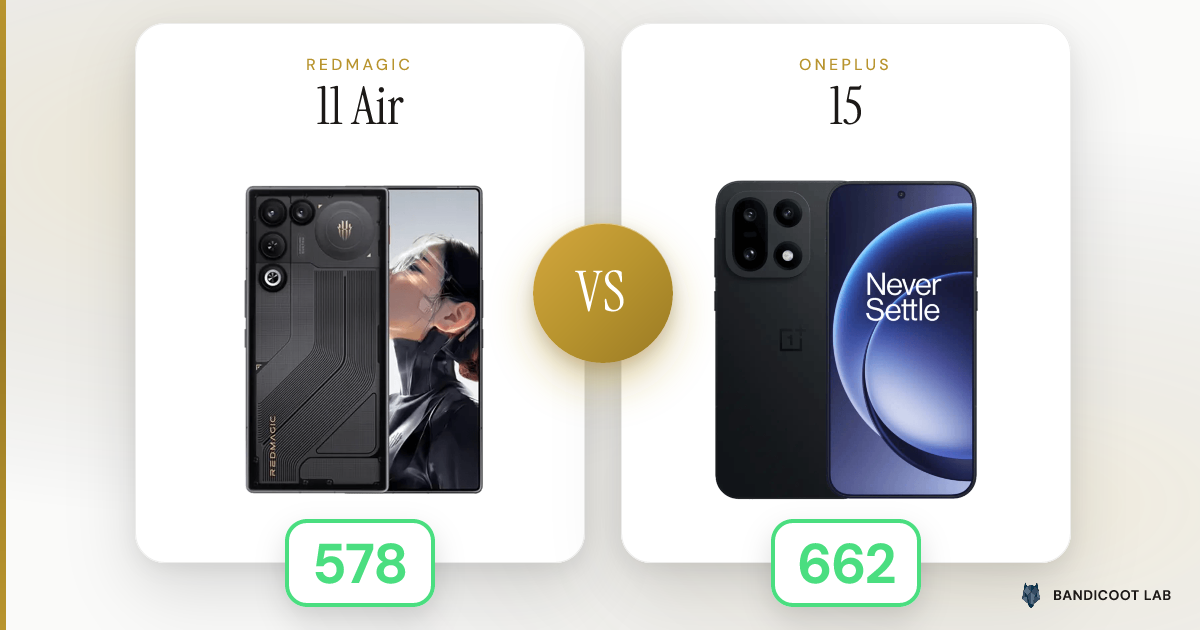
RedMagic 11 Air vs OnePlus 15
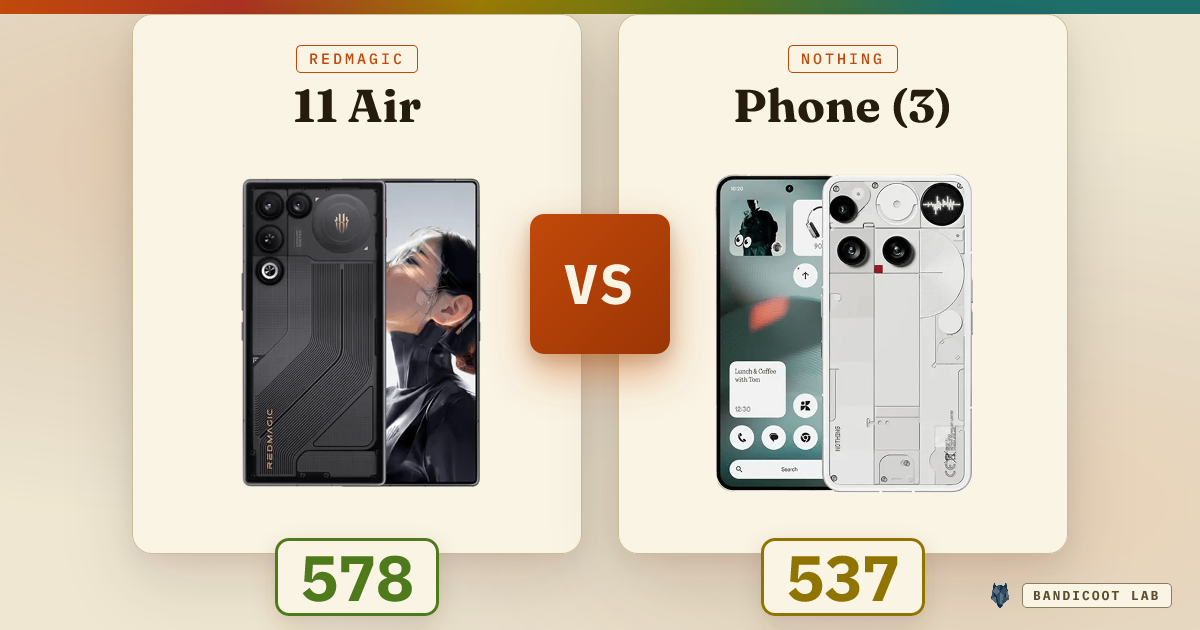
RedMagic 11 Air vs Nothing Phone (3)
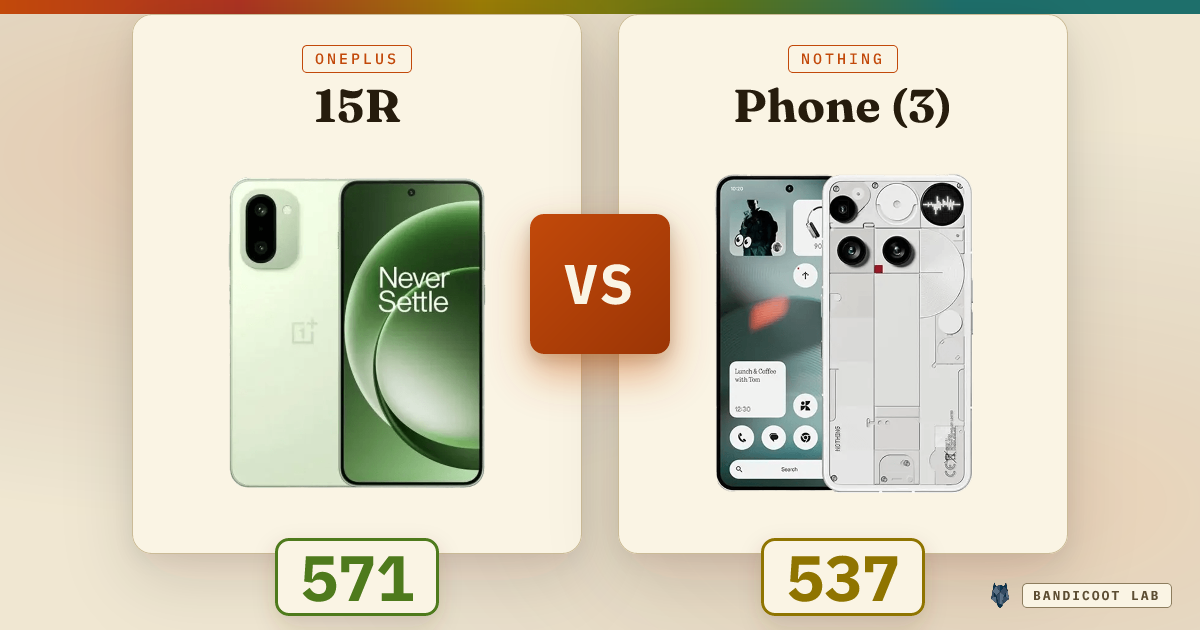
OnePlus 15R vs Nothing Phone (3)