RedMagic 11S Pro


Score Overview
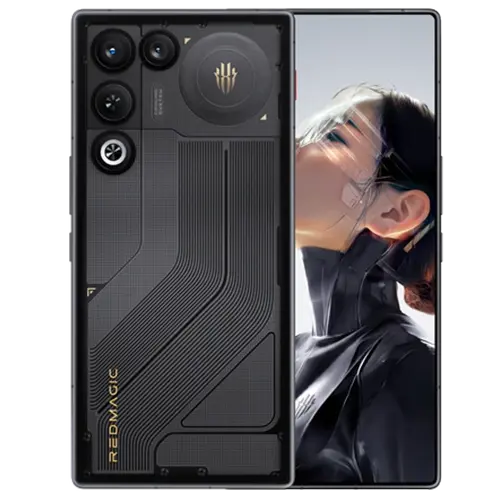
The RedMagic 11S Pro is a gaming phone that looks the part. It pairs top-tier silicon and a massive battery with wireless charging and a water resistance rating, features that gaming phones have historically skipped. At $849, it sits below flagships like the OnePlus 15 and Samsung Galaxy S26 while trying to match them on core specs. It's aimed at buyers who want raw performance first and will accept trade-offs elsewhere.
Performance is, unsurprisingly, the standout. The camera system, though, is limited. There's no telephoto lens, sharpness at distance falls off quickly, and the front camera underperforms.
Here’s how the RedMagic 11S Pro performed in our lab testing.
Design
Specifications
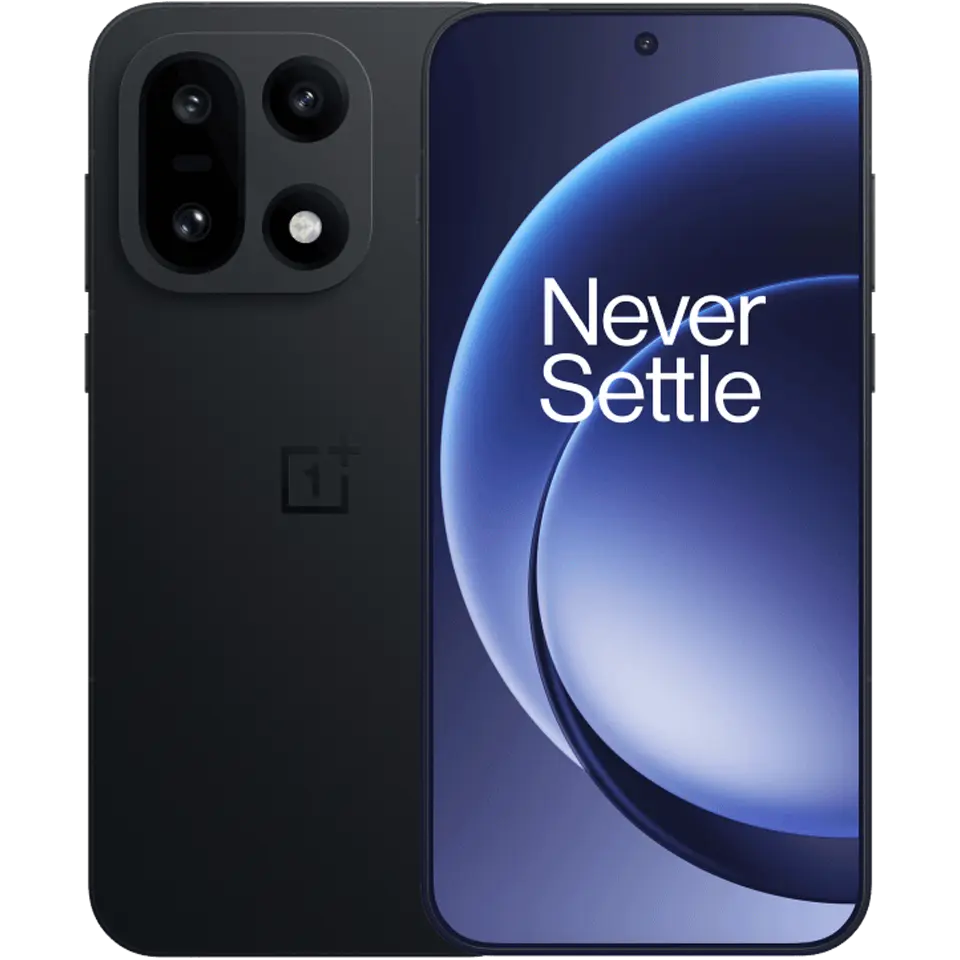
The RedMagic 11S Pro measures 163.8 x 76.5 x 8.9mm and weighs 230g. It's a large phone, heavier than the similarly sized OnePlus 15 (211g) and considerably heavier than the Samsung Galaxy S26 (167g), though the S26 is a much smaller device. Compared to the RedMagic 11 Air, which shares the same footprint, the 11S Pro is 0.9mm thicker and 23g heavier, likely due to the larger 7,500mAh battery and the addition of wireless charging hardware.
The frame is aluminum, with Gorilla Glass on the front and back. The IPX8 water resistance rating means it can handle submersion but lacks a dust ingress rating, so it isn't fully sealed in the way an IP68 device like the Galaxy S26 or OnePlus 15 would be. The screen-to-body ratio is 90.7% with a 19.9:9 aspect ratio.
Bandicoot Lab does not formally test design or durability.
Display
The RedMagic 11S Pro offers a 6.85-inch AMOLED panel that runs at a 1216 x 2688 resolution (431 pixels per inch) with up to a 144Hz refresh rate. That refresh rate is higher than the 120Hz panels on most flagships, which is relevant for gaming, though the difference between 120Hz and 144Hz is subtle in everyday use.
Brightness is modest. Manual brightness tops out at 677 nits, and HDR peak brightness reaches 2,265 nits. That peak drops meaningfully across window sizes. Sustained brightness holds well over time though: 98.4% stability over a 30-minute HDR test is strong. The Pixel 10 Pro and Xiaomi 17T Pro both reach higher HDR peaks, and the Pixel 10 Pro more than doubles the manual brightness at 1,450 nits. In direct sunlight, you'll feel that gap.
Color accuracy is solid. In its best display mode, colors track close to reference values, and P3 gamut coverage hits 98.4%. Neutral tones look clean without visible warmth or coolness. HDR tone mapping is less precise: the display clips content at around the 90% input level, which means the brightest HDR highlights lose some differentiation. There's a slight brightness lift in highlights, but it's minimal. The RedMagic 11 Air behaves similarly here, though its tone mapping tracks the reference curve a bit more faithfully.
Touch latency averages 11.9ms, which is low and one of the better results we've measured. For a gaming phone, that matters. The OnePlus 15 is a few milliseconds slower at 15.5ms, and the Samsung Galaxy S26 sits at 21.8ms. You likely won't perceive the difference between this and the 11 Air's 11.1ms.
Performance
The phone offers a Qualcomm Snapdragon 8 Elite Gen 5, paired with up to 16GB of RAM (12GB also available), and it delivers excellent performance across the board. GeekBench 6 scores land at 3,815 single-core and 12,148 multi-core. Both figures are slightly above the OnePlus 15 (3,606 / 11,442), which runs the same chip. The Samsung Galaxy S26 posts similar single-core results (3,709) but trails in multi-core (11,232). In practice, these differences are imperceptible in daily use.
GPU performance is where the RedMagic 11S Pro separates itself. The Wild Life Extreme stress test peaks at 8,116 with 81% stability, and Solar Bay peaks at 14,697 with 82.4% stability. The OnePlus 15 peaks nearly as high but drops to 63.7% stability in Wild Life Extreme; the Galaxy S26 is worse at 45.8%. This means the 11S Pro sustains its performance under prolonged load much better than competitors with the same chip, thanks, of course, to the built-in fan. During extended gaming sessions, you'll see fewer frame drops and less thermal throttling.
Browser performance is low at a Speedometer score of 13, which is behind the OnePlus 15 (18.1) and well behind the Galaxy S26 (36.7). Web page rendering will feel slower than on those devices.
Camera
The RedMagic 11S Pro has a two-camera rear setup, made up of a 50-megapixel main sensor (1/1.55", f/1.9, 23mm) and a 50-megapixel ultrawide (1/2.88", f/2.0, 13mm). There's no telephoto lens, and digital zoom maxes out at 10x. The 16-megapixel front camera (1/3.06", f/2.0, 26mm) rounds things out.
This is a below-average camera system for the price. The main camera produces decent results in good light, but detail drops off quickly when zooming digitally, and the lack of a telephoto lens is a clear limitation at $849. At 10x, detail is very low. Phones like the Samsung Galaxy S26 and Xiaomi 17T Pro, both near this price, include dedicated telephoto lenses with optical zoom and retain far more detail at distance.
Sharpness across the system is mixed. The main lens resolves moderate detail in bright light, dips in mid-light, and recovers somewhat in dark conditions, an unusual pattern that suggests processing is doing heavy lifting in low light. The ultrawide is average. The front camera is soft across all lighting conditions.
Main
The 50-megapixel main sensor (1/1.55", 23mm, f/1.9) produces moderate sharpness in bright light. Detail is decent at 1x but visibly softens as you move through the digital crop range toward 10x. By 5x you're losing meaningful detail, and by 10x, images are quite soft. The RedMagic 11 Air, with the same sensor, behaves similarly at 1x, so the underlying hardware is the limiting factor.
Color tuning is vivid, with saturation pushed above neutral. This gives photos a saturated, contrasty look that works for social sharing but isn't overly accurate. Hue accuracy stays consistent across bright, mid, and low-light conditions, which means the white balance system is handling warmer lighting well. Skin tones shift more in bright light and are closer to accurate in dim scenes, suggesting the processing is over-correcting warm tones in daylight.
Dynamic range is a little limited. Highlights clip in high-contrast scenes, and shadow recovery is modest. The Samsung Galaxy S26's main camera retains more range, and even the RedMagic 11 Air's main sensor captures more tonal depth in the shadows. Video stabilization is adequate: footage stays reasonably controlled, performing similarly to the OnePlus 15's main camera.
Ultrawide
The 50-megapixel ultrawide (1/2.88", 13mm, f/2.0) is a step up from the 11 Air's 8-megapixel ultrawide in resolution, and sharpness shows it. Detail in bright and mid-light is moderate, dropping off in low light. Compared to the Samsung Galaxy S26's ultrawide, the 11S Pro resolves noticeably less detail, though both sensors are in different size classes.
Color is moderately vivid, and less aggressively saturated than the main camera. Hue accuracy is decent in bright and mid-light but degrades significantly in dim conditions. The bias points to white balance as the primary issue — the processing pushes heavily warm in low light, introducing visible color shifts. Skin tones are inconsistent, drifting substantially in bright light and improving in dimmer conditions.
Dynamic range is narrow. Highlights clip, and the available tonal range is limited. Video stabilization on the ultrawide is poor, with visible instability in handheld footage.
Front
The 16-megapixel front camera (1/3.06", f/2.0, 26mm) is soft in all lighting conditions and doesn't sharpen up as light improves. It's below average for a phone at this price. The Pixel 10 Pro and OnePlus 15 both resolve considerably more detail from their front cameras.
Color on the front camera is heavily saturated in bright light and scales back as light drops, ending up near neutral in low light. Hue accuracy is poor across the board, with large errors in every lighting condition. In low light, white balance drifts extremely warm, compounding the hue errors. Skin tones are unreliable: they drift from reference in all conditions, and the magnitude of the error is large enough to be visible in selfies.
Dynamic range is actually reasonable for a front camera, retaining more highlight and shadow detail than the Pixel 10 Pro or OnePlus 15 front cameras. Stabilization is mediocre, with noticeable jitter in video.
Battery
The 7,500mAh battery delivers 28.61 hours of continuous video playback. That's a solid result, roughly enough for a long-haul flight and back with room to spare, but it doesn't match what the capacity suggests. The OnePlus 15 extracts 46.11 hours from a 7,300mAh cell, and even the RedMagic 11 Air gets 29.33 hours from 7,000mAh. The 11S Pro's power management isn't as efficient.
Web browsing drain is 20% over five hours, which is average. Gaming drain is 53% during the stress test, a high figure that sits well above the OnePlus 15 (23%) and Samsung Galaxy S26 (27%). The GPU performance is excellent and sustained, but it comes at a steep power cost. Standby drain is 7% over eight hours, higher than most competitors. The iPhone 17, OnePlus 15, and Galaxy S26 all drain 2-4% in the same test.
In practical terms, you'll get through a full day comfortably with moderate use, and probably stretch to a day and a half. Heavy gaming will drain the battery faster than most phones with similar capacity, though the raw size of the cell means you still get decent absolute runtime.
Charging
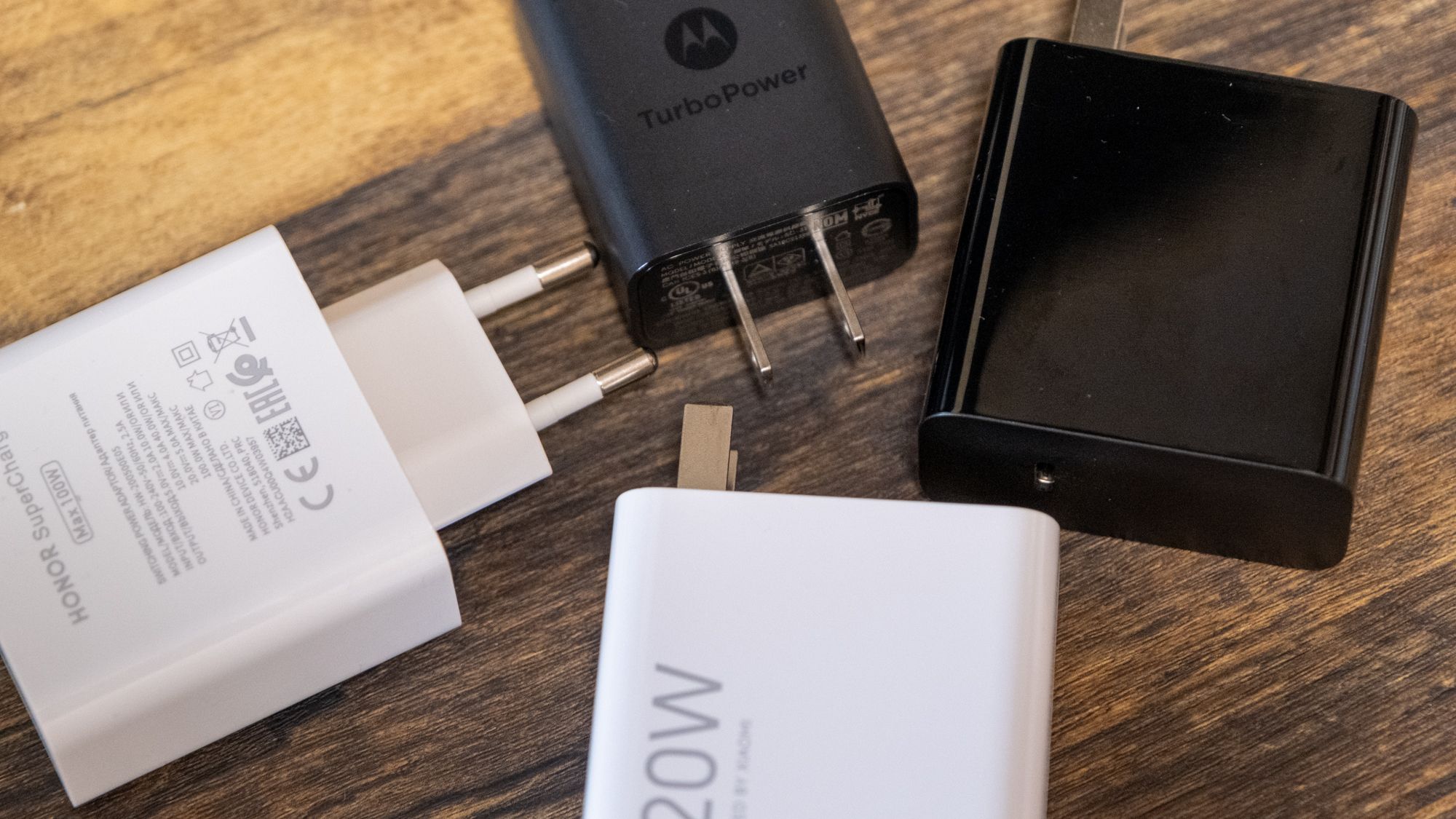
Wired charging at 80W reaches 25% in 10 minutes and 65% in 30 minutes. That's very quick. That said, the OnePlus 15's 120W charger hits 88% in 30 minutes, and the Xiaomi 17T Pro's 100W gets to 79%. Compared to the RedMagic 11 Air, which also charges at 80W, the 11S Pro is faster to 30 minutes (65% vs 52%), likely due to charging curve optimization.
Wireless charging at 80W is where the 11S Pro stands out. It reaches 21% in 10 minutes and 53% in 30 minutes, which is fast for wireless. The OnePlus 15's 50W wireless charging only hits 28% in 30 minutes, and the Galaxy S26's 15W wireless manages 29%. The RedMagic 11 Air doesn't have wireless charging at all, so this is a significant upgrade within the lineup.
Speaker
The speaker maxes out at 75.8 dBA, which is average loudness. Distortion is high at 10.36% THD, and it's audible at higher volumes. The frequency response is thin, with very little bass output and only moderate clarity in the upper range. The overall sound profile is tinny and lacks the depth or richness you get from the Samsung Galaxy S26 or even the iPhone 17. The RedMagic 11 Air is slightly better in loudness but similarly limited in bass.
This is a weak speaker by any measure. If you're gaming, you'll want headphones.
Microphone
Microphone quality is below average. Frequency response varies more than most competitors, and the Samsung Galaxy S26 and OnePlus 15 both produce more consistent recordings. It's adequate for voice calls but not a strength.
Other
Measurements
Specifications
The ultrasonic fingerprint sensor unlocks in 101ms on average, which is exceptionally fast. For context, the OnePlus 15's ultrasonic sensor takes 204ms, and the Samsung Galaxy S26's takes 226ms. The difference is perceptible: the 11S Pro feels nearly instant. There's no hardware-based face unlock.
USB-C 3.2 Gen 2 provides fast data transfer speeds, with max read speeds of 353 MB/s and max write speeds of 401 MB/s. That's a substantial upgrade over the RedMagic 11 Air's USB-C 2.0 port (42/37 MB/s) and one of the faster USB connections available on a phone.
Storage options are 256GB and 512GB.
Conclusion
The RedMagic 11S Pro is easy to recommend if performance is what you care about most. GPU stability under sustained load is excellent, the fingerprint sensor is exceptionally quick, and wireless charging at 80W makes it one of the most complete gaming-focused packages available at $849. The upgrades over the RedMagic 11 Air are meaningful — faster data transfer, wireless charging, better water resistance, and a stronger ultrawide camera.
Battery efficiency doesn't match phones with similar or smaller cells, the speaker is a clear weakness, and the camera system lacks a telephoto lens and underperforms on the front camera. If you're cross-shopping the OnePlus 15, you'll get much better battery life, a telephoto camera, and faster wired charging, but you won't match the RedMagic's GPU consistency or biometric speed. The Samsung Galaxy S26 offers a more complete camera, better speaker, and lighter build, but charges much more slowly and throttles harder under load. The 11S Pro knows exactly what it is and delivers on that specific promise.
FAQ
How long does the RedMagic 11S Pro battery last in real use?
The 11S Pro ran for 28.61 hours in a continuous video playback test at 200 nits, which translates to a comfortable full day and likely a day and a half with moderate use. Heavy gaming is a different story — the battery drained 53% during a gaming stress test, well above what comparable phones consume, so the 7,500mAh cell works harder than you might expect when the GPU is under sustained load. This is likely due to the power used by the built-in fan.
Can the 11S Pro handle long gaming sessions without slowing down?
GPU performance holds up under prolonged load better than competing phones with the same chip. In the Wild Life Extreme stress test, the 11S Pro sustained 81% of its peak GPU output, while the OnePlus 15 dropped to 63.7% and the Galaxy S26 fell to 45.8%. In practice, this means fewer frame drops and less throttling during extended sessions, though the power cost is steep and battery drains quickly.
How good is the RedMagic 11S Pro camera for everyday photos?
The main camera handles good-light snapshots reasonably well, with consistent white balance and color that skews vivid rather than accurate. Digital zoom degrades quickly — by 5x you're losing meaningful detail, and 10x is quite soft — and there's no telephoto lens to compensate. The front camera is soft in all lighting and produces unreliable skin tones, so it underperforms relative to what you'd expect at this price.
How fast is the fingerprint sensor on the 11S Pro?
The ultrasonic fingerprint sensor unlocks in 101ms on average, which is perceptibly faster than most phones. The OnePlus 15's ultrasonic sensor takes 204ms and the Galaxy S26's takes 226ms, meaning the 11S Pro feels close to instant by comparison. There's no hardware-based face unlock.
How bright does the RedMagic 11S Pro screen get, and is it usable in sunlight?
Manual brightness tops out at 677 nits, which is modest. HDR peak brightness reaches 2,265 nits, but that figure drops as the bright area of the screen increases. The Pixel 10 Pro exceeds 1,450 nits at manual brightness, more than double the 11S Pro. In direct sunlight you'll notice the difference, and it's the display's most practical limitation.
Is the speaker good enough for gaming without headphones?
The speaker maxes out at 75.8 dBA, which is average volume, but distortion runs high at 10.36% THD and becomes audible at higher volumes. Bass output is very thin and the overall sound is tinny, falling well short of the Galaxy S26 or iPhone 17. For serious gaming audio, headphones are a practical necessity.
Related
How we test charging
Best Phones for Gaming
Best Phones Under $1,000
Best Android Phones
Best-Performing Phones
Best Phones
RedMagic
11 Air
OnePlus
15
Xiaomi
17T Pro
OnePlus
13
Samsung
Galaxy S26
Apple