RedMagic 12 Pro vs RedMagic 11S Pro


RedMagic
RedMagic
12 Pro
11S Pro
Ranked #5 of 62
Ranked #14 of 62
Overall
Overall

The RedMagic 12 Pro and RedMagic 11S Pro are successive generations of the same gaming phone, separated by one processor generation and $100. The 12 Pro costs $949 and refines the physical design while running a newer chipset. The 11S Pro, at $849, was already one of the fastest Android phones available and remains competitive against its own successor. Both are built for people who care about frame rates and battery life more than camera quality.
The 12 Pro has the edge in battery life, display brightness consistency, and overall build. The 11S Pro counters with a more reliable camera system and better sustained GPU performance. Neither is a camera-first phone, which is a meaningful shared weakness if you're cross-shopping with mainstream flagships.
Design
| RedMagic 12 Pro | RedMagic 11S Pro | |
|---|---|---|
| Specifications | ||
| Dimensions | 163.03 x 75.96 x 8.55 mm | 163.8 x 76.5 x 8.9 mm |
| Weight | 223g | 230g |
| IP Rating | IP68/IP69 | IPX8 |
| Frame | Aluminum | Aluminum |
| Front | Gorilla Glass 7i | Gorilla Glass 7i |
| Back | Gorilla Glass 7i | Gorilla Glass 5 |
| Screen-to-body ratio | 96.3% | 90.7% |
Both phones share a 6.85-inch display size and a 19.9:9 aspect ratio. The 12 Pro is the more compact of the two at 163.03 x 75.96 x 8.55mm and 223g, compared to 163.8 x 76.5 x 8.9mm and 230g for the 11S Pro. Both use aluminum frames and Gorilla Glass 7i on the front. The 12 Pro matches that glass on the back; the 11S Pro uses the older Gorilla Glass 5.
The screen-to-body ratio is the most visible difference: 96.3% on the 12 Pro versus 90.7% on the 11S Pro. That's a large gap. The 12 Pro has meaningfully thinner bezels. Water and dust resistance also diverges. The 12 Pro carries IP68/IP69, covering submersion to rated depth and high-pressure water jets. The 11S Pro is rated IPX8, which covers submersion but provides no formal dust protection.
Bandicoot Lab doesn't formally test design or durability. These comparisons are based on published specs and materials.
Display
| RedMagic 12 Pro | RedMagic 11S Pro | |
|---|---|---|
599/ 881 | 572/ 881 | |
Both panels are 6.85-inch AMOLEDs at 1216 x 2688 resolution and 431 pixels per inch. The 12 Pro refreshes up to 185Hz; the 11S Pro tops out at 144Hz. In fast-paced gaming, that 41Hz gap can translate to smoother motion, though many games won't push past 120Hz anyway.
Manual brightness is close: 718 nits on the 12 Pro, 677 nits on the 11S Pro. The HDR picture is more interesting. The 11S Pro peaks higher at 2,265 nits compared to 1,769 nits from the 12 Pro. The 12 Pro holds that brightness perfectly across all HDR window sizes, measuring 100% stability. The 11S Pro drops to 73.5% as window sizes increase. For small, bright HDR highlights, the 11S Pro is brighter. For full-screen HDR content, the 12 Pro is more consistent. Both sustain brightness well over extended viewing, with stability above 98% across a 30-minute sustained test.
Color accuracy is close. Both cover the DCI-P3 gamut well (96.4% on the 12 Pro, 98.4% on the 11S Pro) and produce accurate colors in their best display modes. Neither has a noticeable color cast. The 12 Pro dims to 1.66 nits; the 11S Pro bottoms out at 3.34 nits. If you read in a dark room, you'll notice the difference.
The 12 Pro's tone mapping follows the HDR reference curve more closely, applying only a mild lift to highlights. The 11S Pro boosts highlights more aggressively, pushing them roughly 60% above mastered levels, which makes HDR content punchier but less faithful. Both clip at the same input level, so neither handles extremely bright mastered content better than the other. Touch latency is essentially identical: 12.2ms on the 12 Pro, 11.9ms on the 11S Pro.
Performance
| RedMagic 12 Pro | RedMagic 11S Pro | |
|---|---|---|
1000/ 1012 | 1012/ 1012 | |
The RedMagic 12 Pro runs the Snapdragon 8 Elite Extreme Gen 6; the 11S Pro uses the Snapdragon 8 Elite Gen 5. Both ship with 16GB of RAM.
Single-core CPU performance goes to the 12 Pro: 4,090 on GeekBench 6 versus 3,815. Multi-core is a near-tie, with the 11S Pro marginally ahead at 12,148 to 11,916. In daily tasks like app launches, UI navigation, and multitasking, you're unlikely to feel a difference between the two.
Browser performance diverges more sharply. The 12 Pro scored 28.6 on Speedometer versus the 11S Pro's 13. That's a large gap you may notice in complex web applications.
GPU peak output is higher on the 12 Pro, but sustained performance tells a different story. Under extended load, the 11S Pro holds up much better: 81% stability in Wild Life Extreme versus 65.6% for the 12 Pro, and 82.4% versus 60% in Solar Bay. The 12 Pro reaches higher peak frames, then throttles harder. For a long gaming session, the 11S Pro delivers more consistent frame rates as the chips heat up.
Camera
| RedMagic 12 Pro | RedMagic 11S Pro | |
|---|---|---|
382/ 587 | 433/ 587 | |
Neither phone is a camera-first device. Both lack a telephoto lens, both top out at 10x digital zoom, and neither competes with dedicated camera flagships. The 11S Pro has the stronger camera system overall, primarily because of far more reliable color processing. The 12 Pro resolves more fine detail from its main sensor but undermines that advantage with inconsistent color under warm or dim lighting.
At the long end of the zoom range, both phones produce soft, noisy results. There's no telephoto optic, so everything beyond about 3–4x is a crop from the 50-megapixel main sensor. Neither is usable at 10x for anything beyond casual reference shots.
The two phones approach color differently. The 11S Pro produces a consistently vivid image with punchy saturation and a neutral-to-slightly-warm cast. Hue accuracy holds up from bright daylight through dim warm light, which is uncommon at this price. Skin tones are reasonably accurate and actually improve in lower light. The 12 Pro delivers vivid, slightly cool shots in bright light with acceptable hue accuracy, but color falls apart under warmer mid and dim lighting. Skin tones shift well beyond natural, and overall hues drift heavily toward blue and magenta. The pattern points clearly to white balance overcorrection: the processing overcompensates for warm ambient light and pushes the image too far cool. It's a software problem, not a sensor limitation, and it affects every rear camera on the phone.
Main
| RedMagic 12 Pro (Main) | RedMagic 11S Pro (Main) | |
|---|---|---|
440/ 722 | 519/ 722 | |
The 12 Pro's main sensor resolves more detail across all lighting conditions. In bright light the difference is clear, and it holds that edge through mid and dim lighting as well. Both cameras use 50-megapixel sensors. As you crop in toward 3–4x, the 12 Pro maintains cleaner detail; by 5–6x both are visibly soft, but the 12 Pro degrades a bit more gracefully.
Dynamic range is a clear advantage for the 12 Pro. High-contrast scenes retain more shadow detail and avoid clipping highlights. The 11S Pro clips highlights and produces less depth in challenging backlit scenes. The 12 Pro handles these with more tonal range.
Color swings heavily toward the 11S Pro, as described above. In bright light both are acceptable, though the 12 Pro oversaturates more. In warmer lighting, the 12 Pro's hue errors are severe and skin tones drift well beyond what most people would consider natural. The 11S Pro stays consistent throughout. Video stabilization is also better controlled on the 11S Pro; the 12 Pro shows more residual movement in handheld footage.
Ultrawide
| RedMagic 12 Pro (Ultrawide) | RedMagic 11S Pro (Ultrawide) | |
|---|---|---|
371/ 722 | 398/ 722 | |
Both phones have 50-megapixel ultrawide cameras. Sharpness is roughly comparable in bright and mid-light conditions. The 12 Pro holds up a bit better in low light, while the 11S Pro is marginally ahead in brighter settings. Neither ultrawide matches its respective main camera for detail.
The 11S Pro's ultrawide color follows the same consistent pattern as its main lens. The 12 Pro's ultrawide shows the same white balance overcorrection under warm light, with hues drifting substantially. Skin tones are off on both cameras in bright light, but the 11S Pro corrects better as lighting dims. Both ultrawides clip highlights, and dynamic range is limited on both.
Front
| RedMagic 12 Pro (Front) | RedMagic 11S Pro (Front) | |
|---|---|---|
415/ 722 | 443/ 722 | |
The 12 Pro's front camera is sharper in bright light, while the 11S Pro is more consistent across lighting conditions, maintaining nearly identical sharpness whether you're in daylight or a dim room.
Dynamic range is good from both front cameras, with the 11S Pro holding a slight edge. Both front cameras show hue inaccuracies. Skin tones are off in bright light on both. In dim conditions, the 11S Pro shifts warm while the 12 Pro goes cool. Neither is particularly accurate for selfie skin tones, and both oversaturate in bright light. Video stabilization from the front camera is better controlled on the 11S Pro.
Battery
| RedMagic 12 Pro | RedMagic 11S Pro | |
|---|---|---|
732/ 836 | 528/ 836 | |
The 12 Pro packs an 8,400mAh battery; the 11S Pro has 7,500mAh. That 12% capacity advantage compounds with better efficiency across every test we run.
The 12 Pro lasted 30.49 hours in our video playback test versus the 11S Pro's 28.61 hours. Both are strong results, enough for well over two days of moderate screen time. The gap widens under heavier loads. In web browsing over five hours, the 12 Pro drained 14% compared to the 11S Pro's 20%. During the gaming stress test, the 12 Pro lost 35% versus 53% for the 11S Pro. A long gaming session on the 11S Pro eats through more than half the battery; the 12 Pro keeps nearly two-thirds in reserve from the same workload. Standby drain overnight is 2% on the 12 Pro and 7% on the 11S Pro.
The 12 Pro is the better phone to leave unplugged for a weekend. Its combination of larger capacity and lower drain means meaningfully less time on a charger, especially under heavy use.
Charging
| RedMagic 12 Pro | RedMagic 11S Pro | |
|---|---|---|
678/ 837 | 710/ 837 | |
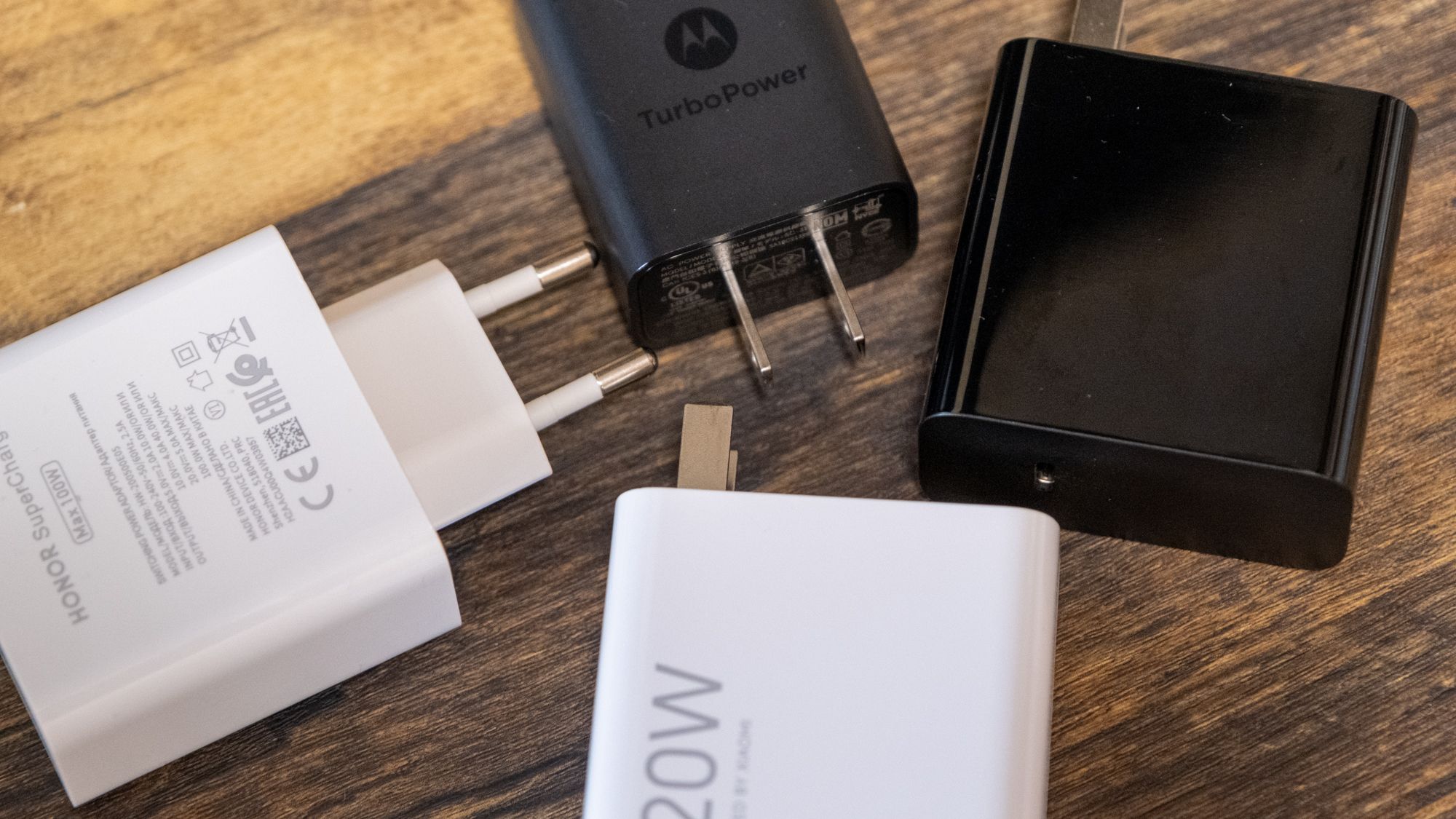
Both phones support 80W wired and 80W wireless charging. The 11S Pro fills up faster in percentage terms because of its smaller battery. After 10 minutes on a wired charger, the 11S Pro reaches 25% versus 24% for the 12 Pro. At 30 minutes, it's 65% versus 61%. Wireless follows the same pattern: 53% versus 48% at the half-hour mark.
The differences are modest. Both phones charge quickly enough that a 30-minute plug-in gets you past half. The 11S Pro's slightly faster percentage gains are partially offset by the 12 Pro's larger cell: 61% of 8,400mAh is more total energy than 65% of 7,500mAh.
Speaker
| RedMagic 12 Pro | RedMagic 11S Pro | |
|---|---|---|
598/ 897 | 507/ 897 | |
Both phones are loud. The 11S Pro reaches 75.8 dBA; the 12 Pro hits 74.2 dBA. The character differs more than the volume.
The 12 Pro has substantially fuller bass response, extending down to much lower frequencies. If you watch videos or play games without headphones, you'll hear a richer low end. The 11S Pro has very little bass presence, with its low-frequency extension cutting off much higher. That makes audio sound thinner and more treble-forward. Both phones push significant distortion at higher volumes, so neither is particularly clean at max output. Clarity in the upper frequencies is similar. The 12 Pro's overall speaker experience is better-rounded because of that bass advantage, even though the 11S Pro is slightly louder.
Microphone
| RedMagic 12 Pro | RedMagic 11S Pro | |
|---|---|---|
625/ 1220 | 506/ 1220 |
The 12 Pro's microphone produces a more even frequency response and scores higher overall. The 11S Pro's microphone is below average, with less consistent frequency coverage. Neither phone stands out here, but the 12 Pro is the more reliable choice for voice calls and recordings.
Other
| RedMagic 12 Pro | RedMagic 11S Pro | |
|---|---|---|
| Biometrics | 889/ 1181 | 1036/ 1181 |
| Data Transfer | 945/ 945 | 857/ 945 |
| Specifications | ||
| Biometric type | Fingerprint | Fingerprint |
| Ports | USB-C 3.2 Gen 2 | USB-C 3.2 Gen 2 |
| Storage | 256GB, 512GB, 1TB | 256GB, 512GB |
Both phones have fingerprint sensors but no hardware-based face unlock. The 11S Pro's ultrasonic sensor registers at 101ms; the 12 Pro's optical sensor averages 118ms. Both are fast, though the 11S Pro's ultrasonic reader has the practical advantage of working with wet or slightly dirty fingers.
Both phones use USB-C 3.2 Gen 2 ports. The 12 Pro delivers faster data transfer speeds at 422 MB/s read and 420 MB/s write, compared to 353 MB/s read and 401 MB/s write for the 11S Pro. The 12 Pro also offers storage configurations up to 1TB; the 11S Pro tops out at 512GB.
Conclusion
The 12 Pro is the better-rounded device. It lasts longer on a charge by a wide margin, holds display brightness more consistently, has thinner bezels, fuller speaker bass, better dust and water protection, and faster storage. For someone buying a gaming phone that won't need a charger until the end of the day — even with heavy use — it justifies the $100 premium.
The 11S Pro's strengths are concentrated in areas the 12 Pro genuinely can't match. Its camera color processing is in a different class: consistent skin tones and stable hues across lighting versus the 12 Pro's visible white balance failures in warm and dim conditions. Its GPU also holds up better under sustained gaming workloads. If you want the most reliable photos either of these phones can produce, the 11S Pro delivers more for less money.
The shared weakness is cameras. Neither phone approaches what you'd get from a similarly priced Samsung, Apple, or Google flagship. If photography is a priority alongside performance, you're better served elsewhere. If you've already decided on a gaming-first phone, the 12 Pro's battery life and build improvements make it the stronger pick for most people, with the 11S Pro remaining a compelling choice for sustained GPU stability and better photos at $100 less.
FAQ
Is the RedMagic 12 Pro worth $100 more than the 11S Pro?
The 12 Pro is worth the extra $100 if you want longer battery life and a better build. It has a larger battery, thinner bezels, IP68/IP69 dust and water protection, fuller speaker bass, faster storage, and a 185Hz display versus 144Hz. The 11S Pro is the better value if you care about sustained GPU performance, on-device AI, or more reliable photo color.
Which has better battery life, the RedMagic 12 Pro or 11S Pro?
The 12 Pro lasts longer in every test. It ran 30.49 hours of video playback versus 28.61 hours for the 11S Pro. In the gaming stress test it lost 35% of its battery versus 53%, and overnight standby drain was 2% versus 7%. The gap is small in light use and large under heavy gaming.
Which is better for long gaming sessions, the 12 Pro or the 11S Pro?
The 11S Pro holds frame rates more consistently as the chip heats up. It kept 81% stability in Wild Life Extreme versus 65.6% for the 12 Pro, and 82.4% versus 60% in Solar Bay. The 12 Pro reaches higher peak performance but throttles harder, although it uses far less battery in a gaming session.
Does the RedMagic 12 Pro or 11S Pro take better photos?
The 11S Pro is the more dependable camera because its color and skin tones stay consistent from daylight to dim warm light. The 12 Pro resolves more detail and handles high-contrast scenes better, but its white balance overcorrects in warm and dim light, pushing images toward blue and magenta. Neither phone has a telephoto lens, and both are soft at long zoom.
Does the 12 Pro or 11S Pro charge faster?
Both support 80W wired and 80W wireless charging, and the 11S Pro gains percentage slightly faster because its battery is smaller. Wired, it reaches 25% at 10 minutes versus 24%, and 65% at 30 minutes versus 61% for the 12 Pro. Because the 12 Pro's battery is larger, the energy added in 30 minutes ends up similar.
Related
RedMagic
11S Pro
RedMagic
12 Pro
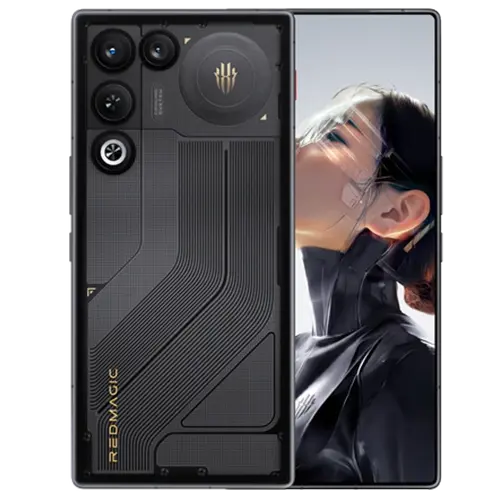
RedMagic
11 Air
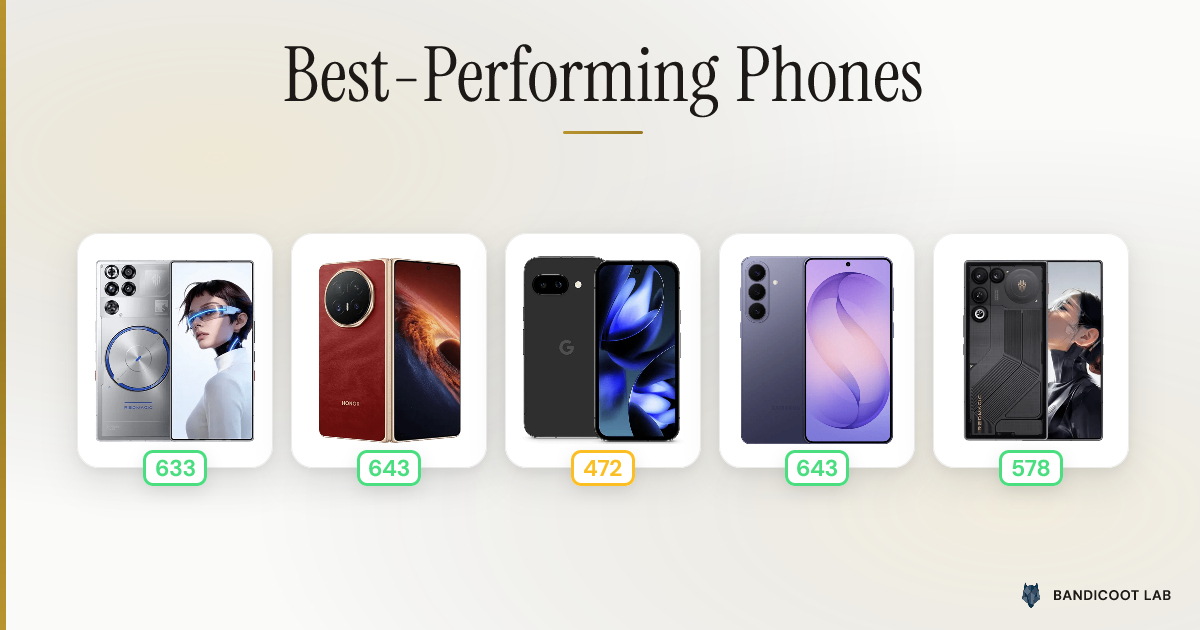
Best-Performing Phones
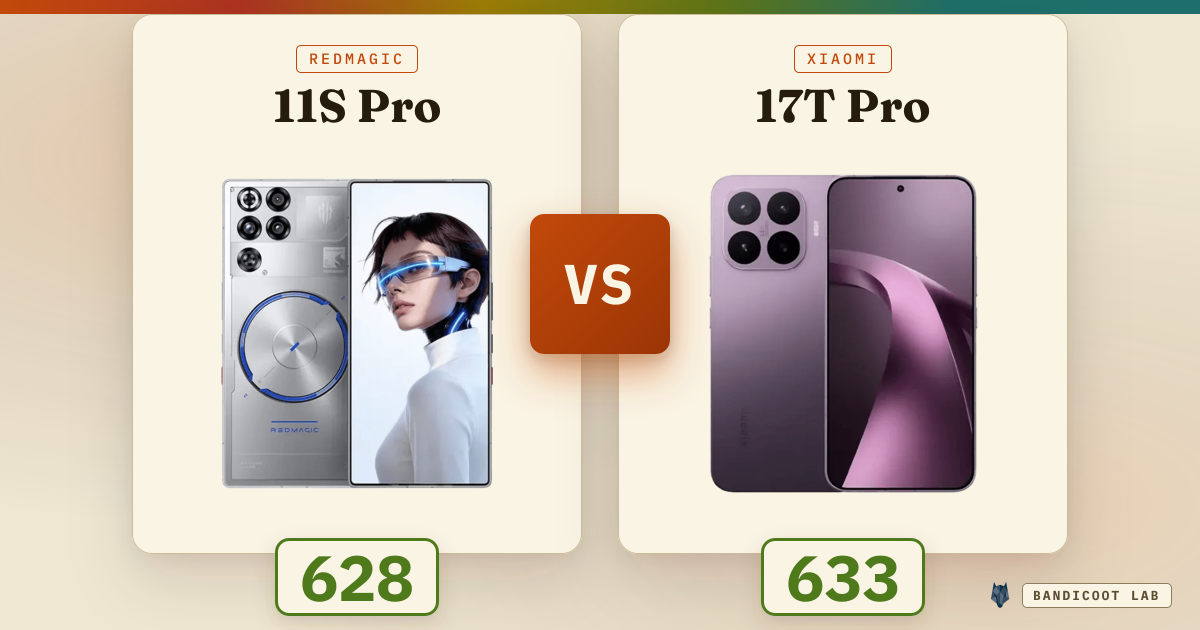
RedMagic 11S Pro vs Xiaomi 17T Pro
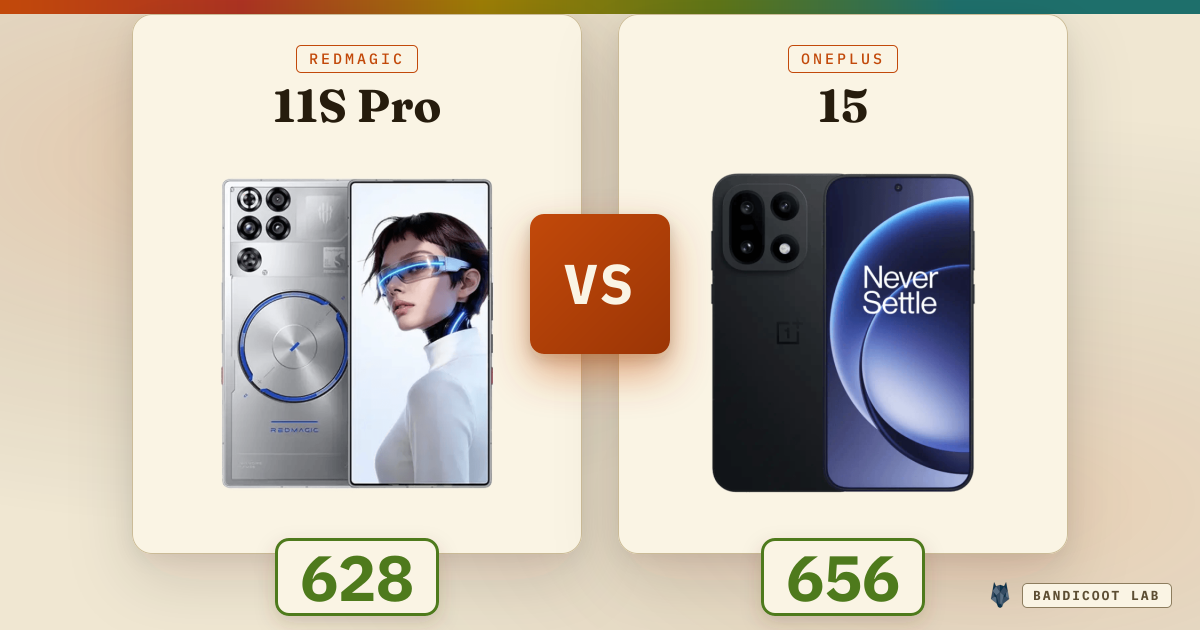
RedMagic 11S Pro vs OnePlus 15
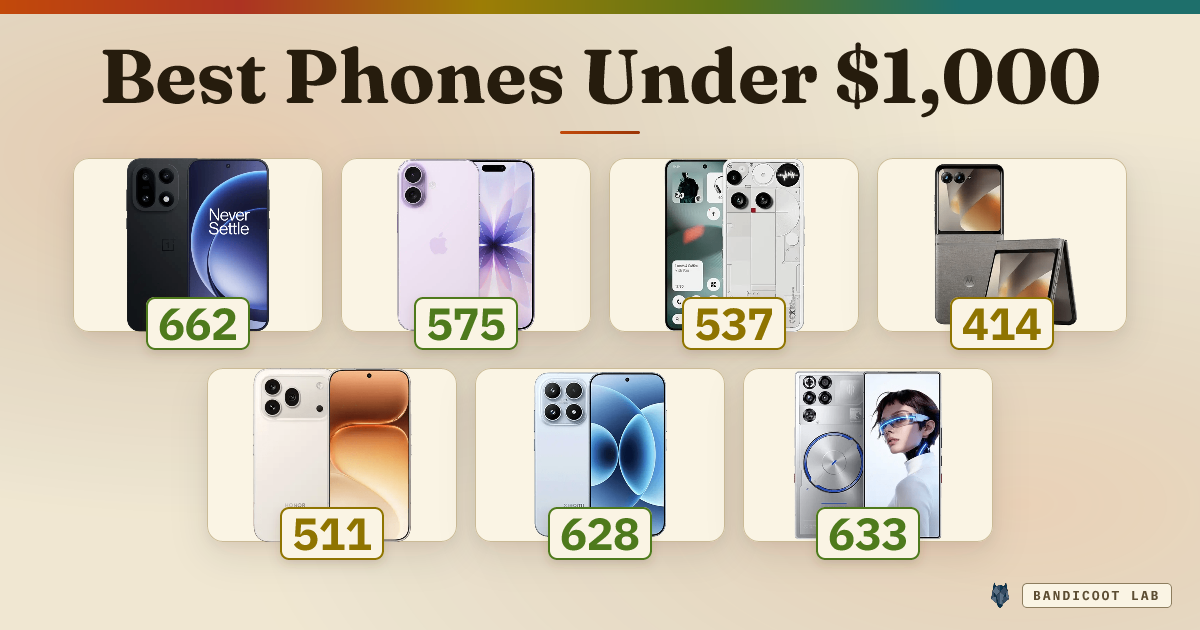
Best Phones Under $1,000
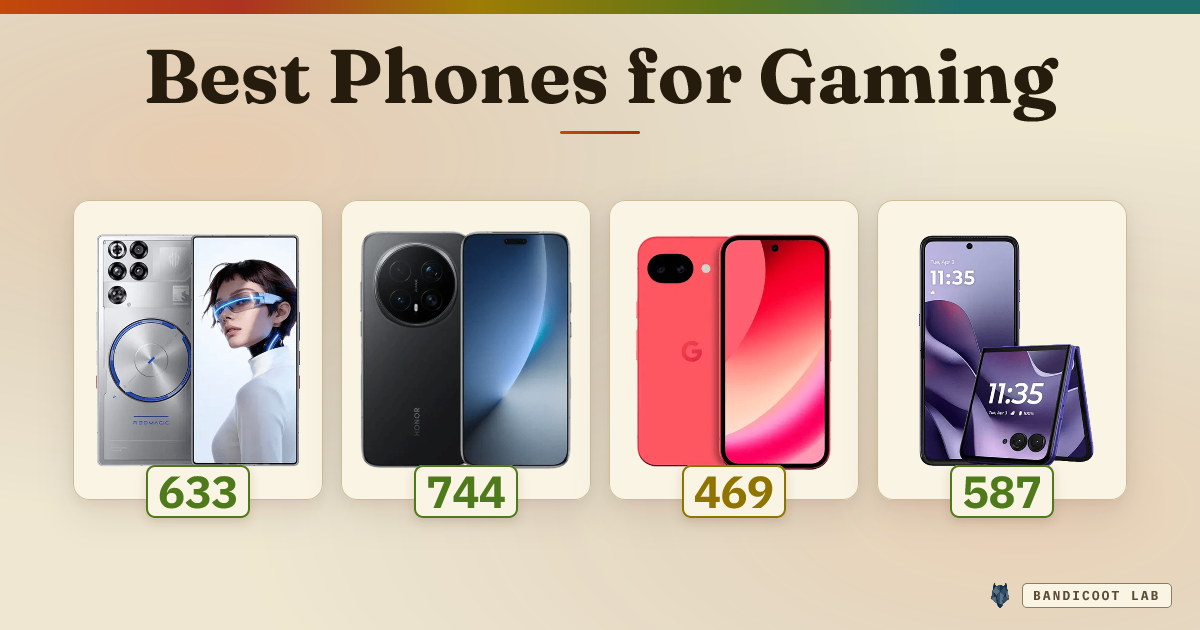
Best Phones for Gaming
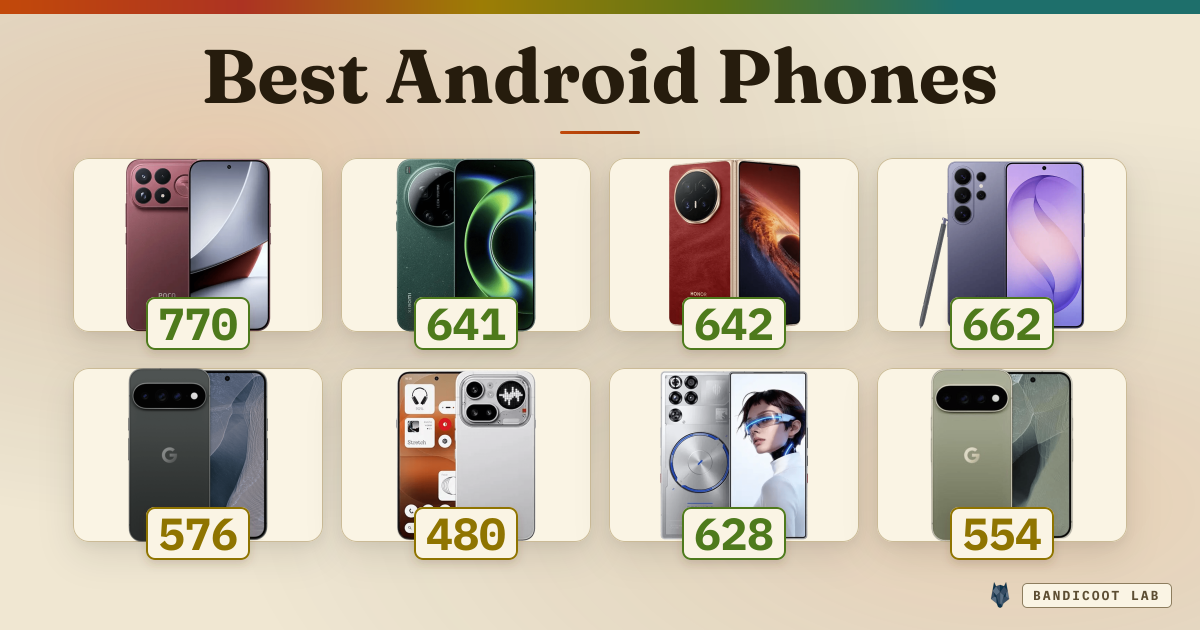
Best Android Phones
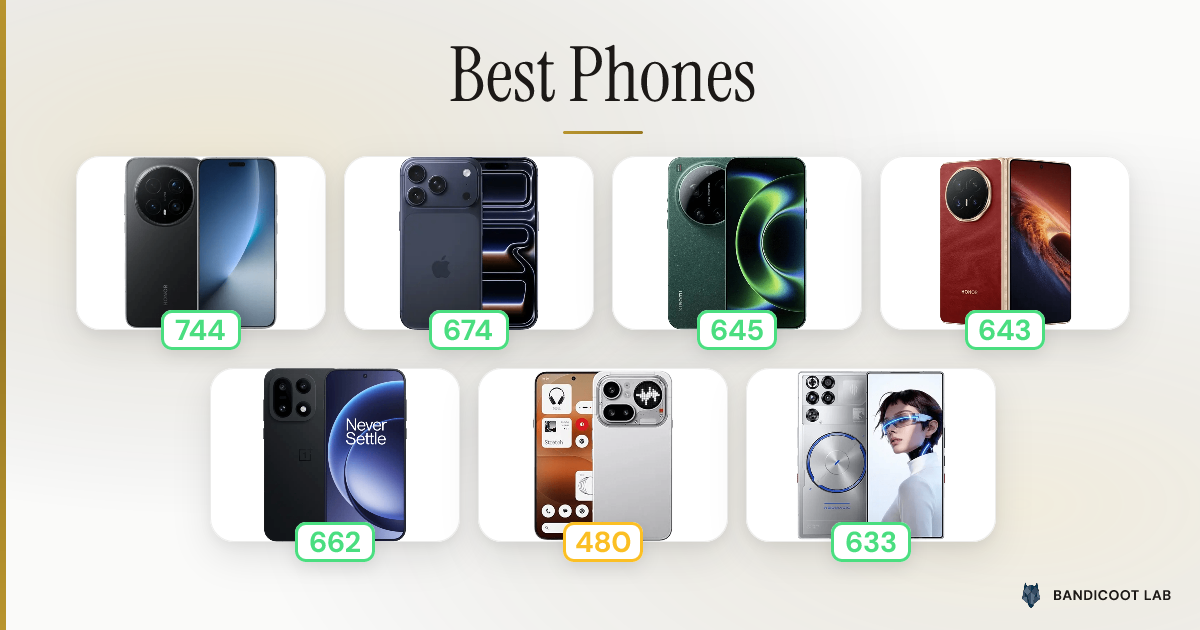
Best Phones
How we test charging