Samsung Galaxy S26 Series vs Galaxy S25 Series


Samsung
Samsung
Samsung
Samsung
Samsung
Samsung
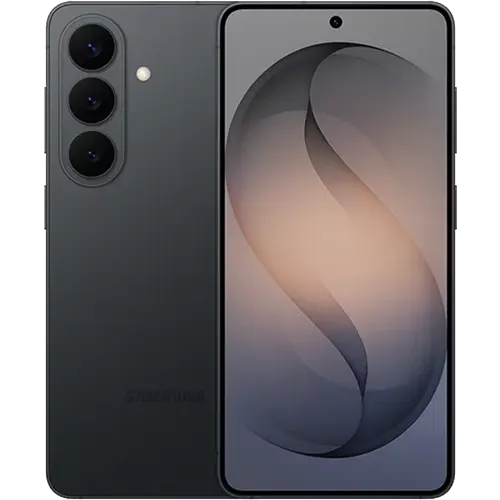
Galaxy S26
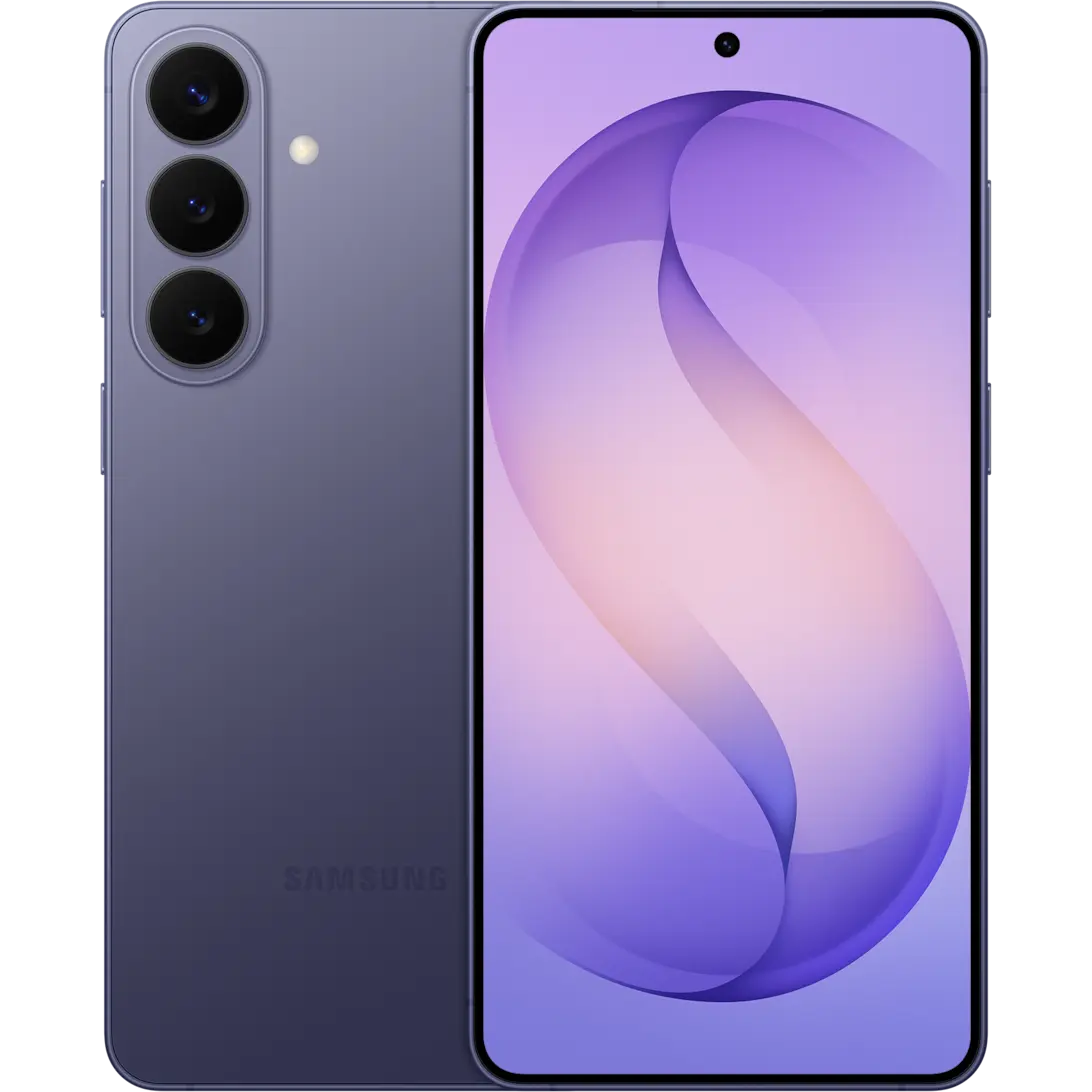
Galaxy S26+
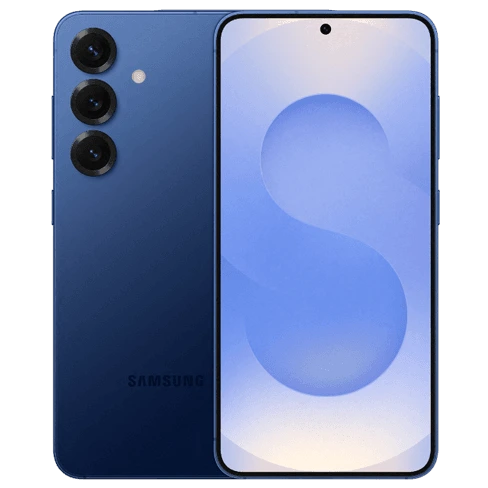
Galaxy S26 Ultra
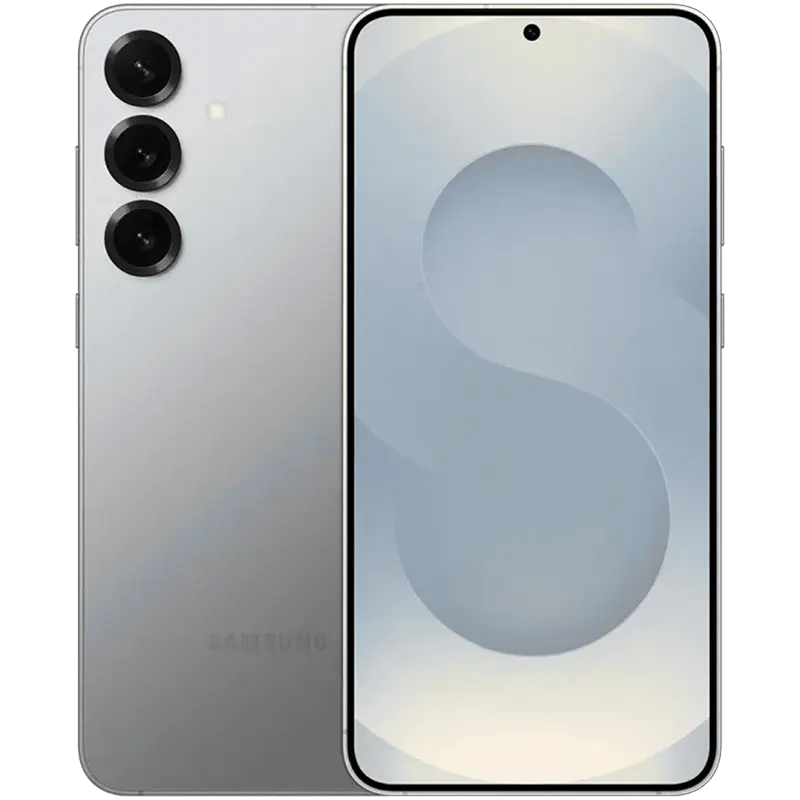
Galaxy S25
Galaxy S25+
Galaxy S25 Ultra
Ranked #21 of 60
Ranked #11 of 60
Ranked #7 of 60
Ranked #35 of 60
Ranked #20 of 60
Ranked #16 of 60
Overall
Overall
Overall
Overall
Overall
Overall
The Galaxy S26 series is Samsung's full three-tier lineup again, made up of the S26 at $899.99, the S26+ at $1099.99, and the S26 Ultra at $1299.99. The S25 series it replaces ran $100 cheaper at the base and Plus tiers, with the S25 at $799.99, the S25+ at $999.99, and the S25 Ultra matching the new Ultra at $1299.99. The base and Plus models are mainstream flagships built around screen size and one-handed versus two-handed use. The Ultra is the device that gets all the latest-and-greatest, with the four-camera array, the largest battery, and the fastest charging in each family.
At a family level, the Galaxy S26 series pulls ahead on the things tied to its newer silicon and faster charging. Performance is the clearest gap, with the S26 chips noticeably quicker across the board. The Ultra also gains real charging speed and a stronger camera system than its predecessor. The S25 series holds its ground on battery life, where the older phones last about as long or longer, and on microphone quality. Displays and speakers are close enough between the two families that they rarely decide anything on their own. The short version is that the S26 series is the better all-around family, and the S25 series is the value play that gives up the least where it matters most to most people.
Design
| Samsung Galaxy S26 | Samsung Galaxy S26+ | Samsung Galaxy S26 Ultra | Samsung Galaxy S25 | Samsung Galaxy S25+ | Samsung Galaxy S25 Ultra | |
|---|---|---|---|---|---|---|
| Specifications | ||||||
| Dimensions | 149.6 x 71.7 x 7.2 mm | 158.4 x 75.8 x 7.3 mm | 163.6 x 78.1 x 7.9 mm | 146.9 x 70.5 x 7.2 mm | 158.4 x 75.8 x 7.3 mm | 162.8 x 77.6 x 8.2 mm |
| Weight | 167g | 190g | 214g | 162g | 190g | 218g |
| IP Rating | IP68 | IP68 | IP68 | IP68 | IP68 | IP68 |
| Frame | Aluminum | Aluminum | Aluminum | Aluminum | Aluminum | Titanium |
| Front | Gorilla Glass Victus 2 | Gorilla Glass Victus 2 | Gorilla Armor 2 | Gorilla Glass Victus 2 | Gorilla Glass Victus 2 | Gorilla Armor 2 |
| Back | Gorilla Glass Victus 2 | Gorilla Glass Victus 2 | Gorilla Glass Victus 2 | Gorilla Glass Victus 2 | Gorilla Glass Victus 2 | Gorilla Armor 2 |
| Screen-to-body ratio | 90.8% | 91.8% | 91.5% | 91.1% | 91.8% | 89.8% |
All six phones share the same construction language overall, including glass fronts and backs, and IP68 dust and water resistance across every tier. All of the phones use aluminum for the frame except for the Galaxy S25 Ultra, which uses titanium.
Tier by tier, the dimensions track closely. The S26 weighs 167g against the S25's 162g, both compact 6.2 to 6.3-inch phones meant for one-handed use. The Plus models are identical on paper at 190g with 6.7-inch panels. The Ultra tier is where the newer phone gets lighter: the S26 Ultra is 214g and 6.9 inches, while the S25 Ultra is 218g and 6.8 inches. Four grams isn't something you'll feel, but the S26 Ultra fitting a larger screen into a slightly lighter body is the more notable change.
Bandicoot Lab doesn't formally test design or durability.
Display
| Samsung Galaxy S26 | Samsung Galaxy S26+ | Samsung Galaxy S26 Ultra | Samsung Galaxy S25 | Samsung Galaxy S25+ | Samsung Galaxy S25 Ultra | |
|---|---|---|---|---|---|---|
512/ 881 | 617/ 881 | 634/ 881 | 528/ 881 | 629/ 881 | 609/ 881 | |
Every panel here is a Dynamic LTPO AMOLED running at 120Hz, so refresh rate is identical across all six. Resolution splits by tier rather than generation: the base models sit at 1080p, while the Plus and Ultra phones step up to 1440p. The S26+ reaches 516 PPI and the S25+ 513, close enough to be indistinguishable. Color accuracy is the weakest display trait in both families. Out of the box, all six show visible drift from reference, with the S26 Ultra coming closest to neutral and the S26+ the least accurate. Neither series suits color-critical work without calibration.
Manual brightness is where the families diverge. The S26 Ultra reaches 976 nits in manual mode, comfortably ahead of the S25 Ultra's 718 nits. Manual brightness governs outdoor readability when auto mode is disabled. The base and Plus tiers are closer — the S26 sits around 641 nits, the S25 around 685, and the two Plus models within a few nits of each other. HDR peak brightness runs high across the board, from roughly 2,500 nits on the S25 up past 3,000 nits on the S26 Ultra, all measured displaying HDR content in auto mode.
HDR tone mapping behaves similarly across both families. The panels follow the reference curve reasonably well and clip highlights at the same input level, around three-quarters of the way up the scale. The S26 Ultra pushes highlights brighter than mastered more aggressively than the others, so HDR content looks a little punchier on it at the cost of strict accuracy. Sustained brightness over the 30-minute test holds near 99% on every device, so none of them dim noticeably during long viewing.
Touch latency is low everywhere and the differences between phones are a few milliseconds at most. You won't feel a gap between any two of these.
Performance
| Samsung Galaxy S26 | Samsung Galaxy S26+ | Samsung Galaxy S26 Ultra | Samsung Galaxy S25 | Samsung Galaxy S25+ | Samsung Galaxy S25 Ultra | |
|---|---|---|---|---|---|---|
833/ 1012 | 942/ 1012 | 908/ 1012 | 710/ 1012 | 761/ 1012 | 783/ 1012 | |
This is the cleanest generational split in the comparison. The S26 series runs Qualcomm's Snapdragon 8 Elite Gen 5 across all three tiers, while the S25 series runs the previous Snapdragon 8 Elite across all three. Every phone in both families pairs that with 12GB of RAM, though there’s an option for 16GB on the Ultra models.
The CPU gap is consistent. The S26 phones post GeekBench single-core scores in the 3,700 range against roughly 3,100 for the S25 phones, with multi-core following the same pattern. The S26+ leads the family on raw CPU, edging out even the Ultra. In day-to-day use the newer phones feel snappier under load, particularly when juggling heavy apps. Browser performance widens the gap further — the S26 phones clear well into the 40s on Speedometer while the S25 phones sit around 30, so web-heavy use is where the generational jump shows up most plainly.
GPU is a bit more nuanced. Peak graphics scores favor the S26 series, but sustained performance under the stress test is uneven. The S26+ holds nearly 60% of its peak across 20 loops, the best of the group, while the base S26 sags to the mid-40s. The S25 Ultra, helped by its larger body, sustains better than the base S25. For sustained gaming sessions, the Plus and Ultra tiers in either family hold up better than the base models.
If you do anything demanding on your phone, the S26 series is the meaningful upgrade. For light use, both families feel fast.
Camera
| Samsung Galaxy S26 | Samsung Galaxy S26+ | Samsung Galaxy S26 Ultra | Samsung Galaxy S25 | Samsung Galaxy S25+ | Samsung Galaxy S25 Ultra | |
|---|---|---|---|---|---|---|
497/ 587 | 497/ 587 | 558/ 587 | 450/ 587 | 450/ 587 | 509/ 587 | |
The cameras differ sharply by tier. In both families, the base and Plus models share an identical camera system: the same main, ultrawide, and single telephoto, with the same tuning. The Ultra models step up to a four-camera array with two telephoto lenses, a short and a long, and that's where each family earns its top camera score. The S26 Ultra is the strongest camera in the comparison, with the S25 Ultra a clear step behind it and both Ultras well ahead of their cheaper siblings.
Main camera sharpness is high across all six and holds well across the standard zoom range below the first telephoto. Past 10x and out toward 100x on the Ultras, detail falls off hard, as it does on any phone. The S26 Ultra retains noticeably more usable detail at long digital zoom than the S25 Ultra, which is the practical payoff of its newer processing. The non-Ultra phones, which top out at their single telephoto plus digital crop, lose detail faster at the long end.
Main
| Samsung Galaxy S26 (Main) | Samsung Galaxy S26+ (Main) | Samsung Galaxy S26 Ultra (Main) | Samsung Galaxy S25 (Main) | Samsung Galaxy S25+ (Main) | Samsung Galaxy S25 Ultra (Main) | |
|---|---|---|---|---|---|---|
594/ 722 | 594/ 722 | 711/ 722 | 547/ 722 | 547/ 722 | 615/ 722 | |
The base and Plus models in each generation use the same main sensor as each other, so the S26 and S26+ are identical here, as are the S25 and S25+. The Ultras get a higher-resolution main camera. Sharpness is strong on all of them in bright and mid light. In the dark scene, the Ultras hold detail best, with the S26 Ultra and S25 Ultra both staying crisp where the smaller phones soften.
Across the zoom range each main camera covers, detail holds well up to the first telephoto step on every device. Highlight clipping appears in high-contrast scenes across all six. The S26 Ultra preserves shadow detail and scene depth best; the S25 Ultra's main camera is a touch flatter in the same situations. The generational gain in low-light white balance is most visible on the main camera.
Ultrawide
| Samsung Galaxy S26 (Ultrawide) | Samsung Galaxy S26+ (Ultrawide) | Samsung Galaxy S26 Ultra (Ultrawide) | Samsung Galaxy S25 (Ultrawide) | Samsung Galaxy S25+ (Ultrawide) | Samsung Galaxy S25 Ultra (Ultrawide) | |
|---|---|---|---|---|---|---|
604/ 722 | 604/ 722 | 542/ 722 | 549/ 722 | 549/ 722 | 543/ 722 | |
Every phone in both families has an ultrawide. The S26 series ultrawide is the better performer — it resolves more detail and holds white balance under warm lighting where the S25 series ultrawide shifts heavily warm in the dark scene and loses hue accuracy. Dynamic range from the ultrawide is narrower than the main camera on all of them, with more highlight clipping, which is normal for the smaller sensor. Color leans vivid in bright light to match the main camera. The S25 ultrawide's color stumbles most as light drops.
Telephoto
| Samsung Galaxy S26 (Telephoto) | Samsung Galaxy S26+ (Telephoto) | Samsung Galaxy S26 Ultra (Telephoto Short) | Samsung Galaxy S26 Ultra (Telephoto Long) | Samsung Galaxy S25 (Telephoto) | Samsung Galaxy S25+ (Telephoto) | Samsung Galaxy S25 Ultra (Telephoto Short) | Samsung Galaxy S25 Ultra (Telephoto Long) | |
|---|---|---|---|---|---|---|---|---|
568/ 722 | 568/ 722 | 589/ 722 | 676/ 722 | 496/ 722 | 496/ 722 | 534/ 722 | 617/ 722 | |
The base and Plus phones in each family carry a single telephoto. The Ultras carry two — a short telephoto at 3x and a long one at 5x. Detail from the single telephoto holds well at its native length and softens as you push past it into digital crop, with low light being the hardest case on every phone.
On the Ultras, the 5x telephoto is the standout. The S26 Ultra's long telephoto stays sharp out to its native reach and resolves cleanly, and its color holds accurate in bright and mid light. It does drift in the dark scene, where skin tones swing off-reference. The S25 Ultra's long telephoto shows worse hue accuracy under warm light, drifting more as conditions get dimmer. Both short telephotos are softer than their long counterparts, particularly in low light. Stabilization on the S26 Ultra's short telephoto is the best of any lens here, which helps handheld shots at that focal length.
Front
| Samsung Galaxy S26 (Front) | Samsung Galaxy S26+ (Front) | Samsung Galaxy S26 Ultra (Front) | Samsung Galaxy S25 (Front) | Samsung Galaxy S25+ (Front) | Samsung Galaxy S25 Ultra (Front) | |
|---|---|---|---|---|---|---|
398/ 722 | 398/ 722 | 415/ 722 | 349/ 722 | 349/ 722 | 375/ 722 | |
All six use front cameras that are sharp in good light and soften considerably in the dark. The S26 series front camera is the clear improvement. Its skin-tone accuracy is far better than the S25 series, which renders faces with heavy color error in every lighting condition, the weakest single result in either camera system. The S26 front cameras keep skin closer to natural, especially in bright and mid light. Front dynamic range is limited on all of them, with highlight clipping in backlit scenes. If selfies and video calls matter to you, the S26 series is a real step up.
Battery
| Samsung Galaxy S26 | Samsung Galaxy S26+ | Samsung Galaxy S26 Ultra | Samsung Galaxy S25 | Samsung Galaxy S25+ | Samsung Galaxy S25 Ultra | |
|---|---|---|---|---|---|---|
579/ 836 | 592/ 836 | 539/ 836 | 533/ 836 | 603/ 836 | 625/ 836 | |
Battery is where the older family quietly holds its own. The capacities are close within each tier: the base S26 carries 4300mAh against the S25's 4000mAh, the Plus models match at 4900mAh, and both Ultras are 5000mAh. Despite the slightly larger cells on the S26 side, real-world endurance lands about even, with the S25 series edging ahead in browsing.
Video playback is strong across both families, with every phone running roughly 28 to 31 hours of looped local video. The S26 Ultra leads on video at about 31.5 hours, with the other Ultra and both Plus models close behind. Web browsing tells the opposite story — the S25 series drains slightly less over the five-hour test, so for a day of mixed reading and scrolling the older phones are marginally more efficient. Gaming drain is comparable across tiers, with the Ultras and Plus models managing heat and power better than the base phones during sustained play.
One result stands out — the S26 Ultra's standby drain is much higher than the rest, losing around 10% over an eight-hour idle night against 2 to 3% for the others.
Charging
| Samsung Galaxy S26 | Samsung Galaxy S26+ | Samsung Galaxy S26 Ultra | Samsung Galaxy S25 | Samsung Galaxy S25+ | Samsung Galaxy S25 Ultra | |
|---|---|---|---|---|---|---|
263/ 837 | 314/ 837 | 486/ 837 | 236/ 837 | 338/ 837 | 348/ 837 | |
Charging is a clear S26 win at the top, and a wash lower down. The base models match at 25W wired and 15W wireless. The Plus models both do 45W wired, with the S26+ adding faster 20W wireless against the S25+'s 15W. The Ultra is the real change: the S26 Ultra charges at 60W wired and 25W wireless, while the S25 Ultra stuck with 45W wired and 15W wireless.
That gap shows in the numbers. The S26 Ultra hits 34% in 10 minutes and 79% in 30 minutes, the fastest of the group, and tops up wirelessly far quicker than any other phone here. The S25 Ultra reaches 29 and 74% over the same intervals. The Plus models are close to each other on wired charging, both around two-thirds full at 30 minutes. The base phones are the slowest, taking the better part of an hour to get well past halfway. Charging speed is an argument for the S26 Ultra specifically, not the S26 family as a whole.
Speaker
| Samsung Galaxy S26 | Samsung Galaxy S26+ | Samsung Galaxy S26 Ultra | Samsung Galaxy S25 | Samsung Galaxy S25+ | Samsung Galaxy S25 Ultra | |
|---|---|---|---|---|---|---|
817/ 897 | 819/ 897 | 857/ 897 | 699/ 897 | 693/ 897 | 807/ 897 | |
Both families have capable speakers, with the S26 series sounding cleaner overall and the S25 series playing slightly louder. The S25 phones reach the higher maximum volumes, topping out around 77 to 79 dBA, while the S26 phones land a few dBA lower. In practice the volume difference is minor.
The S26 series runs with less distortion and a more even response. The S26 Ultra is the strongest of any phone here, combining the highest clarity with controlled distortion and the loudest output in its own family. The S25 base model is the weakest, with the most distortion at volume and a thinner low end. Bass is decent across both Ultras and the S26+, which has the fullest low end on the newer side. For podcasts and video, all six are fine; for music, the S26 Ultra is the one that sounds noticeably better.
Microphone
| Samsung Galaxy S26 | Samsung Galaxy S26+ | Samsung Galaxy S26 Ultra | Samsung Galaxy S25 | Samsung Galaxy S25+ | Samsung Galaxy S25 Ultra | |
|---|---|---|---|---|---|---|
739/ 1220 | 746/ 1220 | 566/ 1220 | 802/ 1220 | 771/ 1220 | 688/ 1220 |
This is one of the few categories the S25 series wins outright. Its microphones record more evenly across the frequency range, and the base S25 in particular is among the better phone mics tested, well above average for voice capture. The S25+ is also strong.
The S26 series is solid but a step behind. The S26 and S26+ are above average, with even and clear voice recording. The S26 Ultra is the outlier on this side, landing below average with a less even response than its siblings. If you record a lot of audio or take frequent voice calls in noisy settings, the S25 series has the edge.
Other
| Samsung Galaxy S26 | Samsung Galaxy S26+ | Samsung Galaxy S26 Ultra | Samsung Galaxy S25 | Samsung Galaxy S25+ | Samsung Galaxy S25 Ultra | |
|---|---|---|---|---|---|---|
| Biometrics | 464/ 1181 | 266/ 1181 | 764/ 1181 | 536/ 1181 | 518/ 1181 | 504/ 1181 |
| Data Transfer | 736/ 943 | 623/ 943 | 737/ 943 | 548/ 943 | 563/ 943 | 643/ 943 |
| Specifications | ||||||
| Biometric type | Fingerprint | Fingerprint | Fingerprint | Fingerprint | Fingerprint | Fingerprint |
| Ports | USB-C 3.2 | USB-C 3.2 | USB-C 3.2 | USB-C 3.2 | USB-C 3.2 | USB-C 3.2 |
| Storage | 256GB, 512GB | 256GB, 512GB | 256GB, 512GB, 1TB | 128GB, 256GB, 512GB | 256GB, 512GB | 256GB, 512GB, 1TB |
All six use ultrasonic in-display fingerprint readers and none has hardware-based face unlock; face recognition on these is camera-based, not a secure biometric. Fingerprint speed varies more than you'd expect. The S26 Ultra is the fastest unlock of the group at 138ms, noticeably quicker than anything else here. The S26+ is the slowest at 394ms. The S25 phones cluster around 200ms, consistent and unremarkable. The base S26 is similar at 226ms.
All six use USB-C 3.2 ports. Data transfer speeds are similar across both families, with read speeds in the low to mid 300s MB/s on the faster units. The S25 base model has the slowest write speed of the group; the rest are broadly comparable. None stand out as fast storage, but for everyday transfers it won't matter.
Conclusion
The S26 series is the better family overall, and the margin is clear rather than close. It wins on the things that compound across daily use: faster silicon in every tier, better white balance and skin tones from the cameras, faster charging at the top, and cleaner speakers. The S26 Ultra is the standout of either family, combining the strongest camera system, the brightest display, the fastest charging, and the quickest fingerprint reader. If you're buying new and the price difference doesn't decide it for you, the S26 series is the one to get, and the Ultra is the phone that justifies its place at the top.
There's still a real case for the S25 series, and it comes down to price and a few specific strengths. It costs $100 less at the base and Plus tiers for endurance that's about even and, in browsing, slightly better. Its microphones are genuinely stronger, so anyone who records voice memos, interviews, or video with the built-in mics gets a better result from the older phones, with the base S25 being the pick there. The S25 Ultra and S26 Ultra carry the same $1299.99 price, so the only reason to choose the older Ultra is if you find it discounted; at full price the newer Ultra wins on nearly everything that matters. For most buyers at the base and Plus tiers, the choice is straightforward: pay up for the S26 if performance and cameras matter, save the money on the S25 if they don't.
FAQ
Does the Galaxy S26 Ultra or S25 Ultra take better photos?
The S26 Ultra is the stronger camera across most situations. Its main and ultrawide cameras hold white balance far better under warm indoor lighting where the S25 Ultra shifts noticeably off-reference, and it retains more usable detail at long digital zoom. The front camera gap is especially wide — the S25 Ultra renders faces with heavy color error in every lighting condition, while the S26 Ultra keeps skin tones much closer to natural. The S25 Ultra's long telephoto drifts more under warm light as well.
Which charges faster, the S26 Ultra or the S25 Ultra?
The S26 Ultra charges meaningfully faster. It supports 60W wired charging against the S25 Ultra's 45W, reaching 34% at 10 minutes and 79% at 30 minutes versus 29 and 74% for the S25 Ultra. Wireless charging is an even bigger jump: the S26 Ultra does 25W wirelessly while the S25 Ultra is limited to 15W.
Which is better for gaming — the S26 series or the S25 series?
The S26 series wins on peak GPU performance, but sustained load tells a more complicated story. The S26+ holds close to 60% of its peak graphics output across extended stress testing, while the base S26 sags to the mid-40s — worse than the base S25 in sustained play. The S25 Ultra also sustains better than the base S25, aided by its larger body. For long gaming sessions, the Plus and Ultra tiers in either family hold up better than the base models, and the S26+ is the most consistent of all six.
Do the S25 or S26 phones last longer on a charge?
Battery life is close enough between the two families that it rarely decides the choice. Video playback runs roughly 28 to 31 hours across all six, with the S26 Ultra leading slightly. Web browsing slightly favors the S25 series, so for a day of reading and scrolling the older phones are marginally more efficient. One exception: the S26 Ultra loses around 10% battery overnight on standby, versus 2 to 3% for every other phone here, so it starts the day with less charge if you don't plug it in.
Which phones are better for voice recording or calls — the S25 or S26 series?
The S25 series has the stronger microphones. The base S25 in particular captures voice clearly and evenly across the frequency range, and the S25+ is also above average. The S26 and S26+ are solid but a step behind, and the S26 Ultra is the weakest microphone of all six. If you record interviews, voice memos, or video with the built-in mic, the S25 series — and especially the base S25 — is the better choice.
Related
Samsung
Galaxy S25
Samsung
Galaxy S25 Ultra
Samsung
Galaxy S26 Ultra
Samsung
Galaxy S26
Samsung
Galaxy S26+
Samsung
Galaxy S25+
Samsung
Galaxy Z Fold 8 Ultra
Samsung
Galaxy Z Fold 8
Xiaomi 17T Pro vs Samsung Galaxy S26
Best Phone Displays
Best Android Phones
Best Samsung Phones