Samsung Galaxy Z Fold 8 Ultra vs Honor Magic V6
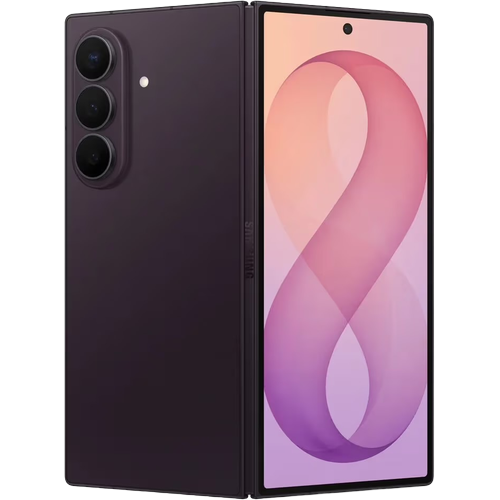
Samsung
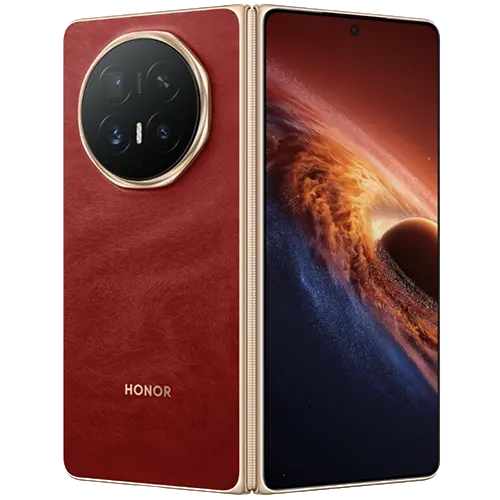
Honor
Galaxy Z Fold 8 Ultra
Magic V6
Ranked #18 of 61
Ranked #9 of 61
Overall
Overall
These two are about as direct a matchup as book-style foldables get. The Galaxy Z Fold 8 Ultra is Samsung's top foldable. The Magic V6 is Honor's answer, built around the same strategy Honor has run for several generations: match Samsung on the fundamentals, beat it on battery and charging, and undercut it slightly on price. Anyone shopping for one of these is almost certainly looking at the other.
The short version: the Magic V6 has the brighter and more accurate displays, much faster charging, a stronger telephoto camera, and far better water resistance on paper. The Fold 8 Ultra counters with better battery efficiency in everyday tasks, a sharper main camera in good light, louder speakers, a better microphone, and faster data transfer. Camera systems as a whole land very close. The deciding factors here are mostly outside the camera app.
Design
| Samsung Galaxy Z Fold 8 Ultra | Honor Magic V6 | |
|---|---|---|
| Specifications | ||
| Dimensions (folded) | 158.4 x 72.8 x 8.9 mm | 156.7 x 74.5 x 8.8 mm |
| Dimensions (unfolded) | 158.4 x 143.2 x 4.1 mm | 156.7 x 145.6 x 4.1 mm |
| Weight | 215g | 219g |
| IP Rating | IP48 | IP68/IP69 |
| Frame | Aluminum | Aluminum |
| Front | Gorilla Glass Victus Ceramic 3 | NanoCrystal Shield |
| Back | Gorilla Glass Victus 2 | Glass |
| Screen-to-body ratio (inner) | 90.5% | 89.1% |
| Screen-to-body ratio (outer) | 85.6% | 87.3% |
Both are aluminum-framed foldables within a few grams and millimeters of each other. Folded, the Fold 8 Ultra measures 158.4 x 72.8 x 8.9mm at 215g; the Magic V6 is 156.7 x 74.5 x 8.8mm at 219g. Unfolded, both are 4.1mm thick. The Samsung is taller and narrower, which carries through to its cover display's 21:9 aspect ratio against Honor's 20.2:9. Neither is meaningfully easier to pocket than the other.
The real gap is ingress protection. The Magic V6 carries IP68/IP69, meaning it's dust-tight, submersible, and rated against high-pressure water jets. The Fold 8 Ultra's IP48 rating means it's equally submersible but only protected against solid objects larger than 1mm. It is not dust-tight, which has been the standing caveat with Samsung's foldables. For glass, Samsung uses Gorilla Glass Victus Ceramic 3 on the cover and Victus 2 on the back; Honor uses its own NanoCrystal Shield cover glass over a standard glass back. Screen-to-body ratios are close on the inner displays (90.5% Samsung, 89.1% Honor), while Honor's cover screen fills slightly more of its front (87.3% vs 85.6%).
Bandicoot Lab doesn't formally test design or durability, so this section describes what's on paper.
Display
Inner
| Samsung Galaxy Z Fold 8 Ultra (Inner) | Honor Magic V6 (Inner) | |
|---|---|---|
552/ 881 | 632/ 881 | |
The Fold 8 Ultra's inner panel is an 8-inch LTPO AMOLED at 2256 x 2504 and 422 PPI. The Magic V6's is 7.95 inches at 2172 x 2352 and 403 pixels per inch. Both run 1–120Hz adaptive refresh. The resolution difference is on paper only; you won't see it.
Manual brightness is a near tie: 683 nits for the Samsung, 662 for the Honor. HDR is where they split. The Magic V6 peaks at 4,734 nits against the Fold's 2,832, but that peak only shows up in small highlights. Its brightness stability across window sizes is 28.2%, versus 46.6% for the Samsung, so as bright content fills more of the screen the gap shrinks considerably. Both panels hold their output over time almost perfectly, at 98.6% and 99.5% over a 30-minute HDR run.
Color accuracy favors the Honor. Its best mode keeps errors below the threshold where most people would notice anything off; the Samsung's best mode drifts enough to be faintly visible on reference material, though it's still respectable. Tone mapping tells a similar story. The Magic V6 tracks the HDR reference curve closely and clips highlights late; the Fold 8 Ultra pushes highlights brighter than mastered and gives up earlier, so very bright scene detail flattens out sooner. Touch latency is 15.3ms on the Honor and 19.5ms on the Samsung, a gap you're unlikely to feel.
Outer
| Samsung Galaxy Z Fold 8 Ultra (Outer) | Honor Magic V6 (Outer) | |
|---|---|---|
576/ 881 | 675/ 881 | |
The cover displays are 6.5 inches (1080 x 2520, 422 PPI) on the Samsung and 6.52 inches (1080 x 2420, 406 PPI) on the Honor. Same 1–120Hz refresh on both.
The pattern from the inner panels carries over. The Honor's cover screen scores higher for brightness and keeps the better color accuracy; the Samsung's cover screen shows the same slight color drift as its inner panel. Both phones' cover screens posted better battery results than their inner displays, which matters if you tend to use the phone closed.
Performance
| Samsung Galaxy Z Fold 8 Ultra | Honor Magic V6 | |
|---|---|---|
853/ 1012 | 848/ 1012 | |
Both phones run the Qualcomm Snapdragon 8 Elite Gen 5. The Fold 8 Ultra ships with 12GB of RAM in its base configuration, the Magic V6 with 16GB, and both offer 12GB and 16GB options.
CPU results tilt slightly toward the Samsung: 3,666 single-core and 10,878 multi-core in GeekBench against the Honor's 3,563 and 9,922. That's roughly a 10% multi-core lead, which won't show up outside sustained heavy workloads. GPU results tilt the other way. The Magic V6 posted a higher Wild Life Extreme peak of 6,737 versus 5,993, with both phones throttling hard under sustained load: 54.6% and 56.3% stability respectively, meaning both lose close to half their peak graphics output when a game runs long. Thin foldable chassis don't leave much room for cooling, and it shows on both.
Browser performance is effectively tied, 46.8 versus 45.1 in Speedometer. Day to day, you won't tell these two apart.
Camera
| Samsung Galaxy Z Fold 8 Ultra | Honor Magic V6 | |
|---|---|---|
518/ 587 | 521/ 587 | |
The camera systems score within a few points of each other overall, but they get there differently. The Fold 8 Ultra pairs a 200-megapixel main sensor with a 50-megapixel ultrawide and a modest 10-megapixel 3x telephoto. The Magic V6 runs 50 megapixels on the main, 50 on the ultrawide, and a large 64-megapixel 3x telephoto, with digital zoom to 100x against Samsung's 30x.
The sharpness story splits by lighting. Samsung wins in bright light on the main and ultrawide; Honor is dramatically better in dim light across the board, where its main and telephoto actually hold or gain detail while the Samsung's fall off. Honor's telephoto hardware advantage is the single biggest per-lens gap in this matchup. Past 10x, both phones degrade heavily into digital-zoom territory. The Magic V6 retains somewhat more detail at extreme zoom, though its 100x ceiling is a spec-sheet number more than a usable feature. Neither phone competes with the best slab flagships at long zoom.
Each phone has a recurring color flaw. The Magic V6's is skin tones in bright light: every lens on the phone pushes faces noticeably off reference under good lighting, which is an odd place to fail. The Fold 8 Ultra's is low light, where skin tones drift and its white balance pulls scenes cool under warm indoor lighting.
Main
| Samsung Galaxy Z Fold 8 Ultra (Main) | Honor Magic V6 (Main) | |
|---|---|---|
679/ 722 | 629/ 722 | |
Both main cameras cover 1x to 3x before the telephoto takes over. The Samsung's 200-megapixel sensor out-resolves the Honor in bright and mid lighting and gives it more headroom when cropping toward 2x and 3x in daylight. In dim light the positions flip hard: the Honor's main actually gets sharper as light drops, while the Samsung loses a meaningful chunk of its detail. Low-light crops favor the Magic V6 by a wide margin.
Color character: the Samsung leans slightly vivid in bright light and desaturates visibly in the dark; the Honor stays close to neutral saturation throughout. On accuracy, the Honor's hue errors are consistent and moderate across lighting, but its skin tones in bright light are well off reference, improving as light dims. Its low-light shots pick up a warm cast as the white balance under-corrects for warm sources. The Samsung renders skin well in bright and mid lighting, then drifts badly in the dark, and its white balance over-corrects toward cool under warm mid lighting.
High-contrast scenes retain more shadow detail and depth on the Honor, though its tone curve shows a few minor inconsistencies in how tones progress. The Samsung clips highlights earlier, so bright skies lose detail sooner.
Ultrawide
| Samsung Galaxy Z Fold 8 Ultra (Ultrawide) | Honor Magic V6 (Ultrawide) | |
|---|---|---|
600/ 722 | 475/ 722 | |
The Fold 8 Ultra's 50-megapixel f/1.9 ultrawide is the stronger of the two. It's sharper than the Honor's in bright and mid lighting and handles high-contrast scenes much better, keeping shadow and highlight detail where the Honor's ultrawide flattens out. The Honor's is steadier across lighting but starts from a lower baseline.
Both ultrawides give up noticeable detail versus their own main cameras, which is typical. Both push saturation visibly in bright light. The Honor's ultrawide inherits the phone's bright-light skin tone problem in full; the Samsung's ultrawide skin tones are off but less so. Honor's ultrawide also picks up the warm low-light cast seen on its main lens.
Telephoto
| Samsung Galaxy Z Fold 8 Ultra (Telephoto) | Honor Magic V6 (Telephoto) | |
|---|---|---|
561/ 722 | 638/ 722 | |
Both telephotos sit at 3x, but the hardware is lopsided: Honor's 64-megapixel sensor at 1/2.0 inches against Samsung's 10 megapixels at 1/3.94 inches. The results follow the hardware. The Magic V6's telephoto is sharper at 3x in every lighting condition, and the gap widens as light drops, where the Samsung's small sensor falls apart. Past 3x the Honor holds usable detail deeper into its zoom range, while the Samsung softens quickly on the way to its 30x cap.
Color is also the Honor telephoto's best showing. It's the most accurate lens on the phone, with low hue errors and good skin tones in mid and dark conditions, though the bright-light skin problem persists. The Samsung's telephoto shows a pronounced cool shift under warm mid lighting, a white balance issue rather than a sensor one, and skin tones drift in the dark. The Samsung does retain highlight and shadow detail slightly better in high-contrast scenes.
Front Inner
| Samsung Galaxy Z Fold 8 Ultra (Front Inner) | Honor Magic V6 (Front Inner) | |
|---|---|---|
349/ 722 | 480/ 722 | |
The Samsung's inner selfie camera is 10 megapixels, the Honor's 20 megapixels. Sharpness is close, with the Honor slightly ahead in low light. The Honor's inner front camera handles high-contrast scenes far better; the Samsung's clips backlit scenes aggressively, so a window behind you blows out. The Samsung's inner selfie video is also notably shaky, among the worst stabilization results we've recorded for a front camera.
Color follows the established pattern. The Honor's skin tones in bright light are badly off, then become genuinely good in mid and dark conditions with almost no color cast. The Samsung is more even but drifts warm and reddish as light drops.
Front Outer
| Samsung Galaxy Z Fold 8 Ultra (Front Outer) | Honor Magic V6 (Front Outer) | |
|---|---|---|
386/ 722 | 435/ 722 | |
The outer front cameras are closer. Sharpness is similar in bright light, with the Honor pulling ahead in mid and dark conditions. Honor's stabilization is noticeably steadier for walking video. Dynamic range is weak on both; the Honor's outer camera captures a wide tonal range but renders it inconsistently, and the Samsung's clips early. Honor's bright-light skin tone problem shows up here too, while the Samsung's outer selfies run slightly off on skin in bright and mid light and pick up a warm shift in the dark.
Battery
| Samsung Galaxy Z Fold 8 Ultra | Honor Magic V6 | |
|---|---|---|
616/ 836 | 523/ 836 | |
The Magic V6 packs 6,660mAh against the Fold 8 Ultra's 5,000mAh, a large gap on paper for two phones the same thickness. Honor's silicon-carbon battery tech is doing the work there. The test results are less one-sided than the capacities suggest.
In video playback, the Honor wins: 30.25 hours on the inner display versus 27.99, and 40.97 hours on the cover screen versus 31.14. Either phone will run video through multiple long-haul flights; the Honor's cover-screen figure is nearly two full days of continuous playback. Gaming drain is identical at 19% over the stress test.
Everything else favors the Samsung, and by a lot. Five hours of web browsing drained 23% of the Fold 8 Ultra versus 36% of the Magic V6, and overnight standby cost the Samsung 2% against the Honor's 11%. That standby number is the one you'll actually feel. The Magic V6 loses a tenth of its battery doing nothing overnight, which eats much of its capacity advantage in mixed real-world use. Both phones will get through a day comfortably; the Samsung's efficiency means its smaller battery stretches further than the spec sheet implies.
Charging
| Samsung Galaxy Z Fold 8 Ultra | Honor Magic V6 | |
|---|---|---|
333/ 837 | 640/ 837 | |
The Magic V6 charges at 80W wired and 66W wireless; the Fold 8 Ultra at 45W wired and 20W wireless. Wired results are closer than those numbers suggest, because the Honor is filling a third more battery. At 10 minutes the Samsung reads 31% to the Honor's 25%; at 30 minutes, 74% to 67%. In actual energy delivered the Honor is charging faster, but if you just need a usable percentage before heading out, they're comparable.
Wireless is not comparable. The Magic V6 hits 22% in 10 minutes and 57% in 30 on a wireless pad, against 8% and 20% for the Samsung. Honor's wireless charging is faster than Samsung's wired charging in the first half hour. If you live on a charging pad, that's the difference between topping up over lunch and leaving the phone there all afternoon.
Speaker
| Samsung Galaxy Z Fold 8 Ultra | Honor Magic V6 | |
|---|---|---|
698/ 897 | 706/ 897 | |
The Fold 8 Ultra gets considerably louder: 77.4 dBA maximum against 71.3. Distortion is similar on both, 4.68% average for the Samsung and 4.11% for the Honor, with both staying clean at volume.
Character differs. The Honor's frequency response is more even through the range that matters for voices and music, so it sounds more balanced at normal listening levels, and its bass comes through slightly fuller. The Samsung's response is less consistent but it extends further at the low end and has the raw volume advantage. For podcasts in a kitchen, the Samsung's loudness wins; for music at moderate volume, the Honor sounds more composed.
Microphone
| Samsung Galaxy Z Fold 8 Ultra | Honor Magic V6 | |
|---|---|---|
671/ 1220 | 531/ 1220 |
The Fold 8 Ultra's microphones are a bit above average, capturing voice with reasonably even tonality. The Magic V6 lands below average, with a less consistent response that colors recordings more noticeably. Neither is a problem for calls; for voice memos or video audio, the Samsung is the safer pick.
Other
| Samsung Galaxy Z Fold 8 Ultra | Honor Magic V6 | |
|---|---|---|
| Biometrics | 681/ 1181 | 831/ 1181 |
| Data Transfer | 737/ 943 | 687/ 943 |
| Specifications | ||
| Biometric type | Fingerprint | Fingerprint |
| Ports | USB-C 3.2 | USB-C 3.1 |
| Storage | 256GB, 512GB, 1TB | 256GB, 512GB, 1TB |
Both phones use capacitive fingerprint sensors, and both are quick. The Honor unlocks in 126ms on average, the Samsung in 154ms. Both feel instant; the Honor is measurably faster. Neither phone has hardware-based face unlock, only the standard camera-based kind that doesn't meet the security bar for payments.
Storage options match: 256GB, 512GB, and 1TB on both. The Samsung's USB-C 3.2 port delivered 326 MB/s reads and 287 MB/s writes against the Honor's 302 and 275 over USB-C 3.1. Close enough that only regular large-file transfers would surface the difference.
Conclusion
The Magic V6 takes the displays, with better color accuracy and much higher HDR peaks on both screens. It takes charging decisively, especially wireless, where it outpaces the Samsung's wired speeds. It has the stronger telephoto by a wide margin, the better dust and water protection, and the faster fingerprint sensor, all at a lower price. The Fold 8 Ultra answers with better real-world battery efficiency despite the smaller cell, louder speakers, a better microphone, a sharper main camera and ultrawide in good light, and slightly stronger CPU numbers.
The cameras are close to a wash overall, so the decision comes down to how you use the phone. If you shoot at 3x and beyond, live on wireless charging, or want a foldable you don't have to babysit around dust and water, the Magic V6 is the stronger package and the cheaper one. Its weak spots are skin tones in bright light, heavy standby drain, and middling microphones.
The Fold 8 Ultra makes sense if your usage leans toward browsing and standby rather than video, where its efficiency outruns the Honor's bigger battery, or if speaker volume, recording quality, and daylight photo sharpness rank high for you. It costs more and its IP48 rating is the weakest thing on its spec sheet, but it's the more consistent phone in the unglamorous everyday categories.
FAQ
Does the Galaxy Z Fold 8 Ultra or Honor Magic V6 have better battery life?
It depends on what you do. The Magic V6 plays video longer: 30.25 hours on the inner display against 27.99, and 40.97 hours on the cover screen against 31.14. The Fold 8 Ultra is far more efficient elsewhere. Five hours of web browsing drained 23% of its battery versus 36% on the Honor, and overnight standby cost 2% versus 11%. Gaming drain was identical at 19%.
Related
Samsung
Galaxy Z Fold 8 Ultra
Honor
Magic V6

Samsung
Galaxy S26 Ultra
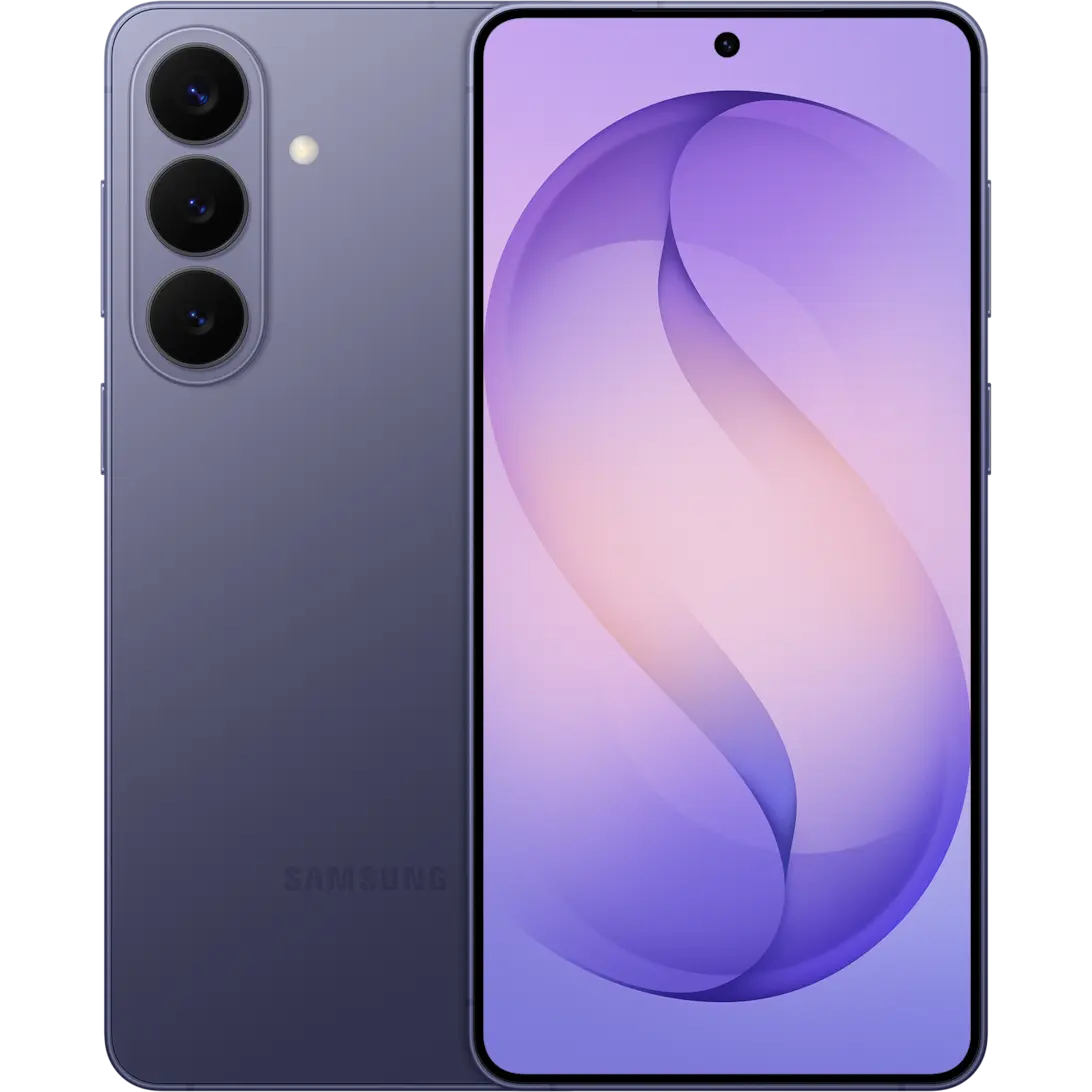
Samsung
Galaxy S26+
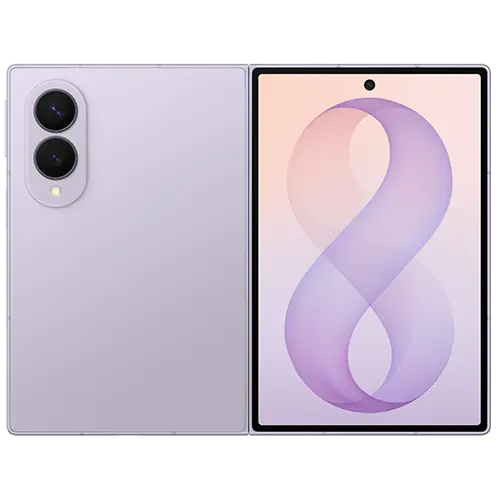
Samsung
Galaxy Z Fold 8
Samsung
Galaxy S26
Samsung
Galaxy Z Flip 8
Honor
600

Google Pixel 11 Pro Fold vs Samsung Galaxy Z Fold 8 Ultra
Google Pixel 11 Pro Fold vs Honor Magic V6

Samsung Galaxy Z Fold 8 Ultra vs Samsung Galaxy Z Fold 8

Samsung Galaxy Z Fold 8 Ultra vs Samsung Galaxy Z Fold 7