Google Pixel 11 vs Apple iPhone 17
Apple
Pixel 11
iPhone 17
Ranked #37 of 61
Ranked #28 of 61
Overall
Overall
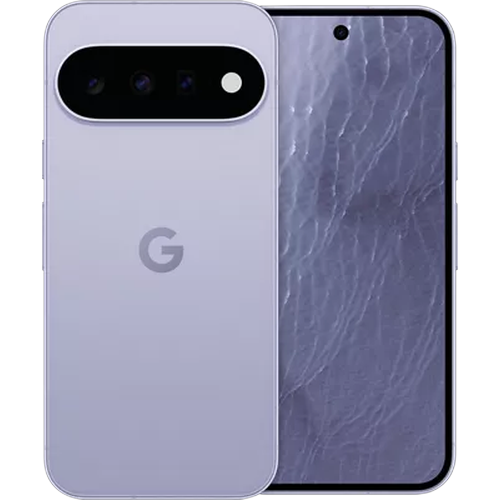
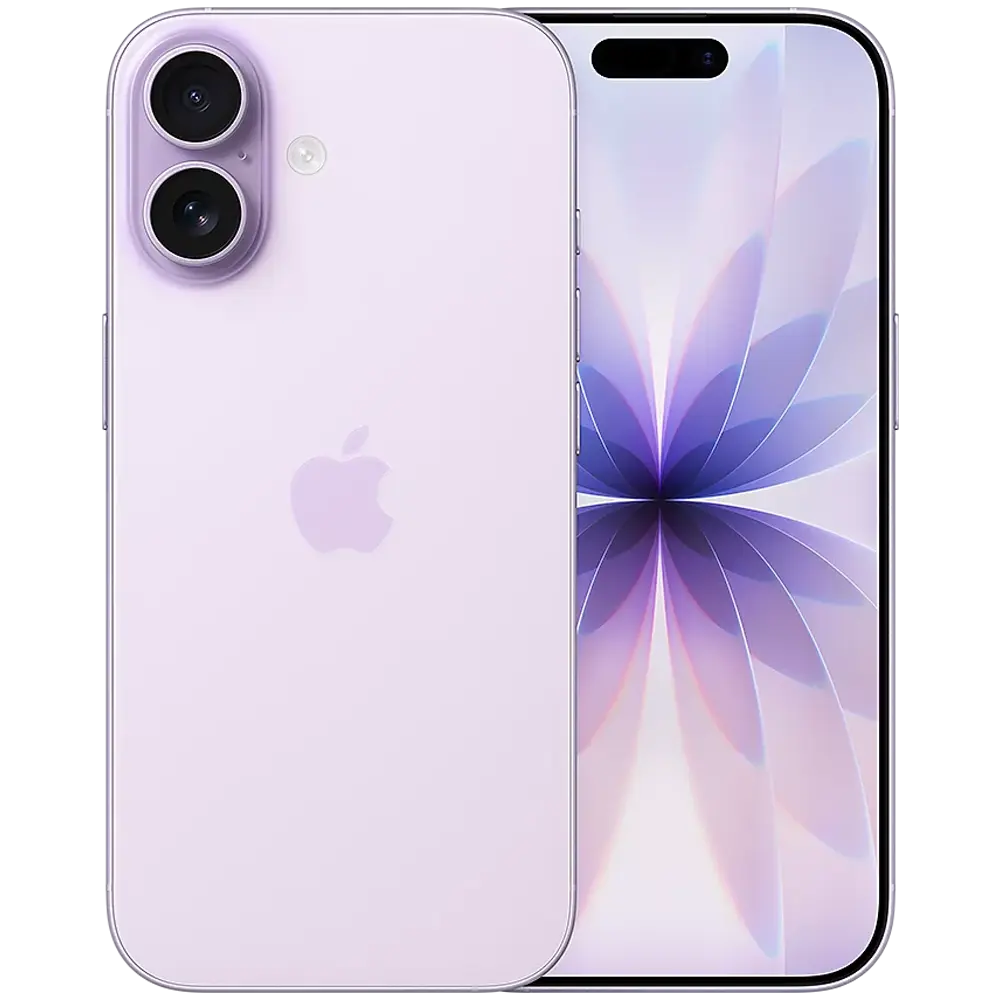
The Pixel 11 and iPhone 17 are both base-model flagships, the non-Pro versions of each company's lineup, and they land $100 apart. The Pixel 11 costs $899 and leans on Google's usual strengths: computational photography, a triple camera setup including a telephoto, and a clean Android experience. The iPhone 17 costs $799 and inherits more from Apple's Pro phones than base iPhones used to, including the full-speed A19 chip. Anyone shopping one of these is almost certainly cross-shopping the other, since they're the default answers to "which phone should I get" on each platform.
The split between them is unusually clear. The iPhone 17 has a large lead in raw performance and charges faster. The Pixel 11 has the better display by a wide margin, the stronger camera system overall thanks to its telephoto lens and more accurate color, longer battery life, and a noticeably better microphone. Neither phone has a great camera by flagship standards; they just fail in different places.
Design
| Google Pixel 11 | Apple iPhone 17 | |
|---|---|---|
| Specifications | ||
| Dimensions | 152.8 x 72 x 8.6 mm | 149.6 x 71.5 x 8 mm |
| Weight | 197g | 177g |
| IP Rating | IP68 | IP68 |
| Frame | Aluminum | Aluminum |
| Front | Gorilla Glass Victus 2 | Ceramic Shield 2 |
| Back | Gorilla Glass Victus 2 | Glass |
| Screen-to-body ratio | 86.5% | 91.1% |
Both phones use aluminum frames and carry IP68 ratings, meaning each survives submersion to its rated depth. The Pixel 11 fronts and backs with Gorilla Glass Victus 2; the iPhone 17 uses Ceramic Shield 2 on the front and standard glass on the back. The screens are the same 6.3 inches, but the iPhone is the smaller and lighter phone: 149.6 x 71.5 x 8mm at 177g against the Pixel's 152.8 x 72 x 8.6mm at 197g. Twenty grams at the same screen size is a difference you'd register when picking both up.
The iPhone fits that screen into less phone because of its 91.1% screen-to-body ratio, which translates to visibly thinner bezels than the Pixel's 86.5%. Aspect ratios are close: 19.5:9 on the iPhone, 20:9 on the Pixel, so the Pixel is marginally taller and narrower for the same diagonal.
Bandicoot Lab doesn't formally test design or durability, so this section covers what's on paper.
Display
| Google Pixel 11 | Apple iPhone 17 | |
|---|---|---|
756/ 881 | 582/ 881 | |
Both panels are 6.3" OLEDs at 120Hz, but the similarities end quickly. The iPhone 17 is an LTPO panel that can drop to 1Hz, which helps always-on display efficiency; the Pixel 11 only scales between 60 and 120Hz. The iPhone also has the sharper panel at 1206 x 2622 (460 pixels per inch) versus the Pixel's 1080 x 2424 (422 PPI), though at this size both are past the point where pixel density is easy to notice.
Brightness is where the Pixel pulls away. In manual mode it reaches 1,379 nits against the iPhone's 854, a difference you'll feel outdoors with auto-brightness off. HDR peaks are effectively tied at 2,943 nits for the Pixel and 3,022 for the iPhone, but the iPhone cannot hold its output. Across different window sizes its HDR brightness stability sits at 40.5% versus the Pixel's 67.5%, and over a 30-minute sustained test the iPhone holds only 38.6% of its brightness while the Pixel holds 98.2%. The iPhone's peak numbers describe a brief flash; the Pixel's describe how the panel actually behaves during a long HDR video.
Tone mapping follows the same pattern. The Pixel tracks the HDR reference curve closely, with only a slight highlight lift and clipping starting near the top of the signal. The iPhone pushes highlights well above how they were mastered and gives up on them earlier, so bright areas in HDR content look punchier but lose detail sooner. Color accuracy favors the Pixel too: in its best mode colors are essentially indistinguishable from reference, while the iPhone drifts slightly. Both are good; the Pixel is exceptional.
Touch latency is one more real gap. The Pixel averages 20.2ms, the iPhone 57ms. Small latency differences are imperceptible, but nearly tripling the delay is the kind of thing you can feel in fast games and quick scrolling.
Performance
| Google Pixel 11 | Apple iPhone 17 | |
|---|---|---|
459/ 1012 | 814/ 1012 | |
The iPhone 17 runs Apple's A19 with 8GB of RAM; the Pixel 11 runs Google's Tensor G6 with 12GB. The benchmark gap is not subtle. In GeekBench the A19 scores 3,772 single-core and 9,645 multi-core against the Tensor's 2,658 and 5,650. That's roughly 70% more multi-core throughput, and it shows up in browser performance too, where the iPhone's 33.5 Speedometer score beats the Pixel's 25.3.
The GPU story is the same. The iPhone peaks at 5,164 in the Wild Life Extreme stress test versus the Pixel's 3,333, and both phones throttle similarly under sustained load (70.8% stability for the iPhone, 73.6% for the Pixel). The iPhone's throttled floor still sits above the Pixel's peak.
Day to day, both phones feel fast scrolling and launching apps. The difference surfaces in demanding games, heavy exports, and anywhere sustained load matters. There the iPhone is simply in a different class, and the gap is large enough to affect how long the phone stays comfortable to use years from now.
Camera
| Google Pixel 11 | Apple iPhone 17 | |
|---|---|---|
414/ 587 | 393/ 587 | |
The Pixel 11 scores higher overall on camera, and the shape of the difference matters more than the margin. The Pixel brings three rear lenses including a 5x telephoto and reaches 30x digital zoom; the iPhone 17 has two rear lenses and stops at 10x. The Pixel's cameras are generally sharper and more color-accurate. The iPhone's cameras capture clearly better dynamic range and its main lens is better stabilized for video. Neither system competes with camera-focused flagships like the Pixel Pro or iPhone Pro models, which show up in the details below.
Deep zoom is a rout. Past its 2x crop the iPhone is leaning entirely on digital zoom from the main sensor, and by 10x the results are soft and smeary. The Pixel's telephoto keeps real detail through 10x and produces usable, if clearly processed, shots out to 30x. If you shoot distant subjects at all, this alone decides the matchup.
Color character splits cleanly. The Pixel tunes moderately vivid with reasonable restraint and holds its white balance across lighting. The iPhone pushes saturation hard in bright light, reds and warm tones especially, and its processing pulls noticeably warm as light dims. That warm pull as the test lighting shifts toward lower color temperatures is a white balance correction issue rather than a sensor limit; the iPhone's hue errors rise in step with a growing yellow shift. Skin tones in bright light drift toward orange on the Pixel and further on the iPhone, where faces look visibly over-warm in almost every condition.
Main
| Google Pixel 11 (Main) | Apple iPhone 17 (Main) | |
|---|---|---|
427/ 722 | 463/ 722 | |
Both phones use 48-megapixel main sensors of the same 1/1.56" size, the Pixel at f/1.7 and 24mm, the iPhone at f/1.6 and 26mm. The Pixel is sharper across the board, and its advantage grows as light falls: it loses a modest amount of detail from bright light to near-darkness, while the iPhone drops off faster in mid light. The Pixel's main lens only has to cover 1x to 5x before the telephoto takes over, and it crops to 2x and 3x cleanly. The iPhone's main lens has to stretch from 1x to 10x, and it holds up through its 2x crop but softens steadily beyond that, with the long end getting rough.
Dynamic range flips the result. The iPhone retains far more shadow detail and handles high-contrast scenes with more depth; the Pixel's main lens clips highlights readily and flattens contrasty scenes, one of the weakest dynamic range results from a flagship main camera. The iPhone is also much better stabilized for handheld video. Color accuracy favors the Pixel: its hue errors stay low and stable across lighting, while the iPhone's climb as light warms, and its skin tone error in bright light is among the worst either phone has shown at this tier.
Ultrawide
| Google Pixel 11 (Ultrawide) | Apple iPhone 17 (Ultrawide) | |
|---|---|---|
405/ 722 | 452/ 722 | |
The iPhone's ultrawide is the higher-spec lens on paper: 48 megapixels on a 1/2.55" sensor at 13mm, against the Pixel's 13 megapixels on a smaller 1/3.1" sensor at 14mm. In bright light they're effectively tied for detail. Everywhere else the Pixel wins, and by a lot in low light, where the iPhone's ultrawide gets genuinely mushy while the Pixel stays usable. The Pixel's ultrawide is its sharpest rear lens, slightly outresolving its own main camera; the iPhone's ultrawide falls behind its main in anything but bright conditions.
The iPhone keeps its dynamic range advantage here, with smooth tonal handling and strong shadow retention. The Pixel's ultrawide clips highlights like its main lens does. Color is mediocre on both: the iPhone carries its warm low-light pull over from the main camera, and the Pixel's ultrawide develops a reddish cast in dim light that comes from the sensor itself rather than white balance.
Telephoto
| Google Pixel 11 (Telephoto) | Apple iPhone 17 (Telephoto) | |
|---|---|---|
488/ 722 | — | |
The iPhone 17 has no telephoto, so this section is the Pixel's alone. Its 10.8-megapixel f/3.1 lens sits at 112mm (5x) on a 1/3.2" sensor and covers 5x through the 30x maximum. Detail at 5x is good, softens gradually through 10x, and degrades more visibly beyond that, though 30x shots remain recognizable rather than abstract.
The telephoto is the best-tuned camera on the Pixel. It has the phone's most accurate color, its best dynamic range among the rear lenses, and its most effective stabilization. Skin tones through the telephoto stay close to accurate where the main lens drifts. For portraits at a distance it's the lens you'll want.
Front
| Google Pixel 11 (Front) | Apple iPhone 17 (Front) | |
|---|---|---|
442/ 722 | 362/ 722 | |
The Pixel's 10.5-megapixel f/2.2 front camera outresolves the iPhone's 18-megapixel f/1.9 unit in every lighting condition, and both hold their detail reasonably well as light drops. Megapixel counts mislead here.
Color is flawed on both. The Pixel renders bright-light selfie skin tones too warm and orange, improving as light dims. The iPhone is worse in bright light and adds a strong warm shift in mid lighting. Dynamic range goes to the Pixel this time, a reversal of the rear cameras, with better shadow retention in backlit selfies. Stabilization reverses too: the iPhone's front camera holds handheld video noticeably steadier, while the Pixel's selfie video shows visible shake.
Battery
| Google Pixel 11 | Apple iPhone 17 | |
|---|---|---|
528/ 836 | 555/ 836 | |
The Pixel 11 carries a 4,985mAh battery against the iPhone 17's 3,692mAh, a 35% capacity gap that the iPhone's efficiency partly closes. In our video playback test, which runs until the phone dies, the Pixel lasted 25.6 hours to the iPhone's 22.16. Both figures mean comfortable two-day use for a typical owner; the Pixel has more margin for heavy days.
The drain tests mostly agree. Over five hours of web browsing the Pixel used 21% and the iPhone 22%, a tie in practice. Overnight standby was 3% versus 2%, also a wash. Gaming is the one real split: twenty loops of a GPU stress test drained the Pixel 20% and the iPhone 27%. The iPhone is doing much more work per frame in that test, which costs it. If you game heavily, the Pixel's combination of bigger cell and lower drain adds up to meaningfully more screen time.
Charging
| Google Pixel 11 | Apple iPhone 17 | |
|---|---|---|
354/ 837 | 332/ 837 | |
The iPhone 17 charges at 40W wired to the Pixel 11's 30W, and the results track the spec. At 10 minutes the iPhone reaches 28% to the Pixel's 19%; at 30 minutes it's 73% to 56%. For a quick top-up before heading out, the iPhone gets you noticeably further. The iPhone is also filling a much smaller battery.
Both phones support 25W magnetic wireless charging, aligning to Qi2 and MagSafe-style pads. The iPhone is quicker here too: 25% at 10 minutes and 49% at 30, against the Pixel's 14% and 40%. Neither phone is fast by the standards of charging-focused Android rivals, but the iPhone is the quicker of the two in every mode.
Speaker
| Google Pixel 11 | Apple iPhone 17 | |
|---|---|---|
735/ 897 | 762/ 897 | |
Loudness is close: the Pixel 11 hits 76.6 dBA maximum, the iPhone 17 hits 75. Both are plenty loud for a kitchen or hotel room. The character differs more than the volume. The iPhone produces noticeably fuller bass, while the Pixel's low end thins out earlier. Both have good high-end clarity.
The Pixel wins on cleanliness. At maximum volume it averages 6.12% distortion against the iPhone's 9.69%, and the difference is audible as a rougher edge on the iPhone when pushed. The practical summary: the iPhone sounds richer at moderate volume, the Pixel sounds cleaner cranked all the way up.
Microphone
| Google Pixel 11 | Apple iPhone 17 | |
|---|---|---|
862/ 1220 | 664/ 1220 |
The Pixel 11's microphones are a genuine strength, with one of the flattest, most natural frequency responses measured at Bandicoot Lab. Voice recordings and calls sound close to what a dedicated recorder would capture. The iPhone 17 is around average, perfectly serviceable for calls and video but with a less even response. If you record voice memos, interviews, or video with speech, the Pixel has a clear edge.
Other
| Google Pixel 11 | Apple iPhone 17 | |
|---|---|---|
| Biometrics | 481/ 1181 | 207/ 1181 |
| Data Transfer | 318/ 943 | 103/ 943 |
| Specifications | ||
| Biometric type | Fingerprint | Face Recognition |
| Ports | USB-C 3.2 | USB-C 2.0 |
| Storage | 256GB, 512GB | 256GB, 512GB |
Biometrics are a philosophical split. The Pixel 11 uses an ultrasonic fingerprint sensor that unlocks in 218ms and has no hardware-based face unlock. The iPhone 17 has no fingerprint sensor and relies on Face ID, which averaged 508ms in our testing. The Pixel is simply faster to unlock, though Face ID's hands-free convenience is worth something if your phone lives on a desk.
Wired data transfer isn't close. The Pixel's USB-C 3.2 port moved files at up to 135 MB/s read and 137 MB/s write; the iPhone's USB-C 2.0 port managed 39 and 38. Offloading a long 4K recording over cable takes more than three times as long on the iPhone. There's no real reason for a USB 2.0 port on an $799 phone. Both phones come in 256GB and 512GB configurations, with 12GB of RAM on the Pixel and 8GB on the iPhone.
Conclusion
This matchup splits along unusually clean lines. The iPhone 17 wins on performance, and not narrowly; the A19 outruns the Tensor G6 by enough to matter for gaming and for long-term headroom. It also charges faster, carries slightly fuller speaker bass, and its cameras capture better dynamic range. The Pixel 11 takes the display decisively, with higher usable brightness, sustained HDR output the iPhone can't approach, better color accuracy, and far lower touch latency. It also has the more capable camera system overall, with a real telephoto, sharper lenses, and more trustworthy color, plus longer battery life, a better microphone, faster unlocking, and a port that transfers files at modern speeds.
If you're buying for the screen and the cameras, the Pixel 11 is the better phone, and the telephoto alone separates them for anyone who zooms. If you're buying for speed, whether that's gaming now or longevity later, the iPhone 17's chip advantage is the biggest single gap between these two phones, and it comes with faster charging and a $100 lower price. Neither camera system should sway a photography-first buyer away from the Pro tiers, but between these two, the Pixel shoots better and the iPhone runs faster. Decide which of those you'll notice more often.
FAQ
Does the Pixel 11 or iPhone 17 have the better camera?
The Pixel 11 has the more capable camera system. It adds a 5x telephoto that reaches 30x zoom, while the iPhone 17 has two rear lenses and stops at 10x. The Pixel is also sharper and more color-accurate. The iPhone 17 captures better dynamic range, with stronger shadow detail in high-contrast scenes, and its main camera is steadier for handheld video.
Which lasts longer on a charge, the Pixel 11 or the iPhone 17?
The Pixel 11 lasts longer. It ran 25.6 hours in the video playback test against 22.16 hours for the iPhone 17, with a 4,985mAh battery versus 3,692mAh. Web browsing and standby drain were nearly identical. In the gaming test the Pixel used 20% against the iPhone's 27%, so the gap is widest for heavy gamers.
Is the iPhone 17 or Pixel 11 faster for gaming?
The iPhone 17 is much faster. Its A19 chip scores 9,645 multi-core in GeekBench against 5,650 for the Pixel 11's Tensor G6. In the Wild Life Extreme stress test it peaks at 5,164 versus 3,333. Both phones throttle by a similar amount under sustained load, but the iPhone's throttled performance still sits above the Pixel's peak.
Does the iPhone 17 or Pixel 11 charge faster?
The iPhone 17 charges faster, at 40W wired against 30W on the Pixel 11. After 10 minutes on a wired charger the iPhone reaches 28% and the Pixel 19%. After 30 minutes it is 73% versus 56%. Both support 25W magnetic wireless charging, and the iPhone is quicker there too, at 49% versus 40% after 30 minutes.
How does the Pixel 11 display compare to the iPhone 17's?
The Pixel 11 has the better display. Its maximum manual brightness is 1,379 nits against 854 on the iPhone 17, and it holds 98.2% of its HDR brightness over a 30-minute test versus 38.6% for the iPhone. Touch latency averages 20.2ms on the Pixel and 57ms on the iPhone. The iPhone's panel is sharper on paper at 460 PPI versus 422, and it can drop to 1Hz to save power.
Should I buy the Pixel 11 or the iPhone 17?
Pick the Pixel 11 ($899) if you care most about the screen, zoom photography, battery life, or voice recording quality. Pick the iPhone 17 ($799) if you want the faster chip for gaming and long-term headroom, plus quicker charging and a lower price. The Pixel's USB-C 3.2 port also transfers files more than three times faster than the iPhone's USB 2.0 port.
Related
Pixel 11
Apple
iPhone 17
Pixel 11 Pro XL
Pixel 11 Pro
Apple
iPhone 17e
Pixel 11 Pro Fold
Pixel 10a
Google Pixel 11 vs Samsung Galaxy S26
Google Pixel 11 vs Google Pixel 11 Pro
Google Pixel 11 vs Google Pixel 10a
Google Pixel 11 vs Google Pixel 10
Best Phones Under $1,000