Google Pixel 11 vs Google Pixel 10a
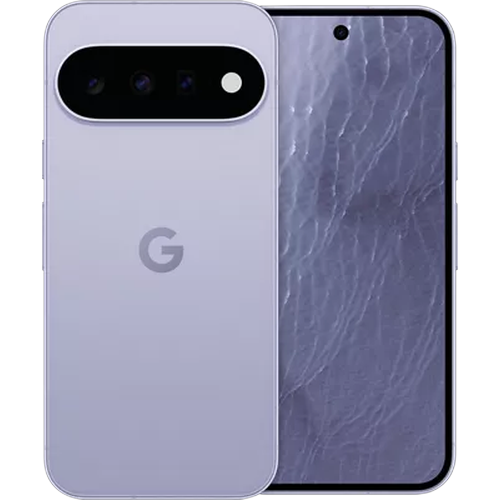
Pixel 11
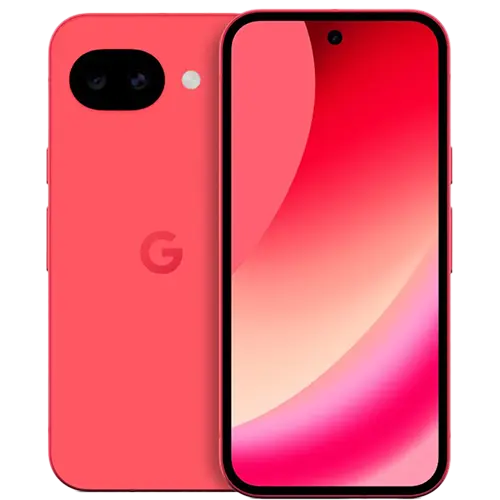
Pixel 10a
Ranked #37 of 61
Ranked #51 of 61
Overall
Overall
Google updated its numbering but not its strategy: the Pixel 11 is the mainstream flagship at $899, and the Pixel 10a is the A-series phone that recycles as much of the Pixel formula as possible at $499. They share a screen size, a software experience, and a design language. The 11 buys you a faster chip, a glass back, a telephoto lens, and magnetic wireless charging. The 10a is for people who looked at that list and decided it wasn't worth $400.
Our testing complicates the obvious reading. The Pixel 11 is clearly ahead on performance, display accuracy, speaker and microphone quality, and zoom versatility. The 10a matches it on battery life, nearly matches it on brightness, and its camera system actually beats the 11's in the fundamentals: the main and ultrawide lenses are sharper and handle high-contrast scenes better. The 11 wins on reach and color accuracy; the 10a wins on raw image quality from the lenses it has.
Design
| Google Pixel 11 | Google Pixel 10a | |
|---|---|---|
| Specifications | ||
| Dimensions | 152.8 x 72 x 8.6 mm | 153.9 x 73 x 9 mm |
| Weight | 197g | 183g |
| IP Rating | IP68 | IP68 |
| Frame | Aluminum | Aluminum |
| Front | Gorilla Glass Victus 2 | Gorilla Glass 7i |
| Back | Gorilla Glass Victus 2 | Plastic |
| Screen-to-body ratio | 86.5% | 84.7% |
The two phones are nearly the same size. The Pixel 11 measures 152.8 x 72 x 8.6mm; the 10a is 153.9 x 73 x 9mm, a hair taller, wider, and thicker. The weight difference goes the other way: the 10a is 183g against the 11's 197g, because plastic weighs less than glass.
That's the core material split. The Pixel 11 uses Gorilla Glass Victus 2 front and back with an aluminum frame. The 10a keeps the aluminum frame but pairs a plastic back with Gorilla Glass 7i up front, a step down in scratch and drop resistance from Victus 2. Both carry IP68 ratings, so both survive dust and submersion to the rated depth. The 11's 86.5% screen-to-body ratio versus the 10a's 84.7% means slightly thinner bezels around the same 6.3-inch panel. Aspect ratios are effectively identical at 20:9 and 20.2:9.
Bandicoot Lab doesn't formally test design or durability, so this section describes what's on paper.
Display
| Google Pixel 11 | Google Pixel 10a | |
|---|---|---|
756/ 881 | 584/ 881 | |
On paper these panels are twins: 6.3 inches, 1080 x 2424 at 422 pixels per inch, 60–120Hz adaptive refresh. The 10a uses P-OLED, the 11 standard OLED.
Brightness is close enough to call a tie. In manual mode the 10a reaches 1403 nits to the 11's 1379. With HDR content in auto brightness, the 10a peaks at 3182 nits against the 11's 2943. Both hold that output well over time; sustained stability came in at 97.9% and 98.2% respectively in our 30-minute test. Stability across HDR window sizes is middling on both, 67.5% for the 11 and 62% for the 10a, meaning peak brightness falls off as more of the screen lights up.
Color accuracy is where they separate. The Pixel 11's panel is essentially reference-grade in its best mode; colors sit where they should, and even the worst-case error is small enough that you won't see it. The 10a drifts more. Average error is still respectable, but some individual colors land visibly off target in side-by-side viewing. Tone mapping differs too. The 11 pushes HDR highlights brighter than the content was mastered for and clips the top sliver of highlight detail; the 10a doesn't boost and preserves detail all the way to peak, though its tracking of the reference curve is looser through the midtones.
Touch latency is 15ms on the 10a and 20.2ms on the 11. A 5ms gap isn't something you'll feel.
Performance
| Google Pixel 11 | Google Pixel 10a | |
|---|---|---|
459/ 1012 | 342/ 1012 | |
The Pixel 11 runs the Tensor G6 with 12GB of RAM; the 10a runs the two-generation-older Tensor G4 with 8GB. The gap is substantial.
In GeekBench the 11 scored 2658 single-core and 5650 multi-core against the 10a's 1716 and 4385. That single-core difference, roughly 55%, is the kind you notice in daily use: app launches, page rendering, photo processing. Browser performance tells the same story, with the 11 scoring 25.3 in Speedometer to the 10a's 17.7.
Graphics follow the pattern with one wrinkle. The 11's peak Wild Life Extreme score of 3333 beats the 10a's 2685, but the 10a holds its performance better under sustained load, with 82.6% stability against the 11's 73.6%. The 11 throttles harder but still ends up faster in absolute terms. Neither is a gaming phone; the G6's GPU trails same-price rivals from Qualcomm, and the G4's trails further.
For messaging, browsing, and camera work, the 10a is fine. The 11 is the one that will still feel quick in three years.
Camera
| Google Pixel 11 | Google Pixel 10a | |
|---|---|---|
414/ 587 | 460/ 587 | |
The Pixel 11 carries a 48-megapixel main camera, a 13-megapixel ultrawide, a 10.8-megapixel 5x telephoto, and 30x maximum digital zoom. The 10a drops the telephoto entirely: 48-megapixel main, 13-megapixel ultrawide, and an 8x digital zoom ceiling. On paper the 11 is the obvious winner. In our testing the 10a's camera system actually scored higher overall, because its main, ultrawide, and front cameras all out-resolve the 11's and handle contrast better. Neither phone competes with camera-focused rivals like the Galaxy S26 Ultra or vivo's flagships; both sit mid-table.
The long-zoom end is a Pixel 11 exclusive but not a strength. Past 10x, detail falls apart quickly despite the telephoto hardware, and 30x shots are recognizable rather than usable. The 11's advantage over the 10a in the 5x–8x range is real and visible; its advantage past that is mostly that the shots exist at all.
Main
| Google Pixel 11 (Main) | Google Pixel 10a (Main) | |
|---|---|---|
427/ 722 | 497/ 722 | |
Both use 48-megapixel f/1.7 sensors, though the 11's is physically larger at 1/1.56 inch versus the 10a's 1/2.0 inch. The larger sensor doesn't translate to more detail. The 10a's main camera is sharper in every lighting condition we test, and the gap widens in dim light, where the 11's output softens noticeably while the 10a holds nearly its bright-light detail.
Zoom range changes the picture. The 11's main camera only has to cover 1x to 5x before the telephoto takes over, and it crops cleanly through that range. The 10a's main camera has to stretch all the way to 8x digitally, and it softens well before the top; by 4x and beyond you're looking at obvious upscaling.
Color tuning diverges sharply. The 11 shoots close to neutral with mild saturation and a faint warm lean. The 10a pushes saturation hard across the board; reds and greens in particular come out vivid to the point of looking processed, and the white balance leans cool, most visibly under warm indoor light where the correction overshoots toward blue. On accuracy, the 11 has a specific problem: skin tones in bright light drift well off reference, worse than the 10a's, though they tighten up as light dims. The 10a's skin tones are moderately off in all conditions.
Dynamic range is the 10a's clearest win. High-contrast scenes keep shadow detail and highlight gradation; the 11's main camera clips highlights early and flattens the same scenes. A backlit portrait or a bright window in an interior shot will look meaningfully better from the cheaper phone.
Ultrawide
| Google Pixel 11 (Ultrawide) | Google Pixel 10a (Ultrawide) | |
|---|---|---|
405/ 722 | 493/ 722 | |
The ultrawide hardware is identical: 13 megapixels, f/2.2, 14mm, 1/3.1-inch sensor. The results aren't. The 10a's ultrawide is the sharper of the two in every condition, and the gap becomes dramatic in low light, where the 11's ultrawide loses a large share of its detail while the 10a barely drops.
Both ultrawides trail their own main cameras on color accuracy. The 11's develops a visible red-magenta shift in dark conditions, a white balance failure under warm, dim light. The 10a's carries the same vivid, cool-leaning tuning as its main lens, and its skin tone accuracy is poor across all lighting. Dynamic range again favors the 10a, though both ultrawides invert tones in deep shadow more often than their main cameras do.
Telephoto
| Google Pixel 11 (Telephoto) | Google Pixel 10a (Telephoto) | |
|---|---|---|
488/ 722 | — | |
Only the Pixel 11 has one: 10.8 megapixels, f/3.1, 112mm, a 5x optical zoom covering the range from 5x up to the 30x digital ceiling. The 10a has nothing here, and its 8x digital cap means anything beyond moderate zoom simply isn't available.
The telephoto is quietly the best lens on the Pixel 11. It has the phone's most accurate color, its best dynamic range, and by far its steadiest stabilization; handheld shots at 5x come out controlled in a way the main camera's crops don't. Sharpness at the native 5x is moderate rather than high, and it declines steadily as you push past 10x. For subjects between 5x and 10x, the 11 produces photos the 10a can't approach. Beyond that, manage expectations.
Front
| Google Pixel 11 (Front) | Google Pixel 10a (Front) | |
|---|---|---|
442/ 722 | 549/ 722 | |
The 10a's 13-megapixel front camera out-resolves the 11's 10.5-megapixel unit in bright and moderate light by a clear margin. In dim light they converge; both drop to similar, softer output.
Color follows the rear cameras: the 11 shoots selfies closer to neutral but lets skin tones drift noticeably in good light, while the 10a is more saturated with moderate skin tone error throughout. Dynamic range is effectively identical, and both handle backlit selfies reasonably well, with better highlight retention than either phone's main camera. Stabilization is weak on both for front-facing video, and weaker on the 10a; walking vlog footage will look jittery from either.
Battery
| Google Pixel 11 | Google Pixel 10a | |
|---|---|---|
528/ 836 | 531/ 836 | |
The 10a carries a 5100mAh battery to the 11's 4985mAh, and the results land about where that 2% difference suggests: nowhere.
Video playback ran 25.95 hours on the 10a and 25.6 hours on the 11. Both figures translate to two full days of mixed use for most people, or a long-haul flight and change of continuous viewing. The five-hour web browsing test drained the 10a 19% and the 11 21%, a slight edge to the 10a. Gaming reverses it: 20% drain for the 11 against 23% for the 10a across the stress test, which tracks with the G6 being more efficient under load. Overnight standby drain was 3% on both.
Neither phone is a battery champion, but neither will leave you hunting for an outlet before bedtime.
Charging
| Google Pixel 11 | Google Pixel 10a | |
|---|---|---|
354/ 837 | 259/ 837 | |
Both phones charge at 30W wired, and the wired results are nearly identical. The 10a hit 21% in 10 minutes and 59% in 30; the 11 managed 19% and 56%. You won't feel that difference.
Wireless is a different matter. The Pixel 11 supports 25W magnetic wireless charging, aligning to Qi2 and MagSafe-style chargers, and reached 40% in 30 minutes on a pad. The 10a tops out at 10W wireless with no magnets and managed 14% in the same window. If wireless charging is part of your routine, the 11 makes it practical; on the 10a it's an overnight-only feature.
Speaker
| Google Pixel 11 | Google Pixel 10a | |
|---|---|---|
735/ 897 | 575/ 897 | |
Loudness is a wash: 76.6 dBA maximum for the Pixel 11, 75.4 for the 10a. Everything else favors the 11.
The 11's speakers produce fuller bass and considerably better high-end clarity; music has some body and vocals cut through. The 10a's output is thin, with the low end rolling off early enough that most bass content simply isn't there, and the top end sounds dulled by comparison. Distortion at max volume is present on both, slightly higher on the 10a at 7.72% average against the 11's 6.12%. For podcasts and notifications either is fine. For anything with music, the 11 is clearly the better listen.
Microphone
| Google Pixel 11 | Google Pixel 10a | |
|---|---|---|
862/ 1220 | 346/ 1220 |
This is one of the larger gaps between the two. The Pixel 11's microphones are among the best we've tested, with a flat, natural response that makes voice recordings and calls sound close to the source. The 10a sits well below average, with an uneven response that colors voices noticeably. If you record video or take a lot of calls, the difference is audible immediately.
Other
| Google Pixel 11 | Google Pixel 10a | |
|---|---|---|
| Biometrics | 481/ 1181 | 396/ 1181 |
| Data Transfer | 318/ 943 | 419/ 943 |
| Specifications | ||
| Biometric type | Fingerprint | Fingerprint |
| Ports | USB-C 3.2 | USB-C 3.2 |
| Storage | 256GB, 512GB | 128GB, 256GB |
Both phones use under-display fingerprint sensors and neither offers hardware-based face unlock; camera-based face unlock is available in software, but we only score dedicated hardware systems. The 11's ultrasonic sensor unlocked in 218ms on average, the 10a's optical sensor in 265ms. Both are acceptable; the 11's is a touch quicker and ultrasonic sensors generally cope better with wet fingers.
Storage runs 256GB or 512GB on the Pixel 11 and 128GB or 256GB on the 10a, both over USB-C 3.2. The 10a moved files faster in our testing: 178 MB/s read and 197 MB/s write against the 11's 135 and 137. Not a reason to pick either phone, but not the direction you'd expect.
Conclusion
The Pixel 11's $400 premium buys real things: a much faster chip that will age better, a more accurate display, proper speakers, flagship-grade microphones, fast magnetic wireless charging, a glass build, and a telephoto lens that makes 5x–10x photography actually work. If you keep phones for four or five years, play games, record video, or care about zoom, the 11 is the better purchase and the gap is not subtle.
The 10a's case is that it matches or beats the 11 in more places than a $499 phone should. Battery life is identical, brightness is identical, wired charging is identical, and the main, ultrawide, and front cameras all capture sharper photos with better dynamic range than the 11's equivalents. Its weaknesses are a slower chip, heavily saturated color tuning, thin speakers, poor microphones, and no zoom past 8x.
The decision mostly comes down to which list bothers you. Someone who shoots at 1x and 0.5x, listens through headphones, and doesn't push their phone hard gives up very little by saving $400. Someone who wants the phone to still feel fast in 2030, or who uses zoom, wireless charging, and the speakers daily, should pay for the 11.
FAQ
Is the Pixel 11 worth the extra money over the Pixel 10a?
For heavy use, yes. The Pixel 11 has a much faster chip, a more accurate display, better speakers and microphones, 25W magnetic wireless charging, a glass back, and a 5x telephoto lens. The Pixel 10a matches it on battery life and brightness and takes sharper photos from its main and ultrawide cameras. If you shoot mostly at 1x, use headphones, and don't push the phone hard, the 10a gives up very little.
Does the Pixel 11 or Pixel 10a take better photos?
It depends on the lens. The 10a's main, ultrawide, and front cameras are sharper than the 11's, and the 10a handles high-contrast scenes like backlit portraits better. Its colors are heavily saturated and lean cool. The 11 has more neutral color and a telephoto that produces good shots at 5x–10x, which the 10a can't match since it stops at 8x digital zoom.
Which has better battery life, the Pixel 11 or the Pixel 10a?
They are effectively tied. Video playback ran 25.95 hours on the 10a and 25.6 hours on the 11, and both drained 3% overnight on standby. The 10a used slightly less in web browsing (19% vs 21%), while the 11 used less in the gaming test (20% vs 23%).
Does the Pixel 11 charge faster than the Pixel 10a?
Wired charging is the same: both top out at 30W, and the 10a reached 59% in 30 minutes against the 11's 56%. Wireless is where they differ. The 11 supports 25W magnetic charging and reached 40% in 30 minutes, while the 10a is limited to 10W without magnets and reached 14%.
Is the Pixel 10a fast enough, or do I need the Pixel 11's chip?
The 10a's Tensor G4 handles messaging, browsing, and camera use fine. The 11's Tensor G6 has roughly 55% higher single-core performance, which shows up in app launches and page loading, and it should stay quick longer. Neither is a gaming phone. The 11 reaches higher graphics peaks but throttles harder, while the 10a holds its performance more steadily at a lower level.
Do the Pixel 11's speakers and microphones sound better than the Pixel 10a's?
Yes, clearly. Both reach similar maximum volume, but the 11 has fuller bass and clearer highs, while the 10a sounds thin and loses most bass. The 11's microphones give natural-sounding voice recordings and calls, while the 10a's uneven response colors voices in a way you can hear right away.
Related
Pixel 11
Pixel 10a
Pixel 11 Pro XL
Pixel 11 Pro
Pixel 11 Pro Fold
Nothing Phone (4b) vs Google Pixel 10a
Google Pixel 11 vs Samsung Galaxy S26
Google Pixel 11 vs Google Pixel 11 Pro
Google Pixel 11 vs Google Pixel 10
Google Pixel 11 vs Apple iPhone 17
Best Phones for Gaming
Best Phone Displays