Poco F9 Ultra vs Honor Magic8 Pro
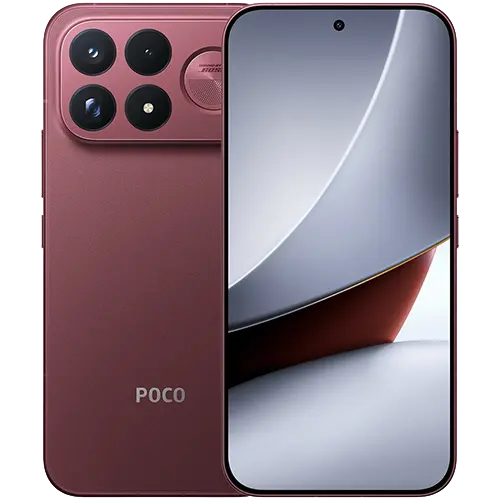
Poco
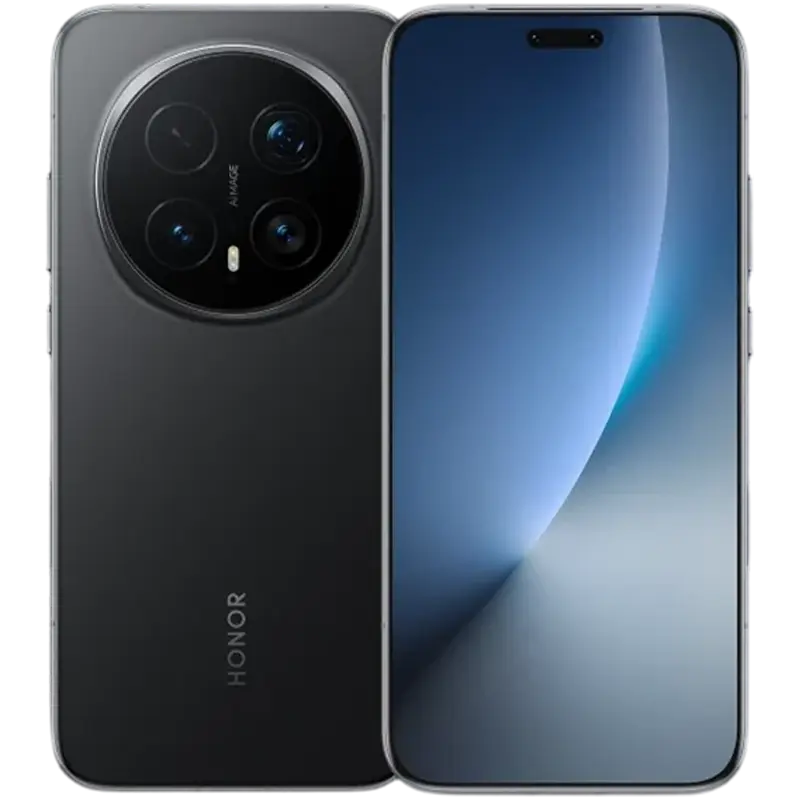
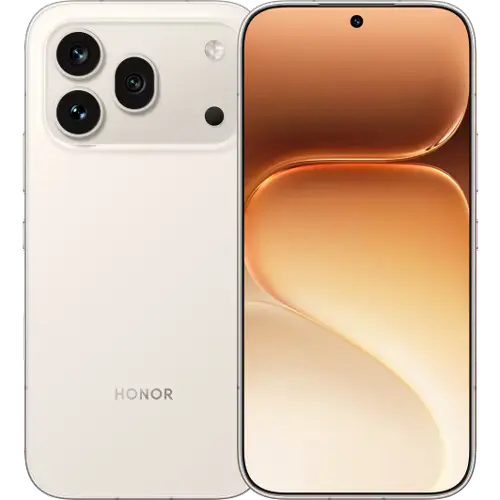
Honor
F9 Ultra
Magic8 Pro
Ranked #1 of 61
Ranked #2 of 61
Overall
Overall




The Poco F9 Ultra and the Honor Magic8 Pro share the same processor, so the difference in price between them comes down to everything else. The Poco is a spec-forward flagship built around a massive battery and a high-resolution camera system, priced to undercut nearly every premium competitor. The Honor targets a more refined tier, emphasizing charging speed, display calibration, and a distinctive telephoto camera at a price that demands justification.
The Poco has the longer battery life, more consistent camera color, a brighter display, and a clearly better speaker. The Honor charges significantly faster, delivers better CPU and browser performance, and reproduces display colors with near-reference accuracy. In the camera system, the Honor's rear lenses capture more depth in high-contrast scenes, but the Poco's color accuracy is meaningfully better across every lens. Both phones have decisive leads in their winning categories, though the Poco wins more of them.
Design
| Poco F9 Ultra | Honor Magic8 Pro | |
|---|---|---|
| Specifications | ||
| Dimensions | 163.5 x 77.9 x 8.7 mm | 161.2 x 75 x 8.3 mm |
| Weight | 235g | 219g |
| IP Rating | IP68 | IP68/IP69K |
| Frame | Aluminum | Aluminum |
| Front | Gorilla Glass 7i | NanoCrystal Shield |
| Back | Plastic | Fiber-reinforced plastic |
| Screen-to-body ratio | 91.5% | 89.6% |
The Poco is the bigger phone at 163.5 x 77.9 x 8.7mm and 235g, compared to the Honor's 161.2 x 75 x 8.3mm and 219g. That's roughly 3mm wider and 16 grams heavier. Both use aluminum frames. The Poco pairs Gorilla Glass 7i on the front with a plastic back; the Honor uses NanoCrystal Shield glass up front and fiber-reinforced plastic on the back. Neither phone has a glass rear panel.
Both carry IP68 ratings, meaning submersion resistance to a rated depth in fresh water. The Honor adds IP69K certification, which covers high-pressure, high-temperature water jets. That's more relevant in industrial settings than daily life, but it's an extra durability credential on paper.
The Poco's 6.9-inch display at a 91.5% screen-to-body ratio means proportionally thinner bezels than the Honor's 6.71-inch panel at 89.6%. Aspect ratios are close: 19.5:9 on the Poco, 20.1:9 on the Honor, so both are tall and narrow in proportion.
Bandicoot Lab doesn't formally test design or durability; this section covers what's on the spec sheet.
Display
| Poco F9 Ultra | Honor Magic8 Pro | |
|---|---|---|
879/ 881 | 790/ 881 | |
The Poco is the brighter panel. Its manual brightness tops out at 863 nits versus the Honor's 759 nits, a noticeable gap outdoors. In HDR content with auto brightness enabled, the Poco peaks at 11,983 nits — more than double the Honor's 4,969 nits. That peak figure applies to small, bright highlights on screen. The Poco's HDR brightness stability across window sizes is just 19.2%, meaning the display drops off sharply as the bright area gets larger. The Honor holds 33.4% stability, so its lower peak is more representative of what you'd actually see in a full bright scene. Both sustain brightness well over extended playback sessions: 98.9% for the Poco and 99.5% for the Honor over a 30-minute HDR test.
Color accuracy is where the Honor pulls clearly ahead. In its best display mode, colors barely deviate from reference — the kind of precision you'd normally need instruments to verify. The Poco's calibration is looser, with visible color drift in some tones. Individual colors can shift enough to notice without specifically looking for it. The Honor covers 100% of the sRGB gamut and 75.2% of P3; the Poco hits 97% sRGB and 71.9% P3.
For HDR tone mapping, the Poco intentionally pushes highlights above their mastered brightness, giving HDR content a punchy, boosted look. The Honor renders highlights more conservatively, staying closer to intended levels. Both clip at the same 85% input level, so very bright HDR content loses highlight detail on either phone.
Resolution is a mild advantage for the Honor at 1256 x 2808 (458 pixels per inch) versus the Poco's 1200 x 2608 (416 PPI). The Poco's 185Hz maximum refresh rate is significantly higher than the Honor's 120Hz, which benefits scrolling smoothness and gaming. Touch latency is 13.7ms on the Poco and 17.2ms on the Honor — a small enough gap that it's unlikely to be felt in daily use.
Performance
| Poco F9 Ultra | Honor Magic8 Pro | |
|---|---|---|
864/ 1012 | 938/ 1012 | |
Both phones run the Qualcomm Snapdragon 8 Elite Gen 5. The Poco ships with 16GB of RAM in the tested configuration; the Honor has 12GB, with 16GB available as an option.
CPU scores are close. The Honor posts 3,721 single-core and 11,188 multi-core in GeekBench 6, versus 3,546 and 10,605 for the Poco. That's roughly a 5% gap — measurable, but unlikely to surface in everyday app launches or multitasking. Browser performance is a different story: the Honor scores 44.7 in Speedometer versus 16.9 for the Poco. That gap is large enough to feel when loading complex web pages or running JavaScript-heavy content, likely driven by software optimization differences rather than raw hardware.
GPU performance favors the Poco. It scores 7,439 in Wild Life Extreme with 70.9% stability through the stress test, compared to 6,963 and 64.1% for the Honor. Solar Bay peaks are nearly tied at 13,336 and 13,471, but the Poco sustains better at 67.1% stability versus 59.8%. In extended gaming sessions, the Poco will throttle less and hold higher frame rates more consistently.
Camera
| Poco F9 Ultra | Honor Magic8 Pro | |
|---|---|---|
548/ 587 | 447/ 587 | |
The Poco's camera system scores comfortably ahead overall. That gap is driven by color accuracy and sharpness consistency across lenses rather than any single standout.
The Poco resolves more detail from its rear cameras in bright and moderate lighting. The Honor's main and ultrawide hold up slightly better in dark conditions, and its 50-megapixel front camera is considerably sharper than the Poco's 32-megapixel front sensor. At extreme zoom levels beyond 10x, both phones reach 100x digital magnification and detail degrades substantially for both. The Poco holds up better through the extended range.
The two phones render color differently. The Poco produces slightly vivid images with saturation a touch above neutral, and a mild warm shift developing in dimmer, warmer light. The overall look is punchy but controlled. The Honor pushes saturation further, especially in low light, with a warm yellow cast present across all conditions that intensifies as ambient light gets warmer. The Poco's hue rendering stays consistent across lighting, with skin tones reasonably close to life. The Honor's hue accuracy is poor across every lens. Skin tones run noticeably warm and oversaturated. The warm bias growing systematically with warmer ambient light is the signature of white balance correction failing to adapt. It's a system-level trait visible on all of Honor's cameras, not a lens-specific problem.
The Honor compensates with better dynamic range from its rear cameras. Its main camera preserves more shadow detail and retains highlight information in high-contrast scenes that the Poco clips. This advantage extends to the ultrawide and telephoto. The Poco's front camera reverses the trend, capturing broader scene depth with smoother tonal transitions.
Main
| Poco F9 Ultra (Main) | Honor Magic8 Pro (Main) | |
|---|---|---|
582/ 722 | 526/ 722 | |
The Poco uses a 200-megapixel f/1.68 sensor at 24mm on a 1/1.4-inch chip. The Honor has a 50-megapixel f/1.6 at 23mm on a slightly larger 1/1.3-inch sensor. The Poco's main camera handles the 1x–5x range before handing off to its telephoto; the Honor covers 1x–3.7x.
Both resolve strong detail in good light, and the Honor actually edges ahead in dark conditions. The Poco's 200-megapixel sensor has four times the pixel data of the Honor's 50-megapixel chip, so at 2x or 3x the Poco retains usable detail that the Honor starts to lose. Over the full 1x–5x span, the Poco's higher pixel count pays off.
Color is where the Poco's main camera pulls ahead. It renders slightly vivid but well-controlled images, with good hue consistency across lighting. Skin tones are handled well in mid and dim conditions, though bright studio lighting introduces some inaccuracy. The Honor pushes saturation harder and its hue accuracy degrades substantially. Skin tones run warm and oversaturated in all conditions, with a warm yellow bias that's present even in daylight and worsens as light gets warmer.
The Honor's main camera captures more scene depth in high-contrast situations, retaining shadow and highlight information that the Poco clips. Video stabilization favors the Poco, which keeps handheld footage well-controlled. The Honor's main camera introduces noticeable motion amplification during handheld recording.
Ultrawide
| Poco F9 Ultra (Ultrawide) | Honor Magic8 Pro (Ultrawide) | |
|---|---|---|
551/ 722 | 431/ 722 | |
Both ultrawides use 50-megapixel sensors on 1/2.88-inch chips, but the Honor's 12mm lens is considerably wider than the Poco's 18mm (0.5x versus 0.7x). You'll fit noticeably more into the frame with the Honor.
The Poco's ultrawide is sharper in bright and moderate lighting. In dark conditions the gap narrows as the Honor holds its detail better. Compared to their respective main cameras, the Poco's ultrawide is actually its sharpest lens, while the Honor's ultrawide runs below its main.
Color follows the same pattern as the main cameras. The Poco maintains decent hue accuracy in good light, with more noticeable drift in dark conditions. The Honor's ultrawide produces large hue errors across all lighting, with a very strong warm cast that becomes extreme in dim, warm light. Skin tones are inaccurate on both cameras in bright conditions but markedly worse on the Honor in mid and dark. Dynamic range is limited from both ultrawides, though the Honor preserves more scene depth with smoother tonal transitions.
Telephoto
| Poco F9 Ultra (Telephoto) | Honor Magic8 Pro (Telephoto) | |
|---|---|---|
605/ 722 | 449/ 722 | |
The Poco's telephoto is a 50-megapixel 5x periscope (120mm, f/3) on a 1/2.75-inch sensor. The Honor's is a 200-megapixel 3.7x (85mm, f/2.6) on a much larger 1/1.4-inch sensor. On paper, the Honor's hardware is the more ambitious setup. In testing, the Poco outperforms it.
The Poco's telephoto is sharper than the Honor's. It resolves strong detail at its native 5x and softens gradually as you push into digital crop territory beyond that. The Honor's 200-megapixel count should give it plenty of resolution for cropping past its 3.7x native, but the sharpness results don't reflect that advantage. The Poco's longer starting reach means it needs less cropping to hit the same absolute magnification.
Color is a major differentiator. The Poco's telephoto delivers the best color of any lens in either phone. Hue accuracy is good in bright light and degrades gradually in dimmer conditions. Skin tones are handled well throughout. The Honor's telephoto has significant color problems: poor hue accuracy at every lighting level, with skin tones drifting severely. In low light, a heavy warm shift develops that goes well beyond the white balance issues seen on its other lenses, with an additional red-magenta component suggesting the sensor itself is struggling alongside the processing.
Stabilization matters at telephoto focal lengths, and the Poco handles it confidently. Handheld video stays controlled. The Honor's telephoto introduces substantial motion amplification during recording, which is surprising given its shorter native focal length. The Honor preserves more scene depth, partially offsetting its other weaknesses.
Front
| Poco F9 Ultra (Front) | Honor Magic8 Pro (Front) | |
|---|---|---|
521/ 722 | 400/ 722 | |
The Honor's 50-megapixel front camera on a 1/2.93-inch sensor is significantly sharper than the Poco's 32-megapixel sensor on a smaller 1/3.44-inch chip. Both sit at 21mm. The Honor's sharpness advantage holds across all lighting conditions, with high detail retention even as light drops.
Color goes to the Poco. Its front camera has a slightly cool, slightly muted rendering that stays consistent from bright to dark. The hue accuracy barely shifts between conditions. The Honor's front camera is close to neutral in good light but falls apart in dim conditions, where a severe warm-magenta shift takes over. This is clearly a white balance overcorrection. Skin tones become noticeably discolored under warm, low light.
Dynamic range is the starkest gap in the entire camera comparison. The Poco's front camera captures a wide range of scene brightness with smooth tonal transitions and no tonal reversals. The Honor's front camera retains some usable range but introduces multiple tonal inversions, visible as banding or unnatural brightness steps that degrade image quality significantly.
Battery
| Poco F9 Ultra | Honor Magic8 Pro | |
|---|---|---|
836/ 836 | 799/ 836 | |
The Poco carries an 8,050mAh cell versus the Honor's 7,100mAh. In video playback, the Poco runs for 42.89 hours before dying — close to two full days of nonstop playback, or comfortably four to five days of typical mixed use between charges. The Honor reaches 35.51 hours, still excellent and good for three to four days of normal use. The seven-hour gap is meaningful.
Efficiency tests add nuance. Over the five-hour web browsing test, the Honor drains just 11% compared to the Poco's 15%. The Honor is more efficient at managing screen-on web tasks despite its smaller battery. Gaming flips the advantage: the Poco loses 22% during the 3DMark Wild Life Extreme stress test (20 loops of sustained GPU load) versus the Honor's 25%.
Standby drain is where the Poco's lead is most decisive. It loses 3% over eight hours of overnight idle; the Honor loses 7%. Over a long weekend away from a charger, that difference compounds quickly.
Charging
| Poco F9 Ultra | Honor Magic8 Pro | |
|---|---|---|
629/ 837 | 837/ 837 | |
The Honor charges faster across the board. Its 120W wired charging reaches 30% in 10 minutes and 81% in 30 minutes. The Poco's 100W wired hits 24% at 10 minutes and 61% at 30 minutes. That 20-percentage-point gap at the half-hour mark is substantial: the Honor approaches a full charge in the time it takes the Poco to reach roughly two-thirds.
Wireless charging follows the same pattern. The Honor's 80W wireless reaches 26% in 10 minutes and 67% in 30 minutes. The Poco's 50W wireless manages 17% and 42% at those marks. For quick top-ups before heading out, the Honor delivers meaningfully more charge in the same window.
Speaker
| Poco F9 Ultra | Honor Magic8 Pro | |
|---|---|---|
863/ 897 | 680/ 897 | |
The Poco's speaker system is well ahead of the Honor's. The Honor is marginally louder at 76.9 dBA versus 75 dBA, a difference you're unlikely to notice without direct comparison. Beyond that, the Poco is ahead in every dimension.
The Poco produces fuller bass, extending down to lower frequencies where the Honor rolls off early. It's also significantly cleaner: total harmonic distortion measures 2.36% compared to the Honor's 8.63%, meaning the Poco maintains clarity at higher volumes where the Honor starts to sound harsh or strained. High-end clarity is also slightly better on the Poco, giving it a more balanced character overall. The Honor's speaker sounds thinner and more distorted by comparison.
Microphone
| Poco F9 Ultra | Honor Magic8 Pro | |
|---|---|---|
355/ 1220 | 601/ 1220 |
The Poco's microphone is a clear weak point, with an uneven frequency response that will affect call quality and voice recordings. The Honor's microphone is closer to average, with more balanced pickup. Neither phone stands out for recording quality, but the gap between them is wide enough to matter if you take calls frequently or record voice memos.
Other
| Poco F9 Ultra | Honor Magic8 Pro | |
|---|---|---|
| Biometrics | 822/ 1181 | 614/ 1181 |
| Data Transfer | 943/ 943 | 680/ 943 |
| Specifications | ||
| Biometric type | Fingerprint | Fingerprint |
| Ports | USB-C 3.2 Gen 1 | USB-C 3.2 |
| Storage | 256GB, 512GB, 1TB | 256GB, 512GB, 1TB |
The Poco's ultrasonic fingerprint sensor unlocks at an average of 128ms; the Honor's fingerprint sensor averages 171ms. Both are fast enough to feel nearly instant, though the Poco has a slight edge. Neither phone has hardware-based face unlock.
Data transfer speeds favor the Poco significantly: 419 MB/s read and 423 MB/s write, versus 332 MB/s read and 230 MB/s write for the Honor. The Poco uses a USB-C 3.2 Gen 1 port; the Honor uses USB-C 3.2. Both phones are available in 256GB, 512GB, and 1TB storage configurations.
Conclusion
The Poco F9 Ultra costs considerably less and wins more categories. It has the better battery life, more reliable camera color, brighter display, and a speaker that isn't close. The Honor Magic8 Pro's advantages are legitimate: its charging speed is genuinely fast, its display color calibration is nearly perfect, and its browser performance is substantially better. Its rear cameras also capture more usable scene depth in challenging light.
The question is whether those advantages justify the premium. If you need the fastest possible charging, if display color fidelity is critical for your work, or if your phone is primarily a web browsing device, the Honor has a real case. Its rear-camera dynamic range also matters if you frequently shoot high-contrast scenes. Outside those specific priorities, the Poco covers more ground at a much lower price. Its battery will last longer, its camera colors will look more accurate, and its speaker will sound noticeably better. For most buyers, that's a straightforward call.
FAQ
Does the Poco F9 Ultra or Honor Magic8 Pro have the better camera?
The Poco F9 Ultra has more accurate color on every lens, a sharper telephoto, and steadier handheld video. The Honor Magic8 Pro has a strong warm cast and poor skin tones across all its cameras. The Honor's rear cameras do keep more shadow and highlight detail in high-contrast scenes, and its 50-megapixel front camera is sharper, but the Poco's front camera has the better tonal range.
Which has better battery life, the Poco F9 Ultra or the Magic8 Pro?
The Poco F9 Ultra lasts longer, with an 8,050mAh battery against the Honor's 7,100mAh. It runs 42.89 hours of video playback versus 35.51 hours, and loses 3% overnight on standby versus 7% for the Honor. The Honor drains less during web browsing (11% versus 15% over five hours), so the Poco's advantage is largest in video and idle time.
Does the Honor Magic8 Pro charge faster than the Poco F9 Ultra?
Yes. The Magic8 Pro's 120W wired charging reaches 81% in 30 minutes, while the Poco F9 Ultra's 100W reaches 61%. Wireless shows the same gap: the Honor's 80W wireless hits 67% in 30 minutes versus 42% for the Poco's 50W. If quick top-ups matter most, the Honor is the clear choice.
Is the Honor Magic8 Pro worth the extra money over the Poco F9 Ultra?
For most buyers it isn't. The Poco F9 Ultra has the longer battery life, more accurate camera color, a brighter display, and a much better speaker. The Honor justifies its price only if you need the fastest charging, near-reference display color accuracy, quicker browser performance, or better rear-camera dynamic range in high-contrast scenes.
Which is better for gaming, the Poco F9 Ultra or Magic8 Pro?
The Poco F9 Ultra is the better gaming phone, even though both use the Snapdragon 8 Elite Gen 5. It holds performance better under sustained load, with 70.9% stability in Wild Life Extreme versus 64.1% for the Honor and 67.1% versus 59.8% in Solar Bay. It also supports a 185Hz refresh rate against the Honor's 120Hz and drains slightly less battery in a long gaming stress test.
Which phone has the better display, the Poco F9 Ultra or Honor Magic8 Pro?
It depends on what you value. The Magic8 Pro has near-reference color accuracy, full sRGB coverage, and a sharper 458 PPI panel. The Poco F9 Ultra gets brighter outdoors (863 nits versus 759 nits manual brightness) and runs up to 185Hz, but its colors drift visibly in some tones. For color-critical work the Honor is better, and for outdoor visibility and smooth motion the Poco is.
Related
Poco
F9 Ultra
Honor
Magic8 Pro
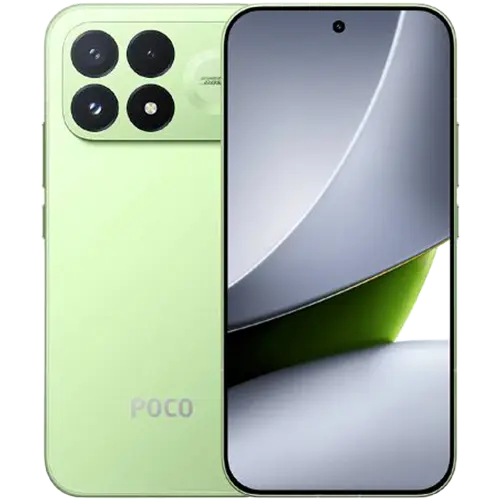
Poco
F9 Pro
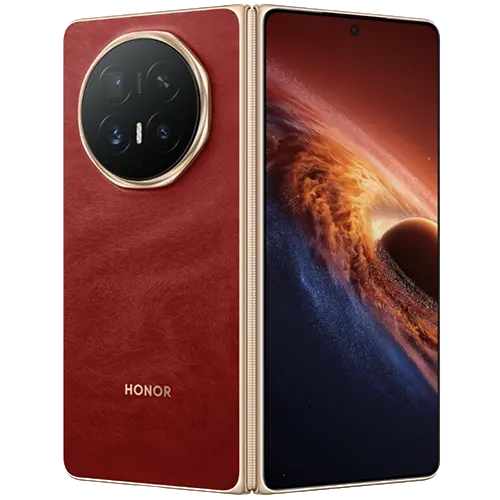
Honor
Magic V6
Honor
600
Poco F9 Ultra vs Poco F9 Pro
Poco F9 Ultra vs Google Pixel 11 Pro XL

Poco F9 Ultra vs Samsung Galaxy S26 Ultra
Poco F9 Ultra vs Apple iPhone 17 Pro Max
Google Pixel 11 Pro XL vs Honor Magic8 Pro
Google Pixel 11 Pro vs Honor Magic8 Pro
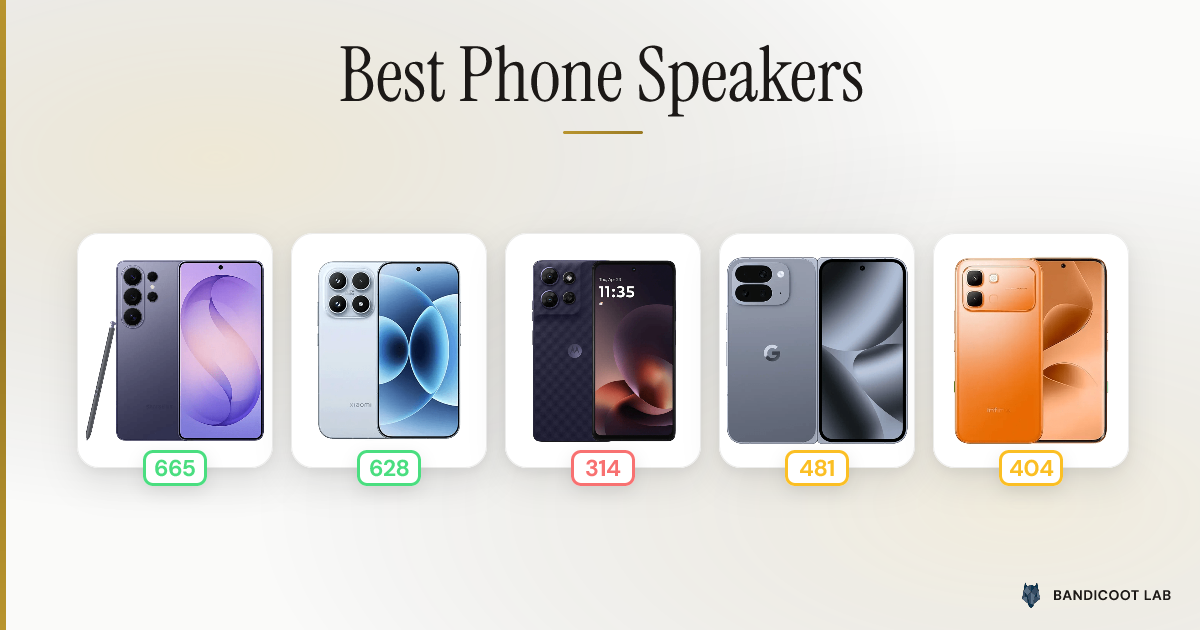
Best Phone Speakers