Google Pixel 11 Pro vs Honor Magic8 Pro
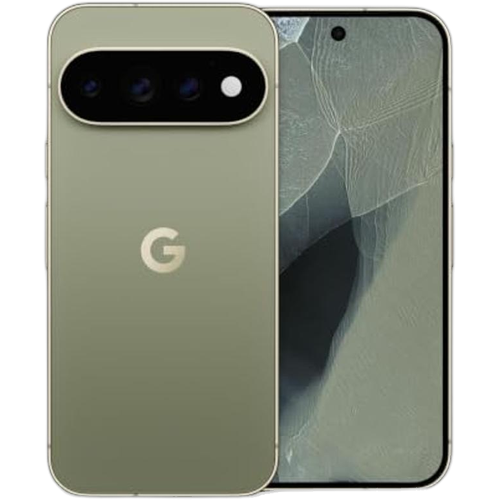
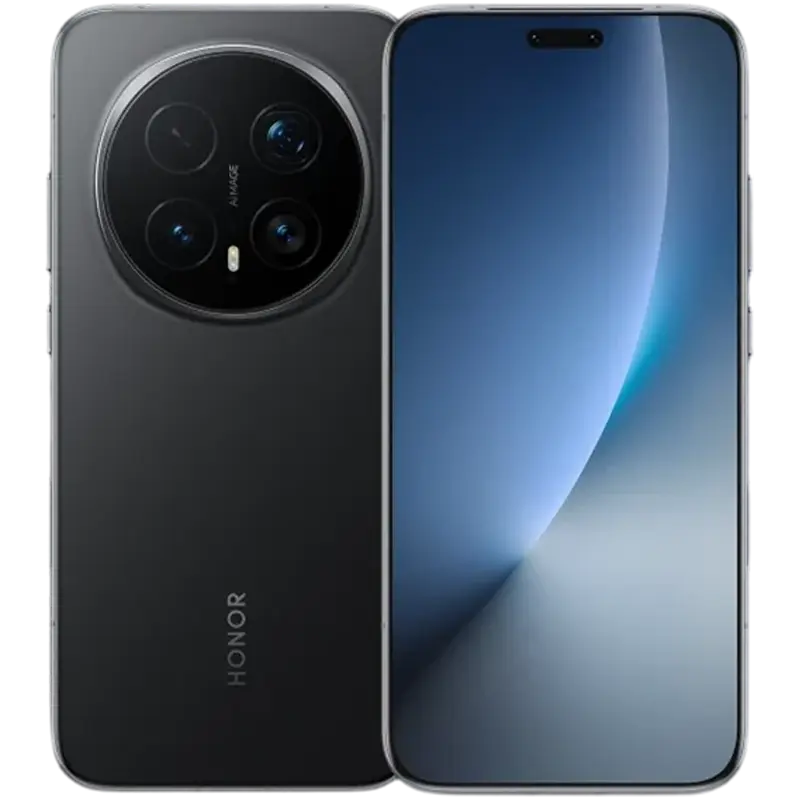
Honor
Pixel 11 Pro
Magic8 Pro
Ranked #31 of 61
Ranked #2 of 61
Overall
Overall



The Pixel 11 Pro is Google's compact flagship: a 6.3-inch phone built around computational photography and a long-zoom camera system. The Honor Magic8 Pro costs more and goes the other direction, a larger phone that leans on raw hardware. It carries Qualcomm's top silicon, an enormous battery, and some of the fastest charging available. Both are positioned as do-everything flagships, so anyone shopping at this tier will reasonably cross-shop them, but they're built for different priorities from the ground up.
The short version: the Honor wins the hardware fundamentals. Its performance, battery life, and charging speed are all far ahead of the Pixel. The Pixel answers with the better display, a more accurate and more consistent camera system, and a smaller, denser build at a lower price. If you want endurance and speed, the Honor makes a strong case. If you want the phone that takes the photo you expected, the Pixel does.
Design
| Google Pixel 11 Pro | Honor Magic8 Pro | |
|---|---|---|
| Specifications | ||
| Dimensions | 152.7 x 71.9 x 8.4 mm | 161.2 x 75 x 8.3 mm |
| Weight | 204g | 219g |
| IP Rating | IP68 | IP68/IP69K |
| Frame | Aluminum | Aluminum |
| Front | Gorilla Glass Victus 2 | NanoCrystal Shield |
| Back | Gorilla Glass Victus 2 | Fiber-reinforced plastic |
| Screen-to-body ratio | 87.0% | 89.6% |
The Pixel 11 Pro is the smaller phone: 152.7 x 71.9 x 8.4mm and 204g against the Honor's 161.2 x 75 x 8.3mm and 219g. That's nearly a centimeter of height and 15g of weight separating them, which you'll feel in a pocket and in one-handed reach. Both use aluminum frames. The Pixel pairs Gorilla Glass Victus 2 on both front and back; the Honor uses its own NanoCrystal Shield glass up front and a fiber-reinforced plastic back. Plastic resists shattering better than glass but scratches more easily, and it's part of how Honor keeps a 7100mAh phone at 219g.
Both carry IP68 ratings, meaning sustained submersion at rated depth. The Honor adds IP69K on top, which certifies resistance to high-pressure, high-temperature water jets. For most owners that's a spec-sheet footnote rather than a practical difference. The Honor's 89.6% screen-to-body ratio edges the Pixel's 87%, so its bezels are proportionally thinner. Aspect ratios are near-identical at 20:9 and 20.1:9.
Bandicoot Lab doesn't formally test design or durability, so this section covers what's on paper.
Display
| Google Pixel 11 Pro | Honor Magic8 Pro | |
|---|---|---|
881/ 881 | 790/ 881 | |
Both phones use LTPO OLED panels running 1 to 120Hz. The Pixel's 6.3-inch panel runs 1280 x 2856 for 495 pixels per inch; the Honor's 6.71-inch panel runs 1256 x 2808 for 458 PPI. Both are sharp enough that pixel density won't be the deciding factor.
Brightness is where they split. In manual mode the Pixel reaches 1398 nits, nearly double the Honor's 759. If you keep auto-brightness off, the Pixel is the far more usable phone outdoors. With HDR content in auto mode the Honor peaks higher, 4969 nits to the Pixel's 3594, but it only hits that figure in small highlight regions. The Honor holds just 33.4% of its peak brightness across window sizes, while the Pixel holds 67.7%. In practice the Pixel delivers more consistent HDR brightness across real content, while the Honor's headline number shows up mainly in small specular highlights. Both panels sustain their output over time without fading; neither throttles meaningfully across a 30-minute test.
Color accuracy is excellent on both. The Pixel is marginally tighter, with errors small enough to be invisible outside instrument testing, but the Honor is close behind and neither will show a visible cast. Tone mapping differs more: the Honor tracks the HDR reference curve faithfully but starts clipping highlights earlier, around the 85% input level, while the Pixel lifts highlights brighter than mastered and holds detail until about 95%. The Pixel's rendering is punchier but less faithful; the Honor's is accurate until it runs out of headroom. Touch latency is 13ms on the Pixel and 17.2ms on the Honor, a gap too small to feel.
Performance
| Google Pixel 11 Pro | Honor Magic8 Pro | |
|---|---|---|
429/ 1012 | 938/ 1012 | |
The Pixel 11 Pro runs Google's Tensor G6 with 12GB of RAM (16GB optional); the Honor Magic8 Pro runs the Snapdragon 8 Elite Gen 5, also with 12GB or 16GB. This is the most lopsided section in the comparison.
In GeekBench the Honor scores 3721 single-core and 11188 multi-core. The Pixel manages 2551 and 4846. That multi-core result means the Snapdragon has well over twice the sustained CPU throughput, a gap you'll feel in app installs, photo exports, and anything that loads all cores. Browser performance follows the same pattern: the Honor's Speedometer score of 44.7 is nearly double the Pixel's 25.
GPU results are just as one-sided. The Honor's best Wild Life Extreme run of 6963 is more than double the Pixel's 3278. Stability under a 20-loop stress test is similar on both, 64.1% for the Honor and 68.3% for the Pixel, so both throttle a comparable amount; the Honor just throttles from a much higher starting point. For everyday scrolling and messaging both phones feel fine, but for gaming or any demanding workload the Honor is in a different class, and the Tensor G6 sits well behind every flagship running Qualcomm's chip.
Camera
| Google Pixel 11 Pro | Honor Magic8 Pro | |
|---|---|---|
468/ 587 | 447/ 587 | |
The overall camera scores land close together, but the two systems get there in opposite ways. The Honor captures more raw detail on its main, ultrawide, and front cameras, often substantially more. The Pixel delivers far more accurate color on every lens and has the stronger telephoto. Against camera-focused rivals, neither system is top-tier: the Honor's color accuracy problems hold it back everywhere, and the Pixel's dynamic range on the main and ultrawide lenses is a genuine weakness.
At extreme zoom the Pixel pulls ahead. It reaches 120x digital zoom to the Honor's 100x, and across the deep-zoom range past 10x it retains meaningfully more usable detail. Neither produces anything sharp at the far end, which is true of every phone, but the Pixel's long-zoom output stays legible further.
Main
| Google Pixel 11 Pro (Main) | Honor Magic8 Pro (Main) | |
|---|---|---|
467/ 722 | 526/ 722 | |
Both phones use 50-megapixel main sensors at 1/1.3 inch, the Pixel at f/1.68 and 25mm, the Honor at f/1.6 and 23mm. The Pixel's main camera covers 1x through 5x before its telephoto takes over; the Honor's covers 1x through 3.7x.
The Honor is the sharper camera, and unusually it gets sharper in low light, where its output beats its own bright-light detail. The Pixel holds steady across lighting but at a lower level throughout. Both hold up reasonably when cropping toward their telephoto handoff points, with the Honor's detail advantage persisting through the digital range.
Color is where the order reverses. The Pixel tunes its main camera vivid, pushing saturation hard in bright light, with blues and cool tones pulled slightly toward the cool side. Hue accuracy is decent and skin tones, while a bit exaggerated in bright light, settle to near-accurate in dim conditions. The Honor leans warm and yellow across all lighting, and the cast grows as the light gets warmer, pointing to white balance correction that under-corrects warm sources. Skin tones drift well off reference in every condition tested, roughly twice the Pixel's error in bright light and three times in dim light. It's the main camera's biggest flaw.
Dynamic range goes to the Honor. High-contrast scenes retain shadow detail and tonal depth; the Pixel clips highlights more readily and shows rougher tonal transitions in bright regions. Video stabilization also favors the Honor by a wide margin. Handheld footage from the Pixel's main camera stays visibly jittery, one of the weaker results recorded, while the Honor's stays controlled.
Ultrawide
| Google Pixel 11 Pro (Ultrawide) | Honor Magic8 Pro (Ultrawide) | |
|---|---|---|
397/ 722 | 431/ 722 | |
The Pixel's ultrawide is 48 megapixels at f/1.7 with a 1/2.51 inch sensor; the Honor's is 50 megapixels at f/2 on a smaller 1/2.88 inch sensor. Despite the smaller sensor, the Honor resolves more detail, especially in mid and low light, and unlike most ultrawides it doesn't fall apart as light drops.
The pattern from the main cameras repeats. The Pixel's ultrawide colors are respectable in bright light, drifting warmer and less accurate as light dims. The Honor's ultrawide has the worst color on the phone: in warm, dim light the white balance swings heavily yellow and hue errors become obvious. The Honor counters with clearly better dynamic range. The Pixel's ultrawide is its weakest lens for high-contrast scenes, clipping skies and flattening shadows in a way its main camera doesn't. Relative to their own main lenses, the Pixel's ultrawide is a modest step down across the board; the Honor's is a smaller step down in detail but a bigger one in color.
Telephoto
| Google Pixel 11 Pro (Telephoto) | Honor Magic8 Pro (Telephoto) | |
|---|---|---|
629/ 722 | 449/ 722 | |
This is the Pixel's best lens. Its 5x telephoto uses a 48-megapixel sensor at f/2.8 and 106mm, covering 5x out to 120x. The Honor's 3.7x telephoto is a 200-megapixel sensor at f/2.6 and 85mm, physically enormous at 1/1.4 inch, covering 3.7x out to 100x.
On paper the Honor's sensor should win. In testing the Pixel's telephoto resolves more detail at its native length and holds it almost perfectly from bright light down to dim, which is rare for a telephoto. It also has the Pixel's best color: accurate skin tones, restrained saturation, and no highlight clipping, so long-lens portraits in harsh light keep their depth. Stabilization on the telephoto is the one place the Pixel's video holds steadier than the Honor's.
The Honor's telephoto is softer than its own main camera and its color carries the same warm drift as the rest of the system, with skin tones well off in bright light. Its dynamic range is middling. Past the native lengths, both lenses degrade as digital zoom climbs, but the Pixel degrades more gracefully and stays usable deeper into the range. If zoom photography matters to you, the Pixel is the clear pick.
Front
| Google Pixel 11 Pro (Front) | Honor Magic8 Pro (Front) | |
|---|---|---|
463/ 722 | 400/ 722 | |
The Pixel's front camera is 42 megapixels at f/2.2 and 17mm, wider than the Honor's 50-megapixel f/2 at 21mm. The Honor resolves noticeably more detail in every lighting condition.
Everything else favors the Pixel. Its front camera handles backlit scenes far better, holding highlight and shadow detail where the Honor flattens out and clips. The Honor tunes its selfies visibly undersaturated, a muted look that some will prefer, but its skin tones in bright light sit well off reference and its low-light white balance swings strongly yellow. The Pixel's selfie skin tones also run too saturated in bright light, though they settle to accurate as light drops. Video stabilization goes to the Honor; the Pixel's front camera footage shows the same handheld jitter as its main lens.
Battery
| Google Pixel 11 Pro | Honor Magic8 Pro | |
|---|---|---|
515/ 836 | 799/ 836 | |
The Honor packs 7100mAh against the Pixel's 4850mAh, a 46% capacity advantage, and the results track it. The Honor ran 35.5 hours of video playback to the Pixel's 26.3. Both are genuinely long results, but the gap is a full workday of screen time. In the 5-hour web browsing test the Honor drained 11% to the Pixel's 20%, which extrapolates to roughly 45 hours of browsing versus about 25.
In practice the Pixel is a solid full-day phone that will stretch into a second day with light use. The Honor is a comfortable two-day phone for most people, and heavy users will still end day one with plenty left. The Pixel claws back ground in two places: the 20-loop gaming stress test drained 20% of the Pixel against 25% of the Honor, since the Snapdragon burns more power at full tilt, and overnight standby cost the Pixel 4% against the Honor's 7%. Neither changes the overall picture. For endurance, the Honor is in a different weight class.
Charging
| Google Pixel 11 Pro | Honor Magic8 Pro | |
|---|---|---|
330/ 837 | 837/ 837 | |
The Honor charges at 120W wired and 80W wireless; the Pixel at 30W wired and 25W wireless. Ten minutes on a cable gets the Honor to 30% and the Pixel to 21%. By 30 minutes the Honor is at 81% while the Pixel sits at 58%, and the Honor finishes a full charge well under an hour despite having a much larger battery to fill.
Wireless charging is even more lopsided. The Honor hits 26% in 10 minutes and 67% in 30, faster wirelessly than the Pixel manages on a cable. The Pixel's wireless pad reaches 11% and 34% at the same marks. The Pixel's one advantage is magnetic alignment: it snaps onto Qi2 and MagSafe-style chargers and accessories, which the Honor's faster but non-magnetic wireless system doesn't support.
Speaker
| Google Pixel 11 Pro | Honor Magic8 Pro | |
|---|---|---|
699/ 897 | 680/ 897 | |
Maximum loudness is a tie, 77.2 dBA for the Pixel and 76.9 for the Honor. Both are loud enough for a kitchen or a hotel room.
Character differs. The Pixel's speakers measure lower distortion at 6.77% average THD versus the Honor's 8.63%, and its high-end comes through cleaner and more detailed. The Honor's frequency response is much more even across the range, so its tonal balance sounds more natural, and it carries slightly fuller bass. Neither produces real low end; both roll off around 300Hz, which is typical for phone speakers. Pick the Pixel for clarity at volume, the Honor for balance.
Microphone
| Google Pixel 11 Pro | Honor Magic8 Pro | |
|---|---|---|
659/ 1220 | 601/ 1220 |
Both microphone systems land near the middle of what we've tested, with the Pixel slightly above average and the Honor slightly below it. Voice recordings from both are clean and intelligible without standing out. Neither phone should be chosen or avoided for its microphones.
Other
| Google Pixel 11 Pro | Honor Magic8 Pro | |
|---|---|---|
| Biometrics | 501/ 1181 | 614/ 1181 |
| Data Transfer | 305/ 943 | 680/ 943 |
| Specifications | ||
| Biometric type | Fingerprint | Fingerprint |
| Ports | USB-C 3.2 | USB-C 3.2 |
| Storage | 256GB, 512GB, 1TB | 256GB, 512GB, 1TB |
Both phones have under-display fingerprint sensors and neither offers hardware-based face unlock. The Honor's fingerprint reader averaged 171ms to unlock against the Pixel's 210ms. Both are fast; the Honor is a touch faster in a way you'd only catch side by side.
Both ship in 256GB, 512GB, and 1TB configurations over USB-C 3.2. Storage speed favors the Honor clearly: 332 MB/s read and 230 MB/s write against the Pixel's 125 and 138. If you regularly move large video files to a computer, the Honor finishes in less than half the time.
Conclusion
The Honor Magic8 Pro wins the fundamentals, and wins them by margins that aren't debatable. Its CPU and GPU roughly double the Pixel's throughput, its battery adds most of an extra day, and its charging gets you to 81% in the time the Pixel reaches 58%. If your priorities are speed and endurance, the Honor's higher price buys a lot, and the camera system, while flawed on color, still out-resolves the Pixel on three of four lenses.
The Pixel 11 Pro's case rests on the things you look at. Its display is more usable in daylight and more consistent with HDR content. Its camera system produces accurate color where the Honor's drifts warm and yellow across every lens, its telephoto and long-range zoom are clearly better, and its dynamic range failings are offset by images that look right out of the camera. It's also smaller, lighter, and less expensive.
Pick the Honor if you game, travel, or simply refuse to think about a charger. Pick the Pixel if the camera is the reason you're buying a flagship, or if a 6.7-inch phone is more phone than you want to carry. Both are legitimate choices; they just answer different questions.
FAQ
Does the Pixel 11 Pro or Honor Magic8 Pro take better photos?
It depends on the lens. The Honor Magic8 Pro captures more detail on its main, ultrawide, and front cameras and handles high-contrast scenes better, but its color leans warm and yellow, and skin tones drift well off reference. The Pixel 11 Pro renders more accurate color on every lens, so photos look closer to what you saw, though its main and ultrawide cameras clip highlights more readily.
Which is better for zoom, the Pixel 11 Pro or the Magic8 Pro?
The Pixel 11 Pro. Its 5x telephoto resolves more detail at its native length, holds it from bright light into dim light, and keeps skin tones accurate. It also reaches 120x digital zoom to the Honor's 100x and stays usable deeper into that range. The Magic8 Pro has a 200-megapixel 3.7x telephoto, but its output is softer and carries the same warm color drift as its other lenses.
How much longer does the Honor Magic8 Pro's battery last than the Pixel 11 Pro's?
The Magic8 Pro's 7100mAh battery ran 35.5 hours of video playback against 26.3 hours for the Pixel 11 Pro's 4850mAh cell. In the 5-hour web test it drained 11% to the Pixel's 20%. The Honor is a comfortable two-day phone for most people, while the Pixel is a full-day phone that stretches into a second day with light use. The Pixel drains less in the gaming stress test (20% vs 25%) and in overnight standby (4% vs 7%).
Is the Magic8 Pro's charging really that much faster than the Pixel 11 Pro's?
Yes. The Honor charges at 120W wired and 80W wireless, against 30W wired and 25W wireless for the Pixel. On a cable the Honor reaches 81% in 30 minutes to the Pixel's 58%, and wirelessly it reaches 67% to the Pixel's 34%. The Pixel's advantage is magnetic alignment with Qi2 and MagSafe-style chargers and accessories, which the Honor doesn't support.
Which is better for gaming, the Pixel 11 Pro or the Honor Magic8 Pro?
The Magic8 Pro, by a wide margin. Its Snapdragon 8 Elite Gen 5 scored 6963 in Wild Life Extreme against 3278 for the Pixel's Tensor G6, and its multi-core GeekBench result is more than double the Pixel's. Both phones throttle a similar amount under a sustained 20-loop stress test (64.1% stability for the Honor, 68.3% for the Pixel), but the Honor starts from a much higher level. The Pixel handles everyday apps fine but falls well short in demanding games.
Is the Honor Magic8 Pro worth paying more than the Pixel 11 Pro?
It's worth it if you prioritize speed, battery life, and fast charging, since the Honor is well ahead in all three. The Pixel 11 Pro costs less and has the better display, with a manual brightness peak of 1398 nits against the Honor's 759. It also has more accurate camera color and a smaller, lighter body. Choose the Honor for gaming, travel, and endurance, and the Pixel if the camera and a more compact phone matter more.
Related
Pixel 11 Pro
Honor
Magic8 Pro
Honor
Magic V6
Pixel 11 Pro XL
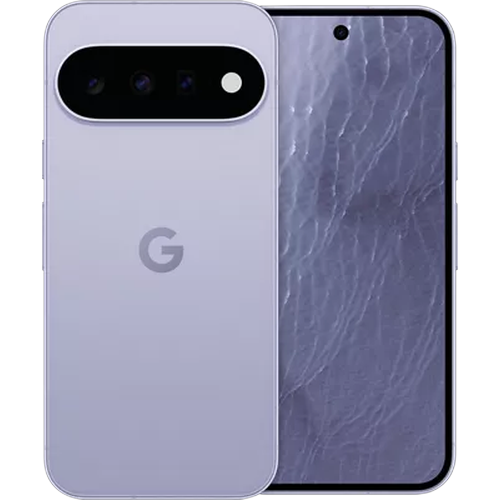
Pixel 11
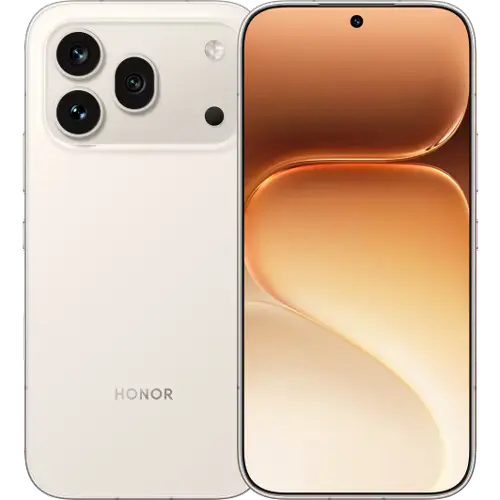
Honor
600
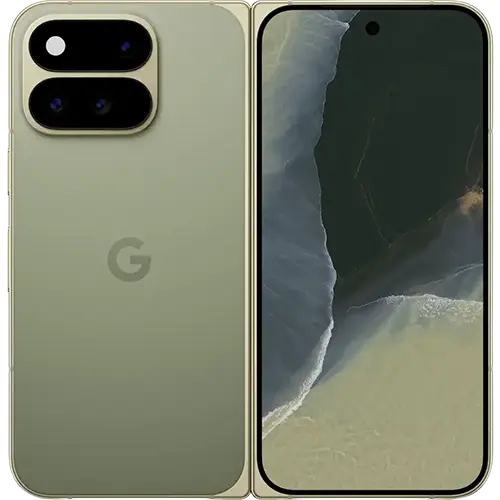
Pixel 11 Pro Fold
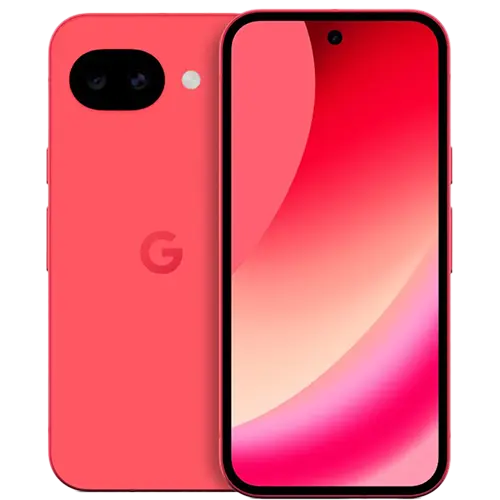
Pixel 10a
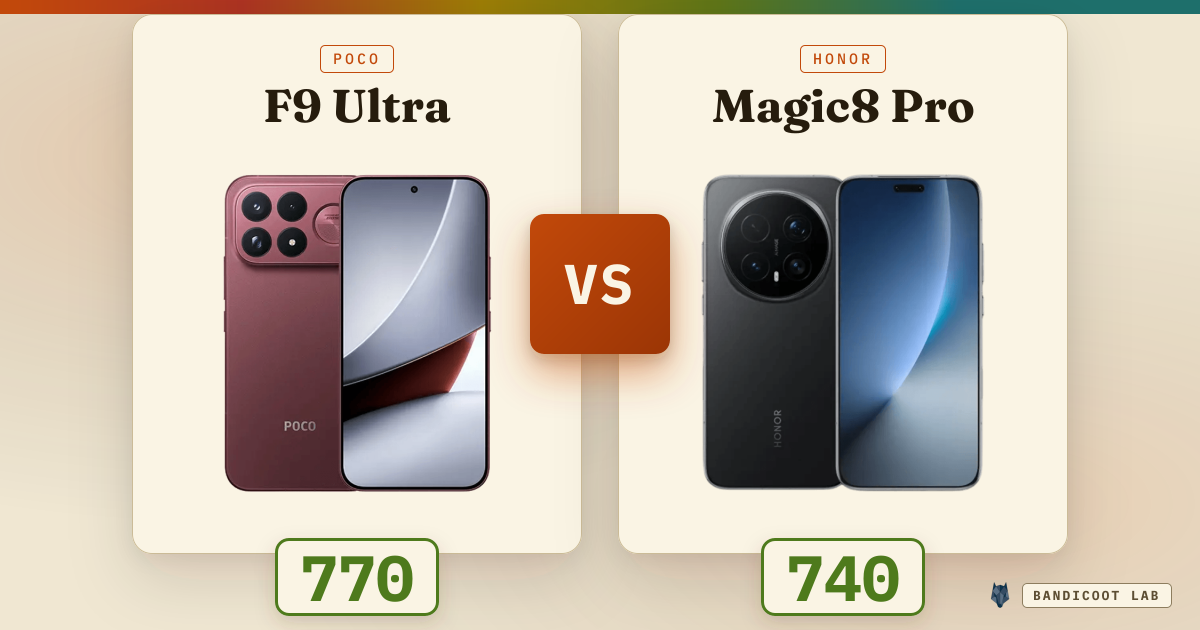
Poco F9 Ultra vs Honor Magic8 Pro
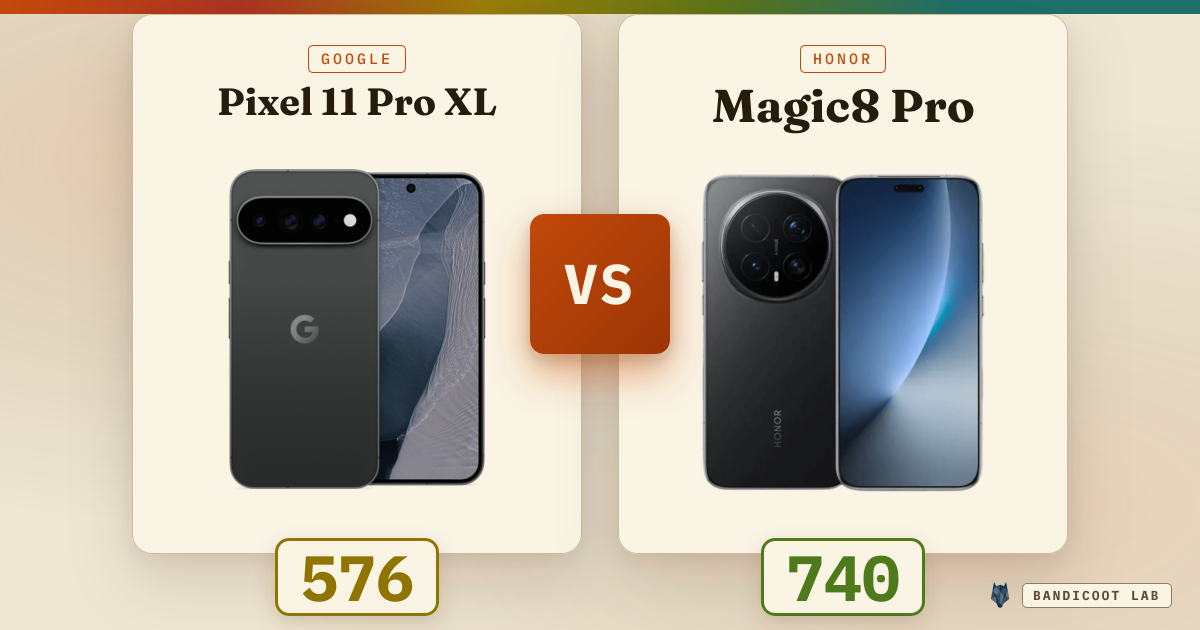
Google Pixel 11 Pro XL vs Honor Magic8 Pro
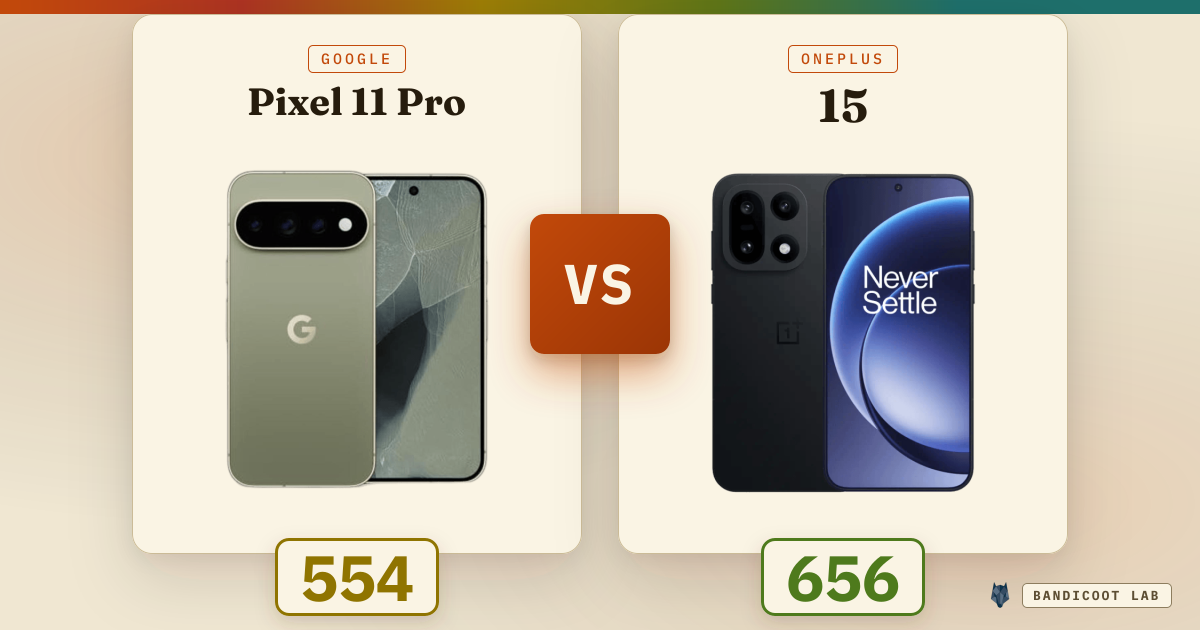
Google Pixel 11 Pro vs OnePlus 15
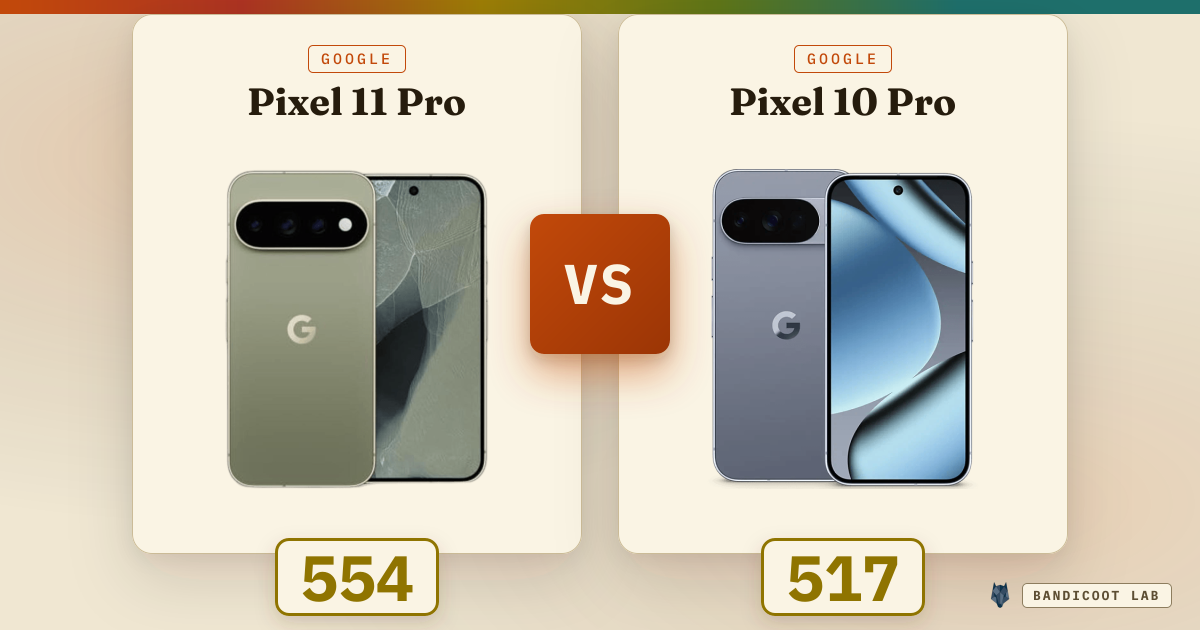
Google Pixel 11 Pro vs Google Pixel 10 Pro